
Amy’s Interior Design Style on 1000-lb Sisters
Real Inspirations or Reality-TV Editing?

Amy Slaton’s interior design style on TLC’s 1000-lb Sisters blends personal creativity with practical choices, shaped by her evolving lifestyle and new beginnings. Her decor choices reflect a mix of authentic taste and the influence of filming for reality TV, resulting in a home that feels lived-in yet often arranged for the camera.
From her haunted wedding venue to quirky home accents, Amy’s design frequently showcases her love of unique and sometimes offbeat themes. While certain elements may be set up to catch viewers’ attention, much of her style comes from her own interests and life changes, including her role as a mother and her journey on the show.
Viewers drawn to 1000-lb Sisters for its real-life moments can see that Amy’s home is not just for show, but a space that mirrors her personality and transformation. The blend of reality and reality-TV-ready staging makes her approach to design both genuine and intriguing.
Amy’s Interior Design Style Revealed
Amy Slaton’s home on 1000-lb Sisters showcases a blend of practical choices, personal keepsakes, and playful decor reflecting both her preferences and family dynamics. Her style stands apart from highly polished television sets, revealing comfort-driven decisions and clear nods to her daily life with Michael and Gage.
Signature Elements in Amy’s Home
Amy’s home interior is marked by warm, welcoming colors and a focus on functionality. Living spaces display cozy furniture suited for family needs. The emphasis is on comfort rather than high-end, modern fixtures.
Key elements include:
Soft couches and recliners for relaxation
Open shelving filled with sentimental items
Child-friendly zones, especially for Gage’s toys and activities
Walls are often adorned with affordable art and family photos in simple frames. Lighting is practical with lamps and ceiling fixtures, and rugs contribute to a homey, lived-in feeling.
Influence of Family and Personal Tastes
Family is central to Amy’s design choices. Spaces prioritize everyday living, with Gage’s presence seen in play areas and organized clutter. Michael’s input is reflected in the arrangement of shared spaces and the inclusion of essentials rather than luxury items.
Amy tends to incorporate personal memorabilia like handmade crafts and childhood photos. Bright colors and fun accents, such as cartoon-themed décor or seasonal decorations, are often seen. These touches highlight her playful side and reflect moments from her journey as a reality star.
Softer finishes—like plush throws or playful cushions—make the environment child-friendly. There’s a visible balance between practicality for her family’s needs and items that make the house uniquely hers.
Comparison to Mainstream Interior Design Trends
Amy’s style contrasts with many mainstream trends shown in renovation shows or social media influencers’ feeds. She avoids ultra-modern minimalism and instead prefers functional layouts and accessible decor found in budget-friendly stores.
Unlike many contemporary designs that emphasize neutral palettes and sleek lines, her home embraces a mix of colors and casual arrangements. The effect feels lived-in rather than staged for the camera. Open shelving with assorted collectibles stands out more than curated gallery walls.
Amy slaton’s design priorities serve her family first, with the authenticity of her lived experience taking precedence over fleeting trends common among other reality stars. This approach grounds her home in comfort and personal significance.
How Reality TV Shapes Amy’s Home Decor
Amy Slaton’s home, often featured on 1000-lb. Sisters on TLC, shows a blend of her personal style and the practical needs of a television set. The presentation viewers see can be influenced as much by production decisions as by Amy’s actual decorating taste.
Production Set Versus Personal Touches
In reality TV shows like 1000-lb. Sisters, production teams must consider lighting, camera angles, and movement space. This often leads to rearranged furniture and adjusted decor to avoid clutter or distractions.
Amy’s home has personal elements, such as family photos, collectible figurines, or handmade crafts, which reflect her interests and creative hobbies. However, these items may be rearranged or minimized by the crew to ensure clear shots for season 7 and earlier episodes.
Key Differences Noted:
Element Amy’s Personal Decor Production Adjustments Decor Placement Sentimental and eclectic Cleared for cameras, streamlined look Lighting Standard home lighting Additional film lighting equipment Furniture Layout Comfort-focused for daily use Open for camera paths
Amy’s playful taste is evident in bold color choices and whimsical accessories. But viewers should remember that what they see is sometimes tailored for filming needs rather than pure personal expression.
Behind-the-Scenes: Set Design on 1000-lb Sisters
On 1000-lb. Sisters and similar TLC productions, set design is about both authenticity and practicality. The crew often brings in neutral or simple backdrops to create a clean appearance on camera and reduce distracting elements.
Staging involves removing excess decor or rearranging rooms between scenes. Items like lighting rigs, tripods, and microphones are kept out of sight, making the home appear more polished onscreen than in day-to-day living.
Reality TV shows use these techniques:
Temporarily removing personal clutter
Positioning objects for optimal camera framing
Swapping out busy decor for simpler alternatives
This process can result in Amy’s home looking more pared down or “reality TV ready” than it would appear to a visitor. Set designers prioritize visual continuity, sometimes at the expense of individual style. The impression left with the audience may be curated to support the storytelling of 1000-lb. Sisters rather than reflect the true lived-in environment.
Amy’s Living Spaces: Room-by-Room Breakdown
Amy’s home reflects the needs of her growing family, balancing kid-friendly features with practical comfort. Each area is designed for specific functions, from entertaining to childcare, revealing how real her TV lifestyle is compared to everyday living.
The Family Room and Gathering Spaces
The family room in Amy’s new home in Morganfield serves as the core social space. Ample seating, oversized sectionals, and plush fabrics are chosen for comfort and easy maintenance, making it ideal for her young son, Gage, and frequent visits from family. Neutral tones mixed with cheerful accents give the room a welcoming and lived-in feel.
Key details often observed:
Large entertainment centers for group viewing
Coffee tables with rounded corners for child safety
Practical flooring, such as easy-clean carpet or laminate
Personal touches include family photos and custom pillows, reflecting moments with Michael Halterman and their son. Accessibility and visibility are clearly priorities, so parents can supervise children while relaxing or entertaining.
Nursery and Children’s Areas
Amy’s nursery is designed around Gage, her son, focusing on both safety and playful color. Soft area rugs, organized toy storage, and a soothing color palette shape a comforting and functional space. Walls may feature decals or murals, adding personality without overwhelming the room.
Notable features include:
Crib positioned away from windows for added safety
Changing station with convenient shelving
Child-sized reading nook for story time
Windows often face a small park or greenspace, providing natural light and a pleasant view for children. Items are kept within reach, supporting independence as Gage grows and reflecting practical choices for a busy parent.
The Impact of Major Life Events on Amy’s Interior Choices

Amy’s home décor has reflected key shifts in her personal life, with visible changes in style and function as her circumstances evolved. Each stage—marriage, motherhood, and divorce—has brought its own priorities and practical adjustments that can be seen throughout her living spaces.
Marriage and Shared Spaces With Michael
When Amy married Michael Halterman, their interior design choices had to blend personal tastes and preferences into a single home. Shared spaces started to emphasize comfort and practicality, with more neutral tones and simple furnishings that suited both adults.
Key choices the couple made included:
Larger, shared furniture pieces, such as sectional sofas and communal dining areas.
Decorative items that represented their relationship, like framed photos and joint memorabilia.
Practical storage solutions to manage daily life as a couple.
This joint approach sometimes meant compromising on bolder or more personal decorative items for a style that was cohesive and functional for two adults sharing a home.
Motherhood and Kid-Friendly Design
Pregnancy and raising young children required Amy to rethink room layouts and décor. Safety, durability, and easy cleanup became more important. Bright, child-friendly colors and engaging décor were introduced, especially in nurseries and play spaces.
Specific adjustments included:
Swapping breakable ornaments for soft toys or child-safe décor.
Choosing stain-resistant fabrics and wipeable surfaces for furniture.
Creating dedicated kid zones, such as reading nooks or play corners, using cheerful rugs and wall decals.
Amy’s design choices during this phase showed a clear shift toward practicality and nurturing, reflecting her growing family and the daily needs of her children.
Changes After Divorce
After divorcing Michael Halterman, Amy’s approach to home interiors became more individualized. She reclaimed creative control, adding personal touches and experimenting with styles that reflected her tastes rather than compromises with a spouse.
Her post-divorce choices often focused on creating a sense of independence and comfort:
Incorporating floral patterns, bold wall art, or statement pieces she previously avoided.
Rearranging rooms for a new sense of flow and functionality as a single mother.
Removing shared memorabilia and opting for décor that reflected her and her children's personalities.
This period saw Amy turning her living space into a direct expression of her evolving identity and new chapter as a single parent.
Renovations and Moves: Documented Transformations
Amy Halterman’s living situations and interior design choices have evolved with each season of 1000-lb Sisters, giving viewers a closer look at her approach to home life. Both the transition to a duplex and the completion of renovation projects were key aspects of her on-screen journey.
Transition to the Duplex
After struggling with limited living space, Amy and Tammy moved into a shared duplex in Kentucky. This arrangement offered the sisters more independence but kept them close for emotional support and day-to-day help, which was a necessity given their health challenges at the time.
The duplex layout was practical, splitting the property into two connected but private homes. Amy’s side provided an opportunity to exert more control over decor, furniture, and layout. Relocating to the duplex marked a move away from their original house featured in earlier seasons, highlighting changing priorities and evolving household needs.
Key Changes:
Increased privacy for each sister
Greater flexibility for redecorating
A space that could reflect Amy’s personal taste more effectively
Amy’s experience in the duplex also set the stage for future changes, as her growing family eventually required more space.
Renovation Projects Featured on the Show
Renovations became central to Amy’s storyline, especially as she aimed to create a more family-friendly environment. The show highlighted several updates, including fresh paint, new furniture, and reorganized living areas to accommodate her children.
Season 3 placed greater emphasis on these changes, with renovations being a frequent topic discussed in scenes at home. Fans also noticed how Amy incorporated affordable, functional pieces that matched her aesthetic preferences while still serving practical needs for a young family.
Notable Renovation Details:
Focus on child-friendly layouts
Use of bright colors and accessible storage
Budget-conscious improvements without sacrificing comfort
These updates were often framed by the realities of reality TV production, where some choices may be influenced by filming needs or contractual agreements. Amy’s new home, showcased after her move from the duplex, underscored her desire to further personalize her living space in a way that reflected her own vision beyond what viewers saw on television.
Amy’s Home as an Extension of the 1000-lb Sisters Brand
Amy Slaton’s home serves as a visible reflection of the “1000-lb Sisters” identity. The house is both a personal space and a reality TV set, making it subject to public interest and scrutiny.
Audience Perception of Amy’s Style
Fans of “1000-lb Sisters” notice Amy’s practical approach to interior design—her use of wooden cabinetry, neutral colors, and accessible layouts reflects her family-focused values and modest lifestyle.
Many viewers associate her home’s aesthetic with authenticity. Unlike some reality tv stars who opt for overly staged or luxurious interiors, Amy’s choices signal comfort and realism. Online discussions often mention her home’s relatable appearance, which appeals to the show’s core audience.
Audience reactions in reality tv news and reviews frequently mention Amy’s recognizable, lived-in spaces. These qualities help reinforce the show’s image as grounded and approachable.
Influence on Other Reality TV Stars
Amy’s interior design has had a noticeable influence on other reality TV personalities, especially those in similar, family-focused programming. Some reality tv news outlets highlight how the simplicity and budget-conscious nature of her home encourage other stars to embrace authenticity over extravagance.
Her move to a $37K Kentucky home, as reported, set an example of prioritizing functionality over flash. On social media, lists of “best reality-tv homes” now sometimes include or reference Amy’s living spaces, citing practicality and relatability.
Several reality tv reviews point out that Amy’s choices have contributed to a shift in how producers and stars approach set design. More reality TV homes now aim for a balance between television readiness and genuine comfort, influenced in part by Amy’s decisions.
Family Influence: Collaborations and Contrasts
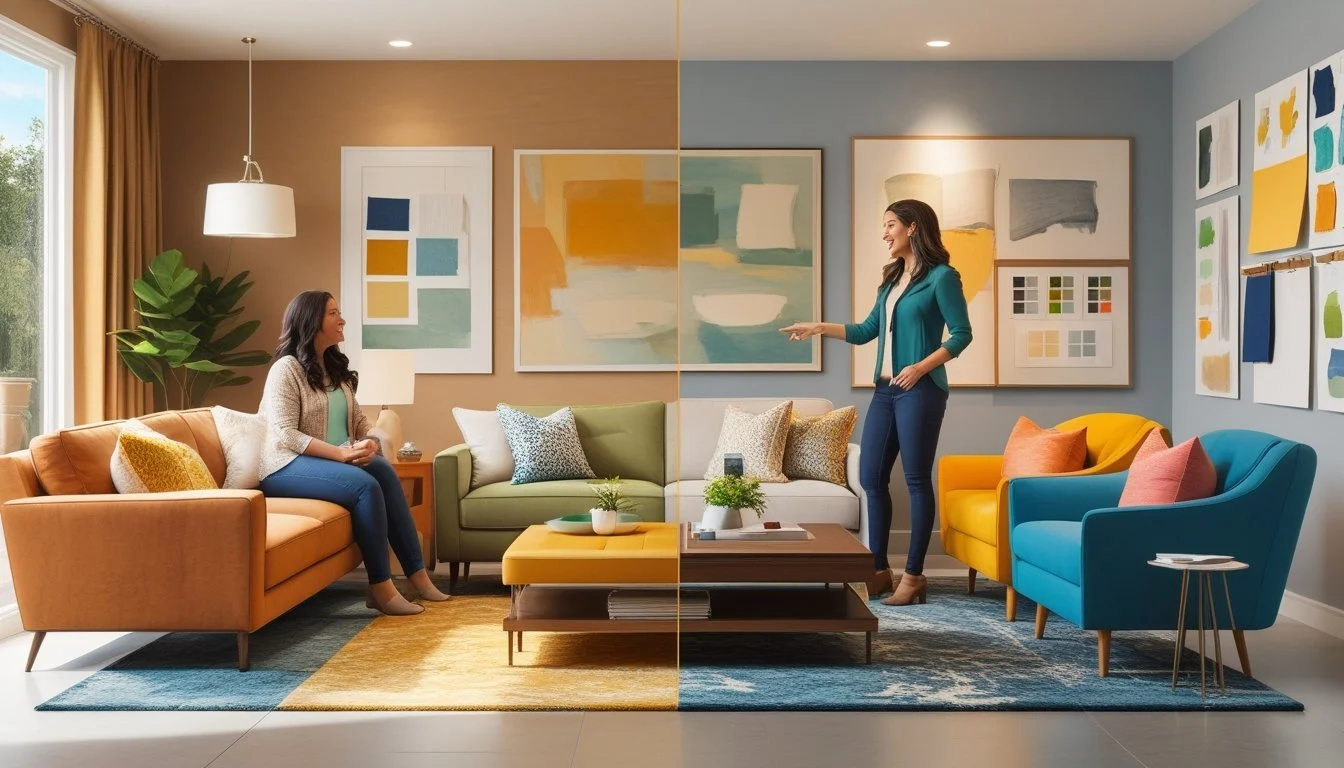
Amy Slaton’s approach to interior design often reflects her relationships with her siblings. Differences in tastes and family dynamics create a blend of ideas and aesthetic contrasts in her living spaces.
Tammy’s Decor Preferences
Tammy Slaton, Amy's sister, is known for having a bold taste when it comes to home decor and design. She typically leans toward darker colors, gothic themes, and unique decorative items that express her personality. For example, Tammy once expressed discomfort with Amy’s decision to plan a wedding in a haunted house because of her aversion to “bad spirits” and superstitious themes.
Their contrasting preferences are sometimes visible in shared spaces, such as living rooms or family gatherings. Amy prefers lighter woods and neutral tones, while Tammy opts for more dramatic statements. This contrast creates a clear distinction when the sisters collaborate or interact in the same environment.
Input From Chris, Amanda, and Misty
Chris Combs, Amanda, and Misty each contribute their own opinions and practical suggestions to Amy’s interior projects. Chris values comfort and practical layouts, often suggesting furniture arrangements that maximize space and function. Amanda has encouraged Amy to focus on kid-friendly and safe decor, especially for Gage and the new baby.
Misty’s input tends to be more understated, but she has provided feedback on color palettes and the selection of durable materials. The siblings sometimes collaborate on small projects, comparing ideas and preferences, which is helpful when Amy needs second opinions. Their discussions are candid and frequently reveal both shared tastes and subtle disagreements about what works best for Amy’s home.
Geographical and Cultural Influences on Amy’s Style
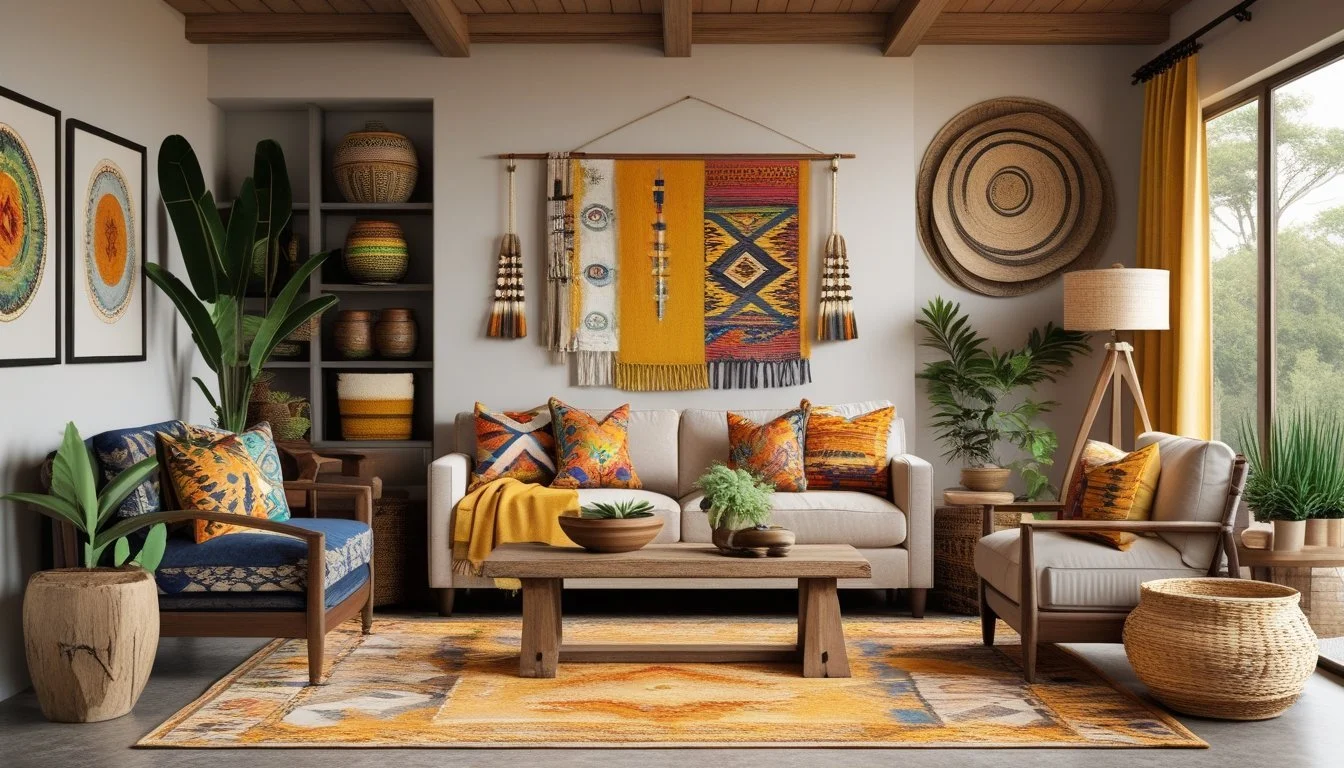
Amy Slaton’s interior decor is shaped by her regional background, drawing from her life in Morganfield, Kentucky, and connections in nearby Ohio. Her style features local traditions, practical choices, and cultural references unique to her geographic setting.
Kentucky and Ohio Roots in Decor
Amy’s home displays influences from Western Kentucky, with a preference for comfortable, functional furnishings that suit regional lifestyles. She often includes items like quilted throws and rustic wood pieces, reflecting traditional Southern and rural aesthetics common in Kentucky homes.
Colors in Amy’s spaces tend toward soft pastels and earth tones. These choices recall the rural landscapes of Kentucky and Ohio—the greens and browns of farmland, plus calming blues. Decorative elements sometimes include locally inspired crafts, such as farmhouse-style signage or handcrafted pottery.
Morganfield, Amy’s hometown, favors practicality and a lived-in feel over high-end luxury. This is seen in her use of accessible furniture brands and personal, sentimental decor, rather than designer pieces. The influence of both Kentucky’s rural culture and nearby Ohio’s Midwestern sensibility is visible in these choices.
Reflections of Life Changes: Health and Wellness Journey

Amy Slaton’s evolving health has shaped not only her daily life but her home environment. As her weight loss journey unfolded, adjustments to her living space became necessary, reflecting both her mobility needs and ongoing recovery.
Impact of Weight Loss Journey on Home Environment
Amy’s significant weight loss, aided by bariatric surgery and ongoing rehabilitation, has affected the way she uses her home. Certain areas, like her kitchen and bathroom, needed to accommodate her changing mobility and self-care requirements. The process of losing weight and recovering from surgeries, such as possible skin removal, required clear pathways and more open space.
Her furniture choices have shifted from oversized, sturdy seating to more standard-sized pieces as her physical needs changed. Often, rooms have fewer obstructions to assist with easier navigation, making daily tasks less taxing. Storage areas may now hold medical equipment, rehab supplies, or wellness-related items.
Adapting her home to these life changes ensures that Amy can safely perform daily routines. Changes may be subtle but are central to her evolving lifestyle.
Design Adaptations for Accessibility
Accessibility features became a practical necessity in Amy’s home during the most challenging parts of her weight loss journey, especially after rehab stays or time in a weight loss facility. Important modifications include wide doorways, reinforced seating, and the removal of tripping hazards from hallways and common spaces.
Bathroom adaptations are often prioritized, such as installing handrails, non-slip mats, and accessible shower seating. In the kitchen, items are placed at reachable heights to minimize bending or stretching.
A table summarizing common adaptations:
Area Adaptation Type Purpose Bathroom Grab bars, non-slip flooring Stability and safety Living Room Reinforced furniture Comfort and support Kitchen Lower storage, clear counters Ease of access
Design changes like these reflect a commitment to safety and function as Amy’s health continues to improve.
Confessional, Media, and Personal Spaces
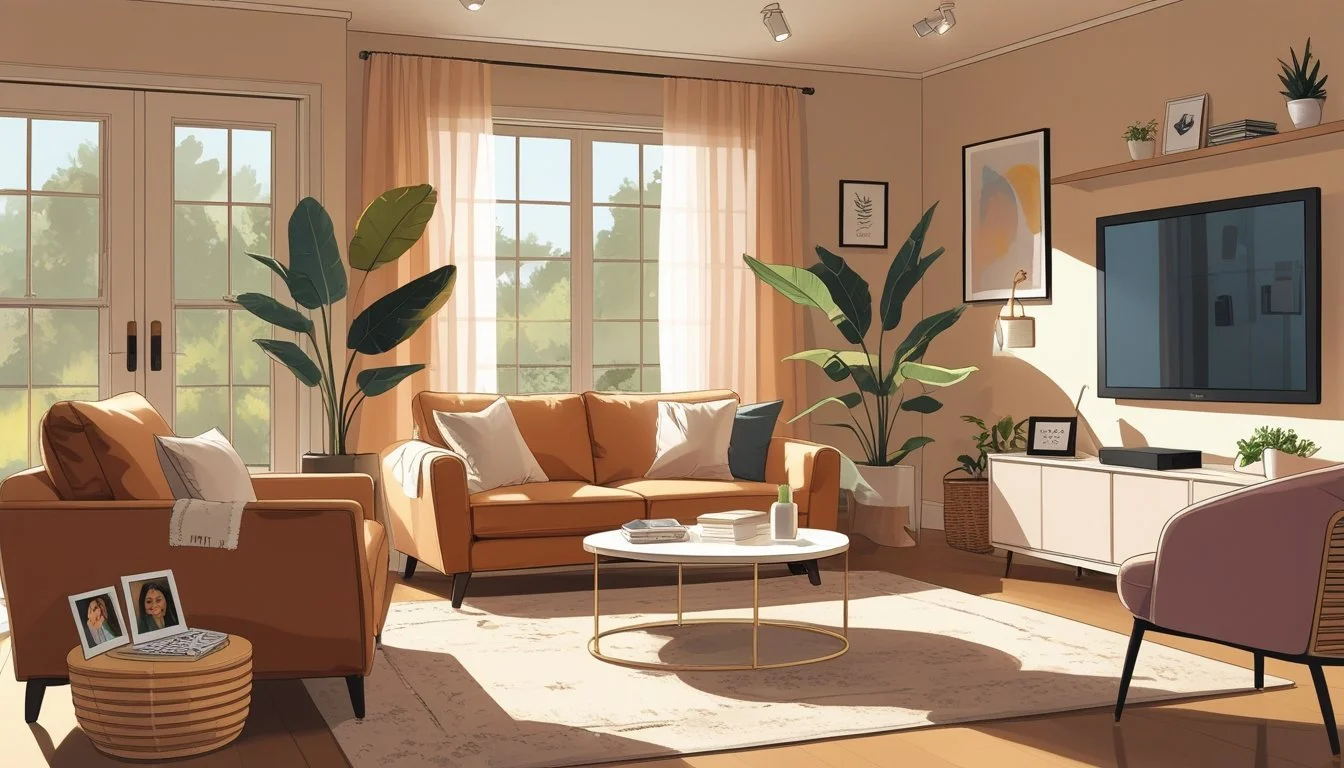
Amy Slaton’s home on 1000-lb Sisters presents different sides of her interior design style, blending the needs of reality TV filming with her own preferences. There are clear distinctions in how the spaces are used for confessional interviews, show segments, and personal comfort, each revealing different priorities in design and function.
The Confessional Backdrop: Staged or Authentic?
Confessional segments filmed for TLC’s 1000-lb Sisters often require a visually clean yet recognizable backdrop. In many episodes, Amy’s confessional space is set up with intentional lighting, seating, and uncluttered backgrounds meant to highlight her expressions and keep the viewer’s focus. These design choices are frequently guided by the production team, prioritizing camera angles and minimal distractions over personal décor.
At times, the backdrop includes touches from Amy’s real décor style—such as patterned pillows or wall hangings—that mesh with the home’s everyday look. However, elements are often moved or adjusted for filming clarity. The result is a mix of authentic personal style and strategic staging, balancing real-life comfort with the show’s visual consistency.
Filming Areas Versus Private Retreats
Public areas shown in TLC videos, like the living room or kitchen, are styled to be camera-friendly. These spaces must accommodate lighting rigs and multiple angles, so excessive figurines, vibrant colors, or busy wall arrangements are often minimized or rearranged. This can dampen individual design details, even if temporary.
Outside of media-facing zones, Amy’s private spaces tend to include more lived-in elements—personal collections, hobbies, and comfortable seating. Family photos, quirky decorations, and everyday objects cluster in areas rarely seen in confessional footage.
This split highlights two parallel interiors within the same home: a practical set for reality TV production and a personalized retreat where Amy expresses her taste without a filming schedule dictating the look.
Discussion of Controversies and Reality Versus Authenticity
Reality TV often blurs the line between genuine moments and produced entertainment. Amy’s design choices on 1000-lb Sisters have sparked debate about whether viewers are seeing her real taste or a version tailored for television.
Critiques of Staged TV Decor
Many viewers and critics question how much of what’s shown on reality shows like 1000-lb Sisters is authentic, especially regarding interior design. It is common for reality series to stage certain elements for the camera, including room makeovers and decor, to make scenes more visually appealing.
Reality TV reviews frequently mention that production teams sometimes bring in decorators or stylists to "enhance" a space before filming. This can make it hard to distinguish between Amy’s personal aesthetic and choices made for TV. Lists of décor seen in a given episode often feature items that reflect current trends, rather than unique or deeply personal touches.
In some cases, alleged off-camera events and news, such as drug charges or personal life struggles, can further color the way fans interpret what they see on screen. Viewers may question if the home environment is genuinely lived-in or simply curated for the lens.
Public Response and Speculation
The public response to Amy’s interior design has included speculation on social media and forums about the authenticity of what is shown. Fans tend to analyze stills from episodes, sharing side-by-side comparisons to other reality TV shows to highlight similarities and possible staging.
Key Points of Public Speculation:
Claims that signature items appear in multiple reality series
Questions about whether Amy’s space matches her known personal style
Discussions in reality TV news sections about behind-the-scenes production practices
Commenters also speculate about the impact of the sisters' personal lives and reality TV news, including reported legal troubles, on the presentation of their homes. Many believe that major home reveals or updates may be intended to shape public perception just as much as to reflect real changes in Amy’s life.
Lists of quotes and reactions illustrate the division between viewers who accept the decor at face value and those who see it as a constructed set. This ongoing conversation shows how reality TV often leads to as many questions as answers about authenticity.
Conclusion

Amy Slaton’s interior design choices on 1000-lb Sisters reflect a blend of personal taste and practical needs. Her style often features colorful décor, functional furniture, and DIY touches that highlight her individuality.
Some elements appear tailored for television. For example, bold wall colors or curated accessories can help make rooms look brighter and more engaging for viewers.
Yet, many of Amy’s design decisions show genuine creativity and reflect her everyday preferences. She frequently shares projects on social media, further supporting the idea that her interest in design extends beyond the show.
Key observations:
Mix of TV influence and personal style
Bright, accessible choices
Evidence of real interest in creativity
A quick list of Amy’s interior décor features:
Bold and lively colors
Practical furniture arrangements
Personal art and crafts
Whether influenced by producers or not, Amy’s interiors present spaces that appear lived-in and authentic, while also fitting the visual standards of modern reality TV.
