
Amy’s Journey Through Postpartum Life on 1000-lb Sisters
Insights into Recovery and Motherhood
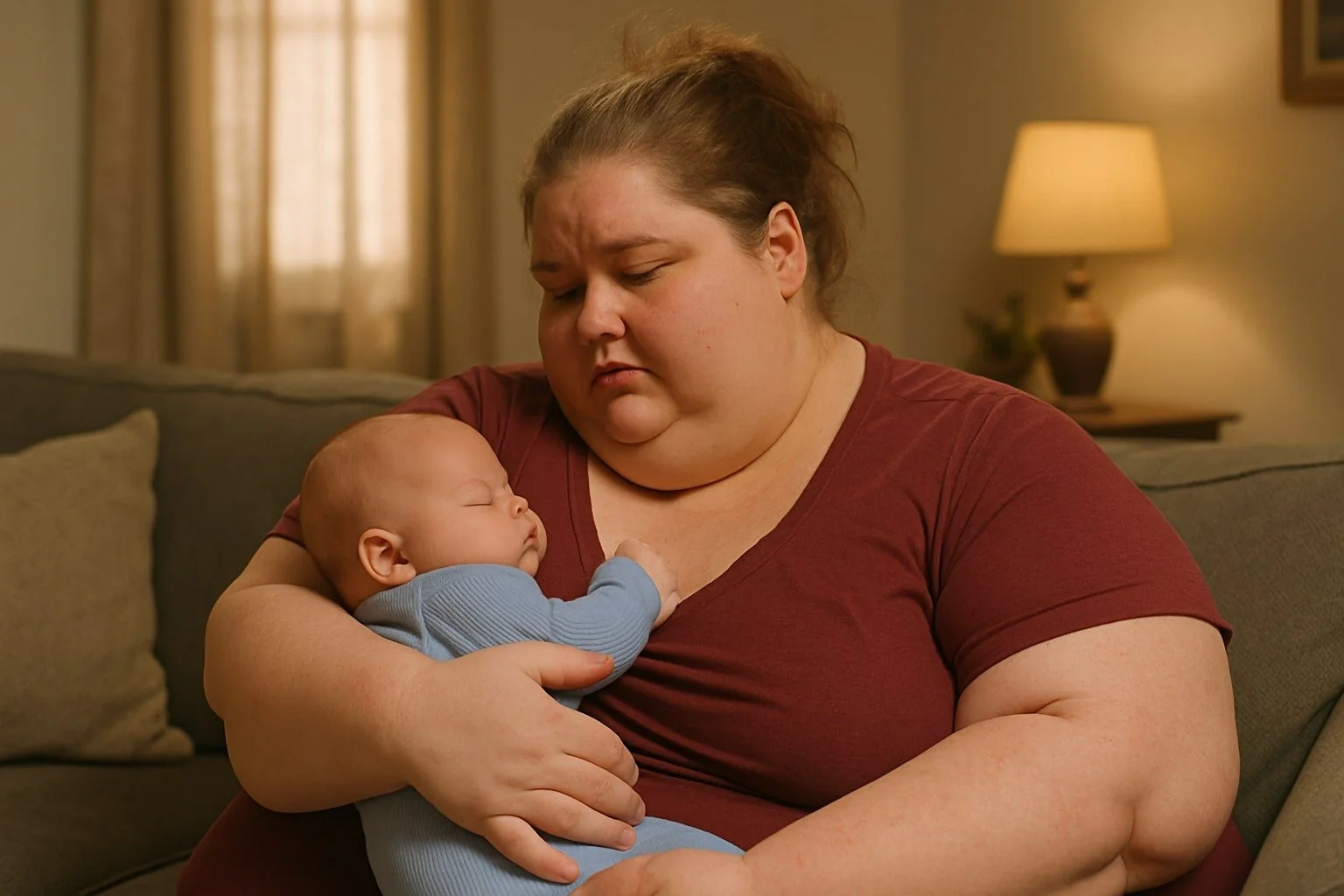
After welcoming her two sons, Amy Slaton from 1000-lb Sisters opened up about the realities of postpartum life while navigating major changes in her family and personal health. The series has given viewers a close-up look at her challenges and adjustments, from balancing motherhood to dealing with the emotional aftermath of her divorce.
Amy’s journey through postpartum has been shaped by new responsibilities, emotional struggles, and the constant support—and sometimes tension—within her family. Through these ups and downs, her resilience and honesty have resonated with fans who relate to her story. Insights from her daily life reveal both the demands and rewards of parenting after significant life changes.
As Amy shares both her setbacks and progress, her story offers an unfiltered look at postpartum realities that go beyond the TV screen. Her openness continues to draw attention, making her journey one that many are eager to follow.
Amy Slaton’s Postpartum Experience on 1000-lb Sisters
Amy Slaton’s postpartum phase, as depicted on 1000-lb Sisters, involved a mix of recovery, adaptation, and new responsibilities. She faced specific lifestyle adjustments and parenting challenges shaped by her weight loss journey and family dynamics.
Adjusting to Life After Pregnancy
Amy’s postpartum period started with significant physical and emotional changes. After giving birth, she addressed both her recovery from surgery and the ongoing effects of her earlier weight loss. Fatigue, physical discomfort, and hormonal shifts were frequent issues she discussed on camera.
Her experience was shaped by her commitment to maintaining healthier habits post-pregnancy. Amy openly shared moments of exhaustion but also determination as she balanced healing with caring for her newborn. She attended postpartum appointments and focused on nutrition, continuing to navigate the challenges linked to her previous bariatric surgery.
Throughout Season 7 of 1000-lb Sisters, Amy’s willingness to revisit past challenges—such as diet and mobility—was evident. She sometimes reflected on her early struggles, including moments where she felt overwhelmed. Despite difficulties, Amy worked to prioritize her own well-being alongside her responsibilities as a mother.
The Role of Parenting in Amy’s Journey
Amy’s journey into parenting formed a central part of her story. Caring for her two young sons meant adapting her daily life and routines around their needs. Her social media often featured updates about spending quality time with them, such as simple outings to get breakfast.
Parenting brought both joy and new pressures, especially as she handled the spotlight of 1000-lb Sisters. Amy often referenced the emotional rollercoaster of raising children while managing family relationships and ongoing personal health issues. She acknowledged moments when she felt inadequate or judged, particularly under public scrutiny.
Through it all, Amy’s focus remained on creating a positive environment for her kids. She expressed gratitude for the support she received from family and fans. Her story highlights the interplay between parenting, personal health, and the ongoing impact of reality TV exposure on her daily decisions.
Physical Health and Postpartum Recovery
Amy experienced several physical health changes and challenges following childbirth. She balanced weight loss goals with diabetes management and integrated new fitness habits into her routine.
Managing Weight Loss After Childbirth
Following pregnancy, Amy resumed working on her weight loss journey. The physical demands of caring for a newborn made weight management more complex. Adjustments in her daily calorie intake and nutritional choices were necessary to support recovery while avoiding excess weight gain.
Amy maintained regular check-ins with her medical team, including her dietitian. Structured meal plans focused on portion control and prioritizing nutrient-dense foods over high-calorie snacks. Regular tracking of weight and body measurements helped her assess progress and address setbacks quickly.
Key strategies followed included:
Prioritizing protein and fiber-rich meals
Managing emotional eating triggers
Scheduling consistent meal times
Navigating Diabetes and Weight Loss Surgery
Diabetes remained a critical concern during Amy’s postpartum phase. After bariatric surgery, her metabolic needs changed, requiring close monitoring of her blood glucose levels. Postpartum hormones and the body’s healing process further impacted her insulin sensitivity and medication needs.
Her health team adjusted her diabetes management plan based on these changes. This involved more frequent blood sugar testing and possible medication modifications. She also worked on balancing carbohydrate intake to avoid blood sugar spikes, especially as her physical activity levels changed after childbirth.
Managing weight loss alongside diabetes required collaboration between specialists. Amy needed to ensure that her dietary changes for weight management were compatible with stable glucose levels.
Incorporating Fitness and Running
Physical activity played an important role in Amy’s recovery and ongoing weight loss. She began with light, low-impact exercises approved by her doctors before progressing to more demanding activities. Over time, Amy incorporated walking, gentle stretching, and eventually short bouts of running as her stamina improved.
Amy expressed an interest in more structured fitness goals, such as training for a half marathon. This added motivation and structure to her fitness plan. Below is an outline of her gradual progression:
Initial Phase: Gentle walks, postpartum stretching
Intermediate Phase: Increased walking distance, introduction of short runs
Advanced Phase: Preparing for longer races with scheduled training plans
Consistent exercise supported both her physical recovery and overall well-being.
Postpartum Mental Health Challenges
Many new mothers face significant postpartum mental health challenges. Amy’s experience highlights a range of issues that can arise after childbirth, including depression, PTSD, the importance of therapy, and the effects of mental abuse.
Coping with Depression and Bipolar Disorder
Amy Halterman has openly shared her struggles after childbirth, with many 1000-lb Sisters fans noting signs of postpartum depression. This condition includes feelings of sadness, emptiness, and fatigue that can make daily life difficult.
For those with a history of bipolar disorder, the postpartum period can trigger mood episodes such as severe depression or mania. Monitoring mood changes is crucial, as untreated symptoms may affect mother-child bonding and overall well-being.
Support networks, routine check-ins, and self-care are often recommended for symptom management. Amy’s journey illustrates the need for understanding and early intervention when facing these challenges.
Key challenges in postpartum mood disorders:
Symptom Impact Sadness Affects motivation, daily life Fatigue Limits energy for caregiving Mood swings Disrupts emotional stability
Addressing PTSD and Acute Stress Disorder
Childbirth or previous trauma can leave some women, including Amy, at risk for developing post-traumatic stress disorder (PTSD) or acute stress disorder. Symptoms can include intrusive memories, nightmares, and severe anxiety.
Acute stress disorder may develop within weeks after trauma, while PTSD symptoms can persist for months or longer. A traumatic birth experience, emergency procedures, or a history of abuse increase the risk.
Addressing these disorders involves early detection and support. Structured routines, talking to trusted people, and professional guidance improve coping. Quick intervention may help prevent acute stress from developing into chronic PTSD.
Seeking Therapy and Medication Support
Professional help is an essential part of recovery from postpartum mental health issues. Therapy options such as cognitive-behavioral therapy (CBT) and dialectical behavior therapy (DBT) are commonly used for depression, bipolar disorder, and trauma-related conditions.
Medication can play a role, especially for severe depression or bipolar disorder. Physicians may prescribe antidepressants, mood stabilizers, or anti-anxiety medications, taking breastfeeding and overall health into account.
Regular communication with healthcare providers helps tailor treatment to individual needs. Amy’s experience shows that therapy and medication are not signs of weakness but important tools for recovery.
Support options:
Individual counseling
Group therapy
Medication management
Online mental health resources
Mental Abuse and Its Impact
Mental abuse from partners, family members, or others during the postpartum period can strongly affect a mother's mental health. Verbal attacks, manipulation, or emotional neglect may worsen symptoms of depression, anxiety, or stress disorders.
Chronic mental abuse damages self-esteem and may discourage mothers from seeking help. In Amy’s case, ongoing stress at home or negative interactions from loved ones negatively influence her ability to recover.
Recognizing and addressing mental abuse often requires outside support, including safe spaces, counseling, and advocacy. Protection from abusive environments is critical so that long-term healing can take place.
Breastfeeding, Lactation, and Mother-Baby Bonding
Amy’s postpartum experience included breastfeeding, navigating milk supply issues, and collaborating with lactation consultants. The early weeks demanded daily adaptation as she worked to maintain feeding goals while managing recovery and newborn care.
Navigating Breastfeeding Challenges
Breastfeeding presented unique challenges for Amy, from achieving a proper latch to managing nipple discomfort. She found that fatigue, stress, and her postpartum physical symptoms sometimes interfered with nursing sessions. Seeking consistent feeding times and comfortable positions helped reduce problems like clogged ducts and engorgement.
Sleep disruptions and worries about infant weight gain added pressure. Amy monitored diaper output and feeding cues, relying on straightforward routines. She also addressed occasional doubts around bonding, knowing that closeness during feedings, even when difficult, fostered connection and emotional security for her baby.
Working with a Lactation Consultant
Recognizing her need for professional support, Amy sought help from a certified lactation consultant (IBCLC). The consultant observed her nursing sessions, assessed positioning, and offered corrections for latch issues. Amy was introduced to hands-on pumping demonstrations and specific techniques tailored to her circumstances.
Guidance included troubleshooting supply variance, establishing nighttime routines, and recognizing signs of adequate milk intake. The collaborative approach lessened her anxieties. Amy learned to set realistic expectations, acknowledging that both exclusive breastfeeding and combination feeding could support her baby's health and emotional needs.
Pumping and Milk Supply Concerns
Amy faced periods of low milk supply and needed to supplement breastfeeding with pumping to maintain output and flexibility. She established a pumping schedule to mimic her baby’s feeding times, helping to stabilize production and minimize missed sessions.
Cleanliness and equipment maintenance became priorities. Amy used a tracking table for pump sessions and volumes:
Pump Session Time Milk Collected (oz) Morning 7 AM 3 Midday 12 PM 2.5 Evening 7 PM 2
By monitoring supply patterns, she made informed decisions about supplementing and feeding intervals. This approach maintained her baby’s nutritional needs and sustained the bonding process, even when challenges persisted.
Navigating Relationships and Family Dynamics
Amy’s postpartum experience includes personal and family changes, including marital struggles and evolving support networks. Parenting after childbirth is impacted by the stress of divorce and the importance of reliable help from loved ones.
Facing Divorce and Co-Parenting
Amy encountered significant challenges as her marriage ended during her postpartum months. The process of divorce introduced emotional strain while she was still adjusting to life as a new mother. This period included balancing her mental health, childcare responsibilities, and public attention from being on television.
She and her former partner began navigating co-parenting their young son, Gage, requiring clear communication and cooperation. Decision-making about routines, visitation, and support became crucial to maintain consistency for their child. Co-parenting was made more complex by Amy’s recovery from childbirth and her ongoing efforts to maintain her health after weight loss surgery.
The demands of single parenting are evident in Amy’s daily life. She frequently expresses both love for her children and frustration with the pressures of adjusting to life on her own while filming. Fans and commentators have observed the increased stress and emotional toll, particularly when combined with the demands of reality TV.
Support Systems After Childbirth
Family support played a central role for Amy after childbirth. Her sister Tammy, other relatives, and close friends frequently stepped in to assist with childcare, errands, and emotional support. This help was especially vital during times when her mental health was affected by postpartum depression.
Amy’s relationship with her family fluctuated as she adjusted to motherhood and managed the realities of separation and single parenting. There were moments of tension and conflict, often aired on the show, but also scenes highlighting strong familial bonds. Amy’s sisters sometimes provided practical advice and stepped in when she needed a break.
Having trusted support systems became crucial for Amy’s parenting journey. Their involvement allowed her to attend appointments, rest when needed, and address her emotional well-being. This network also offered her children a sense of stability during an otherwise turbulent period.
Daily Routines and Lifestyle Adjustments
After giving birth, Amy made substantial changes to her daily habits to support her health and family life. She prioritized structure, nutrition, and accountability to adjust to the challenges of postpartum recovery and weight management.
Meal Planning and Nutrition
Amy shifted her focus toward consistent meal planning, aiming to meet her nutritional goals while balancing family needs. She collaborates with her care team to design weekly menus built around lean proteins, vegetables, whole grains, and controlled portions of carbohydrates.
A typical day might include oatmeal with fruit for breakfast, a grilled chicken salad for lunch, and baked fish with steamed vegetables for dinner. Snacks are planned and usually consist of items like Greek yogurt, low-fat cheese sticks, or apple slices with peanut butter.
Amy reads nutrition labels carefully, looking out for added sugars and saturated fats. She often uses a calorie-tracking app, sometimes on her Mac, to log meals and keep track of her daily intake. This digital approach assists her in staying within recommended calorie ranges while ensuring her postpartum needs are met.
Managing Temptations and Comfort Foods
Managing cravings for cookies and other comfort foods became a daily challenge for Amy, especially with stress and busy family routines. She set clear limits on indulgent items, reserving them for special occasions or portioning out controlled servings rather than keeping large quantities at home.
Amy uses several strategies to avoid overeating, including drinking water before reaching for snacks, keeping healthier alternatives readily available, and practicing mindful eating. She might replace traditional cookies with lower-calorie, homemade options using oats or fruit puree.
Support from her family and regular check-ins with her therapist have helped Amy to address emotional eating triggers. This approach helps her maintain a balanced relationship with food, focusing on both enjoyment and long-term health.
Conclusion
Amy Slaton’s postpartum life on 1000-lb Sisters reveals both personal challenges and steps toward stability. The show documents her experiences as she adjusts to motherhood and processes the changes that come with it.
Support from her family, especially Tammy, has played a key role in helping Amy care for her children and manage her mental health. Divorce and emotional struggles have shaped her recent journey, but she continues to focus on her well-being and her sons’ needs.
Key elements in Amy’s journey include:
Navigating postpartum mental health
Adjusting to life as a single parent
Relying on family support
Sharing honest moments with viewers
Amy’s story illustrates the realities many face during postpartum transitions. Her openness invites discussion about maternal health, mental wellness, and the importance of a strong support system.
