
How 1000-lb Sisters Captures the Complexity of Addiction Recovery in Reality Television
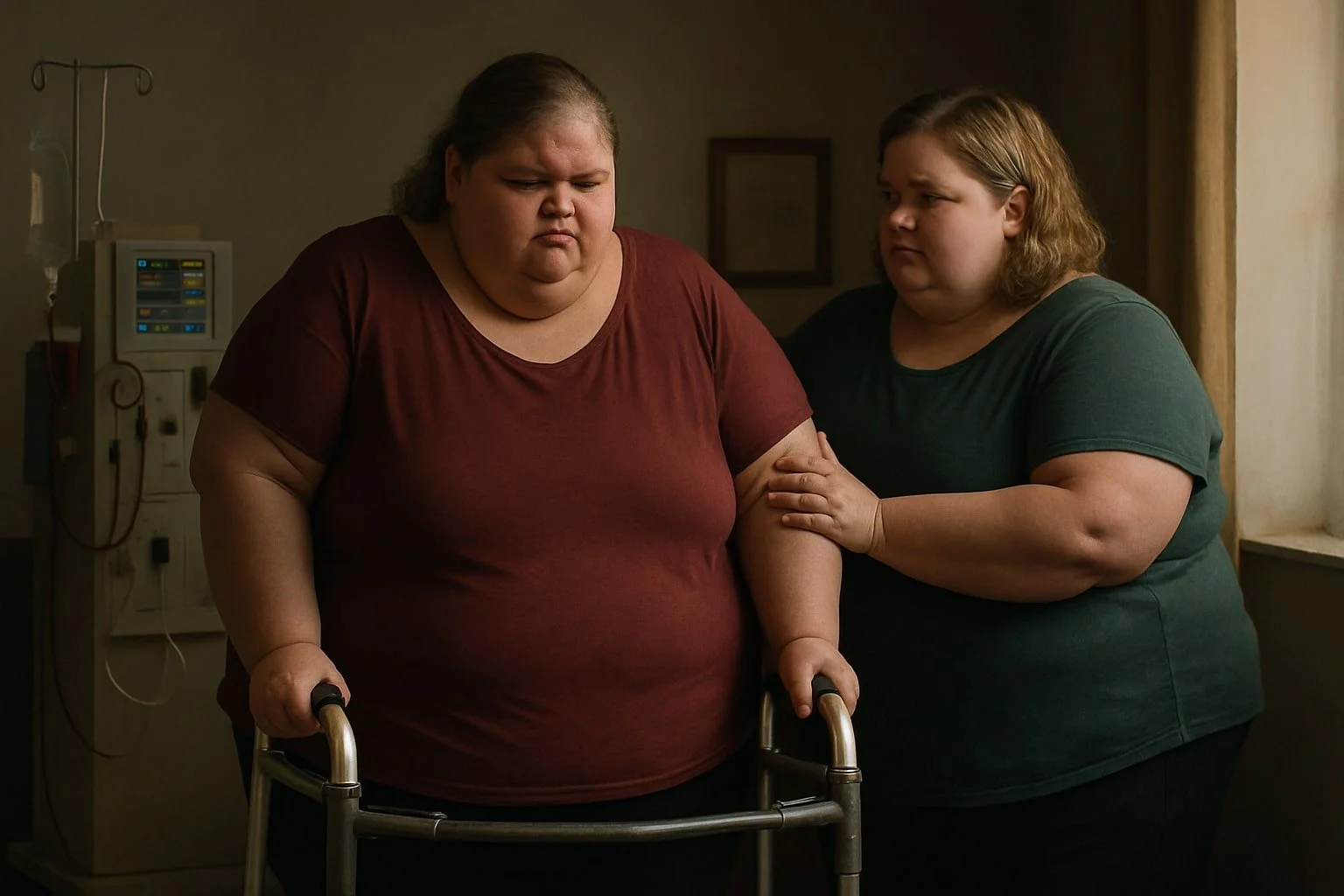
The reality series "1000-lb Sisters" goes beyond entertainment by genuinely exploring the challenges faced by those living with addiction. Through the struggles and victories of Tammy and Amy Slaton, the show reveals how complex and ongoing recovery is—not just physically, but also mentally and emotionally. The series shows that addiction recovery is rarely straightforward and highlights how setbacks, support, and determination all play vital roles in the journey.
Tammy's openness about her battles with food, alcohol, and other substances gives viewers insight into how addiction can affect every aspect of a person's life. Her experiences in rehab, together with family dynamics and the pressure of public life, paint a multi-layered portrait of what recovery can really look like.
By following the Slaton sisters as they confront addiction and push toward healthier lives, "1000-lb Sisters" offers a real look at the setbacks, hard choices, and incremental progress that define recovery for so many.
Exploring Addiction Recovery in 1000-lb Sisters
1000-lb Sisters offers a close look at addiction recovery as it unfolds in real life. The show provides insight into the personal and emotional challenges faced by Tammy and Amy while documenting their evolving relationships, self-image, and support systems.
Portrayal of Recovery and Relapse
The series presents both progress and setbacks throughout Tammy’s and Amy’s journeys. Recovery is not linear, and the camera frequently captures moments where old habits resurface, underscoring how relapse is a natural part of addiction treatment.
Key behaviors shown include:
Entering rehab and structured environments
Difficulty resisting triggers, such as binge eating or vaping
Sessions with therapists to address emotional eating
When Tammy’s therapist expresses concern about the risk of relapse, the conversation centers on the importance of approval for surgery only when emotional and behavioral risks are reduced. The show maintains a realistic depiction of the daily effort needed to make healthier choices and how quickly progress can be interrupted.
Impact on Mental Health
The show candidly highlights the mental health struggles linked to food addiction and obesity. Tammy and Amy frequently discuss feelings of shame, low self-worth, and anxiety, which intensify when progress stalls or setbacks occur.
Viewers see therapy as a recurring part of their lives—addressing not just weight loss goals but the emotional pain that drives compulsive eating. Issues such as body image dissatisfaction and self-criticism are openly explored.
These moments emphasize how closely tied addiction recovery is to emotional well-being. Small victories in weight loss are celebrated, but the true challenge remains in improving mental resilience and building healthier self-perceptions.
Role of Family Dynamics
Family support and conflict play a central role in recovery. The series portrays siblings and extended family both helping and hindering Tammy and Amy’s journeys.
Chris, for example, pushes for Tammy’s entry into rehab, demonstrating proactive support. However, arguments and disagreements sometimes result in emotional setbacks, highlighting how tense family dynamics can undermine recovery efforts.
Family interactions include:
Joint medical appointments
Group therapy sessions
Honest conversations about enabling or sabotage
The importance of consistent encouragement is made clear. Though well-intentioned, family members sometimes struggle with their own boundaries, which influences the recovery environment for everyone involved.
Understanding the Challenges of Weight Loss
Intense obesity brings unique difficulties in changing habits, maintaining health, and achieving lasting results. Individuals like the Slaton sisters often face persistent obstacles that require medical, psychological, and daily lifestyle changes.
Managing Diet and Nutrition
Adopting a balanced, reduced-calorie diet is core to any weight loss effort. For people with severe obesity, unhealthy eating patterns and food addiction can complicate this process. Tammy Slaton’s admission to a food addiction rehab center shows that breaking these patterns is often not just about discipline, but also about accessing therapy and supportive environments.
Nutrition plans need to focus on specific calorie targets, portion control, and a proper balance of protein, fiber, and micronutrients. Many work with dietitians who create meal plans tailored to individual metabolic rates and health conditions. Monitoring intake—sometimes through food diaries or apps—helps keep daily choices on track.
Small dietary changes such as reducing sugar, eating more vegetables, and cooking at home are often encouraged. However, deep-rooted habits and emotional triggers mean that relapse is common, and progress can be slow and non-linear.
The Importance of Exercise
Exercise is essential for burning calories, improving mood, and supporting muscle strength during weight loss. For people at extreme weights, mobility is reduced, and physical activity can seem daunting or even dangerous without medical input.
Starting with basic activities—like light stretching, chair exercises, or very short walks—allows the body to adapt gradually. Over time, increasing the intensity or length of workouts is crucial for continued progress.
Physical therapists sometimes create custom routines that account for joint pain or limited movement. Regular movement reduces the risk of complications from inactivity, such as muscle loss or poor circulation. Support from a trainer or accountability partner can help maintain consistency.
Navigating Health Complications
Severe obesity often comes with health problems such as diabetes, hypertension, sleep apnea, and limited lung function. These conditions can interfere with diet and exercise efforts and sometimes require hospitalization or rehabilitation, as with Tammy’s stay in a care center.
Doctors may adjust medications, monitor vital signs closely, and recommend gradual changes to minimize health risks during weight loss. Access to bariatric surgery is often limited by strict qualification criteria to ensure safety. Infections, wounds, and respiratory issues can delay progress or require pauses in the program.
Ongoing medical support and frequent check-ins help individuals adapt their plans to their changing health status, reducing setbacks and improving the chance of long-term weight loss success.
The Influence of External Factors on Recovery
Recovery from addiction is shaped by influences outside the individual, including their community, healthcare systems, and global events. Interactions between these external factors and personal efforts often determine access to resources, stability, and social support.
Societal Attitudes and Agency
Society’s views on addiction often shape the recovery paths of individuals featured on "1000-lb Sisters." For example, social stigma can lead to shame and reluctance to seek help, while supportive public messages foster empowerment.
Agency, or the ability to make meaningful choices, is affected by cultural attitudes. When people believe recovery is possible and are supported in pursuing it, they are more likely to take proactive steps in their journey.
Familial support and peer encouragement seen on the show can buffer against negative public perceptions. This support network helps restore agency and motivates continued engagement in difficult recovery processes.
Healthcare Accessibility Issues
Accessing professional help is critical for sustainable recovery, yet barriers remain. Many encounter long waitlists, limited insurance coverage, or lack of specialized care in their region.
Healthcare workers play a vital role in guiding recovery, but their effectiveness depends on system resources and policies. For Amy and Tammy, supporting cast healthcare professionals often help explain treatment options and monitor progress.
Financial limitations may prevent individuals from accessing bariatric surgery, medication, or therapy. Navigating these obstacles is often depicted as a recurring challenge for those in the public eye.
Coping During the COVID-19 Pandemic
The COVID-19 pandemic introduced new challenges for addiction recovery. Lockdowns, service disruptions, and reduced face-to-face support services increased isolation and made routines harder to maintain.
Many healthcare workers shifted to telehealth and virtual support groups, but not all participants had reliable internet or privacy at home. This technology gap posed another layer of difficulty.
Amy and Tammy’s experiences during the pandemic highlighted the need for flexible support systems and the ability to adapt to rapid change. The pandemic exposed vulnerabilities in healthcare delivery and emphasized the importance of maintaining connections even when traditional support systems are disrupted.
Support Systems and Management Strategies
Support systems and practical management play a vital role in addiction recovery, shaping outcomes through both emotional backing and daily structure. Strategies include coordinated help from family, clinical professionals, and targeted routines that address common challenges in living environments.
Family and Community Support
Family members and close friends frequently serve as the primary support system during recovery. On "1000-lb Sisters," Tammy's sister Amy gives consistent motivation and practical help, which includes transportation to appointments, meal planning, and emotional reassurance.
Community organizations such as local groups or online forums can add another layer of support. Sharing progress and setbacks in a safe environment can increase accountability. These ties help reduce isolation and boost energy needed for the long term.
Support from multiple sources helps manage setbacks by providing encouragement and practical solutions. Consistent involvement from loved ones has been linked to improved motivation, reduced relapse rates, and more productive management of recovery routines.
Professional Recommendations
Professional recommendations guide people through the medical and psychological aspects of recovery. Regular appointments with therapists, nutritionists, and physicians help tailor treatment plans and monitor progress.
Structured programs, including inpatient rehabilitation or outpatient counseling, address not just eating habits but also underlying factors like stress, triggers, and mental health concerns. Expert advice is key in adjusting energy intake, addressing food addiction, and building realistic goals.
Tools such as progress trackers, meal journals, and individualized health plans help the individual visualize success and measure outcomes. Clear recommendations from credible professionals establish routines and create safety nets when challenges arise.
Management of Daily Life
Managing daily life involves building sustainable routines that reinforce healthy choices. Clear schedules—such as set meal times, exercise plans, and regular sleep—help regulate both physical health and energy levels.
Organizing the household supports these changes. Keeping healthy food visible, removing triggers from accessible areas, and setting reminders can help reduce temptation. Simple tools like daily checklists or calendars make ongoing management easier.
Flexibility is also important when adapting strategies for changing circumstances. Recognizing small achievements at home encourages positive behavior and gradual improvement, making the recovery journey manageable even when setbacks occur.
Media Representation and Public Policy
Media portrayal of addiction, as seen on reality shows like "1000-lb Sisters," intersects with federal policies and legislative debate. The influence of television programming, federal law, and legislative committees shapes how addiction recovery is understood by the public and policymakers.
The Role of HBO and Media Coverage
Reality and documentary programming from outlets like HBO play a crucial part in shaping perceptions of addiction recovery. HBO has produced series and specials on addiction, providing viewers with vetted information and personal stories. This approach often contrasts with the more sensational styles of network reality TV.
"1000-lb Sisters" and similar shows amplify awareness of the mental health, medical, and societal challenges involved in obesity and addiction. By focusing on individuals such as Amy and Tammy, media coverage personalizes complex issues frequently reduced to stereotypes.
News outlets and streaming platforms often include experts and fact-checked information. This coverage helps to bridge the gap between entertainment and real-life consequences, informing viewers about the realities of addiction beyond dramatic storylines.
Legislation and Federal Law Impact
Addiction recovery is directly affected by federal law and relevant legislation. Bills addressing health care, disability rights, and insurance coverage influence which resources are available to those struggling with food addiction or obesity-related disorders.
For example, the Americans with Disabilities Act (ADA) and subsequent amendments impact access to medical care and protect individuals from discrimination due to medical conditions related to addiction. Congress has debated expanding coverage for addiction treatments, and some states have passed additional legislation for related services.
Medicaid expansion and federal grants can determine whether rehab and therapy options shown on programs like "1000-lb Sisters" are accessible to the public. Changes in the law can drive changes in funding and support services, shaping the real-world recovery landscape.
Committee and Government Perspectives
Senate committees and state governments routinely review public health bills that address addiction. These bodies hold hearings and call on experts—including those with firsthand recovery experience—to gain perspective on legislative changes.
Governors may advocate or lobby for additional funding and updated policies, emphasizing the need for timely government intervention. Overtime, committee recommendations often push for integrated treatment models, covering physical health and mental health as interconnected issues.
Public policy frequently evolves as new research and testimony are reviewed by government panels. The resulting recommendations impact program development, insurance coverage, and funding priorities, which can be reflected in both media coverage and lived experiences.
