
How Weight Bias Is Addressed on 1000-lb Sisters Strategies and Impact on Viewers
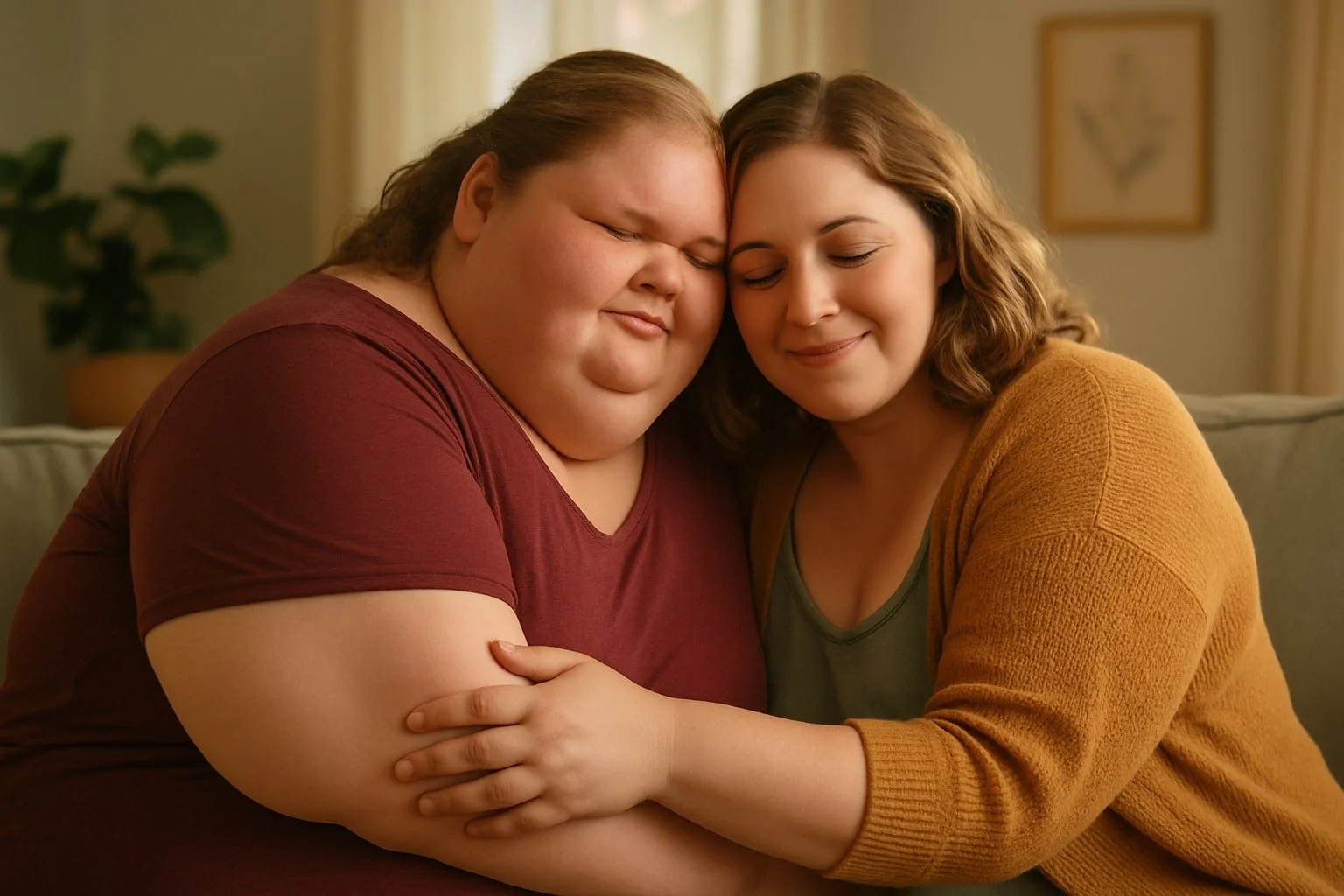
1000-lb Sisters addresses weight bias by openly confronting stereotypes, challenging negative comments, and showcasing the real-life impact of stigma on the Slaton sisters’ everyday experiences. Viewers see Tammy and Amy Slaton navigate not only their own weight loss journeys but also confront judgment from family, healthcare professionals, and the public. The series includes moments where bias is discussed directly and invites conversations about fair treatment for people of all body sizes.
The show documents incidents when the sisters face insensitive remarks and subtle discrimination, bringing important attention to how these experiences shape their self-esteem and health decisions. By making these challenges visible, 1000-lb Sisters highlights the need for more compassion and understanding toward those living with obesity.
Exploring Weight Bias on 1000-lb Sisters
1000-lb Sisters, the TLC reality show, often brings weight bias to the forefront—both through character experiences and audience reactions. The program offers specific cases of bias and addresses how it influences the daily lives and perceptions of individuals struggling with obesity.
Definition and Examples of Weight Bias
Weight bias refers to negative attitudes or judgments directed at people based on their weight. It may manifest as verbal comments, exclusion from spaces, or assumptions about character and behavior.
On 1000-lb Sisters, the Slaton sisters often face criticism from strangers and acquaintances. For example, remarks about their food choices or the way they move highlight how weight bias can become personal and public.
Key examples
Viewers have witnessed scenes where medical professionals address the sisters in an unsympathetic or dismissive manner.
Family members sometimes contribute by expressing frustration that centers on the sisters’ size rather than their health.
Bias is not limited to in-person interactions; online commentary about the show frequently includes jokes and harsh opinions, amplifying the impact.
Portrayal of Weight Bias in the Series
TLC presents weight bias both directly and indirectly throughout the show. Conversations with healthcare workers reveal both supportive and prejudiced approaches. For example, some clinicians communicate clearly and respectfully about health, while others use blunt language that can come across as shaming.
There are moments when the sisters acknowledge and discuss the bias they encounter. Tammy and Amy share their emotional responses to negative interactions, such as embarrassment or defensiveness during doctor’s visits and public outings.
Certain storylines focus on the struggle to overcome not just physical obstacles, but also the stereotypes attached to being severely overweight. The show sometimes uses these moments to prompt viewers to recognize common biases and reconsider their attitudes.
Public Reactions to Weight Bias on the Show
Public reaction to weight bias depicted on 1000-lb Sisters is highly mixed. Some viewers express empathy for the Slaton sisters, calling out fat-shaming when it is seen on screen or in online discussions. These comments sometimes foster supportive communities on social media.
However, online forums and comment sections can be sources of continued bias. Jokes and negative commentary are common, with some individuals using the show to reinforce harmful stereotypes about people with obesity.
Conversely, advocacy groups and some audience members use the series as a springboard for discussing the reality of weight stigma. They highlight the importance of treating all individuals with respect regardless of size and encourage more inclusive representation on television.
Cast Members’ Personal Experiences With Bias

Tammy Slaton and Amy Slaton have both faced weight-related bias in family, medical, and public settings. Each has responded differently to scrutiny and discrimination during their health journey, as seen throughout the series.
Tammy Slaton’s Story
Tammy Slaton has dealt with frequent and overt bias from people outside her family. She is often confronted with negative comments on social media and in-person, sometimes while completing everyday tasks. These experiences are documented on "1000-lb Sisters," showing how viewers, strangers, and even some caregivers react to her appearance and health issues.
Medical settings have been particularly challenging for Tammy. She recounts being dismissed by healthcare professionals and sometimes having her concerns minimized due to her size. This has delayed proper treatment or led to frustration, contributing to the difficulty of her weight loss journey.
Tammy also faces judgment from members of her own family. This internal bias sometimes creates tension, putting additional strain on her mental health as she tries to make progress. Her interactions on the show often highlight the emotional impact of sustained stigma, making her story resonate with many viewers.
Amy Slaton’s Experiences
Amy Slaton’s experience with weight bias is both public and private. On social media, she receives criticism about her weight, eating habits, and parenting. Family gatherings and community interactions in Kentucky have also exposed Amy to direct and indirect bias related to her appearance.
Within the medical system, Amy describes moments when providers did not take her needs seriously or spoke insensitively about her weight. Despite undergoing bariatric surgery early in the series, Amy shares how the pressure to lose weight and meet expectations can become overwhelming.
Amy’s health journey also intersects with her role as a mother. She faces scrutiny over her ability to care for her children due to her weight, reflecting a common theme experienced by parents with obesity. The show's portrayal of these challenges brings awareness to how weight bias can affect multiple aspects of daily life.
Production and TLC’s Response to Weight Stigma

The handling of weight stigma on 1000-lb Sisters draws significant attention, both in how scenes are edited and in the public statements TLC makes about the show. TLC’s production decisions and public relations strategies provide insight into how the network navigates criticism and viewer concerns regarding stigma.
Editing and Storytelling Choices
Production teams for 1000-lb Sisters have faced scrutiny for presenting personal moments related to Amy and Tammy Slaton’s weight and health. Editing choices frequently highlight emotional struggles, family dynamics, and medical consultations.
While some viewers report that certain moments appear sensationalized for dramatic effect, others note the inclusion of empathetic interactions—especially scenes where the sisters support each other. The show often uses close-ups and voice-overs to emphasize vulnerability or success when weight benchmarks are met.
In season 6, the series featured more in-depth discussions with professionals addressing both physical and mental health issues. However, the show sometimes faces criticism for perpetuating stereotypes through repeated use of certain tropes, such as food-centric scenes or public weigh-ins. TLC’s use of these editing techniques has influenced both negative and positive perceptions about weight bias in the reality show format.
Network Statements and Public Relations
TLC has issued statements maintaining that 1000-lb Sisters aims to present an honest depiction of the sisters’ lives without promoting stigma. The network highlights its intention to show the challenges and achievements of Amy and Tammy in a respectful manner.
When questioned about weight bias, TLC’s public relations team often references the show's collaborations with medical experts and counselors. They point to efforts in recent seasons—especially season 6—to feature more balanced representation and avoid one-dimensional portrayals. In press releases and interviews, TLC underlines the importance of portraying people living with obesity in a way that promotes understanding rather than reinforces stigma.
Relevant media reviews and advocacy center recommendations have pushed TLC to update imagery and include more supportive messaging, especially after concerns about previous seasons. The network’s stance is that it listens to feedback and refines content in response to both criticism and evolving best practices related to weight stigma in media.
Impact of Weight Bias on the Weight Loss Journey
Weight bias has a significant effect on both physical and emotional progress for individuals with severe obesity, such as those featured on 1000-lb Sisters. This bias can shape health behaviors, access to care, and even daily mobility, with real consequences for those trying to improve their lives.
Influence on Physical and Mental Health
Experiencing weight bias can lead to increased stress, anxiety, and depression. The emotional toll from negative comments or discrimination about appearance often reduces self-esteem and motivation for individuals engaged in a health journey.
Weight bias may also result in avoidance of healthcare settings, which delays important screenings for diseases like diabetes. When individuals do seek care, they may receive inadequate attention to their medical concerns, increasing health risks.
On 1000-lb Sisters, both Amy and Tammy have spoken about how judgment from others makes it harder to access resources, maintain consistent medical care, and sustain healthy habits. Emotional eating, which can be a response to discrimination, further complicates weight loss efforts.
Mobility and Life-Changing Moments
Weight bias often limits mobility by affecting the environments individuals feel safe or comfortable entering. For example, Tammy and Amy have faced difficulties with transportation and fitting into public spaces due to both physical challenges and the stigma attached to their size.
Barriers caused by weight bias can delay or prevent important life-changing interventions, such as weight loss surgery. Family interactions, community events, and daily outings may become stressful or impossible, reducing chances for physical activity and integration.
When viewers see the sisters gaining more mobility—such as walking greater distances or managing daily tasks independently—it directly connects to the reduction of these barriers. Every improvement in mobility is not just a physical change but a step toward increased independence and participation in life-changing experiences.
Support Systems and Overcoming Stigma
Weight bias impacts many aspects of life for individuals on shows like 1000-lb Sisters, affecting both health and social relationships. Effective support systems and access to mental health resources can help individuals manage the effects of stigma and develop healthier coping strategies.
Family and Community Influence
Family members play a key role in the daily lives of people living with obesity, particularly when mobility is limited. On 1000-lb Sisters, family support is visible in caregiving tasks, assistance with household needs, and emotional encouragement during challenges.
However, family dynamics can also reinforce weight bias, whether intentionally or not. Criticism or insensitive comments from relatives may add to internalized shame. The series occasionally highlights tensions that arise when family members disagree on health choices or caregiving responsibilities.
Support from the local community is similarly important, especially for access to resources like transportation or medical care. In some cases, there have been concerns about child endangerment linked to home environments where adults face severe weight-related disabilities. Community intervention can offer outside help without reinforcing stigma.
Resources for Mental Health
Access to mental health care is crucial for individuals coping with weight stigma. 1000-lb Sisters has shown the central characters engaging with therapists and support groups, which can offer a nonjudgmental space to discuss their experiences.
Therapy is often recommended in medical guidelines for people dealing with weight bias, as it can reduce feelings of isolation and provide strategies for coping with negative societal attitudes. Professional support is vital in cases where children are also affected, such as when child welfare becomes a concern due to neglect.
Mental health resources can include:
Individual counseling
Family therapy
Online or in-person support groups
Having these supports in place helps individuals and their families navigate challenges linked to obesity stigma more effectively.
Medical Challenges and Addressing Stereotypes
The show depicts a variety of health complications that are directly linked to severe obesity, while also challenging popular misconceptions about larger-bodied individuals. Specific medical issues, treatment options, and the conduct of healthcare professionals are highlighted throughout.
Diabetes and Related Health Issues
Many cast members face prediabetes, type 2 diabetes, and hypertension. The series documents the impact of these conditions on daily life, including regular monitoring of blood sugar and struggles with managing medication and diet.
Weight bias in healthcare is evident, with some scenes showing medical staff prioritizing weight loss advice over treating immediate symptoms. The portrayal reflects real-world data—studies note obese patients more often receive lifestyle change counsel, while thinner patients receive symptom management.
In 1000-lb Sisters, discussions around diabetes focus on both prevention and control. The show highlights the complexity of managing chronic conditions and pushes back against the stereotype that such issues are simply due to lack of willpower.
Skin Removal Surgery and Excess Skin
Rapid weight loss following bariatric surgery results in significant excess skin for several cast members. This creates physical issues, such as discomfort, skin infections, and hygiene problems, that can be as challenging as obesity itself.
Skin removal surgery is depicted as a necessary medical intervention rather than merely cosmetic. The series features consultations with surgeons who weigh the medical need for such procedures and discuss the prerequisites for approval—including stable weight and improved health markers.
Scenes reveal the emotional toll of living with excess skin and emphasize the importance of addressing both physical and psychological needs. The show underscores that post-weight-loss challenges require careful, ongoing medical attention.
Representation of Medical Professionals
Medical professionals are shown with varying attitudes and communication styles. Some display empathy and work collaboratively with patients, using appropriately sized equipment and recognizing the full spectrum of medical needs.
Others demonstrate bias—minimizing patient concerns, using stigmatizing language, or presuming noncompliance. Research supports this depiction, as weight bias training for providers is often minimal.
Episodes highlight the difference that supportive, well-trained medical staff can make. Honest conversations about risk factors, procedural options, and realistic outcomes balance the narrative, moving beyond stereotypes toward patient-centered care.
Positive Changes and Audience Influence
Recent seasons of 1000-lb Sisters highlight significant shifts in how weight bias is both challenged and shaped. The show's evolving narrative and the active role of its audience influence attitudes toward obesity and body transformation.
Transformation Narratives
1000-lb Sisters places the weight loss journey front and center, showing both setbacks and progress. Tammy Slaton’s transformation, especially from season 6 onward, is emphasized as she sheds over 500 pounds. The show documents each milestone with careful attention to physical, mental, and social changes.
Viewers witness not just changes on the scale, but also shifts in confidence and independence. Regular scenes highlight Tammy and Amy overcoming long-term barriers, framing weight loss as a process rather than a single achievement. The series also addresses how health improvements lead to more social engagement and new opportunities, subtly working against weight bias.
Key moments are often presented visually, such as before-and-after comparisons or mobility milestones, making transformation tangible. The inclusion of therapy and support group segments further normalizes the psychological aspects of the journey.
Audience Engagement and Feedback
The show leverages its large following to prompt conversations about weight bias and stigma. Viewer reactions, especially through social media and forums, highlight both support and critical observations regarding portrayals of obesity. Audience comments frequently discuss how Tammy and Amy's experiences mirror or challenge their own preconceptions about weight and health.
Feedback from fans has led to visible changes in editing style, especially in season 6, with more attention given to respectful representation and positive framing. Online engagement also includes practical advice, encouragement, and the highlighting of problematic language—showing an active effort to hold both cast and producers accountable.
Producers sometimes add audience Q&A sessions, reinforcing the dialogue between the show and its viewers. These exchanges demonstrate how representation of weight loss journeys can foster empathy and challenge outdated views, shaping the tone of future episodes.
