
Tammy Slaton’s Rehab Journey on 1000-lb Sisters
Key Insights and Lessons from Her Recovery

Tammy Slaton’s rehab journey on TLC’s 1000-lb Sisters has captured the attention of viewers with its raw look at the challenges and triumphs of weight loss on a reality show. Tammy’s time in rehab was marked by a significant transformation—she lost over 500 pounds and achieved milestones that once seemed out of reach. Her commitment to the process and support from family, especially her sister Amanda, played a key role in her progress.
The series highlighted not just Tammy’s physical changes but also her experiences with surgeries, including skin removal, which represented a new stage in her life. Candid moments from her stay in rehab revealed the persistence required to overcome setbacks and move toward long-term health. What stands out most is how the show has offered an honest view of the realities behind extreme weight loss, making Tammy’s story a notable example for anyone interested in what it truly takes on this journey.
Tammy Slaton’s Early Health Struggles

Tammy Slaton’s appearance on 1000-lb Sisters brought national attention to her severe obesity and lifelong health complications. Her journey to rehab highlighted the extent of her struggles, which are closely tied to her early weight problems, frequent health scares, and roots of food addiction.
Obesity and Weight Struggles
Tammy Slaton has battled severe obesity from childhood. By the time 1000-lb Sisters premiered, she weighed over 600 pounds, with her weight reaching a peak reported around 700 pounds. This extreme obesity did not develop overnight. Tammy has spoken on the show about being overweight as early as elementary school, and her weight steadily climbed through her teenage years and adulthood.
She often needed assistance with daily activities such as bathing and walking, relying on family members or mobility devices. Struggles with simple self-care were apparent throughout early seasons. Her sister, Amy Slaton, frequently expressed concern about Tammy’s declining independence and quality of life.
A table summarizing Tammy’s early weight timeline:
Age Range Approximate Weight Key Challenges Childhood 200-300 lbs School bullying, diet issues Early 20s 400-500 lbs Mobility troubles begin Show debut 600+ lbs Daily self-care compromised
Health Issues and Scares
Tammy’s obesity led to a series of dangerous health complications. She faced frequent hospitalizations for conditions directly related to her weight, including pneumonia, blood clots, and multiple bouts with carbon dioxide poisoning from hypoventilation. Breathing issues became so severe that she eventually required supplemental oxygen.
Major health scares shown on 1000-lb Sisters included emergency room visits, temporary stays in intensive care, and warnings from doctors about her life expectancy. One of the most significant scares involved Tammy being placed on life support, which her family and medical team described as a near-fatal event. These experiences deeply affected both Tammy and her loved ones.
Doctors also diagnosed Tammy with diabetes, high blood pressure, and limited mobility due to joint and tissue problems. Over time, these persistent crises underscored the urgency of her need for intervention, eventually leading to her stay in a rehabilitation facility.
Food Addiction Origins
Tammy Slaton attributes much of her early weight gain to food addiction, which developed in childhood. She has discussed emotional eating as a coping mechanism tied to stress, trauma, and family dynamics. Episodes of 1000-lb Sisters revealed that food was often readily available in her home, and unhealthy eating habits became ingrained at a young age.
The connection between her mental health and her eating habits was explored in depth during her rehab experience. Tammy and her family have spoken about using food to manage negative emotions such as sadness, grief, and loneliness. These patterns escalated over time, making her relationship with food increasingly destructive.
Therapists on the show worked with Tammy to identify triggers and create healthier coping strategies. Addressing the psychological roots of her food addiction proved essential to her progress and set the stage for her ongoing recovery journey.
The Tipping Point: Tammy’s Health Crisis

Tammy Slaton faced some of her most severe health challenges before beginning her path to recovery. Her deteriorating condition required significant medical intervention and demonstrated the seriousness of her battle with obesity.
Medically Induced Coma and ICU Stay
Tammy’s health took a drastic turn when she was admitted to the hospital experiencing respiratory distress and other critical complications. Medical staff determined her situation was so severe that she required a medically induced coma to stabilize her condition. This intervention was necessary due to dangerously low oxygen levels and life-threatening infections.
She spent multiple days in the Intensive Care Unit (ICU), fully reliant on machines to help her breathe. Doctors closely monitored her for organ failure and other complications. During this time, her prognosis was uncertain, and she came close to losing her life.
This turning point emphasized the risks associated with extreme obesity and underlying health issues. It also set the stage for her eventual decision to seriously pursue weight loss and rehabilitation, as it became clear her life hung in the balance.
Support from Family and Friends
Throughout Tammy’s crisis, the support of her family and close friends played a vital role. Amy Slaton, her sister and co-star on 1000-lb Sisters, was a constant presence at her bedside. Amy provided emotional reassurance, helped communicate with doctors, and advocated for Tammy’s needs during her hospitalization.
Caleb Willingham, Tammy’s close friend, and other relatives frequently visited or kept in contact, offering encouragement and hope. Their involvement helped motivate Tammy during her darkest moments and provided practical support once she was out of the ICU.
The strong network around Tammy highlighted the importance of stable relationships when facing serious health setbacks. Their commitment prevented isolation and kept her focused on recovery, helping her take the first steps toward lasting change.
Entering Rehab: The Road to Recovery
Tammy Slaton’s decision to enter a rehab facility marked a pivotal shift in her weight loss journey. Starting rehab brought critical changes in both her health and her mindset, laying the groundwork for sustained progress.
Choosing a Rehab Facility
Tammy’s selection of a food addiction rehab was driven by her unique health circumstances and the seriousness of her weight-related struggles. At her heaviest, she weighed nearly 690 pounds, which required a facility equipped to handle patients with severe obesity and complex medical needs.
The weight loss facility chosen needed to offer structured routines, medical supervision, and specialized staff. Tammy’s family played an active role in researching options, emphasizing centers experienced in treating food addiction and providing comprehensive support. Key factors included access to medical professionals, a tailored nutrition plan, and a monitored physical activity regimen. The rehab also emphasized a safe and supportive environment focused on long-term results and accountability.
Goals and Motivations for Change
A central aspect of Tammy’s rehab admission was identifying clear, achievable goals. The facility outlined a plan focusing on both physical and psychological change. Tammy aimed to lose enough weight to improve her mobility and health, and to eventually qualify for bariatric surgery after previously failing to meet the requirements.
Core goals included:
Reducing her weight through a supervised meal plan.
Addressing the emotional aspects of her food addiction.
Participating in regular counseling and therapy sessions.
Learning new coping strategies to prevent relapse.
Tammy’s journey was shaped by her previous setbacks, health scares, and her family’s encouragement. Her initial determination grew as she recognized that progress in rehab would directly impact her long-term survival and quality of life.
Treatment Experience in the Rehab Facility
Tammy Slaton’s time in rehab involved a multi-faceted program that addressed her weight, food addiction, and overall health. Her treatment focused heavily on mental health, structured nutrition, and consistent physical activity.
Therapy and Mental Health Support
Tammy participated in regular therapy sessions to address her relationship with food and underlying mental health issues. Therapists provided her with strategies to cope with stress and emotional triggers that previously led to unhealthy eating habits.
Support groups and one-on-one counseling were part of her weekly routine. These sessions helped her develop new skills to manage food addiction and build self-esteem. The rehab facility emphasized mental health as a core part of Tammy’s recovery, highlighting the link between emotional well-being and long-term weight loss.
Supervised Meal Plans and Dietary Changes
The rehab facility implemented strict meal plans tailored to Tammy’s medical needs. Nutritionists monitored her calorie intake and nutritional balance at each meal, helping her transition away from high-calorie, processed foods.
Meals often included lean protein, whole grains, fruits, and vegetables. Portion control was closely supervised. Staff educated Tammy about reading nutrition labels, making healthier food choices, and resisting cravings, laying a foundation for a sustainable diet after rehab.
Sample daily meal structure:
Meal Foods Included Breakfast Scrambled eggs, whole wheat toast, fruit Lunch Grilled chicken salad, low-fat dressing Dinner Baked fish, brown rice, steamed vegetables Snacks Fresh berries, low-fat yogurt
Structured Exercise and Workouts
Tammy’s rehab program introduced her to regular physical activity through supervised workouts. Staff developed exercise routines suited to her mobility and medical status, allowing her to safely increase activity over time.
Workouts included chair exercises, walking sessions, and water aerobics. Each session was designed to build strength and endurance gradually. Physical therapists adjusted her plan as she progressed, aiming for consistent improvements in stamina and overall health. Frequent exercise also supported Tammy’s mental health and helped reinforce positive lifestyle habits.
Key Milestones in Tammy’s Transformation
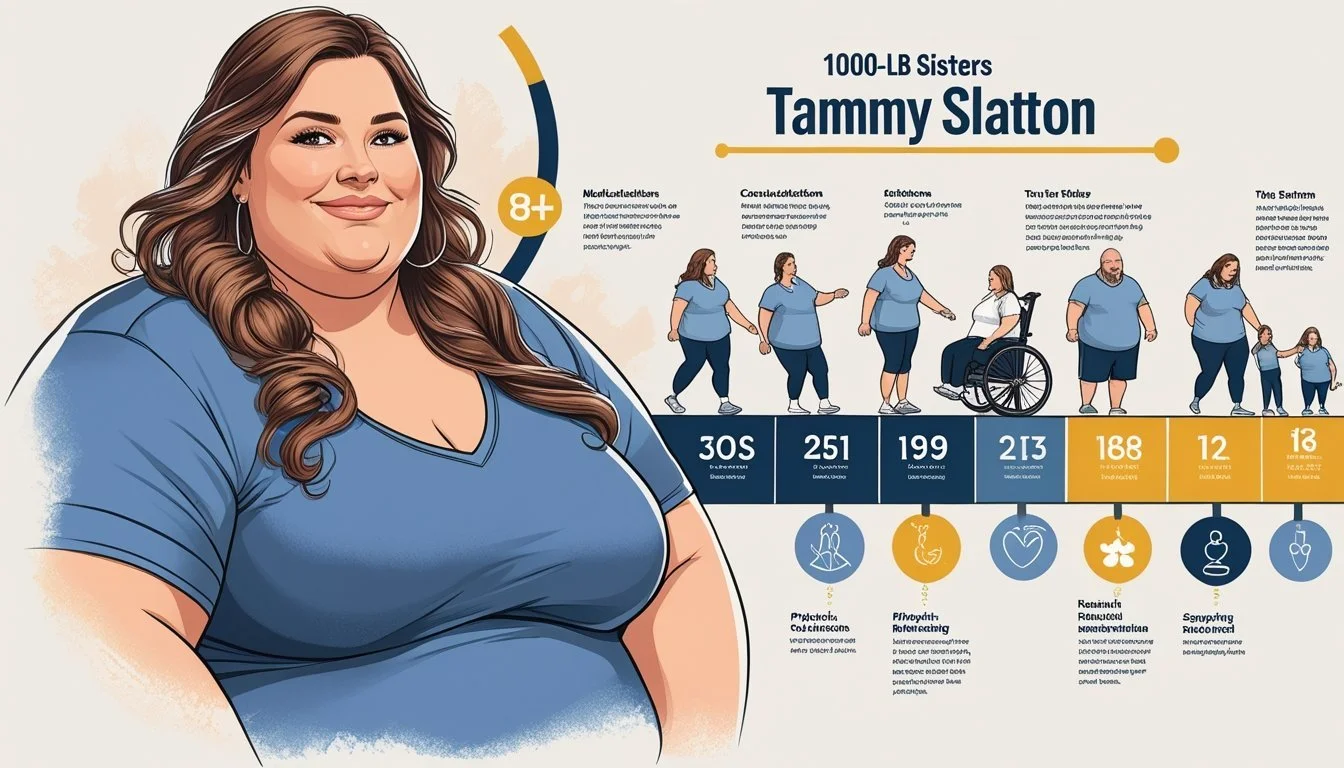
Tammy Slaton’s journey on 1000-lb Sisters includes marked turning points that shaped her success. Her progress involved not just a drop in weight, but significant advancements in mobility, daily activities, and mental health.
Reaching Weight Loss Goals
Tammy began her journey weighing over 700 pounds. She set her first major goal: qualify for bariatric surgery. Through discipline and support, she reached a weight under 550 pounds, surpassing the surgical requirement. According to multiple reports, after her surgery, Tammy continued to lose weight, reaching close to 200 pounds by 2023.
Timeline of Key Weight Loss Milestones:
Date Milestone Early 2022 Met surgery goal (about 534 lbs) Late 2022 Successfully underwent bariatric surgery 2023 Weight dropped to approximately 200 pounds
Her weight loss journey was not just about numbers. The lower weight enabled Tammy to qualify for further treatment and gave her a new start with medical professionals.
Achievements in Physical Fitness
As Tammy’s weight decreased, physical fitness became more attainable. Mobility improved, and tasks that were once impossible—standing unaided, walking longer distances, and traveling—became routine parts of her life.
She participated in guided exercise sessions during rehab. Consistent practice brought tangible improvements: her stamina increased, and she was able to complete everyday activities independently. Tammy accomplished several milestones, including her first visit to the beach, flying on a plane, and traveling on a boat.
Key Physical Achievements:
Safely transitioned from wheelchair use to walking with minimal support
Completed personal fitness goals set by her rehabilitation team
Participated in family activities outside her home for the first time in years
Improvements in Mental Wellbeing
Tammy’s transformation included a significant focus on mental health. Adapting to a healthy lifestyle and dramatic physical change required emotional support. She benefited from therapy sessions that addressed self-esteem and motivation.
Her progress in mental wellbeing was reflected in her interactions with family and her renewed sense of independence. Tammy learned healthy coping strategies for food triggers and stress. As her confidence grew, she celebrated accomplishments both big and small, reinforcing her commitment to self-care.
Support from rehab staff and her family played a major role. She built new routines around nutrition, self-reflection, and goal setting, making mental health as much a priority as her physical transformation.
Major Medical Procedures During Recovery
Tammy Slaton underwent a series of critical medical procedures during her recovery, each essential for her health and mobility. These interventions required specialized medical teams and careful planning to minimize risks and support lasting results.
Bariatric Surgery and Gastric Bypass
Tammy's recovery centered around bariatric surgery, specifically a gastric bypass procedure. This operation reduced the size of her stomach, limiting food intake and aiding weight loss. The surgery was performed after Tammy met the necessary weight-loss and health benchmarks set by her care team.
Key elements of her weight loss surgery:
Type: Roux-en-Y gastric bypass
Primary goals: Reduce food intake, initiate rapid weight loss
Hospital stay: Several days for close monitoring
Multiple health risks were involved, but Tammy's surgical team prepared meticulously because of her previous medical complications. The procedure succeeded, leading to significant and measurable weight loss over the following months. The effects of gastric bypass also helped improve conditions related to her obesity, such as mobility and sleep apnea.
Preparing for Skin Removal Surgery
After losing a large amount of weight, Tammy faced excess skin that could affect her daily life and comfort. To address this, she began consulting with a plastic surgeon to plan skin removal surgery. Preparation for this next phase included medical exams, psychological evaluations, and maintaining a steady weight.
Pre-surgery steps included:
Consistent weight maintenance post-bariatric surgery
Bloodwork and physical assessments
Insurance approvals and surgical scheduling
Skin removal surgery typically targets areas like the abdomen, arms, and thighs. Tammy's surgeon planned for an extensive, hours-long procedure to manage this safely. The goal was to relieve discomfort from excess skin, promote better hygiene, and improve her mobility and emotional well-being.
Life Changes After Rehab
Following her extended stay in a rehabilitation facility, Tammy Slaton experienced several major shifts. She returned to Kentucky, implemented new daily routines, and made significant changes related to her health.
Returning to Kentucky
Tammy Slaton left her Ohio rehab facility after about 14 months of intensive treatment. Upon discharge, she moved back to her home in Kentucky, where much of the TLC reality series "1000-lb Sisters" is filmed.
Returning home presented its own set of challenges. Tammy had to transition from a structured medical environment back to independent living. She resumed her life among family but with a renewed focus on progress.
Her support network in Kentucky, including her sister Amy, played a role in her adjustment. Reality TV viewers witnessed not only her return but also her efforts to maintain her achievements outside the rehab setting.
Adjusting to a New Lifestyle
Tammy's adjustment period involved building new habits while maintaining the results achieved during rehab. Since leaving the facility, she prioritized her health over old patterns.
Daily routines shifted to include meal planning, regular activity, and doctor visits. Tammy became more aware of her personal triggers and worked on avoiding setbacks. The TLC series highlighted these adjustments, showing viewers what it takes to sustain weight loss after rehab.
Moving back did not mean a return to old habits. Instead, Tammy focused on accountability. She openly discussed struggles and progress, fostering a sense of transparency with fans and her medical team.
Adoption of Healthy Habits
Tammy adopted several healthy habits after returning from rehab. She incorporated more nutritious foods into her meals, as recommended by her doctors and nutritionists. Portions were controlled, and processed foods were kept to a minimum.
Key healthy habits Tammy pursued include:
Regular exercise: Walking and low-impact activities became part of her daily schedule.
Consistent hydration: Tammy increased her water intake, replacing sodas and sugary drinks.
Structured eating: She followed meal plans that included lean proteins, vegetables, and whole grains.
These habits were reinforced with ongoing medical supervision. Tammy’s transformation on reality TV offered insight into the discipline required for a lasting healthy lifestyle. Her focus on these habits was essential for both maintaining her weight loss and improving her overall well-being.
Relationships and Emotional Support Systems
Tammy Slaton’s progress on 1000-lb Sisters has been shaped not just by her time in rehab but also by her closest relationships. Experiences with family, marriage, and new beginnings have played a significant role in her recovery and emotional resilience.
Family Dynamics and Amy Slaton
Amy Slaton, Tammy’s sister, has routinely been a primary source of support throughout Tammy’s rehab journey. Their relationship has experienced strain and conflict, often related to health habits and lifestyle changes, but Amy’s presence provided Tammy with consistency.
Despite disagreements, Amy continued to encourage Tammy’s efforts toward weight loss and well-being. Their interactions frequently included moments of tough love, but also empathy and shared hope for healthier futures.
During Tammy’s stay in rehab, Amy visited and offered practical help, motivating Tammy to commit to her goals. The family’s influence, particularly Amy’s involvement, remained a cornerstone of Tammy’s emotional support system.
Caleb Willingham and Marriages
Tammy formed a relationship with Caleb Willingham while in rehab. Their romance developed quickly, culminating in marriage at the facility. Caleb’s presence during this vulnerable period gave Tammy a sense of companionship and mutual understanding, as he was also facing significant health and weight challenges.
Their marriage was highlighted on 1000-lb Sisters, drawing attention to the difficulties and rewards of building a partnership during recovery. The relationship offered both encouragement and a sense of shared struggle.
Tammy and Caleb navigated the complexities of marriage under unique circumstances, with emotional highs and lows visible on the series. The support they provided each other contributed to Tammy’s determination to stay on her recovery path.
Divorce and Finding a New Relationship
Tammy’s marriage to Caleb Willingham eventually faced challenges, leading to their separation and subsequent divorce. The end of this relationship occurred during a period of significant personal growth for Tammy, prompting her to rely more heavily on her inner strength and her family.
Following their divorce, Tammy began opening up to the possibility of new relationships. She turned to friends and the wider support network she had cultivated outside of her marriage, focusing on personal stability and emotional health.
Entering a new chapter, Tammy’s journey after divorce was marked by a deeper understanding of her needs. Her evolving approach to romance reflected her ongoing commitment to her well-being and readiness to integrate healthier connections into her life.
Ongoing Health Management and Preventing Relapse

Sustaining weight loss after rehab means ongoing monitoring of physical and mental health. Long-term success for Tammy Slaton depends on daily choices, medical oversight, and active attention to both emotional and behavioral triggers.
Continued Therapy
Therapy remains an essential component of Tammy’s ongoing health management. She has consistently participated in regular sessions, focusing on the psychological aspects of weight loss, coping skills, and strategies for relapse prevention.
Therapists often use cognitive-behavioral techniques to help individuals recognize patterns of negative thinking and develop new coping mechanisms. For those struggling with food addiction, weekly or bi-weekly sessions can provide accountability and support.
It's not uncommon for progress to stall at times, but maintaining a therapeutic relationship helps address setbacks quickly. Therapy environments also allow for structured goal-setting and open discussion of personal challenges, which can reduce isolation and encourage continued progress.
Staying Committed to Diet and Exercise
Strict adherence to a medically approved diet plan is a cornerstone of Tammy's ongoing weight management. Her approach is built on portion control, nutrient-dense foods, and minimized processed ingredients. Meal prepping, food tracking apps, and support from family or nutritionists all play a role in maintaining healthy eating habits.
Consistent physical activity, including low-impact exercises like walking, swimming, and physical therapy routines, helps build strength and maintain weight loss. Setting achievable fitness goals and scheduling exercise sessions improve motivation and routine.
Key factors that support this commitment:
Meal planning every week
Regular check-ins with healthcare providers
Group exercise for accountability
Through repeated healthy choices and support systems, relapse risks decrease.
Managing Food Addiction and Depression
Managing food addiction involves tackling both the physical cravings and the emotional dependencies. Tammy relies on established support networks, including group meetings or counseling, to help address these challenges.
Symptoms of depression can increase relapse risks by leading to emotional eating. Identifying warning signs—such as sleep changes, withdrawal, or mood shifts—allows for timely intervention. Medical professionals may suggest therapy, medication, or both to address depression alongside weight management.
Multi-faceted approaches often include:
Journaling feelings and food intake
Practicing mindfulness and stress-reduction techniques
Medication management if prescribed
Continuous monitoring and open conversations with care teams ensure these issues are managed as part of her long-term recovery plan.
Public Response and Media Impact

Tammy Slaton’s progress during her rehab journey drew national attention, sparking both support and criticism. Key factors included the influence of TLC’s reality TV coverage, reactions from the online community, and the visibility provided by social media platforms.
Role of TLC and Reality TV Exposure
TLC’s “1000-lb Sisters” placed Tammy’s rehab experience at the forefront, providing consistent updates on her health and personal growth. Regular episodes explored her challenges in rehab, medical consultations, and moments of vulnerability.
Viewers were given behind-the-scenes access to medical treatments, family interactions, and Tammy’s day-to-day efforts. This exposure generated significant discussion about obesity, addiction, and healthcare systems.
Reality TV’s structured storytelling sometimes led to debates about editing and authenticity. However, the show’s candid portrayal of Tammy’s highs and lows fueled a larger conversation about the impact of televised weight loss journeys.
Community Support and Criticism
Tammy’s journey received a wide spectrum of public reaction. Many viewers expressed encouragement and empathy, especially after seeing her significant weight loss milestones.
Supporters often left positive messages on forums and fan pages, noting her resilience and the difficulties of addiction and recovery. Critics called out perceived lapses in personal responsibility and pointed out moments where Tammy faced public backlash.
Some fans noted insensitivity from others regarding Tammy’s physical changes after her weight loss, especially following her rare public appearances and her openness about physical and emotional scarring.
YouTube and Social Media Updates
Tammy actively used YouTube, TikTok, and other social media to share updates beyond the show. These posts included candid videos from her daily life, brief health updates, and direct responses to questions and concerns from followers.
Online platforms helped Tammy control her own narrative, address rumors, and display aspects of her recovery process that were not always shown on the TLC reality series. Fan engagement included supportive feedback, constructive criticism, and, at times, insensitive comments.
Social media allowed for rapid dissemination of news about her progress, new challenges, and public appearances, widening the scope of public interaction beyond television audiences.
Current Status and Future Outlook
Tammy Slaton’s journey after rehab is marked by remarkable weight loss, significant health improvements, and major adjustments to her personal habits. She continues to face new challenges as she adapts to her transformed body and develops healthier routines.
Lifestyle Maintenance
Tammy has prioritized lifestyle changes, moving beyond the rehab facility to daily routines focused on sustaining her weight loss. Regular medical checkups, meal planning, and physical activity are part of her regimen.
She maintains her progress by following advice from nutritionists and doctors. Family support remains a crucial factor, with her sister Amy often involved in daily activities and motivation.
Tammy has worked to quit smoking and reduce vaping, both important steps to improve her respiratory health. Maintaining these habits is central in preventing setbacks and staying healthy. For many viewers, her commitment to an ongoing healthy lifestyle offers practical insight into what is required after a dramatic transformation.
Personal Growth and Aspirations
Tammy’s personal development is evident in her increased confidence and willingness to share her story. She speaks openly about her identity, including being pansexual, which she has discussed on social media and the show.
She’s expressed interest in helping others with similar struggles and has set goals related to independence and mobility. After achieving significant weight loss—including more than 500 pounds—she now enjoys participating in more social and community activities.
Tammy has dealt with loss, including her marriage ending and her husband’s passing, which influenced her outlook on life. She continues to focus on mental health and self-care, emphasizing resilience and future aspirations.
Advocacy for Health and Transformation
Tammy leverages her platform to advocate for those on a weight loss journey. She frequently addresses the realities of obesity and the importance of professional medical help when facing significant health concerns.
Her transformation has encouraged discussions about accessible healthcare and weight-loss surgery. Tammy’s emphasis on long-term change and relapse prevention is often highlighted in her interviews.
In addition to speaking about weight and health, she discusses breaking addiction cycles, including overcoming vaping. By sharing practical tips on lifestyle adjustment and mental health, Tammy positions herself as a resource and advocate within the broader health and transformation community.
