
The Emotional Weight of Every Episode of 1000-lb Sisters
How Real Struggles Resonate with Viewers
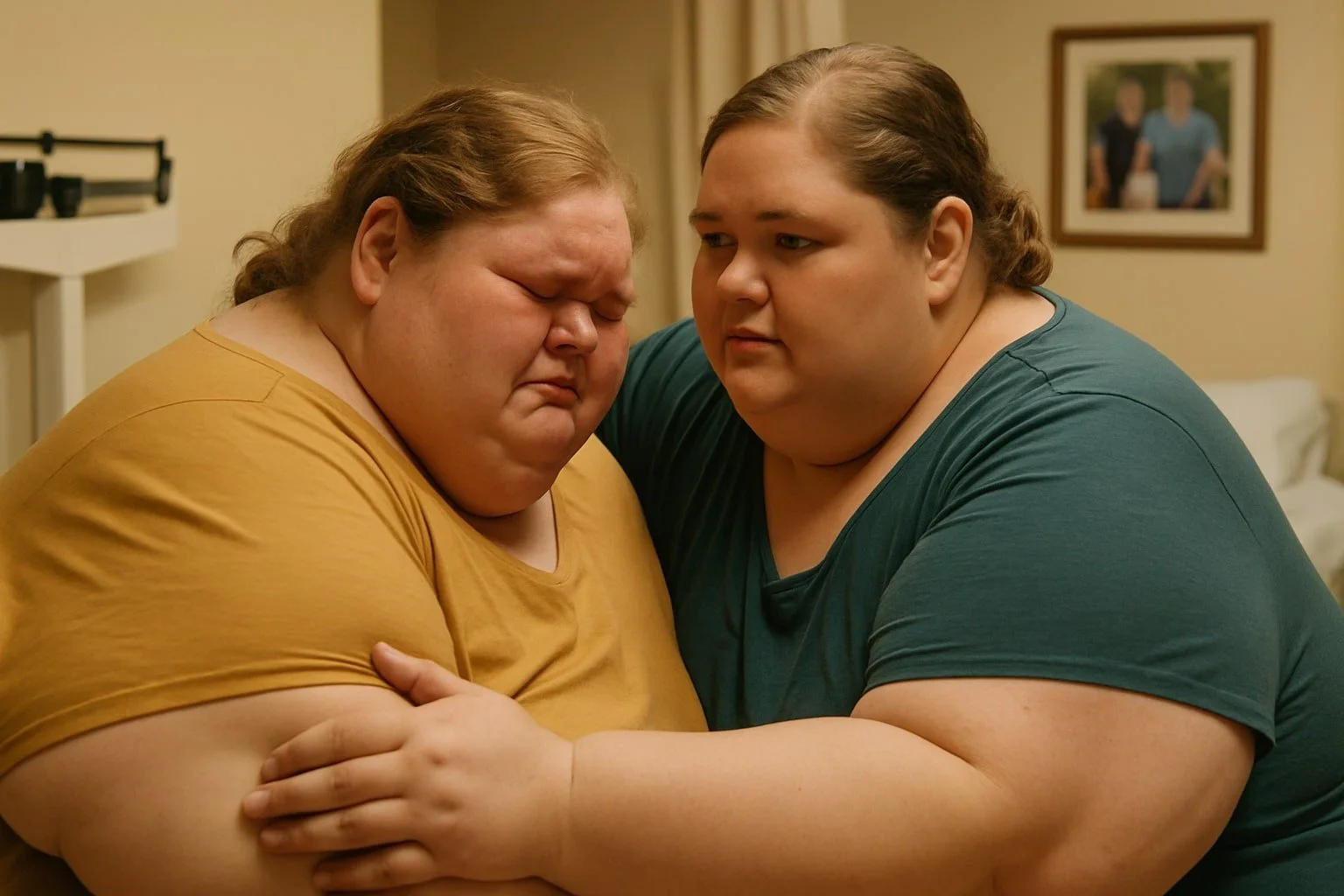
Every episode of 1000-lb Sisters carries an emotional weight that resonates with viewers as Amy and Tammy Slaton—and at times their brother Chris—navigate health struggles, personal relationships, and the realities of living in the public eye. This reality TV series stands out for its raw look at the challenges and triumphs involved in extreme weight loss, capturing everything from setbacks to moments of hope.
The series does not shy away from showing the emotional highs and lows that come with life-changing decisions, medical complications, and evolving family dynamics. Viewers see the impact these experiences have not only on the sisters themselves but also on those closest to them.
Whether it's a heartfelt breakthrough or a crushing setback, each episode invites audiences to witness the honesty and intensity of the Slaton family's journey. This blend of vulnerability and determination keeps audiences invested in every moment, making 1000-lb. Sisters a unique entry in the landscape of reality TV.
Understanding the Emotional Weight in 1000-lb Sisters
Every episode of 1000-lb Sisters demonstrates how deeply personal struggles with mental health, food addiction, and everyday challenges impact the lives of Amy and Tammy Slaton. Emotional reactions often shape key moments throughout their journeys toward better health.
Exploring Emotional Triggers
Tammy and Amy often face emotional triggers tied to their relationships, personal setbacks, long-standing trauma, and public scrutiny. For instance, arguments with family members can leave them feeling unsupported or misunderstood.
Episodes frequently show tears, frustration, or anger after weigh-ins or difficult conversations. These reactions highlight how progress and setbacks affect their confidence and well-being.
Public attention, both supportive and critical, intensifies these triggers. Negative comments on social media or in-person bullying add emotional pressure, sometimes leading to emotional eating or withdrawal.
Common Emotional Triggers:
Family conflicts
Failed weight loss attempts
Medical setbacks
Social stigma
Connection Between Obesity and Mental Health
Obesity in the series is shown not just as a physical condition but also as one deeply tied to mental health. Amy and Tammy each face anxiety, depression, and feelings of isolation.
1000-lb Sisters documents setbacks like depression after surgery or during periods of slow progress. Therapy sessions and counseling often become necessary when emotional and psychological struggles interfere with weight loss.
Mental health concerns like low self-esteem and hopelessness can create cycles of overeating for comfort. Support from professionals and family is sometimes crucial for breaking these cycles and encouraging healthier habits.
Food Addiction and Its Effects
Food addiction is a central issue for both Amy and Tammy. The show documents the craving for high-calorie foods in response to sadness, stress, or boredom.
This cycle of emotional eating is portrayed as both a cause and a result of their obesity. Episodes show how food can provide temporary comfort but eventually leads to guilt and health complications.
Therapy and professional support are addressed as necessary tools for controlling food addiction. The series illustrates that lasting change often requires addressing not just habits but the underlying emotional needs that drive them.
Amy and Tammy’s Personal Journeys
Amy Slaton and Tammy Slaton have faced significant health, emotional, and life changes throughout their televised journey. Their stories are marked by weight loss milestones, persistent medical struggles, family dynamics, and the impact of new roles as adults.
Amy Slaton’s Weight Loss Milestones
Amy Slaton’s weight loss progression stands out due to her determination and steady achievements. Early in the series, she made the decision to pursue bariatric surgery after years of struggling with her weight. Working alongside specialists like Dr. Procter, Amy set specific goals to reach the pre-surgery requirement.
Her commitment was seen during regular weigh-ins, meal plan adjustments, and participation in physical activity, producing results that led her to qualify for surgery relatively quickly. Following her gastric bypass, Amy demonstrated notable weight loss, with visible changes in mobility, confidence, and overall well-being.
She often celebrated small victories, from walking longer distances to fitting into smaller clothes. Throughout this part of her journey, Amy faced challenges but remained focused on creating a healthier life for herself and, ultimately, her family.
Tammy Slaton’s Health Struggles
Tammy Slaton’s experience with weight loss included more setbacks and complexities, underscoring the medical and emotional obstacles she faced. She struggled to reach the weight required for bariatric surgery, often experiencing plateaus or regaining pounds due to health crises or lack of adherence to her plan.
Tammy’s challenges were compounded by mobility issues, frequent hospitalizations, and dependency on oxygen therapy. Episodes revealed her battles with food addiction, depression, and a sense of isolation, which sometimes strained her support system.
Despite moments of progress, like small drops in her weight or improved medical readings, Tammy’s journey was regularly interrupted by health scares. The show documented moments when she recommitted to her health after facing serious medical warnings or hospital stays, emphasizing the persistent danger her condition posed.
Unique Sisterly Bond
The relationship between Amy and Tammy is a major element of their story. Their dynamic is defined by mutual support but is frequently tested by frustration, miscommunication, and personal setbacks.
Key aspects of their bond:
Emotional support: Both relied on each other for motivation but sometimes enabled unhealthy habits.
Caretaking roles: Amy often became Tammy’s caretaker during hospital visits and daily life, adding stress and responsibility.
Family tension: Arguments about food choices, health, and life decisions were common, reflecting the emotional stakes.
Despite frequent conflict, their bond served as a motivator for personal change. Their willingness to confront difficult issues on camera highlighted their shared perseverance.
Motherhood and Life Changes
Amy Slaton’s transition to motherhood introduced new challenges and motivations. She became pregnant after her weight loss surgery, which required adjustments to her health routines and careful monitoring due to increased medical risks.
Motherhood shifted Amy’s focus from her own needs to those of her child, influencing her approach to nutrition and wellness. As a mother, she faced obstacles such as postpartum recovery, balancing child care with self-care, and concerns about setting a healthy example.
For Tammy, these changes in the family dynamic impacted her emotionally. She expressed feelings of being left behind as Amy’s priorities changed, intensifying her own sense of isolation. This shift forced the sisters to redefine their roles within and outside their family, leading to evolving personal goals and relationships.
Transformations and Setbacks

Life on 1000-lb Sisters is shaped by a series of milestones, many of which involve surgical intervention, medical setbacks, and vital support from loved ones. Struggles such as recovery from bariatric surgery, living with excess skin, and the challenges of rehab recur throughout the series.
Bariatric Surgery and Recovery
Bariatric surgery is a pivotal step for both Tammy and Amy Slaton. The procedure requires strict pre-surgical qualifications, including weight loss targets and mental health evaluations. Both sisters have faced delays due to health concerns, failed weigh-ins, and emotional stress.
Post-surgery recovery is rarely straightforward. The show depicts the pain, dietary changes, and risk of complications such as infections or nutritional deficiencies. Emotional responses—including moments of frustration and doubt—are frequent, with each sister experiencing setbacks and moments of progress.
Strict medical follow-ups monitor physical health, but also highlight emotional hurdles. Viewers witness the importance of adhering to new routines, as well as the vulnerability that comes from facing past traumas and future uncertainties.
Dealing With Excess Skin and Skin Removal Surgery
Significant weight loss repeatedly leads to the problem of excess skin. After bariatric surgery, both sisters struggle with large folds of skin, which can cause discomfort, hygiene challenges, and lowered self-esteem.
Skin removal surgery becomes a prominent goal, requiring its own set of physical and psychological hurdles. Tammy Slaton’s recent journey through skin removal surgery was marked by intense emotions, visible worry, and anticipation. Preparation for the procedure demands further health benchmarks and medical evaluations.
The recovery process involves pain, limited mobility, and visual reminders of past struggles. While results often bring physical relief and greater confidence, the show doesn't shy away from exposing lingering insecurities and the ongoing need for emotional healing.
Rehab and Support Networks
Rehab is crucial for sustained weight loss and adapting to post-surgery life. For Tammy, time in a rehabilitation facility meant learning new habits, building mobility, and resisting old behaviors. Rehab staff provided medical care, nutritional guidance, and emotional support.
A strong support system—including family members like Amy and Amanda Halterman—is repeatedly shown as essential. These relationships offer encouragement but also become sources of conflict and tension. As boundaries shift and roles change, the participants must navigate trust, dependence, and independence.
The interplay between rehab, family, and medical teams highlights that recovery is ongoing. Setbacks are common, but the persistence and honesty captured in the show emphasize the need for both practical and emotional support throughout the journey.
The Impact of Reality TV on Emotional Health

Reality shows such as 1000-lb Sisters have a significant influence on both the lives of their participants and the perceptions of audiences. These programs highlight daily challenges, public scrutiny, and the complicated relationship between media and self-image.
Reality Show Pressures
Contestants on reality TV, especially those featured on networks like TLC and platforms such as Amazon Prime, face unique stressors. They often endure relentless filming schedules and are required to share deeply personal struggles. This kind of visibility puts individuals at risk for feelings of isolation or vulnerability.
Producers sometimes conduct psychological screenings before filming, but even with these measures, emotional support during and after production can fall short. Viewers are exposed to raw moments, while cast members experience ongoing anxiety and pressure to meet audience expectations.
Some former participants of reality shows describe developing anxiety, depression, or a profound sense of being judged. The sustained exposure can impact their mental health long after filming ends.
Fan Reactions and Support
1000-lb Sisters quickly developed a dedicated fan base, making fan reaction a key element of the participants’ experience. Social media platforms amplify both positive and negative responses, intensifying the emotional environment for cast members.
Participants often receive messages of encouragement, but criticism or online harassment is also common. This public dialogue can sometimes strengthen the resolve of those featured, but in other cases, it leads to heightened stress or emotional distress.
Support networks, including online forums and organized fan groups, provide essential encouragement. However, the volume of unsolicited advice or commentary when shared widely—especially on platforms associated with TLC and Amazon Prime—can be overwhelming.
Media Representation of Weight Loss
Reality TV shows depicting weight loss journeys often frame progress in dramatic terms. This type of representation shapes public understanding of obesity and personal transformation. It can create unrealistic standards for viewers and those portrayed.
1000-lb Sisters aims to show both small and significant changes, but editing can sometimes prioritize dramatic setbacks or tense moments over everyday efforts. Such portrayals can impact how participants see themselves and how audiences view weight loss journeys as a whole.
The way these journeys are framed by networks like TLC influences societal attitudes toward weight, health, and body image. By focusing on transformation over process, the show risks simplifying complex health issues for entertainment value.
Key Episodes That Defined Emotional Turning Points

Specific episodes of 1000-lb Sisters stand out for their significant impact on the Slaton sisters' lives. Dramatic health challenges and powerful personal transformations have shaped their journeys, showing both their struggles and their resilience.
Season 3’s Most Emotional Moments
Season 3 highlighted raw conflict and devotion within the Slaton family. Tammy’s ongoing health battles took center stage as her family grew increasingly concerned about her wellbeing. The emotional weight of her hospitalizations and setbacks deepened bonds among the sisters.
One defining moment was Tammy’s confrontation with her own limits, when she struggled with mobility and needed intensive care. Family intervention scenes showcased real worry for her survival. Amy’s support, paired with moments of sibling tension, revealed the complexity of caring for a loved one dealing with severe obesity.
The emotional fallout affected not only the sisters but also their partners and extended family. Each setback forced tough conversations and demanded choices about health, responsibility, and support.
Tammy’s Medically Induced Coma
One of the most intense emotional peaks came when Tammy was placed in a medically induced coma. Her condition deteriorated rapidly, requiring emergency medical intervention. The gravity of this event was not lost on viewers or her family, who braced for the possibility of losing her.
Hospital staff acted quickly to stabilize her after respiratory failure, and the uncertainty lasted for days. During this period, her family kept vigil, grappling with fear and regret. The coma forced Tammy to confront life-or-death consequences of her health choices.
Upon waking, Tammy’s determination shifted. This crisis marked a turning point; she was more open to rehab and committed to making different decisions. Her recovery process was slow, but crucial, shining a spotlight on the reality of extreme obesity.
Amy’s Journey to a Healthy Lifestyle
Amy’s pursuit of a healthy lifestyle unfolded gradually but was filled with deeply personal victories and challenges. She faced physical barriers and emotional setbacks but demonstrated consistent commitment to losing weight.
A pivotal episode featured Amy finally qualifying for weight loss surgery after months of effort. This milestone reflected not just physical achievement but also emotional growth and renewed hope for her future. Amy’s relationship with food, as well as with her husband Michael, evolved alongside her transformation.
Key changes included:
Learning healthy eating habits
Managing stress and family conflict
Setting examples for her children
Viewers observed as Amy adopted long-term lifestyle changes, highlighting perseverance in everyday choices rather than just dramatic moments.
Overcoming Setbacks Through Resilience

Facing setbacks on 1000-lb Sisters is a common reality. Progress can stall or reverse, but resilience, mental health care, and healthy habits make it possible to move forward again.
Therapy and Mental Health Support
Therapy plays a critical role in emotional health, particularly when confronting the stress that comes with major lifestyle changes. Many individuals turn to licensed mental health professionals for guidance on managing anxiety, depression, or negative self-talk. Regular sessions help them develop coping strategies specific to their circumstances.
Support is not only clinical. Family counseling, support groups, and online communities connect people to others in similar situations, reducing feelings of isolation. These resources offer a space to share progress and setbacks without fear of judgment.
Effective therapy focuses on building self-compassion and realistic goal-setting. This mindset shift helps reduce guilt and shame after setbacks, laying the groundwork for happier, healthier progress.
Coping With Relapses
Relapses are common on any weight loss journey, and people on 1000-lb Sisters are no exception. A relapse can involve regaining weight, returning to emotional eating, or withdrawing from family support. How they respond to these moments often shapes their long-term outcome.
Strategies for coping with relapses include:
Identifying emotional triggers
Creating a step-by-step plan for regaining control
Practicing self-compassion rather than self-blame
Resilience involves learning from each lapse. Instead of treating a setback as failure, individuals analyze what caused it and adjust their strategy for next time. This approach builds realistic and emotionally sustainable progress.
Building Long-Term Healthy Habits
Shifting focus to small, consistent changes is key for sustainable health improvements. Instead of dramatic overhauls, those featured on 1000-lb Sisters are encouraged to set practical, achievable goals. Examples include preparing balanced meals at home, increasing daily steps, or tracking food intake.
Routine and repetition support habit formation. Keeping a food diary, planning meals in advance, or setting reminders encourage follow-through, especially during stressful periods. These small actions form the foundation for long-term health and happiness.
Forming healthy habits also involves reevaluating progress regularly. Adjustments based on honest self-assessment strengthen resilience and help maintain motivation when challenges arise. Sustainability and emotional well-being are prioritized for positive, lasting change.
Community, Connections, and Spin-Offs

Strong relationships are a central part of the journeys shown in 1000-lb Sisters. People close to the cast provide critical motivation, and related series like 1000-lb Best Friends show how these connections extend beyond one family.
Support From Friends and Family
Family members and close friends form the backbone of emotional and practical support for the Slaton sisters. From rides to medical appointments to helping with small daily needs, their network is visible throughout each episode.
Amy and Tammy both lean on their brother Chris Combs, who provides accountability and encouragement. Chris's own weight loss efforts offer inspiration and camaraderie. Occasional tension, often related to setbacks or frustration, shows the realistic strain that caretaker roles can create.
Key support system features:
Consistent involvement in treatment and progress
Shared goals and reminders of why change is important
Willingness to confront hard truths or call out unhealthy decisions
Even extended family gets involved, sometimes gathering for major milestones or medical procedures. This high level of involvement helps sustain motivation during tough periods.
1000-lb Best Friends and Vannessa Cross
1000-lb Best Friends follows friends Vannessa Cross, Meghan Crumpler, Tina Arnold, and Ashely Sutton as they navigate obesity and health challenges. Unlike the family-driven approach in 1000-lb Sisters, this show highlights the unique dynamic of chosen family—close friends who support one another.
Vannessa Cross often emerges as a standout presence. Her humor and honesty help lighten the emotional load but also bring important conversations to the surface. Group weigh-ins, shared struggles, and open discussions about setbacks distinguish their approach.
A comparison table:
Feature 1000-lb Sisters 1000-lb Best Friends Family involvement Central Limited (focus on friends) Main support figure Chris Combs, relatives Vannessa Cross, friends Tone Emotional, confrontational Supportive, candid humor
Inspiring the Obesity and Weight Loss Community
The experiences documented on 1000-lb Sisters and its spin-offs resonate with people facing similar struggles. By showing setbacks alongside progress, these series foster a sense of connection within the larger obesity and weight loss community.
Fans regularly discuss episodes on social media and forums, offering encouragement or sharing personal stories. Community reactions to moments like Tammy’s milestones or Amy’s challenges show that the cast’s vulnerability helps others feel seen.
Spin-offs such as 1000-lb Best Friends further expand representation, showing that support systems don't have to be limited to family. Conversations sparked by the shows have increased awareness of the importance of empathy, realistic goals, and collective motivation for those dealing with obesity.
The Role of Diet and Exercise in Emotional Healing

Diet and exercise shape the emotional recovery process for those facing extreme weight challenges. Choosing healthy foods and maintaining regular activity influence more than just physical health—they affect mood, self-image, and psychological strength.
Developing a Sustainable Diet and Exercise Regimen
A balanced regimen requires practical routines tailored to individual needs and preferences. Setting realistic goals supports consistency, reducing the likelihood of frustration or early burnout.
People benefit from professional support, such as nutritionists or trainers, who can assist with adjustments based on progress and challenges. Routine tracking—using journals or apps—helps reinforce positive change and highlight areas for improvement.
Group activities or accountability partners may ease isolation and provide motivation during difficult phases. Sticking to manageable plans rather than extreme or unsustainable choices has been shown to encourage long-term emotional stability.
Healthy Foods and Strict Diet Choices
A focus on nutrient-dense foods such as vegetables, lean proteins, and whole grains offers physical nourishment and emotional steadiness. Highly restrictive, strict diets can create a cycle of guilt, depression, or anxiety if not followed perfectly.
Balanced eating patterns encourage gradual improvement in emotional health by avoiding drastic swings in mood linked to erratic blood sugar or deprivation.
Sample table: Foods Beneficial for Emotional Health
Food Type Examples Emotional Benefits Leafy Greens Spinach, Kale Reduce inflammation, stabilize mood Lean Protein Chicken, Fish, Legumes Support neurotransmitter function Whole Grains Brown rice, Oats, Quinoa Provide steady energy
Rigid food rules are less effective than mindful eating and portion control, which promote a sense of control and reduce emotional distress.
Exercise as Motivation
Physical activity is closely linked to better mood and self-esteem, particularly in individuals managing significant weight challenges. Exercise acts as a method of emotional release, helping to decrease tension and provide a sense of accomplishment.
Both low-impact activities, like walking or swimming, and structured regimens, such as physical therapy or classes, can elevate mood and aid emotional regulation. Frequent exercise reduces the number of poor mental health days, offering structure and daily milestones.
Seeing progress, even in small gains, builds confidence and fosters a more optimistic outlook, making it easier to stick to healthy routines. For many, movement is both a motivator and a coping tool during emotional lows.
The Lasting Impact of 1000-lb Sisters

The show 1000-lb Sisters goes beyond surface-level entertainment, documenting struggles, setbacks, and achievements in detail. Its continued exploration of transformation and personal growth has sparked important conversations about health, family, and self-perception.
Progress and Ongoing Transformations
Throughout the series, Amy and Tammy Slaton have faced a variety of weight loss challenges. Both have made significant efforts toward their goals, each experiencing different rates of progress. Amy's journey has included a major transformation, with her weight dropping from over 400 pounds.
Tammy started at over 600 pounds, battling both physical and emotional hurdles. In later seasons, she began to show visible signs of positive change, sparking encouragement and hope among viewers. These ongoing transformations have not just been about numbers on a scale, but also about improving mobility, health, and confidence.
The sisters' individual milestones—such as qualifying for surgery and adapting to new routines—are meaningful victories. The continuous nature of these changes highlights the long-term commitment required for a 500-pound weight loss and overall improvement in quality of life.
Lessons for Viewers
1000-lb Sisters provides insight into the psychological and social aspects of obesity. Viewers see the emotional weight carried by Amy and Tammy as they confront addiction, addiction triggers, and deeply rooted unhealthy habits.
Through their successes and setbacks, the series illustrates that lasting transformation takes time, perseverance, and support. The show frequently highlights the importance of family, therapy, and encouragement from the community. These themes resonate with those who struggle with similar challenges or who support someone on a weight loss transformation.
List of recurring themes:
Vulnerability and honesty in personal struggles
Importance of medical support
Role of self-acceptance and patience
The openness displayed by the sisters helps reduce stigma, sparking conversations about health without judgment.
The Future of Amy and Tammy
Future seasons continue to document how Amy and Tammy adapt to ongoing life changes. Amy’s progress includes balancing weight loss with motherhood, addressing new health goals along the way.
Tammy, following a critical period in her journey, aims for increased independence and better mobility. As she works toward sustained weight loss, her determination remains evident. Both sisters face continued challenges with public scrutiny and personal pressures.
The show’s future focus includes their evolving relationships, ongoing health management, and daily realities after significant transformation. Their willingness to share setbacks as well as victories makes the narrative relatable for viewers facing similar issues.
