
What Makes 1000-lb Sisters a Mirror of Real American Families
Explored Through Everyday Struggles

1000-lb Sisters resonates with viewers because it honestly depicts everyday struggles, close family bonds, and the challenges of personal change, reflecting experiences common in real American families. The show follows Amy and Tammy Slaton as they navigate health issues, family dynamics, and life’s daily pressures, allowing audiences to see pieces of their own lives in the sisters’ journey. Their interactions include moments of conflict, support, and humor that are familiar in many households.
As Amy, Tammy, and their family encounter setbacks and work toward goals, the series highlights the mix of frustration, perseverance, and love that can define family life. Issues like difficult conversations, personal growth, and supporting each other through hardships are central to the episodes, making the show more than just a reality series—it becomes a reflection of the genuine complexity found in many American families.
Overview of 1000-lb Sisters
1000-lb Sisters is a reality television series on TLC that follows the lives of Amy and Tammy Slaton from Kentucky. The show documents their experiences with obesity, family relationships, and major life transitions.
Premise and Concept
The core premise centers on Amy and Tammy Slaton, two sisters whose combined weight initially exceeds 1,000 pounds. The series gives an in-depth look at their daily challenges, efforts to lose weight, and the impact of their health on family dynamics.
TLC presents their journey with an unfiltered approach, featuring both the emotional and physical obstacles faced by the sisters. Viewers see genuine moments of struggle, triumph, and setbacks throughout each season.
The show often addresses broader themes common in American households, such as health, addiction, and the complexities of sibling relationships. By documenting both mundane and pivotal moments, it reflects everyday realities while emphasizing personal growth and family bonds.
Notable Cast Members
Amy Slaton-Halterman and Tammy Slaton are the main subjects of the series. Amy seeks to improve her health so she can start a family, while Tammy confronts more severe health risks and mobility issues.
Other recurring family members appear, including Chris Combs (the sisters' brother), who joins the journey to support his siblings and pursue his own health goals. Several other relatives and friends make periodic appearances, adding context and additional perspectives on the family dynamic.
Production focuses primarily on the sisters, but the presence of their support network adds depth to the narrative. Notable for their candidness, Amy and Tammy’s personalities and close relationship stand out as central pillars of the show.
Seasons and Episodes
1000-lb Sisters premiered on TLC in 2020. As of mid-2025, the series has aired multiple seasons, generally consisting of 6 to 12 episodes each.
Each season tracks ongoing developments, such as medical appointments, surgeries, recovery periods, and personal milestones. The series format balances individual episodes between dramatic events and quieter, character-driven scenes.
A typical season also highlights shifts in family dynamics and personal achievements, with updates on both sisters’ health status and life changes. The show's episodic structure has maintained audience interest by combining medical realities with relatable family moments.
The Slaton Family: A Reflection of American Households
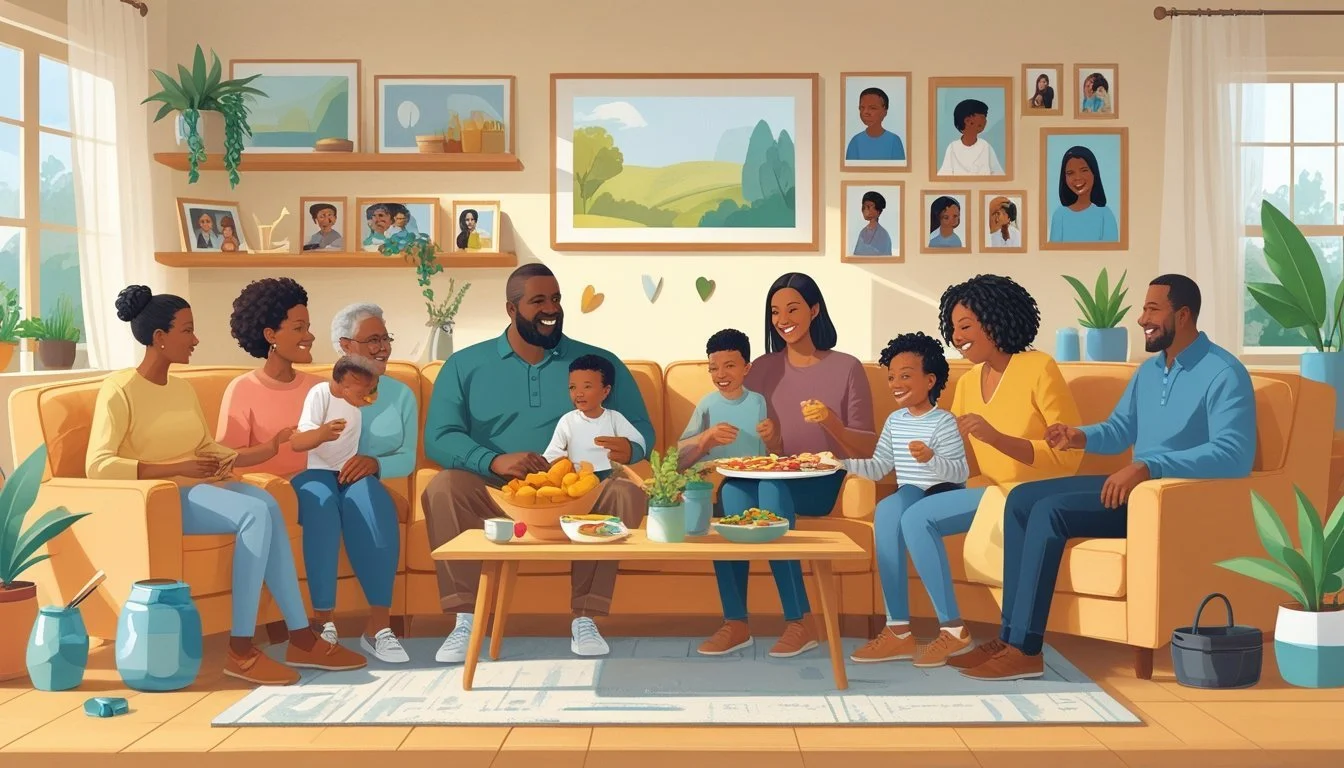
The Slaton family, featured on "1000-lb Sisters," navigates daily challenges and unique triumphs that are familiar to many American viewers. Their story highlights common family bonds, generational relationships, and the influence of shared ancestry.
Family Dynamics and Relationships
The Slaton family includes sisters Tammy and Amy Slaton, as well as siblings Amanda Halterman, Chris Combs, and Misty. Their interactions show a spectrum of support, frustration, and love. These dynamics reflect the way real families confront health issues, personal setbacks, and goals together.
Tammy and Amy often lean on each other for both encouragement and accountability regarding their weight loss efforts. At times, disagreements arise, particularly when dealing with medical decisions and lifestyle changes. Their honest dialogue and emotional responses mirror the ups and downs that occur in many households when change is necessary.
Family meals, discussions about finances, and debates over medical care provide viewers with a glimpse into how American families negotiate different opinions and responsibilities within one home. Each person’s personality comes through clearly, emphasizing the strong individuality within their relationships.
Role of Siblings in Support Systems
In "1000-lb Sisters," siblings play a crucial role in each other's lives. Chris Combs, Amanda Halterman, and Misty support Tammy and Amy both emotionally and practically, such as accompanying them to medical appointments and offering direct, sometimes tough, feedback.
The supportive, yet sometimes blunt, involvement of Amanda and Chris demonstrates the importance of sibling bonds. Amanda helps with daily routines, while Chris acts as both a motivator and a source of comic relief. Their willingness to step in during medical crises, or when one sibling feels isolated, demonstrates the essential support siblings provide.
This family dynamic reflects broader American experiences, where reliance on siblings during difficult times is common. Challenges such as health crises or financial struggles often require immediate family members to step up, and the Slaton siblings illustrate both the struggles and rewards of doing so.
Influence of Family Tree and Ancestry
The Slaton family's sense of history, though not always explicitly highlighted on television, is rooted in a broader American tradition of valuing ancestry. Names such as Hugh Kirkwood and references to the Kirkwood family crest and the Revolutionary War suggest a lineage with deep historical connections.
While the show primarily focuses on the present, the Slatons' awareness of their family tree provides a sense of belonging and identity. This ancestral connection influences their values and sometimes surfaces in discussions around resilience and perseverance.
For many American families, understanding where they come from shapes their outlook and approach to challenges. The Slaton family illustrates how ancestry and family heritage can offer context for present struggles and achievements, even when the immediate focus is on day-to-day life.
Parallels to Real American Life

"1000-lb Sisters" highlights day-to-day realities that many American families face, especially regarding chronic health conditions and the specific challenges of rural living. The experiences of Tammy and Amy Slaton reflect broader struggles that are familiar in small-town settings across the United States.
Struggles with Obesity and Health
Obesity is a pressing problem in many parts of America, and the Slaton sisters’ journey sheds light on its medical and emotional consequences. Living in Kentucky, they encounter limited access to specialized healthcare, often needing to travel to hospitals far from home for treatment.
Both sisters struggle with related health issues such as diabetes, mobility limitations, and respiratory problems. Tammy, in particular, has dealt with severe depression, which intensified due to long periods of isolation and difficulty leaving the house.
Their story illustrates how weight and mental health are connected. The show depicts both the frustrations of dealing with health setbacks and the small successes, creating a realistic picture rather than an idealized version of recovery.
Economic and Geographic Realities
Living in rural Kentucky brings its own set of challenges for the Slaton family. Economic opportunities in the area are limited, affecting access to healthy food, medical care, and community resources. Regular grocery options can be scarce, and the sisters rely on local stores that may not offer many nutritious choices.
Transportation is a significant barrier—routine medical visits often require long drives to larger hospitals. Access to weight loss clinics or support groups is less common in smaller towns.
Many viewers from similar backgrounds see their own economic and geographic circumstances reflected here. Using a table, some core realities can be highlighted:
Challenge Impact on Daily Life Limited healthcare access Delays in treatment, fewer options Rural location Fewer job and support resources Lack of public transport Difficulty reaching hospitals/clinics
For families like the Slatons, these barriers are an ongoing part of life, shaping not just health outcomes but daily routines and relationships as well.
Weight Loss Journey: Progress and Setbacks
The experiences of Tammy and Amy Slaton show the multifaceted nature of personal change, from major health interventions to their day-to-day struggles. Their story highlights both physical achievements and the barriers that test their resolve.
Bariatric Surgery and Medical Challenges
Both sisters underwent bariatric surgery, a critical medical step for people with extreme obesity. Amy received her gastric bypass surgery in 2019, losing around 176 pounds by 2023. Tammy faced more severe health risks. Her weight peaked above 700 pounds, and she required a stay in rehab before qualifying for her surgery.
The procedures were not without complications. Tammy, for example, dealt with breathing difficulties and required medical supervision. Ongoing conditions, including diabetes and mobility limitations, complicated their recoveries. Despite these setbacks, each sister persevered with routine checkups and consistent care.
Their progress shows how bariatric surgery is a tool, not a cure. Success relies on post-surgical habits, dietary changes, and ongoing medical support. Their public setbacks—hospital visits, rehab readmissions, and stalled progress—are reminders that major weight-loss journeys rarely follow a straight path.
Emotional and Psychological Barriers
The psychological side of their journey is just as significant as the physical. Both Tammy and Amy have spoken on camera about the emotional toll of obesity, food addiction, and public scrutiny. The stress from personal relationships, family responsibilities, and social expectations frequently challenged their commitment.
Setbacks included periods of lost motivation, emotional eating, and episodes of depression. Family dynamics sometimes made progress harder; conflicts and misunderstandings placed additional strain on their mental health. Therapy and support groups played a key role in helping each sister address these issues and reinforce healthy behaviors.
Their openness about mental health challenges has sparked important conversations about the links between trauma, addiction, and eating patterns. By sharing their struggles, they have helped reduce stigma around these topics and shown the need for holistic care.
Milestones and Celebrations
Major weight-loss milestones became public events for the Slaton sisters. Amy celebrated losing enough weight to start a family, while Tammy’s significant achievement of losing over 500 pounds gained wide attention from fans and media outlets.
Table: Key Milestones
Milestone Amy Tammy Bariatric Surgery Year 2019 After rehab Total Weight Lost (approx.) 176 lbs by 2023 500+ lbs Major Health Turnaround Motherhood post-op Mobility regained
Each milestone was marked by emotional moments—whether stepping on a scale at a clinic, moving without assistance, or simply returning home from rehab. These celebrations reinforced their progress and acted as motivation during times of hardship.
Support from family, physicians, and viewers has played an important role in recognizing and maintaining each achievement. Their public celebrations serve as encouragement for others facing similar battles with weight and health.
Personal Lives Behind the Cameras
The real lives of the Slaton sisters have played out on screen, giving viewers relatable glimpses into challenges that many American families face. Their day-to-day experiences often reflect the realities of relationships, parenting, and family changes.
Relationships and Marriages
Amy Slaton’s relationship with Michael Halterman, culminating in their marriage, became a significant focus on the show. Their dynamic, from dating through marriage, highlighted the unique stresses that health issues can bring to a partnership.
Meanwhile, Tammy’s search for love has been frank and at times difficult. She’s discussed her relationships and challenges openly, including romantic disappointments and the role her health played in her dating life.
Key Relationships:
Amy Slaton & Michael Halterman (Marriage, later divorce)
Tammy Slaton’s relationships and struggles
Impact:
Cameras catch not just joyful milestones but also moments of tension and vulnerability, revealing how relationships adapt or strain under public scrutiny and personal health battles.
Divorce and Family Changes
Amy and Michael Halterman’s split in 2023 was a major turning point. Their divorce process, covered by both media and the show, included custody discussions and continued co-parenting efforts.
Family dynamics further shifted as both sisters faced medical crises, relocations, and changing support systems. The sisters’ bond was tested but often grew stronger, mirroring how families can remain connected through upheaval.
Recent family changes include:
Amy and Michael’s divorce
Adjustments in household and parenting routines
The Slaton sisters providing mutual emotional support
These changes are presented clearly, giving audiences insight into the stress of sudden life transitions.
Parenting and Daily Life
Amy became a mother during filming, bringing her son Gage into the spotlight. The realities of parenting, from sleepless nights to balancing health needs with childcare, became regular themes.
Michael Halterman’s role as a co-parent after divorce added another layer of complexity. The series has addressed child-rearing challenges, including finding support, developing new routines, and the impact of divorce on children.
Daily realities for the Slatons:
Childcare logistics split between Amy and Michael
Ongoing health management while raising young children
Day-to-day household responsibilities
Their family life demonstrates the intersection of special needs, changing family structures, and the everyday work of parenting.
Role of Media and Public Perception

Media coverage and online platforms play a major role in shaping how viewers see both the Slaton family and the meaning of 1000-lb Sisters. The show’s representation and the way it spreads online influence conversations about real American families and the challenges they face.
Impact of YouTube and Social Media
YouTube and other social media platforms have allowed Amy and Tammy Slaton to reach viewers beyond traditional TV audiences. Before the show aired on TLC, the sisters built a following on YouTube by sharing candid moments from their daily lives. This early presence gave fans insight into their personalities and struggles.
Platforms such as TikTok, Instagram, and Facebook further amplified their stories. Clips, memes, and discussions spread quickly, fueling public interest and debate. Viewers often share their own stories, creating a feedback loop where the Slatons’ openness encourages others to discuss body image, health, and family issues in online forums.
The immediacy of social media reactions means that both positive and negative feedback can reach the family instantly. This real-time interaction has made the Slatons relatable to many fans, but it also exposes them to criticism and scrutiny that goes beyond what is seen on TV.
Representation in Reality Television
1000-lb Sisters offers a specific look at family, obesity, and everyday life rarely seen in mainstream media. Unlike scripted shows, reality television like this series documents the actual ups and downs of the Slaton sisters. Their challenges, family dynamics, and interactions are shown with little filter.
The show addresses topics such as food addiction, medical struggles, and sibling support, providing a window into issues experienced by real Americans. Production choices—such as camera work, editing, and interviews—shape public perception of the sisters. Some scenes highlight vulnerability, while others focus on humor or conflict.
Media outlets and online headlines can sometimes magnify controversies or private moments, as seen with the coverage surrounding family incidents or legal troubles. This representation impacts not just the Slatons, but also how viewers think about obesity, health care, and working-class American families.
