
What Makes 1000-lb Sisters a Must-Watch for Health Professionals
Key Lessons in Patient Care and Obesity Management
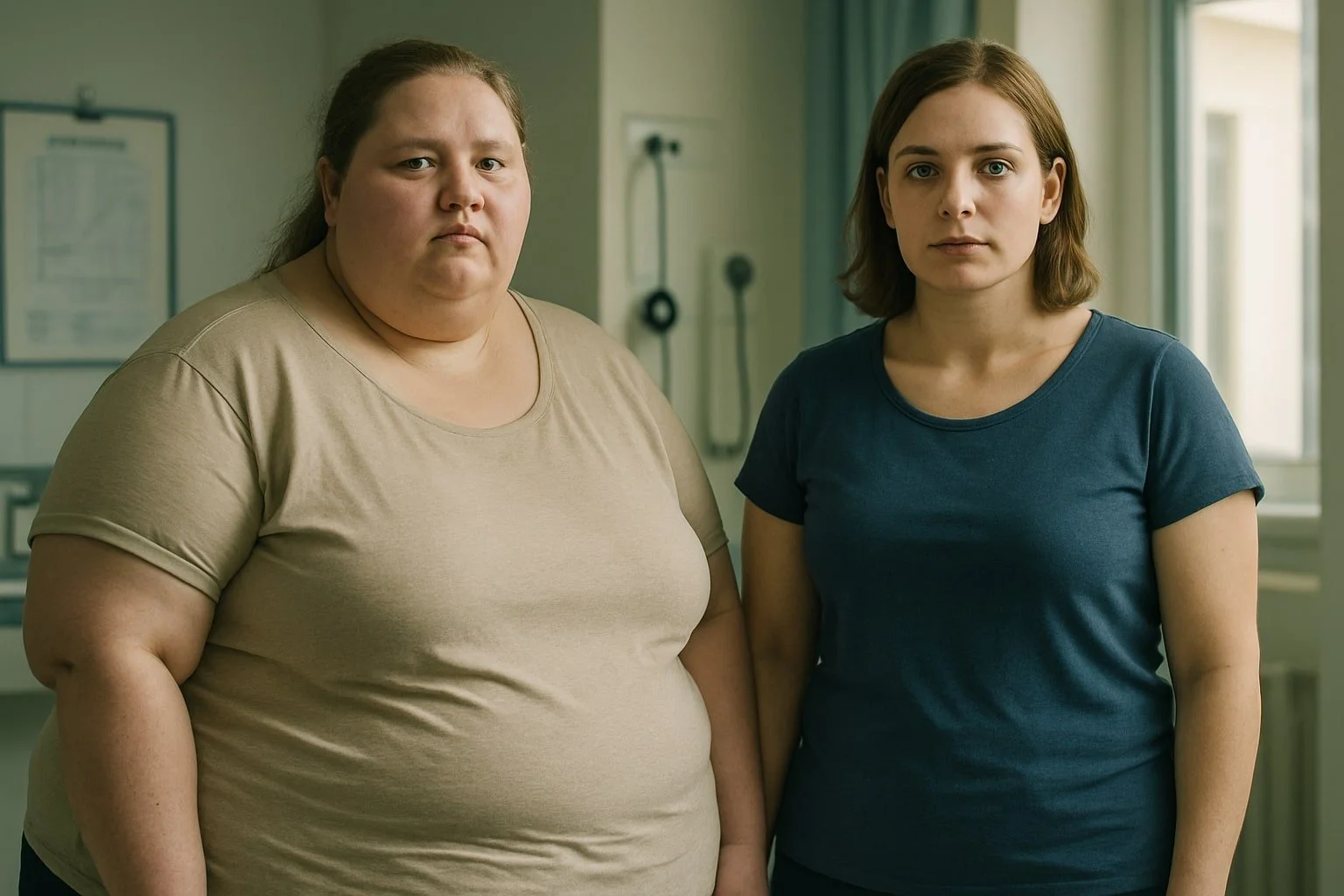
1000-lb Sisters offers a raw, authentic look at the medical, psychological, and social complexities of extreme obesity that health professionals encounter in real-world practice. By following Amy and Tammy Slaton’s journey on TLC, viewers witness not only their efforts to lose weight but also the intricate challenges related to mental health, family dynamics, and access to care.
The series provides unique insights into the daily struggles faced by individuals living with severe obesity, illustrating barriers such as motivation, medical complications, and social stigma. Health professionals can gain perspective on the lived experiences of their patients and the importance of empathy and multidisciplinary support in long-term care.
Watching 1000-lb Sisters can deepen understanding of how holistic approaches and patient-centered communication impact outcomes. For those working in healthcare, the show serves as a valuable resource for observing the intersection of medicine, psychology, and community support.
Why 1000-lb Sisters Is Relevant for Health Professionals

1000-lb Sisters provides clear, real-world examples of extreme obesity, patient motivation, and barriers to progress in a health-focused format. By observing the show, health professionals can better understand patient experiences beyond clinical environments.
Obesity and Chronic Health Challenges
The series offers a rare look at the physical and medical issues related to severe obesity. Tammy and Amy Slaton, the featured sisters, both start their journeys weighing over 600 and 400 pounds, respectively, facing conditions such as limited mobility, respiratory problems, and diabetes.
Health professionals see how chronic, obesity-related issues develop and impact daily function. Specifics like sleep apnea, hypertension, and cardiovascular risk factors are woven into their stories. For those working in internal medicine, nursing, or allied health, the show delivers authentic portrayals of comorbidities.
The barriers faced by the sisters—such as needing extensive home care, struggling with independence, and coping with emergencies—are aligned with what many clinicians encounter in practice. Observations of these real-life challenges can help professionals anticipate and address similar issues in clinical settings.
Portrayal of Weight Loss Journeys
1000-lb Sisters gives a step-by-step depiction of the sisters’ weight loss attempts and setbacks. Their progress is measured not only by pounds lost but also by improved function and mental health.
The show documents bariatric surgery evaluations, diet modifications, and supervised physical therapy. Interactions with medical professionals such as bariatric surgeons and dietitians are routine, highlighting best practices and missteps in patient education.
Viewers see how psychological support, family involvement, and long-term accountability affect outcomes. By providing a transparent look at the weekly, incremental nature of real weight loss, the show avoids oversimplification and underscores the need for patience and persistence from both patients and providers.
Unique Insights into Patient Progress
Health professionals can observe firsthand how motivation, setbacks, and family dynamics influence long-term progress. The sisters navigate plateaus, emotional roadblocks, and slips in dietary adherence.
Detailed accounts of their small victories—like walking short distances unaided—reveal how non-scale achievements build confidence. The reality format uncovers obstacles that may not emerge in brief medical visits, such as emotional eating, relationship pressures, and socioeconomic barriers.
By presenting patient progress in real time, the show illustrates how individually tailored care plans must account for psychological and social as well as physical elements. It emphasizes the importance of ongoing support and multidisciplinary collaboration.
Impact of Media on Health Perceptions
1000-lb Sisters demonstrates how reality TV shapes perspectives on obesity and weight loss. The candid format influences both public opinion and patient self-perception.
Health professionals can gauge the effect of media portrayals on patient expectations and stigma. The sisters’ visibility sparks discussion around body image, societal pressures, and misinformation about rapid transformation.
By viewing and understanding these portrayals, providers can anticipate patient questions influenced by media and better communicate evidence-based recommendations. The intersection of entertainment and healthcare becomes a tool, prompting more open dialogues around challenging medical issues.
Medical and Psychological Health Issues Highlighted
The series examines a range of complex health conditions related to extreme obesity. It sheds light on how physical and mental issues intersect, affecting both medical care and daily living.
Diabetes and Heart Disease
Many individuals with morbid obesity, including the main cast members, face a heightened risk of developing type 2 diabetes and cardiovascular disease. Episodes often detail frequent check-ups, blood glucose monitoring, and the struggle to maintain healthy blood pressure. This underscores the need for ongoing medical oversight.
Key medical markers regularly discussed:
Elevated blood sugar
High cholesterol
Hypertension
Doctors on the show address how excess weight directly impacts these conditions. Health professionals can observe how delayed care or non-compliance with medical advice leads to rapid deterioration. Guidance from primary care physicians, cardiologists, and endocrinologists becomes critical in managing these chronic health issues.
Food Addiction and Mental Health
Food addiction is a central theme, with emotional eating deeply tied to trauma, stress, and self-image. The series depicts struggles with impulsive eating, binge episodes, and repeated cycles of dieting and relapse.
Mental health plays a significant role. Diagnoses such as depression, bipolar disorder, and acute stress have been addressed openly. Therapy sessions and psychiatric care feature as ongoing treatment components.
Viewers see how addressing mental health is necessary for progress in weight loss. Health professionals can gain insight into the importance of integrated care plans that treat both eating patterns and psychiatric conditions. This dual approach provides a more sustainable path towards recovery.
Mobility and Physical Therapy
Mobility impairments are prevalent, resulting in reliance on adaptive devices such as walkers or wheelchairs. Daily activities, including bathing or climbing stairs, often require assistance. The challenges of movement are a constant source of frustration and affect both independence and quality of life.
Physical therapy is emphasized as a critical intervention. Therapists create step-by-step programs to restore strength, balance, and flexibility. Progress is sometimes slow, highlighting how persistent effort is required.
Sample physical therapy goals:
Stand for longer periods
Increase walking distance
Improve joint mobility
By observing therapy sessions, professionals can learn practical approaches to rehabilitation for patients with severe obesity.
Exploring the Role of Support Systems
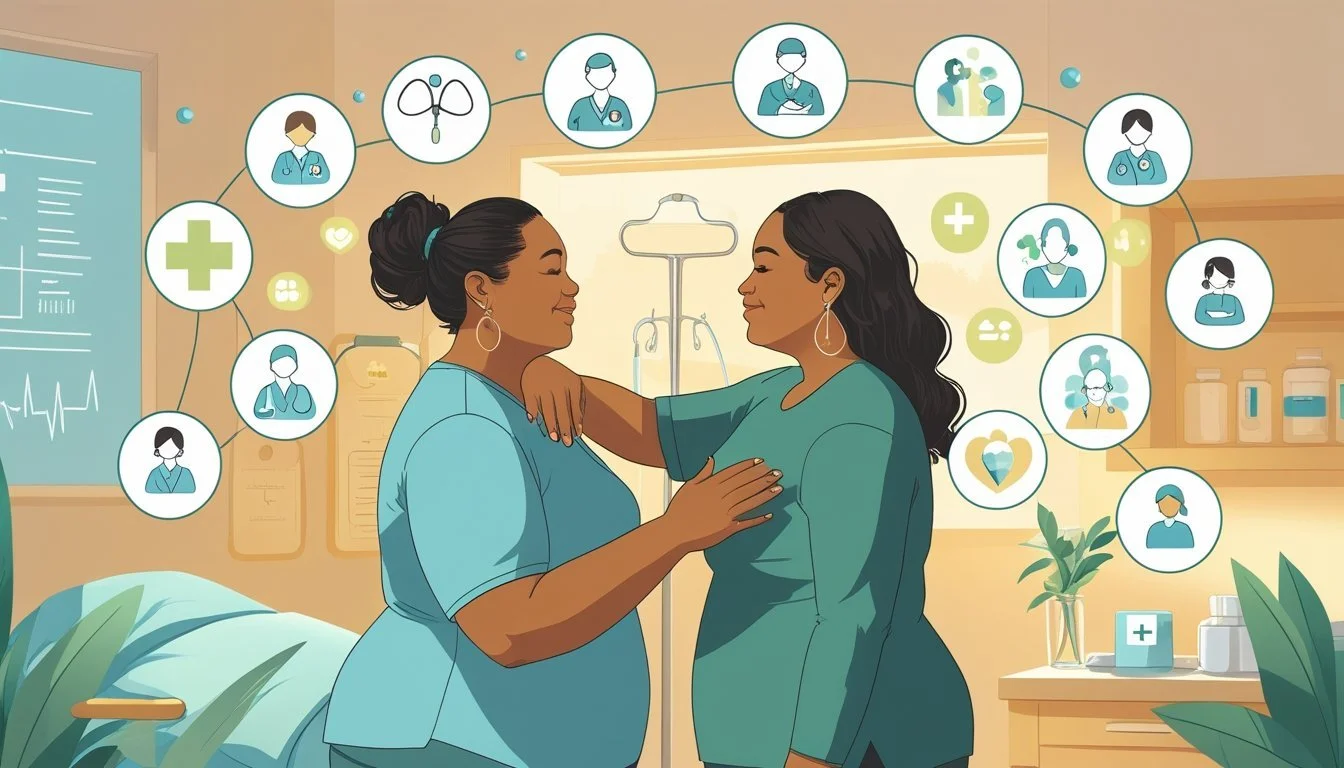
Support systems influence the medical, emotional, and behavioral outcomes of individuals facing extreme health challenges. In 1000-lb Sisters, these systems reveal how families, professionals, and fan communities each contribute to recovery and everyday change.
Family and Social Support
Family plays a foundational role in both the success and setbacks of Tammy and Amy Slaton. Their relationships are marked by interdependence and occasional codependency, which directly impact their health decisions and daily routines.
Episodes often display the sisters turning to each other for motivation, caregiving, and accountability. When their family members intervene, whether taking a hard line or offering direct care, outcomes can shift significantly. For example, Amy’s encouragement often motivates Tammy, but tensions or enabling behaviors may stall progress.
Social circles outside the immediate family are also influential. Friends, partners, and community members sometimes provide encouragement or resources. However, peer dynamics may complicate weight loss efforts, especially if negative behaviors are normalized or go unchallenged. Consistent, healthy support proves critical to maintaining progress.
Professional Help and Recovery
Medical professionals—such as bariatric specialists, therapists, and dietitians—provide structured frameworks necessary for sustainable weight loss. In 1000-lb Sisters, expert guidance lays out concrete steps and sets boundaries, particularly in situations where relapse, plateauing, or health emergencies occur.
Clinicians deliver frank assessments and tailored plans, intervening with nutritional advice, counseling, and regular monitoring. Their input addresses both physical and mental factors, including food addiction and emotional triggers. Recovery is seldom linear, and professionals regularly adjust care to reflect fluctuations in motivation, health events, and setbacks.
Professional support also includes rehabilitation centers, where controlled environments minimize risk factors and help build healthier habits. These settings demonstrate the importance of external, qualified assistance when family support alone is not enough.
Fan Impact and Community Influence
Fans and online communities contribute unique forms of social reinforcement, positive feedback, and sometimes negative criticism. Digital platforms like Reddit and dedicated forums allow viewers to share stories, empathy, and tips, which can offer emotional support to the sisters during difficult periods.
Some fans become cheerleaders, sending messages of encouragement or collective motivation that reinforce personal wins. Public interest also increases accountability, as the sisters know their progress is being followed and discussed widely.
However, community impact is not always positive. Occasionally, fan discussions include judgmental attitudes or unrealistic expectations, which can fuel stress or self-doubt. Despite this, a substantial portion of the fan base fosters a space for shared learning and ongoing support—key elements in the broader support system for the show’s stars.
Lifestyle Changes and Treatment Approaches
Health professionals can gain practical insights from the personalized, sometimes complex interventions used on the show. The sisters’ progress highlights the importance of blending medical procedures, structured rehabilitation, and accessible physical activities to support sustained lifestyle change.
Bariatric Surgery and Skin Removal Surgery
Bariatric surgery was central to the treatment plan for both Amy and Tammy Slaton. The procedures were shown as essential for enabling weight loss where conservative management had failed. Pre-surgical requirements included consistent documentation of diet changes, regular check-ins with medical teams, and psychiatric evaluations to screen for readiness.
The show depicts realistic outcomes, including significant weight loss and complications, such as excess skin. This frequently led to discussions about skin removal surgery, which helped manage physical discomfort and improve mobility. The staging of these interventions is documented, showing that skin removal is generally only considered once weight has stabilized and medical benchmarks are met.
The need for ongoing follow-up, nutritional support, and psychological care was emphasized. Health professionals may find value in how multidisciplinary teams coordinate surgical planning, preoperative education, and postoperative care for high-risk patients.
Rehab and Structured Recovery
Following surgery and during weight loss efforts, both sisters frequently engaged in structured rehabilitation programs. Rehab was not solely physical; it included counseling for food addiction, mental health support, and occupational therapy to promote independence. These efforts addressed not just physical health but also behavioral change and emotional well-being.
Specific components of rehab plans featured monitored diet programs, group therapy, and regular progress accountability. Each sister’s level of participation influenced their outcomes. Resistance or missed appointments sometimes stalled recovery, underscoring the importance of compliance.
For health professionals, the series illustrates the value of coordinated care and highlights obstacles in continuity of treatment, particularly for patients dealing with chronic obesity and related conditions.
Yoga, Swimming, and Adaptive Activities
Given their limited mobility at higher weights, both Amy and Tammy had to modify physical activity. The show featured adaptive exercise, like chair yoga and water-based activities, which help increase mobility without overstressing joints. These methods provided safer, lower-impact ways to build stamina and foster physical confidence.
Swimming was emphasized due to water’s buoyancy, reducing strain while allowing more freedom of movement. Yoga, even in a limited form, introduced mindfulness, flexibility, and breathing techniques that supported both physical and mental health.
Health professionals can note the practicality of these activities for clients facing significant physical or psychological barriers to exercise. Success stories on the show demonstrate how gradual, personalized adaptations foster adherence and contribute to sustained lifestyle changes.
Personal Lives and Realities of Tammy and Amy Slaton
Tammy and Amy Slaton’s experiences go beyond the surface of weight loss. Their story offers insight into physical health, family dynamics, and the realities of living with obesity.
Individual Health Journeys
Tammy Slaton’s health journey has included multiple hospitalizations and intensive medical interventions. From her initial struggles with mobility to later milestones like successful weight loss surgery, she has faced critical moments that highlight risks associated with severe obesity.
Amy Slaton’s path has involved a different approach. She reached weight loss surgery earlier and saw notable improvements in daily life. Amy’s journey also includes the challenges of pregnancy and motherhood while pursuing better health, providing a perspective on balancing medical advice and personal goals.
A simple table summarizes each sister’s milestones:
Individual Weight Loss Surgery Major Health Events Key Focus Tammy Slaton Yes Hospitalizations, rehab Mobility, breathing Amy Slaton Yes Pregnancies, surgery early Parenting, wellness
Challenges Unique to Each Sister
Tammy’s journey is marked by severe respiratory issues, needing long-term oxygen support, and periods in rehabilitation facilities. She has faced mental health hurdles, including depression, which affected her ability to participate in treatment actively.
Amy’s challenges have centered on major life changes, such as navigating pregnancy and raising children while keeping up her health. She has also dealt with relationship changes, impacting her support network and routines.
Tammy relies more on outside care and specialized support, while Amy has struggled with maintaining balance between family life and personal health. Their experiences showcase how obesity can combine with social and mental health factors, influencing the trajectory of each sister’s progress.
Media Platforms and Accessibility
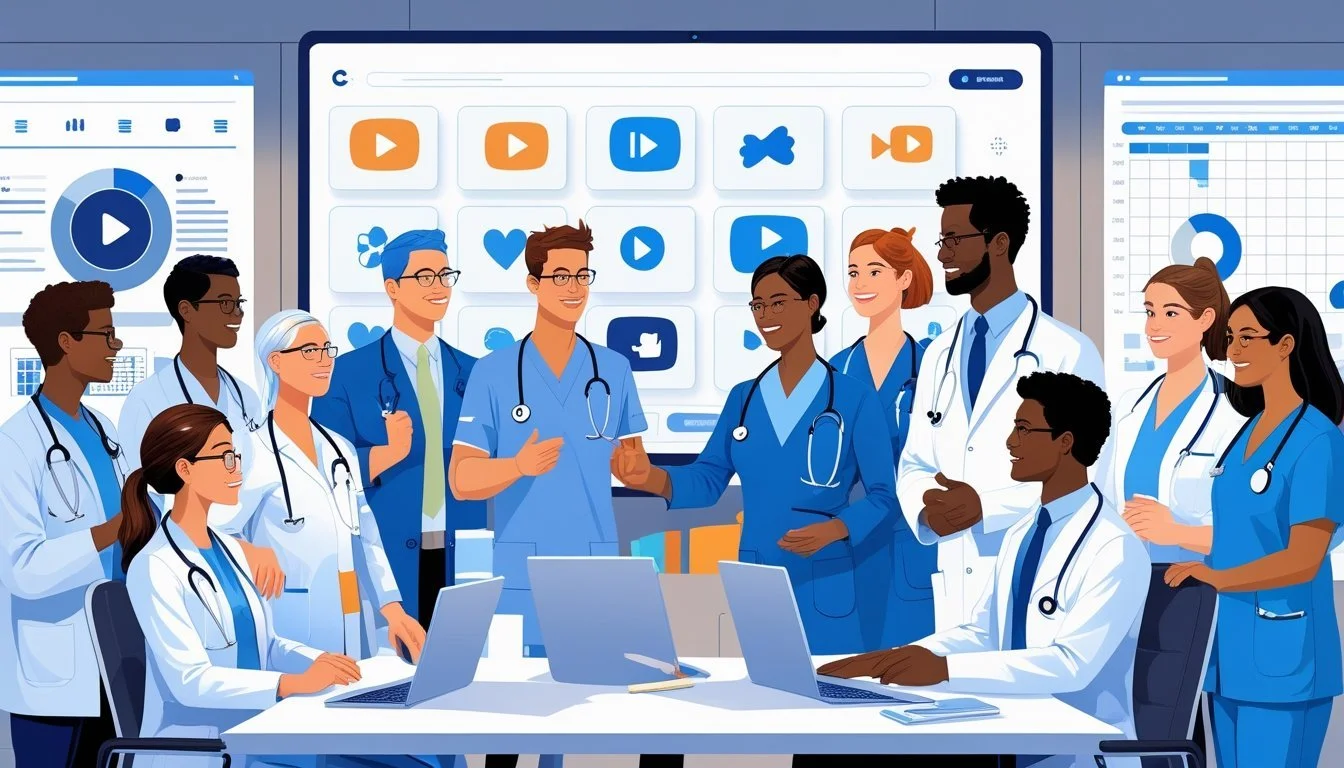
The series 1000-lb Sisters is widely available across several major platforms, making it easy for health professionals to access and use in both clinical and educational settings. The show reaches a diverse audience due to its presence on traditional cable and popular digital streaming services.
TLC and Streaming Options
TLC is the original broadcaster of 1000-lb Sisters, airing new episodes as part of its reality TV lineup. Health professionals with access to cable TV can watch live broadcasts or set recordings for later viewing.
The series is also available on several streaming platforms, including discovery+, Hulu, and Max. On these platforms, entire seasons are available for on-demand viewing, which allows users to select specific episodes or revisit key moments as needed.
Below is a summary of platforms and basic details:
Platform Access Type Notes TLC Cable/Satellite Airs live and as scheduled reruns discovery+ Streaming All seasons on-demand Hulu Streaming Recent and past seasons available Max Streaming Offers latest seasons
Accessibility across multiple outlets means professionals can integrate specific episodes into workshops, classroom discussions, or remote learning environments.
YouTube and Online Engagement
Clips, highlights, and select full episodes from 1000-lb Sisters are often uploaded on TLC's official YouTube channel and other affiliated accounts. This provides quick access to shorter segments, promotional material, and behind-the-scenes content.
Health professionals can use YouTube’s segmented clips for focused discussions on particular health topics such as bariatric surgery, nutrition, and behavior change. Playlists curated by TLC make it easy to find relevant content without sifting through unrelated videos.
Online engagement through comment sections, livestreams, and Q&A sessions allows viewers to connect, ask questions, and discuss health challenges in a public forum. This feedback loop helps professionals gauge public reaction and adapt their educational strategies or patient communication based on observed misconceptions or interests.
Resilience and Inspiration from 1000-lb Sisters
The struggles and achievements of Amy and Tammy Slaton provide concrete examples of resilience and personal transformation in weight loss. Their journey highlights specific moments of determination, setbacks, and meaningful progress.
Stories of Determination and Setbacks
Amy and Tammy Slaton’s story is marked by years of health challenges, emotional stress, and repeated attempts to lose weight. Despite facing obesity-related complications and frequent disappointments, both sisters have shown remarkable commitment to their goals.
Tammy’s journey, in particular, involved multiple setbacks, including hospitalizations and difficulty meeting clinical requirements for surgery. Amy balanced her own health journey while caring for family members, showing a combination of individual effort and family support.
[ \begin{array}{|l|l|} \hline \textbf{Challenge} & \textbf{Response} \ \hline Mobility Issues & Regular physical therapy \ Failed Diets & Restarted weight loss plans \ Surgery Delays & Continued medical follow-up \ \hline \end{array} ]
Both sisters worked with medical and mental health professionals, openly documenting their struggles. Their willingness to share personal setbacks provides insight into the psychological and behavioral hurdles many patients face in clinical settings.
Long-Term Progress and Outcomes
As their journey progressed, both Amy and Tammy achieved significant weight loss milestones. Bariatric surgery served as a medical intervention that brought measurable results, especially for Tammy, who met her surgical goals after prolonged effort.
Long-term follow-up showed that maintaining weight loss required sustained lifestyle changes and frequent monitoring. Professionals noted improvements not only in weight reduction but also in mobility, heart health, and overall quality of life.
The sisters’ progress demonstrates how structured support, gradual interventions, and adaptive strategies are critical for lasting outcomes. Their story reinforces to health professionals that major lifestyle transformation is possible, even when initial progress is slow or interrupted by setbacks.
