
Why 1000-lb Sisters Sparks Conversations About Disability and Accessibility in Modern Media
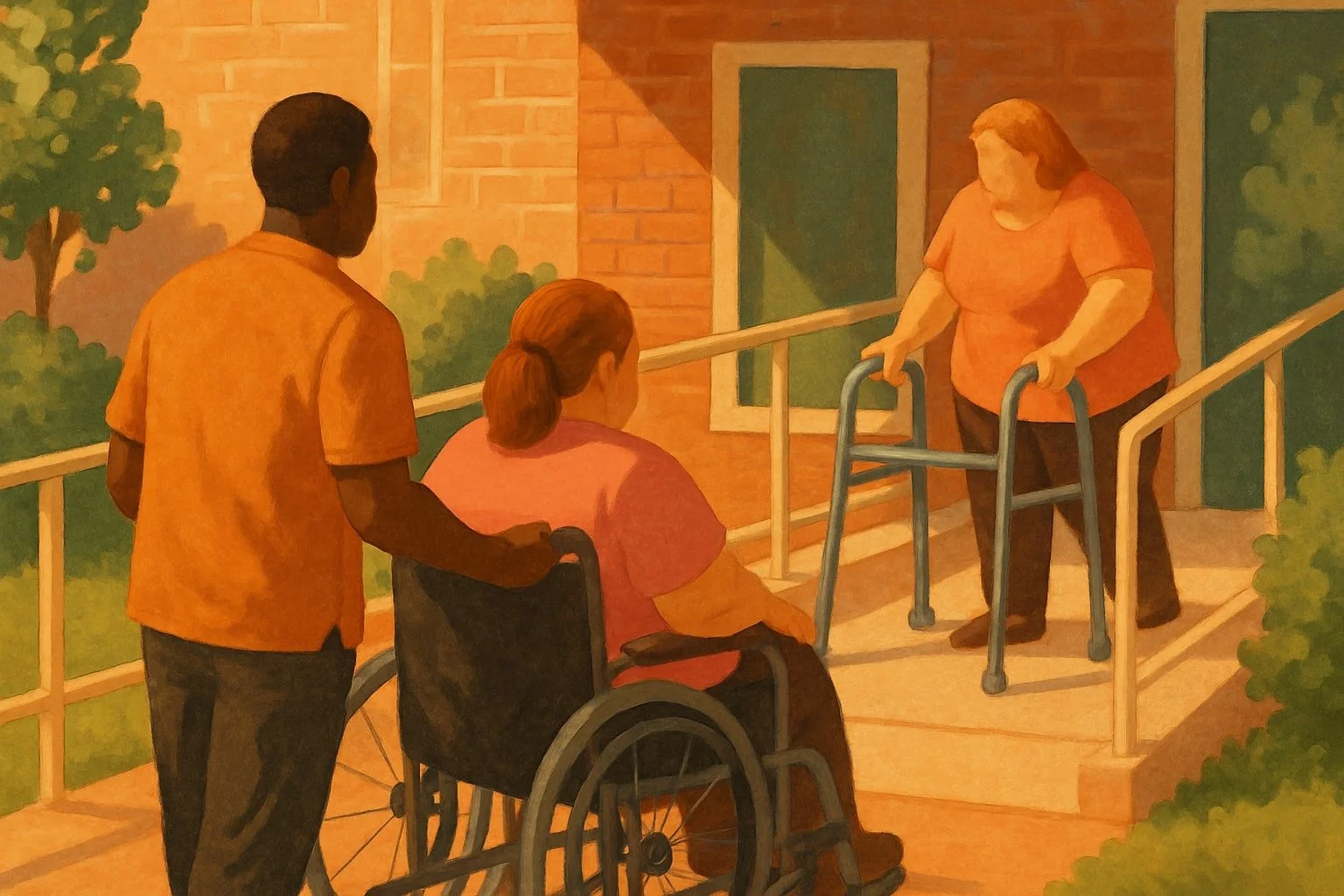
1000-lb Sisters has gained attention not just for its portrayal of extreme weight challenges, but for how it brings issues of disability and accessibility into everyday conversation. The show highlights real-life barriers faced by people with significant mobility issues, revealing how factors like housing, transportation, and daily care impact their independence. Viewers see firsthand the struggles that Amy and Tammy Slaton experience, from navigating narrow doorways to relying on assistive equipment.
By documenting the sisters’ lives, the series opens up discussions about the often-overlooked realities of living with disabilities, as well as the importance of accessible environments. Audiences are prompted to consider how accessible design—and society’s approach to disability—can make a tangible difference in the quality of life for those who need it.
Overview of 1000-lb Sisters
1000-lb Sisters is a reality television series that follows the lives of Amy and Tammy Slaton as they seek better health. The show combines personal stories, family relationships, and the challenges faced by two sisters living in Kentucky.
Premise and Main Cast
1000-lb Sisters debuted on TLC, centering on Amy Slaton and Tammy Slaton. Both women struggled with obesity, with their combined weight at the series start exceeding 1,000 pounds. Their journey focuses on their pursuit of bariatric surgery to lose weight.
Amy and Tammy live in rural Kentucky, facing obstacles unique to their environment and physical conditions. The show highlights interactions with their family, especially their brother Chris, who appears regularly in later seasons.
The dynamic between the sisters is a central theme. Amy is often portrayed as more optimistic about lifestyle changes, while Tammy struggles with both physical and mental health challenges. Their candid conversations and day-to-day successes or setbacks are a key part of the series.
Impact of TLC’s Platform
TLC’s reach has brought significant attention to the lives of the Slaton sisters. By airing in prime time and streaming on TLC’s digital platforms, 1000-lb Sisters has attracted a wide audience, which includes viewers interested in health, disability, and accessibility.
The visibility of Amy and Tammy’s experiences has contributed to public conversations about obesity, healthcare access, and barriers faced by individuals with disabilities. Viewers have discussed the sisters’ difficulties with mobility, transportation, and home accessibility, reflecting broader societal issues.
The show’s format also invites empathy and raises awareness. By allowing viewers to see daily challenges faced by the Slatons, TLC encourages dialogue about topics that are often overlooked on mainstream television, such as medical bias and the need for accessible living environments.
Notable Seasons and Story Arcs
Season 1 of 1000-lb Sisters introduced Amy and Tammy’s initial attempts to qualify for weight loss surgery. It focused on their medical appointments, diet changes, and the emotional toll of their efforts. The sisters’ early struggles provided a foundation for later storylines.
Season 2 highlighted more of Tammy’s health setbacks, while Amy achieved significant weight loss and became pregnant. This season gave viewers a closer look at challenges related to pregnancy for those living with obesity and the day-to-day realities of supporting a sibling through medical crises.
Season 3 expanded the series’ scope to include new family members. It also addressed Tammy’s hospitalization and admission to a rehab facility. Key episodes feature milestones such as birthdays, holidays, and surgeries, illustrating how the Slaton family adapts to ongoing changes in health and accessibility needs.
Representation of Disability
1000-lb Sisters highlights how disability and mobility issues impact daily life. The show brings attention to personal health struggles, accessibility barriers, and the use of devices like wheelchairs to support independence.
Portrayal of Mobility Challenges
Tammy Slaton and Amy Slaton’s experiences demonstrate the challenges of limited mobility caused by chronic health conditions. Tammy, for example, often appears housebound due to her severe obesity, which restricts her ability to walk or complete basic tasks.
Viewers see how physical environments—such as narrow doorways or stairs—can complicate everyday activities for people with disabilities. This realistic portrayal opens up discussions about how mobility limitations affect self-esteem and mental health. It also sheds light on the need for ongoing rehab and care.
Use of Wheelchairs and Accessibility Devices
Wheelchairs and other adaptive devices play a key role on the show. Tammy frequently relies on a wheelchair or walker to move in and out of her home. The program depicts both the benefits and challenges of using such equipment.
Accessibility devices are not portrayed as merely medical tools, but as essential aids that increase independence. However, the series also shows logistical hurdles, like finding vehicles that accommodate wheelchairs or dealing with spaces that aren’t designed for larger devices.
Key factors influencing device use:
Home layout
Transportation options
Product availability
Intersection of Health and Disability
The show emphasizes that disability is often tied to long-term health conditions, such as obesity, diabetes, or heart disease. These issues require complex care and can be physically and mentally exhausting.
Health, rehab, and disability are deeply interconnected in 1000-lb Sisters’ narratives. Tammy’s need for frequent medical attention, therapy, and equipment points to the ongoing challenges in maintaining quality of life.
Greater visibility of these issues in popular media can encourage more direct conversations about accessible care, insurance barriers, and support systems for people with chronic health conditions and disabilities.
Obesity and Accessibility Issues
Obesity can make basic activities much more complicated, affecting independence and opportunities. Significant challenges can appear in both personal spaces and public systems, with far-reaching impacts on daily life, finances, and social status.
Barriers to Daily Living
People living with severe obesity, such as the Slaton sisters on "1000-lb Sisters," often face significant difficulties with personal care, including bathing, dressing, and moving from one room to another. Bathroom fixtures, doorways, and household furniture in many homes are not designed to accommodate larger body sizes.
Stairs or narrow hallways can become dangerous obstacles, and finding suitable mobility aids—like wider wheelchairs or reinforced walkers—can be complicated or expensive. Everyday tasks that many take for granted, such as standing to cook or driving, may be out of reach without adaptations.
Medical care, too, presents barriers, with standard equipment like exam tables and imaging machines often too small to safely support individuals with higher weights. These design limits place extra physical and emotional strain on those affected.
Public Perception of Obesity
Obesity is frequently stigmatized, and stereotypes can influence how the public interacts with people living with significant mobility limitations. Negative assumptions may lead to judgment from strangers, bias in healthcare, or even discrimination in employment.
Misunderstandings about personal responsibility and willpower can overshadow recognition of underlying health conditions and systemic obstacles. This social stigma intensifies feelings of isolation and reduces access to supportive resources.
Media depictions—both positive and negative—contribute to public opinion. For example, shows like "1000-lb Sisters" raise awareness but can also reinforce harmful stereotypes if viewers focus only on dramatic elements without addressing broader accessibility issues.
Housing and Transportation Challenges
Housing that supports mobility for people with obesity is often difficult to find and cost-prohibitive. Standard-size doorways, bathrooms, and hallways can be impassable for larger individuals or those using specialized mobility devices.
Modifications, such as installing ramps, expanding door frames, or reinforcing floors, may require significant investment. Affordable accessible housing is limited, especially in low-income communities where obesity rates may also be high.
Transportation brings additional hurdles. Many public transit vehicles and ride-share services are not equipped to accommodate wider wheelchairs or additional seating needs. Airlines often have restrictive policies and charge for extra seats, making travel expensive and stressful.
Social Security and Financial Assistance
Qualifying for disability benefits under Social Security requires proof that a person’s obesity and related limitations prevent them from working on a substantial basis. The process can be complicated, especially if medical records do not clearly document how mobility and health are affected.
Financial assistance programs may have long waitlists, and benefits rarely cover all the costs associated with accessible housing, mobility devices, and adaptive equipment. Some states provide more comprehensive coverage than others, resulting in geographic disparities.
The economic burden of obesity is compounded by medical expenses and job restrictions. Limited financial resources can make it difficult to maintain the adaptations needed for independent living, reinforcing cycles of poverty and dependence.
Family Dynamics and Support Systems
The Slaton family's journey on 1000-lb Sisters highlights the vital role that close relationships play in long-term health changes. Genuine support, conflicts, and changing alliances directly impact Amy and Tammy's progress, particularly during major events like bariatric surgery and rehabilitation.
Role of Family in Weight Loss Journey
Family involvement is central to Amy and Tammy’s pursuit of weight loss. The siblings are surrounded by a network of relatives, including Chris, Misty, and Amanda, who each contribute in their own way. Assistance ranges from helping with meal preparation to offering rides to medical appointments.
These acts of support help bridge gaps in accessibility or mobility for Amy and Tammy. Family members frequently act as intermediaries between the sisters and healthcare providers, ensuring important information is communicated clearly. This guidance becomes especially important when navigating the often complex healthcare system.
At times, family members disagree on the best path forward. Conflicts, such as pushing too hard for weight loss or enforcing strict boundaries, can create tension. Despite disagreements, ongoing involvement from relatives improves both accountability and emotional well-being for the sisters.
Sibling Relationships
The relationship between Amy and Tammy is a focal point of the series. Their bond is shaped by shared struggles with obesity, disability, and attempts at improved health. Amy often takes on a caretaker role, assisting Tammy with daily needs, which sometimes leads to feelings of codependency on both sides.
As the show progresses, Tammy expresses a desire for greater autonomy. The family adapts to these shifts by adjusting responsibilities and offering space when needed. However, caring for someone with limited mobility requires constant communication to avoid misunderstandings.
Conflict is not uncommon, but moments of reconciliation are frequent. The siblings’ blended roles of friend, caregiver, and motivator set a real-life example of the challenges families face when managing both physical and emotional health needs.
Support During Bariatric Surgery and Rehab
Bariatric surgery is a significant milestone on the sisters' paths. Family support during preparation and recovery is critical. Amy and Tammy rely on relatives for transportation, help with mobility, and encouragement during rehabilitation sessions. Emotional backing from relatives like Chris and Amanda sustains motivation during setbacks.
Rehab presents new challenges, especially related to accessibility. The family adjusts homes and routines to accommodate post-surgery needs, such as meal adjustments, mobility aids, and transportation to follow-up appointments. This collective effort highlights the necessity of adaptive support systems in promoting recovery after surgery.
Family organization and constant presence help ease anxiety related to surgery. Their involvement guarantees Amy and Tammy are not navigating complex procedures or recovery alone, making meaningful progress toward their health goals possible.
Media Influence and Social Conversations
The public response to 1000-lb Sisters has developed across several platforms, especially Instagram and Reddit. These conversations reflect how society engages with issues related to disability, accessibility, and representation in reality television.
Instagram and Social Media Reactions
Instagram played a key role in expanding the show’s reach. Both Amy and Tammy Slaton use Instagram to share updates about their weight loss progress, mobility challenges, and family life.
The sisters’ accounts have gained large followings. Fans interact through comments and direct messages, discussing health, surgery progress, and how daily obstacles are addressed.
A significant amount of conversation focuses on real-time accessibility issues—viewers ask the sisters about wheelchairs, ramps, and their ability to access restaurants or stores. The immediacy of social media offers a space for direct support and constructive criticism.
Key points often raised on Instagram:
Representation: How disability is shown on reality TV
Advice sharing: Followers discuss accessibility tips
Visibility: Promoting awareness of physical barriers in daily routines
Community Discussions on Reddit
Reddit hosts active discussion threads about nearly every episode, with season 2 and season 3 sparking particularly robust debates around the Slaton sisters’ experiences with disability.
Reddit’s long-form and anonymous format allows users to share personal experiences about living with limited mobility or chronic illness. Posts frequently compare challenges depicted in the show to broader realities of navigating public spaces.
Thread topics include accessibility of public transport, the impact of medical bias, and community support systems. Many users debate whether the series’ presentation accurately reflects real-life barriers or oversimplifies complex issues.
Popular discussion formats:
Episode recaps and critical analyses
Personal stories about accessibility
Q&A threads about mobility aids and services
Sparking Broader Disability Awareness
1000-lb Sisters has prompted attention beyond entertainment by highlighting persistent accessibility challenges in the United States. Key moments across all seasons, including season 2 and season 3, have centered on the sisters’ struggles with medical appointments, housing, and public accommodations.
Advocates and viewers frequently use examples from the show in broader campaigns for disability rights and policy change. Conversations are shared across platforms, sometimes spilling over from Reddit and Instagram into mainstream disability advocacy spaces.
The show’s ability to catalyze these discussions demonstrates how reality TV can intersect with urgent social topics. By documenting everyday accessibility hurdles, it encourages a wider audience to examine the structural barriers that affect millions.
Unique Health Challenges Highlighted
"1000-lb Sisters" brings attention to complex health risks stemming from both medical and environmental factors. These issues often require specialized consideration and affect daily life decisions, especially for those with disabilities or significant medical conditions.
Toxoplasmosis and Cat Feces Exposure
Toxoplasmosis is an infection caused by the Toxoplasma gondii parasite, commonly found in cat feces. Individuals with compromised immune systems or underlying health conditions, such as some cast members on "1000-lb Sisters," are at greater risk for severe symptoms if exposed.
Exposure can happen through cleaning cat litter boxes, direct contact with contaminated soil, or handling uncooked meat. Toxoplasmosis can cause flu-like symptoms, neurological issues, or even vision problems.
Prevention Tip Table:
Risk Factor Prevention Recommendation Cat litter cleaning Wear gloves, wash hands Gardening Use gloves to prevent contact Consuming raw meat Cook thoroughly
Those with chronic health conditions must take extra safety precautions. Regular medical checkups and awareness of these risks contribute to safer living environments.
Pregnancy Considerations for Obese Patients
Obesity complicates pregnancy, raising risks for both parent and infant. The show highlights these challenges, with cast members facing medical monitoring for conditions like gestational diabetes, preeclampsia, and increased cesarean delivery rates.
Medical recommendations include pre-pregnancy counseling, screening for underlying medical issues, and individualized nutrition plans. Obstetricians may suggest additional ultrasounds and frequent check-ins to monitor for complications.
Key Concerns During Pregnancies Involving Obesity:
Higher likelihood of high blood pressure
Greater risk for blood sugar disorders
Need for specialized delivery planning
Pregnant patients with obesity benefit from support that includes both physical health management and access to mental health services for stress and emotional well-being.
Evolution of Weight Loss Journeys
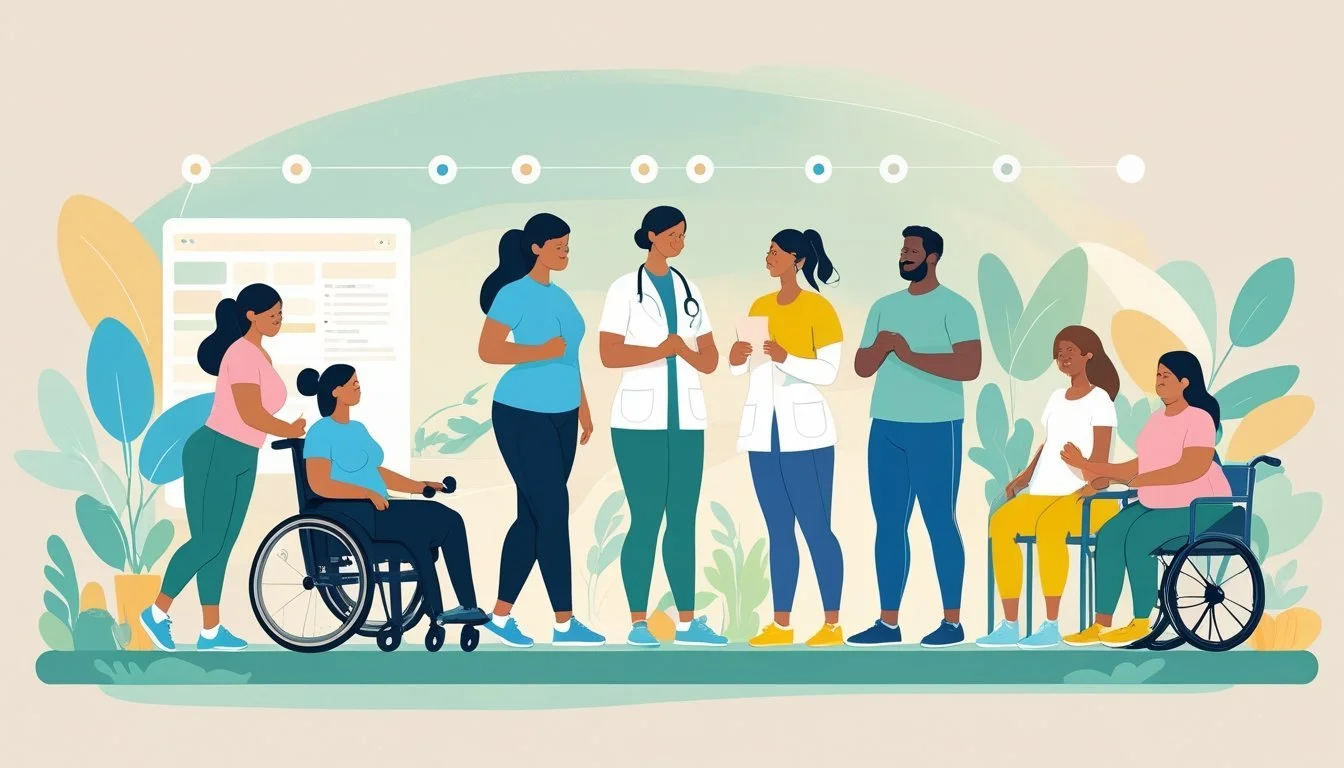
The show “1000-lb Sisters” documents the Slaton sisters’ changing approaches to reducing weight and tackling the challenges tied to severe obesity. Their experiences highlight important topics such as medical interventions—especially bariatric surgery—and the realities of maintaining long-term weight loss.
Bariatric Surgery Decisions
Tammy and Amy Slaton’s decisions to pursue bariatric surgery were shaped by both personal health risks and medical recommendations. In order to qualify, they first needed to reduce their weight to a specific point. This requirement proved significant, as it exposed the limitations many face when accessing such procedures.
Key factors influencing their decisions included:
Mobility limitations: Both sisters experienced reduced mobility that impacted their daily routines.
Chronic health issues: Conditions such as diabetes, hypertension, and breathing difficulties were major concerns.
Family support and public scrutiny: Their choices were often discussed not just within their family but also among a broad television audience.
Bariatric surgery was not presented as a simple or guaranteed solution. Instead, the series emphasized the rigorous medical and psychological evaluations required before the procedure. By highlighting the pre-surgical requirements, the show shed light on how the healthcare system interacts with individuals living with obesity and disability.
Long-Term Outcomes and Setbacks
Following surgery, both sisters encountered notable improvements but also faced new challenges. Amy, who underwent surgery first in 2019, experienced significant weight loss but still had to manage the realities of ongoing lifestyle changes.
Weight loss results were not uniform. Tammy initially struggled to lose enough weight to qualify for the procedure and faced repeated hospitalizations related to her health. Common setbacks included:
Plateaus in weight loss despite efforts
Ongoing physical and mental health concerns
The need for continued medical monitoring and support
The series did not shy away from showing relapses and obstacles. It illustrated that, for those living with severe obesity, lasting change depends on consistent effort, medical guidance, and accessible health resources. These long-term outcomes and setbacks are central to conversations about sustainable weight management and the barriers many face after bariatric surgery.
