Alaskan Bush People: Survival Skills & Traditional Ways of Life Below Zero
Living off the land in remote Alaskan villages requires skill, dedication, and a deep connection to traditional ways. For many Indigenous Alaskans, providing food for their communities remains a vital responsibility that combines ancestral knowledge with practical survival skills. Hunting, fishing, and gathering aren't merely activities but essential practices that sustain entire villages through challenging seasons.
The harsh Alaskan environment demands careful planning and respect for natural conditions. From navigating dangerous ice formations while hunting marine mammals to teaching younger generations how to properly harvest timber, these practices represent both cultural continuity and practical necessity. Elders pass down techniques for setting rabbit snares, tracking game, and reading weather patterns—ensuring traditions survive while communities remain fed and connected to their heritage.
Key Takeaways
Traditional food gathering activities are essential for village survival, especially during seasons when supplies run low.
Knowledge transfer between generations ensures vital skills like wood harvesting and hunting techniques continue to sustain communities.
Respect for natural cycles and careful attention to environmental hazards are fundamental to successful subsistence practices in Alaska.
Food Gathering in Village Life

Living in remote Alaskan villages requires significant dedication to food gathering activities throughout the year. Community members engage in hunting, fishing, and other resource collection methods to sustain themselves and their families. These traditional practices serve both practical purposes and help maintain cultural connections across generations.
Seasonal Food Shortages
The winter months bring particular challenges to village food supplies. Empty freezers and reduced wildlife activity create periods of scarcity that must be carefully managed. During these "slow seasons," families often face several months without successful hunts or significant harvests. The changing patterns of ice and water accessibility further complicate food gathering efforts, as hunters must carefully monitor shifting conditions to locate game and avoid dangerous situations.
Critical Role of Hunting Success
Successful hunts hold tremendous importance for village survival. Community members who venture out to hunt view themselves as providers responsible for "keeping the village alive" through their efforts. The pressure to return with food creates a strong sense of purpose and responsibility. Hunters must:
Plan strategically - thinking beyond immediate needs to future months
Seize limited opportunities - acting quickly when favorable conditions appear
Consider safety hazards - monitoring ice conditions and currents that can change rapidly
The village's relationship with the land is reciprocal rather than extractive. As one resident noted, "We don't just live off the land, we live with it." This philosophy guides sustainable practices that help ensure resources remain available for future generations while meeting present needs.
Traditional knowledge transfer plays a vital role in maintaining hunting and gathering skills. Parents and elders teach younger community members essential techniques like:
Setting rabbit snares at 40 below zero
Safely felling trees for firewood
Identifying promising fishing locations
Tracking animals through various conditions
Through these practices, villages maintain food security while preserving cultural knowledge that connects past, present and future generations.
Preparing for the Hunt
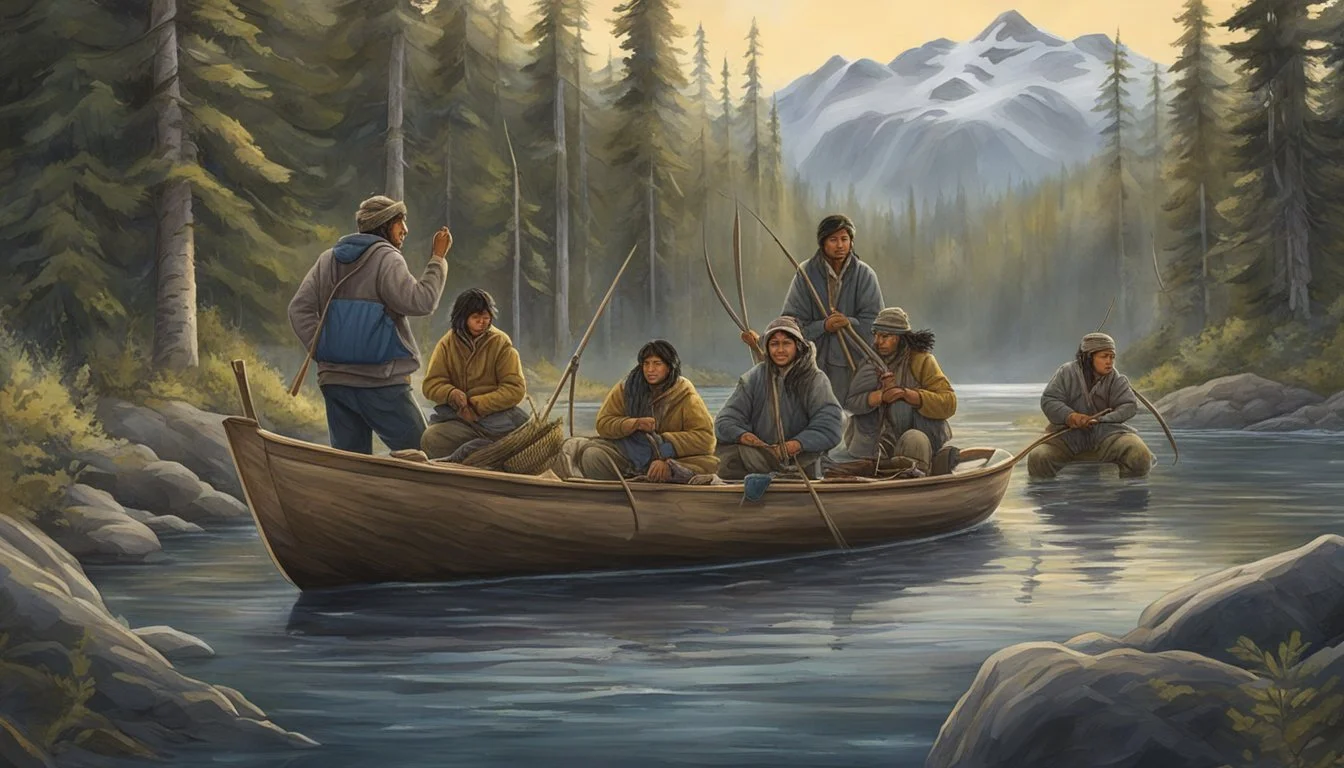
Hunting in remote Alaskan villages requires careful preparation and deep knowledge of the environment. For those providing food for their communities, understanding the landscape and planning ahead are essential skills that determine survival. These practices have been passed down through generations, creating a sustainable relationship with the land that both respects its resources and ensures the community's future.
Evaluating Ice Formations
The movement of ice creates both opportunities and dangers for hunters. When ice begins to open up, it can reveal areas of water containing valuable game. These openings must be carefully monitored as they can shift rapidly with changing currents.
Hunters must constantly observe ice patterns, noting:
How quickly openings form and close
Direction of current movement
Potential escape routes if conditions change
"The current might shift unexpectedly, giving only a brief window of opportunity," experienced hunters warn. Being trapped by closing ice can lead to dangerous situations where boats become stranded for days, with hunters facing frostbite and exposure to extreme cold.
Planning for Long-term Resource Management
Successful hunting isn't just about today's catch—it requires thinking well beyond immediate needs.
Generational Knowledge Transfer:
Teaching younger community members essential skills
Passing down hunting grounds and resource areas
Building confidence through hands-on practice
Wood gathering serves as a prime example of this knowledge transfer. Family woodyards are inherited resources where experienced community members teach young people proper techniques for felling trees and processing wood—essential skills for survival in remote areas.
Fishing practices follow similar patterns of planning. Trolling for king salmon requires patience and knowledge of specific locations or "honey holes" that have historically yielded catches. These fishing grounds are remembered and revisited season after season.
When setting rabbit snares, hunters carefully select well-used trails, demonstrating how they "live with the land" rather than simply taking from it. This relationship involves constant observation of animal patterns and respect for the environment that sustains the community.
Wood Collection Practices
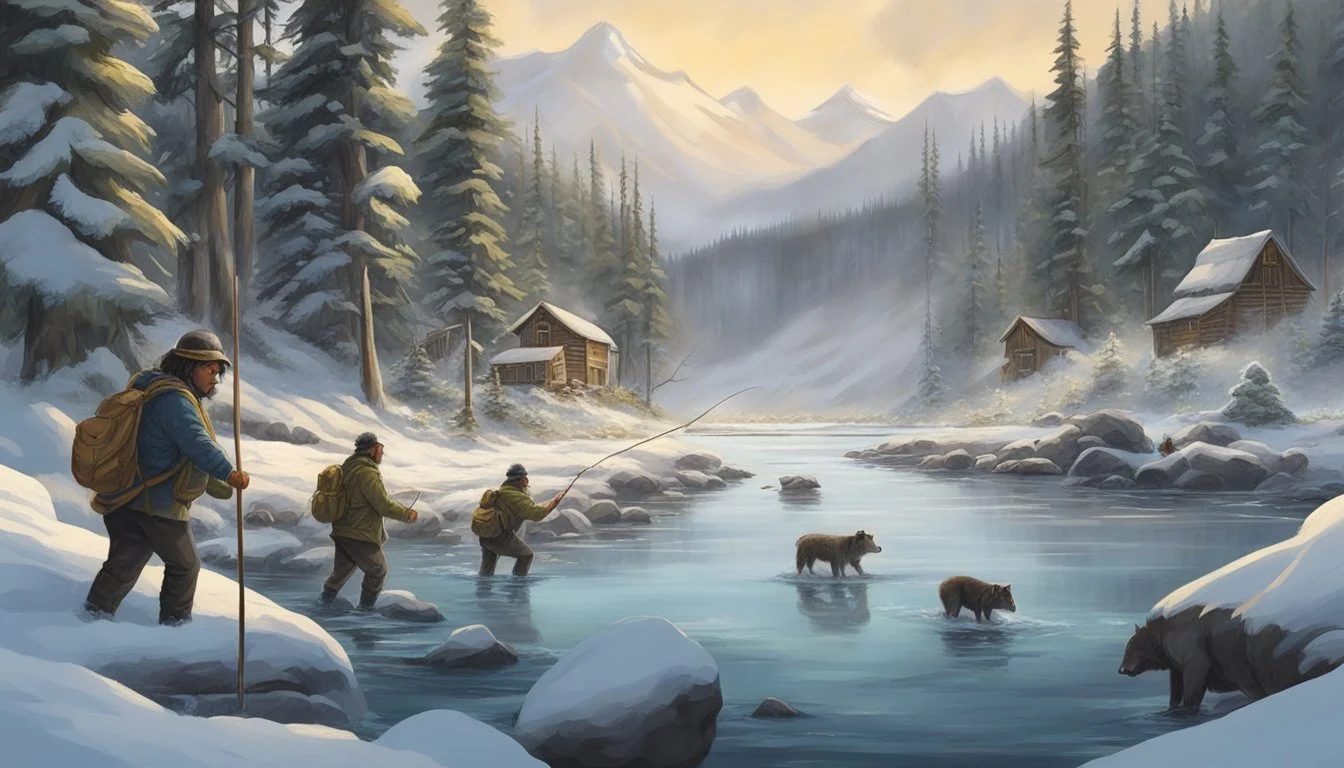
Family Wood Legacy
In this remote Alaskan village, the woodyard serves as a vital family resource passed down through generations. Without a proper woodyard, families lack access to essential heating materials during the harsh winter months. The current caretaker inherited this specific woodyard from his uncle Charlie, maintaining a tradition of familial stewardship that stretches back years.
Wood gathering is more than just a chore—it's a collective activity that strengthens family bonds. What was once a solitary task has transformed into an engaging family experience. The father notes how much more enjoyable the work becomes when shared with his sons, remarking on the difference between working alone for years and now having companions to share in the labor.
Passing Down Skills
Teaching younger generations proper wood harvesting techniques stands as a critical responsibility. The father carefully instructs his sons in the precise method of felling trees, demonstrating proper chainsaw handling and cutting techniques:
Tree Cutting Process:
Position hands correctly on the chainsaw
Bend at the knee for stability
Rest one arm on the other for balance
Make a "pie cut" followed by a back cut
The father takes noticeable pride in how quickly his sons master these essential skills. He observes that one son in particular demonstrates remarkable aptitude, picking up new techniques faster than expected for someone his age.
Daily practice in the woodyard builds not just physical capability but also confidence. The father watches with satisfaction as his children grow stronger and more skilled with each passing day. "They're getting better every day," he notes proudly, celebrating their accomplishments with high-fives after successful cuts.
This knowledge transfer ensures survival skills remain within the community, as young people develop the capabilities necessary for life in this challenging environment. The practical education prepares them for a lifetime of self-sufficiency in the Alaskan wilderness.
Fishing Endeavors
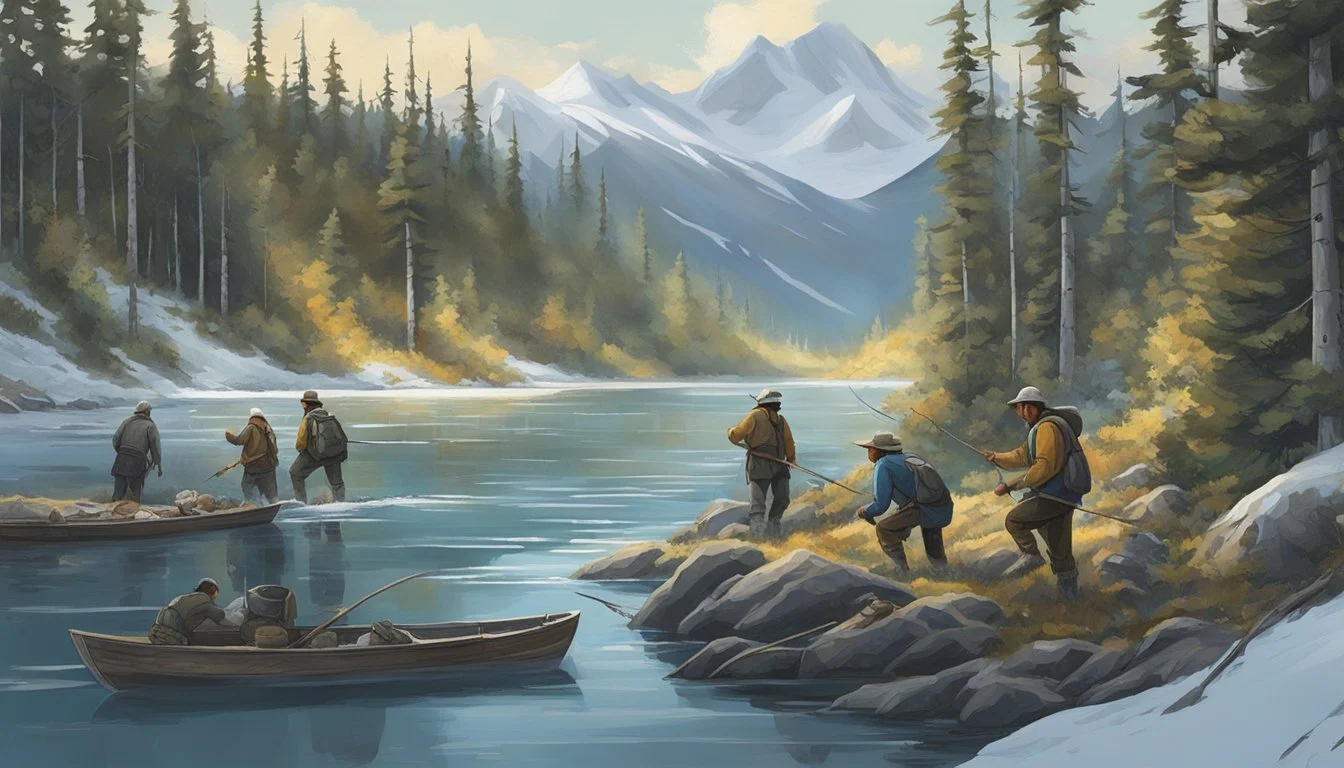
Seasonal fishing in the Alaskan village is not just a recreational activity but a crucial means of sustenance for the community. With freezers running empty during slow seasons, every opportunity to gather food becomes vital for survival. The changing tides, shifting ice formations, and seasonal patterns all influence fishing success in this challenging environment.
Trolling for King Salmon
Fishing for king salmon requires patience and specific techniques. The method involves towing baited hooks behind a small boat or skiff at a depth of approximately 150 feet. Fresh salmon makes excellent bait, especially during times when kings are active in the area.
The process involves:
Finding the right location or "honey hole"
Setting up the bait and lines
Maintaining proper depth
Watching carefully for signs of fish
King salmon can be caught year-round, though success rates vary with seasonal patterns. The activity often requires spending 2-3 hours on the water, patiently waiting for fish to bite. These excursions serve a dual purpose - providing food while offering a welcome respite from "cabin fever" during the long Alaskan winters.
Adapting to Seasonal Shifts in Fishing
The changing seasons dramatically impact fishing conditions in Alaska. As winter gradually transitions to spring, the days grow longer and provide more opportunities for fishing expeditions. However, these transitions bring unique challenges.
Ice Management:
Monitoring ice movements becomes critical for safety
Sudden current shifts can close open water quickly
Getting trapped by moving ice can lead to dangerous multi-day ordeals
Environmental Awareness:
Watching for game in water and on ice
Identifying safe passage through changing ice formations
Understanding how wildlife patterns shift with seasons
When hunting and fishing in temperatures that can reach -40°F, safety precautions become essential. Carrying fire-starting materials, knowing how to warm up quickly, and always being aware of changing conditions can mean the difference between success and danger. This environmental knowledge, passed down through generations, helps maintain the delicate balance of living with—not just off—the land.
Hunting and Land Stewardship
Traditional hunting practices require deep knowledge of the environment and respect for natural resources. In remote Alaskan communities, hunting isn't merely a recreational activity but a fundamental necessity for survival. Community members must understand the rhythms of the seasons, animal behaviors, and how to navigate challenging conditions to provide food for their families and neighbors.
Working with Natural Patterns
Hunters must adapt to the environment's ever-changing conditions. Ice patterns, currents, and seasonal availability of game determine hunting success. The community faces challenges during slow seasons when freezers become empty and food sources are scarce.
Hunters follow wildlife patterns and movements, waiting for windows of opportunity when waters open up or game becomes accessible. Weather monitoring and understanding how currents affect ice formation are essential skills for safety and success in these environments.
When pursuing water game, hunters must remain vigilant about shifting ice conditions. A sudden change in current can close waterways, potentially trapping boats and creating dangerous situations where people might face exposure and frostbite.
Respecting Natural Resources
Responsible harvesting involves thinking beyond immediate needs. As one community member emphasizes, "You can't just be living life day to day." Instead, hunters and gatherers must plan for tomorrow, next month, and next year to ensure sustainable practices.
Traditional knowledge passes from generation to generation through direct teaching and participation. Elders teach younger community members essential skills:
Setting rabbit snares along well-used trails
Maintaining safety practices in extreme temperatures
Building quick fires for warmth in -40° conditions
Proper wood harvesting techniques
The relationship between community members and their environment is symbiotic. "We don't just live off the land, we live with it," explains one resident. "The land sustains us, and we care for and respect the land and all that it carries."
Wood harvesting illustrates this multi-generational relationship with resources. Family woodyards become important assets passed down through families, and elders take pride in teaching younger generations proper tree-cutting techniques, emphasizing safety and efficiency.
Traditional fishing methods like trolling for king salmon demonstrate both patience and environmental knowledge. Understanding bait preferences, water depths, and seasonal patterns allows communities to harvest fish year-round, providing essential nutrition when other food sources are limited.
Daily life in these communities reinforces that environmental stewardship isn't separate from survival—they are inextricably linked through cultural practices that simultaneously sustain both people and place.
Hunting and Trapping Methods
Crafting and Placing Rabbit Traps
Creating effective rabbit traps requires precision and careful observation of animal behaviors. The process begins with selecting the right location by identifying well-used rabbit trails marked by fresh tracks in the snow. These paths indicate regular rabbit movement and offer the highest chance of success.
When working in extremely cold conditions (as low as -40°F), it's essential to maintain warmth for safety. Building a small fire near your work area allows you to prepare traps while preventing dangerous cold exposure to hands and fingers. This safety precaution is critical in harsh environments.
The trap itself consists of a simple wire loop approximately the size of a closed fist—matching the dimensions of a rabbit's head. The wire should be positioned carefully across the trail at the proper height to catch a rabbit as it follows its regular path. Proper placement involves:
Setting the loop directly above the trail
Ensuring the height allows the rabbit to enter headfirst
Securing the wire firmly to prevent it from moving
This traditional skill has been passed down through generations, from parents to children, creating an unbroken chain of knowledge within families and communities.
Cultural Importance of Hunting Expertise
Hunting knowledge represents more than just survival skills—it embodies cultural continuity and community responsibility. In rural environments where food sources can be limited, particularly during slow seasons when freezers become empty, the ability to procure food becomes essential for sustaining entire communities.
Skilled hunters understand the importance of planning ahead rather than living day-to-day. They consider immediate needs while also thinking about future months and seasons, demonstrating foresight that benefits the whole community.
The relationship with the land is best described not as living "off the land" but living "with it." This perspective emphasizes:
Traditional View Modern Interpretation Taking resources Mutual relationship Consumption focus Stewardship and respect Exploitation Sustainable use
Teaching these skills to younger generations ensures cultural preservation and practical survival knowledge. When children learn to set traps, track animals, and understand environmental patterns, they gain confidence and capability that serves both themselves and their communities.
The pride in watching young people develop these abilities is significant, as each successful hunt or trap represents not just food acquired but cultural knowledge successfully transmitted to the next generation.
Navigating Winter Hazards
Ice Enclosure Dangers
When working or traveling in areas with shifting ice, vigilance is crucial. The current can cause ice patterns to change rapidly, potentially creating hazardous situations. During sea expeditions, always monitor open water passages carefully, as they may close unexpectedly due to shifting currents.
Water gaps that show signs of game can be productive hunting locations, but they come with significant risks. Hunters must balance the opportunity to gather food with safety concerns about changing ice conditions.
Warning signs to watch for:
Ice moving or shifting position
Narrowing water passages
Changing currents
Emergency Preparedness in Cold Environments
Proper preparation is essential for cold-weather survival. Always carry fire-starting materials, including matches and tinder, as they can be life-saving in extreme temperatures. At temperatures around -40°F, exposed hands quickly become dangerous, so the ability to make a fire rapidly is a critical skill.
When venturing onto ice or into remote winter areas, bring appropriate safety equipment. Plan ahead for potential emergencies, considering what might happen hours or even days into the future.
Cold-weather safety kit should include:
Fire-starting materials
Extra warm clothing
Emergency food supply
Communication device (if possible)
Being trapped by enclosing ice can lead to dangerous exposure, with the risk of frostbite and hypothermia. Multiple boats have been caught in such situations, highlighting the importance of weather awareness and having contingency plans ready at all times.