
Alaskan Bush People: Surviving the Wilderness in America's Last Frontier
Alaska, the largest state in North America, spans an impressive 665,400 square miles—a landmass so vast that if superimposed on the contiguous United States, it would stretch from the East Coast to California. This northern expanse features a remarkable landscape that includes 100,000 glaciers, 34,000 miles of coastline, and over 3 million lakes. Home to fewer than a million residents, Alaska stands geographically isolated from the lower 48 states, accessible only by air, boat, or through Canada.
The state's remote character defines daily life for its inhabitants. While Alaska boasts tremendous natural resources and serves as one of the last wild habitats for polar bears, moose, and caribou, it also presents significant challenges for its 732,000 residents. These include harsh winters with months of darkness, limited infrastructure, higher-than-average living costs, and concerning public safety statistics. Despite these challenges, Alaska's major cities—Anchorage, Fairbanks, Juneau, Sitka, and Ketchikan—each offer unique communities with distinct economic opportunities and cultural characteristics.
Key Takeaways
Alaska's vast size and geographic isolation create both extraordinary natural beauty and significant challenges for residents.
The state experiences extreme seasonal conditions, including polar nights and harsh winters that affect daily life.
Alaska's major cities each have distinct characteristics, with higher living costs and crime rates compared to the national average.
Alaska: The Great Northern Expanse
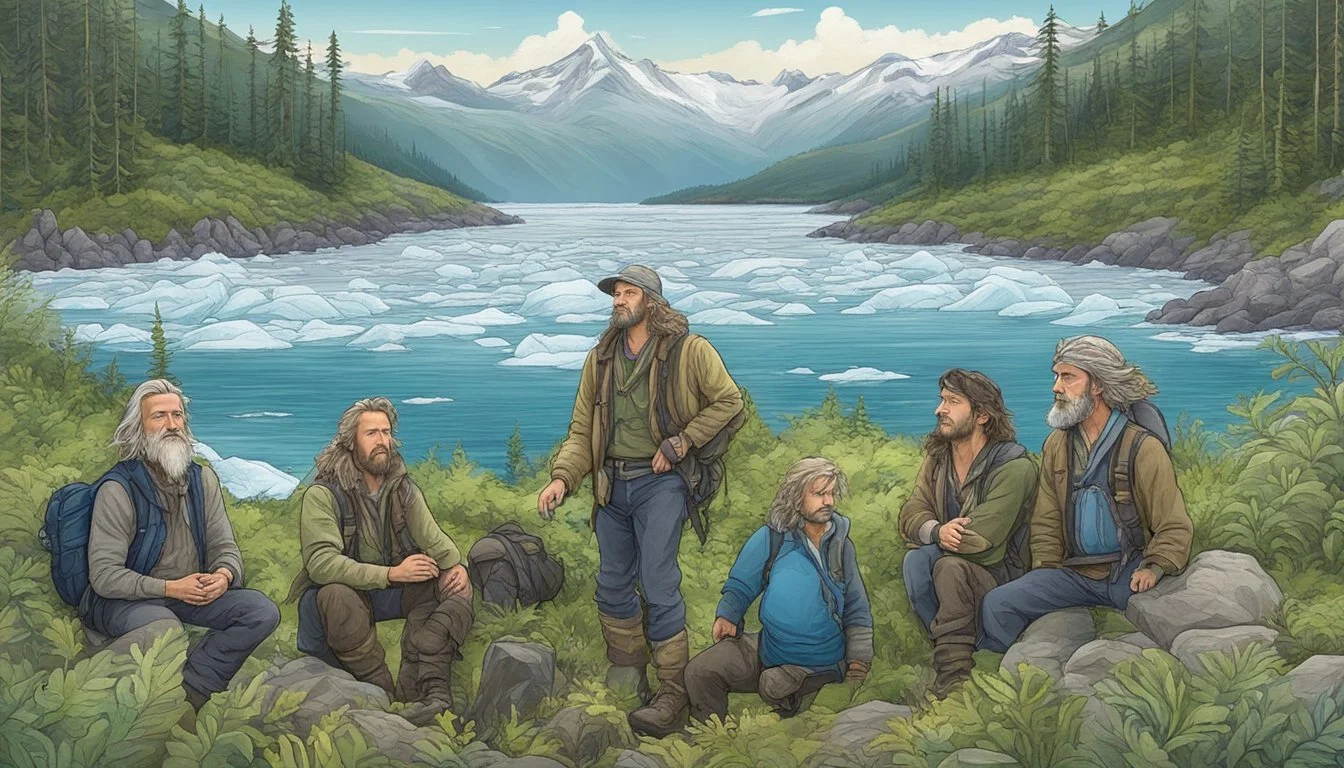
Alaska stands as North America's largest state, encompassing an impressive 665,400 square miles. To visualize this immense size, if placed over the contiguous United States, Alaska would stretch from the East Coast all the way to California. This vast territory contains natural wonders in staggering numbers: 100,000 glaciers, 34,000 miles of coastline, and over 3 million lakes.
Geographically isolated from the lower 48 states, Alaska can only be accessed by air, boat, or through Canada. With fewer than one million residents spread across this enormous landscape, the state maintains a wild, rugged character that's increasingly rare in the modern world. Alaska hosts numerous species in their natural habitats, including polar bears, moose, and caribou.
The state claims America's three tallest mountains, with Denali standing as North America's highest peak. This remarkable geography provides Alaska with abundant natural resources but also contributes to its extreme isolation and challenging living conditions compared to other states.
Key Geographic Features:
665,400 square miles (largest U.S. state)
100,000 glaciers
34,000 miles of coastline
Over 3 million lakes
Home to Denali, North America's highest mountain peak
Life in Alaska presents unique challenges. Winters are exceptionally harsh, with northern regions experiencing polar night—months of darkness that intensify the further north one travels. The state's incomplete highway system leaves many communities accessible only by air or water, creating transportation difficulties unknown in most American cities.
Alaska's economic landscape presents contrasting realities. The cost of living runs approximately 30% higher than the national average, making it one of America's most expensive places to live. However, the state levies no income or sales tax, and median incomes remain competitive with the most prosperous U.S. states.
Public safety concerns also characterize Alaskan life. The state maintains one of America's highest crime rates, ranking fifth nationally for violent crime incidents.
Five Major Alaskan Cities:
Anchorage
Population: Nearly 300,000
Features: State's tallest building, largest university, international airport
Economy: Transportation hub, corporate headquarters
Challenges: Highest crime rate among Alaskan cities
Fairbanks
Population: Slightly over 32,000
Known for: Proximity to Arctic Circle, long winters
Economy: University of Alaska Fairbanks, Trans-Alaskan Pipeline
Nickname: "The Golden Heart City"
Juneau
Population: Under 32,000 (declining)
Distinction: State capital
Economy: Government, tourism, fishing
Advantages: Lowest crime rate among major Alaskan cities
Sitka
Population: Approximately 8,000
Location: Southeastern Alaska
Cost of living: 40% above national average
Ketchikan
Size: Smaller than Sitka
Economic importance: Hub for Alaska's fishing industry
Location: Southeastern Alaska
More than half of Alaska's residents live in the Anchorage metropolitan area, which includes nearby communities like King, Fairview, and Wasilla. While offering the closest approximation to big-city living in Alaska, Anchorage still provides access to the stunning natural beauty that defines the state, including views of the Northern Lights and abundant outdoor spaces.
Alaska's Geographic Wonders

Size and Land Features
Alaska spans an impressive 665,400 square miles, making it North America's largest state. To visualize this immense size, if placed over the contiguous United States, Alaska would stretch from the East Coast all the way to California. The state's geography more closely resembles Canadian provinces than other U.S. states. With less than one million residents spread across this vast territory, Alaska remains largely unsettled, earning its nickname "The Last Frontier."
Unlike the lower 48 states, Alaska is completely disconnected from the continental United States. This isolation creates significant challenges for transportation and development. The state can only be accessed through air, boat, or by traveling through Canada. This remoteness contributes to Alaska's incomplete highway system, with several towns completely lacking road access.
Natural Features and Waterways
Alaska's natural landscape features some of North America's most impressive geographic elements. The state contains approximately 100,000 glaciers, 34,000 miles of coastline, and over 3 million lakes. These features contribute to Alaska's reputation as one of the few remaining truly wild habitats in the United States.
The state's mountainous terrain includes America's first, second, and third tallest peaks. Most notably, Denali stands as North America's highest mountain. Alaska's wilderness provides critical habitat for iconic wildlife including:
Polar bears
Moose
Caribou
Numerous other species adapted to northern conditions
This combination of mountains, waterways, and vast wilderness creates an environment often described as wild, rugged, and immense. While these geographic features provide Alaska with abundant natural resources, they also contribute to the state's challenging living conditions, particularly during the extreme winter months when northern regions experience the phenomenon of polar night.
The Geographical Separation of Alaska
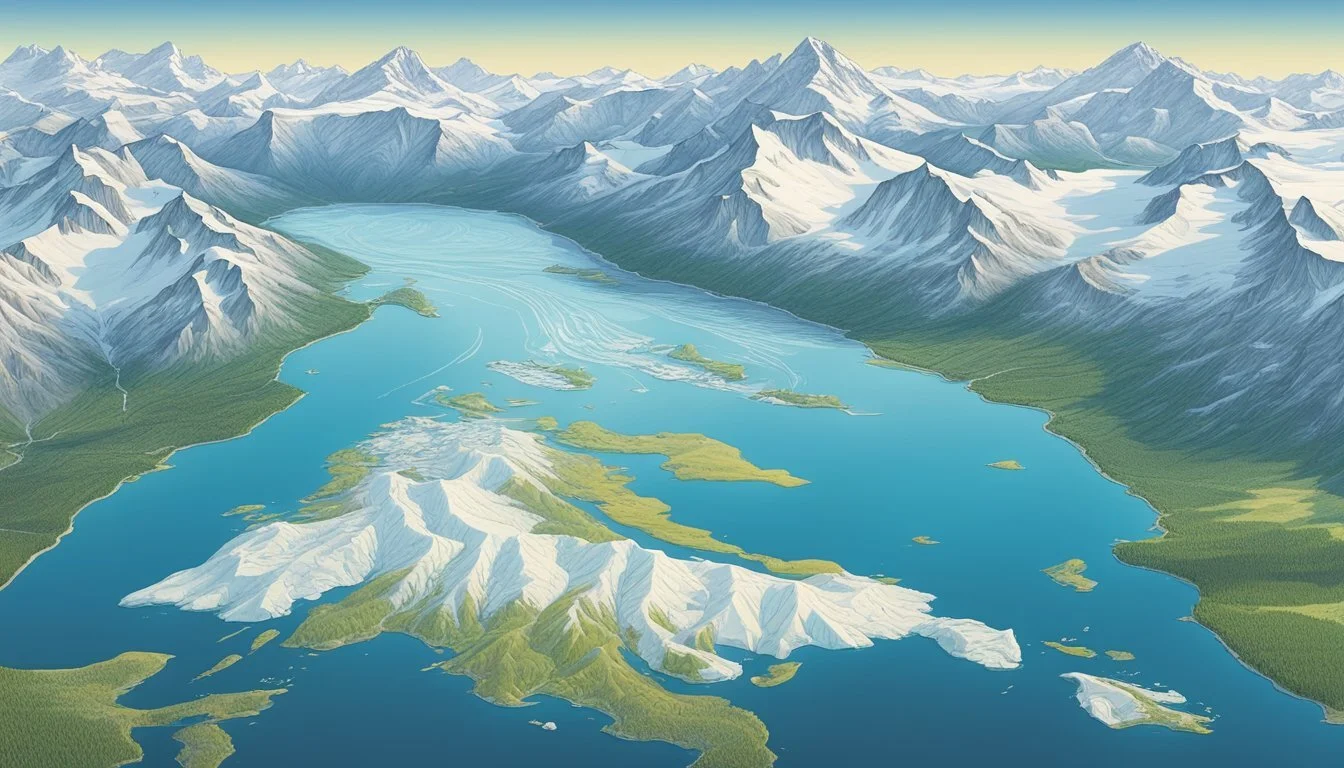
Alaska stands as North America's largest state, encompassing an impressive 665,400 square miles. Its massive landmass could stretch from the East Coast to California if superimposed on the contiguous United States. Beyond its size, Alaska boasts remarkable natural features including 100,000 glaciers, 34,000 miles of coastline, and over 3 million lakes.
Separation from the Contiguous United States
Alaska's unique position creates significant logistical challenges for residents and visitors alike. The state is completely detached from the lower 48 states, requiring travel by air, boat, or international passage through Canada. This geographical isolation contributes to the state's frontier character, preserving vast wilderness areas that house North America's highest peak, Denali, and provide habitat for iconic wildlife such as polar bears, moose, and caribou.
The physical separation from the mainland United States impacts nearly every aspect of Alaskan life. Transportation costs increase dramatically, communications infrastructure faces greater challenges, and residents experience a different relationship with the broader American culture and economy. Winter brings additional challenges, with northern regions experiencing polar night—extended periods of darkness that intensify the further north one travels.
Population and Infrastructure
With fewer than one million residents spread across its vast territory, Alaska maintains one of the lowest population densities in the United States. The state's incomplete highway system leaves numerous communities accessible only by air or water transportation. Many towns lack road connections entirely, creating island-like settlements in a sea of wilderness.
Major Population Centers:
Anchorage: ~300,000 residents
Fairbanks: ~32,000 residents
Juneau: ~32,000 residents
Sitka: ~8,000 residents
Ketchikan: Smaller than Sitka but vital to the fishing economy
The Anchorage metropolitan area houses more than half of Alaska's total population, serving as the state's primary transportation hub with its international airport, port facilities, and highway connections. Despite being Alaska's largest urban center, Anchorage still provides ready access to wilderness areas and natural wonders like the Northern Lights.
Daily life in Alaska comes with significant economic considerations. The cost of living runs approximately 30% higher than the national average, with some cities like Sitka reaching 40% above national norms. These elevated costs are partially offset by competitive median incomes and the absence of state income and sales taxes.
Natural Resources and Challenges
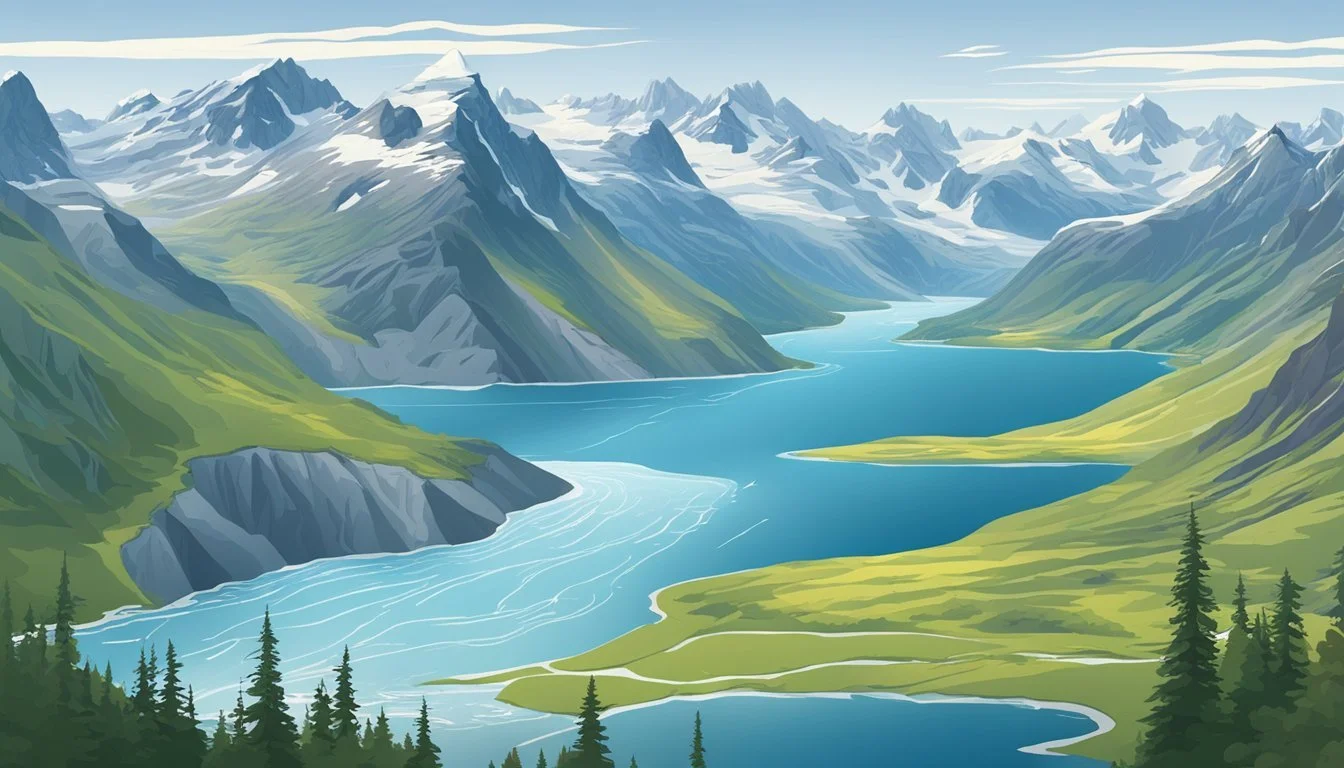
Alaska's vast geography encompasses 665,400 square miles, making it North America's largest state. This immense territory features remarkable natural resources including 100,000 glaciers, 34,000 miles of coastline, and over 3 million lakes. The landscape is home to North America's highest peak, Denali, alongside the continent's first, second, and third tallest mountains.
The state maintains wild habitats for iconic wildlife such as polar bears, moose, and caribou. These natural resources contribute significantly to Alaska's economy, particularly through fishing industries centered in cities like Ketchikan, which serves as a vital hub for the state's fishing economy.
Despite this natural wealth, Alaska faces substantial challenges due to its isolation. The state remains disconnected from the contiguous United States, accessible only by air, boat, or passage through Canada. This separation creates logistical difficulties for its 732,000 residents.
Weather presents another significant challenge. Long, harsh winters bring extreme cold temperatures, with northern regions experiencing polar nights and months of darkness. These conditions make everyday living considerably more difficult than in other American states.
The economic landscape presents mixed conditions. While Alaska has no state sales or income tax and offers competitive median incomes, the cost of living runs approximately 30% higher than the national average. Cities like Sitka have living costs about 40% above the national average.
Crime rates represent another serious challenge. Alaska has the fifth-highest violent crime rate in the nation, with safety concerns varying by location. Anchorage, the state's largest city with nearly 300,000 residents, experiences the highest crime rates, though they vary significantly between neighborhoods.
Transportation infrastructure remains limited across the state, with an incomplete highway system. Many towns lack road access entirely, making small community living particularly challenging. The isolation requires most cities to depend heavily on ports and airports, with Anchorage serving as the state's de facto transportation hub.
Life in the Wilderness
Alaska's vast landscape offers a unique wilderness experience unlike any other state in America. With 665,400 square miles of territory, it stretches larger than many countries and contains geographic features that dwarf those found elsewhere in the United States. This massive region hosts 100,000 glaciers, 34,000 miles of coastline, and over 3 million lakes, creating an environment that can only be described as wild, rugged, and immense.
The remoteness of Alaska creates both challenges and opportunities for those who live there. Its separation from the contiguous United States means that access is limited to air travel, boats, or passage through Canada. This isolation contributes to the state's frontier character while presenting logistical challenges for residents.
Wildlife and Natural Habitats
Alaska serves as one of North America's last truly wild environments, providing crucial habitat for iconic species that require vast, undisturbed territories. Polar bears roam the northern regions, while moose and caribou can be found throughout many parts of the state. These animals thrive in Alaska's diverse ecosystems that remain largely untouched by human development.
The state's natural landscape varies dramatically from region to region:
Coastal areas: Featuring rich marine ecosystems supporting fishing economies
Interior forests: Providing habitat for numerous mammals and birds
Tundra regions: Supporting specialized plant and animal species adapted to extreme conditions
Wetlands and lakes: Offering breeding grounds for migratory birds
This environmental diversity makes Alaska a living laboratory for naturalists and researchers. The state's relative lack of development has preserved these habitats in ways impossible in more densely populated regions, creating a rare window into how ecosystems function without significant human interference.
Mountain Ranges and Peaks
Alaska's mountainous terrain dominates much of its landscape, creating breathtaking vistas and challenging conditions for travelers. The state contains America's three tallest mountains, with Denali standing as the highest peak in North America. These mountain ranges aren't merely scenic features—they shape weather patterns, wildlife migration, and human settlement throughout the region.
Significant mountain features include:
Mountain/Range Notable Features Denali Highest peak in North America Alaska Range Contains many of the state's tallest mountains Chugach Mountains Located near Anchorage, providing recreation opportunities Brooks Range Forms the northern boundary of Alaska's interior
These mountain ranges create natural barriers that separate communities and contribute to Alaska's frontier character. The topography presents significant challenges for transportation infrastructure, explaining why many Alaskan towns remain accessible only by air or sea. During winter months, these mountains experience extreme conditions with heavy snowfall and temperatures that can drop far below freezing.
The Livability of Alaska's Unique Environment
Alaska stands as North America's largest state, encompassing 665,400 square miles—so vast that if overlaid on the contiguous United States, it would stretch from the east coast to California. This immense territory features 100,000 glaciers, 34,000 miles of coastline, and more than 3 million lakes. Despite its natural wealth, Alaska remains remarkably isolated with fewer than a million residents and limited infrastructure.
The state can only be accessed by air, boat, or through Canada, making daily life considerably more challenging than in other U.S. states. Alaska's wild, rugged landscape serves as home to iconic wildlife including polar bears, moose, and caribou, as well as North America's tallest peak, Denali.
Winter Challenges and Extended Darkness
Alaskan winters present formidable obstacles even for longtime residents. The further north one travels, the more pronounced the polar night becomes, with some regions experiencing months of near-total darkness. Temperatures drop to extreme lows, creating harsh living conditions that require significant adaptation and preparation.
Winter survival in Alaska demands specialized knowledge and equipment. Residents must maintain adequate heating supplies, winterize homes thoroughly, and often keep emergency provisions on hand. These challenging conditions contribute to Alaska's reputation as America's "Last Frontier"—the final boundary between modern civilization and untamed wilderness.
Community Living in Isolated Settlements
Many Alaskan towns lack road connections to other communities, creating unique social dynamics and logistical challenges. In these remote settings, residents develop strong interdependent relationships and self-sufficiency skills out of necessity.
The cost of living in these isolated communities averages nearly 30% higher than the national standard, reflecting the expense of transporting goods to remote locations. Despite these challenges, Alaskans enjoy benefits like:
No state income or sales taxes
Competitive median income compared to prosperous states
Annual Permanent Fund Dividend payments
Strong sense of community solidarity
The state's crime statistics present additional concerns, with Alaska reporting the nation's fifth-highest violent crime rate. This safety issue varies significantly between communities but remains an important consideration for potential residents.
Alaska's largest population centers include:
City Population Notable Features Anchorage ~300,000 Economic hub, highest crime rate, international airport Fairbanks ~32,000+ University town, extreme winters, "Golden Heart City" Juneau ~32,000 State capital, lowest crime rate of major cities, accessible only by air/sea
Smaller but significant communities like Sitka and Ketchikan (each with fewer than 10,000 residents) maintain their importance in the state's fishing economy and cultural heritage, despite their remote locations in southeastern Alaska.
Economic and Public Safety Concerns
Alaska faces significant economic challenges due to its isolation and extreme geography. The cost of living is nearly 30% higher than the national average, making it one of the most expensive states in America. Despite this high cost of living, residents benefit from the absence of state sales and income taxes, and median incomes remain competitive with more prosperous states.
Public safety presents another serious concern. Alaska has one of the highest crime rates in the United States, ranking fifth nationally for violent crime. This issue varies by location but remains a persistent challenge throughout the state.
Anchorage, Alaska's largest city with nearly 300,000 residents, serves as the state's economic center. Home to the state's tallest building and major companies like the Kucuit Building Group, Far North Digital, and the Alaska Railroad, the city hosts more than half of Alaska's population within its metropolitan area. Despite its economic prominence, Anchorage struggles with the highest crime rate in the state, with safety conditions varying significantly between neighborhoods.
Fairbanks, the second-largest city, benefits economically from:
University of Alaska Fairbanks
Trans-Alaskan Pipeline operations
Winter tourism activities
Juneau, the state capital, has approximately 32,000 residents and maintains its economy through:
Government employment
Tourism industry
Fishing operations
The smaller cities of Sitka and Ketchikan also face economic challenges. Sitka's cost of living exceeds the national average by about 40%, while Ketchikan serves as a crucial hub for Alaska's vital fishing economy despite its small population.
Alaska's economic structure revolves around these urban centers scattered across its vast territory, with each facing unique challenges related to isolation, climate, and limited infrastructure.
Alaskan Cities: Exploring Urban Life in the Last Frontier
Coastal Living in Sitka and Ketchikan
Southeastern Alaska hosts two notable independent cities: Sitka and Ketchikan. Sitka, with just over 8,000 residents, maintains its status as a legitimate small city despite its isolation. The cost of living runs approximately 40% higher than the national average, making it one of Alaska's more expensive residential areas.
Ketchikan, though slightly smaller in population than Sitka, serves a critical economic role as the central hub for Alaska's vital fishing industry. Both cities exemplify the challenges of Alaskan urban living—remote, expensive, but surrounded by unparalleled natural beauty.
Juneau: The Administrative Heart of Alaska
As Alaska's capital city, Juneau houses nearly 32,000 residents despite experiencing slight population decline in recent years. Its unique position in Southeastern Alaska means it remains inaccessible by road from other cities, requiring boat or air transportation for entry—a telling illustration of Alaska's immense scale.
Juneau boasts:
Strongest economy among major Alaskan cities
Major employment sectors in government, tourism, and fishing
Lowest crime rates of Alaska's three largest urban centers
Exceptional mountain and ocean views
Despite its relatively small population for a state capital, Juneau maintains a strong community atmosphere, though residents face some of the highest living costs in Alaska.
Fairbanks: Alaska's Interior Metropolis
Fairbanks holds the position of Alaska's second-largest city with a population slightly exceeding Juneau's. Its proximity to the Arctic Circle results in exceptionally long, cold winters that have shaped the local culture around winter activities.
Key features of Fairbanks include:
Nickname: "The Golden Heart City" (reflecting both its central location and community warmth)
Home to the University of Alaska Fairbanks, the state's second-largest higher education institution
Base for the controversial Trans-Alaskan Pipeline operations
Moderate crime rates (higher than Juneau but lower than Anchorage)
The university attracts students and researchers globally, contributing significantly to the city's economic and cultural diversity.
Anchorage: Alaska's Urban Hub
With nearly 300,000 residents, Anchorage dwarfs all other Alaskan cities in size and economic influence. Located in South Central Alaska, it functions as the state's primary transportation hub and commercial center. More than half of Alaska's entire population resides within the Anchorage metropolitan area.
Anchorage's urban infrastructure includes:
Feature Description Transportation Ted Stevens International Airport, Port of Anchorage, Glen Highway Economy State's tallest building, headquarters for major Alaskan companies Education Alaska's largest university campus Recreation Access to spectacular Northern Lights viewing, abundant outdoor spaces
The city presents the closest approximation to conventional "big city living" in Alaska, though this comes with drawbacks. Anchorage experiences the state's highest crime rates, with safety concerns varying significantly between neighborhoods. Despite these urban challenges, residents benefit from immediate access to Alaska's remarkable wilderness and natural attractions.
Living in Alaska: Challenges and Opportunities
Alaska stands as North America's largest state, encompassing 665,400 square miles of diverse terrain. This massive landmass features 100,000 glaciers, 34,000 miles of coastline, and over 3 million lakes. Its sheer size is difficult to comprehend—if placed over the lower 48 states, it would stretch from the East Coast to California.
Despite its incredible natural resources, Alaska remains notably isolated from the contiguous United States. With fewer than one million residents and an incomplete highway system, the state is only accessible by air, boat, or through Canada. This separation contributes significantly to the challenges of living in this remarkable wilderness.
The state's geography creates both opportunities and obstacles. Alaska's wild, rugged landscape hosts America's three tallest mountains, including Denali, North America's highest peak. It provides crucial habitat for iconic wildlife like polar bears, moose, and caribou. However, these same qualities make everyday life considerably more challenging than in other states.
Alaska's economic realities present significant considerations for residents. The cost of living runs approximately 30% higher than the national average, making it one of America's most expensive places to live. This is partially offset by competitive median incomes and the absence of state sales or income taxes.
Public safety concerns cannot be overlooked. Alaska has the fifth-highest rate of violent crime in the nation, with security issues varying significantly between communities and neighborhoods.
The state's largest cities each offer distinct living experiences:
Anchorage (300,000 residents): Alaska's economic center hosts the state's largest university, international airport, and over half the state's population. Crime rates are highest here, though they vary by neighborhood.
Fairbanks (32,000+ residents): Known for extreme winters and proximity to the Arctic Circle, this "Golden Heart City" supports a strong university community and benefits from the trans-Alaskan pipeline economy.
Juneau (32,000 residents): The state capital offers government employment, tourism, and fishing opportunities alongside beautiful mountain and ocean views. It has the lowest crime rates among Alaska's major cities.
Sitka (8,000+ residents): This southeastern coastal community maintains a small but legitimate city atmosphere despite its isolation and costs running 40% above national averages.
Ketchikan: Though smaller than Sitka, this southeastern hub plays a crucial role in Alaska's fishing economy.
Winter brings unique challenges, with extended darkness and extreme temperatures, particularly in northern regions. Many communities lack road access entirely, requiring boat or air travel for basic supplies.
Alaska truly represents America's "Last Frontier"—a place where modern settlements stand as the final barrier between civilization and pristine wilderness. For those considering relocation, the state offers unparalleled natural beauty and strong communities, but demands resilience in the face of isolation, weather extremes, and economic challenges.
