
From Tragedy to Triumph
The Brown Family Arc in Alaskan Bush People Examined

The Brown family, stars of Discovery Channel's Alaskan Bush People, have faced significant upheaval and transformation as they journeyed from the Alaskan wilderness to national reality television. Their story is marked by a series of challenges, including harsh homesteading conditions, dramatic family events, and the profound loss of their patriarch, Billy Brown.
Despite these hardships, the Browns persevered, adapting both personally and as a family unit, while the world watched their evolution unfold on screen. Their experiences at Northstar Ranch in Washington introduced new trials and opportunities, reshaping the direction of their tight-knit group.
Through their struggles and achievements, the Brown family became a compelling symbol of resilience on reality TV, revealing the complexities behind their wilderness lifestyle and public persona.
The Brown Family: Origins and Early Life
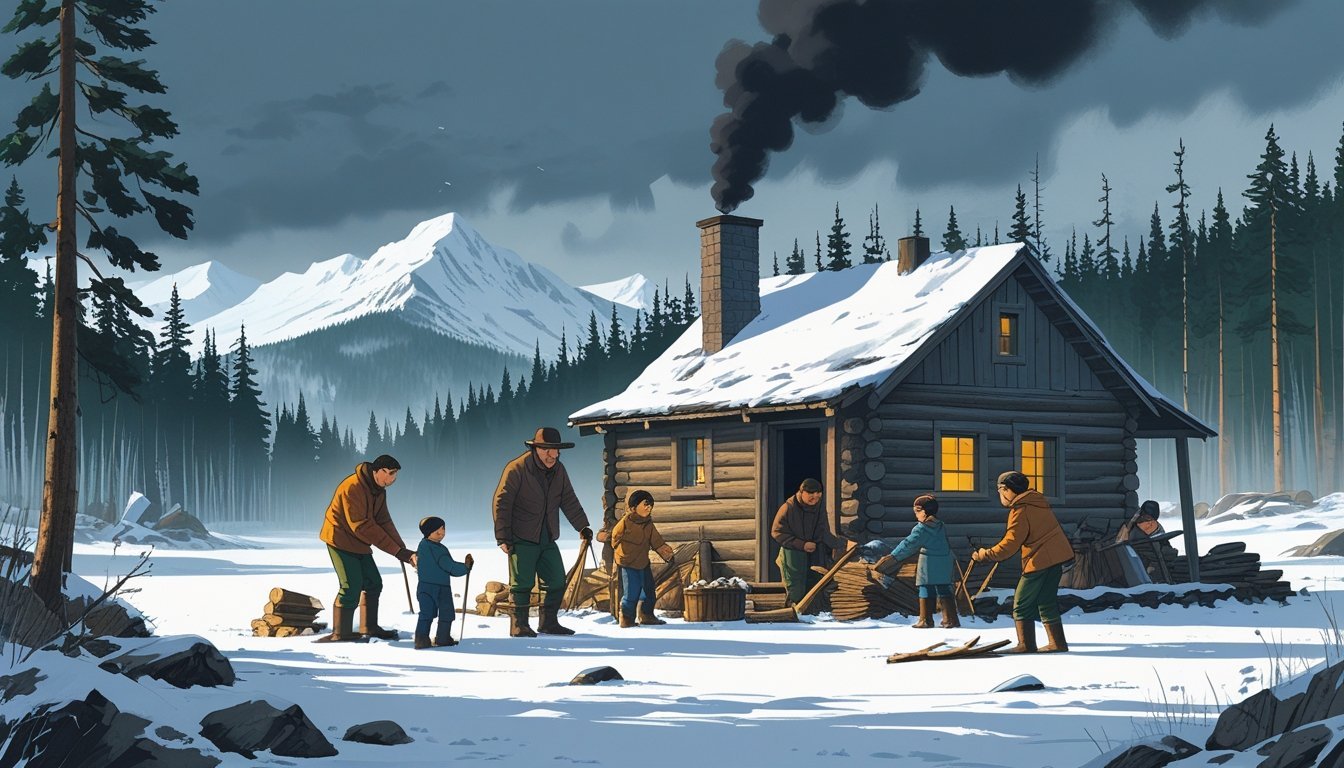
The Brown family built their reputation on survival, independence, and adaptability. Their beginnings, shaped by loss, travel, and perseverance, laid the foundation for what would later become a widely watched saga.
Patriarch Billy Brown and Family Roots
Billy Brown, the central figure of the Brown family, was born in Texas in 1952. He lost his parents, Earlene Branson and Billy Joe Brown, in a tragic plane crash when he was just sixteen. This sudden loss left Billy orphaned and set him on a path of early independence.
Billy later married Ami Brown (née Ami Branson), and together they began building their own family. The couple had seven children: Matt, Bam Bam (Joshua), Bear, Gabe, Noah, Bird, and Rain. Family roots played a strong role, with Billy’s experiences of hardship influencing his approach to parenting and leadership.
Life in Alaska and Early Struggles
Seeking a fresh start, the Browns decided to leave conventional society behind and head for Alaska. Initially, survival was difficult. The family faced harsh winters, unpredictable weather, and long stretches of isolation from mainstream comforts.
Living off the land was a necessity rather than a choice. Securing food and heat meant fishing, hunting, and foraging across rugged terrain. These challenges shaped the Browns into a close-knit unit, relying on cooperation and resourcefulness to meet daily needs.
Moving from Texas to the Wilderness
Before Alaska, the Browns spent years in Texas and other states. Economic hardship and Billy’s restless spirit spurred them to move north. The goal was to find a place untouched by modern distractions where the family could live according to their own principles.
The journey from Texas to Alaska was not easy. Travel logistics, finances, and raising seven children on the move presented constant obstacles. Despite setbacks, the Browns remained committed to building a new life away from urban environments.
Building the Homestead
Once in Alaska, the Browns set out to build a homestead that would serve as both shelter and hub for their family life. Construction started with basic structures, often assembled from available materials.
Tasks were divided among family members, with each child contributing to the homestead’s upkeep. The family crafted cabins, installed wood stoves, and built fences to protect against wildlife. Their efforts are documented in a table of key construction projects:
Project Family Lead Purpose Main Cabin Billy Brown Living Quarters Animal Enclosure Bear Brown Protect Livestock Water System Gabe Brown Drinking Water Supply
The homestead became a symbol of their resilience and identity, representing their collective determination to thrive together in Alaska’s remote wilderness.
Alaskan Bush People: The Reality Series Emerges
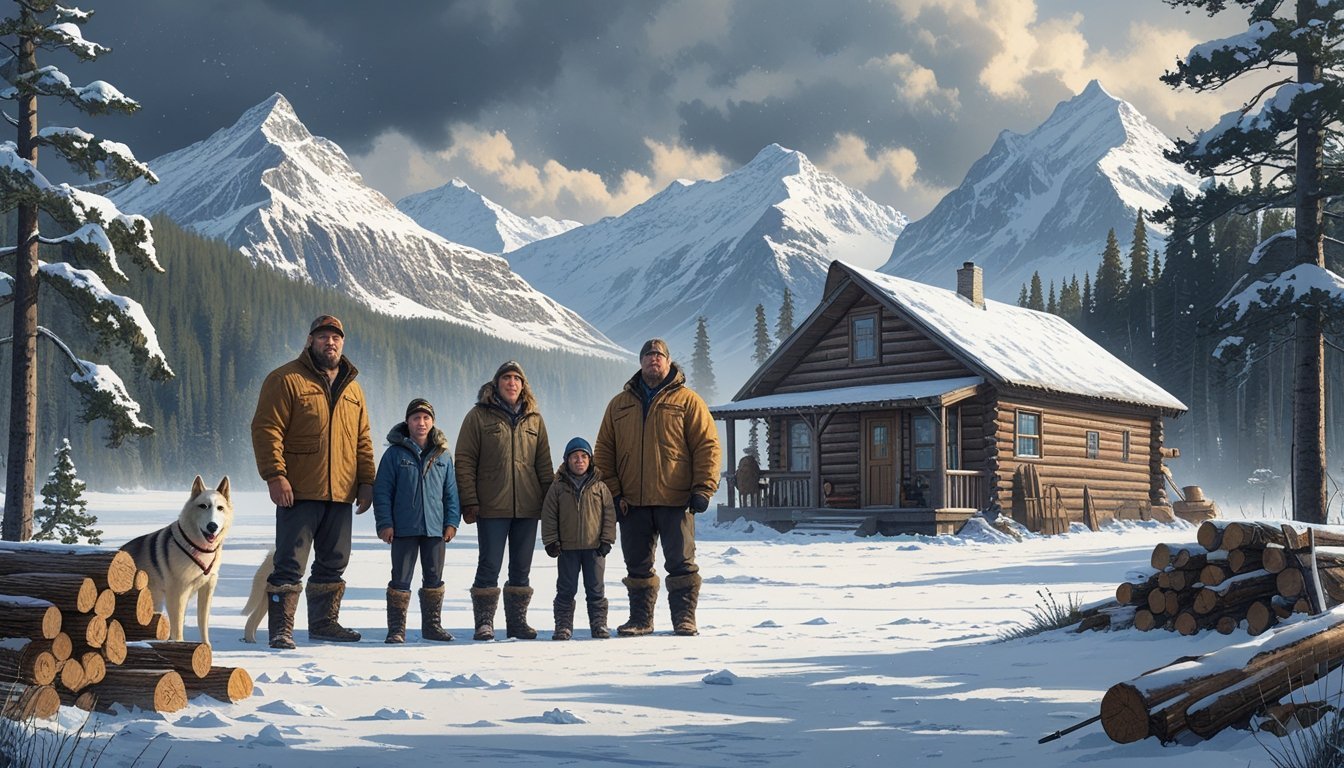
The launch of Alaskan Bush People on Discovery Channel introduced viewers to the unconventional lifestyle of the Brown family. Through a mix of docudrama and reality show elements, the series highlights survival, family dynamics, and unique challenges in the North Cascade Mountains.
Discovery's Journey with the Brown Family
Discovery Channel debuted Alaskan Bush People in 2014, bringing national attention to the Browns’ attempt to live off the grid. The reality series aimed to show not only survival in the wilderness but also daily routines that set the family apart from modern society.
The show followed Billy and Ami Brown and their seven children as they built shelters, gathered food, and faced the harsh elements. Episodes often documented pivotal moments, such as constructing their new home and adapting to seasonal threats.
Docudrama elements were used to blend real-life events with dramatized storytelling, giving viewers insight into both genuine hardships and staged challenges. The program contributed to Discovery’s broad portfolio of wilderness-themed reality content.
Life Off the Grid in the North Cascade Mountains
The Brown family lived in remote regions of Alaska before relocating to the North Cascade Mountains in Washington. This setting provided dramatic landscapes, isolation, and a continuous struggle to secure basic necessities.
Daily life centered around sourcing food, collecting water, and creating shelter. Winters brought extreme weather, often testing the family’s resourcefulness. Hunting, fishing, and building with limited tools required constant cooperation and adaptation.
The remote environment shaped the family’s interactions and influenced the reality show’s tone. Isolation intensified the drama and made each problem—such as medical emergencies or failed construction projects—more critical. The North Cascade Mountains became central to the series’ identity.
Unique Dynamics Among the Siblings
The Brown siblings—Matt, Bam Bam, Bear, Gabe, Noah, Bird, and Rain—each developed their own roles within the family. Their personalities and skills often clashed but also complemented each other, providing storylines focused on teamwork, conflict, and growth.
For example, Bear became known for his energetic approach to wilderness life, while Bam Bam often acted as a steady leader in problem-solving. The sisters, Bird and Rain, contributed with unique perspectives and roles in the family’s survival efforts.
Sibling interactions were a core part of the docudrama, offering moments of tension and unity. Their dynamic provided viewers with insight into how living off the grid can shape personal relationships in a high-stress environment.
Tragedy Strikes: Loss, Health Battles, and Family Challenges
The Brown family has faced profound hardships, both in health and in personal loss. Their journey includes the death of a parent, life-threatening illness, natural disasters threatening their home, and the emotional toll of a miscarriage.
Billy Brown’s Passing and His Legacy
Billy Brown, the patriarch of the Alaskan Bush People, died on February 7, 2021, at the age of 68 after suffering a seizure. His death marked a turning point for the family and the show. Billy’s leadership and resilience had guided the Browns through years of survival in the Alaskan wilderness.
With Billy’s passing, the family not only lost a father but also the central figure who held them together. The impact was visible in the tribe’s emotional responses and the show’s new direction, as they dedicated an entire season to honoring his legacy.
Family members faced grief while trying to continue building the homestead, often referencing Billy’s core values and advice. Their mourning process was highlighted on-screen, with each member expressing individual memories and struggles.
Ami Brown’s Cancer Diagnosis and Chemotherapy
In 2017, Ami Brown was diagnosed with advanced lung cancer. The diagnosis came unexpectedly and required immediate, aggressive intervention. She underwent extensive chemotherapy and radiation treatments in California, far from the Alaskan bush.
Ami’s fight with cancer put the family under immense stress, both emotionally and logistically. The uncertainty of her prognosis forced them to reconsider their future and relocate temporarily for specialized care.
Despite difficult side effects like weight loss and fatigue, Ami’s determination remained strong. Her eventual remission was a major milestone for the family and became a symbol of hope for viewers following her journey through serious illness.
Wildfire Catastrophe and Homestead Threat
A devastating wildfire struck the region near the Brown family’s Washington homestead in 2020. The blaze destroyed large sections of their land, forced evacuation, and threatened years of hard work.
The family prioritized safety, ensuring all members and animals reached secure areas while fire crews battled the flames. They returned to find widespread damage to buildings, supplies, and natural resources.
Rebuilding after the wildfire became a significant challenge emotionally and financially. The Browns had to adjust to new realities, put recovery plans in place, and strengthen their resilience in the face of repeated setbacks.
Miscarriage, Recovery, and Rainbow Baby
Gabriel Brown and his wife Raquell faced the heartbreak of a miscarriage, a loss they shared with fans to shed light on an often-silent struggle. The experience brought a wave of grief, impacting the whole family as they supported each other through loss.
Their openness about miscarriage helped raise awareness and offered comfort to viewers who may have faced similar experiences. Recovery wasn’t immediate, but the family leaned on faith and each other to heal.
Later, the couple welcomed a “rainbow baby,” a term for a child born after miscarriage, reflecting renewed hope for the Browns. The birth marked a poignant moment of emotional recovery and new beginnings for the family unit.
Personal Triumphs Amid Turmoil
The Brown family of Alaskan Bush People faced multiple hardships, including struggles with addiction, rehab, and legal difficulties. Their journey exposed the realities of substance abuse, mental health issues, and efforts at rehabilitation.
Overcoming Addiction and Substance Abuse
Matt Brown, the eldest Brown sibling, openly battled substance abuse, which deeply affected the family dynamic. His addiction-related struggles became public after repeated absences on the show, prompting questions from fans.
Family members acknowledged his addiction issues and expressed support for his recovery, underscoring the significant impact substance misuse can have even in remote and isolated environments. The family’s willingness to discuss these challenges helped break the stigma surrounding addiction in reality television.
Matt’s openness about his substance abuse encouraged viewers to consider the importance of mental health support, especially for those who live off the grid or under increased public scrutiny. The family often prioritized seeking treatment and support, reflecting a clear commitment to rehabilitation over avoidance.
Matt Brown’s Rehab Experience
Matt Brown entered rehab on multiple occasions to address his struggles with alcohol and substance abuse. The decision to seek professional help was difficult but necessary, marking a significant step in his fight against addiction.
He openly discussed his rehab process, including time spent in both inpatient and outpatient facilities. These experiences assisted his recovery and served as a moment of reflection about his lifestyle and relationship with his family.
Throughout his time in rehab, Matt’s journey highlighted common challenges many individuals face when dealing with dependency—such as relapse and the need for continued support. After leaving treatment, Matt shared updates about his sobriety and ongoing mental health efforts, inspiring viewers and destigmatizing professional addiction care.
Legal Troubles and Rehabilitation
The family’s struggles extended beyond addiction to occasional legal issues. Matt faced legal scrutiny connected to his behavior during periods of substance abuse, drawing attention to the risk of legal problems stemming from untreated addiction.
Legal intervention often served as a catalyst for further rehabilitation opportunities. Encounters with the law prompted structured approaches to treatment, including court-mandated rehab and therapy sessions.
These incidents shed light on the complex intersection of addiction, mental health, and legal responsibility. The family’s transparency about both their struggles and rehabilitation efforts made their journey relatable to many facing similar challenges.
The Brown Siblings: Journeys, Growth, and Relationships
Each Brown sibling from Alaskan Bush People has taken a distinct path, shaped by personal choices, family values, and the unique pressures of public life. Their stories reflect evolving relationships, resilience in the face of challenges, and significant milestones.
Bear Brown and Raiven Brown’s Story
Bear Brown and Raiven Adams' relationship has been marked by both hurdles and moments of stability. The couple’s journey has involved several breakups and reconciliations, often discussed openly on social media.
They welcomed their son, River Brown, in 2020. Despite periods of separation, Bear and Raiven have continued to work on their partnership and co-parenting.
Adjusting to fatherhood has shaped Bear’s priorities. He has emphasized family, highlighting his close bond with River. Their journey is followed by dedicated fans interested in both their struggles and celebrations.
Privacy concerns and public scrutiny have often complicated the couple's experiences. Through the ups and downs, their commitment to their son remains central.
Noah Brown’s Family Life
Noah Brown, known for his resourcefulness, has built a private life with his wife, Rhain Alisha. Since marrying in 2018, the couple has prioritized family away from the spotlight.
They have two children and are regarded for their efforts to establish a stable, independent home. Noah’s approach emphasizes self-sufficiency and hands-on parenting.
Noah often shares glimpses of family projects, focusing on practical skills and homesteading. He stands out among his siblings for maintaining a lower public profile.
Both Noah and Rhain have chosen to limit their exposure, valuing a quiet life for their children. Their commitment to privacy sets them apart within the larger Brown family narrative.
Joshua "Bam Bam" Brown’s Resilience
Joshua “Bam Bam” Brown has long held the role of the family’s steady presence. Known for a reserved demeanor, Bam often takes on logistical and emotional challenges within the family.
He left the show temporarily to support his girlfriend Allison Kagan, highlighting his willingness to step away for personal reasons. His actions revealed a balance between responsibility to family and individual needs.
Bam’s practical outlook and dedication to work have contributed to the family’s survival efforts. He tends to manage projects behind the scenes, making notable contributions without seeking the spotlight.
Despite his more private nature, Bam’s perseverance in difficult times, including the loss of patriarch Billy Brown, has been widely recognized by both his siblings and viewers.
Rain Brown and the Challenges of Fame
Rain Brown, the youngest sibling, faced public attention from a young age. Her journey has involved personal growth in the face of scrutiny and family struggles.
Rain uses social media to connect with supporters but is open about her challenges with mental health and self-discovery. She speaks candidly about pressure and the importance of self-care.
Her efforts to inspire younger fans with messages of resilience have set her apart. Rain’s relationship with her siblings, especially her sister Snowbird, has provided emotional support.
Public life has not been easy, but Rain has focused on personal development and creativity. She continues to adapt while navigating the responsibilities and expectations that come with being part of the Brown family.
Family Legacy and Public Perception
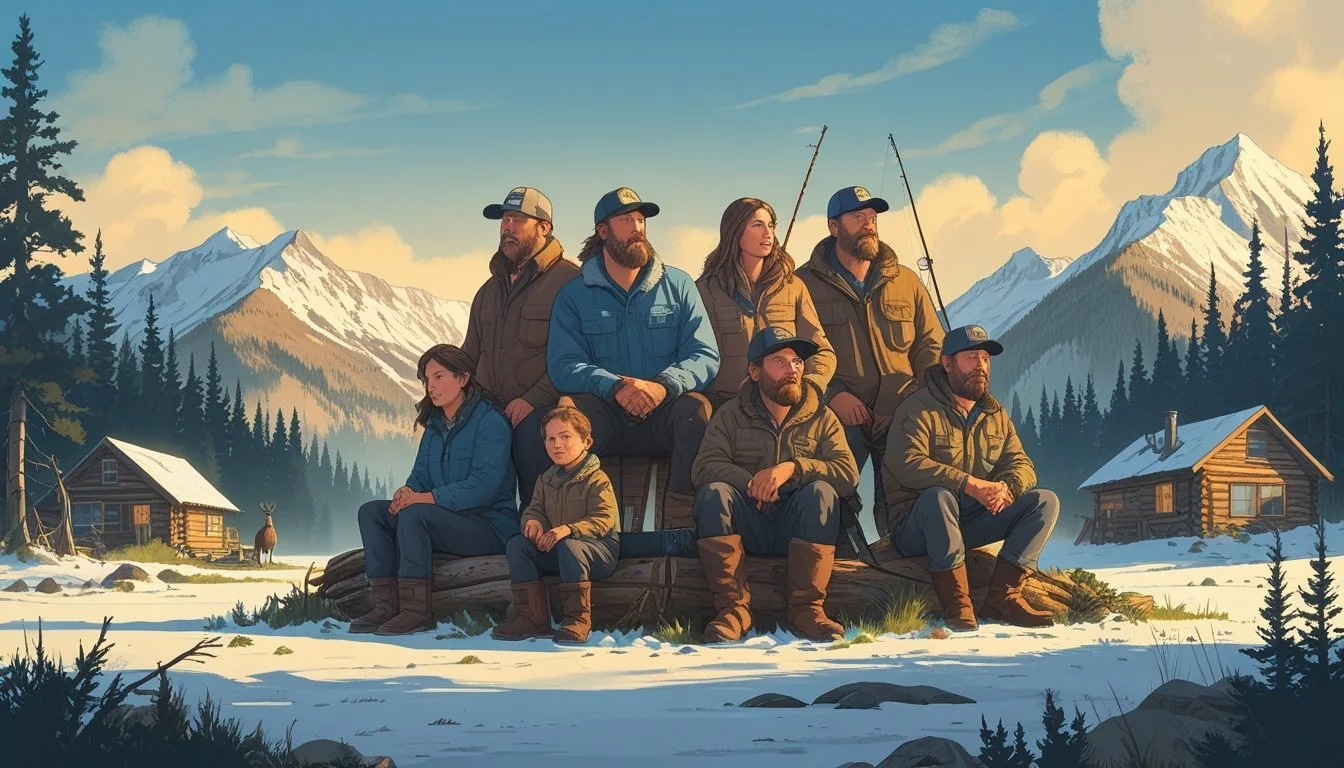
The Brown family's legacy is closely tied to their identity as self-reliant pioneers. Their influence extends beyond television, shaping perceptions of wilderness living and engaging audiences online.
Ami Brown’s Role as Trailblazer and Mother
Ami Brown is regarded as the emotional cornerstone of the Brown family. Her role as a mother, especially during health scares and family crises, emphasized resilience and adaptability in harsh environments.
She played a critical part in parenting seven children in the Alaskan wilderness, where resources were scarce, and life required continuous problem-solving. Her presence stabilized the family, offering both emotional and practical support.
Ami’s leadership often highlighted the values of perseverance, creativity, and unity, which helped sustain the family’s public image. She is frequently seen as a trailblazer because she managed both motherhood and the demands of a frontier lifestyle, inspiring viewers and reinforcing the show's narrative of survival.
Impact on Wilderness Culture and Adventure
The Brown family contributed significantly to popularizing wilderness living on television. By building their own shelter, sourcing food, and facing unpredictable weather, they provided viewers with real examples of adapting to life off the grid.
Their experiences showcased not just survival but also the importance of teamwork and resource sharing. The family often demonstrated traditional wilderness skills, from fishing and hunting to building structures, positioning them as advocates for self-sufficiency.
Key aspects of their wilderness impact include:
Promoting environmental awareness
Highlighting the benefits and challenges of remote living
Encouraging adventure as a family pursuit
Their narrative played a role in redefining modern ideas about adventure, emphasizing authenticity over spectacle.
Social Media Influence and Instagram Presence
Social media, especially Instagram, has become a major platform for the Browns to stay connected with fans. Family members regularly update followers with glimpses of their lives, sharing behind-the-scenes moments and personal reflections.
Rain Brown, in particular, has used Instagram to communicate openly about her personal journey and changes, including updates about her account status and relationships. These posts offer greater insight into the family’s individual identities beyond the screen.
The social media presence allows for direct interaction and plays a role in shaping public perception. Engaging posts, updates about family changes, and responses to fan questions make the Browns’ story accessible and relatable, providing context that extends beyond the confines of the television series.
From Tragedy to Triumph: How the Browns Inspire
The Brown family, known from reality TV’s Alaskan Bush People, has moved from remote Alaskan wilderness to Washington State, facing life-changing loss and maintaining strong family bonds. Their journey highlights themes of resilience, community connection, and adaptation.
Resilience in the Face of Adversity
The Browns overcame both the harsh challenges of off-grid living and the devastating loss of family patriarch Billy Brown. Despite relocating from Alaska to Washington, they adapted to new environments while continuing to live with many of the same values.
Key members, like Ami and her children, relied on practical survival skills and emotional support to carry on after Billy’s passing. They proved that drawing on past lessons and sticking together can help a family move forward even after significant loss.
The series documented their adjustments—building new homes, restoring land, and working together in Washington—offering viewers a clear look at how they confronted grief and uncertainty with determination. The Browns’ willingness to be vulnerable on camera resonated with many who have faced their own hardships.
Community Support and Ongoing Influence
Public support played an important role in the Browns’ story. Fans connected with the family through social media, sharing messages of encouragement after Billy’s death and during health setbacks for Ami.
The Browns also received help from neighbors and Washington locals, especially as they settled into their new home state. Their openness about their struggles created a strong bond with viewers and reinforced the show’s appeal.
As reality TV personalities, the Browns inspired others by showing a realistic view of homesteading, resilience, and recovery. Their story has influenced similar shows and encouraged audiences to value community during hard times.
Future Prospects for the Brown Family
Looking ahead, the Brown family continues pursuing off-grid living in Washington, balancing tradition and new opportunities. Key projects focus on improving their land, launching small family ventures, and sharing updates with their audience.
Each member explores personal growth—Noah’s interest in inventing homesteading tools, Bear’s outdoor skills, and Ami’s leadership—while working to honor Billy’s legacy. Their ongoing visibility on reality TV keeps their story relevant and relatable.
Future seasons and potential new ventures may further showcase their adaptability and commitment to self-reliance. The Browns’ journey in Washington serves as a practical example of resilience and transformation.
