
The Tragic End of Alaskan Bush People: Why the Brown Family's Wilderness Journey Came to a Close
The Brown family's journey from obscurity to reality television stardom captivated audiences worldwide through the hit show "Alaskan Bush People." Before fame found them, Billy and Ami Brown deliberately chose a life disconnected from modern conveniences, establishing their homestead deep in the Alaskan wilderness. They built hand-crafted log cabins, hunted game, fished salmon-rich waters, and foraged for edible plants—all essential skills they passed down to their seven children.
Their self-sufficient lifestyle demanded constant vigilance and adaptation to Alaska's harsh conditions. Each family member contributed to survival tasks, from chopping firewood and hunting to identifying medicinal plants and repairing shelters. When Discovery Channel producers discovered this extraordinary family living on their own terms, they recognized a compelling story that would resonate with viewers seeking authenticity in an increasingly disconnected world.
Key Takeaways
The Brown family developed remarkable self-sufficiency skills through years of living off-grid in Alaska's unforgiving wilderness.
Each family member, including the children, played vital roles in their collective survival through hunting, foraging, and shelter maintenance.
Their transition from isolated wilderness dwellers to reality television stars represented a significant life change while attempting to maintain their core values.
The Wilderness Existence of the Brown Clan
Anchored in Alaska's Remote Terrain
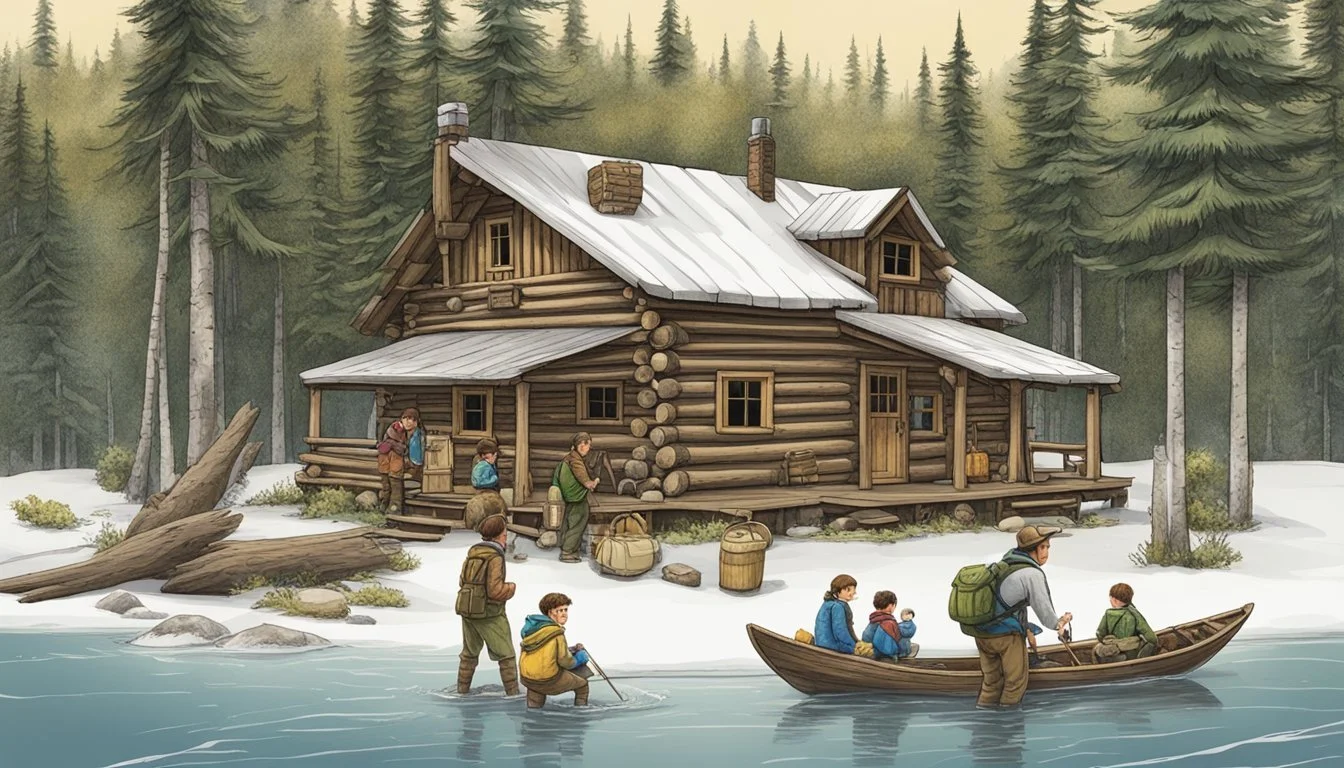
The Brown family established their existence deep within Alaska's untamed wilderness, far removed from modern society's conveniences. They chose this isolated lifestyle to foster a deeper connection with nature and develop self-sufficiency skills critical for survival. Billy Brown, originally from Texas, felt drawn to Alaska's raw beauty and believed this environment would strengthen family bonds while teaching valuable life lessons.
Their remote homestead represented a deliberate choice to abandon conventional comforts in exchange for a more authentic relationship with the natural world. The family embraced this challenging lifestyle, developing specialized knowledge and techniques that allowed them to thrive where others might struggle.
Constructing Resilient Housing in Extreme Conditions
The Browns mastered the art of building sturdy shelters capable of withstanding Alaska's punishing climate. Using timber harvested from surrounding forests, they constructed log cabins entirely by hand—a labor-intensive process requiring significant physical effort and woodland knowledge.
Wood-burning stoves formed the heart of each dwelling, providing essential warmth during brutal winters when temperatures plummeted dangerously low. The family's daily routine revolved around gathering and processing sufficient firewood to maintain comfortable indoor temperatures.
Each family member contributed to these critical construction and maintenance tasks, developing carpentry skills and understanding structural requirements for wilderness buildings. Their shelters stood as testament to their resilience and ability to adapt indigenous building techniques to their specific environmental challenges.
Hunting Practices and Meat Preservation
The family relied heavily on hunting to secure protein-rich food sources essential for survival in the harsh Alaskan environment. They developed sophisticated tracking and hunting techniques focused primarily on large game animals including deer and moose, which could provide substantial quantities of meat.
After successful hunts, the Browns implemented traditional preservation methods such as:
Smoking: Using wood smoke to cure and preserve meat
Drying: Creating jerky and other dehydrated products
Proper storage: Keeping preserved meat safe from predators
These preservation techniques proved vital for surviving winter months when fresh game became scarce. The family's hunting practices emphasized sustainable harvesting and complete utilization of each animal, minimizing waste while maximizing available nutrients.
Fishing Techniques and Food Preservation
Alaska's abundant waterways provided the family with essential food resources, particularly salmon and other fish species. The Browns developed effective fishing methods adapted to different seasons and water conditions.
Preservation Method Purpose Duration of Storage Smoking Dehydration and flavor 2-3 months Salting Prevent bacterial growth 4-6 months Drying Remove moisture 3-4 months
The family constructed smokehouses using available materials, creating controlled environments for preserving their catch. These structures needed careful design to maintain appropriate temperature and smoke levels while protecting the food from wildlife intrusions.
Fish provided not only immediate meals but also crucial food reserves for periods when fresh options became limited. The family's expertise in catching and preserving fish represented a cornerstone of their wilderness survival strategy.
Wild Plant Harvesting for Food and Medicine
The Browns developed extensive knowledge of Alaska's edible and medicinal plants through careful observation and practical experience. During warmer months, they regularly gathered:
Wild berries (blueberries, salmonberries, cranberries)
Edible mushrooms
Nutritious roots and tubers
Leafy greens and shoots
This botanical knowledge served dual purposes—diversifying their diet with vital nutrients while providing natural remedies for common ailments. The family learned to identify which plants could safely be consumed and which possessed healing properties.
Foraging activities followed seasonal patterns, with intensive harvesting during summer and early fall to create reserves for winter months. Their understanding of plant life cycles and optimal harvesting times maximized both nutritional value and preservation potential.
Water Collection and Purification Methods
Securing clean drinking water remained a constant priority for the family. They strategically established their homestead near reliable water sources like streams or springs, but recognized that even wilderness water required treatment before consumption.
The Browns employed several purification techniques:
Boiling to kill harmful microorganisms
Creating filtration systems using natural materials
Collecting rainwater during appropriate seasons
Winter presented unique challenges as their water sources often froze solid. During these periods, they melted snow and ice for drinking, cooking, and minimal hygiene needs. Water collection became a daily task requiring significant time and energy regardless of season or weather conditions.
Crafting and Adapting Weather-Appropriate Attire
The family's clothing strategy centered on practical functionality rather than fashion. They learned to create and modify garments suitable for Alaska's extreme temperature variations and precipitation patterns.
Effective layering formed the foundation of their approach to wilderness clothing. They often repurposed materials, combining manufactured items with natural elements like fur for enhanced insulation. The Browns became skilled at mending and maintaining their clothing, extending the usable life of each garment through careful repairs.
Their practical approach to attire incorporated traditional knowledge about natural materials' properties, particularly understanding which substances provided optimal protection against moisture, wind, and freezing temperatures. These clothing adaptations proved essential for outdoor activities in harsh conditions.
Cultivating Independence and Adaptability
Living in wilderness isolation required the Browns to develop extraordinary self-reliance. Each family member, regardless of age, contributed meaningfully to collective survival through assigned responsibilities and shared knowledge.
Children received practical education in critical skills:
Wildlife identification and behavior patterns
Safe tool usage and maintenance
Navigation techniques
Weather prediction
The family cultivated remarkable resourcefulness, finding creative solutions to problems using available materials. When equipment broke, they engineered repairs rather than seeking replacements. This adaptability extended to all aspects of their existence, from tool improvisation to food acquisition strategies as environmental conditions changed.
Remote Medical Care and Emergency Response
Medical emergencies posed significant challenges given the family's extreme isolation from healthcare facilities. The Browns developed comprehensive first aid knowledge and identified local plants with medicinal properties to address common health issues.
For minor injuries and illnesses, they relied on:
Natural remedies derived from local plants
Basic medical supplies they maintained on-site
Knowledge passed down through generations
The considerable distance to medical facilities meant preventative practices received high priority. They exercised caution during potentially dangerous activities like tree cutting or wildlife encounters. Serious injuries would necessitate lengthy journeys to reach professional medical care, adding urgency to their preventative approach and careful risk assessment.
Life Off the Grid: Before Fame Found Them
The Brown Family's Natural Existence
The Brown family, led by patriarch Billy and matriarch Ami, established a remarkable off-grid lifestyle deep in the Alaskan wilderness long before television cameras discovered them. Their daily existence revolved around self-sufficiency and survival in one of America's most challenging environments. The family built their own log cabins using materials from the surrounding forests, constructing shelters sturdy enough to withstand Alaska's brutal winters.
Heating these handmade homes required constant work. Each family member participated in chopping and gathering wood for their wood-burning stoves—a critical daily task as temperatures plummeted below freezing. The Browns developed effective systems for food acquisition, with hunting large game like deer and moose providing substantial protein sources that could be preserved for months.
Fishing played an equally vital role in their diet. They became skilled at catching and preserving salmon through smoking and salting techniques, building makeshift smokehouses to extend their food supplies. Foraging supplemented their meals, as they learned to identify edible wild plants, berries, and mushrooms that added variety and nutrition to their diet.
Adapting to Wilderness Challenges
Water procurement presented ongoing challenges for the Brown family. They strategically positioned themselves near natural water sources, developing purification methods using rocks, sand, and charcoal, or simply boiling water to make it safe for consumption. During winter, they melted snow and ice when streams froze over.
Clothing needs demanded creativity and resourcefulness. The family crafted and adapted garments using natural materials for insulation, layering effectively against Alaska's extreme conditions. They constantly repurposed items, stitching together available materials to create protective outerwear.
Medical self-sufficiency was essential given their remote location. The Browns learned basic first aid and utilized medicinal plants from their surroundings to treat minor ailments. Serious injuries posed significant risks, as the nearest town could be days away—making prevention and caution paramount in their daily activities.
Though largely isolated, the family occasionally interacted with other remote Alaskans, sometimes trading for supplies they couldn't produce themselves. These limited social connections provided opportunities to acquire resources and learn new skills before their lifestyle eventually caught the attention of television producers.
The Journey to the Small Screen

From Wilderness to Fame
The Brown family established a reputation for their self-sufficient lifestyle deep in the Alaskan wilderness long before television cameras captured their daily lives. Billy and Ami Brown deliberately chose this remote existence, moving progressively farther into Alaska's untamed territories to create a life connected to nature. Their survival depended on practical skills: constructing hand-built log cabins strong enough to withstand harsh weather, maintaining wood-burning stoves, and developing hunting and fishing expertise. The family became adept at preserving meat through smoking and drying techniques, identifying edible plants, and creating clothing suitable for extreme conditions.
Each family member contributed to their collective survival. Children learned essential skills from an early age—how to chop wood, hunt game, and identify safe plants for consumption. This isolated existence required exceptional self-reliance, as medical emergencies meant traveling hours or days to reach the nearest town.
The Family's Role in Creating the Series
The Discovery Channel approached the Browns after recognizing the unique story of this family surviving in such challenging conditions. Initially hesitant about allowing cameras into their private world, the family eventually agreed, seeing an opportunity to maintain their lifestyle while sharing their experiences with others. When the show debuted in 2014, viewers were immediately drawn to their resilience and distinctive way of life.
Each Brown family member brought something special to the series. Billy's leadership and vision for their wilderness existence formed the foundation of their story. Ami's strength and maternal guidance helped maintain family cohesion despite difficult circumstances. The seven children displayed various talents adapted to wilderness survival, from hunting skills to creative problem-solving approaches.
The family's authentic struggles resonated with audiences. Their methods of gathering food, building shelters, and surviving extreme weather conditions provided educational content while their close family dynamics added emotional depth to the show.
Fame's Effect on Their Wilderness Lifestyle
The transition from anonymous wilderness dwellers to television personalities created significant changes for the Browns. Their private existence suddenly became public entertainment, viewed by millions across the world. This newfound fame brought both opportunities and challenges to their established way of life.
The show's success provided financial benefits that the family hadn't experienced during their years of subsistence living. However, this prosperity came with increased scrutiny from viewers who questioned aspects of their portrayed lifestyle.
Public recognition made maintaining true isolation increasingly difficult. Their previously remote existence now included production crews, filming schedules, and the knowledge that their actions would be broadcast worldwide. This visibility also led to interactions with fans, creating a different kind of connection to the outside world than what they had previously experienced.
Despite these changes, the family attempted to preserve essential elements of their original lifestyle while adapting to their new reality as television personalities. The balance between maintaining authenticity and meeting the demands of creating a successful television series became an ongoing challenge throughout their time on the show.
The Devastating Loss and Subsequent Journey
The Brown family's wilderness adventure took a tragic turn when patriarch Billy Brown faced serious health challenges. After experiencing respiratory problems for years, Billy's condition worsened significantly during the later seasons of their show. His health struggles became increasingly apparent to viewers who had followed the family's journey through the Alaskan wilderness and their later relocation.
On February 7, 2021, Billy Brown suffered a fatal seizure at the age of 68. The sudden loss devastated the tight-knit family who had always relied on his leadership and wilderness knowledge. Billy's passing shocked not only his loved ones but also the millions of fans who had welcomed the Browns into their homes through television screens.
The news of Billy's death spread quickly through social media when Bear Brown, one of his sons, shared the heartbreaking announcement. "We are heartbroken to announce that our beloved patriarch Billy Brown passed away last night after suffering from a seizure," Bear wrote in his emotional post, reflecting the family's profound grief.
Emergency medical technicians attempted to save Billy's life, but despite their efforts, he could not be resuscitated. His death certificate later revealed that his seizure occurred due to cardiac arrest following years of respiratory issues that had plagued him during the family's time filming their reality show.
Billy's health problems had been hinted at throughout later seasons. He had been hospitalized for respiratory issues previously, with the family often expressing concern about his declining health. The harsh conditions of wilderness living had taken a toll on his body over decades of the rugged lifestyle he championed.
For the Brown family, Billy's passing represented more than just the loss of a father and husband—it meant losing their spiritual guide and the visionary behind their unique way of life. His dream of living self-sufficiently in the wilderness had shaped their entire existence, and his absence left an unmistakable void in their family structure.
Following Billy's death, the family faced difficult decisions about continuing their show and wilderness lifestyle. Ami Brown, who had herself survived a battle with advanced lung cancer in 2017, now faced the challenge of guiding the family without her partner of more than 40 years.
The production of Alaskan Bush People continued, but with a noticeably different tone. Episodes that aired after Billy's passing included emotional tributes to his memory and showed the family working through their grief while attempting to honor his legacy by maintaining the self-sufficient lifestyle he had championed.
The family created several memorials for Billy on their Washington property, including special gathering places where they could remember him. These touching tributes demonstrated how deeply his philosophy of family unity continued to influence them even after his passing.
Billy's death marked a turning point for the reality show that had documented their lives for so many years. While the program continued for a time, viewership began to decline as the heart of the show—Billy's charismatic leadership and wilderness vision—was irreplaceable.
