
What Makes Alaskan Bush People So Emotionally Addictive
Exploring the Show’s Deep Appeal
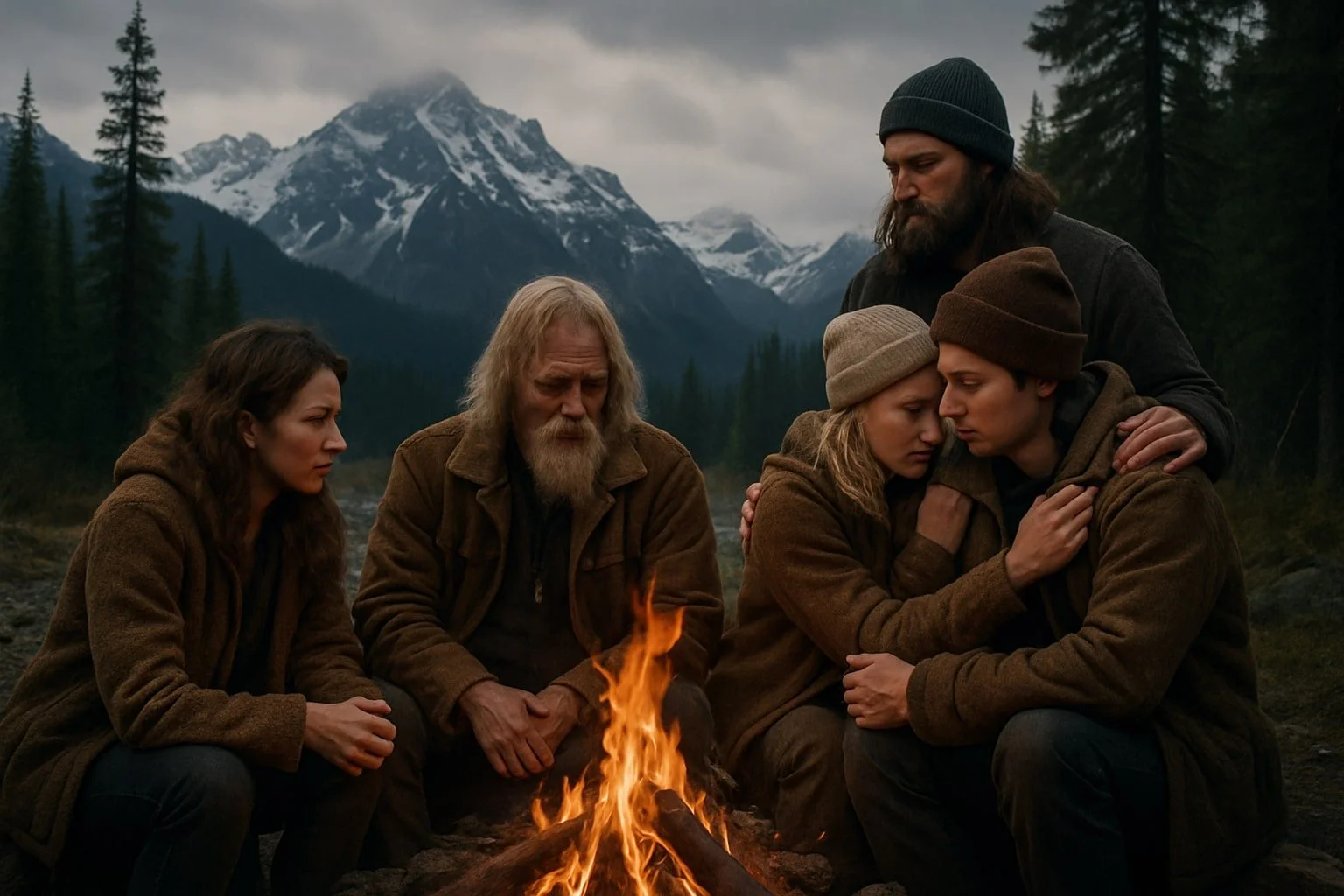
What draws viewers to Alaskan Bush People on the Discovery Channel is the show's raw portrayal of family dynamics in extreme conditions, creating an emotional pull few reality shows achieve. The series blends the intrigue of remote wilderness living with the real challenges and struggles faced by the Brown family, such as addiction and internal conflicts. These genuine obstacles and moments of vulnerability allow audiences to form strong psychological and emotional connections with the characters.
Alaskan Bush People stands out because it showcases not just survival, but also the relatable bonds and setbacks all families encounter—just in a dramatically different setting. For many, the appeal lies in watching the family confront adversity, support each other, and at times, deal with controversy, making their storylines compelling and easy to invest in emotionally.
The Unique Appeal of Alaskan Bush People
Alaskan Bush People stands out on Discovery Channel’s reality TV lineup by blending real survival situations with the drama of family life. The series focuses on the Browns’ navigation of wilderness living, their attempts to maintain self-reliance, and the allure of a lifestyle far removed from modern society.
Authenticity Versus Inauthenticity
Viewers are often drawn to Alaskan Bush People for its presentation of "authentic" off-the-grid living in remote Alaska. The show highlights the family’s resourcefulness, from crafting tools to building shelters, which appeals to audiences interested in practicality and survival skills. However, questions about inauthentic scenes and staged moments have occasionally surfaced.
For some, these concerns undermine the sense of reality, while others remain captivated by the family dynamic and dramatic tension, regardless of alleged fabrication. The frequent debate between authenticity and inauthenticity adds another layer to the viewing experience, prompting discussions in online forums and fan circles. Despite criticism, many continue to find value in the show’s depiction of adaptation and sometimes imperfect attempts at wilderness life.
Connection to Nature and the Wilderness
Nature plays a starring role in every episode. The Brown family’s daily activities—hunting, fishing, gathering, and building—demonstrate a strong bond with the Alaskan wilderness. Wide sweeping shots of forests, snow, and remote waters serve as reminders of Alaska’s vast and often unforgiving beauty.
This continuous exposure to real Alaskan landscapes allows viewers, especially those living in urban or suburban areas, to experience a vicarious connection to places they may never visit. The show offers insight into Alaskan culture, specifically traditions of living with rather than against nature. For some, it is this close relationship with the environment that fuels the emotional draw of the series.
Isolation and Off-the-Grid Living
Isolation is a key theme of the series. The Brown family's lifestyle requires disconnecting from roads, modern conveniences, and sometimes even neighboring communities. This off-the-grid existence has both physical and emotional impacts on the family, shaping their interactions and challenges.
For viewers, this glimpse into isolation is both fascinating and thought-provoking. The family's adaptation to living without standard comforts sheds light on the real hardships and unexpected rewards of stepping away from mainstream society. The depiction of self-reliance, resilience, and coping with loneliness gives audiences a unique look at what it truly means to thrive in the wild.
The Brown Family: Central Figures and Backstories
The Brown family forms the core of Alaskan Bush People, with each member’s unique personality and challenges shaping the show’s narrative. Their daily lives, survival strategies, and interpersonal relationships create compelling television that draws viewers in.
Billy Brown and Ami Brown: The Family Patriarch and Matriarch
Billy Brown and his wife, Ami Brown, led the family both on-screen and off. Billy, the patriarch, guided major decisions, often emphasizing independence and a self-sufficient lifestyle. His leadership style was shaped by his own upbringing and desire to live apart from mainstream society.
Ami’s resilience, especially during her publicized battle with cancer, became a pivotal storyline. The family's dramatic relocation out of Alaska was prompted by her health. Ami was seen as the emotional anchor, offering support even in uncertainty.
Together, Billy and Ami instilled a sense of unity and provided the values that shaped the family’s identity. Their relationship, struggles, and perseverance have remained central to the show’s progression.
The Brothers: Bear, Noah, and Matt Brown
Among the Brown children, Bear, Noah, and Matt stand out due to their distinct personalities and contributions to the family. Matt, the oldest son, faced personal challenges, including struggles with sobriety, which became a focus for both the family and viewers.
Bear, known for his high-energy antics and enthusiasm for outdoor adventure, added moments of levity but also faced relationship and personal challenges. He emphasized the "extreme" approach to bush life, appealing to viewers who craved drama and unpredictability.
Noah, with his interest in engineering and building, contributed to the family's survival with inventive projects. He often acted as the problem-solver, creating tools and solutions that helped the Browns adapt to new environments.
Table: Key Traits of the Brown Brothers
Member Primary Role Notable Traits Matt Oldest brother Personal struggles Bear Adventurer Energetic, dramatic Noah Inventor/Builder Problem-solver, ingenious
Family Dynamics and Drama
The Brown family's dynamics are marked by close bonds complicated by external pressures and internal conflicts. Sibling rivalries, disputes, reconciliations, and navigating life changes all contribute to the emotional weight of the series.
Legal and personal drama has also shaped their story. Recent headlines reported legal troubles involving younger family members, creating tension and uncertainty within the group. The Browns have faced accusations, disputes with outsiders, and the impact of their lifestyle choices on public perception.
Despite hardships and frequent moves, the Browns continue to project a sense of unity. Their ability to face adversity and adapt together is a recurring aspect that attracts viewers and sets their story apart.
Emotional Storylines and Health Struggles
Alaskan Bush People is known for its intense focus on real-life hardships, giving viewers insight into the personal battles the Brown family faces. Physical ailments, addiction, and mental health challenges are depicted with clear attention to detail, making the reality both raw and relatable.
Battling Illness and Health Challenges
Serious health issues have been central to the series. Ami Brown’s fight with lung cancer drew widespread attention and was portrayed in detail, from diagnosis to her treatment journey. The challenges included frequent travel for medical care, financial strain, and the uncertainty her illness brought to the entire family.
Pneumonia, injuries, and other medical emergencies also disrupted their remote lifestyle. These incidents forced the Browns to confront the limits of living off the grid, revealing the risks and sacrifices involved. Medical setbacks often became turning points, altering family routines and priorities.
The portrayal of these health crises has helped viewers understand the practical implications of rural survival. Family support, reliance on outside medical care, and emotional resilience are shown as vital in facing such diagnoses.
Addiction, Substance Abuse, and Rehabilitation
Addiction has also played a significant role, especially through Matt Brown’s public struggles with substance abuse. His journey through addiction, periods of rehab, and the family’s support during his recovery are covered in several seasons. The series does not shy away from showing the impact of alcohol and drug dependency on both the individual and their loved ones.
Other family members have discussed substance abuse as a coping mechanism for trauma and stress related to bush life. This openness about addiction provides transparency and raises awareness about mental health services and rehabilitation options, without sensationalism.
Viewers see both the setbacks and progress involved in recovery. By documenting periods of relapse and sobriety, the show gives a grounded view of the complex path to overcoming addiction, making it an emotional anchor for many viewers.
Mental Health, Depression, and Sobriety
The series frequently addresses broader mental health topics, including depression and ongoing battles with sobriety. Episodes have explored the emotional toll isolation can take, especially in harsh conditions. Several family members have spoken about experiencing depression, anxiety, and the struggle to maintain positive mental health.
Access to mental health services is limited in remote areas, and this reality is shown as the family navigates loneliness and personal loss. Open discussions about seeking help—whether through counseling or support groups—are highlighted as healthy responses.
Sobriety is not treated as a one-time achievement but a continual effort. Storylines often center on setbacks and the importance of emotional support, emphasizing the necessity of mental health care for long-term well-being.
Relatability and Human Connection in Extreme Settings
Alaskan Bush People draws viewers in by depicting authentic emotional struggles faced in harsh environments. The cast’s challenges are magnified by physical isolation, constant exposure to the public eye, and the reality of living far from major cities like Los Angeles.
Coping with Isolation and Social Pressures
Isolation is a defining feature of the Brown family’s life in rural Washington State.
Unlike urban settings, where neighbors and resources are close by, they must rely on each other for daily survival and social interaction. The distance from towns, combined with Washington’s extreme weather, creates a unique sense of solitude. Viewers connect to this experience, recognizing elements of isolation from their own lives—whether emotional, social, or physical.
Living in relative seclusion puts every argument, triumph, and loss under intense scrutiny. Meanwhile, their rare visits to civilization, sometimes as stark as a trip from wilderness to places like Los Angeles, highlight their discomfort in social situations due to limited exposure. This vulnerability resonates with audiences who have struggled with social pressures in unfamiliar or high-stakes settings.
Overcoming Adversity and Resilience
Enduring the extreme weather of Washington’s wilderness, the family faces seasonal threats like heavy snow, flooding, and unpredictable storms.
These hardships demand adaptability, resourcefulness, and collective problem-solving. Survival means more than building shelter—it requires resilience in the face of repeated setbacks. The series shows moments when members support each other through injury, disappointment, or loss, strengthening family bonds.
Viewers see real, unscripted reactions to adversity: frustration when plans fail, joy in small victories, and persistence after repeated challenges. These moments of resilience are not exaggerated but shown as gradual, hard-earned progress. This authenticity lets audiences witness not just survival, but the evolution of meaningful connections rooted in mutual support.
Survival Skills and Wilderness Lifestyles
The Brown family demonstrates practical skills in hunting, fishing, and foraging to support their off-grid life. Their experiences highlight adaptation to new environments and creative ways of meeting basic needs.
Hunting and Fishing Traditions
Hunting and fishing are central to the Browns’ ability to sustain themselves in remote Alaska. They regularly hunt deer and small game, practice safe firearm handling, and process meat to reduce waste. Fishing is not limited to rivers and lakes—it extends through the seasons, including the construction of homemade fish traps and ice fishing in winter.
Their fishing often targets salmon and trout, both of which are crucial sources of protein. The family relies heavily on homemade techniques, improvising with makeshift gear when needed. The Browns’ approach underlines the importance of respecting local wildlife regulations and sustainable harvesting.
Foraging and Resourcefulness
Foraging is vital when hunting and fishing yields are low. The Browns identify and collect wild berries, edible plants, and mushrooms native to Alaska. Safe foraging requires deep plant knowledge to avoid toxic varieties, as well as seasonal awareness since availability of food sources changes throughout the year.
They also use wood, stones, and discarded materials to construct tools, shelters, and simple household items. The family’s day-to-day life demonstrates a high level of resourcefulness—repairing clothes, repurposing old machinery, and making use of every available resource. This lifestyle minimizes dependency on outside supplies and strengthens their self-sufficiency.
North Star Ranch and Evolving Settings
After relocating from Alaska, the family established North Star Ranch in Washington State. Although the setting changed, elements of their wilderness lifestyle persist. They adapted their survival skills to the new terrain, facing new animal populations, plant life, and climate conditions.
On North Star Ranch, they continue building shelters, maintaining off-grid power sources, and developing new ways to obtain food through gardening and small livestock. Their evolving environment challenges them to remain flexible, blending traditional Alaskan bush skills with new practices suited to their current home. Their commitment to living off the grid remains a defining aspect of their daily life.
Media Coverage, Reception, and the Impact of Social Media

Media exposure and online interaction have played a crucial role in shaping how "Alaskan Bush People" is perceived. Viewer engagement on various platforms and traditional television ratings both reflect the show's broad appeal and its evolving presence in the public eye.
Viral Moments and Social Media Influence
"Alaskan Bush People" has gained traction through viral clips and fan-driven content on platforms like YouTube and Instagram. Key moments from the show—such as unexpected family events or survival feats—frequently circulate online, generating significant shares and comments.
Social media channels have enabled the Brown family to connect directly with viewers. By posting personal updates and behind-the-scenes content, they influence public perception and clarify rumors during controversies. This approach also helps the show stay relevant, especially when the series goes on hiatus between seasons.
The interactive nature of platforms allows fans to discuss plot developments and character arcs in real time. Social media buzz often contributes to renewed media coverage, keeping the series in the spotlight well beyond its weekly broadcasts.
Audience Ratings and Entertainment Value
Ratings for "Alaskan Bush People" tend to spike during new episodes and season premieres. These numbers are closely monitored by the Discovery Channel and advertisers, as steady viewership demonstrates strong audience investment in the Brown family's story.
The combination of wilderness survival and family dynamics appeals to a wide demographic within reality TV audiences. Entertainment value stems from high-stakes situations, emotional family moments, and the show's unconventional setting.
When the show enters hiatus, fans often turn to repeat viewings or related content online, which sustains discussion and anticipation for future episodes. The ability to drive conversation across multiple platforms helps maintain its position as a notable reality television show.
