
The Dual Lives of Jimmy McGill in Better Call Saul
Explored Through His Transformation and Morality
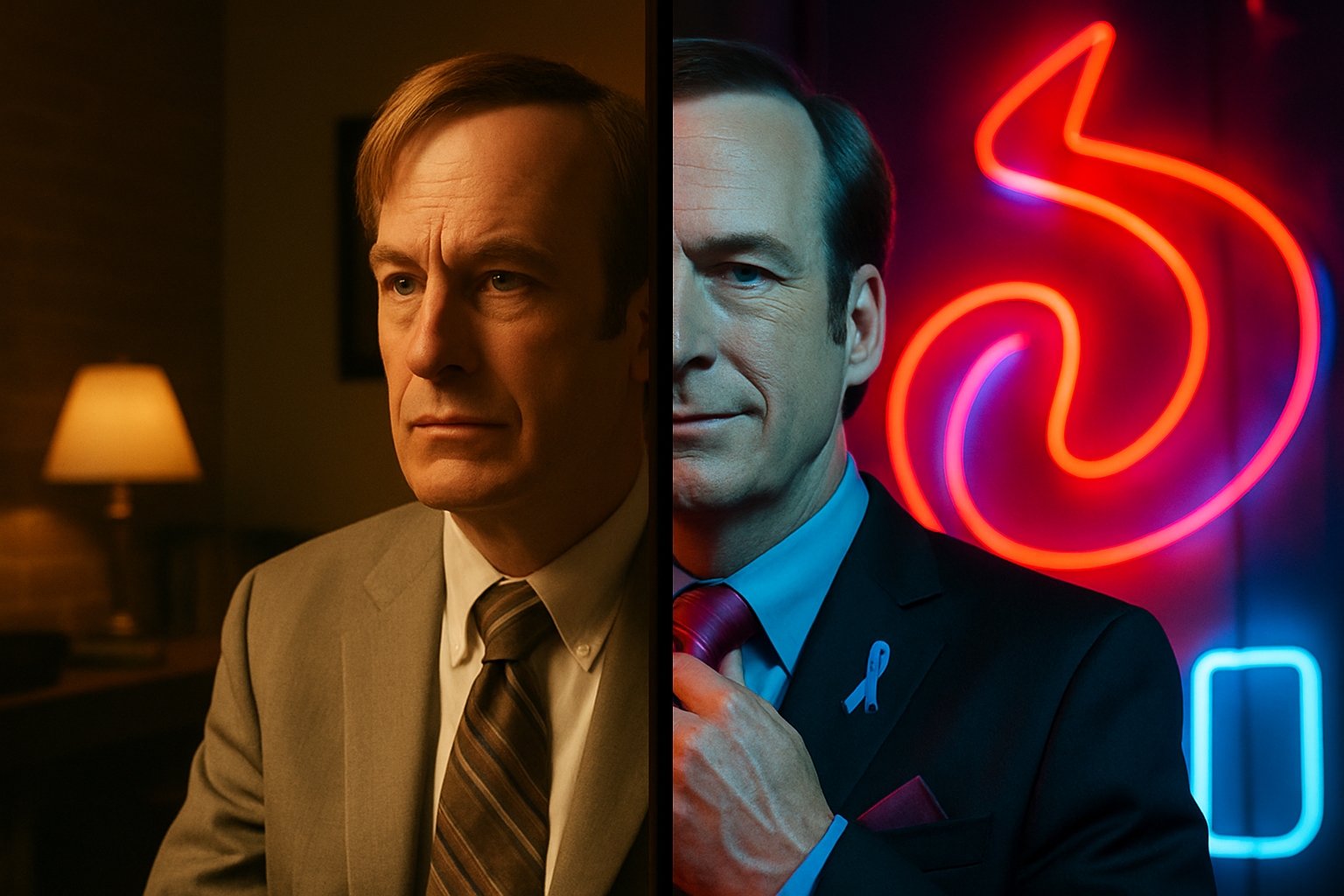
Jimmy McGill’s journey in Better Call Saul is defined by his struggle to balance his identity as both an earnest lawyer and the cunning alter ego, Saul Goodman. This duality drives the narrative, as viewers witness him shift between seeking legitimacy and embracing morally gray schemes. The show carefully explores how his transformation is shaped by personal ambition, legal challenges, and complex relationships.
Audiences become invested as Jimmy repeatedly navigates the blurry lines between legality and crime. His evolution from Jimmy, the ambitious attorney, to Saul Goodman, the morally flexible “fixer,” highlights the consequences of living a double life. Each choice he makes adds new layers to his character, making his story one of the most compelling in the Breaking Bad universe.
The Identity Struggle of Jimmy McGill
Jimmy McGill’s life is marked by dramatic personal transformation, leading him to shift between distinct identities to adapt and survive. His journey from earnest lawyer to the morally flexible Saul Goodman and then to the cautious Gene Takovic highlights his ongoing conflict between authenticity and self-preservation.
From Jimmy McGill to Saul Goodman
Jimmy starts out as a struggling public defender, hoping to prove himself in the legal world and earn the respect of his older brother, Chuck. Despite early aspirations to do good, he finds legal shortcuts more tempting as he encounters barriers and personal betrayals.
The transition to "Saul Goodman" is not a single leap but a gradual process. He adopts the Saul persona to appeal to criminal clients, using a flashy style and underhanded tactics. This transformation is both a reaction to professional rejection and a conscious embrace of a more lucrative, less ethical practice.
Key Moments in Transformation:
Rejection from "respectable" law firms
Manipulation during legal cases
Relationship changes with Kim Wexler
Jimmy’s shift into Saul marks a profound change in his ethics. He willingly lets go of his original identity in favor of one that offers power and security, at significant personal cost.
The Emergence of Gene Takovic
After the fall of Saul Goodman, Jimmy is forced to adopt a completely new identity as Gene Takovic, a reserved manager at a mall Cinnabon in Omaha. This life is intentionally dull and anonymous, designed to keep him hidden from law enforcement.
As Gene, he is haunted by memories of his previous selves. Episodes set in Omaha are shot in black and white, visually conveying the drabness and isolation of this life. Even with these precautions, he cannot fully suppress his instincts for risk and manipulation, leading to tense moments when he is tempted to break free from his constraints.
The Gene identity demonstrates how deeply Jimmy's sense of self is fractured. Hiding from his past, he is constantly on edge, forced to wear a mask that is painfully small compared to his larger-than-life former persona.
Masks and Duality
Throughout the series, Jimmy uses multiple “masks”—literal and figurative—to navigate legal, personal, and criminal worlds. Each identity serves a function, allowing him to survive in systems that seem stacked against him.
Below is a table illustrating the core aspects of each persona:
Persona Key Traits Purpose Jimmy McGill Ambitious, earnest Belonging, acceptance Saul Goodman Brazen, manipulative Success, protection Gene Takovic Cautious, withdrawn Survival, anonymity
Jimmy’s transformations reflect constant tension between who he wants to be and who he must be to cope with external pressure. Each mask becomes harder to remove, blurring the boundaries between performance and reality. For Jimmy, survival often means balancing these dualities, even as they come into conflict with his core identity.
Key Characters Shaping Jimmy's Path
Jimmy McGill’s journey is deeply shaped by the people closest to him. Their decisions, support, and opposition influence his choices and accelerate his transformation into Saul Goodman.
Kim Wexler’s Influence
Kim Wexler plays a pivotal role as both Jimmy’s professional equal and personal partner. Her legal skills challenge and complement Jimmy, while her sense of ethics often clashes with his shortcuts. Kim encourages Jimmy’s better instincts but sometimes enables his risk-taking side.
Their dynamic is marked by mutual respect and complicated trust. Kim is drawn to the excitement of Jimmy’s schemes, even as she grapples with her conscience. This duality pushes both characters to cross professional lines and, in turn, accelerates Jimmy’s moral descent.
Kim’s choices—standing by Jimmy, yet forging her own path—complicate his transformation. Her influence offers him a vision of legitimacy, but also blurs the boundaries between right and wrong, making her essential in both his rise and fall.
Chuck McGill’s Legacy
Chuck McGill is Jimmy’s older brother and a prominent legal figure whose disapproval leaves a lasting mark. He doubts Jimmy’s ethics and tries to keep him from practicing law, believing he’s a risk to the profession. This conflict is central to Jimmy’s feelings of inadequacy and rebellion.
Chuck’s lack of trust is both a motivator and a wound. His attempts to undermine Jimmy, whether by blocking his career or exposing his missteps, push Jimmy further toward deception and resentment. Their sibling rivalry is persistent and deeply personal.
Chuck’s influence is especially clear in Jimmy’s struggle for legitimacy. Despite his efforts, Chuck’s rejection hardens Jimmy and drives him to embrace the Saul Goodman identity, rejecting the values Chuck stood for.
Howard Hamlin’s Role
Howard Hamlin is a partner at Hamlin, Hamlin & McGill and is often seen as an antagonist, though he is more complex than he appears. Early on, Jimmy sees Howard as an obstacle to his legal aspirations, but Howard’s actions often mirror pressures from Chuck rather than personal animosity.
Howard is professionally polished and maintains order within the firm. His management of the situation with Jimmy and Chuck shapes key turning points, including the limitations placed on Jimmy’s legal career.
Despite being a target of Jimmy’s anger and later schemes, Howard is not malicious. He tries to broker peace and uphold fairness, but his decisions inadvertently help push Jimmy onto a more adversarial and unscrupulous path.
Mike Ehrmantraut’s Guidance
Mike Ehrmantraut becomes a crucial figure as Jimmy gets involved with the criminal underworld. Mike is practical, careful, and highly skilled, offering Jimmy advice from a place of experience. Unlike others, Mike does not judge Jimmy’s choices but helps him navigate risk and danger.
Their relationship is pragmatic. Jimmy learns the importance of planning and discipline from Mike, especially as his operations become riskier. Mike respects Jimmy’s intelligence, but warns against reckless actions that invite unnecessary attention.
Mike’s mentorship solidifies Jimmy’s move from bending legal ethics toward outright criminal facilitation. By providing structure and a moral code distinct from the legal world, Mike shapes Jimmy’s evolution into someone at home on both sides of the law.
Transformation Into Saul Goodman
Jimmy McGill’s journey into Saul Goodman is shaped through a series of ethical compromises, mastery of verbal skill, and a pragmatic embrace of the legal gray areas surrounding criminal defense. His transition is gradual, rooted in choices that test his values and ability to manipulate systems to his favor.
Loopholes and Morality
Jimmy exhibits an early fascination with legal loopholes. He carefully studies law not just as a set of rules, but as a tool to be bent or twisted in service of his clients—and himself. This pragmatic view distances him from mainstream morality.
His choices increasingly reveal a willingness to do whatever is necessary to win. He bends the truth, stages events, and exploits the fine print of statutes. The distinction between right and wrong becomes blurred.
Morality for Jimmy becomes a moving target. Each success emboldens him, pushing his ethical boundaries further. His approach represents the reality that the law, for Saul Goodman, is less about justice and more about winning by any means available.
Persuasion and Eloquence
Jimmy’s transformation depends heavily on his skill at persuasion. He is naturally eloquent—able to speak convincingly to judges, clients, and opponents alike. This gift goes beyond simple charisma.
He uses rhetorical techniques, appeals to emotion, and improvisation to sway opinion and forge deals. These abilities help resolve problems that cannot be solved through conventional legal means. Jimmy understands the power of a well-timed story, quick wit, and persuasive arguments.
As Saul Goodman, these talents reach their peak. His courtroom performances become theatrical, and his negotiations frequently blur the line between advocacy and deception. Clients seek him out specifically for his ability to talk circles around the competition.
Becoming a Criminal Lawyer
The phrase "criminal lawyer" takes on a dual meaning in Jimmy’s life. Initially, he aspires to be a lawyer who simply represents criminals. Over time, he becomes a lawyer who commits crimes himself in service of his clients.
His legal strategies grow bolder, often crossing into outright illegality. He forges documents, facilitates scams, and helps clients evade justice. These actions cement his new identity—Saul Goodman.
By adopting the Saul Goodman persona, he fully embraces the criminal aspect of his practice. His reputation attracts a clientele that values results over ethics, completing his transformation into Albuquerque’s go-to criminal lawyer.
Notable Moments of Duality

Jimmy McGill's transformation into Saul Goodman is marked by choices that reveal the contradictions in his character. Major events highlight tensions between his genuine self and his constructed persona as a criminal lawyer.
Scams and Schemes
Jimmy’s history as a scam artist begins long before he becomes a lawyer. He frequently employs cons and sleight-of-hand tricks, both for survival and personal gain. These scams range from petty hustles in his youth to more sophisticated legal maneuvers, often blurring the line between cleverness and illegality.
One crucial example is his manipulation of legal and business proceedings for personal advantage. Whether it's forging documents, switching numbers, or staging elaborate cons, Jimmy shows a comfort with deception that feeds directly into his later persona as Saul Goodman. His inventive yet morally compromised schemes often win temporary victories but deepen his ethical divide.
Jimmy's scam work also impacts people close to him. Kim Wexler, in particular, is drawn into schemes with both legal and personal risks. His willingness to involve her showcases the danger of living two lives and foreshadows bigger consequences down the line.
The Sandpiper Case
The Sandpiper Crossing lawsuit is a turning point in Jimmy’s journey. Initially sparked as a legitimate class-action elder law case, it quickly exposes sharp divisions in his approach to ethics. Jimmy’s drive to win and frustration with the system lead him to tamper with evidence and undermine opponents with questionable tactics.
He uncovers real wrongdoing by Sandpiper, but his methods—such as falsifying documents and manipulating people—are what set him apart from other lawyers. Jimmy’s choices not only strain his relationship with his brother Chuck but also force others, like Kim, to question their trust in him.
This case cements the role his dual identity plays: Slippin' Jimmy cutting corners for the underdog and Saul Goodman bending every rule if it secures a win. The Sandpiper saga is emblematic of the moral compromises that define his professional and personal evolution.
Flashbacks and Trauma
Repeated flashbacks throughout Better Call Saul provide insight into Jimmy’s formative trauma. Childhood memories reveal the emotional scars caused by family instability and his father’s naivete. One sequence shows Jimmy watching his father lose money to con artists, planting early seeds of cynicism.
His complicated relationship with his brother Chuck adds to this trauma. Chuck’s disapproval and lack of trust reinforce Jimmy’s belief that honesty and good intentions cannot be rewarded in their world. Jimmy faces repeated setbacks, rejection, and feelings of inferiority—all shaping his later choices.
These flashbacks are not just narrative devices—they emphasize how past wounds influence his actions. The tension between his desire for legitimacy and his instinct to deceive creates the central duality visible in every stage of his transformation.
The Gene Takovic Persona and Hiding
Gene Takovic represents Jimmy McGill’s ultimate attempt to erase his past and distance himself from his criminal identity. Stripped of the flamboyance and confidence of Saul Goodman, Gene lives a subdued and cautious existence defined by fear and constant vigilance.
Life as a Cinnabon Manager
Working at a Cinnabon in Omaha, Nebraska, Gene Takovic maintains a routine that is remarkably different from his past lives. His role involves repetitive tasks—making cinnamon rolls, cleaning, and supervising employees. He avoids unnecessary conversation and keeps a low profile to reduce the risk of being recognized.
Jimmy as Gene adopts caution in every interaction, from glancing over his shoulder to avoiding personal connections. Even his name tag and lack of personal possessions highlight his commitment to anonymity. The Cinnabon job symbolizes his self-imposed exile from his former world and ambitions.
Gene's existence as a Cinnabon manager is marked by monotony and a deliberate suppression of personality traits that once defined Saul Goodman. The job provides financial survival but strips him of professional fulfillment and identity, reflecting his surrender to living in hiding.
Introspection and Isolation
Isolation defines Gene’s private life. He spends most of his time alone, reflecting on the choices that led him to this point. The silence of his apartment and the lack of meaningful relationships leave him continually wrestling with regret and anxiety.
Gene’s introspection often surfaces in quiet moments. He replays past actions and weighs the consequences, revealing a deep internal struggle between self-preservation and the desire to reclaim agency. The tension between embracing anonymity and longing for connection is central to his daily life.
The fear of exposure is ever-present. When someone appears to recognize him, panic sets in and his composed exterior quickly crumbles. This ongoing threat reinforces Gene’s withdrawal from social life and highlights the psychological cost of his double existence.
Relationships and Consequences
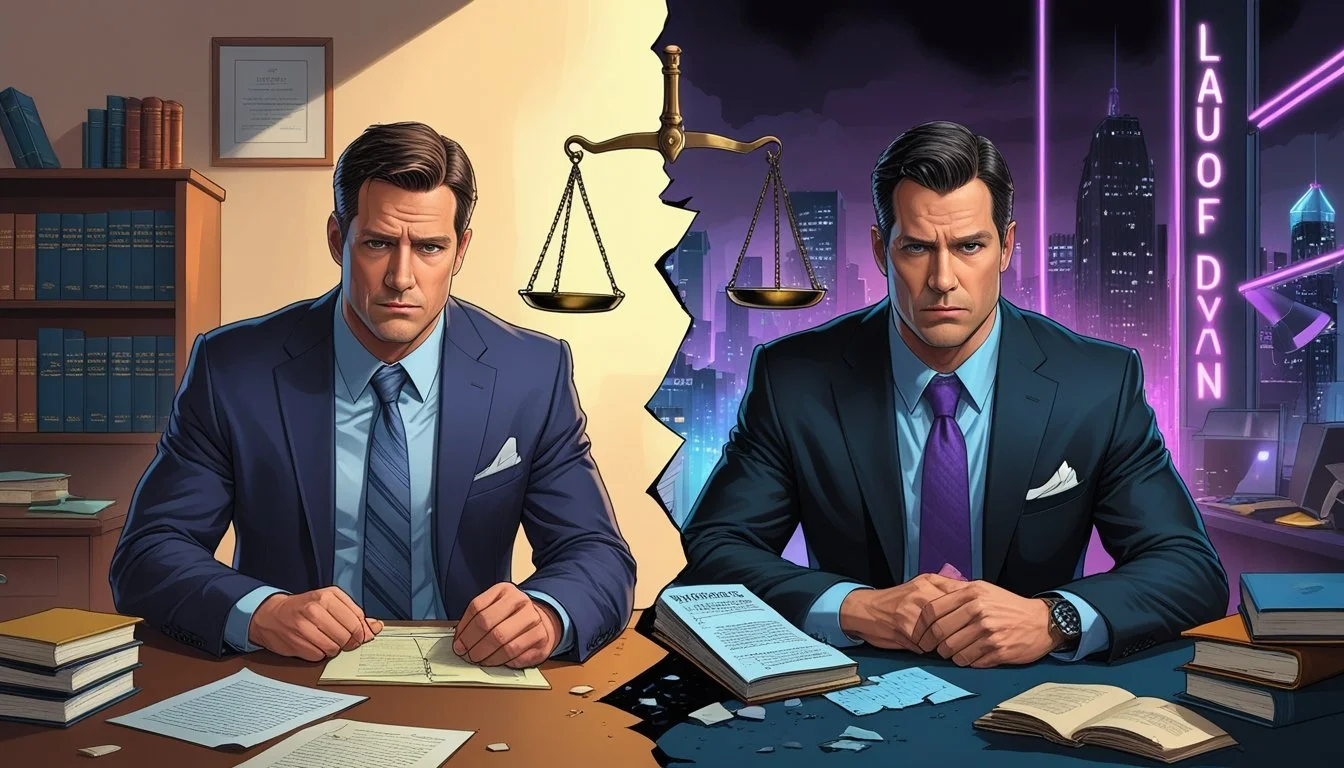
Jimmy McGill’s decisions ripple outward, influencing not only his fate but the lives of those around him. His ties to both criminal and legitimate worlds reveal how personal relationships drive choices and shape his journey toward or away from redemption.
Connections with Breaking Bad Characters
Jimmy's transformation into Saul Goodman forges crucial links with major figures from Breaking Bad. His dealings with Walter White bring him deep into the drug empire, where he serves as both advisor and enabler.
This involvement is not just professional—Saul becomes a lifeline and a liability to those navigating the criminal underworld. His connection to Marie Schrader, though less direct, highlights the collateral damage caused by his legal maneuvering and association with the cartel.
The dynamics with these characters showcase the consequences of Jimmy’s duality. Lawyer and criminal, advocate and manipulator—his role blurs moral boundaries. Ultimately, every alliance pulls him further from his earlier self, echoing the complexities of choice and responsibility.
Table: Key Breaking Bad Connections
Character Nature of Relationship Consequence Walter White Lawyer, confidant Deeper criminal ties Marie Schrader Legal consequences Indirect victimization Drug empire Legal counsel, facilitator Moral and legal decline
Community and Redemption
Despite his criminal ties, Jimmy’s sense of community never vanishes completely. His relationships with clients, especially vulnerable individuals, reveal lingering compassion beneath the Saul Goodman persona.
Interactions with Kim Wexler outline his constant push-pull between self-interest and genuine care. When faced with the fallout from his choices, Jimmy confronts guilt and a desire for redemption.
The consequences that stem from his manipulation of the legal system ripple through the community. Moments of remorse, often prompted by seeing harm done to ordinary people, show that he cannot fully escape his conscience.
Efforts to make amends—though complicated and sometimes unsuccessful—display a nuanced search for redemption. The persistent tension between seeking acceptance and grappling with guilt underscores his complex humanity.
Morality and Legal Boundaries
Jimmy McGill operates in a world of shifting ethical standards, often walking a fine line between right and wrong. His decisions stem from the interplay between personal values, professional ambition, and the constraints of the legal system.
Integrity Versus Ambition
Jimmy’s early career illustrates his struggle to maintain integrity. At HHM, he faces skepticism about his past as “Slippin’ Jimmy” and strives to prove his legitimacy. His work on the class-action lawsuit against Sandpiper Crossing highlights both his dedication and his frustration at being sidelined by corporate partners.
His ambition frequently puts him at odds with his moral code. To gain traction in the legal world, he bends rules or resorts to questionable tactics—actions that erode his integrity over time. This erosion is less about inherent corruption and more about incremental compromises justified by necessity or emotional drive.
The pressure of living up to professional expectations, and the desire to escape his brother Chuck’s shadow, push Jimmy to prioritize career advancement. Occasionally, he tries to do the right thing but ends up choosing the expedient path, illustrating how legal success and personal ethics can conflict deeply.
Courtroom Strategies
Jimmy’s courtroom tactics are shaped by a blend of legal knowledge and creativity. He is adept at identifying loopholes, often using them to benefit clients or himself. These methods include exploiting technicalities, orchestrating dramatic presentations, and challenging conventional procedure.
One notable example is his representation in minor criminal cases, where he uses unorthodox arguments to sway juries or judges. In the class-action lawsuit, he leverages procedural nuances to expose elder abuse, although his self-serving motives sometimes surface.
Jimmy’s willingness to push ethical limits distinguishes him from peers at HHM. While some see his actions as resourceful, others view them as reckless or dishonest. The result is a reputation for colored morality—effective in court but ethically ambiguous.
Downfall and Final Reckoning
Jimmy McGill’s journey reaches a critical turning point as he faces the consequences of his actions and embraces difficult truths. The interplay between confession, identity, and acceptance drives the closing chapters of his story.
Confession and Courage
In a dramatic courtroom scene, Jimmy steps away from his deal for a lighter sentence and openly confesses to the full scope of his involvement in Walter White’s criminal empire. His willingness to acknowledge responsibility marks a departure from years of self-preservation and deceit. He details his role not only in Saul Goodman’s crimes but in the personal betrayals that pushed Kim Wexler away.
This moment demonstrates a level of courage previously absent in his character. Jimmy parses the distinction between Saul and himself, admitting that both personas are part of one flawed individual. He refuses to hide behind excuses, instead taking ownership of choices that led to irreversible harm.
The Series Finale and 'Saul Gone'
The finale, titled “Saul Gone,” underscores the collapse of the Saul Goodman persona. The narrative centers on Jimmy’s final act of honesty in court, where he voluntarily surrenders his carefully negotiated sentence. By confessing in full, he reclaims his real name—Jimmy McGill—abandoning the mask that shielded him for years.
Key figures, including attorney Bill Oakley, witness Jimmy’s transformation from selfish operator to contrite defendant. This shift is captured through powerful flashbacks and tense exchanges that spotlight pivotal moments in his past. The episode closes with a sense of resolution, as Jimmy accepts the repercussions of his actions.
Life in Federal Prison
Jimmy is sentenced to 86 years in federal prison, symbolizing the complete end of the Saul Goodman era. Life behind bars strips him of influence and material rewards, but it brings a measure of peace. Fellow inmates refer to him as “Better Call Saul,” a reminder of his former identity and notoriety.
Kim visits him in prison, and their brief, honest connection in the final scene highlights what was lost and what endures. Though his world is confined, Jimmy’s internal reckoning offers a different kind of freedom. His acceptance of guilt stands as the true conclusion to his saga.
The Creative Vision Behind Jimmy’s Dual Lives
The unique structure and visual style of Better Call Saul drive home the stark contrast between Jimmy McGill’s two identities. Much of this is the result of Vince Gilligan’s distinct creative approach and the deliberate use of flashbacks to reveal Jimmy’s formation.
Vince Gilligan’s Direction
Vince Gilligan, the co-creator of Better Call Saul, uses careful visual cues and narrative pacing to highlight Jimmy’s conflicting identities. He often guides the production team to use lighting, color, and framing to distinguish Jimmy’s past from his present. For example, warmer colors and softer lighting are associated with his early, more hopeful days, while cooler tones dominate scenes of Saul Goodman’s emergence.
Gilligan’s directive is not just aesthetic. He instructs writers and actors to explore Jimmy’s moral ambiguity. Jimmy’s transformation into Saul Goodman is shown through subtle shifts in body language and dialogue. This attention to detail shapes the viewer’s perception, making the transition feel both organic and unavoidable.
Production choices under Gilligan, such as the use of long, silent takes, create a meditative quality that encourages the audience to reflect on Jimmy's internal struggle. These moments emphasize the duality rather than merely stating it.
The Role of Flashbacks
Flashbacks are a key narrative device in Better Call Saul, revealing crucial details from Jimmy’s past that shaped his present. Early life scenes in Cicero, his relationship with his brother Chuck, and formative legal experiences are given significant screen time.
These glimpses are not only chronological explanations but also strategic revelations that add depth to Jimmy’s motivations. The flashbacks are inserted at moments when Jimmy faces decisions echoing his earlier life, underscoring the link between the past and the choices he faces.
By doing this, the show avoids traditional exposition. Instead, emotional context is built through visuals and actions. Patterns of behavior repeat across timelines, reinforcing the idea that Jimmy’s duality is rooted deep within his experiences, not just his current circumstances.
