
The Pool as a Repeating Symbol of Fate in Breaking Bad
How Water Reflects Destiny Throughout the Series

Throughout Breaking Bad, the swimming pool appears again and again during significant turning points in Walter White’s life. The pool serves as a recurring symbol of fate, reflecting the consequences and transformation brought about by Walt’s choices. Its presence marks moments of tragedy, conflict, and moral descent.
Whether it’s the floating debris after the plane crash or Walt’s silent reflection by the water, the pool becomes more than just a backdrop—it visually connects key events that shape the course of the story. Viewers are drawn back to it as a space where decisions, loss, and the weight of Walt’s actions gather significance.
By tracing the use of the pool in different seasons, it’s possible to see how this seemingly ordinary feature becomes a silent witness and symbol for the inevitable outcomes that Walt and those around him cannot escape.
Overview of the Pool as a Symbol in Breaking Bad
Swimming pools appear consistently throughout Breaking Bad, offering a tangible and visual anchor for key moments. These scenes often coincide with turning points for Walter White and his family, intertwining fate, choice, and consequence.
Establishing the Pool Motif
The swimming pool at the White residence is introduced early and remains a recurring location. It serves both as a backdrop and a focal point for Walter White's personal transformation.
Vince Gilligan, the show's creator, uses the pool to anchor major dramatic shifts. Moments at the pool—such as Skyler's attempted escape and Walt's contemplative stares—signal changes in family dynamics and growing suspense.
The pool also becomes associated with the consequences of criminal choices. It is visually present during family discussions and arguments, marking significant divisions and unresolved tension within the household.
Visual and Narrative Significance
The blue water of the pool contrasts sharply with the show's increasing darkness—visually mirroring Walter’s descent. The clean, reflective surface often acts as a mirror for a character’s internal conflict or looming fate.
Events involving the pool frequently foreshadow danger or moral shifts. For example, Skyler’s walk into the pool and Holly’s near-drowning both force characters to confront the cost of Walt’s actions.
By placing dramatic and suspenseful events around the pool, Breaking Bad physically grounds its exploration of fate. The pool becomes a silent witness, reinforcing themes of repetition and inevitability at critical narrative junctures.
Recurring Pool Scenes and Their Connection to Fate
Throughout Breaking Bad, the backyard pool is more than a backdrop. It emerges as a place charged with suspense and tension, reflecting the changing fates of the characters and foreshadowing pivotal events in the narrative.
Iconic Pool Moments Across the Series
The pool at Walter White’s home appears repeatedly, marking several critical episodes. Notably, in Season 2’s finale, the image of a burnt pink teddy bear floating in the water follows the midair plane collision—an event tied directly to Walt’s actions. This visual motif is enhanced by the unexplained appearance of wreckage in the pool, which recurs throughout the season to heighten unease.
Another striking moment occurs in Season 4 when Skyler White, overwhelmed by tension, walks into the pool fully clothed. This act underscores her feelings of being trapped by Walter’s criminal activities.
The pool also serves as a location for events involving Hank Schrader, such as tense family gatherings, further reinforcing the connection between the pool and moments of suspense.
Foreshadowing and Ominous Imagery
Water imagery in Breaking Bad often signals looming consequences. The repeated shots of the pool, especially with debris or discolored water, symbolize the corruption seeping into Walt’s domestic life. The pool’s calm surface acts as a mask for the underlying chaos Walt has set into motion.
The infamous pink teddy bear in the pool is a key example. Its appearance in several episodes doesn’t just serve as shock value—it acts as visual foreshadowing for tragedy, serving as an early warning for attentive viewers about the fatal fallout of Walt’s choices.
Lighting, shadows, and camera angles during pool scenes often amplify the sense of dread. These visual choices intensify the suspense even when little action occurs on screen.
The Pool as a Setting for Critical Turning Points
Several turning points in the series take place around or within the pool. Walter’s interactions by the pool often correspond with moments of reflection or resolve, signaling shifts in his moral boundaries.
The pool scene in the final season, where Walt contemplates his future while staring into the water, highlights a growing acceptance of his own fate. The pool’s stillness mirrors his calculated acceptance rather than guilt—a significant change from earlier episodes marked by panic.
For Hank, the pool is associated with family and vulnerability. Tension at poolside barbecues foreshadows the inevitable clash between Hank and Walt, drawing a tangible line between their domestic facade and the underlying conflict.
Walter White’s Relationship with the Pool
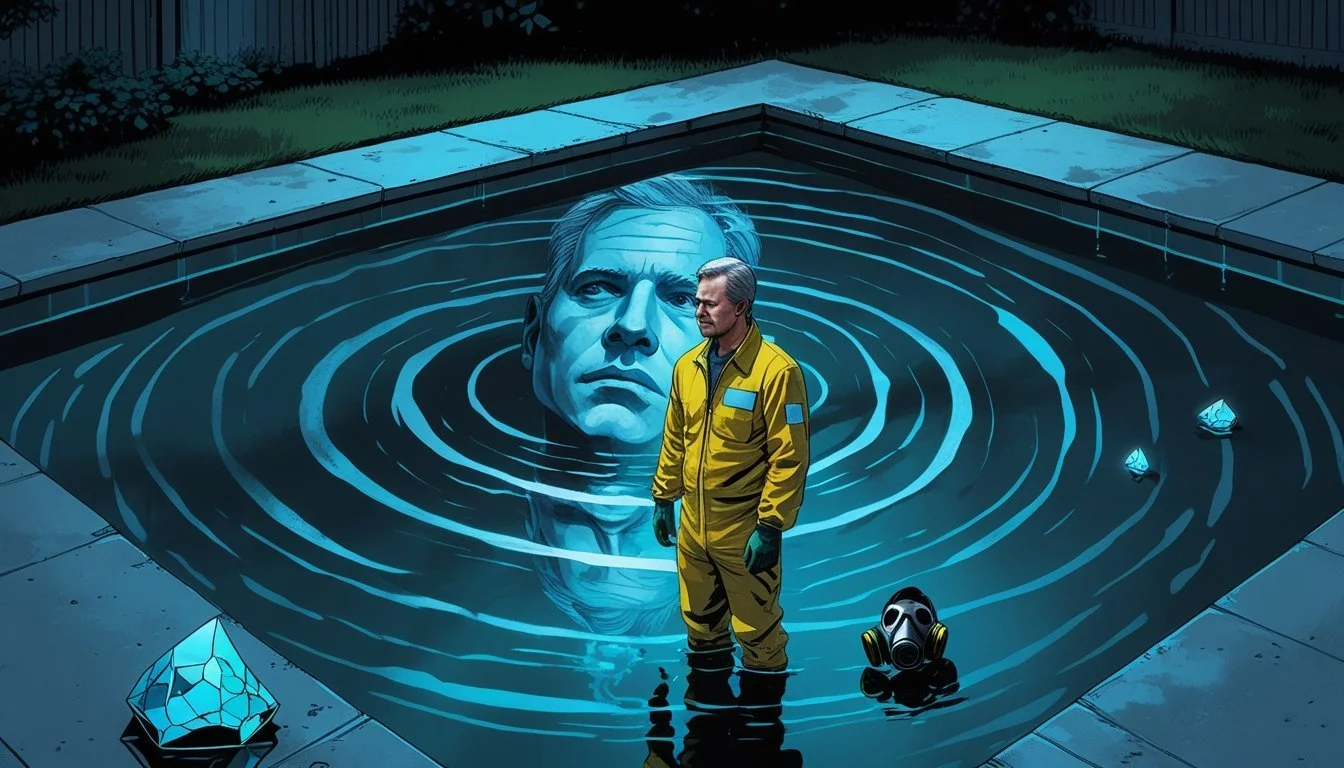
Walter White’s interactions with his backyard pool serve as physical manifestations of his mental decline and shifting identity. Across pivotal scenes, the pool acts as both a mirror for his emotions and a stage for his transformation from a mild-mannered teacher to the persona of Heisenberg.
Reflections of Walt’s Inner Turmoil
The pool repeatedly appears during moments of personal crisis for the protagonist.
Walter often sits or floats in the water, isolated and contemplative. This imagery underscores his emotional distance from his family and alienation from his old self. The recurring motif of the pool as a site of catastrophe—such as the pink teddy bear landing in its waters—marks it as a place intimately connected to Walt's guilt and fear.
The clearest example is the scene where Walt, dressed in his clothes, silently enters the pool and submerges himself. This act visually represents his desire to escape or cleanse himself from the burden of his actions, but he emerges unchanged, emphasizing the inescapability of his fate. These scenes use the pool's still surface as a mirror, reflecting both his regrets and his inability to let go.
Transformation from Walter White to Heisenberg
The pool also witnesses key shifts in identity as Walter moves from his role as a chemistry teacher toward the criminal mindset of Heisenberg.
Initially, time spent near the pool is associated with family life and relaxation. Gradually, it becomes more charged with menace and foreboding as Walt's crimes grow. The pool transforms into a boundary between Walt’s past as a caring husband and his increasing isolation due to his double life.
The aftermath of tragic events, symbolized visually by items such as the pink teddy bear, reinforces the idea that each ordeal ties him further to the fate he has chosen. By the final seasons, Heisenberg’s presence has overtaken that of Walter White, and the pool’s tranquil facade covers deeper violence and loss. The changing role of the pool parallels the evolution of Walt’s identity as he embraces his darker impulses.
Symbolism of Fate and Consequence
The pool in Breaking Bad often serves as a visual indicator of fate’s presence in the characters’ lives. Patterns tied to the pool set in motion events that echo across the series, underscoring the relationship between choice and inevitable consequence.
Predestination Versus Free Will
Water and pools in Breaking Bad symbolize the tension between a predetermined path and personal agency. The recurring image of the pool can be seen as a “mirror” reflecting the forces that shape the characters’ lives, especially for Walter White.
Walter spends significant moments by the pool when he faces crossroads or moments of regret. For example, after violent or morally questionable decisions, he retreats to the backyard and the pool, suggesting he recognizes but cannot escape fate’s grip. Yet, Walter’s choices—built on pride and ego—continue to drive the narrative.
Key moments include:
The pink teddy bear floating after the Wayfarer crash, foreshadowing events he could not control
Skyler and Walt’s conversations near the water about secrecy and their family's direction
These visuals reinforce the drama’s central proposition: that fate and free will coexist in a fragile, unpredictable balance.
Consequences for Main Characters
The motif of the pool draws a direct line from action to outcome, especially when it comes to consequences for central figures like Walter White and Hank. Each character’s relationship to the pool reflects their journey and ultimate fate.
Walter’s increasing isolation is symbolized every time he appears alone by the pool after critical events. The aftermath of Jane’s death, for instance, sees Jesse spiraling, but it is Walt who confronts the pool’s “stillness” as a metaphor for his growing guilt and detachment.
Hank, meanwhile, is rarely linked directly to the pool, but its presence in their family life serves as a backdrop to his own investigation and fate. The pool—often passive, always present—witnesses the consequences of secrets, ambition, and violence.
Notable sequences:
Walt nearly drowning himself, hinting at subconscious self-punishment
The pool as the site of Skyler’s breakdown, emphasizing shared consequence within the family
These incidents anchor the pool’s symbolism as a persistent reminder that every choice, regardless of intent, carries repercussions shaped by fate and individual action.
Jesse, Gus, and Supporting Characters: Peripheral Ties to the Pool

Moments at or near the pool draw important lines between main and peripheral characters in Breaking Bad. These scenes serve as points of contact for side characters like Jesse and Gus with pivotal events and legacies tied to the pool’s symbolism.
Jesse’s Experiences Near the Pool
Jesse Pinkman’s connection to pools emerges in the fourth season, particularly during his journey to Don Eladio’s mansion with Gus and Mike. At Don Eladio’s lavish poolside, Jesse is placed in a setting heavy with cartel history and risk. The pool itself was the site of a crucial murder from Gus's past, and its presence signals both danger and transformation.
Jesse’s role in these scenes is less about nostalgia and more about survival. As he is celebrated for his role in meth production, Jesse is forced to navigate a world he does not control. The pool becomes a backdrop for his initiation into cartel politics and violence.
Jesse’s unease is clear during these gatherings, his discomfort reflecting his growing isolation. The pool’s calm surface and the underlying threat it conceals reinforce the tension Jesse faces in this environment.
Gus Fring and the Pool’s Broader Symbolism
For Gus Fring, the pool at Don Eladio’s home is more than a backdrop—it is embedded with personal history and deep motives. Years earlier, Gus’s closest friend and business partner was murdered poolside by the cartel, creating a lasting image of loss and betrayal. When Gus returns as an adversary, he orchestrates a mass poisoning from that very location.
This moment highlights the pool as an arena for reckoning and reversal. Gus uses the same setting where he suffered trauma as a place to assert his power and seek vengeance. The calculated calm with which Gus conducts himself at the pool stands in stark contrast to the violence that soon erupts.
By returning to the pool, Gus completes a symbolic circle, turning a site of former weakness into one of retaliation. The pool’s serene appearance conceals undercurrents of danger, mirroring Gus’s outward composure and hidden ruthlessness.
The Pool in the Context of Suspense and Tension
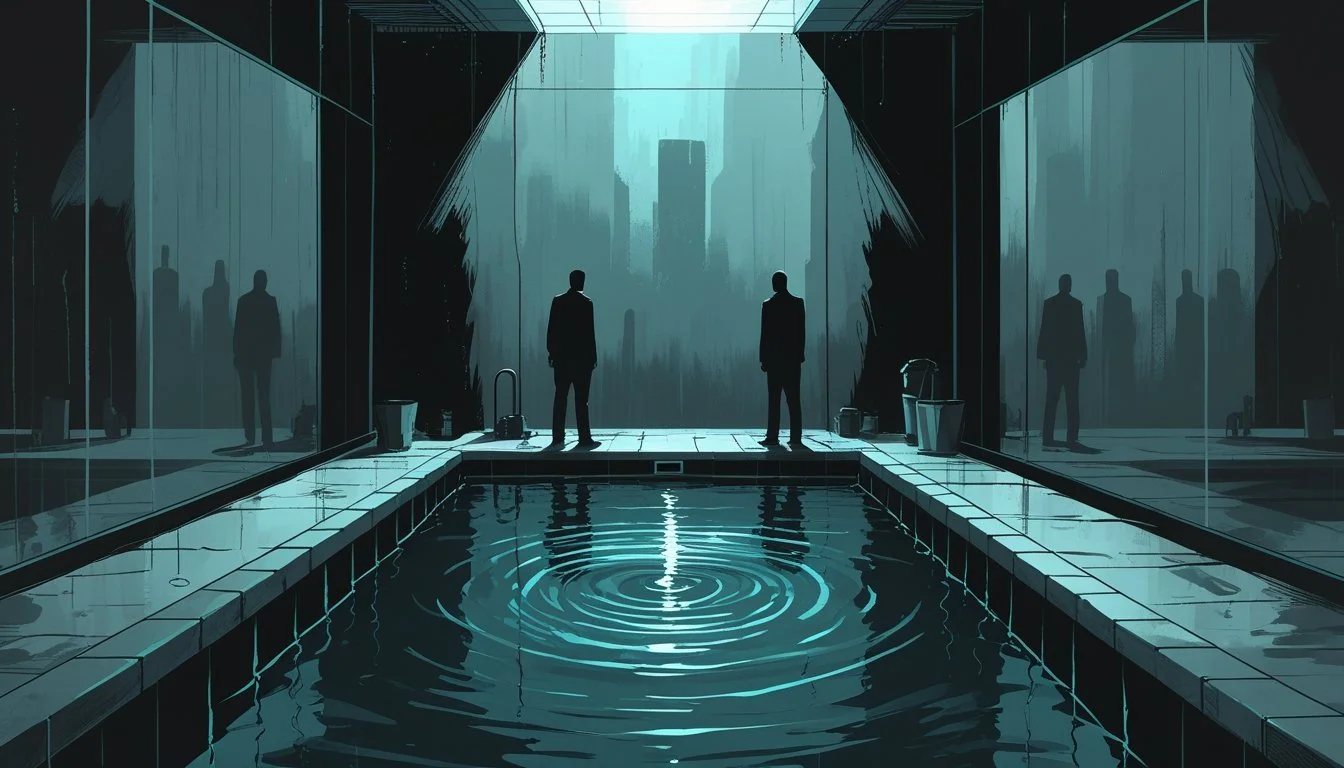
The pool is a significant visual motif in Breaking Bad, often intersecting with moments of intense drama and anxiety. Directorial decisions by Vince Gilligan use this symbol to build suspense and foreshadow key emotional turning points for characters.
Visual Cues Heightening Drama
Scenes set by the pool frequently coincide with pivotal story events or emotional peaks. The calm, reflective surface is often contrasted with underlying turmoil in the narrative. For example, the pool's water becomes a backdrop during moments of Walt’s deepest guilt, especially after violent or irreversible actions.
The use of water as a visual metaphor helps express characters’ psychological states. Close-ups capture ripples or stillness, mirroring the tension or dread felt by those present. The pool sometimes frames isolation, as characters stand alone, hinting at consequences and fate.
Lighting and color play key roles. At night, the pool’s blue glow creates an unnerving atmosphere, amplifying suspense. In daylight, its stark clarity emphasizes exposure or vulnerability. These contrasting aesthetics highlight the show’s dramatic stakes.
Directorial Choices by Vince Gilligan
Vince Gilligan’s direction intentionally integrates the pool into Breaking Bad's suspenseful sequences. He frequently stages major confrontations or breakdowns near the water, such as Walt’s silent anguish at the pool’s edge, framing it as a site of reckoning.
Specific camera movements draw attention to the pool as a foreboding space. Wide shots establish an ominous mood, while sudden close-ups intensify the moment. This deliberate framing prolongs tension and keeps viewers uncertain about what may unfold.
Gilligan avoids using the pool as mere background. Symbols like the teddy bear and floating debris link directly to plot consequences, reinforcing a feeling that fate is always present. These choices build layers of suspense and ground the story’s most dramatic moments in a consistent visual language.
The Pool’s Final Appearance and Series Resolution

The swimming pool’s final showing in Breaking Bad’s finale offers a stark visual metaphor for Walter White’s journey and its aftermath. The drained, derelict pool stands in direct contrast to its previous appearances, providing viewers a silent commentary on the cost of Walter’s fate.
Climactic Pool Sequence in the Finale
In the finale, Walter returns to his former home to retrieve the ricin. The pool is now empty, cracked, and taken over by skateboarders, reflecting the end of the White family’s stability. Where the pool once saw family gatherings and existential contemplation, it has become a hollow shell.
The visual of the drained pool underlines the loss and ruin following Walter’s choices. The space, once regarded as a refuge or source of reflection, now serves as a symbol of emptiness and wasted potential. It acts as a reminder of the family’s dissolution and the void left in the wake of Walter’s transformation.
The detail of skateboarders using the pool as a half-pipe adds to this sense of displacement. What was once private and intimate becomes public and meaningless, emphasizing the futility of Walter’s aspirations. The fate of the pool mirrors the trajectory of Walter’s life—drained of meaning by the end.
Lasting Impact on Breaking Bad’s Legacy
The final appearance of the pool resonates in critical discussions of the show’s symbolism. It is repeatedly cited by fans and scholars as a powerful visual representing the show’s themes of loss, decay, and irreversible change. The pool’s transformation marks a visual full circle for Walt’s arc.
Throughout the series, the pool reflected inner turmoil and fate’s inescapability. Its emptiness in the finale reinforces the emptiness of Walter’s ultimate victory and personal cost. This image continues to be referenced in essays, reviews, and discussions as one of the most memorable symbols of the finale.
The use of the pool as a narrative device helped cement Breaking Bad’s reputation for visual storytelling. Its final state lingers with viewers as a succinct, quiet statement on the consequences of Walter’s actions—offering no closure, only a reminder of what has been irretrievably lost.
