
The Role of Surveillance in Better Call Saul’s Storytelling
Examining Character Development and Narrative Tension
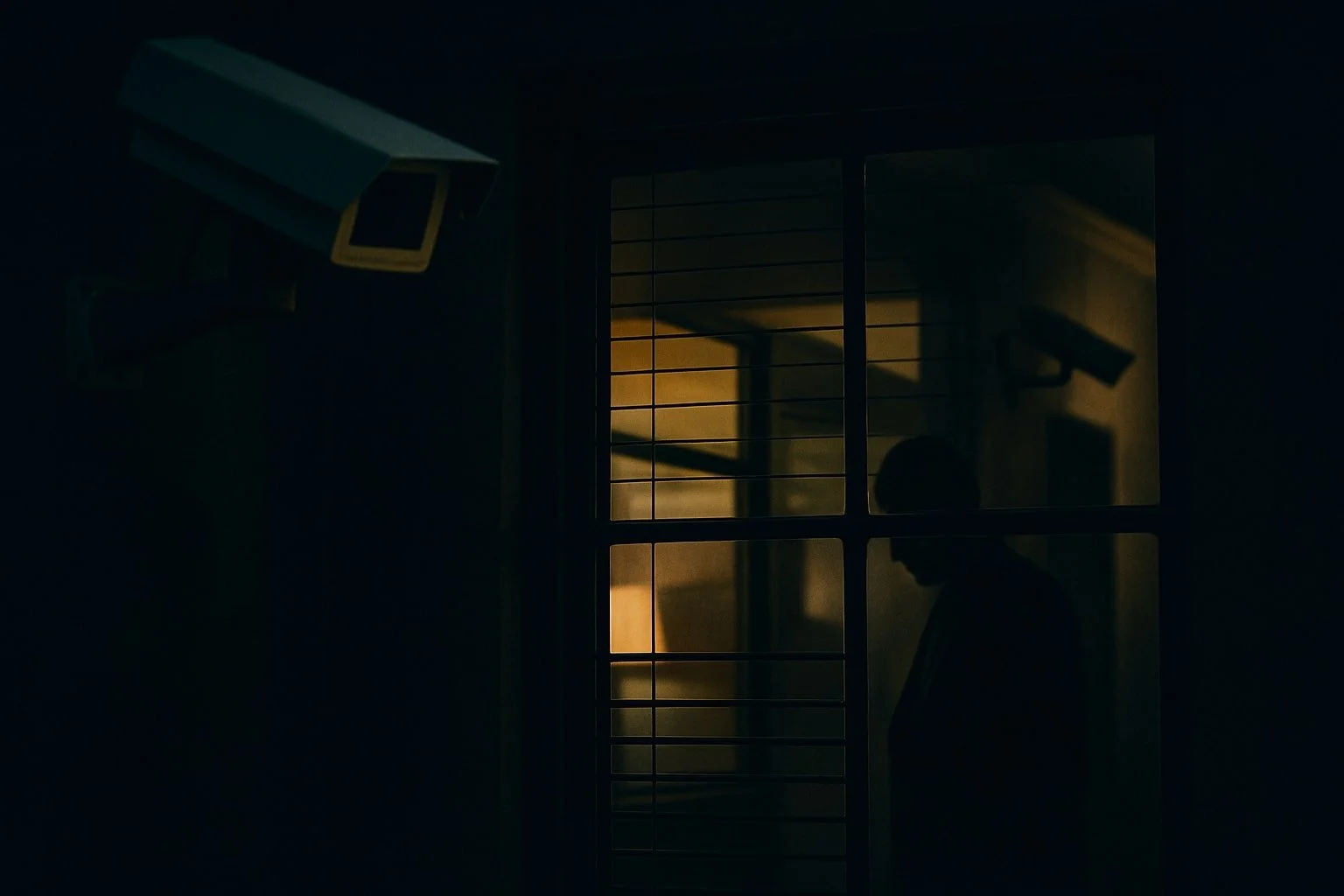
Surveillance plays a subtle but crucial role in Better Call Saul’s storytelling, shaping character dynamics and driving the plot in a way that is both visually and emotionally engaging. From hidden microphones to covert stakeouts, the series uses surveillance as a narrative device to build tension, reveal secrets, and influence the decisions of characters like Jimmy McGill, Mike Ehrmantraut, and others navigating the criminal and legal worlds of Albuquerque.
This focus on watching and being watched reinforces the show's themes of trust, deception, and transformation. Whether it’s Mike meticulously investigating who bugged his car or law enforcement monitoring key players, each act of surveillance deepens the complexity of the story. Better Call Saul demonstrates how, in television storytelling, the act of observation can be just as consequential as direct action.
Surveillance as a Storytelling Device
Surveillance shapes both character actions and narrative tension in Better Call Saul through concrete devices and choices. The series adapts established techniques from Breaking Bad, using surveillance to anchor its story in recognizable technology and plausible scenarios.
Defining Surveillance in Better Call Saul
Surveillance in Better Call Saul spans physical observation, hidden cameras, audio devices, and digital monitoring. Characters like Mike Ehrmantraut and Jimmy McGill use surveillance for personal leverage, protection, and manipulation.
The show introduces explicit surveillance setups—such as wiretaps, stakeouts, and covert filming—that serve plot developments. This focus on visible technology emphasizes the risks and control involved in criminal enterprises and legal battles.
Key scenes rely on viewers recognizing how surveillance changes what characters know and how they behave. Often, a single bugged phone or security camera shapes the outcome of entire storylines, reinforcing the theme of unseen control.
Historical Influences from Breaking Bad
Better Call Saul borrows its surveillance logic and style from Breaking Bad, sharing both its universe and many of its creative team members, including Vince Gilligan and Peter Gould. Surveillance played a central part in Breaking Bad narratives, influencing everything from law enforcement tactics to criminal strategies.
The prequel maintains this approach, both visually and thematically. As in Breaking Bad, surveillance in Better Call Saul often escalates conflict or precipitates critical twists. The consistency creates continuity for fans and highlights the evolution of characters’ moral choices and tactics.
Comparisons between the two series illustrate how similar tools—like GPS trackers or hidden microphones—can be recontextualized to fit new dramatic purposes. This evolution builds on audience familiarity but raises the narrative stakes.
Realism and Plausibility in the Narrative
Surveillance in Better Call Saul relies on technology that is believable and period-appropriate. The show consistently portrays the limitations, risks, and costs associated with using surveillance, preventing its use from feeling like a plot shortcut.
Writers emphasize practical details, such as the effort it takes to acquire or deploy surveillance devices, and the legal and ethical ramifications for characters. This realism grounds the narrative, helping viewers accept the storylines as plausible outcomes within a recognizable world.
The use of recognizable surveillance techniques and equipment reflects trends in contemporary crime and legal drama, increasing immersion and authenticity. This meticulous approach enhances the credibility of storytelling as it unfolds across the prequel series.
Visual Storytelling and Cinematography
Better Call Saul’s approach to surveillance is tightly bound to its visual style. Through deliberate framing, expressive lighting, and careful use of props and costumes, the show creates tension and immerses viewers in the world of constant observation.
Iconic Surveillance Shots
Cinematography in Better Call Saul relies on visually inventive surveillance scenes. Key moments are often captured through static wide shots and over-the-shoulder angles, making the viewer feel as though they’re part of the watchful gaze.
One notable example is Mike Ehrmantraut’s bug search in Season 3, which uses prolonged montages to show his meticulousness. Unusual placements—such as shots through windows, door frames, or rearview mirrors—heighten a sense of intrusion.
These shots use spatial distance and strategic focus, emphasizing both isolation and vulnerability. The show’s cinematographer employs long takes and minimal camera movement, creating a quiet but palpable tension during surveillance.
Lighting and Color Symbolism
Lighting plays a crucial role in defining the mood during surveillance scenes. The series favors natural and practical lighting, often utilizing shadows and strong contrasts to underscore secrecy and threat.
Color symbolism is used to reinforce character states and narrative points. Cool blues and greys are often employed during covert activities, reflecting detachment or moral ambiguity. Warmer hues accent tense confrontations or moments when personal stakes heighten.
This calculated use of light and color helps organize the visual storytelling, guiding viewers’ emotional responses. Scenes where surveillance intersects with personal conflict may shift from cold, detached tones to more saturated colors, signaling danger or urgency.
Use of Props and Costumes in Surveillance Scenes
Props are integral to making surveillance scenes authentic and immersive. Items like binoculars, listening devices, and hidden cameras are shown in clear detail, emphasizing technical skill and preparation.
Costumes also serve a narrative function by blending characters into their surroundings or highlighting suspicion. Mike’s utilitarian attire, for example, allows him to disappear into the background, while more conspicuous costumes may attract attention and heighten risk.
A helpful breakdown:
Element Effect in Surveillance Scenes Props Increase realism, show character planning Costumes Aid in disguise or draw suspicion
The careful choice of these elements underlines each character’s approach to surveillance and deepens the story’s sense of authenticity.
Surveillance and Character Development
Surveillance in Better Call Saul serves as more than a tool for uncovering secrets; it is deeply tied to personal change and how characters view themselves and each other. The use of observation highlights the shifting loyalties, mistrust, and moral choices that define both Jimmy McGill and Kim Wexler.
Impact on Jimmy McGill’s Transformation
Jimmy McGill’s rise to Saul Goodman is tracked as much by who is watching him as by his own actions. Cameras, stakeouts, and silent witnesses push Jimmy into increasingly evasive behavior. When under surveillance, his anxiety manifests through paranoia and improvisation, making him more resourceful but also less trustworthy.
The constant sense of being watched feeds into Jimmy’s identity crisis. He learns to wear masks—literally and figuratively—making it easier for him to slip into Saul Goodman’s persona. Bob Odenkirk’s performance shows subtle shifts in body language and tone when Jimmy realizes someone is observing him, reflecting his growing comfort with deception.
These moments of observation highlight the split between his true self and the role he chooses to play. Surveillance often forces his hand, resulting in rapid ethical compromises that accelerate his transformation from a struggling lawyer into the criminal defense attorney known as Saul Goodman.
Kim Wexler: Observed and Observer
Kim Wexler exists on both sides of surveillance, often watching Jimmy while being watched herself by both colleagues and adversaries. Her position as both an ally and critic gives her unique insight into Jimmy’s behavior. Rhea Seehorn’s nuanced portrayal shows Kim navigating the tension between trust and doubt.
Kim becomes increasingly complicit in schemes as she learns to anticipate surveillance, adapting and sometimes manipulating it to her advantage. She studies not only Jimmy but also the institutions around her, such as the law firm and cartel interests, which intensifies as her relationship with Jimmy develops.
Surveillance changes Kim’s approach to her own professional ethics. She starts making calculated moves, balancing risk with reward, and ultimately reshaping her own identity in response to the pressures of being watched—illustrating how observation is as much about self-reflection as it is about external scrutiny.
The Role of Surveillance in Thematic Exploration
Surveillance shapes the narrative framework in Better Call Saul, influencing character decisions and the broader moral landscape. The series uses surveillance as both a literal story device and as a method for exploring deeper psychological and ethical themes.
Morality and Consequences
Surveillance acts as a catalyst for moral choices in the series. Characters are often aware they are being watched, whether by law enforcement, criminals, or even each other. This awareness shapes their behavior, leading them to either conceal or confess their actions.
The series closely examines the chain reaction that occurs after surveillance reveals secrets or prompts exposure. Each character’s response—covering tracks, retaliating, or pursuing justice—leads to significant consequences, not only legally but also emotionally and socially.
Morality is often framed through the lens of who is watching and who is being watched. Surveillance thus becomes a means of accountability, bringing ethical dilemmas to the forefront. The theme underscores the idea that every action captured—or missed—by surveillance has lasting impacts.
Surveillance as a Source of Tension
Surveillance devices, such as cameras and wiretaps, frequently drive the suspense in key storylines. The show uses these elements to heighten anxiety, as characters fear exposure or attempt to outmaneuver watchful eyes.
Scenes featuring hidden cameras or observed meetings increase emotional impact. Viewers are put in the place of observers, sharing the nervous anticipation that characters feel. This creates an ongoing sense of vulnerability and imminent risk.
The tension is not just between criminals and law enforcement. Surveillance fosters mistrust even among allies, amplifying paranoia and forcing characters to second-guess motives and allegiances. This dynamic pushes characters toward unpredictable and sometimes desperate actions.
Metaphors and Symbolism
Surveillance is used as a visual and narrative metaphor throughout the series. Cameras, reflections, and confined viewpoints symbolize the limited perspective characters have on their own lives and others’ intentions. These elements often hint at subtext beneath the surface interactions.
The show frequently contrasts open versus hidden spaces to reflect themes of transparency and secrecy. For example:
Surveillance Element Symbolic Meaning Security Cameras Lack of privacy, power Reflections Dual identities, self-doubt Locked Doors Exclusion, hidden motives
Through these metaphors, surveillance is closely tied to the series’ exploration of trust, guilt, and the lengths people will go to either reveal or conceal the truth. The emotional impact is extended by showing how observation changes not just actions, but inner lives as well.
Key Relationships Under Surveillance

Surveillance in Better Call Saul is not just a tool for obtaining information. It actively shapes interactions and decisions, revealing vulnerabilities and power dynamics between key characters.
Jimmy and Chuck
The relationship between Jimmy McGill and his older brother Chuck is defined by mistrust and constant observation. Chuck’s suspicion of Jimmy motivates him to orchestrate elaborate forms of surveillance. One crucial example is Chuck’s secret voice recording, which he leverages as evidence against Jimmy’s legal ambitions. This act not only highlights Chuck’s willingness to weaponize surveillance but also turns familial bonds into calculated threats.
Through hidden observation and manipulation, Chuck seeks to expose Jimmy’s flaws. Their conflict escalates as surveillance transforms personal grievances into public consequences. The breaking of trust is made visible through the monitoring and documentation of each other’s actions, making surveillance central to their tragic dynamic.
Kim and Howard Hamlin
Howard Hamlin often monitors Kim Wexler’s professional moves with careful scrutiny. Workplace surveillance is apparent through performance reviews, confidential meetings, and indirect means. Howard’s oversight is driven by his loyalty to maintaining the firm’s reputation and his partnership with Chuck, causing him to keep Kim’s conduct under close watch.
Kim, aware of being observed, strategically manages information and navigates the internal politics of Hamlin, Hamlin & McGill. This environment of observation affects her choices—prompting cautious behavior and, at times, quieter rebellion. Surveillance creates a tense professional atmosphere where trust and maneuvering define advancement and risk.
Mike Ehrmantraut and the Cartel
Mike Ehrmantraut’s role in the criminal underworld, especially his dealings with the cartel, relies heavily on surveillance tactics. Mike’s approach to surveillance is pragmatic; he uses tracking devices, electronic eavesdropping, and stakeouts to monitor both enemies and potential allies. His careful gathering of intelligence helps him anticipate threats and navigate shifting loyalties.
Interactions with cartel figures, such as Hector Salamanca, are characterized by mutual suspicion and the constant risk of being watched. Surveillance serves as both a shield and a weapon, providing Mike with leverage while exposing him to danger. These dynamics expand on the series’ broader themes of control and vulnerability within organized crime.
Surveillance, Identity, and the Criminal Underworld
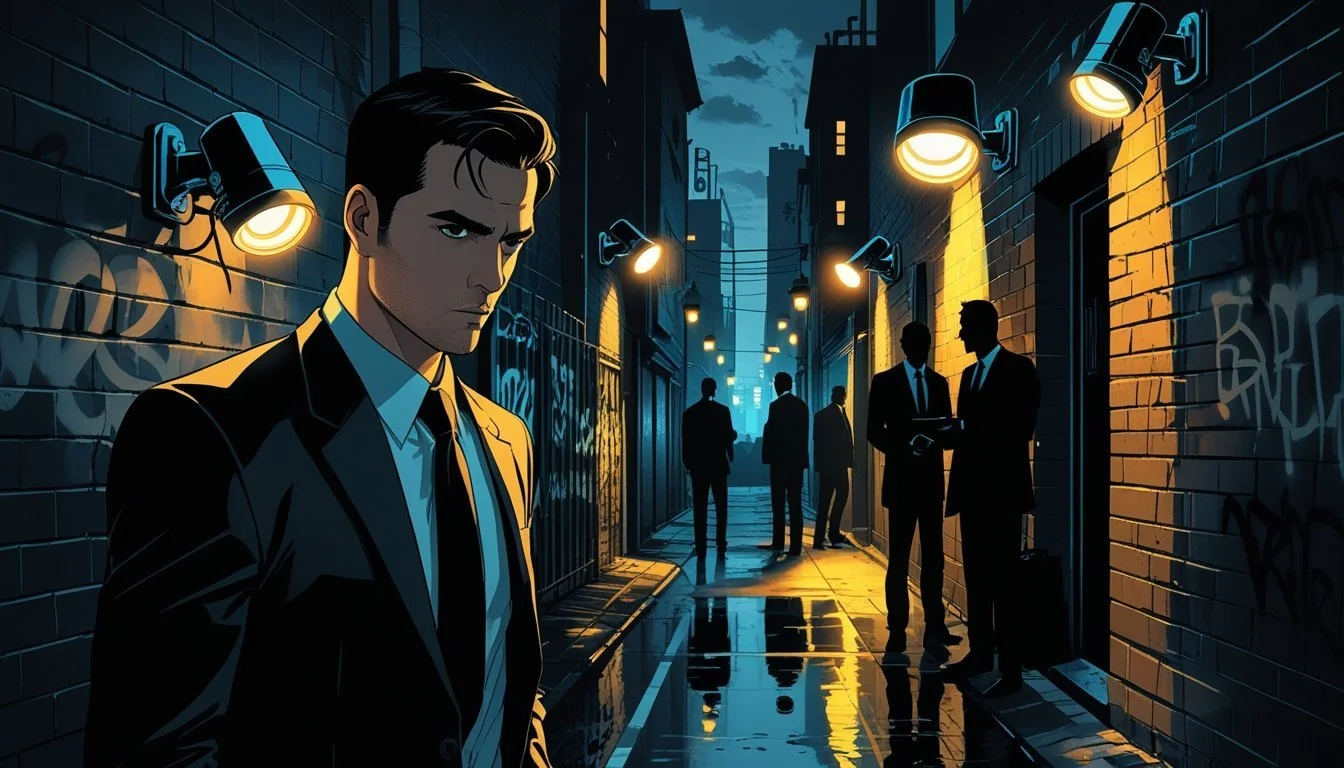
Surveillance in Better Call Saul shapes both character identities and the functioning of Albuquerque’s criminal underworld. The series uses technology and careful observation to reveal the erosion of privacy and the constant threat posed by those who watch.
Loss of Privacy and Shifting Identities
Characters in Better Call Saul are often subject to invasive surveillance, which forces them to adjust their behavior and identities. For example, Jimmy McGill becomes increasingly aware that he is being watched—whether by law enforcement, rivals, or potential clients. The presence of cameras, wiretaps, and covert observation tools pressures him to inhabit different personas.
This constant surveillance erodes personal boundaries. Jimmy, for instance, gradually transforms from an earnest lawyer into Saul Goodman, adopting a persona tailored to both legal and criminal expectations. Privacy losses become central to his journey, as every move is scrutinized and trust diminishes between characters.
The tension is heightened by surveillance from both allies and enemies. Even supposedly private conversations are often at risk. This environment means that Albuquerque’s criminal and legal actors must develop new identities or risk exposure and danger.
The Underworld’s Use of Surveillance
Criminal organizations in Albuquerque rely on surveillance for both protection and control. Gus Fring uses hidden cameras and advanced monitoring systems to protect his drug empire and anticipate threats from both the police and rival gangs. Secret watching spots and tracking devices are frequently used to gather intelligence.
These tools give major players the edge. Mike Ehrmantraut conducts detailed surveillance to assess threats or protect his employers, employing a mix of traditional stakeouts and high-tech gadgets. The use of surveillance often determines who survives or fails in the criminal underworld.
Table: Examples of Surveillance Techniques Used
Character Technique Purpose Gus Fring Hidden cameras Secure drug operations Mike Ehrmantraut Stakeouts, trackers Protect, gather intelligence Law enforcement Wiretaps, observation Build cases against criminals
Surveillance is not just a defensive tool; it is essential to the operation and survival of crime within the city. The line between watcher and watched is always shifting, with every character at risk of losing control over their own story.
Pacing and Intricate Plotting Through Surveillance
Surveillance scenes play a key role in shaping Better Call Saul’s narrative momentum and complexity. They serve as essential tools in managing story tempo and moving characters into crucial confrontations.
Building Suspense Across Seasons
The use of surveillance drives the series’ slow-burning tension, especially as storylines span multiple seasons. Extended scenes of characters staking out locations or monitoring each other on hidden cameras produce a steady, controlled rhythm. This pacing allows tension to build gradually rather than erupting quickly.
For example, Mike Ehrmantraut’s surveillance operations are drawn out, emphasizing meticulous planning and risky patience. These scenes linger on details: camera installation, long hours in parked cars, and quiet observation. Each moment of waiting increases apprehension, often without immediate payoff.
By withholding resolutions and showing characters gathering intelligence piece by piece, the show stretches suspense across episodes. This approach aligns with classic thriller techniques, yet the deliberately unhurried pacing gives Better Call Saul its distinct atmosphere.
Surveillance as a Plot Catalyst
Surveillance acts as a trigger for key plot developments. Information gleaned through hidden cameras or careful observation alters character choices and propels the story in unexpected directions.
A notable instance occurs when Jimmy and Kim use surveillance to undermine their rivals. Their strategic use of monitoring devices leads to carefully orchestrated scams and legal maneuvers. Plans unfold with precision, as surveillance footage reveals vulnerabilities or documents critical evidence.
In the final season, the stakes are raised as surveillance exposes secrets with lasting consequences. Characters’ fates hinge on what is seen and recorded, making surveillance not just a backdrop but an active force shaping the show’s intricate plotting. Crucial revelations often arrive through glimpses caught on hidden equipment, tightening the narrative’s interconnected threads.
Fan Community and Critical Analysis
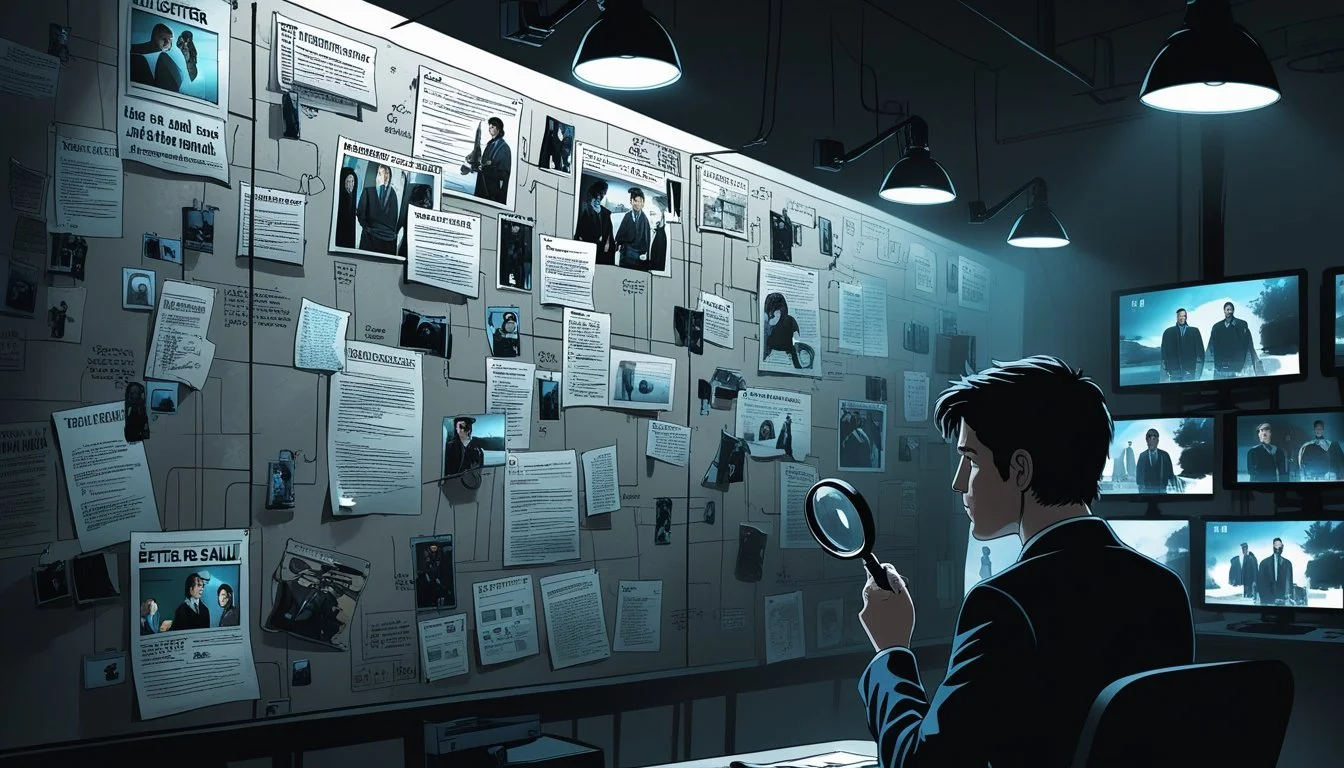
Discussion about surveillance in Better Call Saul attracts in-depth attention from fans and critics alike. Analytical videos and essays dissect scenes, while viewers focus on symbolic details such as recurring ants and hidden visual motifs.
Surveillance in Video Essays and Analysis
The Better Call Saul fan community is active in analyzing surveillance themes through online discussions, forums, and specialized video essays. Critics like Thomas Flight are known for breaking down how surveillance is represented visually and narratively.
Video essays often highlight specific examples—such as Mike Ehrmantraut’s meticulous efforts to uncover bugs or the use of security cameras—to illustrate how surveillance shapes tension and character development. These analyses use screenshots, timestamps, and scene-by-scene breakdowns to examine visual storytelling.
Discussions frequently center on how the camera mimics the act of watching or being watched. Fans explore parallels between the viewer’s perspective and the show’s surveillance devices, noting how this technique draws the audience deeper into the narrative.
Symbolic Motifs: Ants and Visual Easter Eggs
Ants frequently appear in the series, notably in scenes linked to surveillance or meticulous observation. For example, in the season four opener, ants swarm over an abandoned ice cream cone—a seemingly simple image that sparks detailed theories among fans.
The recurring motif of ants symbolizes the act of constant monitoring and the small, nearly invisible factors that influence major outcomes. Visual Easter eggs, such as reflections in windows or mirrors, reinforce the concepts of watching and being watched.
Fans document these subtle motifs in online guides and analysis posts, often using side-by-side image comparisons. The community’s attention to these details shows how Better Call Saul rewards viewers who engage with visual symbolism and seek hidden meanings.
