
Why Lalo Salamanca Stole the Show in Better Call Saul
A Breakout Villain's Impact on the Series
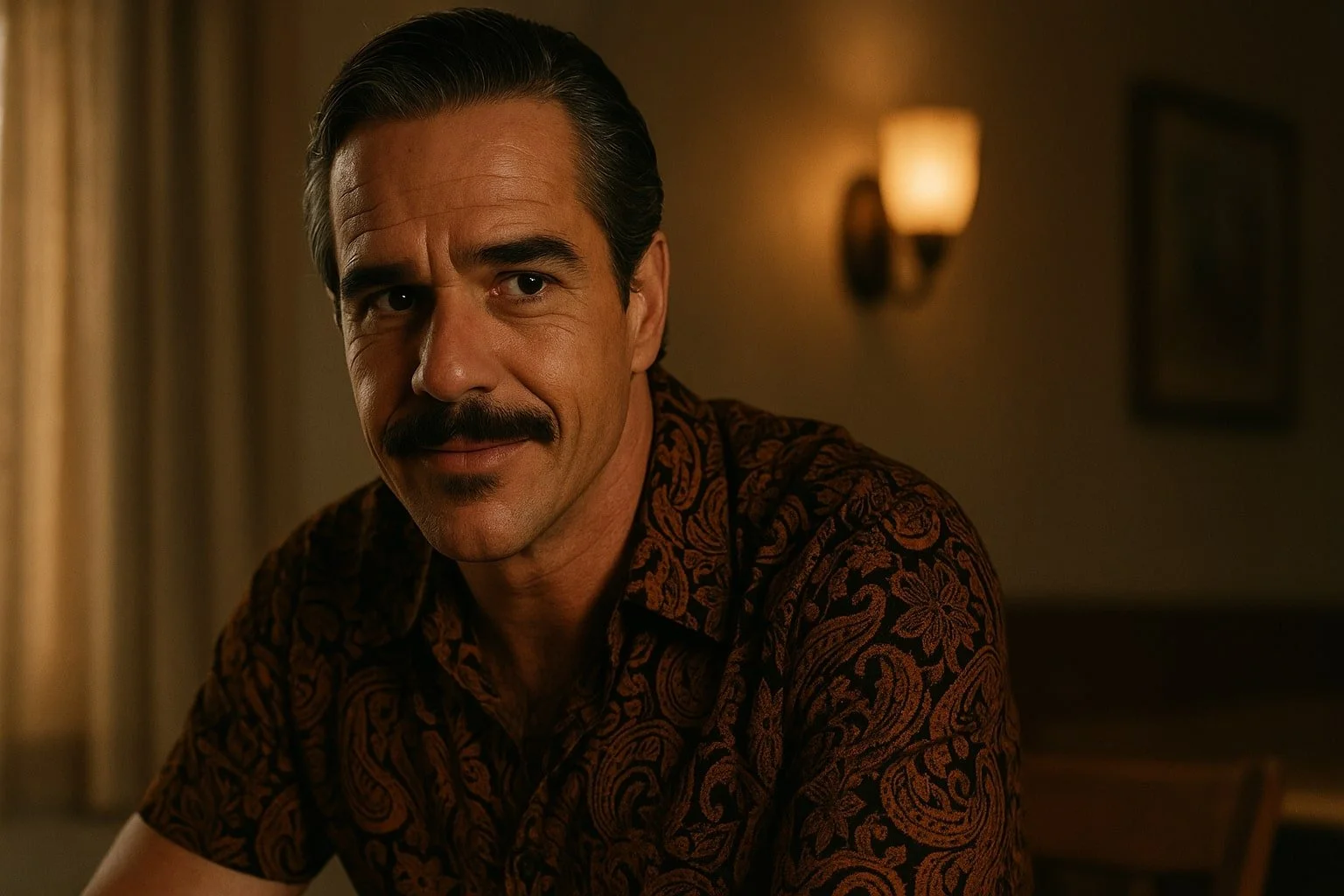
Lalo Salamanca quickly became one of the most compelling reasons to watch Better Call Saul, leaving a lasting impression through his unpredictable nature and complex personality. Introduced in AMC’s acclaimed series as a member of the notorious Salamanca family, Lalo’s calm demeanor paired with sudden bursts of violence marked him as a standout antagonist.
Viewers and critics alike have noted how Lalo elevated the tension in every scene he appeared in, often overshadowing other characters with his distinctive charm and menace. His actions drove major plot points and offered a memorable contrast to both established and new faces in the show.
Lalo’s role demonstrated how a well-crafted character could transform familiar storylines, making each episode feel fresh and unpredictable. The anticipation created by his next move kept audiences engaged, proving that thoughtful character development is key to a successful TV drama.
Who Is Lalo Salamanca?
Lalo Salamanca is a central antagonist in Better Call Saul, introduced as a cunning and charismatic figure within the Salamanca family. His involvement with major players and the drug cartel has significant consequences for both allies and adversaries throughout the series.
Background and Role in the Salamanca Family
Lalo's full name is Eduardo "Lalo" Salamanca. He belongs to the infamous Salamanca family, one of the most feared and ruthless crime families in the region.
He is the nephew of Hector Salamanca, a prominent figure in the cartel with deep connections to Don Eladio, the organization’s leader. Lalo arrives in Albuquerque following Hector’s incapacitation and quickly asserts his authority.
Unlike some of his relatives, Lalo blends charm with cruelty, making him unpredictable. He manages legitimate businesses, such as El Michoacáno, as fronts for criminal activity. His leadership style relies on personal involvement, intelligence, and a willingness to use violence when needed.
Connections to Other Characters
Lalo quickly becomes entangled with several main characters. He forms a tense alliance with Nacho Varga, forcing Nacho to act as his inside man. Lalo is suspicious of Gus Fring’s operations and directs significant pressure toward him.
His interactions with Jimmy McGill (Saul Goodman) become a turning point in the narrative. Lalo involves Jimmy in cartel affairs, pushing him into increasingly dangerous situations. This relationship shifts Jimmy’s path and complicates his connections to other characters.
Lalo’s influence also fuels tension between Gus Fring and Hector Salamanca, as each scrambles for power in the vacuum left by Hector's decline. His ability to manipulate and intimidate makes him a formidable obstacle for anyone who crosses his path.
Lalo’s Place in the Drug Cartel
Lalo operates as the Salamanca family’s principal representative after Hector’s stroke. He answers directly to Don Eladio, maintaining the family's interests and ensuring their share of the cartel’s profits.
He uses both strategy and violence to advance the Salamancas’ position and regularly monitors rivals like Gus Fring. Lalo investigates the flow of money, scrutinizes operations, and is quick to eliminate threats—his involvement in the murder of Fred Whalen is notable for its brutality.
His resourcefulness and fearlessness set him apart in the cartel hierarchy. Lalo balances loyalty to his family with tactical moves that keep the Salamancas relevant and feared among cartel players.
Tony Dalton’s Captivating Performance
Tony Dalton made Lalo Salamanca a standout villain on AMC’s Better Call Saul with a compelling mix of charm and threat. His approach balanced affability with a capacity for sudden violence, creating a layered antagonist unlike any other in the Breaking Bad universe.
Charisma and On-Screen Presence
Dalton’s performance drew immediate attention for its effortless charisma. From his first appearance, Lalo felt magnetic, with a friendly smile and relaxed posture that set him apart from the usual cartel members.
He used eye contact and subtle changes in vocal tone to keep viewers on edge. Audiences witnessed Lalo's ability to transition from jovial dinner guest to calculating cartel leader in seconds.
Even in scenes surrounded by danger, Dalton kept Lalo calm and in control, making the character both likable and unpredictable. This affable exterior made his darker moments more jarring and memorable.
Portraying Lalo’s Menace and Charm
Dalton meticulously balanced Lalo’s menace with genuine likability. He delivered threats in a soft, almost conversational tone, which heightened the tension instead of diffusing it. The understated delivery turned simple interactions—like cooking or joking—into suspenseful moments.
A key part of his performance was never letting the charm drop, even while engaging in violent acts. Lalo’s unpredictability, shown through quick shifts in demeanor, kept both characters and fans wary of his next move.
Dalton’s nuanced acting was central to making Lalo a villain viewers couldn’t help but find intriguing. He became a standout antagonist precisely because he avoided clichés, presenting a multi-dimensional character who could disarm or destroy with equal ease.
Lalo’s Impact on Better Call Saul’s Narrative
Lalo Salamanca sharply raised the stakes in Better Call Saul by inserting chaos, unpredictability, and real threat into the cartel plotline. His influence shaped the pace and tone of the last two seasons, transforming multiple character arcs and major story events.
Driving the Season 5 and Season 6 Storylines
Lalo’s arrival in season five marked a shift for the series, driving insecurities and dangerous alliances within the cartel. His charisma masked ruthless motives, forcing characters like Nacho and Gus Fring into increasingly desperate actions. Lalo’s ongoing investigation into Gus’s superlab disrupted operations, putting pressure on everyone connected to the criminal trade.
His actions in season six became central to the plot’s momentum. Lalo’s hunt for proof against Gus led him to Europe and then back to Albuquerque, blending his personal vendetta with cartel business. Key episodes were structured around his unpredictable moves, causing frantic decision-making from both Jimmy McGill and Kim Wexler.
Key Episodes and Pivotal Moments
Lalo’s impact was felt most in tense and tightly written episodes such as the season five finale and season six’s “Point and Shoot.” His unplanned appearance at Kim and Jimmy’s apartment in episode 8 stunned viewers, shifting the show’s trajectory and leaving a lasting effect on both characters.
Lalo’s murder of Howard Hamlin was a pivotal moment that reverberated through the rest of the series. This act, widely discussed on platforms like Reddit, exemplified his ability to blend charm with brutal violence. His death in the superlab at Gus’s hands in season six’s mid-season finale decisively ended his threat, but the consequences lingered in the narrative.
Complex Relationships with Main Characters
Lalo Salamanca's storylines intertwined directly with the show's most influential figures. His actions drove pivotal moments, transforming not just criminal dynamics but also the personal trajectories of characters like Gus Fring and Jimmy McGill.
Conflicts with Gus Fring
Lalo’s arrival in Albuquerque set the stage for one of the show's most intense rivalries. Gus Fring, portrayed by Giancarlo Esposito, is known for his cold precision and complete control over his operation. Lalo's unpredictability threatened this control, pushing Gus into uncomfortable situations he rarely experienced before.
Their relationship was built on mutual suspicion. Lalo investigated Gus at every turn, seeking weaknesses in his business and double-checking the loyalty of cartel associates. His charm was disarming but always had an edge, making it difficult for Gus to predict his next move. This relentless scrutiny forced Gus to take drastic actions—such as tightening his security and developing new contingency plans.
Unlike previous Salamanca antagonists, Lalo’s hands-on approach and sharp intuition meant Gus could never relax his guard. The cat-and-mouse dynamic between the two became a central tension, with each man vying for dominance in strategically layered ways.
Tension Between Lalo and Jimmy McGill
Lalo’s involvement with Jimmy McGill, played by Bob Odenkirk, added a dangerous unpredictability to Jimmy’s path to becoming Saul Goodman. At first, Lalo saw Jimmy as just another useful tool: clever, resourceful, and able to adapt when situations turned dark. But Lalo soon realized that manipulating Jimmy would yield even greater benefits for his criminal interests.
The relationship became more personal after Lalo paid Jimmy to retrieve money during the desert ordeal. Lalo’s casual charm masked real menace, constantly testing Jimmy’s limits and loyalties. Their interactions forced Jimmy, and by extension Kim Wexler, to confront the real costs of working with the cartel.
Lalo’s presence accelerated Jimmy’s moral decline. His intimidating influence blurred the lines between Jimmy McGill and Saul Goodman, making it nearly impossible for Jimmy to maintain any sense of safety or separation from the cartel world.
The Role of Betrayal and Loyalty
Lalo Salamanca’s presence tests the boundaries of trust among those closest to him. Loyalty and betrayal become weapons as both Nacho Varga and the larger drug cartel navigate shifting alliances under Lalo’s command.
Nacho Varga’s Dilemma
Nacho Varga faces continuous pressure between loyalty to the Salamanca family and his own survival. After earning Lalo’s trust, Nacho is covertly forced to betray him due to threats from Gustavo Fring, placing Nacho in a dangerous position between two powerful criminal factions.
He sets up Lalo for an assassination attempt, acting under duress. Nacho’s plight highlights the volatile nature of trust in cartel operations. The danger isn’t only physical: emotional stress stems from constant suspicion and divided loyalties.
Nacho’s double life requires careful manipulation and secrecy. His ultimate betrayal is driven not by ambition, but by a desperate attempt to protect himself and his family from inevitable cartel retribution.
Consequences for the Cartel
Lalo’s response to betrayal triggers chaos within the cartel. His ability to detect disloyalty amplifies tensions among trusted lieutenants, eroding cohesion and spreading fear.
The assassination attempt on Lalo, orchestrated with Nacho’s unwilling help, exposes the cartel’s internal divisions. Once suspicion takes hold, alliances fracture and previously loyal members become liabilities.
This instability undermines leadership, as trust becomes a rare commodity. The ongoing threat of betrayal sparks violence, cover-ups, and a breakdown in communication, reshaping the cartel’s power structure.
Lalo’s handling of loyalty and treachery demonstrates the precarious balance required to survive at the top of the drug trade.
Lalo’s Connection to Breaking Bad
Lalo Salamanca expanded the depth of the Breaking Bad universe, creating links with pivotal characters and reshaping the perception of criminal power dynamics. His presence influenced character decisions and storylines that directly tied into the events led by Walter White and Jesse Pinkman.
Influence on the Breaking Bad Universe
Lalo Salamanca, introduced in Better Call Saul, retroactively shaped key events in Breaking Bad. Though he never appears onscreen in Breaking Bad, his reputation is referenced by Saul Goodman when he first meets Walter White and Jesse Pinkman. Saul’s panic about “Lalo” in Breaking Bad Season 2 highlights how feared and unpredictable Lalo was in the criminal world.
His existence deepens the context for Saul Goodman’s cautious behavior. Lalo’s impact also clarifies why Gustavo Fring and Hector Salamanca are so deeply entrenched in their rivalry; every move Gus makes in Breaking Bad is informed by violence and betrayals associated with the Salamancas, including Lalo's actions.
Without Lalo, Gus's manipulation of the cartel and the fate of characters like Hector would lack significant tension. Lalo’s legacy explains why, by Breaking Bad’s timeline, Hector is seen as one of the last Salamanca threats, affecting both the plot’s stakes and the choices made by Bryan Cranston’s and Aaron Paul’s characters.
Comparisons with Iconic Villains
Lalo Salamanca’s charisma and danger draw frequent comparisons to villains beyond the Breaking Bad universe. Critics have likened his intimidating yet charming screen presence to that of Pulp Fiction’s Jules Winnfield. Like Jules, Lalo combines wit with unpredictability, keeping both allies and enemies constantly off balance.
Within the Breaking Bad world, Lalo offers a contrast to characters like Gus Fring and Tuco Salamanca. While Tuco was volatile and Gus calculated, Lalo seamlessly blends violence with persuasion, making him uniquely formidable. Viewers see in Lalo a balance of showmanship and threat that stands alongside television’s most memorable antagonists.
Unlike pure chaos-bringers, Lalo is methodical, improvising with precision. His ability to smile through danger and twist situations to his advantage raised the standard for villainy, adding a compelling dynamic that even Walter White and Jesse Pinkman reacted to—directly or indirectly—throughout the interconnected narrative.
Significance of Lalo’s Story Arc in Season 6
Lalo Salamanca’s journey in Better Call Saul season 6 reaches a peak, shaping the narrative with moments of suspense, violence, and revelation. His actions set the course for rivalries, ending alliances and altering the lives of nearly every key character.
Climactic Confrontations
Season 6 brings Lalo’s vendetta against Gustavo Fring to its deadly climax. Lalo orchestrates a series of calculated moves, including recording video proof of Gus’s secret lab to expose him to the cartel. These moves push the tension between the Salamanca and Fring factions to a breaking point.
The confrontation at the superlab is one of the show’s most suspenseful scenes. Lalo’s ambush on Gus is meticulously planned but ultimately fails, leading to Lalo’s death at Gus’s hands. This face-off not only ends Lalo’s arc with high stakes but also reshapes the power dynamic within the cartel, confirming Gus as the dominant force.
Lalo’s aggression and unpredictability keep characters like Mike Ehrmantraut and Kim Wexler on edge throughout the season. His presence is a catalyst for violence, including the pivotal confrontation that leads to Howard Hamlin’s death, played by Patrick Fabian.
Lasting Impact on Other Characters
Lalo’s actions ripple outward, creating permanent changes in the characters’ lives and mental states. Kim Wexler and Jimmy McGill are deeply affected; their involvement with Lalo exposes them to danger and paranoia, eventually contributing to Kim’s departure from Jimmy and the legal world.
Howard’s fate is directly tied to Lalo’s decisions. The shocking murder of Howard Hamlin in Kim and Jimmy’s apartment marks one of the show’s most tragic moments. Patrick Fabian’s portrayal adds gravity, highlighting how innocent parties suffer collateral damage in cartel machinations.
Gus Fring emerges more powerful after eliminating Lalo, but the ordeal leaves a sense of vulnerability beneath his composed exterior. Even supporting players, like Mike Ehrmantraut, are forced to reckon with the consequences of Lalo’s relentless pursuit, affecting their loyalty and methods in carrying out Gus’s directives.
Reactions from Audiences and Critics
Lalo Salamanca drew intense attention from both fans and critics for his unpredictable presence and impact on Better Call Saul’s direction. His role sparked active discussions and notable praise across online communities and media outlets.
Buzz Among Fans
On platforms like Reddit, viewers frequently discussed Lalo’s unpredictability and charisma. Many fans expressed that every scene with Lalo introduced tension, noting how his relaxed yet menacing demeanor kept audiences guessing about his next move.
Discussions often centered on his psychological complexity. Fans compared him constantly to Breaking Bad’s most memorable villains, highlighting how quickly Lalo became integral to the story.
AMC's official forums and social channels saw spikes in engagement during episodes featuring Lalo. Memes, fan theories, and episode recaps underscored just how impactful Tony Dalton’s portrayal was to dedicated viewers.
Critical Acclaim for Lalo’s Storyline
Critics praised Lalo as a standout among television antagonists. Many reviews singled out Tony Dalton’s performance for bringing a unique combination of charm and danger to the role, elevating the show’s already strong cast.
Articles highlighted how Lalo’s storyline shifted the series into new, darker territory. Reviewers pointed out the careful writing and acting choices that made his character’s presence feel both threatening and captivating.
The handling of Lalo’s arc, especially his interactions with existing characters, was frequently mentioned as a high point by critics. Awards outlets and entertainment publications cited him as one of the primary reasons for the show’s strong reception in its later seasons.
Legacy of Lalo Salamanca
Lalo Salamanca left a distinct mark on Better Call Saul, shaping both the series’ tone and its connection to Breaking Bad. His interactions and brutal methods changed the trajectory of major characters, including Kim Wexler and Howard Hamlin, while enhancing the show’s tension and unpredictability.
Enduring Popularity
Lalo Salamanca, portrayed by Tony Dalton, quickly became a fan favorite due to his charismatic yet menacing presence. Viewers responded to his unique blend of charm and violence, setting him apart from other villains in the franchise. Unlike most antagonists, Lalo’s unpredictability kept both other characters and the audience on edge.
His impact is seen in fan discussions and critical analysis, with many placing him among the top TV villains. Scenes involving Kim Wexler, especially those highlighting Lalo’s psychological games, remain widely discussed. Actor Tony Dalton's performance is frequently cited by fans and critics as a standout, adding depth rarely seen in TV antagonists.
Dalton’s portrayal, combined with smart writing by Peter Gould and Gordon Smith, established Lalo as an enduring figure within the Breaking Bad universe. Even after his on-screen death in Albuquerque, Lalo’s popularity persisted through memes, essays, and fan works, illustrating the character’s staying power beyond the show’s run.
Influence on Future Storytelling
Lalo’s presence influenced not just the narrative direction of Better Call Saul, but also future approaches to villainy in television dramas. His storyline forced the show’s protagonists—especially Kim Wexler (Rhea Seehorn)—into darker ethical territory. The intensity of episodes involving Lalo, such as those impacting Howard Hamlin, raised the show’s stakes and shifted storytelling conventions.
Writers like Gordon Smith demonstrated that antagonists could be both likable and terrifying, encouraging more nuanced villain portrayals in later series. The delicate balance between Lalo’s charm and his cruelty challenged audiences’ expectations and contributed to a more dynamic character landscape in crime dramas.
Elements introduced by Lalo, including his approach to manipulation and psychological warfare, set a new template for future TV antagonists. His effect resonates in other works, where writers seek to capture the same depth and unpredictability that made Lalo a defining force in the Better Call Saul narrative.
