JonBenét's House Reveals Killer's Path: Hidden Room Exposes 28-Year-Old Secret!
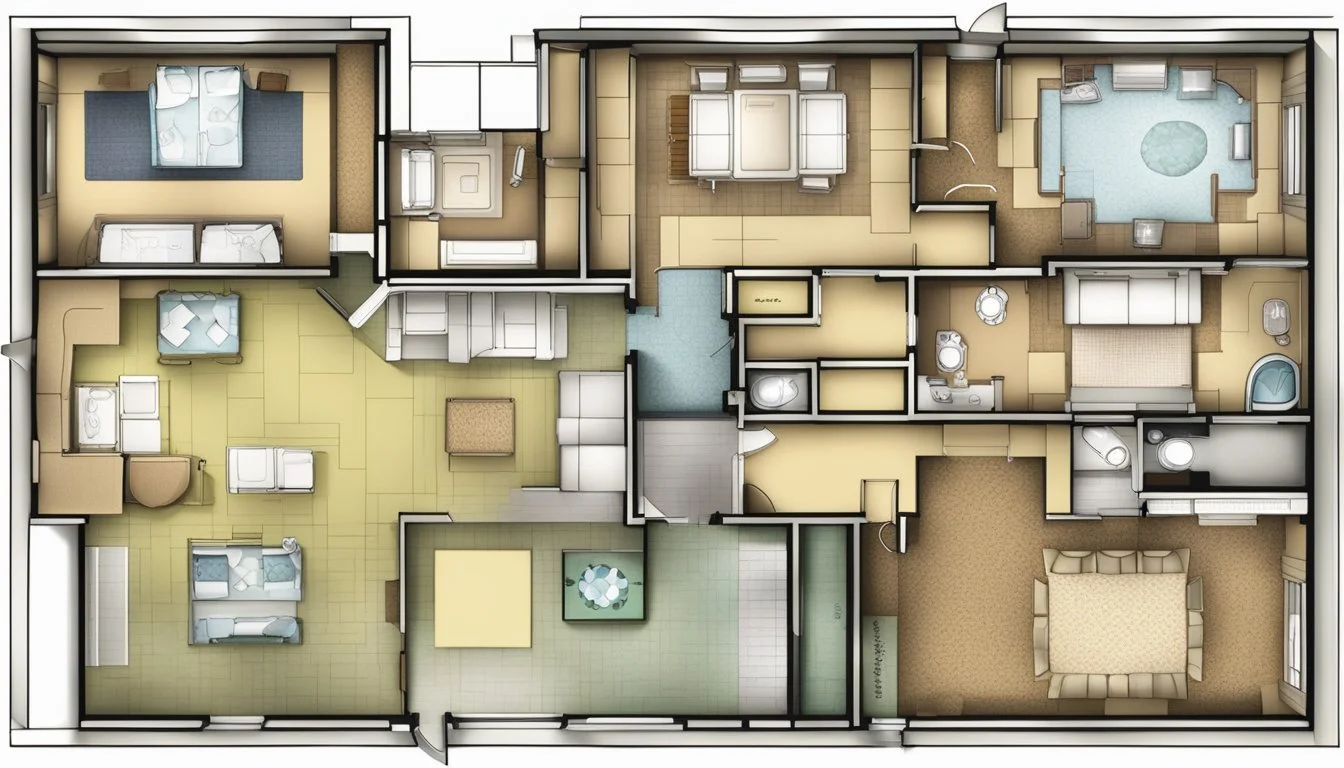
The JonBenét Ramsey house in Boulder, Colorado became infamous following the tragic events of December 26, 1996. Located at 755 15th Street, this 7,000 square foot residence played a central role in one of America’s most puzzling unsolved murder cases. The home's history has deeply impacted its current owners, who grapple with its legacy while finding personal significance in the property.
The home’s layout features a finished basement, main floor, and second story, with the basement wine cellar being the location where JonBenét’s body was discovered. The floor plan includes a separate catering kitchen, an open spiral staircase connecting the second floor near JonBenét’s bedroom to the first floor at the rear of the home.
Understanding the house’s layout has been crucial for investigators and armchair detectives alike. The property’s multiple levels, numerous rooms, and various entry points have fueled speculation about the events of that fateful night. Despite extensive renovations since the murder, the home’s floor plan continues to be a subject of intense scrutiny in the ongoing quest to solve this decades-old mystery.
Historical Context
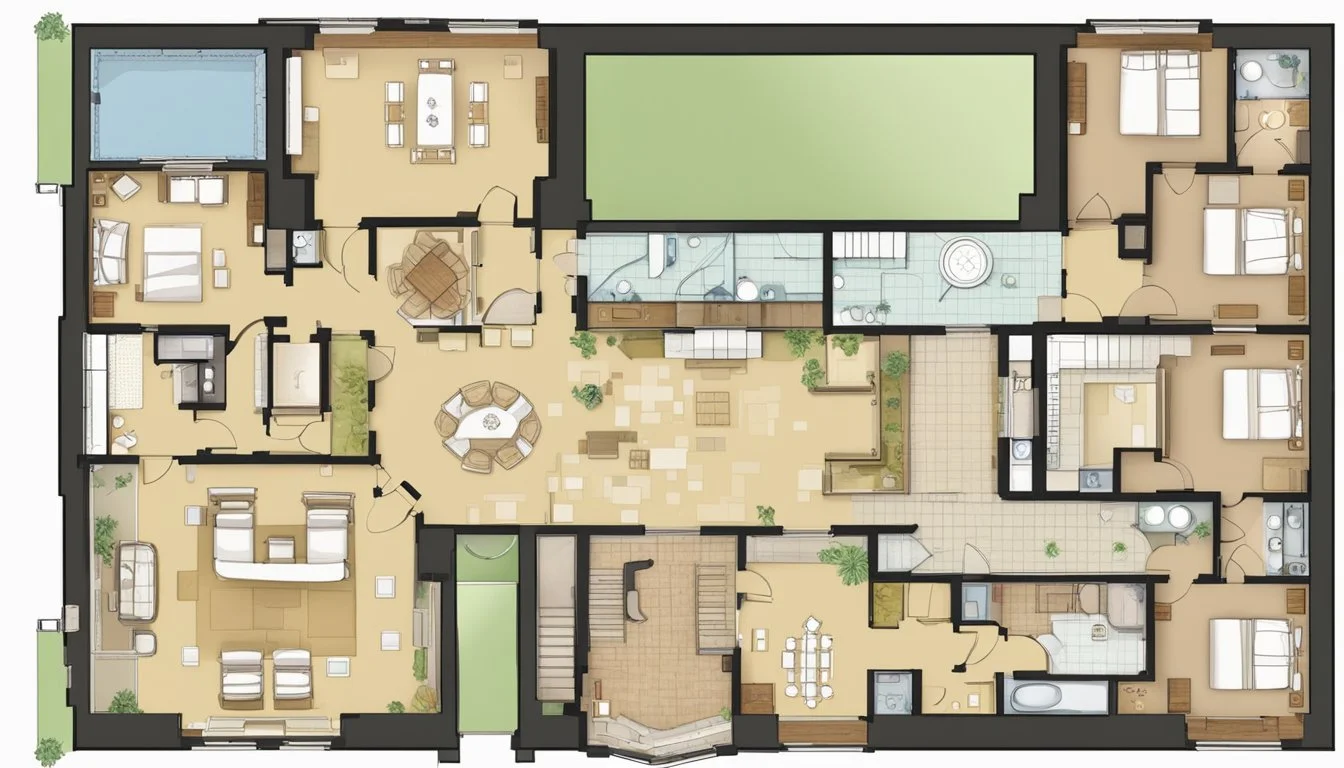
The JonBenét Ramsey case unfolded against a backdrop of wealth, celebrity, and tragedy. JonBenét's father discovered her body in the basement shortly after her reported abduction. This section examines the Ramsey family’s background, including John Bennett Ramsey, and the lasting impact of JonBenét’s death.
The Ramsey Family
John and Patsy Ramsey were prominent figures in Boulder, Colorado. John was a successful businessman, while Patsy was a former beauty queen. They lived in a luxurious 11,000-square-foot home with their children, son Burke Ramsey, and JonBenét. JonBenét's house was significant as she lived there for her entire life until her tragic death.
JonBenét, born in 1990, gained fame as a pageant queen and child beauty pageant contestant. Her photogenic looks and stage presence earned her numerous titles. The family’s affluent lifestyle and JonBenét’s pageant success contributed to their local celebrity status.
Carol Schuller Milner, a competitive ski racer, also faced significant challenges, such as losing her leg due to a motorcycle accident. She is the daughter of the late televangelist Robert H. Schuller, known for his influential television program, the Hour of Power.
On Christmas Night 1996, the Ramseys’ lives changed forever. JonBenét was reported missing and later found dead in their home’s basement. The tragic event thrust the family into the national spotlight.
The Legacy of JonBenét Ramsey
JonBenét’s death remains one of America’s most infamous unsolved cases. It sparked intense media coverage and public fascination that continues to this day. The case raised questions about child beauty pageants and their potential risks. JonBenét Ramsey's house in Boulder, Colorado, became a significant focal point in the case, drawing attention due to its tragic history and architectural features.
Numerous books, documentaries, and TV specials have explored the mystery. Theories and speculation about the killer’s identity persist. The Ramsey house became a macabre tourist attraction, with curious onlookers regularly driving by. Investors who purchased the property pledged to donate the profits from the sale to the JonBenét Ramsey Children’s Foundation, which was established by JonBenét’s parents to assist children in various needs.
The case influenced how law enforcement handles child murders. It also led to changes in media coverage of such crimes. JonBenét’s memory lives on through foundations established in her name, focused on child safety and welfare. The Milner family, who later owned the house, felt incredible empathy for JonBenét and her family, showcasing their emotional connection to the tragedy and a desire to honor her memory.
Architectural Overview

The Colorado mansion in Boulder, Colorado featured a multi-level design with a distinctive Tudor-style roof and distinct living spaces spread across different floors. Its layout played a significant role in the investigation of JonBenét Ramsey’s murder. The house was located in the city's University Hill neighborhood, near the University of Colorado Boulder campus.
The second floor included the primary bedroom, which featured luxurious amenities. The house also had five and a half bathrooms, adding to its detailed and upscale nature.
Ramsey Home Design
The Ramsey residence was a large, Tudor-style house with multiple floors. It had a basement, main floor, second floor, and third floor. The basement contained a wine cellar where JonBenét’s body was discovered, along with a game room.
The main floor housed primary living areas and entertained guests. It included a kitchen with a separate catering kitchen, dining room, and living room. A grand staircase connected the main floor to upper levels.
The second floor contained bedrooms, including JonBenét’s room. John and Patsy Ramsey’s master bedroom was located on the top floor, providing privacy and separation from other areas of the house.
Natural Light and Living Spaces
Large windows throughout the well built house allowed ample natural light into living spaces. This architectural feature created a bright, open atmosphere in main living areas.
The floor plan incorporated both open concept spaces and private retreats. Common areas on the main floor facilitated family gatherings and social events. The decor included pricey European antiques, adding to the luxurious ambiance of the home.
Upper floors offered more secluded spaces for bedrooms and personal use. This design provided family members with private areas while maintaining communal spaces for shared activities.
Detailed Floor Plans
The Ramsey house contained multiple levels with distinct areas. The Milner family’s children previously attended the same charter school as JonBenét Ramsey. Its layout played a key role in the investigation of JonBenét’s murder. The house was later rented by a strength and conditioning coach, E.J. ‘Doc’ Kreiss, from 1999 to 2001, adding to its notable history and previous occupants. The house's history, including its ownership changes and the emotional connections that new owners have had to the property, has significantly impacted the current owners, the Milners, who feel a strong attachment to the home despite its controversial past.
Layout and Structure
The Ramsey residence featured three main levels: a basement, main floor, and second floor. The basement included a wine cellar where JonBenét’s body was discovered. On the main floor, key areas were the kitchen, dining room, living spaces, and a separate catering kitchen.
Located in the city's University Hill neighborhood, the house was in close proximity to the University of Colorado Boulder campus.
The second floor housed bedrooms, including JonBenét’s room. John and Patsy Ramsey’s primary bedroom was located on this level, featuring luxurious amenities. A small bathroom was also present on the second floor.
Some parts of the house had undergone renovations over time. This included remodeling of certain areas and changes to room functions.
Room by Room Analysis
The basement contained multiple rooms, including the wine cellar, a playroom, and a game room. Storage areas were also located in the basement. The wine cellar, originally used for coal storage, had an outside entry point.
JonBenét’s bedroom was situated on the second floor. Her parents’ master bedroom was in the corner where two brick walls met. This room had windows overlooking the south side of the property. The house also included five and a half bathrooms, adding to its spacious and luxurious layout.
The main floor featured common living areas. Signs of possible disturbances were noted in certain rooms during the investigation. The layout of these spaces contributed to theories about the crime and potential intruder movements.
Key Rooms and Features
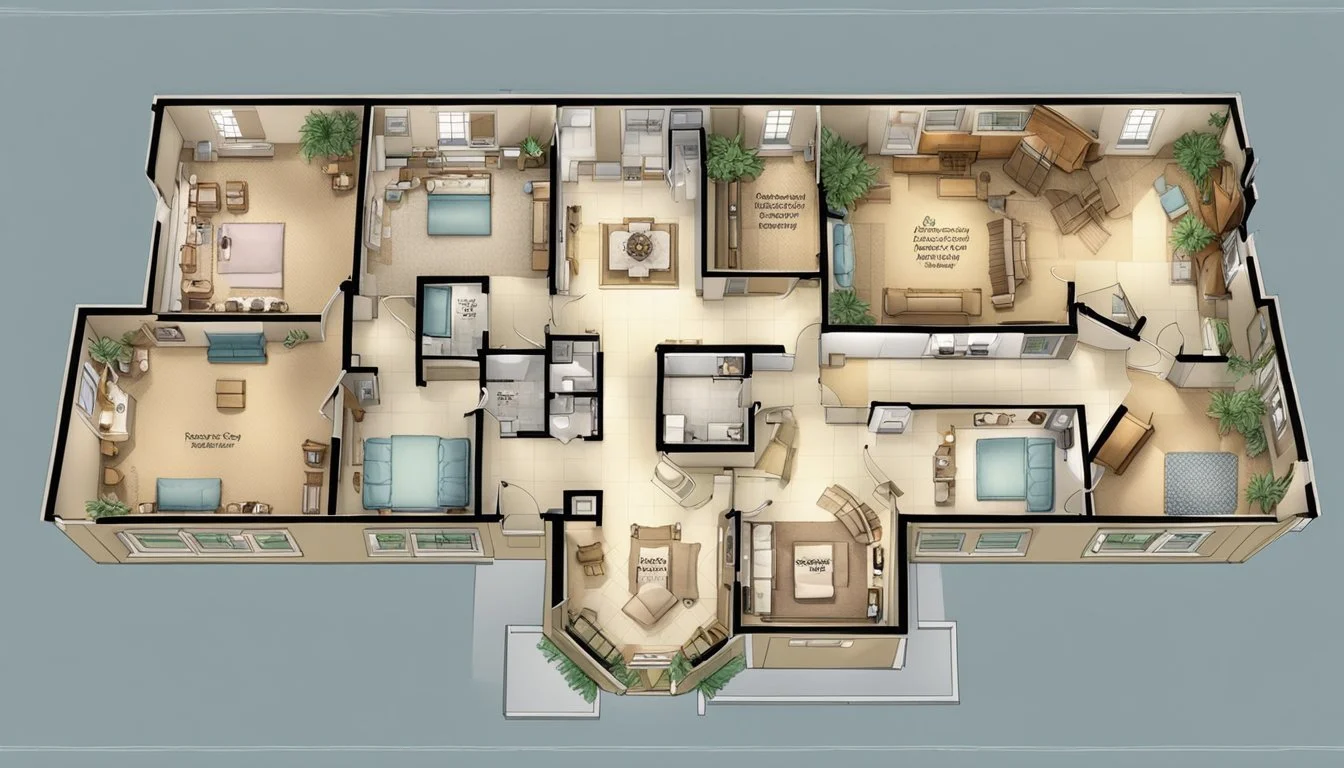
JonBenét’s house contained several notable spaces across its multiple floors. The layout included both formal and informal areas, with key rooms such as a separate catering kitchen serving specific functions in the family’s daily life. The second floor featured the primary bedroom, which had luxurious amenities, emphasizing the upscale nature of the home. The Ramsey family never stayed in the house overnight again after the tragic incident.
The Foyer Entrance
The foyer served as the main entry point to the Ramsey residence, which featured a distinctive Tudor-style roof. It featured a spiral staircase that connected the ground floor to the upper levels. This open staircase design allowed easy access between floors and became a focal point in the investigation.
Despite its troubled history, the Ramsey home was a well-built house from the '20s, known for its quality construction and appealing features. The foyer’s location near JonBenét’s bedroom on the second floor made it a crucial area of interest.
Formal and Dining Areas
The house boasted a formal dining room for entertaining guests. This space likely contained traditional furnishings and pricey European antiques, befitting an upscale Boulder home. The dining area provided a setting for family meals and holiday gatherings. It may have been used for Christmas dinner prior to the tragic events that unfolded.
The main floor also featured a separate catering kitchen, highlighting the luxurious aspects of the Ramsey family's home.
Kitchen and Living Room
The kitchen was a central hub of activity in the Ramsey home, featuring modern appliances, ample counter space for meal preparation, and a separate catering kitchen. It likely featured modern appliances and ample counter space for meal preparation.
The living room offered a comfortable area for family relaxation. This space may have contained a Christmas tree and presents during the holiday season. The Ramsey home was a well-built house from the '20s, highlighting its quality construction and appealing features.
Private and Utility Spaces
The house included private bedrooms for family members, including JonBenét’s room on the second floor. A study or office space provided a work area, possibly used by John Ramsey. The basement contained a wine cellar, a game room, and utility areas such as a laundry room, which became a significant location in the case.
The house also featured five and a half bathrooms, adding to its detailed and spacious layout.
The basement’s layout and access points were scrutinized during the investigation.
The Infamous Basement
The Ramsey home’s finished basement played a crucial role in the JonBenét case. This lower level contained key areas related to the crime, including where JonBenét’s body was discovered dead in the basement. The ongoing mystery of who killed JonBenét Ramsey continues to haunt the property and its history.
Basement Layout
The basement spanned the entire footprint of the house. It featured multiple rooms and storage areas. A central hallway provided access to various spaces. The basement contained a boiler room, train room, game room, and workshop area. Stairs led down from the first floor, with the spiral staircase nearby.
The house also included five and a half bathrooms, adding to its notable features and spacious layout.
Investigators focused heavily on the basement during their probe. They examined entry points, looking for signs of an intruder. The basement windows became a point of interest. Some were found unlocked, raising questions about potential access.
Wine Cellar and Crime Scene
The wine cellar, a small room off the finished basement hallway, became infamous as the location where JonBenét’s body was found. This cramped space measured approximately 10 feet by 8 feet. It had concrete walls and floors. A single light bulb provided dim illumination.
John Ramsey discovered his daughter’s body dead in the basement on December 26, 1996. The crime scene yielded crucial evidence. Investigators found duct tape and cord near JonBenét. A broken paintbrush handle was also present. The ransom note, a key piece of evidence, was found on the basement stairs leading to the first floor.
The House Today
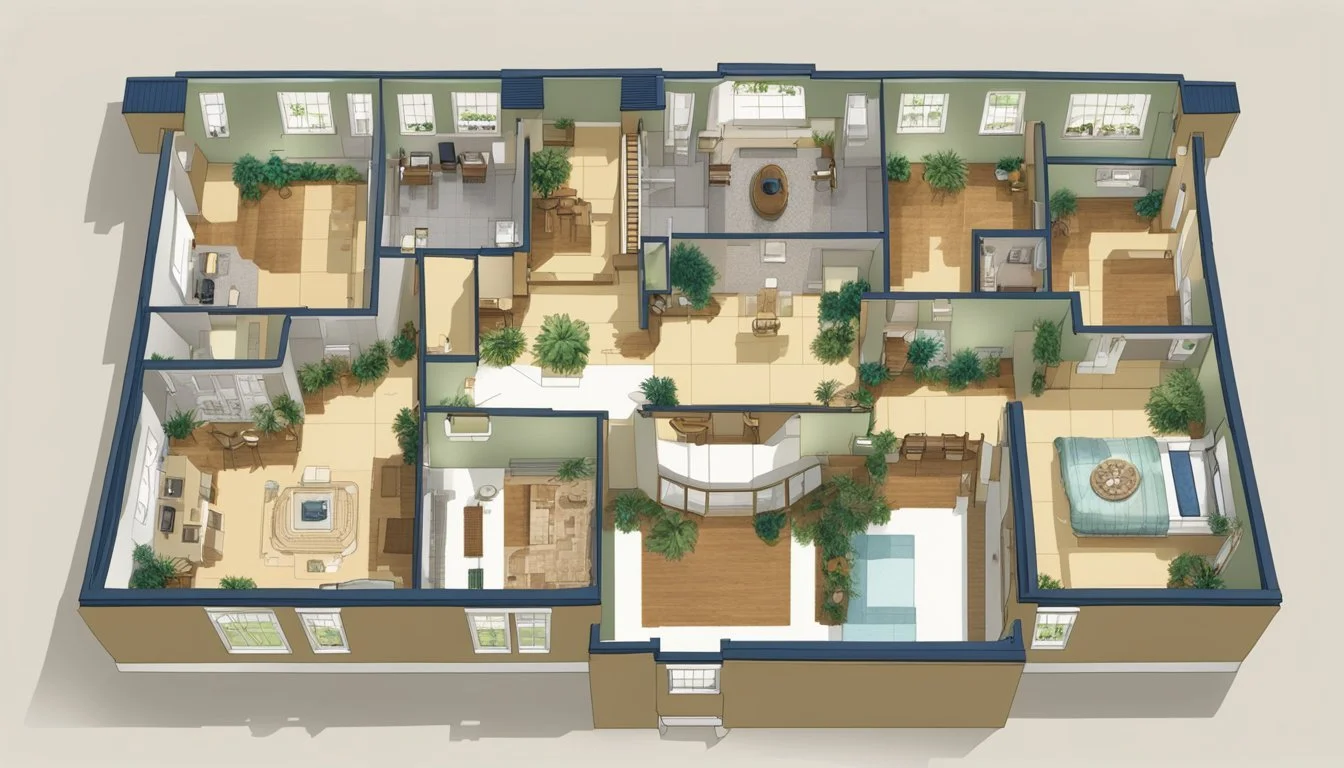
The JonBenét Ramsey house remains a subject of intrigue, with continued market activity and media attention. Its history and layout continue to captivate the public decades after the tragic events that occurred there. The historical significance and real estate implications of the home in Boulder, where JonBenét Ramsey was found, add to its unique market value.
The family’s Colorado home has a profound impact on current owners, who often find themselves addressing the legacy of these events while seeking to create a place of healing and personal significance.
According to Boulder County Assessor records, the house has seen various ownership transactions and purchase prices over the years, reflecting its ongoing presence in the real estate market.
Market Presence and Listings
JonBenét Ramsey’s house has been listed on Zillow multiple times since the 1996 murder. As of December 2024, the property is on the market for $7 million, having previously sold for 1.05 million in 2004. The 5-bedroom, 7-bathroom residence boasts 7,240 square feet of living space.
The home’s interior has undergone renovations since the Ramsey family lived there. Updated features include modern kitchen appliances and remodeled bathrooms. However, certain key elements of the original layout remain, such as the spiral staircase connecting the floors. A forensic real estate appraiser explains that the home's dark history significantly impacts its market value, often leading to a substantial discount due to the stigma associated with such properties.
Despite its troubled history, the property is often described as a well-built house from the ‘20s, highlighting its quality construction and lasting significance.
Real estate listings highlight the property’s location in an affluent Boulder neighborhood. They also emphasize its architectural details and spacious rooms.
Media Coverage and Public Interest
The Ramsey house continues to attract media attention and public curiosity. The New York Post and Colorado news outlets regularly report on the property when it hits the market or during case anniversaries.
YouTube videos featuring virtual tours and crime scene analyses of the house layout garner millions of views. These often include detailed discussions of the home’s floor plan, focusing on areas crucial to the investigation. Orell Anderson, a forensic real estate appraiser, explains that properties associated with child-related crimes tend to suffer significant discounts and may draw unwanted tourist attention due to their notorious pasts.
The Denver Post has provided credible reporting about the aftermath of JonBenét Ramsey’s murder, detailing the family’s sale of their home and the subsequent changes to the property.
True crime enthusiasts and amateur sleuths frequently debate the significance of various rooms and spaces within the house. The basement where JonBenét’s body was found remains a particular point of interest.
Documentaries and television specials about the case often include footage or reconstructions of the home’s interior. These productions typically emphasize the house’s size and complex layout to illustrate the challenges faced by investigators.
Legal and Ethical Considerations
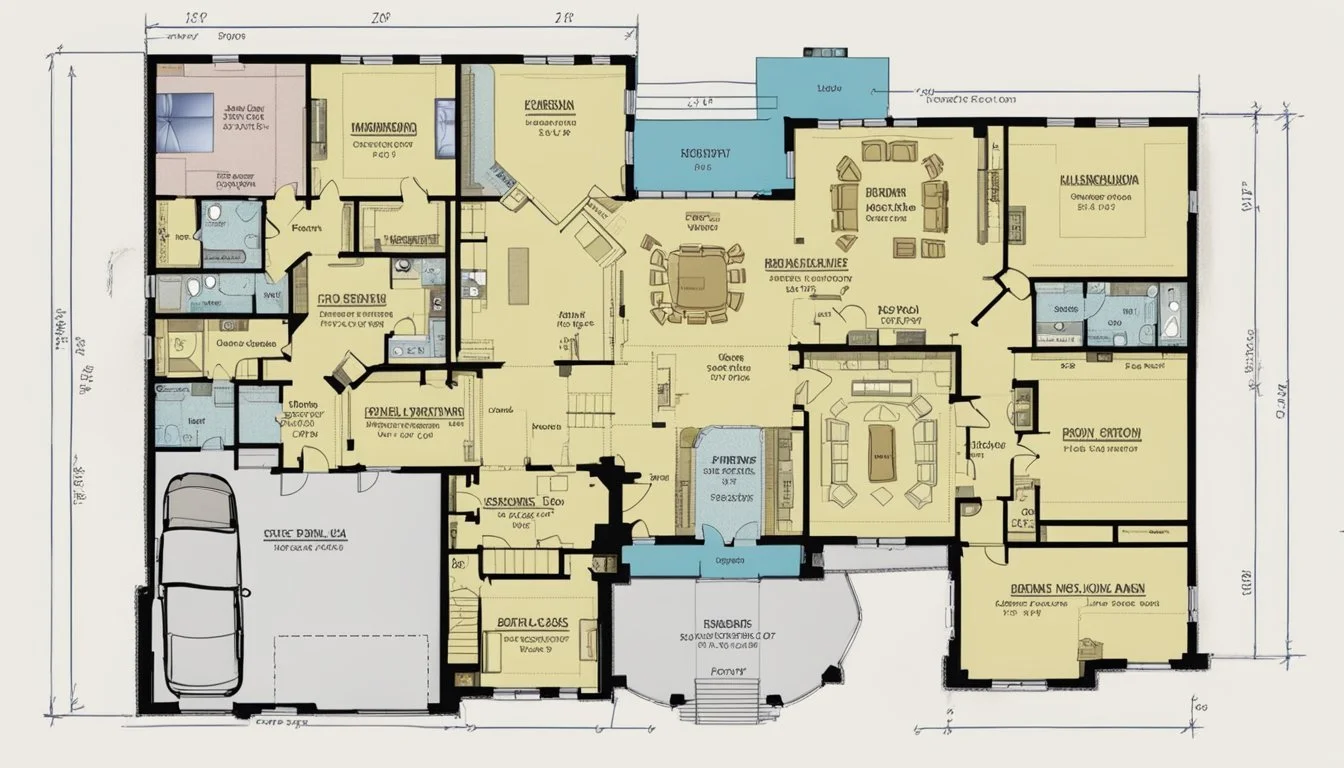
The JonBenét Ramsey house floor plan raises important questions about privacy, the street address, property rights, and public interest. These issues intersect with legal regulations and ethical debates surrounding high-profile crime scenes.
The house’s history, particularly the murder of JonBenét Ramsey, has had significant emotional and financial implications, influencing its perceived value and desirability on the real estate market. Properties like this are often referred to as 'murder houses,' and their dark histories can significantly affect property values, often leading to discounted prices and attracting tourists interested in their macabre past.
Public Access and Privacy
Ramsey home’s layout and street address have become a subject of intense public scrutiny. Media outlets and true crime enthusiasts have circulated floor plans and detailed descriptions of the property. This raises concerns about the family’s right to privacy, even years after the tragic events.
Law enforcement agencies face challenges in balancing transparency with respect for victims’ families. The release of crime scene information must comply with local and state regulations. Public records laws often allow access to certain documents, but personal details may be redacted.
The house's history significantly impacts privacy concerns, as potential buyers often consider the emotional and financial implications of the events that occurred there. Ethical considerations extend to neighbors and subsequent property owners. They may face unwanted attention due to the home’s notoriety.
Usage and Ownership
The Ramsey house floor plan’s copyright status remains unclear. Architectural designs typically have intellectual property protections. However, widespread circulation may complicate enforcement efforts.
In June 2001, the street address of the residence was modified slightly, along with the addition of privacy features, which underscores the ongoing significance and changes surrounding this site in public and media discussions. Property owners have rights regarding how their homes are depicted. Unauthorized use of floor plans could potentially violate these rights. Real estate listings and news reports must carefully navigate legal boundaries when discussing the property.
The house's history, particularly the emotional and financial implications following the murder of JonBenét Ramsey, significantly influenced its perceived value and desirability on the real estate market. Potential buyers, like Carol Milner, expressed initial concerns about the house's past, indicating that the home's history played a crucial role in privacy considerations.
User agreements on websites sharing the floor plan often include disclaimers about accuracy and liability. Privacy policies may address how personal information related to the property is handled.
Ethical debates continue over the appropriateness of profiting from tragedy-related content. This includes books, documentaries, and tours that feature detailed information about the home’s layout.