
Bernard Giles: Inside Piers Morgan's Haunting Interview with Florida's Notorious 1970s Serial Killer
Serial killers have captivated and terrified the American public for decades. The 1970s saw a wave of infamous murderers whose names became synonymous with unspeakable horror—Jeffrey Dahmer, Son of Sam, John Wayne Gacy, and Ted Bundy. While many of these notorious killers have been executed, Bernard Eugene Giles continues to serve five consecutive life sentences for murdering five young women during a 12-week period in Florida in the early 1970s.
Unlike many serial killers whose disturbing behaviors can be traced to troubled childhoods, Giles came from a seemingly normal background. He was well-cared for in a loving family, with siblings who went on to lead productive lives. Yet beneath his ordinary exterior lurked dark compulsions that began forming when he was just six years old. By his own admission, his murderous urges were entirely sexual in nature, culminating in a terrifying spree that changed an entire community and left families devastated.
Key Takeaways
Bernard Giles committed five murders in Florida during the early 1970s despite coming from a normal, loving family background.
His violent sexual compulsions began forming at age six, developing into what he described as his "life's passion" by his teenage years.
The murders occurred shortly after major life changes including marriage and the birth of his daughter, transforming his community as residents lived in fear.
Profile of a Serial Criminal

Public Image
Serial criminals have fascinated the American public for decades, particularly following the notorious cases of the 1970s. Films like "Silence of the Lambs" have shaped how society views these individuals. Law enforcement officials have described the phenomenon as "terrifying" and "epidemic," with estimates suggesting dozens of such offenders have operated across the country at any given time. Their names—Jeffrey Dahmer, Son of Sam, John Wayne Gacy, Ted Bundy—continue to haunt the American consciousness years later.
Most serial criminals follow recognizable patterns in their crimes. They rarely stop voluntarily, often continuing until apprehended. Their crimes frequently involve extensive violence, with some cases including multiple victims and disturbing evidence such as preserved body parts.
Examining the Mind
Bernard Eugene Giles represents a particularly troubling case study. Unlike many notorious offenders, Giles had no obvious traumatic background that might explain his actions. He grew up in a stable family environment with three siblings who went on to lead normal lives. His early childhood appeared unremarkable to outside observers.
The roots of Giles' violent impulses can be traced to a disturbing early experience. At age six, during a children's game of "Witch Hunt," he recalled straddling and pretending to strangle a neighborhood girl—an incident that became his first sexual imprint. This early connection between violence and sexuality became an obsessive pattern that would ultimately drive his crimes.
By age 16, Giles experienced his first overwhelming urge to murder a woman he saw on the street. Though he didn't act on this impulse, he later admitted feeling "extraordinarily hyped" during the encounter and harbored no doubt that he would eventually commit murder. As he described it, killing had become his "life's passion."
The façade of normalcy Giles maintained is particularly disturbing. In the early 1970s, he lived in a Florida trailer park with his young wife and newborn daughter. Neighbors recall him as quiet and unremarkable, though some noted odd behaviors like sitting silently in the laundry area without actually doing laundry.
In 1973, just months after his child's birth, Giles began acting on his homicidal urges. He would drive along highways looking for female hitchhikers—a common practice at the time. Over just 12 weeks, he murdered five women, forever changing his community. The killings caused immediate fear, with hitchhiking stopping "overnight" as residents became vigilant.
Giles' case highlights how personal stressors—like the responsibilities of marriage and parenthood at a young age—may have contributed to the timing of his crimes, though the underlying pathology had existed since childhood.
Bernard Giles' Early Life

Bernard Eugene Giles grew up in what appeared to be a normal family environment. His childhood offered few visible signs of the darkness that would later emerge. Behind the ordinary facade, however, powerful destructive impulses were taking shape that would eventually lead to his classification as one of Florida's first serial killers.
Family Background
Bernard Giles was one of four children in what seemed to be a stable household. Unlike many who commit violent crimes, Giles did not experience an abusive or neglected upbringing. His siblings went on to lead productive lives, and by all accounts, he was well cared for and loved as a child. This apparent normalcy makes his later actions particularly disturbing to those who studied his case. There were no obvious external factors in his family structure that would predict his violent tendencies, creating a puzzling contradiction between his upbringing and his crimes.
First Violent Impulses
Giles traces his violent urges to a specific childhood incident when he was just six years old. During a children's game of "Witch Hunt" with a neighborhood girl, he found himself straddling and pretending to strangle her. This moment became what he later described as his "initial sexual imprint," creating a disturbing connection between violence and sexual arousal that would haunt him throughout his development.
By his teenage years, these impulses had intensified significantly. At 16, Giles experienced his first strong urge to commit murder when he followed a young woman walking to her Volkswagen. He had a knife with him and felt "extraordinarily hyped" as he contemplated attacking her. Though he ultimately continued walking past her, Giles later admitted he had "no doubt" that he would eventually act on these impulses. Despite appearing normal to others—even starting a family with a wife and newborn daughter—he harbored what he described as his "life's passion": the compulsion to murder women.
The disconnect between his outward life and inner thoughts became more pronounced as he entered adulthood. Giles struggled academically, eventually dropping out of school. The pressures of marriage and fatherhood at a young age likely increased his stress levels, potentially contributing to the timing of his eventual crimes.
The Evolution of Homicidal Patterns

Violence Imprinting
The formation of a serial killer often begins with early childhood experiences. Research shows that many develop disturbing patterns before age six through what psychologists term "imprinting" - where an early experience creates a lasting psychological association. This connection can occur during seemingly innocent childhood activities but later manifests in dangerous ways. For example, some killers report their first violent urges emerging during ordinary childhood games that involved domination, restraint, or simulated violence.
Many serial murderers describe knowing "the roots" of their compulsions, recognizing precisely when and how their violent tendencies first emerged. These earliest memories often involve a fusion of violence and sexuality that becomes increasingly difficult to separate as they mature. While external observers rarely notice these developing associations, the individuals themselves frequently recall these formative moments with disturbing clarity.
Public Recognition in the 1970s
The 1970s marked a turning point in America's understanding of repetitive murderers. Before this period, the term "serial killer" hadn't entered the public consciousness, and many communities believed such crimes "happened somewhere else." This perception changed dramatically as several notorious cases captured national attention.
Names that emerged during this decade still resonate in American culture:
Ted Bundy
John Wayne Gacy
Jeffrey Dahmer
"Son of Sam" (David Berkowitz)
These individuals brought unprecedented horror into American homes through extensive media coverage. Justice Department officials described the situation as an "epidemic," with estimates suggesting at least 35 active serial killers operating across the country simultaneously.
The public's response to these cases was immediate and transformative. Communities that once felt safe suddenly changed their behaviors - hitchhiking declined sharply, people became more cautious with strangers, and a new awareness of potential danger emerged. Parents particularly feared for their children's safety in a world where seemingly normal individuals might harbor murderous intentions.
What made these cases particularly disturbing was the apparent normality of many perpetrators. They often maintained families, jobs, and social connections while concealing violent compulsions. This dual nature - the ability to present as ordinary while harboring extraordinary darkness - became a defining characteristic of how society understood serial killers.
The Trailer Park Terror
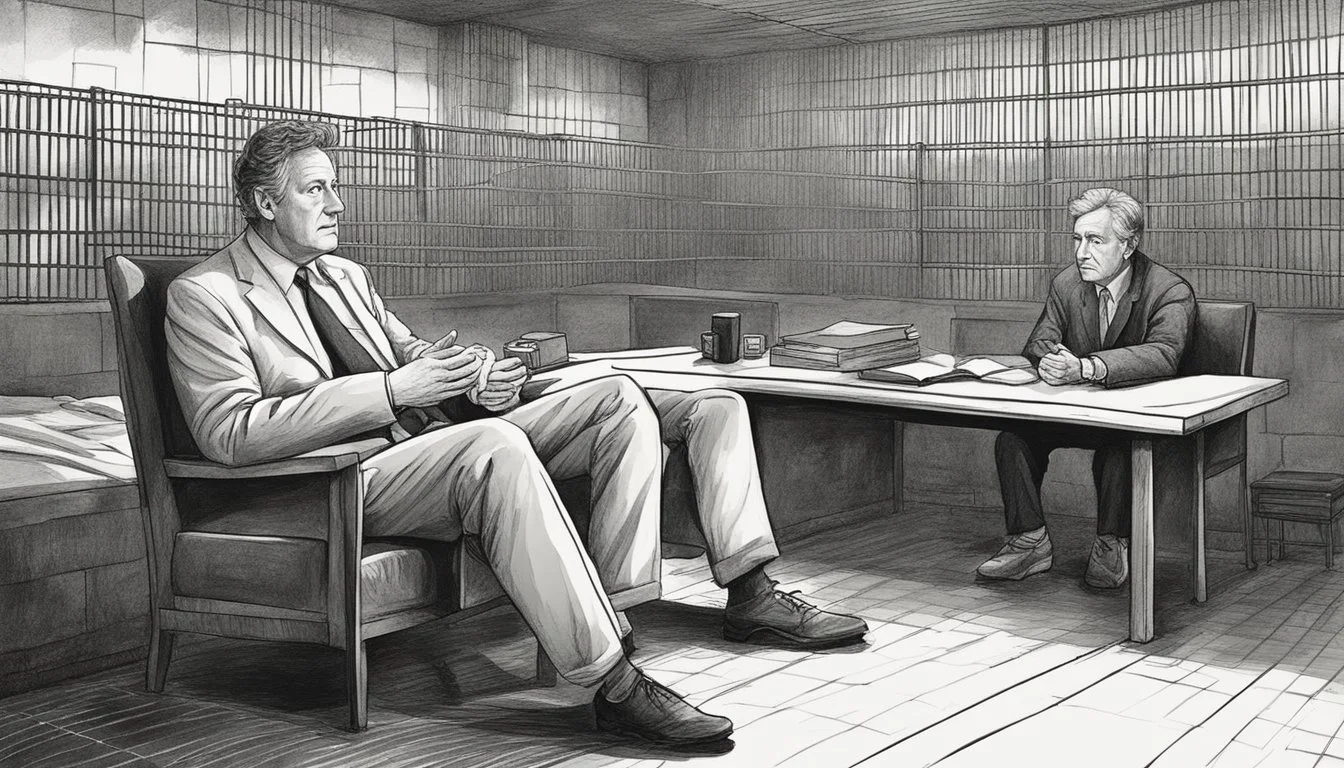
In Florida during the early 1970s, a seemingly ordinary young man harboring dark secrets brought fear to an unsuspecting community. Living in a modest trailer with his 18-year-old wife and newborn daughter, he appeared unremarkable to neighbors. Yet behind this normal façade lurked one of Florida's earliest serial killers, whose actions would forever change the community's sense of safety.
Fatal Encounters in Florida
Bernard Eugene Giles embarked on a killing spree that claimed five young women's lives within just 12 weeks. His hunting ground was the highway near his trailer park, where he targeted female hitchhikers—a common sight in the early 1970s. Giles later admitted his lifelong obsession with violence against women began at age six during a childhood game that became his initial "sexual imprint."
Unlike many notorious killers, Giles had no traumatic childhood experiences to explain his behavior. He grew up in a loving home as one of four children with caring parents. By his own admission, his compulsion was entirely sexual in nature, a disturbing drive that he recognized but couldn't control.
The bodies of two victims were discovered just yards from Giles's residence. Bob Teler, the young State's Attorney who found the remains, recalled how the discoveries sent shockwaves through the area. For 45 years after his conviction, Giles remained imprisoned on five life sentences for the murders he committed.
Community Impact
The murders transformed the local area almost overnight. As one investigator noted:
Hitchhiking, previously common in the small community, ceased completely
Residents became fearful, constantly looking over their shoulders
Parents faced their worst nightmares as details emerged
The community lost its sense of innocence and security
The term "serial killer" wasn't widely known in the 1970s, and many residents believed such criminals existed "somewhere else." Giles shattered this illusion, bringing terror directly into their community.
What made Giles particularly frightening was his ordinary appearance. He showed no obvious warning signs, maintaining a normal family life while harboring homicidal thoughts. According to investigators, the stress of marriage and fatherhood at a young age may have contributed to triggering his violent impulses.
Each morning, Giles woke up thinking "today may be the day" he would kill someone. This chilling mindset, combined with his methodical approach, allowed him to commit multiple murders before being caught, leaving a permanent mark on Florida's criminal history.
The Legal Aftermath
The identification and prosecution of serial killers has presented unique challenges for law enforcement and the judicial system. The case of Bernard Eugene Giles stands as a prime example of the complexities involved in bringing serial murderers to justice in the 1970s, a time when understanding of such criminals was still developing.
Investigation Challenges
The investigation into the murders committed by Giles faced several significant obstacles. When bodies began appearing near a Florida trailer park, local authorities were confronted with a crime pattern they weren't fully equipped to understand. Serial murder wasn't a well-established concept in law enforcement circles at that time.
Bob Teler, who served as a State's Attorney during the investigation, noted how the murders dramatically changed community behavior. "Hitchhiking stopped overnight and people started looking over their shoulders," he recalled. The discovery of two bodies within days of each other sent shockwaves through the small community.
The investigation was further complicated by the seemingly normal appearance of Giles. He lived with his wife and newborn daughter, presenting no obvious red flags to neighbors or family members. One neighbor even recalled regularly encountering him in the laundry room, though she noted his strange habit of sitting silently, "dangling his legs and just looking" without ever bringing laundry.
Judicial Process
Giles ultimately received five life sentences for the murders of five young women. His case progressed through the judicial system at a time when the term "serial killer" was not yet in common usage. Law enforcement officials were still developing frameworks for understanding and prosecuting such crimes.
What made Giles' case particularly disturbing was the absence of typical factors often associated with such criminals. Unlike many cases involving violent offenders, investigators found:
No evidence of childhood abuse
No significant trauma in his background
A reportedly loving family environment
Siblings who were well-adjusted
During his eventual confession, Giles attributed his actions entirely to sexual compulsion, tracing his urges back to a childhood incident at age six. This psychological dimension added complexity to the legal proceedings, though it did not mitigate his accountability for the murders.
The prosecution built its case around the bodies discovered near Giles' residence and his eventual admission to the crimes. After 45 years in prison, Giles finally agreed to discuss his crimes in detail, providing disturbing insights into his mindset before and during his killing spree.
Giles' Youth and Homicidal Tendencies
Bernard Eugene Giles appeared normal on the surface—one of four children from a loving family with no apparent trauma or abuse in his background. Yet beneath this ordinary exterior lurked dangerous impulses that would eventually manifest in horrific ways. His story raises disturbing questions about the origins of violent behavior.
Early Compulsions and Inner Struggles
The roots of Giles' homicidal urges can be traced to a childhood incident when he was only six years old. During what should have been innocent play—a game of "Witch Hunt" with a neighborhood girl—Giles experienced a disturbing moment that would shape his psychosexual development. While straddling and pretending to strangle this young neighbor, he had his first sexual imprint, creating an association between violence and sexual arousal that would grow stronger over time.
This early experience developed into an obsession that plagued his adolescence. Unlike many who commit violent crimes, Giles had no history of abuse or neglect to explain his behavior. He was raised in a stable home environment where he received care and affection. The driving force behind his compulsion was entirely sexual in nature, stemming from this early imprinting.
Initial Encounter with a Potential Victim
At sixteen years old, Giles experienced his first overwhelming urge to kill when he noticed a young woman walking in front of him. As she prepared to enter her Volkswagen, he felt what he later described as being "extraordinarily hyped." With a knife in his possession, he approached her vehicle but ultimately continued walking past.
"If it had gone the other way, I'd have murdered her at the age of 16," Giles later confessed. The woman never noticed him or the danger she was in, completely unaware of how close she had come to becoming his first victim. This near-miss didn't deter his dark fantasies—he admitted having "no doubt at all" that he would eventually act on his impulses.
By his late teens, Giles had dropped out of school and was struggling academically. Despite appearing normal to others and starting a family, he described murder as his "life's passion." This disturbing disconnect between his outward life and inner compulsions would eventually lead to a 12-week period of terror in coastal Florida, where he murdered five young women in the early 1970s.
Dissecting the Mind of Giles
Bernard Eugene Giles represents one of Florida's earliest documented serial killers, a man who maintained an ordinary exterior while harboring deadly compulsions. His case stands out because, unlike many violent criminals, his childhood lacked obvious trauma. Giles grew up in a loving home as one of four children, with siblings who went on to lead productive lives.
The roots of his violent tendencies trace back to a childhood game when he was just six years old. During a "witch hunt" play scenario with a neighborhood girl, Giles recalls straddling and pretending to strangle her. This moment became his formative sexual imprint, creating a disturbing association between violence and sexual arousal that would shape his future actions.
Throughout his teen years, Giles struggled academically and eventually dropped out of school. At 16, he experienced his first overwhelming urge to kill when he saw a woman getting into her Volkswagen. Though he had a knife and contemplated attacking her, he continued walking past. Even then, Giles had no doubts that murder would eventually become part of his life, describing it as his "life's passion."
By age 20, Giles was living in a Florida trailer park with his 18-year-old wife and their newborn daughter. Neighbors recall seeing him frequently in unusual places, like the laundry facility where he would sit silently, watching people. One neighbor noted his peculiar habit of sitting in the laundry room without actually doing any laundry.
The stress of marriage and parenthood may have been the catalyst that finally triggered his killing spree. Within months of his daughter's birth, in October 1973, Giles began driving the highways looking for victims. He targeted female hitchhikers, a common sight on Florida roads in the 1970s.
His first victim was Nancy Jerry, a singer at a local bar. Giles remembers picking her up and driving to a wooded area, but claims not to remember her name now, 45 years later. Over just 12 weeks, he murdered five young women, creating terror in the community. Two bodies were discovered just yards from his trailer home.
The impact on the local area was immediate and profound. As Bob Teler, a State's Attorney at the time, recalls:
Hitchhiking stopped overnight
Community-wide fear took hold
People began looking over their shoulders
News of the murders spread quickly
Despite the term "serial killer" not being widely used in the 1970s, Giles' methodical approach to murder fits the profile perfectly. Now serving five life sentences, he acknowledges his crimes without justification, maintaining that while his compulsions were overwhelming, he now wishes he hadn't killed any of his victims.
Murderous Tendencies and Behavioral Shifts
Marital Responsibilities and Pressure
Bernard Giles experienced significant life changes at a young age. At only 20 years old, he moved into a Florida trailer park with his 18-year-old wife and their newborn daughter. To neighbors, the young family appeared normal, with no outward signs that anything was amiss. One neighbor recalled frequently encountering Giles in the laundry area, where he would sit silently, dangling his legs and watching. Oddly, she noted he never seemed to have any actual laundry with him.
The transition to marriage and fatherhood likely created substantial stress for Giles. Mental health experts suggest that these new responsibilities may have served as contributing factors to his subsequent behavior. The pressure of supporting a family at such a young age, particularly for someone emotionally unprepared for these roles, created a volatile situation.
Initial Homicide
Approximately two months after his daughter's birth in October 1973, Giles made a deliberate decision that would forever change multiple lives. He drove out of his trailer park onto the highway with the specific intent to find and murder someone. His chosen method was to target female hitchhikers, who were common in that era when accepting rides from strangers carried no particular fear.
When asked about his first victim, Giles claimed not to remember her name. She was identified as Nancy Jerry, a singer at a local establishment. Giles described her as slightly shorter than himself with brown hair and an average build. After picking her up, he drove to a wooded area off the main road where the attack occurred.
This initial murder marked the beginning of a horrific 12-week period during which Giles would kill five women. Two victims' bodies were discovered near his own trailer, where he lived with his wife and baby. The community response was immediate—hitchhiking stopped overnight, and residents began looking over their shoulders in fear.
Florida authorities noted this was one of the state's first encounters with what would later be termed a "serial killer," a concept not well understood in the 1970s. The prosecution attorney recalled how these crimes fundamentally changed the small community, creating an atmosphere of pervasive fear and caution.
Victims and Memory
The impact of serial killings extends far beyond the immediate crimes, leaving deep impressions on communities and individuals alike. Serial killers often develop particular patterns and compulsions that drive their behaviors. These individuals typically appear normal to those around them, despite harboring dark intentions that eventually manifest in violence. The 1970s marked a particularly troubling period in American history when several notorious serial killers emerged, terrorizing communities and forever changing public perceptions of safety.
Recollection of the First Victim
Bernard Giles began his killing spree in October 1973 when he left his trailer park home and drove onto the highway with the explicit intention of finding a victim. He targeted hitchhikers, who at that time had no reason to fear accepting rides from strangers. His first victim was Nancy Jerry, a woman he knew little about except that she worked as a singer in a local bar.
When describing her, Giles recalled only basic physical attributes: she was somewhat shorter than him with brown hair and a sturdy build, not particularly striking in appearance. After picking her up while she was hitchhiking, he drove to a wooded area away from the main road. This encounter marked the beginning of his series of killings that would continue over the next twelve weeks.
The community's reaction was swift and profound. What had once been a common practice—hitchhiking along local roads—stopped almost overnight as fear spread through the area. Residents began looking over their shoulders, suddenly aware of potential dangers that hadn't concerned them before.
