
Burke County Tragedy: Hannah Cobb Faces Manslaughter Charges in Fatal Shooting of Boyfriend Telvin Osborne
In the early morning hours of February 23rd, 2025, a domestic tragedy unfolded in Burke County that has since captivated social media and left a community searching for answers. Hannah Cobb, 25, now faces involuntary manslaughter charges in connection with the shooting death of Telvin Osborne, her boyfriend and father of their two children, following what authorities describe as a night of drinking and a physical altercation.
The case has raised numerous questions about the circumstances surrounding Osborne's death. Sheriff Alfonso Williams has stated that while the shooting has not been classified as accidental, details in the official incident report and public statements appear to contain discrepancies about whether Cobb was cleaning her firearm at the time of discharge. Additionally, the timing of Cobb's arrest and the nature of the charges have sparked debate among community members and legal experts about how the investigation has been handled.
Key Takeaways
A fatal shooting following an alleged argument has resulted in involuntary manslaughter charges rather than murder, raising questions about intent and evidence.
Discrepancies between police statements and incident reports have complicated public understanding of the circumstances surrounding the death.
Physical evidence, post-incident behavior, and forensic findings will play crucial roles in determining the final charges and potential outcome of the case.
Criminal Case Analysis

Incident Details
On February 23, 2025, a fatal shooting occurred in Burke County involving Hannah Cobb, 25, and Telvin Osborne. The incident took place in the master bedroom of their shared home where they lived with their two young children. According to police reports, the shooting happened after the couple had been drinking and engaged in a physical argument.
Cobb has been charged with involuntary manslaughter following the death of Osborne. The incident report indicates that Cobb allegedly told authorities she was checking her firearm when it discharged, a routine she claimed the couple performed nightly. However, Sheriff Alfonso Williams later stated that his office never received information supporting this claim about weapon cleaning.
Controversy surrounds the case, particularly regarding the delay in Cobb's arrest and the nature of the charges. The victim's family and community members have expressed outrage over these concerns.
Individuals Involved
Victim: Telvin Osborne
Father of two children
Lived with Cobb in the same residence
Died from gunshot wounds on February 23
Suspect: Hannah Cobb, 25
Mother of the victim's two children
Girlfriend of the victim
Charged with involuntary manslaughter
Under Georgia law, involuntary manslaughter involves culpable negligence while committing an underlying crime. In this case, the prosecution may argue that Cobb was handling a firearm while intoxicated, which resulted in Osborne's death. This charge carries a potential sentence of up to 10 years in prison.
The investigation continues as authorities work to determine the exact circumstances of the shooting. Physical evidence, including crime scene details and forensic analysis, will be crucial in establishing whether the discharge was truly accidental or if more serious charges are warranted.
Community Response
Social Media Reactions
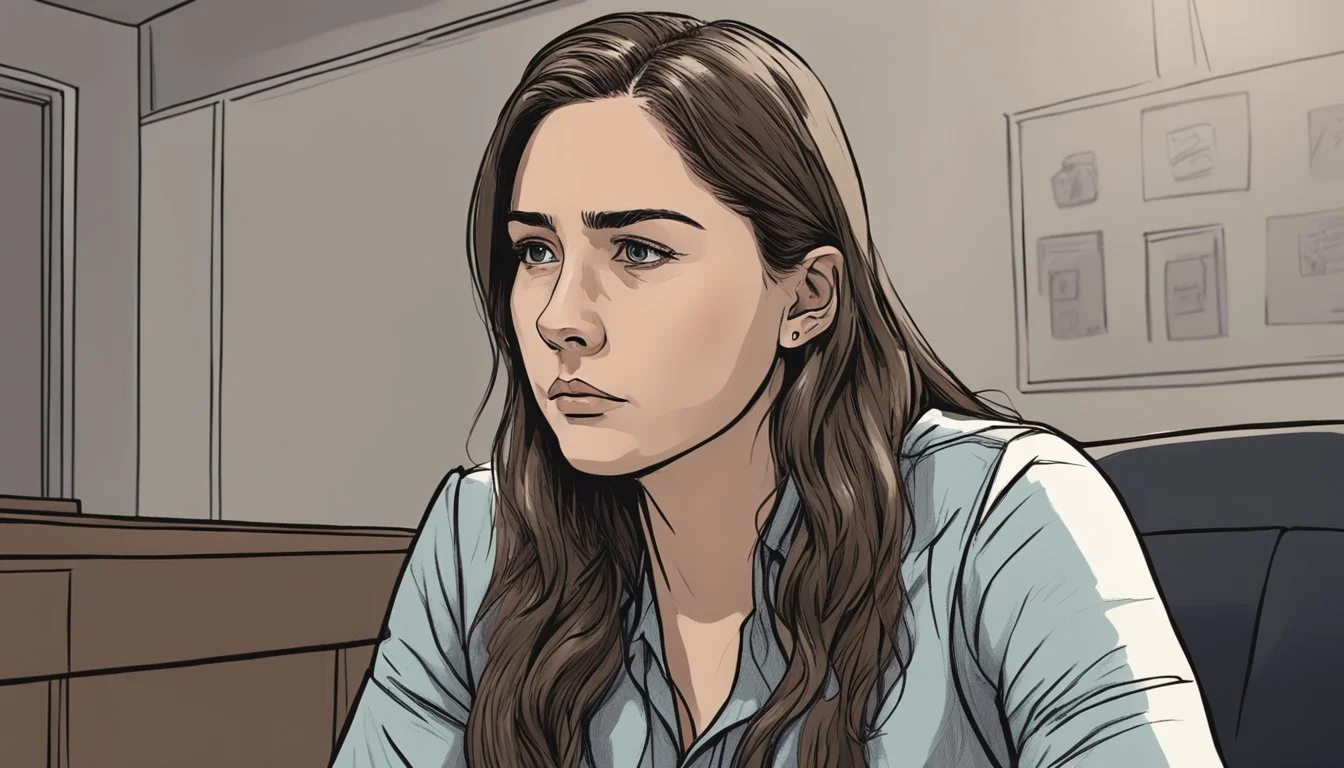
The shooting of Telvin Osborne has sparked intense speculation across social media platforms. Many users have raised questions about the circumstances surrounding his death and the subsequent legal proceedings. Some of the most common questions circulating online concern the true events of that February night and why authorities didn't immediately arrest Hannah Cobb after the incident.
The delay in Cobb's arrest has become a particular focus of online discussions. Social media users have questioned the timeline of events and the investigation process. Many have expressed suspicion about Cobb's alleged explanation that the gun discharged accidentally while she was checking it.
Another prominent topic in online conversations has been the nature of the charges filed against Cobb. The decision to charge her with involuntary manslaughter rather than a more serious offense has generated significant debate about whether the legal response matches the severity of the incident.
Family and Community Outrage
The victim's family has expressed profound grief and frustration regarding both the circumstances of Telvin's death and the handling of the case. Their distress has been compounded by the delay in arresting Cobb, which they view as an injustice to Telvin's memory and their family.
Community members have rallied around Osborne's family, sharing in their outrage and demanding answers. Many feel the charging decision doesn't adequately address the loss of a young father of two. The discrepancy between the incident report stating Cobb claimed to be cleaning her gun and the sheriff's statement that no such information was received has only intensified public concern.
The Burke County community appears divided on whether justice is being properly served in this case. Some residents have organized support groups for Osborne's family, while others are calling for greater transparency from law enforcement agencies involved in the investigation. The loss has been particularly devastating as Osborne was described as a dedicated father whose children now face growing up without him.
Legal Analysis
Charge Assessment
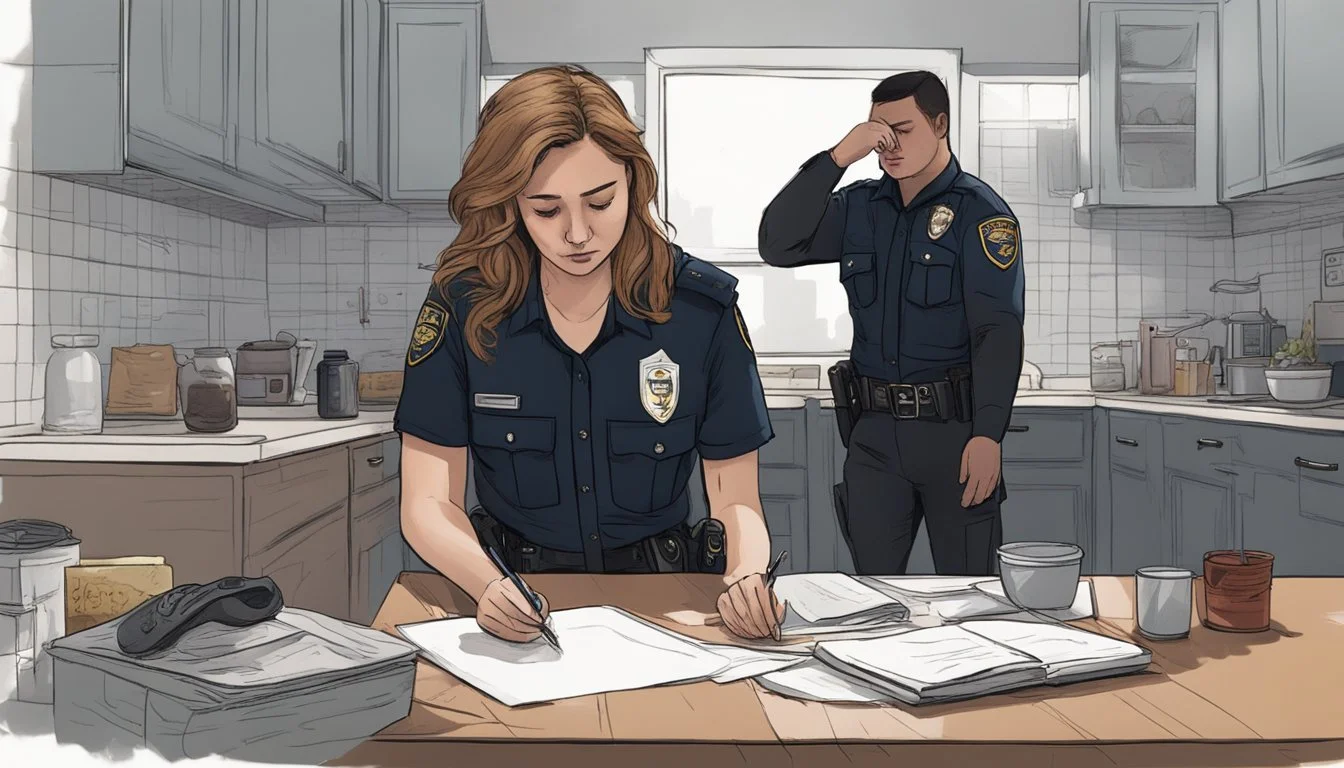
The prosecution's decision to charge Hannah Cobb with involuntary manslaughter rather than a more severe charge stems from Georgia's legal framework. Under state law, involuntary manslaughter involves culpable negligence while committing an underlying illegal act. In this case, the allegation centers on Cobb handling a firearm while intoxicated, which resulted in Telvin Osborne's death. This charge carries a potential sentence of up to 10 years in prison. However, charges can evolve as investigations progress and additional evidence emerges, meaning prosecutors could pursue different charges before trial if warranted by new findings.
Involuntary Manslaughter Elements
For an involuntary manslaughter charge to apply in this scenario, several key elements must be present:
Reckless behavior - Operating a firearm while under the influence of alcohol
Underlying misdemeanor - Handling a weapon in a negligent manner while intoxicated
Resulting death - The discharge of the weapon causing Osborne's death
The prosecution need not prove intent to kill, only that Cobb's negligent actions while committing another offense led to the fatal outcome. If evidence emerges suggesting a heated argument preceded the shooting, prosecutors might consider upgrading to voluntary manslaughter, which addresses "heat of passion" scenarios.
Evidence and Intent
Physical evidence will play a crucial role in determining the accuracy of Cobb's account. Investigators will examine:
Weapon positioning at time of discharge
Distance factors (point-blank range vs. distance)
Forensic indicators such as stippling or powder marks
Post-incident behavior
Cobb's actions after the shooting—specifically her attempts to administer first aid—may influence the case assessment. Such behavior can demonstrate state of mind and lack of malicious intent. However, significant discrepancies exist in the narrative. While the incident report indicates Cobb claimed she was "checking" or "cleaning" the weapon during a routine nightly practice, Sheriff Williams explicitly stated no information supported weapon cleaning occurring. This contradiction raises important questions about evidence handling and communication within the investigating agency.
Proving or disproving intent will ultimately depend on reconciling physical evidence with witness statements, 911 call content, and crime scene analysis to determine the true circumstances of this tragic incident.
Inconsistencies and Clarifications

Conflicting Official Statements
The case reveals significant discrepancies between official documents and public statements. The incident report obtained by Law and Crime clearly states that Hannah Cobb claimed she was checking her firearm when it discharged, describing this as a nightly routine she shared with Telvin Osborne. However, during a news conference, Sheriff Alfonso Williams directly contradicted this account, stating: "At no point during the investigation was there any information about a person cleaning a weapon." This contradiction raises serious questions about the handling of evidence and communication within the sheriff's department.
Firearm Handling Claims
The circumstances surrounding the firearm's discharge contain troubling inconsistencies. Cobb allegedly told police that she was "checking" her gun when it fired, something she claimed the couple did "every night." This routine firearm handling after a night of drinking and an alleged physical argument presents a concerning scenario. The sheriff's explicit denial of any cleaning-related information suggests either miscommunication within law enforcement or potentially inconsistent statements from Cobb herself. These discrepancies are particularly significant as they relate directly to the core question of whether the shooting was truly accidental or potentially negligent handling of a deadly weapon while intoxicated.
Post-Incident Response
Emergency Medical Actions
Following the shooting, Hannah Cobb reportedly attempted to provide immediate medical assistance to Telvin Osborne. This response to the crisis represents a significant factor in evaluating her state of mind during the aftermath. Legal experts note that post-incident behavior often carries considerable weight in criminal cases. When someone causes harm and then tries to render aid rather than fleeing the scene, this typically suggests they did not intend the harmful outcome. Such attempts at first aid can demonstrate a lack of malicious intent, as individuals who deliberately harm others rarely make genuine efforts to save them afterward.
Defendant's Behavior After the Shooting
Cobb's conduct immediately following the shooting has become a critical element in this case. Rather than leaving the scene or displaying indifference to Osborne's condition, she reportedly tried to help him. Legal experts consider such behavior important because it contrasts with the typical "consciousness of guilt" actions seen when someone intentionally commits a violent act. Her emergency response efforts may influence how prosecutors and eventually a jury interpret her intentions. The time between the shooting and when authorities were contacted will also factor into the overall assessment of her post-incident conduct. These behavioral elements, combined with physical evidence and statements made at the scene, will shape how this case proceeds through the legal system.
Expert Legal Analysis
Joe Tamborino's Professional Assessment
Joe Tamborino provides valuable insights into Hannah Cobb's involuntary manslaughter charge. He explains that under Georgia law, involuntary manslaughter involves culpable negligence while committing an underlying crime. In this case, the charge likely stems from Cobb operating a firearm while intoxicated, resulting in Telvin Osborne's death.
The current charges don't necessarily represent the final legal outcome. Tamborino notes that prosecutors can adjust charges based on emerging evidence. The maximum penalty for involuntary manslaughter in Georgia is 10 years imprisonment.
Several key factors will influence the case:
Physical evidence:
Gun positioning at discharge
Distance between the firearm and victim
Presence of stippling or gunpowder residue
Crime scene details
Post-incident behavior:
Cobb's attempt to administer first aid is significant
Actions after an incident reveal state of mind
Immediate assistance efforts contrast with consciousness of guilt
The discrepancy between the incident report and sheriff's statements raises serious concerns. Tamborino highlights the importance of law enforcement agencies coordinating information before making public statements. The contradiction about whether Cobb was cleaning the weapon when it discharged represents a significant inconsistency.
Proving intent in accidental shooting cases involves examining both physical evidence and statements made by the accused. The investigation will need to reconcile these elements to determine the appropriate charges as the case progresses.
Investigative Difficulties
The examination of firearm-related fatalities involves numerous complications that challenge law enforcement and legal professionals. When relationships between involved parties become entangled with alcohol consumption and conflicting statements, determining the facts becomes increasingly complex. These cases require meticulous analysis of physical evidence, witness accounts, and post-incident behaviors.
Establishing Deliberate Action
Proving intent in shooting cases presents significant challenges for prosecutors. Physical evidence plays a crucial role in determining whether a discharge was deliberate or accidental. Investigators examine the firearm's position at discharge, proximity to the victim, and presence of stippling or residue on the victim's body or clothing.
The distance between the shooter and victim provides critical context - a point-blank range suggests different circumstances than a shot fired from several feet away. Crime scene investigators analyze bullet trajectory, gunpowder patterns, and fingerprint placement to reconstruct events accurately.
A person's actions immediately following a shooting also help establish their mental state. Someone who flees demonstrates consciousness of guilt, while rendering immediate aid suggests a different mindset. These post-incident behaviors often become key elements in determining whether the discharge was intentional or truly accidental.
Claims of Unintentional Discharge
When individuals claim a firearm discharged accidentally, investigators must thoroughly examine both physical evidence and verbal statements. Conflicting accounts between official reports and statements can significantly impact case assessment. For instance, when a suspect claims to have been cleaning or checking a weapon during discharge, investigators look for corresponding evidence such as:
Presence of cleaning supplies near the firearm
Positioning of the weapon during the incident
Consistency with established routines or behaviors
Inconsistencies between law enforcement documentation and public statements can create additional complications. When incident reports contain details that contradict official positions, questions arise about information handling within agencies and the thoroughness of the investigation.
The combination of alcohol consumption and firearms handling creates particularly problematic circumstances. Operating a firearm while intoxicated demonstrates culpable negligence, which can support charges like involuntary manslaughter regardless of whether the discharge was truly unintentional. In Georgia, such behavior can result in sentences up to 10 years imprisonment.
