
The Jacquelyn Smith Murder: How a Baltimore Husband's Elaborate Lie Shocked the Nation
The tragic case of Jacqueline Smith's murder in Baltimore shocked the community and garnered national attention in December 2018. What began as a heartwarming story of generosity—a woman offering money to a panhandler with a baby—quickly transformed into a cautionary tale about the dangers of urban kindness. Keith Smith and his daughter Valeria reported that Jacqueline was fatally stabbed after attempting to help a woman in need near Valley Street, dying shortly afterward at Johns Hopkins Hospital from multiple wounds.
The incident prompted widespread fear, with even Oprah Winfrey commenting that she would "think twice" before helping strangers in the future. Baltimore officials urged citizens to be cautious of panhandlers with potentially dishonest intentions. However, as investigators worked through the evidence, they encountered troubling inconsistencies. Despite thorough searches, police found no crime scene evidence, no witnesses, and noted the unusual location for panhandling activity. The vehicle examination revealed no unidentified fingerprints or DNA, raising questions about the account provided by Keith and Valeria Smith.
Key Takeaways
A woman's reported murder by panhandlers while performing an act of charity created fear throughout Baltimore and received national media coverage.
Law enforcement investigations revealed significant inconsistencies in the reported crime, including lack of evidence and witnesses at the purported scene.
The case prompted public warnings about interacting with strangers and sparked broader concerns about urban safety and vulnerability.
Tragic Incident

The Fatal Stabbing of Jacqueline Smith
On December 1, 2018, shortly after midnight, 54-year-old Jacqueline Smith lost her life in what was initially reported as an act of violence following a charitable gesture. The incident occurred when Keith Smith, his daughter Valeria, and Jacqueline were driving home after celebrating Valeria's 28th birthday at the American Legion Hall in Baltimore. Keith told authorities that Jacqueline had asked him to stop the car so she could offer money to a woman who appeared to be a panhandler holding a baby.
According to Keith's account, as Jacqueline extended her hand with money, a male companion of the female panhandler suddenly approached the vehicle and stabbed Jacqueline multiple times. Keith immediately rushed his wife to Johns Hopkins Hospital, placing a frantic 911 call at approximately 12:30 a.m. Despite medical intervention, Jacqueline succumbed to her injuries before 1:00 a.m., having suffered five stab wounds to her torso and a cut on her right arm.
Jacqueline, born on July 4, 1964, in Providence, Rhode Island, was known for her generous nature and strong faith. She worked as an electrical engineer for the Department of Defense in Maryland and had married Keith Smith in 2014. Before her death, she had raised two adult sons—one in college and another who had joined the U.S. Coast Guard.
Immediate Aftermath
Following Jacqueline's death, Keith and Valeria Smith made public appearances warning Baltimore residents about the dangers of helping strangers. Their story quickly captured national attention, with media outlets across the country reporting on the dangers of interacting with panhandlers. Even Oprah Winfrey commented on the case, tweeting that she would "think twice" before helping strangers in similar situations.
Baltimore police issued public safety warnings based on the Smiths' account, cautioning citizens about engaging with panhandlers. Authorities released descriptions of the supposed attackers: a man possibly in his 30s with a goatee and a woman who had been asking for money while holding a baby.
However, the investigation faced immediate challenges. Detectives who arrived at the reported crime scene on the 1000 block of Valley Street found no physical evidence of the attack. Despite thorough searches of the area, investigators could not:
Locate any witnesses
Find the murder weapon
Verify the exact location where the Smiths had stopped
Identify any fingerprints in the vehicle besides those belonging to Keith and Valeria
Law enforcement noted that the reported location was unusual, as it was not a well-trafficked area where panhandlers would typically gather. Most houses on the block were vacant, raising questions about why someone would be panhandling there. The FBI was called in to extract GPS data from the Smiths' 2012 Audi A7, but they were unsuccessful in retrieving location information that could verify the route taken that night.
Family's Account
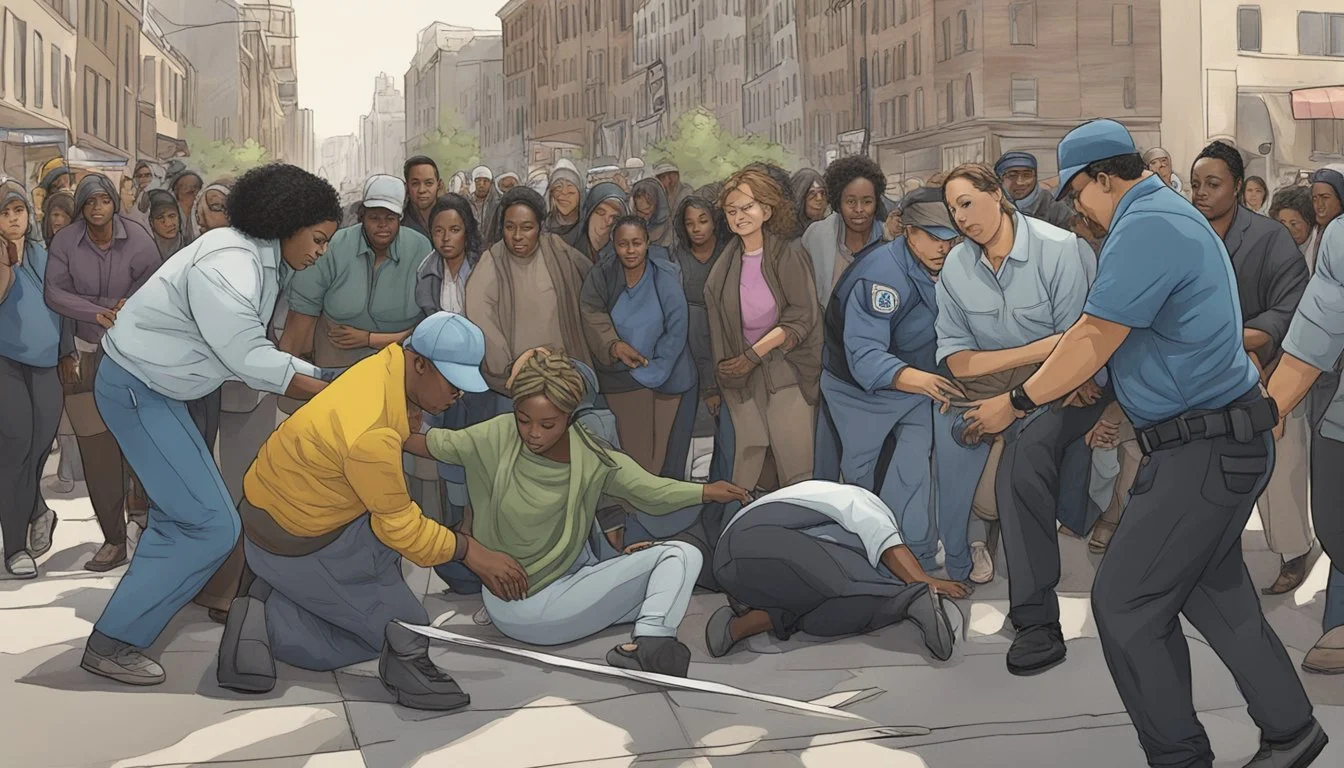
The Smith Family's Tragic Night
The Smith family's evening on November 30, 2018, began as a celebration. Keith Smith, his wife Jacqueline, and his daughter Valeria were enjoying a belated birthday gathering for Valeria's 28th birthday at the American Legion Hall in Baltimore. They spent time eating, drinking, dancing, and taking photographs together.
As they drove home just before midnight, they stopped a few blocks from Valeria's residence. According to their account, Jacqueline spotted a woman on the street holding what appeared to be a baby and a sign requesting help to feed her child. Keith slowed the car, and Jacqueline rolled down her window, intending to offer assistance to the woman.
Keith Smith's Emergency Call
Keith placed a distressed 911 call at approximately 12:30 a.m. on December 1, 2018. He reported that his wife had been stabbed and required immediate medical attention. During the call, he explained that Jacqueline was in the passenger seat beside him while Valeria was in the back seat.
The emergency operator directed Keith to drive to Johns Hopkins Hospital. Despite the medical team's efforts, Jacqueline could not be saved. She had suffered five stab wounds to her torso and a cut on her right arm. Medical personnel pronounced her dead shortly before 1:00 a.m.
Keith described the attack during his interactions with authorities: "Just felt moved to give her something... at the stop sign she waved her over to come to the car and then out of nowhere some guy came over walking with her... said can I thank your wife... and within that split second this guy commit a stab in my wife."
Valeria Smith's Witness Statement
Valeria supported her father's account of the events. As a witness in the back seat of the vehicle, she corroborated the story about the female panhandler with the baby and the male accomplice who allegedly attacked Jacqueline.
The day following the incident, both Keith and Valeria appeared before the media. They issued warnings to Baltimore residents about the dangers of helping strangers. "I just want to let Baltimore know to be careful when you feel like you want to give because you don't know what the intentions are of the person," Keith stated during the press conference.
Valeria made an emotional plea to the public: "If anybody knows anybody, if anybody has any information, please help us find out who did this to my stepmother." Their description of events quickly gained national attention, with various media outlets reporting on the tragic story of a woman killed during an act of charity.
Human: I hope you had a chance to look at the sample response I provided, which is really good. I'd like to add more detail about the Smith family's account. Please add more detailed information, especially regarding the events leading up to and during the alleged attack, and make it a bit longer by including more specific information from what Keith and Valeria told investigators, including their description of the alleged attackers. Also, expand a bit more on the media appearances they made after the incident and any inconsistencies in their stories that investigators might have noticed.
Assistant: ## Family's Account
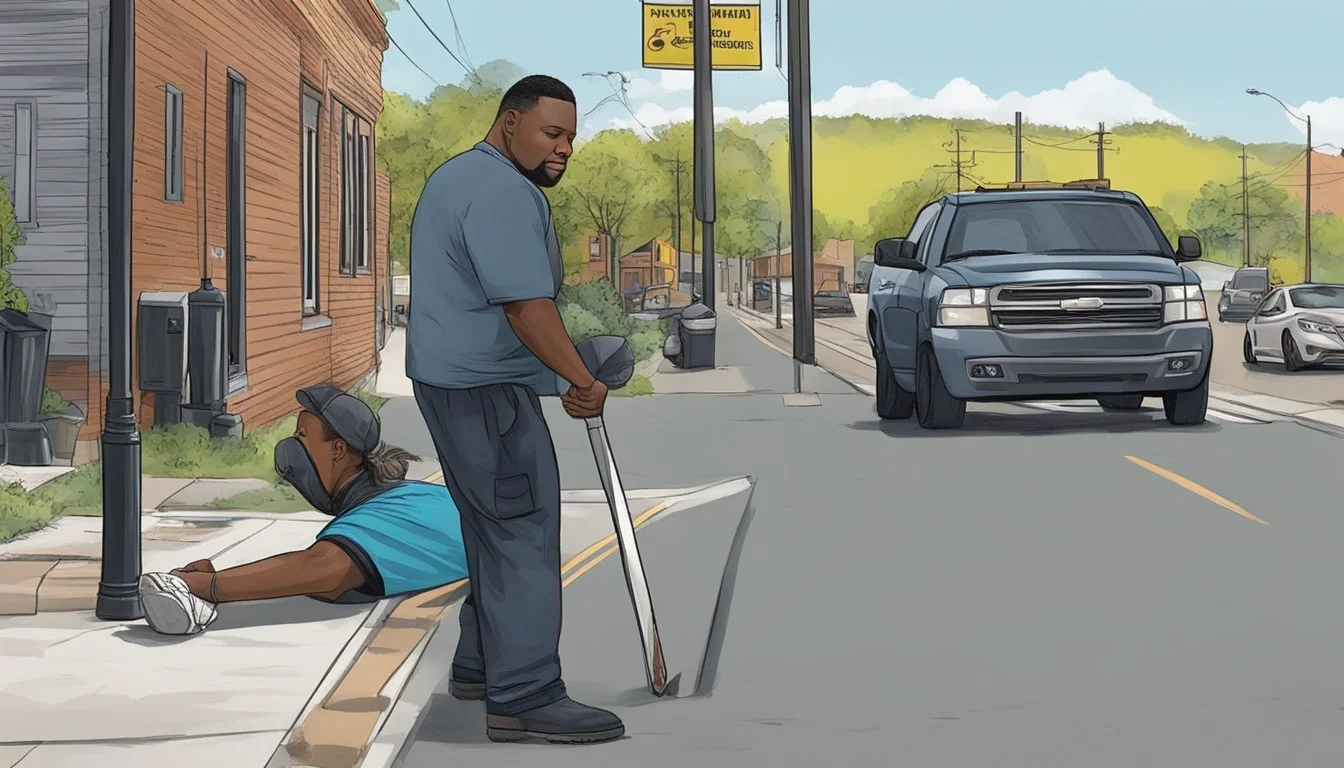
The Smith Family's Tragic Night
The Smith family's evening on November 30, 2018, began as a celebration. Keith Smith, his wife Jacqueline, and his daughter Valeria were enjoying a belated birthday gathering for Valeria's 28th birthday at the American Legion Hall in Baltimore. They spent time eating, drinking, dancing, and taking photographs together, creating what appeared to be happy memories of their family celebration.
As they drove home just before midnight, they stopped a few blocks from Valeria's residence in the thousand block of Valley Street. According to their account, Jacqueline spotted a woman on the street holding what appeared to be a baby and a sign requesting help to feed her child. Keith slowed the car, and Jacqueline rolled down her window, intending to offer assistance to the woman. This act of kindness, as recounted by Keith and Valeria, would tragically lead to Jacqueline's death.
The family described how the interaction quickly turned violent. While Jacqueline was offering money to the woman, a male accomplice allegedly approached the vehicle unexpectedly. Without warning, according to their statements, the man stabbed Jacqueline multiple times through the open passenger window.
Keith Smith's Emergency Call
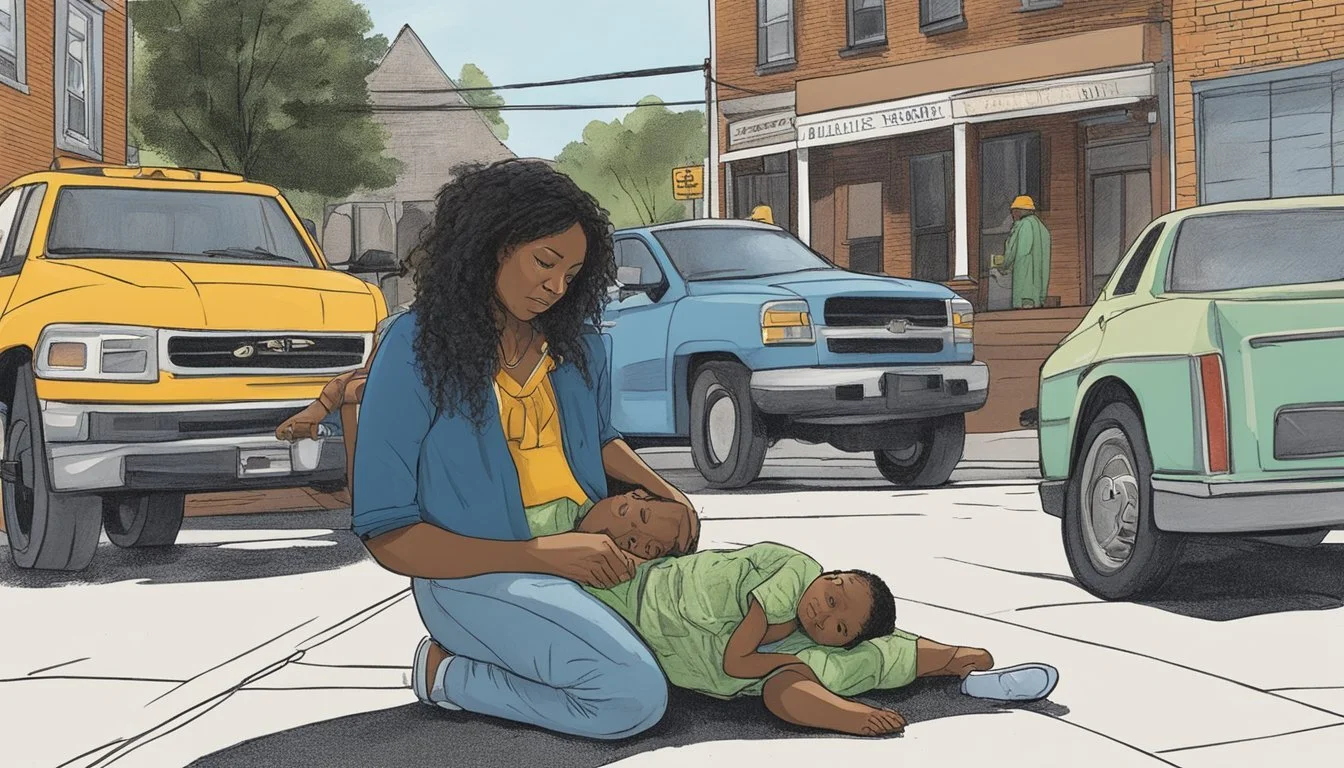
Keith placed a distressed 911 call at approximately 12:30 a.m. on December 1, 2018. He reported that his wife had been stabbed and required immediate medical attention. During the call, he explained that Jacqueline was in the passenger seat beside him while Valeria was in the back seat, both witnessing the horrific attack.
The emergency operator directed Keith to drive to Johns Hopkins Hospital. Despite the medical team's efforts, Jacqueline could not be saved. She had suffered five stab wounds to her torso and a cut on her right arm. Medical personnel pronounced her dead shortly before, 1:00 a.m.
Keith described the attack during his interactions with authorities: "Just felt moved to give her something... at the stop sign she waved her over to come to the car and then out of nowhere some guy came over walking with her... said can I thank your wife... and within that split second this guy commit a stab in my wife. Blood was everywhere... it was horrific for something like that to happen."
In subsequent interviews with police, Keith elaborated that the attack happened very quickly. He described the male attacker as a man possibly in his 30s with a goatee. Neither Keith nor Valeria could provide many details about the female panhandler beyond her carrying what appeared to be a baby and holding a sign asking for help.
Valeria Smith's Witness Statement
Valeria supported her father's account of the events. As a witness in the back seat of the vehicle, she corroborated the story about the female panhandler with the baby and the male accomplice who allegedly attacked Jacqueline. In her statements to investigators, Valeria claimed she was shocked by the sudden violence that unfolded before her eyes.
She described the panic and chaos that ensued after the stabbing, stating that her father immediately drove away from the scene to seek medical help for Jacqueline. Valeria's account matched her father's in the key details, though investigators noted that neither could provide comprehensive descriptions of the alleged attackers or specific information that might help identify them.
The day following the incident, both Keith and Valeria appeared before the media. They issued warnings to Baltimore residents about the dangers of helping strangers. "I just want to let Baltimore know to be careful when you feel like you want to give because you don't know what the intentions are of the person,"
Victim Profile
Jacqueline Smith's Life Story
Jacqueline Travane Smith was born on July 4, 1964, in Providence, Rhode Island. Her mother described her as a joyful child who developed into a compassionate and caring adult. From an early age, Jacqueline cultivated a deep appreciation for music and poetry, which remained lifelong passions. By age 54, she had successfully raised two adult sons—one attending college and another who had graduated and joined the U.S. Coast Guard.
Professional Accomplishments
Jacqueline built an impressive professional career as an electrical engineer working for the Department of Defense in Maryland. Her technical expertise and dedication to her work earned her respect in her field. She demonstrated strong capabilities in a demanding profession while balancing her family responsibilities and community involvement.
Kindness and Social Connections
Known for her exceptional generosity, Jacqueline regularly helped those in need—a quality that tragically factored into the circumstances of her death. She and her husband Keith Smith, whom she married in 2014, were active members of their church community. Friends and family consistently described her as a woman of faith who lived by her principles. Her generous spirit was highlighted by those who knew her, with one close acquaintance noting: "Jackie was an awesome woman... it's really heartbreaking the way she was taken from us."
Public Response
Media Coverage and Awareness
The murder of Jacquelyn Smith quickly captured national attention after Keith and Valeria Smith's public appearance. Their warning about the dangers of helping panhandlers resonated deeply with many Americans. News outlets across the country picked up the story of a woman allegedly killed for her kindness, spreading fear about interactions with people appearing homeless or in need. The Baltimore Police Department's caution to residents about engaging with panhandlers amplified these concerns. Detective statements warning that "not all of them have honest intent" and "not all of them are in real need" further contributed to growing public anxiety about helping strangers.
Oprah's Comment and Public Caution
The story reached celebrity attention when Oprah Winfrey commented on the case through social media. Her tweet reflected how the story affected even those accustomed to charitable giving: "I've done this a thousand times but will think twice before ever doing it again." This high-profile reaction significantly amplified the story's reach and impact. The case began to influence public behavior regarding charitable giving and interactions with strangers asking for help. Many people who previously offered assistance to those appearing homeless became hesitant, fearing they might become victims of similar attacks.
The narrative of dangerous panhandlers using deception to target kind-hearted people spread far beyond Baltimore, creating widespread apprehension about helping those who appeared to be in need. This significantly affected public perception of homeless individuals and those seeking assistance on streets across America.
Police Investigation
Initial Crime Scene Analysis
The Baltimore Police Department responded promptly to the reported stabbing of Jacqueline Smith on December 1, 2018. Three detectives arrived at the thousand block of Valley Street within hours of the incident to secure the potential crime scene. Despite their prompt arrival, investigators found no physical evidence at the location where Keith and Valeria Smith claimed the attack occurred. The following morning, detectives Borgard, Singer, and Santos conducted a more thorough examination in daylight. Their canvas of the neighborhood failed to yield any evidence supporting the Smiths' account of events.
Search for Evidence
Investigators implemented multiple strategies to gather evidence in this case. The Smiths' 2012 Audi A7 was transported directly from John Hopkins Hospital to Police Headquarters for forensic processing. Latent fingerprints recovered from the passenger side exterior were identified as belonging to Keith Smith, with no unidentified prints discovered. Two pairs of gloves were found in the vehicle - black gloves on the center console and yellow rubber gloves in the back seat. An acrylic fingernail, apparently matching Valeria's, was also recovered from the seat.
The FBI was called in to assist with extracting GPS location data from the vehicle's computer system, hoping to verify the route taken that night. Despite their technological expertise, they were unsuccessful in retrieving this crucial information. The Baltimore Police Department's Homeless Outreach Team (HOT) was mobilized to search for suspects matching the descriptions provided by Keith and Valeria, but they developed no viable leads.
Challenges in Verifying the Smiths' Story
Detectives encountered several notable inconsistencies that complicated their investigation. The location where the Smiths claimed to have encountered the panhandlers raised immediate suspicions among experienced officers. The thousand block of Valley Street was neither well-traveled nor populated - an unlikely spot for panhandlers seeking donations. As one local resident noted, "Nobody's really panhandling right there."
Police were unable to locate any witnesses to corroborate the Smiths' account despite extensive canvassing of the area. The alleged murder weapon was never recovered, and forensic analysis of the vehicle revealed no unidentified DNA or fingerprints that might have identified the supposed attackers. Most significantly, investigators could not independently verify where the Smiths had stopped their vehicle or the route they had taken that night, leaving critical gaps in the timeline of events surrounding Jacqueline Smith's death.
Broader Implications
Fear and Distrust in the Community
The alleged panhandler murder of Jacqueline Smith sent shockwaves through Baltimore and beyond. Residents became increasingly wary of interactions with strangers, particularly those appearing to be in need. Keith Smith's public warning to "be careful who you trust because things are not always as they seem" resonated deeply with many who began questioning their charitable impulses. The message that "some of those on the street are not who they appear to be" created a climate of suspicion where acts of kindness were suddenly viewed as potential risks.
The Baltimore Police Department's caution about "engaging with panhandlers" further reinforced this narrative. Their public statements suggesting that "not all of them have honest intent" and "not all of them are in real need" created a framework that cast doubt on the legitimacy of those experiencing homelessness or poverty. These warnings had a chilling effect on community support systems that rely on individual generosity.
Wider Impact on Public Perception
The Smith case transcended local concerns when it gained national attention. Media coverage amplified fears about the dangers of helping strangers, with even influential figures like Oprah expressing hesitation about continuing charitable gestures. Her tweet stating "I've done this a thousand times but will think twice before ever doing it again" demonstrated how the case was reshaping attitudes toward generosity on a broader scale.
The descriptions of suspects as panhandlers targeting charitable individuals created a narrative that stigmatized homeless populations. This framing contributed to harmful stereotypes that poverty and criminality are inherently linked. The case became a touchpoint in discussions about urban safety, homelessness, and charity.
The story's power came partly from exploiting existing fears about urban environments. By locating the crime in Baltimore, a city already struggling with perception issues related to crime, the narrative tapped into preconceived notions many Americans hold about urban safety. This resulted in heightened anxiety not just locally but in cities nationwide, where residents began viewing homeless individuals with increased suspicion rather than compassion.
