
The Murder of Celeste Manno: How a Workplace Stalker's Obsession Led to Tragedy | Australian True Crime
The tragic case of Celeste Manno shook Australia to its core. In November 2020, the vibrant 23-year-old's life was cut short in the most horrific circumstances - murdered in her own bedroom by a man who had stalked her relentlessly for more than a year. Celeste had done everything right, seeking police intervention multiple times, yet the system designed to protect her ultimately failed.
What began as a brief workplace interaction spiraled into an obsession that Louay Seiko, a former colleague, refused to relinquish. Despite intervention orders and police charges, his fixation on Celeste only intensified. For her mother Aggie Deorro, who now carries a golden heart filled with her daughter's ashes, the pain of this preventable tragedy remains raw as questions about systemic failures to protect vulnerable victims continue to haunt those left behind.
Key Takeaways
Celeste Manno was murdered at age 23 by a former colleague who stalked her for over a year despite her repeated attempts to stop contact.
Police initially dismissed Celeste's concerns about her stalker, only taking action after months of escalating harassment and threats.
The tragedy highlights critical failures in how the justice system responds to and protects victims of stalking before violence escalates.
Celeste Manno: A Life Cut Short
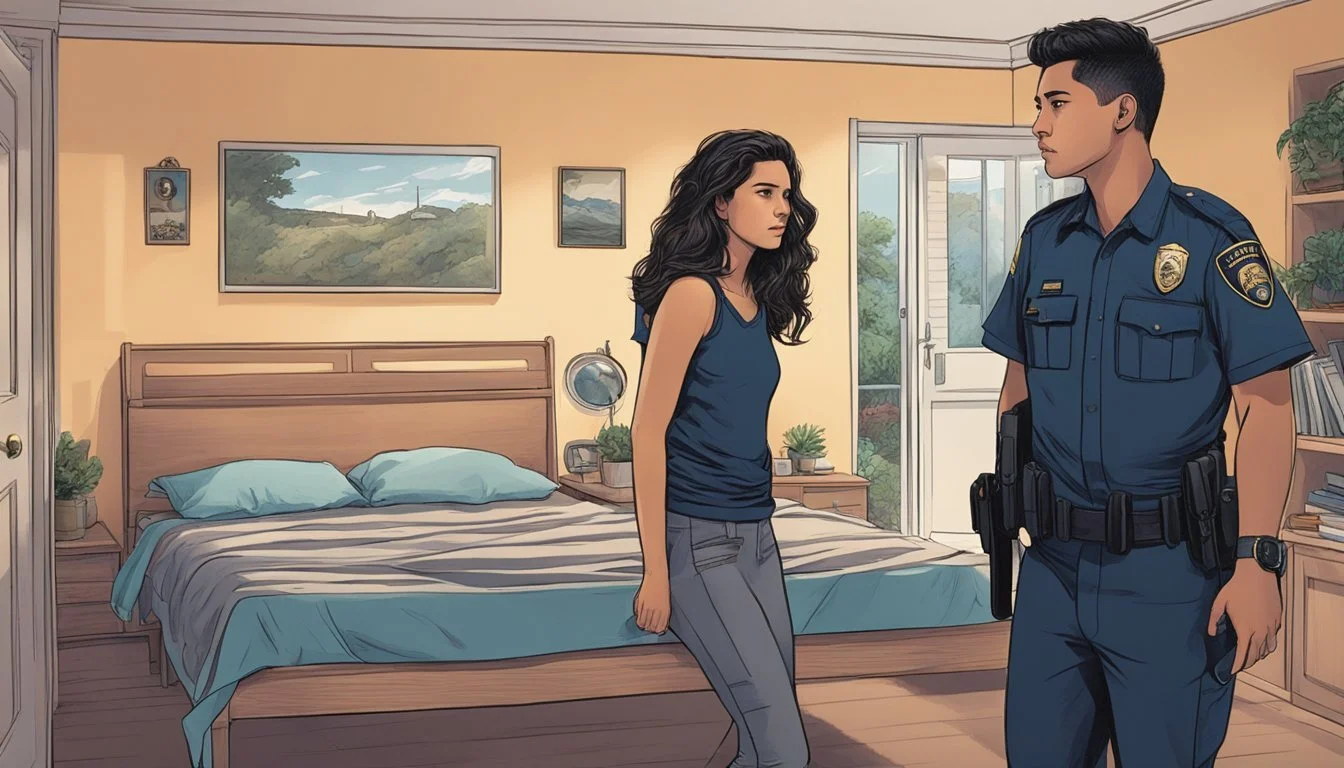
Celeste Manno was a vibrant 23-year-old Australian whose life ended tragically in November 2020. Her mother, Aggie Deorro, carries a golden heart containing Celeste's ashes to maintain a connection with her daughter. Aggie often told Celeste how blessed she felt to be her mother.
Celeste's murder came after more than a year of relentless stalking by Louay Seiko, a 35-year-old former colleague. Their professional interaction was minimal, yet Seiko developed an intense obsession with Celeste. This fixation began after Seiko was dismissed from the call center where they both worked, with Celeste having the responsibility of escorting him from the building.
Following his termination, Seiko contacted Celeste on Instagram, marking the beginning of his unwanted pursuit. His messages quickly multiplied, many resembling poetry, expressing his infatuation. Despite Celeste blocking him repeatedly, Seiko would create new accounts, sometimes returning within minutes of being blocked.
Chris Rdale, who had just started dating Celeste when these events unfolded, described her as someone whose smile "could be seen from a mile away" and whose laugh was infectious. Their new relationship was full of promise before the tragedy occurred.
The stalking intensified over time:
Initial contact through Instagram after his termination
Escalation to numerous messages expressing obsession
Creation of multiple accounts to bypass being blocked
Physical surveillance outside her workplace
Discovery of her home address
After six months of harassment, Celeste and her mother approached the police. The initial response was dismissive, with officers stating that no crime had been committed. The advice given was simply to ignore the messages or stop using social media.
The situation deteriorated over the next six months. Seiko was spotted outside Celeste's workplace, began following her, and eventually discovered her home address. His messages became sexually explicit and increasingly disturbing.
When they returned to the police, a different officer finally took their concerns seriously. This officer helped them obtain a personal safety intervention order against Seiko, prohibiting him from contacting Celeste.
The order appeared effective for a month until Seiko sent a three-page letter to Celeste's Instagram. In this message, he pleaded with her to withdraw the order and stop the charges against him. This violation led to Seiko being charged, providing a temporary sense of relief to Celeste and her mother.
Tragically, the system failed to protect Celeste. Despite all her efforts to stop the stalking legally, Seiko ultimately broke into her home and murdered her in her bed. This devastating outcome highlights serious flaws in how stalking cases are handled by law enforcement.
A Mother's Heartbreak
Aggie De Marco's Treasured Memories
Aggie De Marco carries a golden heart locket containing her daughter Celeste's ashes—a precious connection to the vibrant young woman whose life was cut tragically short at age 23. "There was nothing not to love about Celeste," Aggie recalls, her voice filled with the warmth of a mother's enduring love. For 23 years, she made sure her beautiful daughter knew how deeply cherished she was.
The relationship between mother and daughter was extraordinarily close. Aggie often told Celeste how blessed she felt to be her mother, comments that would sometimes prompt Celeste to respond with affectionate protest: "Stop mom, you're my mom." These memories now serve as both comfort and painful reminder of what was lost.
The Devastating Loss and Search for Justice
In November 2020, Celeste Mano was murdered in her own bed by Louay Seiko, a former work colleague who had developed a dangerous obsession with her. Their connection had been minimal—Celeste had briefly escorted him from the building when he was dismissed from his team leader position at the call center where they both worked. This brief professional interaction sparked a fixation that would escalate into relentless stalking and ultimately, horrific violence.
The stalking began in June 2019 with Instagram messages after Seiko's termination. What started as a few messages quickly multiplied, with Seiko creating new accounts each time Celeste blocked him. His communications ranged from poetic declarations of "love" to sexually explicit and disturbing content.
Timeline of Escalating Behavior:
Initial contact via Instagram after his firing
Creation of multiple accounts to bypass being blocked
Appearance outside her workplace
Following her to discover her home address
Sending sexually explicit messages
Despite reporting the stalking to police twice, meaningful action came too late. During their first police visit, Celeste and her mother were told: "He hasn't committed a crime. There's nothing we can do about it." Officers suggested she simply ignore the messages or get off social media—advice that ignored the severity of the situation.
Only during their second police visit, after six months of continued harassment, did an officer finally take their concerns seriously. A personal safety intervention order was issued, which Seiko violated within a month by sending Celeste a three-page letter pleading with her to withdraw the order.
When authorities charged Seiko with breaching the order, Aggie and Celeste briefly believed they were finally safe. "He got scared. Thank God, he learned his lesson," Aggie thought at the time. This sense of security proved tragically false.
Aggie's pain is intensified by the system's failure to protect her daughter. Despite doing everything right—blocking the stalker, reporting him, obtaining a restraining order—Celeste remained vulnerable. "Never ever did it occur to me that this beast would be capable of something like this," Aggie says, grappling with the unimaginable outcome.
The Predator: Louay Seiko
Seiko's Dangerous Fixation with Celeste
Louay Seiko developed an intense obsession with Celeste Mano after briefly working together at a Melbourne call center. Their interaction was minimal—Celeste had merely escorted him from the building when he was terminated from his position as team leader in June 2019. During this brief encounter, Seiko planted an unexpected kiss on her cheek, which Celeste found embarrassing.
Within days of his dismissal, Seiko contacted Celeste on Instagram, marking the beginning of his relentless fixation. His messages quickly escalated in both frequency and intensity, often resembling poetry as he described being "crazy in love" with her and unable to function normally in his daily life.
The Escalating Pursuit
Despite Celeste's attempts to block him, Seiko persistently created new Instagram accounts to contact her. Sometimes within minutes of being blocked, he would reappear with a different username. The stalking intensified over six months, causing Celeste significant distress, anxiety, and sleep deprivation.
The situation worsened when Seiko's messages shifted from declarations of love to more threatening tones. One particularly concerning message stated: "I'm going to climb up and show the world that I am somebody." Seiko's behavior escalated further when he:
Began parking outside her workplace
Followed her movements
Discovered her home address
Sent sexually explicit and vulgar messages
Initial Police Response: When Celeste and her mother first sought help from authorities, they were dismissed with no action taken. The officer claimed Seiko "hadn't committed a crime" and suggested Celeste simply "ignore him" or "get off social media."
From Obsession to Murder
Only after a second attempt to report the stalking, approximately six months later, did police finally take action. An intervention order was issued against Seiko, prohibiting him from contacting Celeste. For one month, the order appeared effective.
However, Seiko soon violated the order by sending Celeste a three-page letter through Instagram, pleading with her to withdraw the order and stop the charges against him. This breach resulted in police charging Seiko, which temporarily halted his harassment.
Tragically, in November 2020, after more than a year of stalking Celeste, Seiko broke into her home and murdered the 23-year-old. The system that was meant to protect Celeste ultimately failed her, despite her persistent efforts to seek help and follow proper channels to stop her stalker.
The System's Critical Failures
Police Response and Missed Opportunities
The Australian law enforcement system failed Celeste Mano at multiple critical points throughout her year-long stalking ordeal. When she and her mother first sought help after receiving concerning messages from Louay Seiko, police dismissed their concerns entirely. The officer they encountered offered no protection, took no notes, and provided only dismissive advice: "He hasn't committed a crime" and "Just ignore him." This fundamental failure to recognize the early warning signs of stalking behavior left Celeste vulnerable and unprotected.
For six crucial months following this initial report, no action was taken while Seiko's behavior escalated dramatically. He began parking outside her workplace, following her movements, and eventually discovered her home address. During this period, his messages became increasingly disturbing and sexually explicit in nature.
Protection Order Delays and Inadequacies
The intervention order that might have saved Celeste's life came far too late. Only after a second police visit—a full six months after their initial report—did they finally encounter an officer who recognized the severity of the situation. This officer's telling comment, "Let's just say some of us do our job better than others," highlights the inconsistent and inadequate police response to stalking cases.
While the personal safety intervention order temporarily deterred Seiko, it ultimately proved ineffective as a protective measure. Within a month, he violated the order by sending Celeste a three-page letter through Instagram, attempting to manipulate her into withdrawing the charges against him. Though police did charge him for this breach, these actions came too late to prevent the tragic escalation that followed.
The system's failures left a 23-year-old woman unprotected against a stalker whose obsession eventually led to her murder in November 2020, when Seiko broke into her home. These systematic breakdowns reveal critical gaps in how law enforcement handles stalking cases, particularly in recognizing their potential to escalate to lethal violence.
How Stalking Impacts Family and Friends
Loving Memories from Chris Ridsdale
Chris Ridsdale worked at the same Melbourne call center as Celeste Manno and had recently begun dating her before the tragedy occurred. Their relationship was new but filled with promise.
"Time with her was always amazing," Chris recalls. "When she was smiling, you could see it from a mile away. She always lit up the room, and her laugh was infectious when she got going."
Chris considers himself fortunate that Celeste chose him. The joy they shared during their brief time together remains a treasured memory despite the heartbreaking circumstances that followed.
The Devastating Aftermath of Loss
Celeste's mother, Aggie Dioro, carries a golden heart containing her daughter's ashes to maintain a connection with her. "There was nothing not to love about Celeste," Aggie shares. "She was beautiful. I spent 23 years letting her know how blessed I was to have her."
The pain of losing her daughter has been overwhelming for Aggie, particularly because she was unable to protect Celeste despite their efforts to seek help. The messages from the stalker continue to haunt her.
For both Aggie and Chris, watching Celeste suffer through the stalking was incredibly difficult. They observed her increasing stress, sleep loss, and growing discomfort as the situation escalated over months.
"It was painful to watch Celeste go through it," Chris notes, reflecting on how the stalking affected her daily life and emotional well-being.
Family members feel strongly that sharing Celeste's story is essential, despite the emotional toll. They believe exposing system failures might prevent similar tragedies for other families.
Call to Action: Fighting for Victims and Accountability
I am asking everyone to join me in demanding justice for my daughter Celeste Mano. Five years have passed since this vibrant 23-year-old was taken from us by a man who became obsessed after a brief workplace interaction. Despite doing everything right - blocking him, reporting him, and securing an intervention order - the system failed to protect my beautiful daughter.
Police dismissed our initial concerns, telling Celeste to "just ignore him" when we first reported the stalking. One officer even suggested she should simply "get off social media" rather than addressing the growing threat. It wasn't until our second attempt, six months later, that someone finally listened.
The intervention order proved to be merely "just a piece of paper" as I had feared. Though it temporarily deterred him, Louay Seiko eventually breached it by sending a disturbing three-page letter pleading with Celeste to withdraw the charges.
Key Failures in Celeste's Case:
Initial police dismissal of serious stalking concerns
Delayed response to escalating threatening behavior
Inadequate protection despite documented harassment
Focus shifted away from the victim's safety
Victims like Celeste are often overlooked in the system. As one supporter noted, "There is nothing that is about the victim. The victim doesn't exist." This heartbreaking reality must change. We need stronger laws, better training for law enforcement, and a system that prioritizes protection over paperwork.
I carry Celeste's ashes in a golden heart necklace now, trying to keep her close. No mother should have to endure this pain. Please help raise awareness about stalking dangers and advocate for meaningful reforms that truly protect vulnerable individuals before it's too late.
