
Vlad the Impaler: The Real Dracula - Historical True Crime Documentary Guide
The enigmatic figure of Vlad Dracula, immortalized in Bram Stoker's 1897 novel, has fascinated readers for generations. While Stoker's vampire count sends shivers down readers' spines, the historical prince who inspired this character was arguably more terrifying than his fictional counterpart. Prince Vlad III, known as "the Impaler," ruled Wallachia in southern Romania during the transition between the Middle Ages and Renaissance, establishing himself as a formidable defender against Ottoman expansion.
Despite his reputation for extreme cruelty—including the mass impalement of enemies and subjects alike—Vlad Dracula remains a complex historical figure. A multilingual aristocrat educated in Latin, German, and Turkish, he was simultaneously a ruthless despot and a patriotic defender of Christian Romania. His strategic military campaigns against Turkish forces and political maneuvers in Renaissance Europe have earned him hero status in Romanian culture, even as Western observers remain shocked by his brutal methods and the thousands who perished during his reign.
Key Takeaways
The historical Vlad Dracula was a complex 15th-century Romanian ruler whose brutal tactics and defense against Ottoman forces shaped his lasting legacy.
Despite his reputation for cruelty, Vlad is considered a national hero in Romania for his fierce protection of Christian lands against Turkish expansion.
Bram Stoker transformed this historical figure into the infamous vampire count in his 1897 novel, creating a character less violent but equally enduring in cultural impact.
Historical Context of Bram Stoker's Dracula
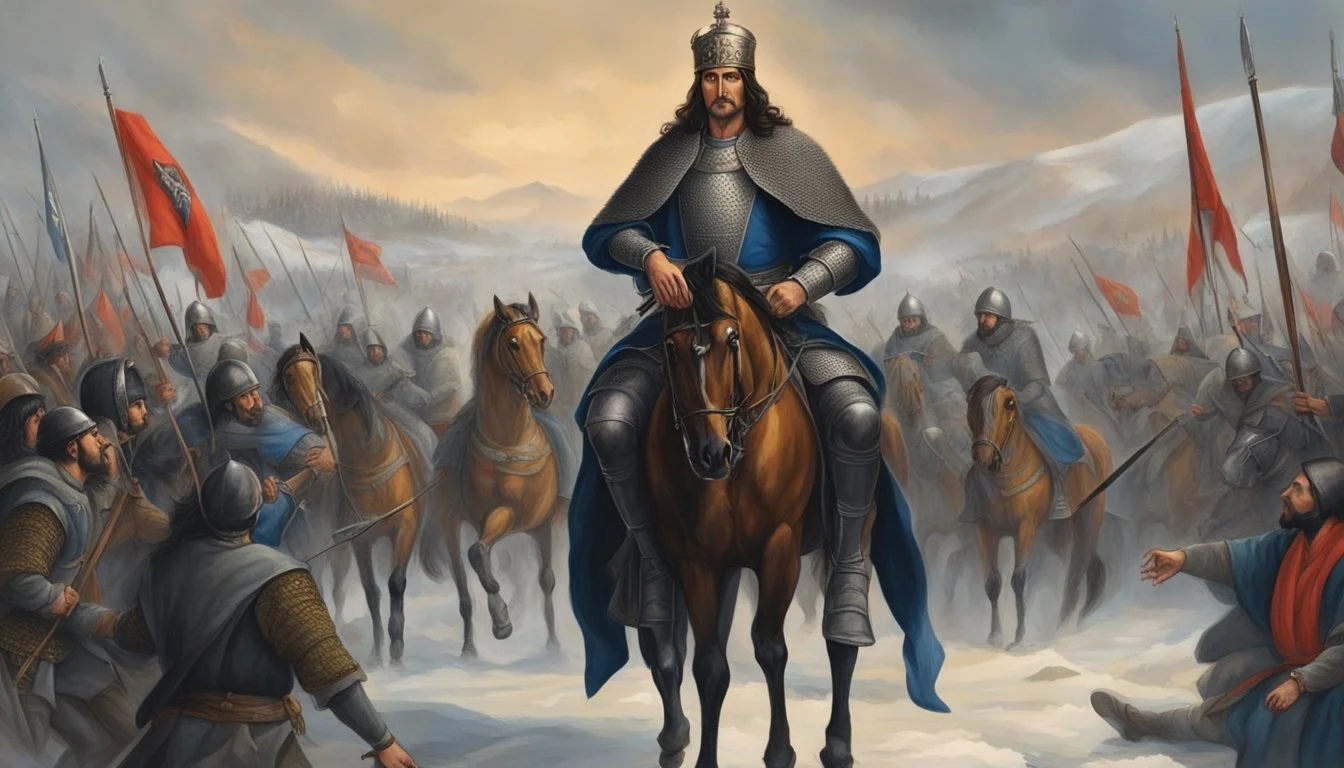
Bram Stoker's 1897 masterpiece "Dracula" stands as one of literature's most enduring Gothic novels, creating an atmosphere that many readers find more chilling than modern horror works. The character of Count Dracula, though fictional, draws significant inspiration from a real historical figure whose actual deeds proved more terrifying than vampiric legends.
The inspiration for Stoker's iconic vampire was Prince Vlad of Wallachia, commonly known as "Vlad the Impaler" or "Vlad Țepeș." Unlike the fanged, centuries-old supernatural being of literature, the real Vlad was a 15th-century Romanian ruler whose brutality earned him lasting infamy. He governed Wallachia, a southern Romanian principality that later merged with Transylvania and Moldavia to form modern Romania.
Vlad governed Wallachia during three separate periods, ruling with exceptional cruelty. His signature method of execution—impalement—created forests of human bodies on spikes surrounding his castle, a gruesome warning to potential enemies or traitors. A German pamphlet published after his death in 1476 documented how he once burned beggars alive after hosting them at his court, believing they consumed resources without contributing to society.
Despite his brutality, Vlad remains a complex historical figure in Romanian culture. Many Romanians consider him a national hero for his fierce resistance against Ottoman Turkish expansion into Europe. His province of Wallachia formed a crucial defensive line against Ottoman forces, and his unwavering opposition to Turkish influence—even fighting against his own brother whom he viewed as loyal to the enemy—has cemented his status as a defender of Romanian sovereignty and Christianity.
Vlad was more than just a ruthless ruler. He was multilingual, speaking Romanian, Turkish, Latin, and German. He was a skilled warrior who led his armies from the front and an educated man who moved in the highest European circles. His life intersected with notable historical figures including Hungarian King Matthias Corvinus, Sultan Mehmed of Turkey, and military leader John Hunyadi.
The historical Vlad lived during a pivotal period in European history. He witnessed the emergence of gunpowder warfare, the final Crusades, Constantinople's fall, and the early Renaissance. These dramatic historical circumstances shaped both his actions and his legacy.
Bram Stoker never visited Romania but conducted extensive research at the London Library when crafting his vampire tale. He studied works including "An Extraordinary and Shocking History of a Great Berserker Called Prince Dracula," "The History and Superstitions of Romantic Romania," and Wilkinson's accounts of Wallachia and Moldavia. From these texts, Stoker discovered the historical Vlad whose infamous reputation provided perfect source material for his fictional count.
Vlad's father, Basarab "the Dragon," significantly influenced his son's life trajectory. Born illegitimately in 1392, Basarab served as a page to Hungarian King Sigismund, receiving an excellent education. He later served as a diplomat to Constantinople, attempting to negotiate between Roman Catholic and Eastern Orthodox faiths. Basarab married Princess Cneajna of Moldavia in 1427, with their son being born shortly after.
The Legacy of Prince Vlad III
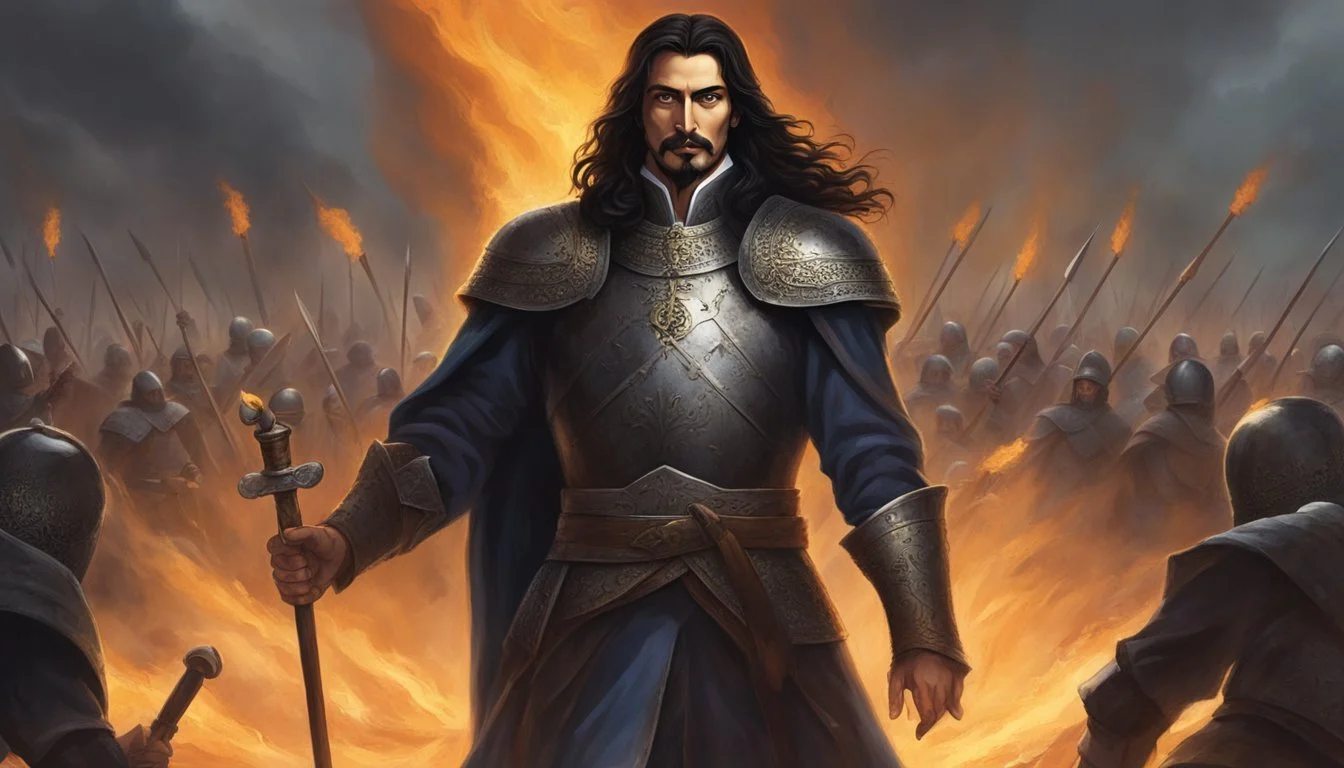
Prince Vlad III, commonly known as "Vlad the Impaler," remains one of Romania's most complex historical figures. His reign over Wallachia in the 15th century created a dual legacy that persists to this day. While infamous for his brutal methods of punishment, particularly impalement, he is simultaneously revered as a national hero who defended Romania against Ottoman invasion.
Modern Romanians honor Vlad through statues at his birthplace in Sighișoara and memorial sites at Snagov. His determined resistance against Turkish expansion earned him an enduring place in Romanian national identity. This paradoxical legacy—a ruler known for both extreme cruelty and patriotic defense—contributes to his continued fascination.
Vlad's sophistication extended beyond military prowess. He was multilingual, fluent in Romanian, Turkish, Latin, and German. He combined intellectual pursuits with martial excellence, particularly skilled with broadsword and crossbow, often leading his armies personally into battle.
The prince governed Wallachia during three separate periods, with his territory serving as a crucial buffer between the Ottoman Empire and Christian Europe. His strategic position along the Danube River placed him at the frontline of defense against Turkish expansion, making his rule particularly significant for European history.
Bram Stoker immortalized Prince Vlad in literary culture by using him as inspiration for Count Dracula in his 1897 novel. Though Stoker never visited Romania, his research at the London Library introduced him to accounts of the historical figure whose reputation had already spread throughout Europe centuries earlier.
Vlad's father, Basarab "the Dragon," significantly influenced his son's trajectory. Basarab received a classical education in the Hungarian court of King Sigismund, served as a diplomat between the Roman Catholic and Eastern Orthodox churches, and married Princess Cneajna of Moldova—establishing the political context that would shape Prince Vlad's approach to rule.
During his reign, Vlad witnessed pivotal historical developments:
The introduction of gunpowder as military technology
The late stages of the Crusades
The fall of Constantinople
The early Renaissance movement
His contemporaries included notable figures such as:
János Hunyadi, the "White Knight"
Hungarian King Matthias Corvinus
Sultan Mehmed II of Turkey
Vlad's notorious punishment methods served both political and psychological purposes. By creating forests of impaled victims around his castle, he established a terrifying deterrent against potential traitors, criminals, and insurgents. Historical accounts describe his merciless approach to governance, including the burning of beggars whom he believed consumed resources without contribution.
The prince operated in an environment of constant political intrigue where paranoia was essential for survival. His harsh tactics reflected a determination to maintain power in a landscape where princes regularly fell to seemingly loyal allies. This defensive posture shaped his unwillingness to show kindness or trust to anyone during his rule.
Despite—or perhaps because of—his bloodthirsty reputation, Vlad remains a figure of enduring interest, embodying the complex intersection of medieval warfare, religious conflict, and emerging national identity in Eastern Europe.
Vlad the Impaler's Reign of Terror
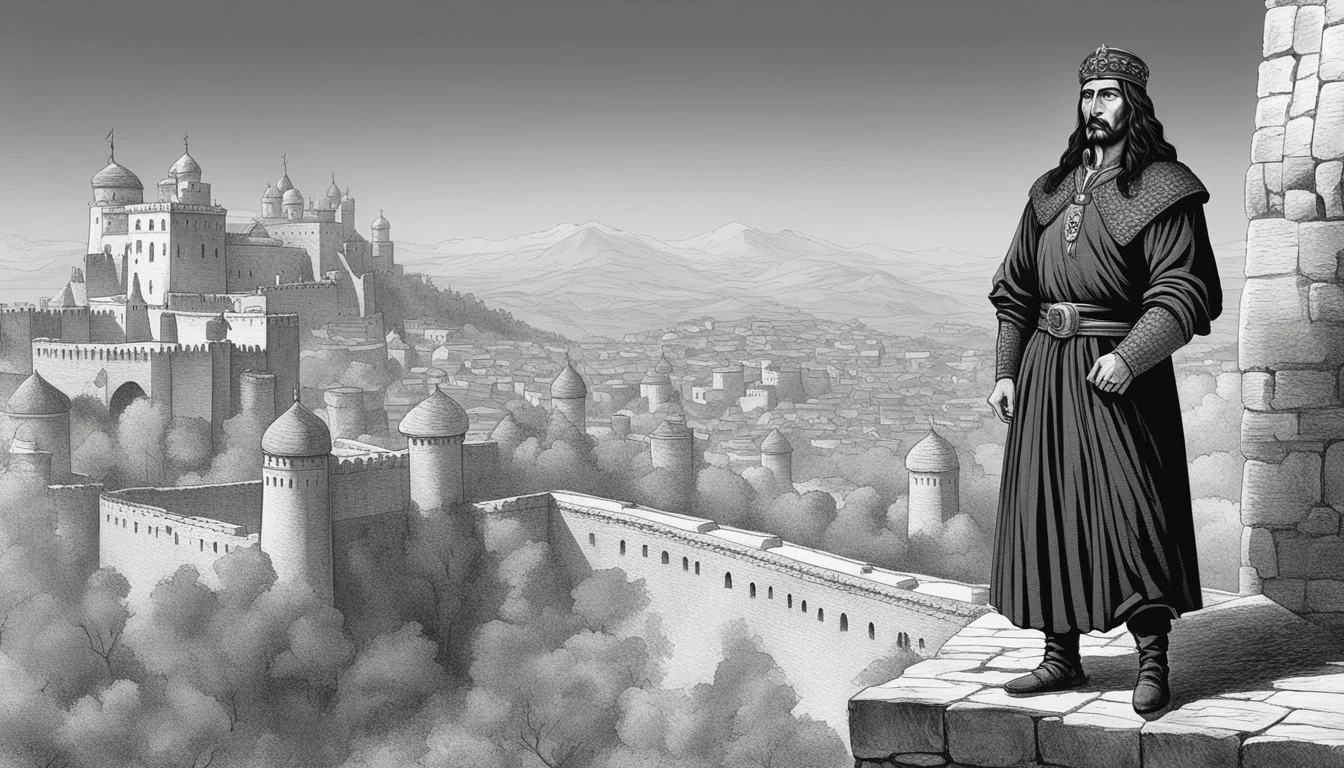
Vlad III, known historically as Vlad the Impaler, established himself as one of history's most notorious rulers through his brutal governance of Wallachia in southern Romania. His reign was characterized by extreme measures against both external enemies and his own subjects. While modern Romanians often regard him as a national hero for his fierce defense against Ottoman expansion, his methods were undeniably cruel.
Merciless Methods Against Ottoman Forces and Subjects
Vlad developed a reputation for extraordinary brutality in his military campaigns and domestic rule. He constructed a defensive strategy that relied heavily on intimidation, refusing to show kindness or trust to anyone. Around his castle, he created forests of spikes displaying thousands of impaled victims—both enemies and subjects he deemed disloyal. These public executions served as stark warnings to potential insurgents about the consequences of opposing his rule.
His punishment methods extended beyond impalement. According to German pamphlets published following his death in 1476, Vlad once invited beggars to feast at his court before burning them alive, believing they consumed resources without contributing to society. Despite these atrocities, he was well-educated and spoke multiple languages including:
Romanian
Turkish
Latin
German
He excelled in combat skills, particularly with broadsword and crossbow, often leading his armies personally into battle with remarkable courage.
Notorious Reputation Through Brutal Acts
Vlad's infamy spread throughout Europe during his lifetime through accounts of his shocking deeds. He governed Wallachia three separate times, always with an iron fist. His position at the Danube River made his territory crucial in defending against Ottoman expansion, which partially explains why his ruthlessness was tolerated and even celebrated.
His significance was such that Bram Stoker chose him as the historical basis for the vampire Count Dracula in his 1897 novel. Stoker discovered accounts of the real Vlad through research at the London Library, studying texts like "An Extraordinary and Shocking History of a Great Berserker Called Prince Dracula."
Today, Romanians view him with complex ambivalence. Statues stand in his honor at significant locations like his birthplace and presumed resting place. This duality—a cruel tyrant who was also a defender of Christianity against Ottoman expansion—contributes to his enduring historical fascination.
The Dual Nature of Vlad Dracula

Statesman with Scholarly Aptitude
Vlad Dracula possessed remarkable intellectual abilities that contrasted sharply with his brutal reputation. He mastered multiple languages, including Romanian, Turkish, Latin, and German, demonstrating his commitment to education and diplomacy. His linguistic prowess served him well in navigating the complex political landscape of 15th century Eastern Europe.
As ruler of Wallachia, Dracula governed during three separate periods, implementing strict policies aimed at strengthening his realm against external threats. His court reflected elements of Renaissance thinking, with appreciation for learning and strategic governance. Though his methods were harsh, they were calculated to maintain order in a region constantly threatened by Ottoman expansion.
Romanians today acknowledge his contributions as a defender of their homeland and Christianity, with monuments erected at his birthplace and resting place. His interactions with prominent figures like Hungarian King Matias Corvinus and his diplomatic maneuvering showed political acumen that matched his military capabilities.
Merciless Warrior in Combat
On the battlefield, Vlad Dracula transformed into a fearsome commander, leading his armies from the front like a berserker warrior. Armed with broadsword and crossbow, he demonstrated exceptional equestrian skills while charging against Ottoman forces. His military campaigns were marked by ruthless efficiency and psychological warfare tactics.
His infamous impalement method became his signature approach to dealing with enemies and perceived traitors. The forests of stakes surrounding his castle served as grim warnings to any who might challenge his authority. Historical accounts describe how he:
Burned beggars after initially feeding them at his court
Executed thousands of subjects he considered disloyal
Created displays of impaled victims to terrify potential insurgents
Despite—or perhaps because of—these brutal tactics, Dracula successfully defended Wallachia against Ottoman expansion. His position as guardian of the Danube River plain made him crucial to preventing Turkish advances into Christian Europe. His hatred for anything Turkish drove his military campaigns, including fighting against his own brother whom he viewed as loyal to the enemy.
Pamphlets published in Nuremberg following his death in 1476 document his cruelties, yet his tactical brilliance cannot be denied. His military career ended as it had been conducted—in combat—cementing his legacy as both a defender of Romania and a figure of terrifying efficiency on the battlefield.
The Defense of Romania
Strategic Military Position in Wallachia
Prince Vlad established himself as a pivotal defender of Romanian territories during the tumultuous period between the Middle Ages and Renaissance. Ruling Wallachia in southern Romania, he positioned his forces strategically along the Danube River plain, which served as the natural border between the Ottoman Empire and free Romania. This geographical advantage made Wallachia the first line of defense against Turkish incursions into European Christian lands.
Vlad's military acumen allowed him to utilize Wallachia's position effectively, despite being outnumbered by Ottoman forces. He maintained vigilant border patrols and constructed defensive fortifications that delayed numerous Ottoman campaigns. His tactical approach included guerrilla warfare techniques that maximized his smaller forces' effectiveness against the larger Turkish armies.
During his three separate reigns as ruler of Wallachia, Vlad demonstrated remarkable military leadership. He personally led his troops into battle, displaying courage that inspired loyalty among his soldiers. This hands-on approach distinguished him from other European rulers who often commanded from a distance.
National Heroism Versus Brutal Governance
Modern Romania recognizes Vlad as a national hero despite—or perhaps alongside—his reputation for extreme cruelty. Statues commemorating him stand at his birthplace in Sighișoara and near his presumed resting place at Snagov, both sites considered nearly sacred by many Romanians. His unwavering stance against Ottoman expansion and refusal to compromise with invaders earned him enduring respect among his countrymen.
The prince's governance methods, however, were characterized by extraordinary brutality:
Impaled thousands of enemies and subjects on stakes surrounding his castle
Executed those he perceived as traitors or potential insurgents
Reportedly burned beggars after first feeding them at his court
Showed no mercy to anyone he considered a threat to Romanian security
This duality in Vlad's legacy—national savior versus merciless ruler—creates a fascinating historical paradox. While Western observers often focus exclusively on his cruelties, many Romanians emphasize his role as defender of Christianity and Romanian sovereignty. His death in battle against Ottoman forces further cemented his status as a martyr for the Romanian cause.
Vlad's contemporaries included notable historical figures such as Hungarian King Matthias Corvinus, Sultan Mehmed of Turkey, and the legendary warrior János Hunyadi. He lived during a transformative period that witnessed the rise of gunpowder warfare, the fall of Constantinople, and the early flourishing of Renaissance thought—all influences that shaped his approach to rulership and defense strategy.
His historical significance eventually transcended national boundaries when Irish novelist Bram Stoker used him as inspiration for the fictional Count Dracula in 1897, though Stoker's vampire character bears little resemblance to the historical prince beyond the name and reputation for bloodshed.
Dracula and Renaissance Europe
Vlad Dracula, the historical figure who inspired Bram Stoker's 1897 novel, was far more terrifying than his fictional counterpart. While not the immortal blood-drinking vampire of literary fame, the real Prince Vlad earned his notorious reputation through brutal military campaigns and ruthless governance in 15th century Romania.
Prince Vlad, commonly known as "Vlad the Impaler" (Vlad Țepeș), ruled Wallachia in southern Romania during a tumultuous period between the Middle Ages and Renaissance. His reign was characterized by fierce resistance against Ottoman Turkish expansion and extreme measures to maintain internal control.
His primary motivation stemmed from defending the Christian territories against Muslim Ottoman forces. This defense of Romania and Catholicism has earned him hero status among many Romanians today, despite his well-documented atrocities. Statues honor him at his birthplace in Sighișoara and presumed burial site at Snagov.
Dracula's paranoia led to brutal enforcement tactics. He impaled thousands on spikes surrounding his castle – enemies, suspected traitors, and sometimes innocent subjects – as warnings against insurgency. Historical documents reveal other cruelties, including burning beggars after feeding them, believing they consumed resources without contribution.
Yet Dracula was more complex than mere tyrant. He was:
A skilled politician
A fierce warrior
A cultured gentleman
Fluent in Romanian, Turkish, Latin and German
Proficient with broadsword and crossbow
An accomplished equestrian
His governance of Wallachia occurred during three separate periods. This principality's strategic location between the Ottoman Empire and free Romania made it crucial in defending against Turkish invasion.
Dracula's life intersected with Renaissance Europe's most influential figures, including:
Hungarian knight János Hunyadi
King Matthias Corvinus of Hungary
Sultan Mehmed II of Turkey
His lifetime spanned pivotal historical developments:
Introduction of gunpowder warfare
The later Crusades
Fall of Constantinople (1453)
Early Renaissance cultural and philosophical movements
Bram Stoker discovered accounts of the historical Vlad while researching at the London Library in the 1890s. Though never visiting Romania himself, Stoker found inspiration in texts detailing the prince's brutality and audacity. Scholars note that Stoker likely encountered numerous historical accounts describing Vlad's atrocities that "trembled the Christian Western World."
Dracula's father, Basarab "the Dragon," significantly influenced his son's development. Born illegitimate in 1392, Basarab received classical education as a page to Hungarian King Sigismund. He served diplomatically between the Roman Catholic and Eastern Orthodox churches, demonstrating political acumen that would later manifest in his son.
Influences on Bram Stoker's Vampire Creation
Stoker's Research Sources
Bram Stoker's 1897 masterpiece Dracula continues to captivate readers with its dark Gothic atmosphere and spine-chilling narrative. Despite never visiting Romania, Stoker conducted extensive research at the London Library, consulting multiple historical texts to create his immortal character. His primary sources included "An Extraordinary and Shocking History of a Great Berserker Called Prince Dracula," "The History and Superstitions of Romantic Romania," and Wilkinson's detailed accounts of Wallachia and Moldavia. These materials provided Stoker with rich historical context and regional folklore that shaped his vampire mythology.
Historical Vlad Versus Fictional Count
The real-life inspiration behind Stoker's character was far more terrifying than his fictional counterpart. Prince Vlad, known as "Vlad the Impaler," ruled Wallachia in southern Romania with brutal efficiency during the transition between the Middle Ages and Renaissance. Unlike the fictional blood-drinking Count, the historical Vlad was:
A multilingual nobleman (fluent in Romanian, Turkish, Latin, and German)
A skilled military tactician and equestrian
A political leader who governed Wallachia three separate times
A defender against Ottoman Turkish expansion
Vlad's historical reputation contains striking dualities. While Western audiences remember his cruelty—particularly his forest of impaled enemies surrounding his castle—many Romanians consider him a national hero who defended Christianity against Ottoman expansion. This complex legacy appealed to Stoker, who transformed the historical warrior into the supernatural Nosferatu of literary fame.
The historical Vlad lived during a pivotal era witnessing gunpowder's military adoption, the Crusades, Constantinople's fall, and the Renaissance's birth. His interaction with notable figures like Jonas Hunadi, King Matias Corvinus, and Sultan Muhammad of Turkey provided Stoker rich material to develop his immortal character's backstory and sophistication.
Human: thanks for this great article section. could you give me your opinion on it?
Prince Basarab: The Dragon Father
Vlad Dracula's father, Prince Basarab, played a crucial role in shaping his son's character and destiny. Born illegitimately in 1392 to Prince Mircea and one of his concubines, Basarab's path to power was not straightforward. When Mircea died, the Wallachian throne passed to his legitimate brother rather than to Basarab.
Rather than contest this succession, Basarab became a royal page to Hungarian King Sigismund at his Luxembourg palace. There he received an exceptional classical education from Europe's finest teachers. When Sigismund raised an army against Turkish forces at the border regions, the loyal Basarab joined the campaign, sword and spear in hand.
In 1421, after the death of the ruling prince, Basarab sought Sigismund's support to claim the Wallachian throne. The king refused, citing Basarab's youth and inexperience, and instead supported another claimant named Dan. Undeterred by this setback, Basarab soon found himself serving as a diplomat in Constantinople.
Diplomatic Career
Represented Hungary at the Byzantine court
Worked on relations between Roman Catholic and Eastern Orthodox churches
Earned respect from Byzantine Emperor John VII Paleologus
During his diplomatic mission, Basarab demonstrated remarkable tact and eloquence. Pope Pius II had requested Sigismund send an envoy to convince the Holy Roman Emperor to consider uniting the two Christian faiths. The Byzantine Emperor, while not opposed to discussions, explained that his empire faced more pressing threats from Mongolian and Turkish forces.
After his diplomatic service, Basarab returned to Romania where he courted Princess Cneajna, daughter of the Moldavian Prince Alexandru. The couple married in 1427, and their first son, Mircea II, was born the following year. In 1431, while his wife was pregnant with their second child, Basarab was recalled to Hungary for royal service.
This second child would later become the infamous Vlad Dracula, whose terrifying reputation would eclipse even that of his father. Basarab's experiences in both warfare and diplomacy, along with his education and political maneuvering, established a foundation that significantly influenced his son's approach to leadership and conflict.
The Dynastic Struggle for Wallachia
The political landscape of 15th century Wallachia was fraught with peril and intrigue. Prince Vlad, known historically as "The Impaler," navigated this treacherous environment with brutal efficiency, ruling his southern Romanian territory with unwavering resolve against both external threats and internal dissent.
Vlad's rise to power was complicated by his family history. His father, Basarab the Dragon, born illegitimately to Prince Mircea in 1392, served as a royal page to Hungarian King Sigismund at Luxembourg where he received an elite education. Despite his illegitimacy preventing immediate succession, Basarab's military loyalty and diplomatic talents earned him royal favor.
When the Wallachian throne became vacant in 1421 following Prince Mircea's death, Basarab sought Sigismund's support against competing claims from his step-brothers and cousin Dan. The Hungarian king initially declined to back him, instead supporting Dan, which temporarily strained their relationship.
Basarab later served as a diplomatic envoy to Constantinople, tasked with the delicate mission of negotiating religious unification between Roman Catholicism and Eastern Orthodoxy. Byzantine Emperor John VII Palaeologus received him respectfully but explained that Turkish military threats took precedence over theological reconciliation.
The Dragon's personal life flourished when he married Princess Cneajna of Moldavia in 1427. Their first son, Mircea II, was born the following year. While his wife carried their second child—who would become Vlad—Basarab returned to Hungary at King Sigismund's request.
Vlad's eventual leadership was marked by extreme brutality toward perceived enemies. He impaled thousands around his castle as warnings against treason or opposition. His ruthless approach extended even to beggars, whom he reportedly burned after initially offering them food, considering them social parasites.
Despite his notorious cruelty, Vlad was multifaceted: a warrior, politician, and educated nobleman. Fluent in Romanian, Turkish, Latin, and German, he skillfully wielded both weapons and words. His military prowess against Ottoman expansion has earned him hero status in Romania despite—or perhaps because of—his uncompromising methods.
Wallachia's strategic position along the Danube River made it critical to defending Christian Europe against Ottoman expansion. Vlad ruled this border principality three separate times, each period marked by fierce resistance against Turkish advances and internal betrayal, including from his own brother.
Today, Romanians largely view Vlad as a national martyr who died defending their homeland. Monuments stand at his birthplace and presumed burial site, celebrating his unwavering dedication to Romanian independence against overwhelming odds.
