
9 Cruise Ship Documentaries That Expose the Dark Side of the Cruise Ship Industry
Uncovering the Hidden Realities Behind Luxury Cruise Travel
The allure of cruise ships lies in their luxury, entertainment, and promise of exotic destinations. Yet behind the polished exteriors of these floating cities, a dark side exists—one rarely seen by passengers. From health issues and environmental effects on marine life to labor struggles and mysterious disappearances, the cruise industry is far more complex than advertisements or travel ads suggest.
These documentaries provide an eye-opening look into what happens both onboard and behind the scenes, revealing stories that are as fascinating as they are unsettling.
1. The Secret Life of the Cruise (2018)
This documentary gives an unprecedented look at life aboard the MSC Seaside. With privileged access, it showcases the demanding operations and the enormous effort required to keep the ship running smoothly.
While passengers enjoy cruise vacations, the crew works tirelessly below deck, managing supplies, coordinating services, and ensuring safety. The film provides a fascinating glimpse into the secret life of a modern floating city.
2. Cruise Ship Killers (2020)
A true-crime TV series that explores mysterious disappearances and criminal events that happened on various different cruise lines. Each episode investigates real incidents, including the disappearance of honeymoon couples and solo travelers, showing the challenges of search and investigation in international waters.
For those curious about the dark side of cruise travel, this series offers a gripping and intense watch.
3. The Last Cruise (2021)
This documentary examines the COVID-19 outbreak on the Diamond Princess, a floating city that quickly became a quarantine zone. It highlights the health issues faced by guests and crew alike and the lack of preparedness in cruise lines at the start of the pandemic.
Interviews with passengers and staff show how a dream vacation turned into a nightmare, providing valuable lessons for cruise ship industry safety standards.
4. Hell of a Cruise (2022)
Similar to The Last Cruise, this film provides a detailed account of what happened aboard the Diamond Princess. The documentary explores inadequate safety measures, the rapid spread of disease, and the challenges of maintaining hygiene onboard. It’s a must-watch for anyone interested in the real-life challenges of cruise travel.
5. Bermuda Triangle: Secrets of the Deep (2005)

Exploring mysterious disappearances of ships and planes, this documentary examines the history and theories behind the infamous Bermuda Triangle. While not focused on modern cruise lines, it emphasizes the sea’s unpredictable nature and the curious mysteries that have fascinated the world for decades.
6. Ghost Ship: The Mary Celeste (2007)
The Mary Celeste is one of the most enduring maritime mysteries. This documentary retraces the ship’s final voyage, exploring potential foul play, piracy, or mutiny. It highlights the dark side of ship travel and the dangers that can happen even in relatively calm waters.
7. Vanished at Sea: What Really Happened to the MV Joyita (2014)
This gripping documentary investigates the MV Joyita, which was discovered abandoned at sea weeks after its disappearance. With detailed analysis, the film explores what could have happened to the crew and guests, giving a fascinating perspective on maritime mystery.
8. The Cruise (1998)
A UK documentary TV series filmed with fly-on-the-wall style. It provides insight into how cruise ships operate, the daily life of the crew, and the logistics behind cruise vacations. From managing supplies to maintaining quality services, this series gives viewers a real sense of the secret life below deck.
9. Life Below Deck (2015)
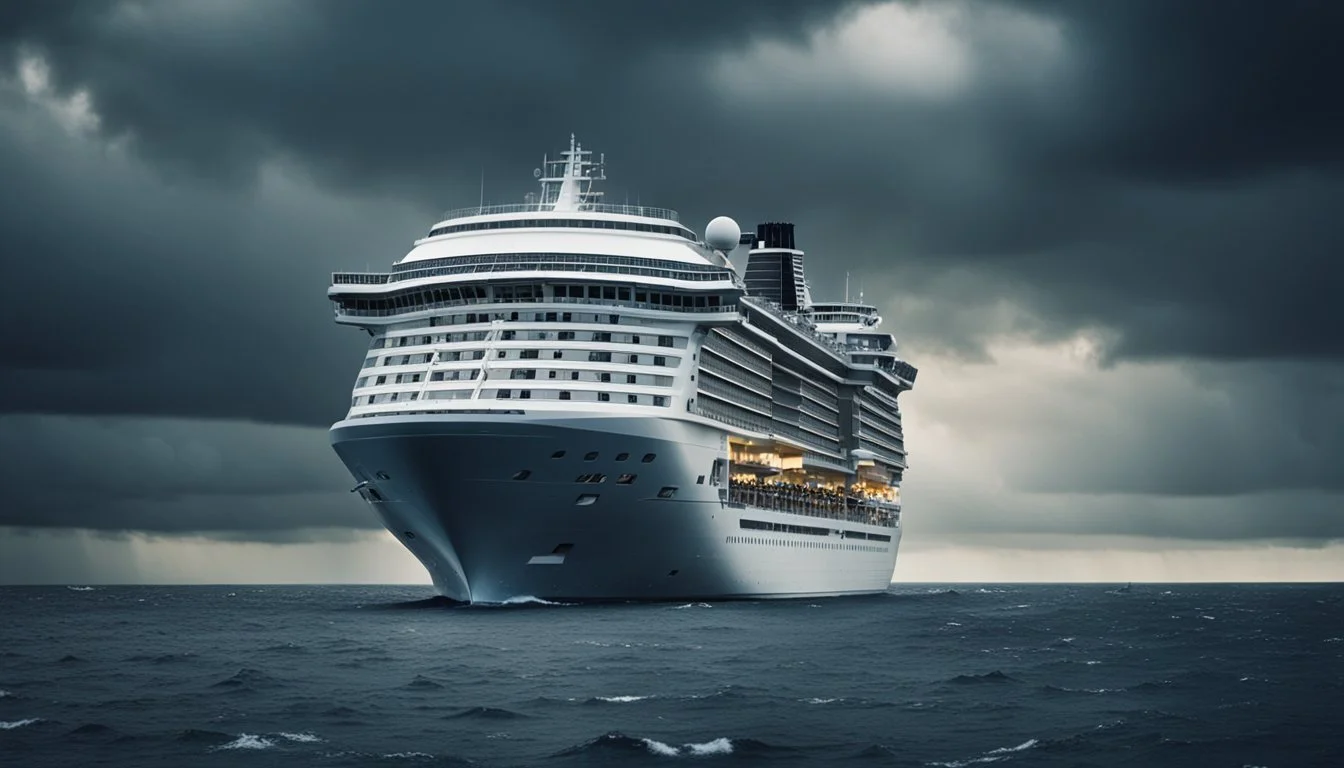
This series highlights the camaraderie and hardships of crew members across various different cruise lines. Viewers get to watch firsthand the challenges of life onboard, from tight schedules to unexpected events. The documentary offers insight into how cruise lines function behind the glamour that passengers see.
Why These Documentaries Matter
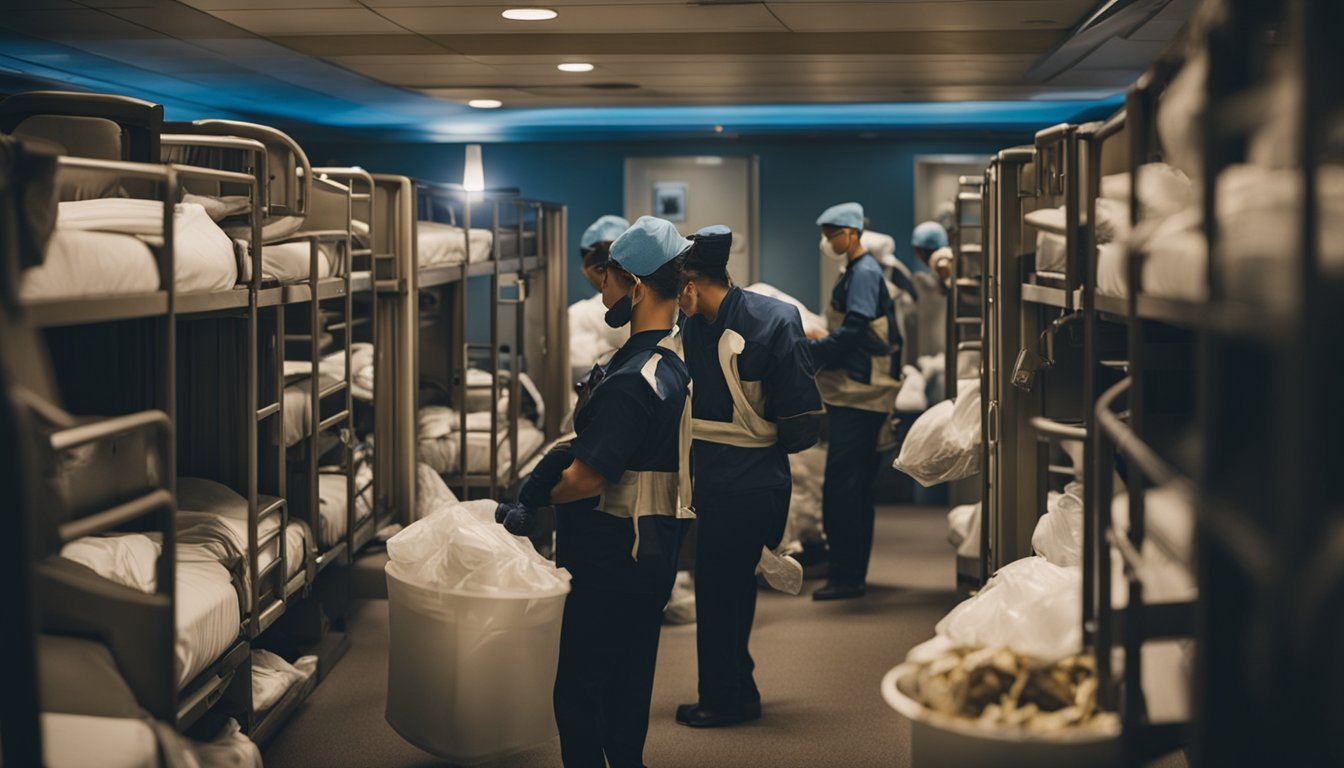
These films shed light on the cruise ship industry beyond marketing brochures and ads. They reveal the dark side of cruise travel, including health issues, labor conditions, environmental impact on marine life, and the safety challenges of operating a floating city. For anyone planning cruise vacations or curious about the inner workings of different cruise lines, these documentaries provide a fascinating and educational watch.
Whether you’re interested in the secret life of crew, safety on board, or the history and mysteries of the sea, these films offer rich details that enhance understanding of the cruise industry and the realities behind the luxury cruise ship experience.
Life Onboard a Cruise Ship: The Reality Behind the Floating Cities
When most people think of cruise vacations, images of endless buffets, sparkling pools, lively bars, and stunning ports of call come to mind. Cruise lines advertise their ships as floating cities—luxurious cruise ships that promise fun, relaxation, and world-class services. But the reality of life aboard a cruise ship is far more complex, with a dark side that few passengers ever see.
Cruise ships are essentially microcosms of society. Each vessel operates like a city at sea, complete with staff who manage everything from food services to housekeeping, engineers who maintain the engines and navigation systems, and medical personnel who deal with health issues among guests and crew. For those interested in the inner workings of the cruise ship industry, understanding the daily life on these ships provides a fascinating look at how cruise lines operate behind the polished surfaces.
The Crew: The Unsung Heroes of Cruise Travel
Every cruise ship relies on its crew to maintain operations 24/7. Crew members can number anywhere from a few hundred on smaller vessels to over two thousand on the largest floating cities. They work tirelessly onboard, often for months at a time, performing duties that passengers rarely notice. From the housekeeping team scrubbing cabins to the chefs preparing meals for thousands, life board is highly structured, with schedules that can be grueling.
Most crew members work 12-14 hour days, six to seven days a week. The work is physically demanding, and the mental strain of operating in close quarters with hundreds of people can be intense. Food services alone are a massive undertaking: each day, supplies must be managed, meals prepared, and dining areas cleaned—all while maintaining quality standards for thousands of guests. On ships like the MSC Seaside, the sheer scale of operations is staggering. The crew must anticipate events, manage bars and lounges, and coordinate entertainment—all while ensuring safety systems function correctly.
Communication is essential onboard. Crew members often have to accept responsibilities outside their formal duties, stepping in wherever a problem happens. Whether it’s a minor health issue in the spa, a food allergy, or assisting passengers during rough seas, adaptability is key.
Life for Passengers: Luxury Meets Reality
For guests, cruise travel is marketed as effortless. Cruise lines promote endless bars, gourmet dining, shows, excursions at ports, and activities that promise to enhance the vacation experience. In reality, passengers often encounter the logistical complexity of life onboard a ship.
Even simple tasks like scheduling spa appointments, reserving dining tables, or joining excursions require careful planning. Cruise ships operate on tight schedules, and the crew must ensure guests can move smoothly between ports while maintaining safety. The “poop cruise” problem—ships discharging untreated waste into the ocean—remains an environmental concern for marine life, something most passengers never discover while enjoying their trip.
Health issues also loom as a challenge. Norovirus outbreaks and other contagious illnesses have been documented on many different cruise lines, affecting hundreds onboard. Ships are equipped with medical centers and crew trained to handle emergencies, but space and resources are limited. Even a seemingly minor food allergy or stomach illness can become a serious problem when isolated at sea.
Behind the Glamour: Daily Operations
The daily operations of a cruise ship are a blend of precision, planning, and constant problem-solving. Every floating city has its own infrastructure: kitchens, laundry, medical facilities, entertainment venues, and engine rooms. Engineers monitor propulsion and navigation systems around the clock. Deck officers control ship direction and communicate with ports for docking schedules. Crew members handle supplies, manage bars and food services, and respond to passenger requests.
Even cleaning and waste management are enormous challenges. A ship like those operated by Carnival or MSC Seaside generates tons of waste each week. Advanced systems are in place to manage garbage, sewage, and recycling, but enforcement of environmental protocols varies by cruise line. The environmental effectiveness of these procedures has a direct impact on marine life and the ports the ship visits.
Entertainment is another massive operation. Events, shows, and excursions are meticulously coordinated, often months in advance. Passengers may not see the planning involved, but crew members operate behind the scenes to ensure performances, themed parties, and port visits go smoothly. These services help make each cruise vacation memorable, but they come at a cost: long hours and stressful work conditions for the crew.
Safety: The Constant Priority
Cruise ships must maintain strict safety standards. Life-saving equipment, emergency drills, fire systems, and medical facilities are all part of daily operations. However, the effectiveness of safety systems depends on well-trained crew, proper maintenance, and compliance with international regulations.
Historical incidents, like the Costa Concordia, serve as reminders of how quickly things can go wrong. Safety protocols are now more stringent, but they require constant vigilance. Crew training is rigorous, including lifeboat drills, first aid, fire response, and emergency evacuation procedures. Even routine operations like docking or rough weather navigation require precision and teamwork.
Ports and Logistics: A World of Coordination
The port is where the floating city meets the land. Large cruise terminals, like those in Florida, handle thousands of passengers daily, along with tons of supplies for the ship. Logistics include food, fuel, water, medical supplies, and spare parts. Crew must coordinate loading and unloading efficiently to stay on schedule for the next trip.
The complexity is magnified by customs regulations, immigration controls, and health inspections. Guests may see only the check-in counters and shuttle services, but the orchestration behind the scenes is immense. Every cruise line strives to make boarding and port visits seamless while keeping passengers safe and maintaining the quality of onboard services.
Life Below Deck: The Human Side
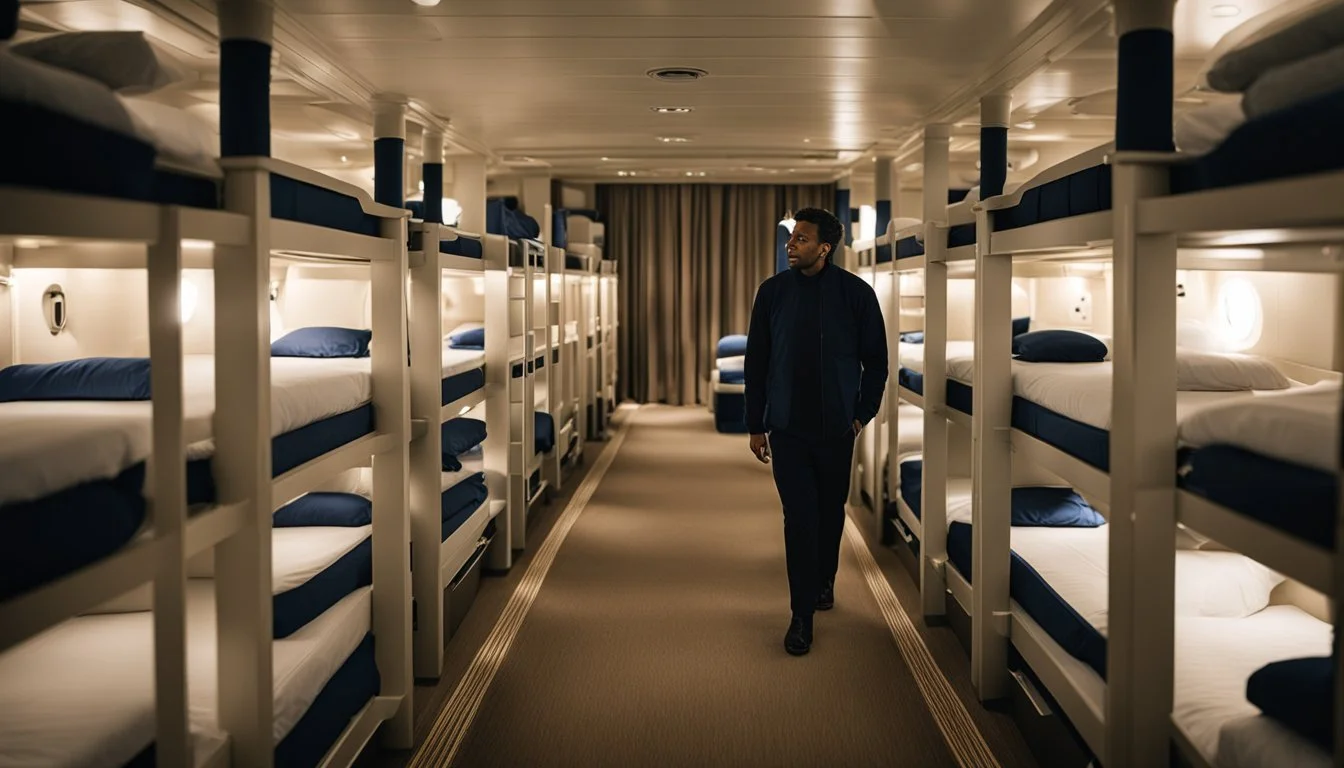
While guests enjoy pools, bars, and theaters, crew quarters are often cramped and functional. Cabins are small, shared, and far from the luxury suites that dominate marketing materials. Crew members develop camaraderie to cope with the long hours, limited privacy, and challenges of life onboard.
Meals for crew are often served at different hours than for guests, and downtime is scarce. Entertainment, Wi-Fi access, and communication with family back home are limited. Yet for many, working on a cruise ship is a chance to travel the world, gain valuable experience, and earn income to support families.
Environmental Responsibility
The cruise ship industry is increasingly under scrutiny for its environmental effectiveness. Each floating city contributes to air pollution and discharges waste, which can affect marine life and water quality. Modern ships implement systems for waste treatment, advanced fuel use, and recycling, but compliance is inconsistent.
Cruise lines like Carnival are investing in cleaner technologies, but environmental challenges remain. As more travelers join cruises, the pressure to develop sustainable practices grows. Passengers can also make a difference by respecting regulations onboard, reducing waste, and enhancing the eco-friendliness of their trip.
Conclusion: The True Life of a Cruise
Life on a cruise ship is a blend of luxury for passengers and hard work for crew. While advertisements and trailers show glittering bars, gourmet food, and breathtaking destinations, the reality includes long hours, health issues, environmental responsibilities, and a constant focus on safety.
Understanding the secret life of cruise ships—whether on the MSC Seaside or Carnival vessels—offers a deeper appreciation of cruise vacations. These floating cities are engineering marvels, but they are also ecosystems of labor, logistics, and complex operations. From deck officers to housekeeping staff, every crew member contributes to creating the illusion of effortless leisure for guests.
Cruise travel combines the wonder of the sea, visits to exotic ports, and the thrill of a trip with the challenges of running a self-contained city at sea. For those interested in the cruise industry, understanding the human effort, environmental effects, and operational complexities adds a fascinating perspective to every voyage, making every cruise vacation more than just a luxury experience—it’s a glimpse into a hidden world onboard a cruise ship.
