
Emotional Strength and Resilience of Ice Road Truckers Stars Facing Extreme Ice Road Challenges

The emotional strength of the stars on Ice Road Truckers plays a critical role in their ability to face extreme conditions and daily danger. These reality TV personalities, featured on the History Channel, routinely encounter treacherous ice roads, unpredictable weather, and high-pressure situations. Their mental resilience helps them stay calm during breakdowns, remain focused over long, isolated hauls, and support each other as they navigate one of the most demanding trucking jobs in the world.
Each star, from Lisa Kelly to Alex Debogorski, demonstrates remarkable determination and composure under pressure. Fans of Ice Road Truckers are often drawn not just to the dramatic stunts and risky journeys, but to the way these truckers handle emotional hardships and stress, showing that toughness behind the wheel is matched by inner strength.
Understanding Emotional Strength in Ice Road Truckers
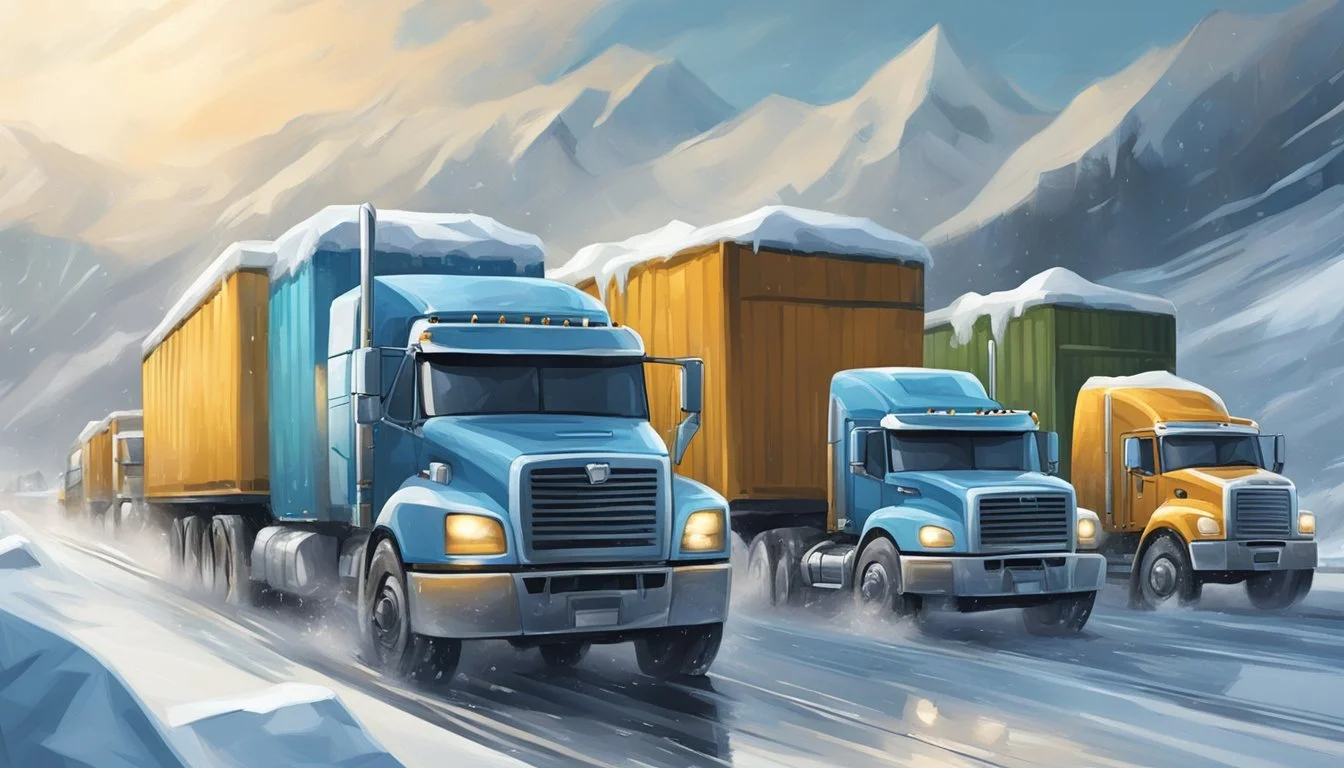
Ice road truckers face unique psychological challenges that test their resilience daily. The extreme conditions, long hours, and constant risk demand not only skill but a high degree of emotional strength.
Defining Emotional Strength in High-Risk Trucking
Emotional strength in high-risk trucking involves more than just bravery. It includes the ability to remain calm under pressure, make rational decisions in danger, and manage fear in unpredictable environments.
Drivers like those featured on "Ice Road Truckers" must tackle storms, freezing temperatures, and mechanical failures while isolated on remote ice roads. Their job exposes them to prolonged isolation, making mental stability as important as physical endurance.
Self-discipline, patience, and determination are common traits among these drivers. Emotional strength is demonstrated when truckers confront challenges without letting stress undermine their judgment.
Mental Endurance in the Ice Roads Environment
Mental endurance is critical for surviving extended shifts on hazardous ice. Truckers frequently drive for hours or even days with little rest. The monotony of the landscape and intense concentration needed to avoid hazards can quickly become mentally exhausting.
The constant uncertainty of the ice’s stability adds another layer of pressure. Experienced drivers develop coping strategies, such as breaking tasks into smaller goals or relying on checklists, to maintain focus over long distances.
Connection to fellow truckers through radio or brief meetups at supply stops can provide valuable psychological support. Many drivers also lean on routines to maintain their mental health throughout the harsh trucking season.
Managing Stress and Adrenaline on the Job
Managing stress and adrenaline is an everyday requirement for ice road truckers. Each trip across frozen terrain can bring a spike in adrenaline, particularly during moments like crossing thin ice or facing whiteout conditions.
Truckers learn to identify their stress triggers and use practical techniques to keep calm. Techniques include slow, steady breathing, maintaining clear communication with dispatch, and doing safety checks before every haul.
Balancing adrenaline is vital; it must keep them alert but not lead to impulsive decisions. Over time, truckers build habits and mindsets that let them channel the intense pressures of the job into focused action rather than panic.
Personal Stories of Courage and Determination
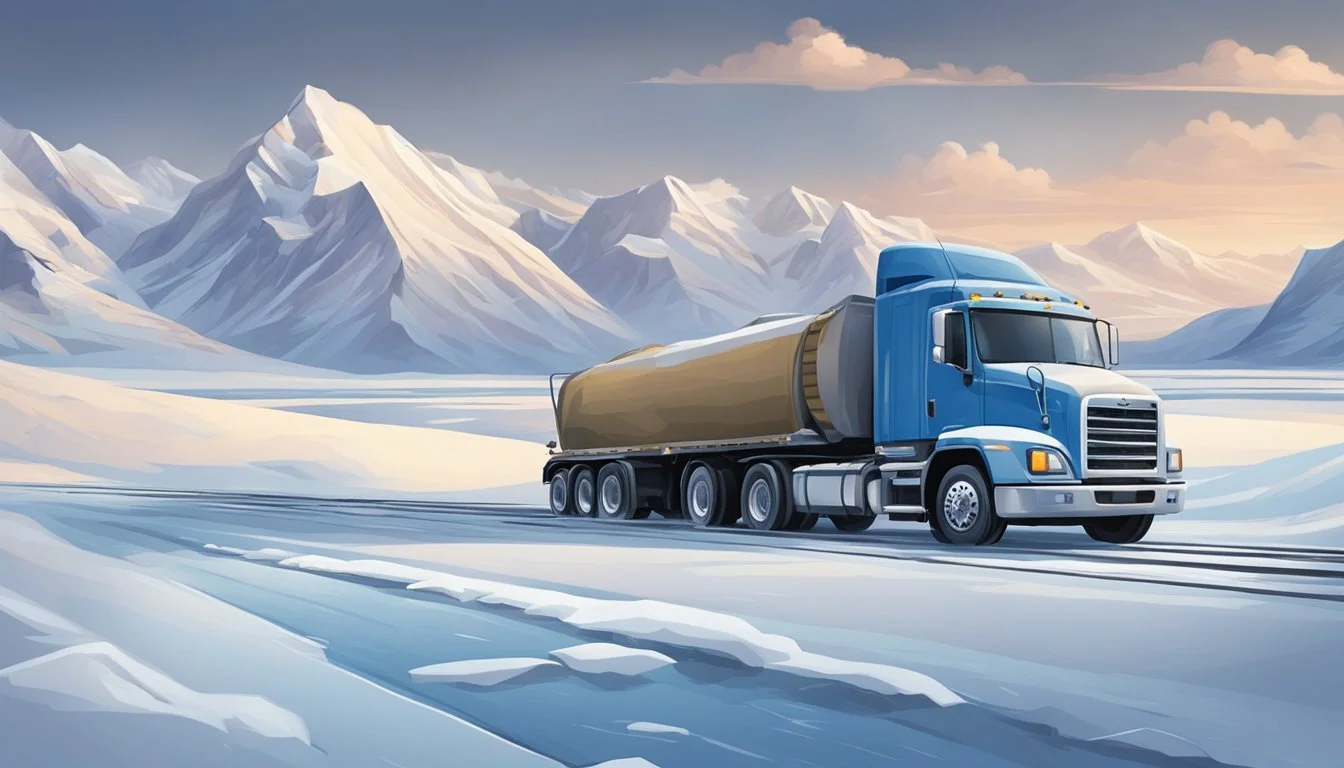
Ice road trucking is marked by intense risks and moments that test drivers’ resolve. The stories of Darrell Ward and the daily realities of operating in Alaska show the strength and focus the job demands.
Darrell Ward’s Legacy and Plane Crash
Darrell Ward became known for his leadership, clear decision-making, and willingness to help others. He joined Ice Road Truckers in later seasons, quickly earning respect among both the audience and fellow drivers.
In 2016, Ward’s life was tragically cut short in a plane crash in Montana. He was traveling to start filming a new documentary about recovering plane wrecks, further showing his passion for challenges. The cause of the crash was attributed to a sudden stall during approach.
Ward’s legacy is still remembered for his unwavering determination and courage. He showed perseverance not only on icy roads but also in pursuing his ambitions outside the show. Many fans and colleagues cite his ability to remain calm under pressure as a testament to his emotional strength.
The Challenges Faced in Alaska and the Wilderness
Driving on Alaska’s ice roads means dealing with harsh weather, extreme isolation, and unpredictable hazards. Temperatures can plummet below -40°F in certain regions, increasing the risk of frostbite and mechanical failure.
Truckers rely on training, preparation, and quick thinking to overcome challenges such as whiteouts, thin ice, and wildlife encounters. Drivers like Lisa Kelly have shared stories of near-disasters, including breakdowns far from help and stretches of road where one mistake could be fatal.
Despite these hazards, drivers push forward with determination and resolve. The wilderness demands constant vigilance, teamwork, and a willingness to face both physical and emotional obstacles daily. Courage becomes a necessity rather than a choice on Alaska’s remote roads.
Family and Relationships Off the Ice Roads
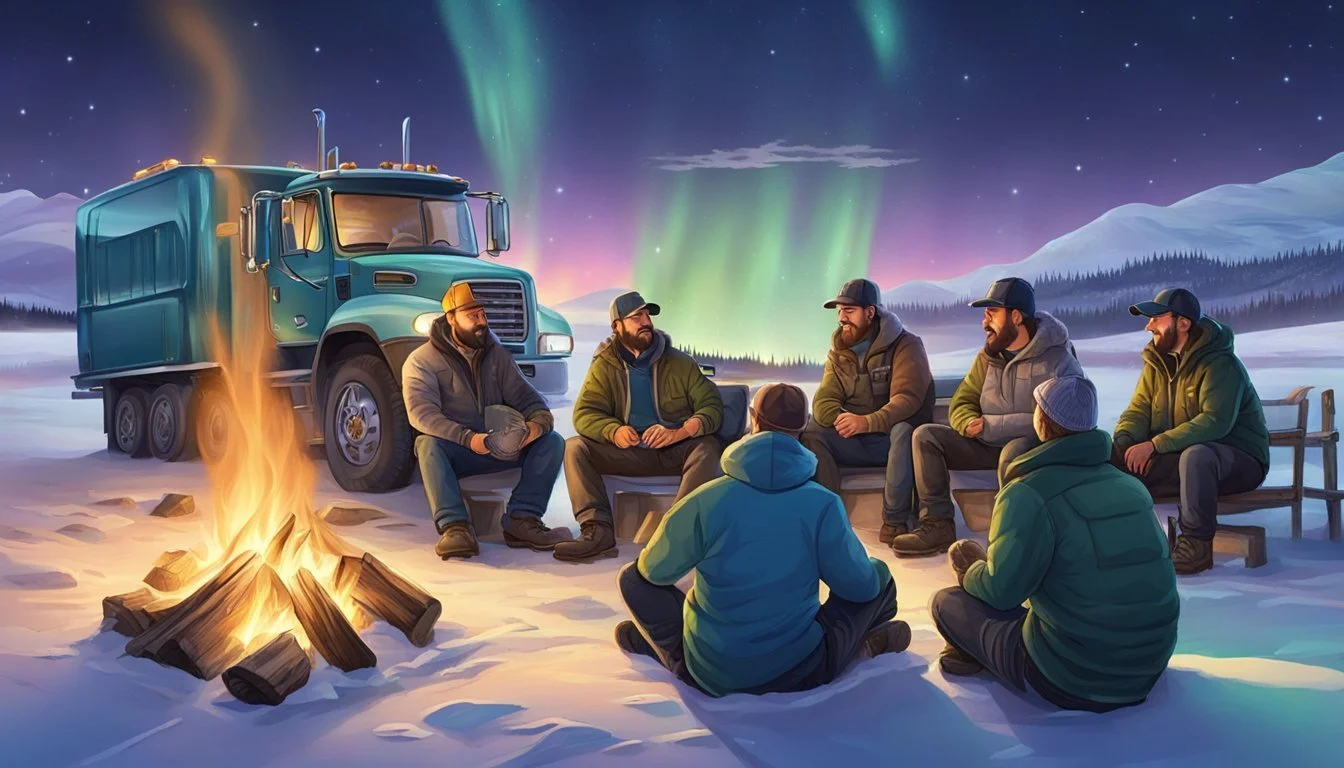
Stars of Ice Road Truckers face unique personal demands, from extended time away from home to balancing the effects of public exposure. Their family relationships, support networks, and private lives are shaped by the nature of their work and television fame.
Balancing Privacy and Public Life
Reality TV brings sudden attention that can disrupt the private lives of truck drivers. Many, like Alex Debogorski, deal with fans’ curiosity about their day-to-day lives and family relationships. While the show offers a glimpse into their work, it rarely depicts their personal lives or how fame impacts their privacy.
Maintaining boundaries becomes challenging, especially with persistent media interest. Truckers often avoid discussing sensitive family matters in interviews. Some, like Lisa Kelly, have kept details about relationships and home life private, focusing public conversations on their profession instead.
The constant attention forces stars to develop ways to separate their on-screen personas from their true selves. This includes limiting information they share online and setting clear boundaries during public appearances or fan interactions.
Support Systems for Truck Drivers
Life on the ice roads is both physically demanding and emotionally taxing. Off-screen, many truckers rely on strong support systems centered around family, friends, and community. Regular communication with loved ones during long trucking seasons can help maintain emotional well-being and reduce the stress of isolation.
Some drivers join online forums or local groups to talk with others who understand the unique challenges of trucking. Faith communities and peer support networks also offer guidance, especially during the most difficult stretches of the season. In Alex Debogorski’s case, faith and large family support serve as crucial anchors.
Truckers on TV sometimes share how vital these networks are in helping them deal with the unpredictable nature of their jobs. Emotional strength is often built through these ongoing connections outside of work, not just from personal resilience alone.
Family Life of Reality TV Stars
Many Ice Road Truckers cast members, such as Alex Debogorski, have large families and take pride in their roles as parents and spouses. Balancing long absences from home with family obligations requires extensive planning and understanding from everyone involved.
Some stars keep family members entirely out of the public eye to protect their privacy. Others mention their families in interviews, highlighting the support they receive during dangerous jobs and television commitments. Schedules and routines at home are often adjusted to accommodate the unpredictable trucking season.
The pressure of fame can create extra challenges for relationships, especially with increased travel and time apart. Maintaining stability at home requires continuous effort, open communication, and mutual support, helping both the truckers and their families adapt to the demands of the profession.
Community Outreach and Humanitarian Efforts
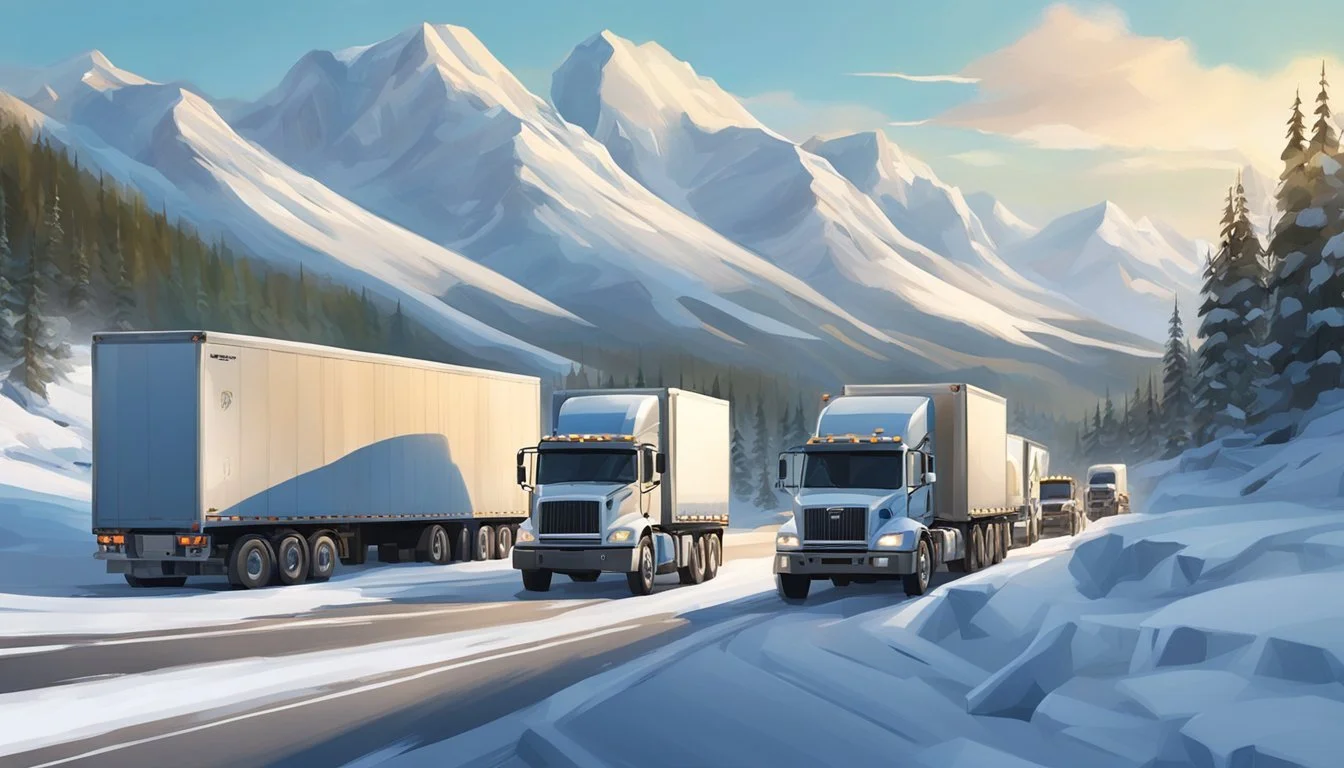
Ice Road Truckers cast members have participated in community engagement, supporting both national and local causes. They often involve themselves in charity convoys, donation events, and youth programs, directly contributing time and resources.
Truck Convoy for Special Olympics
Several Ice Road Truckers stars have regularly taken part in the Truck Convoy for Special Olympics, an annual event where truck drivers from across North America unite to raise funds and awareness for Special Olympics athletes.
Participation is not only financial—drivers use their rigs and personal stories to inspire Special Olympics participants. The convoy usually features decorated trucks and personal meet-and-greet opportunities, strengthening the bond between the industry and the community.
Lisa Kelly and Alex Debogorski, among others, are known for personally attending these convoys. Their presence draws public attention and increases donations for the Special Olympics, helping to ensure more athletes can participate in future games. The truckers’ involvement exemplifies how those in high-risk professions take time to give back in meaningful ways.
Initiatives Like Food Drives and Boy Scouts
Outside televised work, cast members have supported community food drives, often using their visibility to collect and transport large quantities of goods. These food drives directly benefit families facing hardship, especially in northern and remote areas.
Ice Road Truckers have also partnered with groups such as the Boy Scouts on educational and outreach events. Through these collaborations, they offer hands-on demonstrations related to road safety, equipment checks, and teamwork.
Their efforts are not limited to one-time events. Involvement with organizations like the Boy Scouts provides long-term mentorship for youth interested in trucking or logistics. Participation in these community programs highlights the altruism of the trucking community beyond what is typically seen on-screen.
Adventures Beyond the Ice Road
Many cast members from Ice Road Truckers pursue adventurous activities away from their trucking careers. Outdoor pursuits like hiking and fishing help them unwind while staying connected to the rugged northern landscapes.
Hiking and Outdoor Hobbies
Several drivers, such as Lisa Kelly, are avid hikers who explore trails in Alaska, often documenting their routes on social media. Hiking offers not only physical benefits but also mental refreshment after long hauls.
Besides hiking, some stars enjoy ATV riding, camping, and mountain biking. These activities let them experience the wilderness without the pressures of trucking.
Their backgrounds in navigating harsh conditions support their interest in outdoor survival skills, which come in handy during remote excursions. The sense of adventure that drew them to the ice roads continues to fuel their passion for challenging outdoor hobbies.
Fishing in Nova Scotia and Alaska
Ice Road Truckers cast members frequently spend time fishing in regions like Nova Scotia and Alaska, known for their rich fisheries. Alex Debogorski, for example, has spoken about his appreciation for fishing as a way to relax and connect with local communities.
Fishing trips can range from serene lake outings to deep-sea adventures, depending on the season and location. Tactics and equipment often reflect the harsh climates, with insulated gear and specialized rods being common choices.
Popular catches in these areas include salmon, halibut, and trout. Fishing, much like trucking, demands patience and resilience—a fitting pastime for those accustomed to the unpredictable challenges of the ice road.
Public Image and Media Representation
Ice Road Truckers cast members are frequently shaped by their roles on screen and their interactions with viewers online. Their presence in media and popularity on social platforms continues to affect perceptions about their emotional strength and character.
The Impact of the Documentary Series
The documentary series "Ice Road Truckers" on History Channel has played a significant role in defining the public image of its stars. Through vivid storytelling and candid on-the-job footage, the series highlights not only the technical skills needed to drive on dangerous ice roads but also the resilience and emotional endurance of the truckers.
Lisa Kelly is frequently noted for her determination and ability to handle high-pressure situations, making her a symbol of perseverance. The series gave viewers insight into the everyday risks and mental challenges drivers face, which elevated their profiles beyond that of traditional truck drivers.
By focusing on both group teamwork and personal stories, the documentary format documents both the camaraderie between drivers and individual struggles. This representation often leads the audience to respect the mental toughness required for the profession. The moments of vulnerability showcased in the series have helped to build a complex and relatable public image.
Interaction with Fans on Social Media
Cast members maintain active presences on various social media platforms, with official Facebook pages being particularly central for updates and direct engagement. These platforms allow truckers to share behind-the-scenes glimpses, answer fan questions, and provide updates on their careers beyond the show.
Engagement on social media helps sustain their public image by showcasing more personal aspects of their lives. For example, Lisa Kelly often shares photos, event announcements, and safety tips, providing fans with an authentic look into her experiences outside of television.
Frequent interaction with fans through comments and live Q&A sessions fosters a sense of connection and community. This ongoing digital engagement not only humanizes the stars but also demonstrates their resilience and approachability, reinforcing traits seen on the documentary series.
Navigating Natural and Professional Hazards
Ice road truckers face a mixture of extreme weather, shifting terrain, and job pressures that test their resilience daily. Their experiences are shaped by both environmental challenges and the intense demands common to high-risk occupations.
Louisiana Floods and Environmental Challenges
While most ice road trucking occurs in northern regions, events like the Louisiana floods highlight how truckers must adapt to unpredictable natural disasters. Heavy rainfall and rising waters can disrupt major freight routes, requiring reroutes and emergency logistics.
Ice road truckers, such as Lisa Kelly and her colleagues, also encounter rapidly changing conditions on frozen routes. Melting ice and sudden snowstorms can make safe deliveries nearly impossible. Road closures due to environmental hazards can delay shipments and place extra strain on drivers.
The experience of navigating these hazards requires constant vigilance. Drivers rely on weather monitoring, local reports, and their own instincts to decide when routes are safe. Their adaptability and preparedness set them apart from those in less hazardous driving professions.
Comparisons to Other High-Stakes Professions
Ice road truckers share several challenges with crews featured on shows like Deadliest Catch. Both groups deal with life-threatening risks due to unpredictable weather, equipment failure, and isolation.
Profession Key Hazards Coping Skills Ice Road Truckers Ice, snow, thin roads Caution, planning, teamwork Deadliest Catch Crew Storms, rough seas Communication, resilience General Truck Drivers Traffic, fatigue Routine, problem-solving
Unlike general freight drivers, ice road veterans must be experts in crisis management. Their professionalism is showcased in situations requiring quick judgment under stress. The parallels with other dangerous jobs reinforce both the respect and responsibilities their roles demand.
