
How Ice Road Truckers Combines Real-Life Danger and Drama to Captivate Audiences
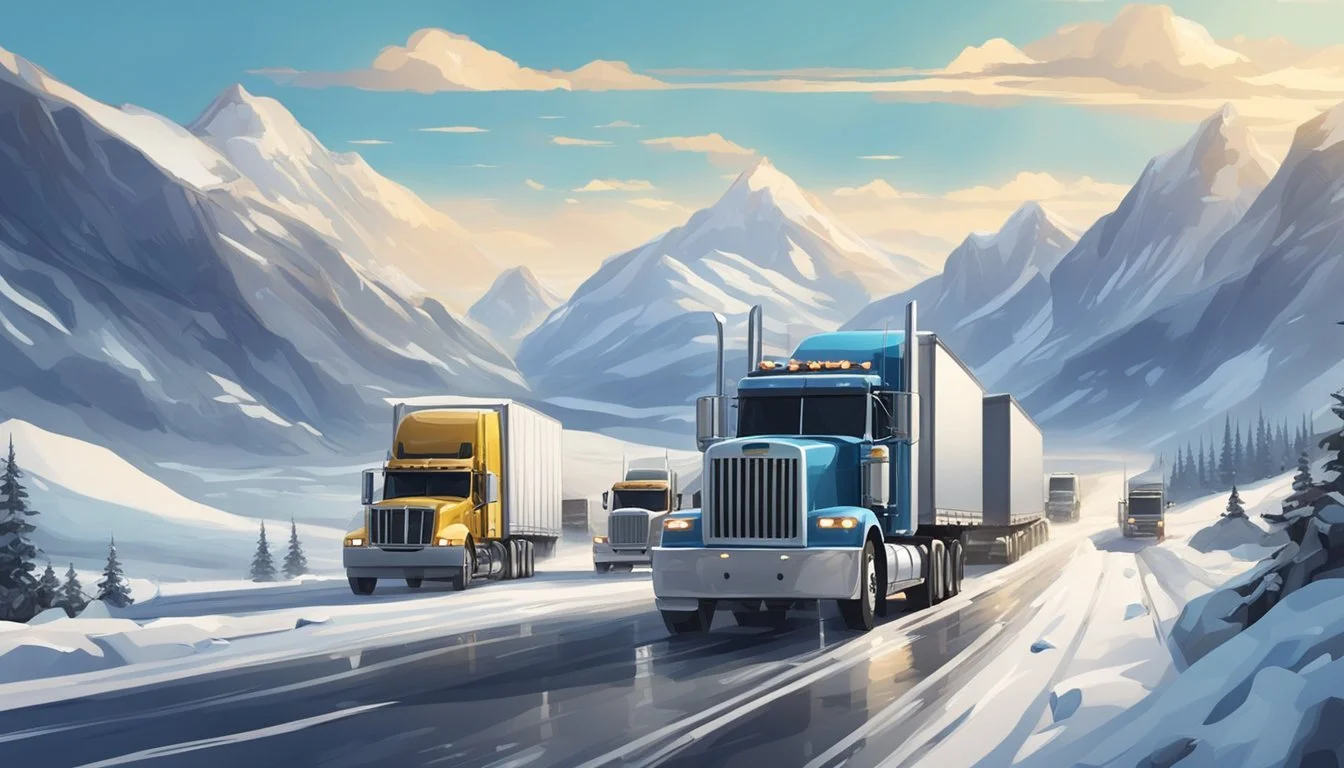
Ice Road Truckers blends authentic footage of treacherous trucking routes with carefully selected moments of conflict and suspense to create an engaging show that remains grounded in reality. The drivers face real dangers such as thin ice, blizzards, and isolation, but the show’s producers highlight dramatic moments—like rookie mistakes or disagreements—to keep viewers invested.
Though much of the footage is genuine, editing decisions focus on the most intense scenes while condensing hours of routine driving into segments filled with tension. While the risks and challenges are real, some situations are amplified by casting choices and editing to enhance dramatic appeal. This delicate balance of actual hardship and heightened drama is what keeps fans returning season after season.
The Origins and History of Ice Road Truckers
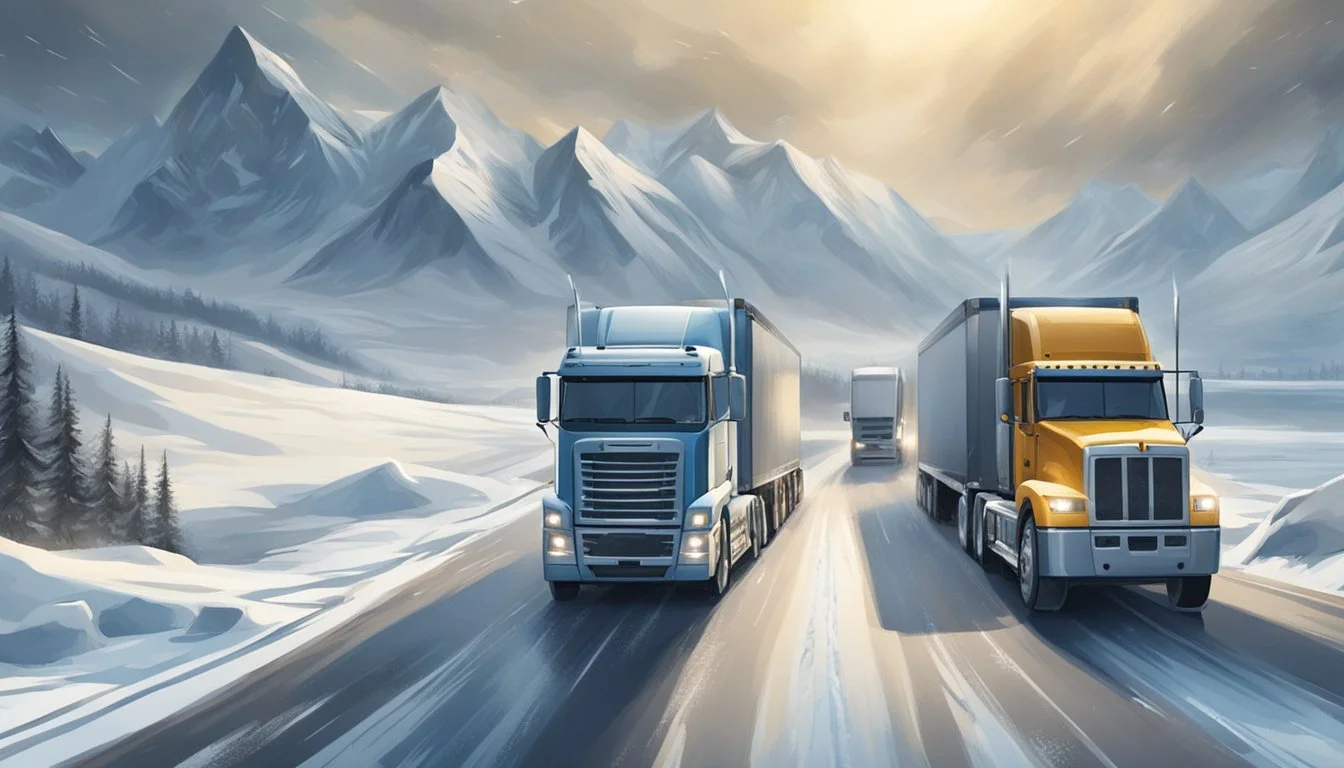
Ice Road Truckers began as a documentary project, later evolving into a long-running reality series. Its evolution reflects both its roots in real-life trucking and the shift toward entertainment-driven storytelling.
Development as a Miniseries
The concept for Ice Road Truckers originated with a one-hour documentary on The History Channel, focusing on truck drivers in northern Canada. This initial miniseries, aired in 2000, aimed to highlight the dangers and skill involved in driving on remote, icy roads.
Filmmakers closely followed truckers braving the treacherous ice roads that connect isolated communities during the winter months. The documentary’s specific focus on the challenges—such as cracking ice, mechanical failures, and extreme weather—set the template for the series that would follow.
Feedback from viewers demonstrated strong interest in the lives of these drivers and the unique environments they worked in. This response encouraged producers to expand the premise into an episodic series.
Transformation into a Popular Show
After the documentary’s positive reception, Ice Road Truckers was developed as a full-fledged television series by the History Channel, premiering in 2007. The format shifted from pure documentary to reality TV, incorporating structured storylines and recurring personalities.
The program’s appeal grew as it highlighted individual drivers, including personalities such as Hugh Rowland and Lisa Kelly. Their personal challenges, rivalries, and teamwork were emphasized alongside the dangers of their work. This mix of real risks and personal stories drew a broad audience.
The show’s production team also focused on dramatic visuals, using camera rigs both inside and outside the trucks. This approach showcased hazardous conditions and added tension without straying too far from actual events.
Key Milestones Across Seasons
Over its ten-year run, Ice Road Truckers introduced several notable innovations and features. New routes were explored, extending beyond Canadian territories into Alaska and even India, highlighting varied challenges in each location.
The series featured an evolving cast, regularly introducing new drivers and retiring others. Notable seasons included record cold snaps, dangerous rescues, and technological advances in truck safety. These events were often organized in episode guides and season recaps, as shown below:
Season Notable Location(s) Significant Event 1 Northwest Territories Introduction of original cast 3 Alaska’s Dalton Highway Expansion into Alaska 7 Manitoba, Canada Extreme weather challenges
The final season aired in 2017, marking the end of a series that blended factual trucking experiences with heightened drama and production values. Its legacy remains strong within the reality TV landscape and transportation industry.
Balancing Drama and Reality in Storytelling
Ice Road Truckers relies on a careful mix of real-life trucking situations and dramatic techniques to keep viewers engaged. The show must showcase the authentic challenges of ice road trucking while also crafting episodes that maintain viewer interest.
Techniques Used for Dramatic Effect
Producers employ editing, music, and selective storytelling to elevate tension.
Narrative tension is often built by focusing on moments of stress, such as equipment failures or extreme weather.
Interviews with drivers add personal stakes, giving viewers insight into character motivations.
Replays, slow-motion footage, and close-ups emphasize dangerous situations.
The show sometimes highlights close calls or communication breakdowns more than routine travel. While the real risks are significant, camera work and pacing may heighten the appearance of danger to sustain drama.
Maintaining Authentic Portrayals
Despite dramatic elements, Ice Road Truckers aims to reflect the true challenges faced by drivers. It frequently documents real mechanical problems, road hazards, and long hours in isolated areas.
Several drivers and industry insiders have noted that the show avoids manufacturing events or scripting reactions. Some editing does occur, but the core situations and risks are genuine.
The production team collaborates closely with drivers to ensure on-screen events align with reality. This approach helps viewers gain an understanding of what ice road trucking demands, both physically and mentally.
Highlighting Support and Community
A key part of the show's storytelling is the focus on the support networks and sense of community among the drivers.
Truckers often rely on each other for help with breakdowns, sharing tips about changing road conditions, or simply providing moral support during tough stretches. These moments are shown through candid conversations on CB radios and footage of on-the-road teamwork.
The series showcases how teamwork and shared knowledge are essential for safety and success. By including these elements, the show fosters a deeper understanding of the supportive culture that characterizes life on the ice roads.
Characters and Their Early Lives
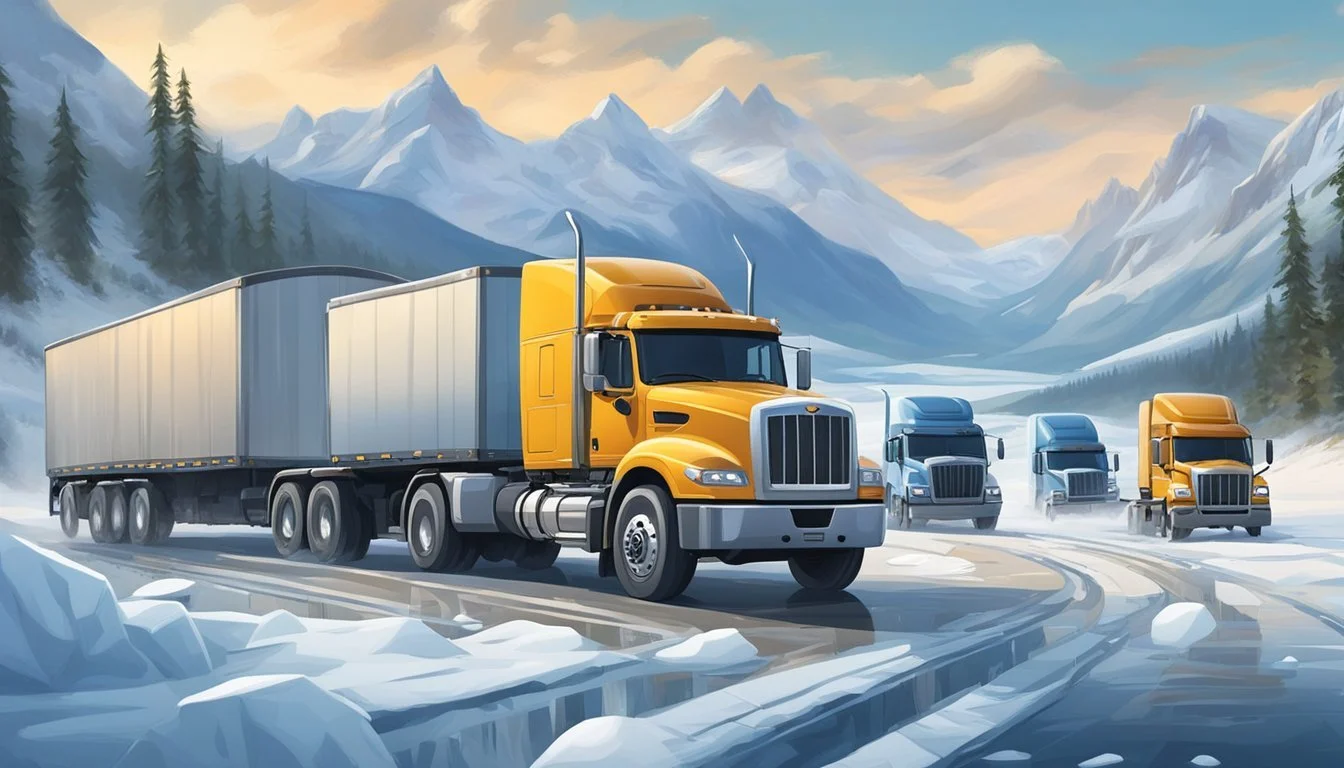
Many of the truckers featured on Ice Road Truckers come from diverse backgrounds, shaped by unique family histories, regions, and cultures. Their early experiences, including time spent in cities or rural environments, have a significant impact on their driving skills and personal approaches to the job.
Exploring Truckers’ Backgrounds
The cast of Ice Road Truckers includes individuals who started driving at a young age, often influenced by family traditions in trucking or transportation.
For example, Lisa Kelly grew up in Grand Rapids, Michigan, and later moved to Alaska, where she became skilled at handling heavy vehicles on remote roads. Alex Debogorski, another central figure, started driving trucks in his teenage years after growing up in a large Polish-Canadian family.
Some members came from blue-collar backgrounds, learning mechanical skills early in life. Exposure to harsh climates and remote job sites shaped many truckers’ abilities to work under pressure. Their personal histories are often grounded in hard work, persistence, and adapting to new challenges.
Influences from Urban and Rural Environments
Urban and rural environments play a major role in shaping the drivers’ skills and adaptability on the ice roads. Truckers from small towns or remote areas, like Hugh Rowland from British Columbia, are used to unpredictable weather and rough terrain, giving them a practical edge.
Those who spent formative years in city environments often developed different driving habits, sometimes bringing unique problem-solving skills to the roads. Urban upbringings can mean familiarity with high-traffic situations but less experience with severe isolation or mechanical improvisation.
Both backgrounds contribute strengths. Rural experience tends to produce self-reliant drivers proficient in navigation and repair, while urban life can encourage adaptability and resilience in stressful, crowded conditions. The show highlights how these different histories intersect out on the ice.
Depiction of Wealth and Luxury

"Ice Road Truckers" presents a raw depiction of remote trucking, with little glamour despite the danger and skill involved. The series rarely dwells on luxury, instead foregrounding the stark conditions and economic realities of its drivers.
Contrasting Truckers’ Lifestyles
The lifestyles of ice road truckers differ significantly from what might be expected in a high-stakes, televised profession.
Most drivers live modestly, prioritizing practical expenses like equipment maintenance or personal safety over splurging on luxury items. Their income, while higher during the intense ice road season, is offset by the risks and temporary nature of the work.
Few, if any, display signs of conspicuous wealth. Instead, truckers often discuss financial pressures, high travel costs, and ensuring family security. These realities contrast sharply with mainstream TV portrayals of affluence.
Perception of Wealth on the Ice Roads
The show often highlights the perception versus reality of wealth among its cast.
Drivers are sometimes depicted earning substantial paychecks for hauling loads in hazardous conditions. However, the context—short working seasons, equipment expenses, and sporadic employment—means that true long-term financial security remains elusive for most truckers.
Any glimpses of material comfort tend to be modest, with drivers investing in reliable vehicles or home repairs rather than excess or luxury. The series emphasizes grit and endurance over financial success, steering clear of glorifying sudden wealth.
Role of Socialite Influence
Unlike many reality TV programs, "Ice Road Truckers" shows little evidence of socialite culture influencing its stars or setting.
Truckers featured rarely adopt lavish lifestyles, even after achieving some fame. Public attention from the series may open minor opportunities, such as event appearances or endorsements, but these are not a significant focus.
There is minimal crossover between the world of ice road trucking and that of high-profile socialites. Instead, the show maintains focus on resilience, skill, and survival rather than glamorizing wealth or celebrity culture.
Controversies and Criticisms
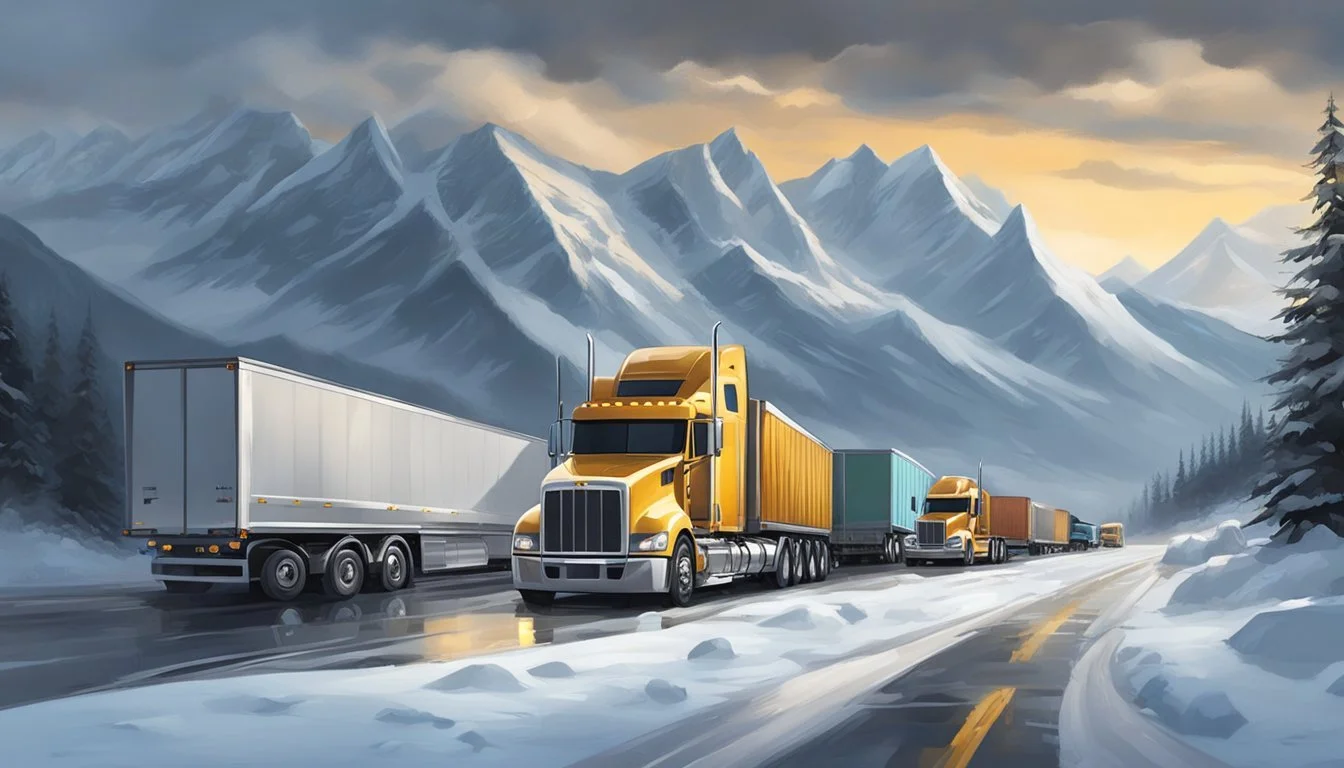
Ice Road Truckers has faced scrutiny for how it depicts the dangerous world of ice road hauling and its impact on audiences and featured communities. Both the authenticity of the show’s content and its portrayal of the people and locations involved have generated discussion.
Debate Over Realism and Safety
A major point of controversy surrounds the show's balance between depicting genuine risks and exaggerating drama for entertainment. Some professional truckers have stated that the program amplifies danger and incorporates manufactured tension, which does not represent everyday ice road driving.
Several trucking industry experts have argued that real ice road drivers routinely handle hazardous conditions without the heightened drama seen on television. This dramatization, critics note, can mislead viewers about the reality of the job and the actual level of danger faced.
Safety practices portrayed on the show have also come under fire. Some believe that pressure to create compelling television might influence behaviors not typically acceptable within the industry. Questions have been raised about whether scenes are staged or edited in a way that puts drivers or equipment at unnecessary risk.
Cultural Sensitivities and Public Reactions
The presence of camera crews and increased visibility has had mixed effects in Northern communities and among Indigenous populations featured on the show. Community members have sometimes voiced concern about how they were represented and whether their customs were depicted accurately.
Some viewers felt that the focus on individual drama and hardship overshadowed the broader cultural and logistical contexts of life in remote Arctic regions. There have also been instances where residents felt their privacy was compromised or that sensitive areas were shown without appropriate context or permission.
Reactions from viewers are varied. While many appreciate the chance to see remote areas, others criticize the show for potentially reinforcing stereotypes. Public discourse has focused on the need for responsible storytelling when documenting real people and places on reality television.
The Show’s Height and Broader Impact
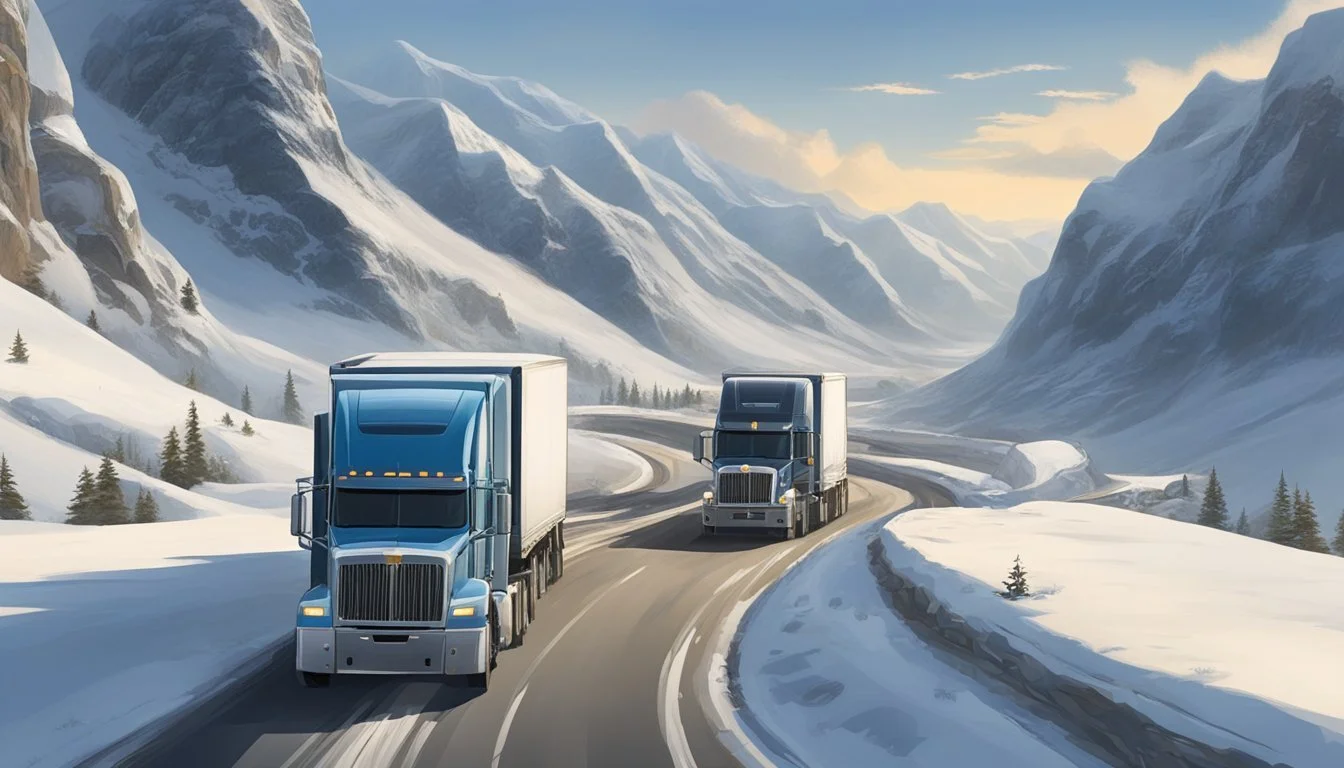
Ice Road Truckers reached significant cultural influence at its peak, attracting broad attention and setting a standard for reality TV in extreme environments. Its success notably contributed to programming decisions at networks like Lifetime.
Peak Popularity and Audience Response
At its height, Ice Road Truckers became one of the most-watched reality television series on its network. Viewership often exceeded 3 million per episode, attracting a diverse demographic interested in real-life adventure and occupational risk.
Audience feedback was mixed but passionate. Fans appreciated the intense focus on the drivers' daily challenges and the detailed depiction of icy logistics, while critics sometimes questioned the extent of dramatization. Despite these critiques, the show often sparked significant discussion on online forums and social media, enhancing its reach.
During major seasons, media outlets reported increased interest in trucking and cold-region industries. The series also drove traffic to related merchandise and spin-off content, indicating strong commercial impact beyond its airings.
Influence on Other Lifetime Productions
The success of Ice Road Truckers on its home network directly influenced Lifetime’s approach to reality content. Producers noted that audiences responded well to high-stakes occupational series, which led to further development of shows featuring extreme jobs and remote settings.
Key features emulated included:
Authentic workplace challenges
Emphasis on suspense and character-driven storytelling
Realistic portrayals of hazardous environments
Lifetime expanded its slate with programs focused on similarly dangerous professions, using elements such as episodic unpredictability and enhanced behind-the-scenes access. This strategy proved effective in maintaining viewer engagement and helped shape the direction of Lifetime’s reality genre output for several years.
Showcasing Iconic Locations
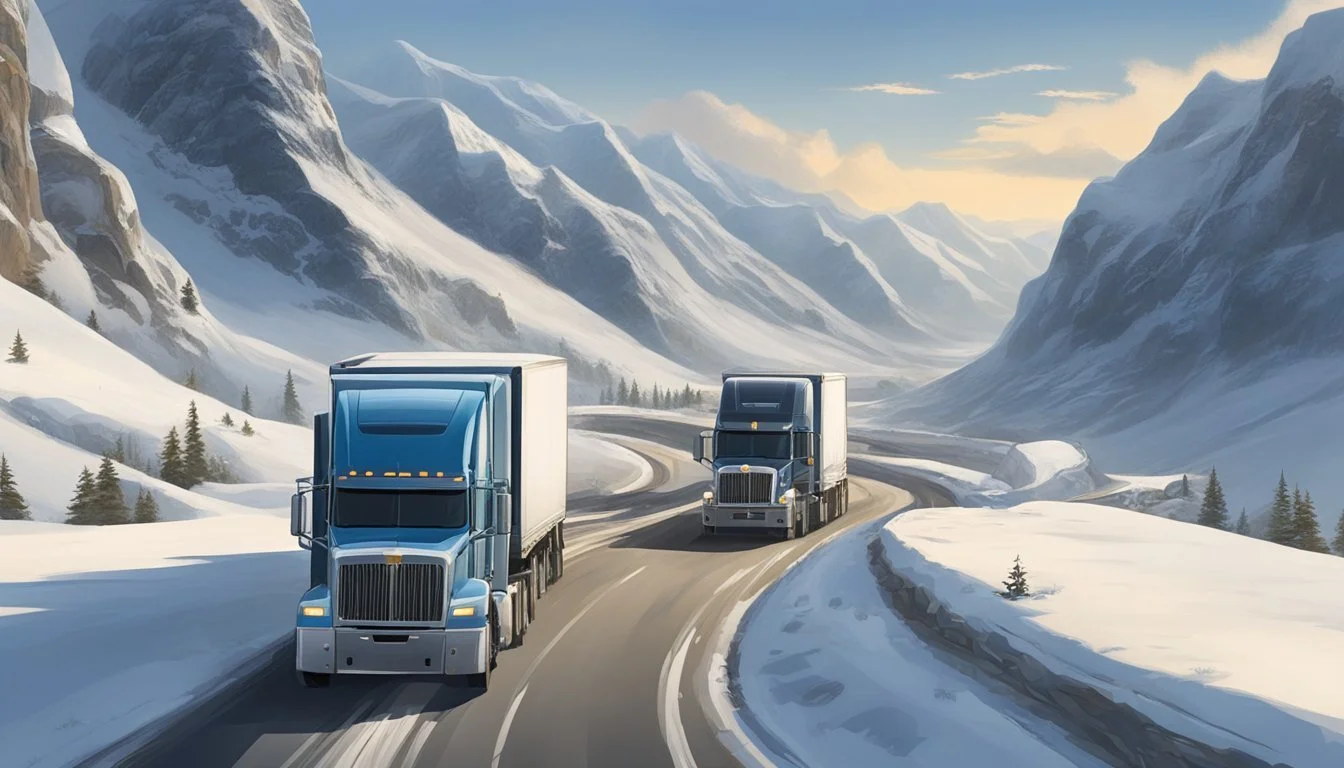
Ice Road Truckers features real-world sites that shape both the drama and realism of the show. Elements like urban references and challenging remote environments highlight important contrasts in geography and trucking culture.
Significance of New York City References
Although Ice Road Truckers is set in remote and rugged northern regions, occasional references to cities like New York City underscore the drastic difference between urban life and the ice roads.
These references often illustrate how trucking challenges in the North are unlike those in metropolitan areas. Viewers familiar with city traffic and infrastructure gain perspective on the unique risks of ice highways.
For many, the mention of New York serves as shorthand for dense, fast-paced urban logistics—a useful foil for the isolation and hazards faced by northern drivers. By drawing these comparisons, the show helps audiences understand how far removed the ice road setting is from the trucking routes of major cities like New York.
Unique Features of Ice Road Settings
The ice road settings are distinct for their temporary, treacherous nature. Each winter, truckers drive over frozen lakes and rivers—roads that exist only during the coldest months.
Crews work with a landscape that changes daily based on temperature, ice thickness, and weather. Navigation markers, load limitations, and speed controls are not just recommendations but critical survival measures.
Remote outposts, sparse human presence, and extreme cold set these locations apart from typical highways. The dangers and operational requirements of the ice roads provide a dramatic backdrop unique to this environment, highlighting the skills and resilience of the truckers who work there.
Specifics such as vehicle convoys, satellite communications, and emergency preparedness are daily realities for those traversing these iconic northern routes.
