
How Ice Road Truckers Revolutionized Trucking Industry Safety Standards and Practices
Ice road truckers have set new benchmarks for safety, adaptability, and resilience that have influenced standards throughout the trucking industry. Operating in some of the most extreme weather and road conditions, these drivers must rely on rigorous safety protocols, specialized training, and equipment suited for hazardous environments.
Their experience navigating frozen terrain has led to greater awareness of risk management, emergency preparedness, and vehicle maintenance standards among other sectors of trucking. The visibility of ice road trucking, both on television and within the transportation community, continues to inspire changes that improve efficiency and safety across the industry.
By examining how ice road truckers consistently meet these challenges, it becomes clear how their practices shape modern expectations and regulations for commercial drivers everywhere.
Overview of Ice Road Truckers
Ice Road Truckers brought attention to the demanding realities of hauling freight across frozen landscapes in places like northern Canada. The show combined entertainment with a close look at the logistics, culture, and technical skills needed for success on icy routes.
The Premise and Success of Ice Road Truckers
Ice Road Truckers is a reality TV series that premiered in 2007. It follows truck drivers as they transport goods over temporary ice roads in remote Arctic regions. The show primarily highlights routes in Canada, such as the ice roads in the Northwest Territories.
It became popular due to its focus on high-risk journeys and the personalities of the drivers. The series ran for eleven seasons and consistently drew strong ratings. The program helped bring public recognition to a little-known segment of the trucking industry.
Ice Road Truckers also featured a diverse group of drivers, including veterans and newcomers. This added a human element and gave a face to the dangers of the job.
Cultural Impact and Global Reach
Beyond its entertainment value, Ice Road Truckers influenced the perception of trucking as a profession. The show sparked broader interest in the challenges and rewards of trucking in extreme environments. For many viewers worldwide, it provided a first glimpse into the world of ice roads and the people who depend on them.
The series had a marked cultural impact in Canada, where ice road trucking is vital for remote communities. It also led to international adaptations and documentaries. Recruitment into the trucking industry in northern regions increased as awareness grew.
Many truckers became minor celebrities and appeared in interviews and public events. Their stories resonated with audiences far beyond the reach of ice roads themselves.
Unique Challenges of Ice Roads
Driving on ice roads in Canada presents hazards unlike standard highway freight. Truckers face extreme cold, rapidly changing weather, and dangerous ice conditions. The weight of loaded trucks must be carefully managed to prevent breaking through the ice.
Technical expertise is essential. Drivers monitor road thickness, check for cracks, and follow strict safety procedures. Maintenance of vehicles becomes more challenging due to freezing temperatures, which affect engines and hydraulic systems.
The window for operation is short, typically lasting just a few months each year. The risks and temporary nature make ice road trucking a distinctive and respected part of the industry.
Influence on Trucking Industry Standards
Ice road trucking has directly affected how the industry addresses safety and risk. It has driven adoption of protocols that prioritize both driver wellbeing and highway safety through innovations developed for hazardous conditions.
Raising Awareness of Trucking Safety
Ice road trucking has highlighted unique dangers, such as moving water, melting ice, and cracking surfaces. These situations have brought attention to the need for advanced training and heightened safety awareness, even outside extreme conditions. Many in the trucking industry now recognize that preparation for severe hazards translates into better everyday safety practices.
Media coverage and television series have contributed to this awareness. They have shown the daily realities and risks drivers face, sparking industry-wide conversations about safety standards. As a result, organizations and drivers are more alert to potential dangers and proactive in adopting preventative measures.
Introduction of New Safety Protocols
Facing unpredictable ice and severe weather, companies developed strict safety protocols such as pre-trip planning, load limits, and emergency response procedures. These protocols have since influenced broader carrier policies across North America, being adapted for hazardous routes and inclement weather outside of ice roads.
Key elements include:
Daily safety briefings
Mandatory survival gear checks
Rigorous vehicle inspections
By emphasizing checklists and process discipline, these protocols seek to minimize accident rates and promote consistent safety culture. Other sectors now use similar approaches to address their own unique risks.
Impact on Risk Management Practices
The hazardous environment of ice road trucking pushed the industry to refine risk assessment and mitigation strategies. Insurers and fleet managers began incorporating tools like real-time weather monitoring and GPS-based tracking, enabling quicker decision-making in risky conditions.
Insurers revised coverage policies based on data collected from ice road operations, influencing how risks are calculated for all trucking. Carriers have integrated more comprehensive contingency planning, including detailed communication protocols and emergency evacuation procedures.
These advances helped standardize risk management in trucking, improving both highway safety and operational sustainability. The focus remains on reducing liability exposure and ensuring safer outcomes for both drivers and the public.
Federal and Regional Regulatory Responses
Federal and regional authorities have responded to the unique challenges of ice road trucking through targeted regulations and collaborative oversight. These responses shape vehicle requirements, driver training, and safety practices across North America.
Role of the Federal Motor Carrier Safety Administration
The Federal Motor Carrier Safety Administration (FMCSA) has played an active part in addressing risks associated with ice road trucking. It enforces regulations related to vehicle condition, driver hours of service, and the use of safety equipment.
FMCSA requires commercial drivers on ice roads to comply with specific weight limits and cargo securement standards to reduce accident risks. It also mandates comprehensive driver training that covers hazardous environments, such as extreme cold and poor visibility.
Emergency waivers may sometimes be issued for time-sensitive or essential freight deliveries in remote regions. Inspections of trucks operating in harsh winter conditions focus on brakes, tires, and lights—items critical for safe ice road operations. The FMCSA works closely with industry stakeholders to update and refine standards as technology and conditions evolve.
Canadian Regulatory Adjustments
Canadian provinces and territories manage ice road regulations within their jurisdictions. Road weight limits can fluctuate based on ice thickness, and authorities regularly monitor and update these figures to ensure safety.
Transport Canada supports provinces in developing winter-specific training for commercial vehicle operators. These programs address issues such as black ice, vehicle recovery procedures, and the safe use of chains or studs.
Some regions, such as the Northwest Territories and Nunavut, maintain dedicated guidelines for constructing and maintaining temporary ice routes. Inspections are routine, especially when seasonal thawing begins to affect stability. Enforcement agencies use a combination of roadside checks, weigh scales, and digital monitoring to maintain compliance with evolving standards.
Cross-Border Safety Initiatives
Cross-border movement between the United States and Canada introduces extra layers of regulation for ice road truckers. Both countries coordinate on requirements for driver licensing, vehicle inspections, and hazardous material handling.
Joint safety working groups review incidents and emerging threats each season. They develop shared safety advisories that help drivers and carriers adapt to policy changes and environmental risks.
A useful approach has been the exchange of real-time road and weather information. This allows drivers to respond to hazards collaboratively, regardless of which side of the border they operate on. Unified documentation standards streamline customs checks and reduce delays for trucks carrying critical goods across northern border crossings.
Driver Well-Being and Fatigue Management
Operating large vehicles on ice roads presents unique demands that place driver well-being and fatigue management at the forefront. These challenges have led to changes in how the trucking industry addresses driver fatigue and provides support.
Highlighting Driver Fatigue Risks
Ice road truckers work in extreme cold, face unpredictable weather, and manage long stretches of isolation. These conditions increase the risk of fatigue, which can quickly lead to errors in judgment and slower reaction times.
Unlike standard trucking routes, ice road operations sometimes follow different rest requirements. For example, on some winter roads, mandatory rest periods may be exempt due to operational needs. This increases the burden on drivers to self-manage fatigue as part of risk management.
Companies and regulators have recognized that fatigue is not just about lack of sleep but also cumulative stress from environmental and operational hazards. The consistent emphasis on fatigue as a risk factor has influenced broader awareness in the industry. Addressing these risks involves continuous monitoring and adapting policies as working conditions change.
Improved Driver Support Systems
In response, carriers working in ice road environments have instituted improved support systems to protect drivers. This often includes scheduled wellness checks, access to mental health resources, and technologies such as in-cab fatigue monitoring systems.
Some companies prioritize shorter hauls or more frequent stops when possible, balancing delivery needs with fatigue limits. Team driving models, where two drivers alternate, have also become more common in high-risk situations.
New training emphasizes the importance of rest, recognizing early signs of fatigue, and reporting unsafe conditions. Regular communication with dispatch ensures drivers are not pressured to meet unrealistic deadlines. Together, these support mechanisms not only protect driver health, but also reinforce risk management practices industry-wide.
Economic Impact on the Trucking Industry
Ice road trucking has shaped how companies manage risk, employment, and logistics across remote areas. The sector’s influence reached beyond cold climates, affecting pay scales, job structures, and regional economies during both periods of growth and economic slowdown.
Industry Adaptation During the Great Recession
The Great Recession prompted trucking companies across the country to reconsider how they used their fleets and distributed loads. Companies in Alaska and Canada adapted ice road practices to maximize seasonal efficiency and minimize risk during uncertain times.
Many firms focused on consolidating shipments and better route planning. Ice road firms demonstrated methods for handling unpredictable demand and tight delivery windows. These approaches spread to other operators outside traditional ice road territories.
Innovations such as flexible scheduling and dynamic load management, often developed out of necessity for ice road work, became valuable in markets impacted by recession. The result was greater operational resilience in zip codes beyond the Arctic, especially in rural or remote areas.
Changes in Employment Practices
Ice road truckers often work on a seasonal or contract basis, earning high rates—sometimes $150,000 to $170,000 per season—reflecting the unique risks and conditions. This model influenced broader hiring patterns within the trucking industry.
Some companies responded by adopting more short-term and specialized contracts for drivers, offering premium pay for hazardous or time-sensitive routes even in southern regions. Pay structures now sometimes reflect route difficulty or seasonal hazards, a clear reflection of the ice roads’ impact.
Additional changes included enhanced driver training and safety requirements, originally developed for ice roads. Employers embraced these standards to reduce risk and attract experienced drivers, even in lower-risk zip codes.
Regional Economic Effects
Building and maintaining ice roads created direct economic growth in northern zip codes and territories. Local economies benefited as companies hired drivers, mechanics, and logistics support staff during the busy winter months.
Suppliers servicing ice road operations saw increased demand for fuel, vehicle parts, cold-weather gear, and infrastructure support. Some communities experienced seasonal spikes in employment and income as truckers and support staff spent money locally.
Economic ripple effects extended beyond remote regions. By enabling the movement of vital resources—such as oil, gas, and mining materials—ice road trucking contributed to national supply chains and drove secondary business growth throughout the country.
Legacy and Ongoing Influence
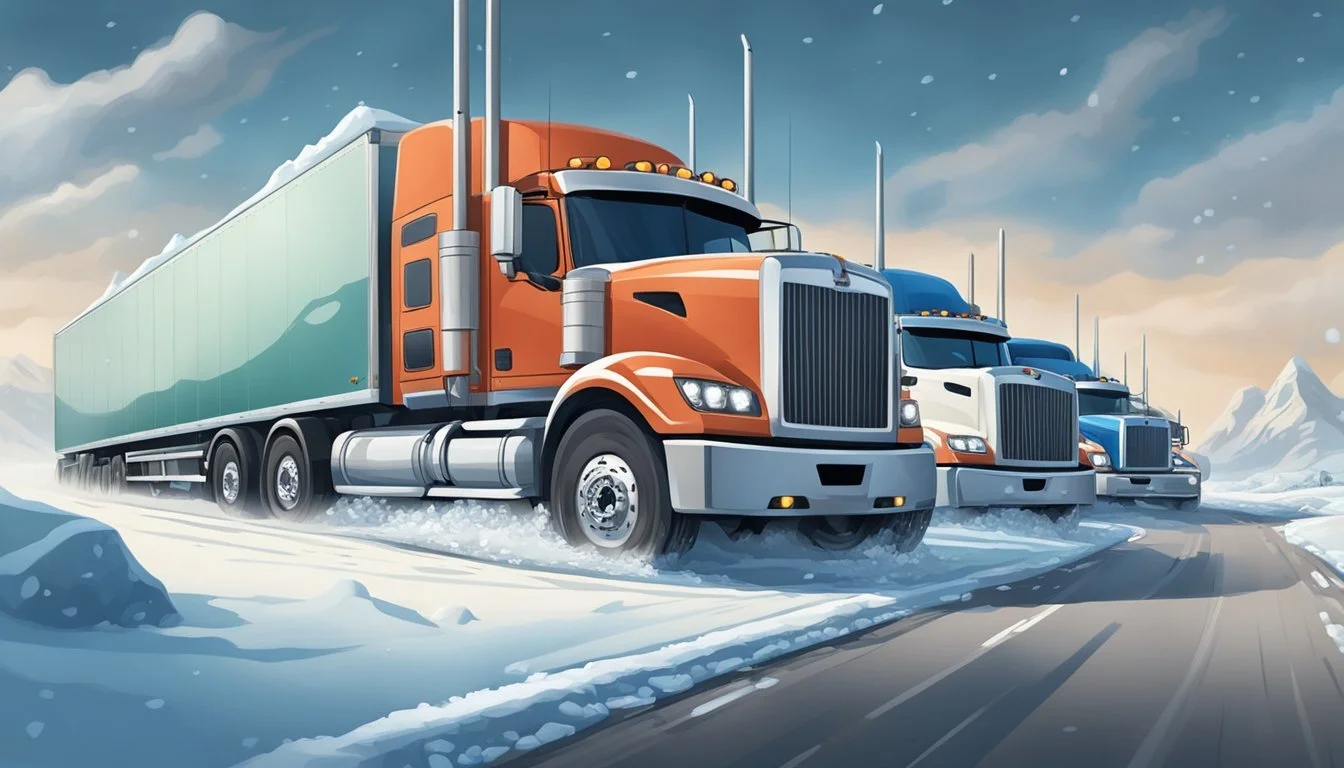
"Ice Road Truckers" brought mainstream attention to specialized routes like Alaska’s Dalton Highway and Canada’s winter roads. The show highlighted real-world safety protocols and industry practices that have shaped both public awareness and professional standards.
Long-Term Changes in Industry Perceptions
The series challenged stereotypes about truck drivers by showing their expertise and the complexity of their work on icy, remote roads. Viewers saw truckers perform demanding tasks that required technical skill and quick decision-making.
Interest in the profession increased, especially regarding winter trucking in northern countries. Drivers like Lisa Kelly became notable figures, demonstrating that women and individuals from diverse backgrounds could thrive in this field.
Companies noticed a boost in reputation for Arctic logistics and transportation services. This led to improved recruitment efforts and more training for handling harsh environments.
Continued Evolution of Ice Road Safety
"Ice Road Truckers" emphasized the dangers and strict protocols involved in ice road freight transport. The industry responded by sharing and updating best practices, with operators focusing heavily on speed and weight restrictions to prevent accidents.
Since the show aired, there has been a stronger emphasis on up-to-date safety gear, tire technology, and communication systems. Companies now frequently use GPS tracking and emergency response plans when working in remote regions of Canada, Alaska, and other northern areas.
Standardized safety checklists and vehicle inspections have become more routine. This ongoing evolution helps ensure that ice road trucking adapts to changing conditions and new technologies.
