
How Ice Road Truckers Transformed Arctic Communities: Impact on Culture, Economy & Public Perception
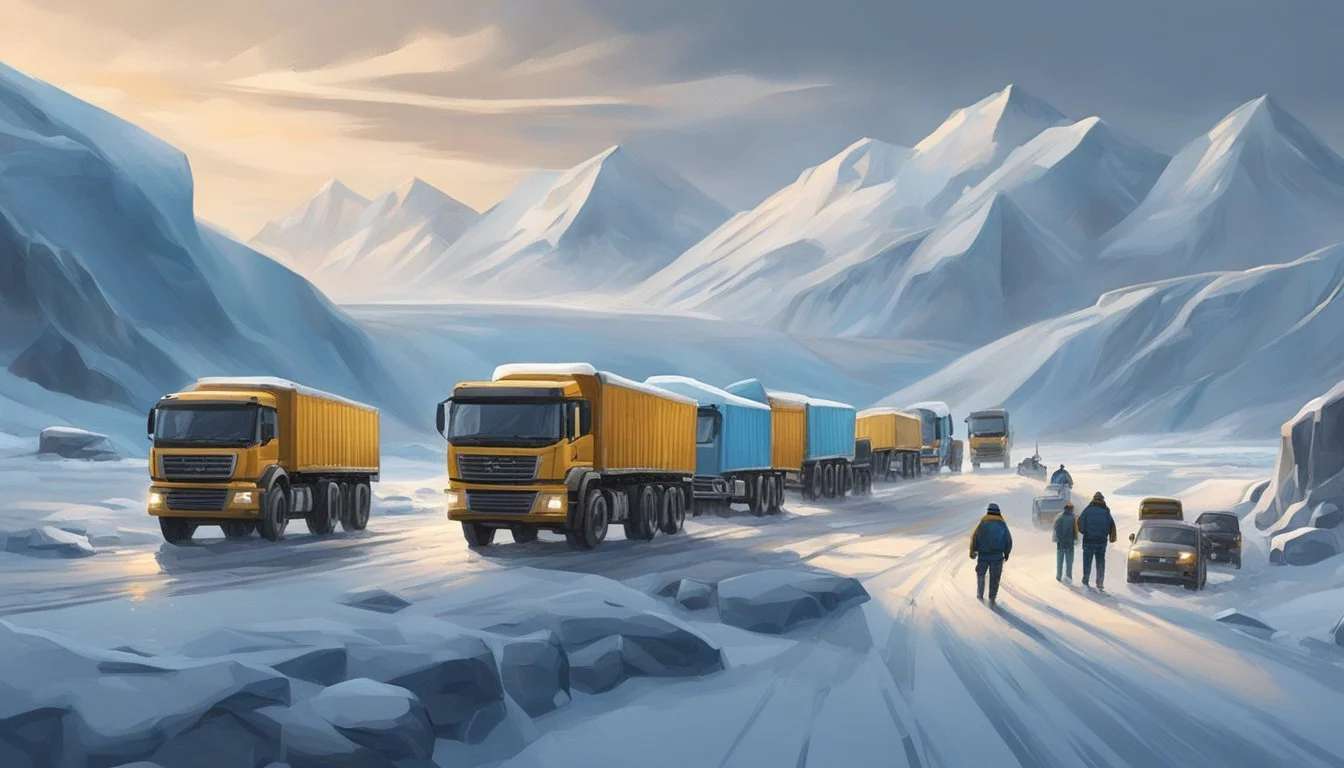
Ice Road Truckers has influenced Arctic communities by shaping outside perceptions of northern life and increasing public curiosity about the region. The television series has brought visibility to the unique realities, challenges, and resourcefulness of those who live and work in remote Arctic areas. These portrayals have, at times, romanticized the region’s isolation and difficulties, while also sparking important conversations about infrastructure, safety, and the daily lives of locals.
With the arrival of film crews and outside attention, communities have experienced a mix of newfound recognition and commercialization. For some, this visibility has provided opportunities to share their stories and attract economic interest, while others have noted that the show sometimes emphasizes drama over accuracy. As more viewers tune in, there is an ongoing dialogue about who gets to shape the narrative of the Arctic and how its communities are represented to the world.
Overview of Ice Road Truckers in Arctic Communities
Ice road trucking plays a crucial role in the transportation infrastructure of the Arctic, linking remote communities and facilitating the movement of supplies in regions where alternatives are limited. The development of this industry has shaped settlement patterns, local economies, and even the public perception of life in the far north.
History and Origins
Ice road trucking emerged as a response to extreme geographic and climatic challenges in the Arctic and sub-Arctic regions. Historically, the isolation of northern Canada, Alaska, and the Canadian Arctic limited access to essential goods for many months each year.
Resource exploration, especially mining and oil, increased the need for seasonal over-ice routes in places like Nunavut and the Northwest Territories. These ice roads, constructed atop frozen lakes and rivers, allowed heavy supplies and equipment to be trucked in when summer routes became impassable.
By the late 20th century, established ice roads, such as those leading to diamond mines north of Yellowknife, became vital arteries. Local governments, Indigenous communities, and industry stakeholders worked together to maintain and monitor road safety until the spring thaw.
Popularization Through Television
The History Channel series "Ice Road Truckers" brought mainstream attention to the daily realities faced by drivers in the Arctic, featuring journeys on frozen highways in Alaska and northern Canada. The show's format, chronicling competition and collaboration among truckers, introduced global viewers to not only the technical but also the cultural aspects of Arctic transport.
Dramatic portrayals highlighted the isolation, weather extremes, and the importance of teamwork. The program also sparked discussions about the broader impact on remote communities that depend on these deliveries.
Due to its popularity, "Ice Road Truckers" influenced public perceptions and increased awareness of the Arctic Circle, Nunavut, and other northern regions’ logistical challenges. Recruitment interest among truck drivers rose, and the series inspired other media to explore Arctic industries.
Geographic Reach and Specific Regions
Ice road trucking is prevalent across large swathes of northern Canada, including the Northwest Territories, Nunavut, and parts of the Yukon. Seasonal roads cross vast areas above the Arctic Circle, enabling access to mining sites, oil fields, and isolated settlements.
In Alaska, ice roads serve as lifelines for communities and industry along the North Slope and interior regions. The entirety of the Canadian Arctic relies on these roads during winter months, as most traditional roads end far south of key destinations.
Key routes include the Tibbitt to Contwoyto Winter Road near Yellowknife and the Dalton Highway in Alaska, which together represent critical logistics corridors for the movement of fuel, food, building materials, and medical supplies. These roads are typically operational only in winter, closely monitored for safety due to variable ice thickness and harsh weather.
Representation of Indigenous People and Culture
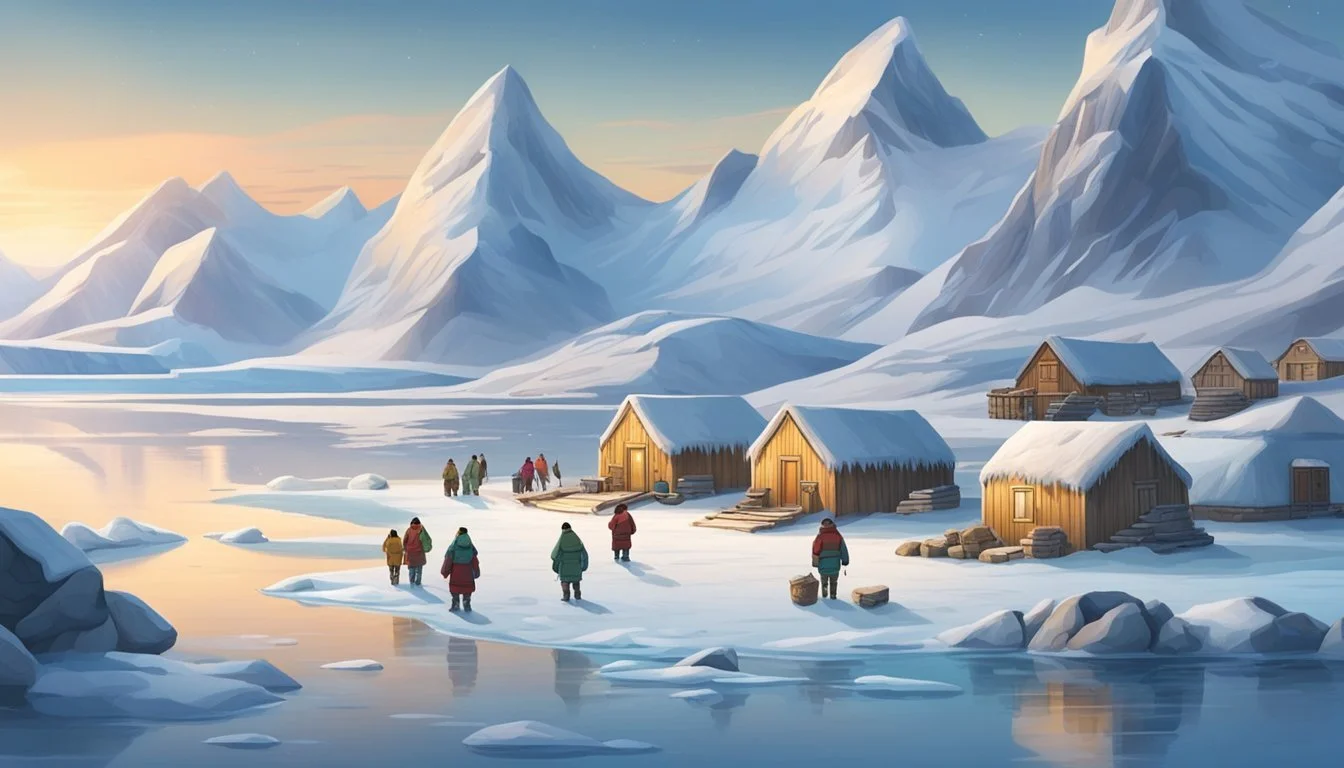
Media portrayals of Arctic communities can affect public understanding and influence cultural identity. How Indigenous people, including Inuit, are depicted on shows like Ice Road Truckers has broader implications for both traditions and daily life in the North.
Depiction of Inuit Traditions
The series often shows truckers interacting with Arctic environments but rarely provides detailed insight into Inuit traditions, such as hunting and fishing. Activities like hunting for ringed seal, caribou, and walrus are essential for food, clothing, and community bonds.
While traditional tools and practices might appear in the background, they usually serve as context rather than focal points. Inuit languages and stories get little airtime, leaving viewers with a limited view of how these communities rely on and sustain Arctic ecosystems.
Some scenes reference ice conditions or community celebrations, but the focus typically remains on the logistical challenges faced by the truckers, not the cultural practices of local residents.
Influence on Indigenous Identity
Media exposure can influence how Indigenous people see themselves and how they are seen by others. The lack of sustained representation of hunting, fishing, and gathering traditions risks minimizing their central role in daily Inuit life.
Younger generations may not see themselves or their values accurately reflected on screen. When Inuit roles in food procurement, such as preparing walrus or organizing caribou hunts, are absent or sidelined, it can contribute to cultural misrepresentation.
This underrepresentation also shapes external perceptions. Audiences unfamiliar with life in the Arctic may assume that logistics operations outweigh the importance of traditional livelihoods, potentially undermining the visibility of Indigenous identity in Northern Canada and Alaska.
Community Perspectives and Responses
Arctic communities have mixed reactions to Ice Road Truckers. Some appreciate the spotlight on remote infrastructure and the challenges it presents. Others express concerns about stereotyping and oversimplification of Indigenous cultures.
Community members note that the show rarely features the perspectives of local people directly involved with subsistence hunting or fishing. Decisions about new roads or railways, for example, often affect migration of wildlife such as caribou and the availability of ringed seal or walrus—vital resources not fully explored in the series.
Efforts by Indigenous organizations seek to increase authentic representation and ensure media projects consult with local leaders. These efforts are ongoing and reflect the desire to balance economic opportunities with cultural preservation and accurate storytelling.
Impact on Local Economies and Employment
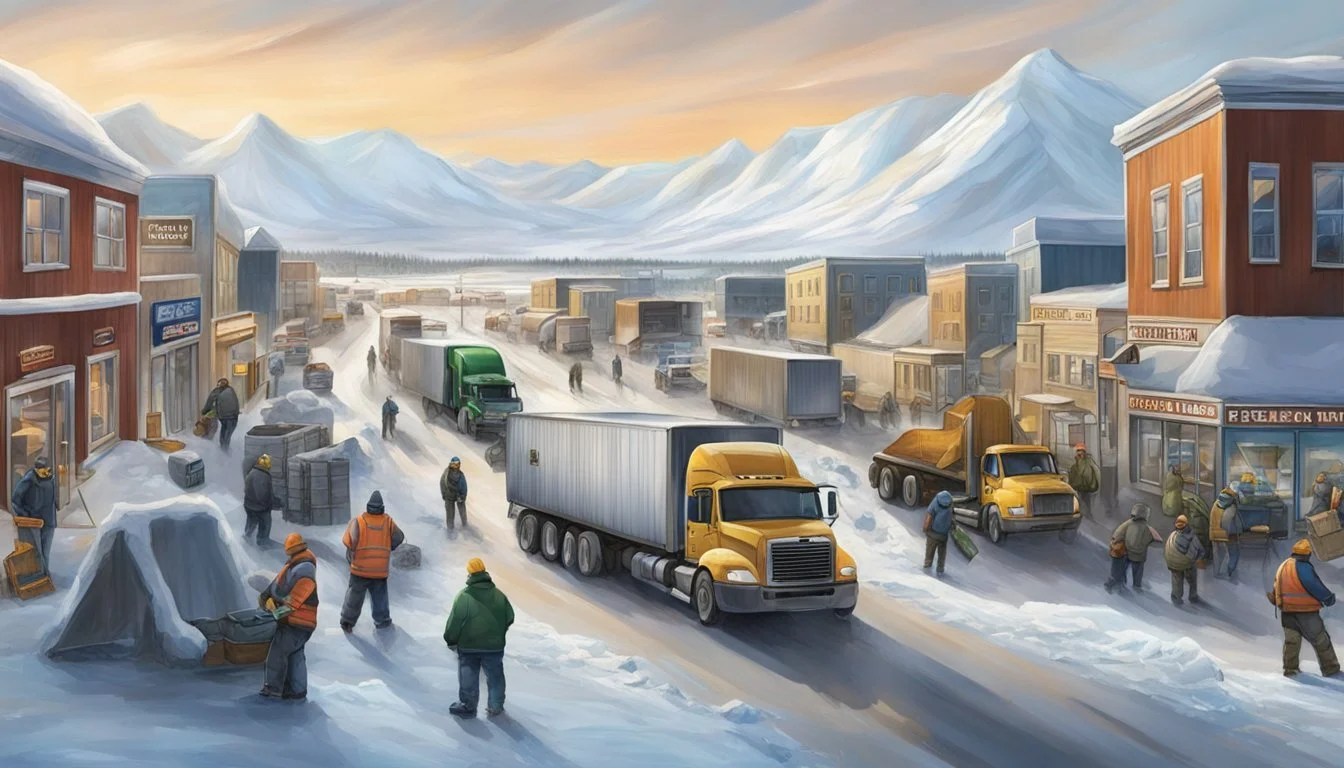
The presence of ice road trucking in Arctic regions has led to new employment options and shaped the economic landscape. Communities experience both opportunities and challenges as local industries intersect with transportation and resource development.
Economic Opportunities Created
Ice road trucking has enabled access to remote areas, connecting them to larger markets and supply chains. This link supports industries like mining, oil, and gas, as heavy machinery and materials can be transported year-round. Remote communities in the Northwest Territories and Alaska have seen an increase in local jobs, particularly for truck drivers, mechanics, and support staff.
A 2024 report noted that longer ice road seasons are correlated with improved incomes, especially for those involved in diversified local economies. Many residents have taken up secondary work connected to trucking, such as logistics planning and equipment repair. These developments have also encouraged some Indigenous businesses to offer transport or support services.
Table: Key Economic Benefits
Area Example Outcomes Job creation Driver, mechanic, support roles Industry support Mining, oil, gas enablement Local business growth Indigenous transport and logistics companies
Effect on Traditional Economic Activities
The expansion of ice roads has influenced traditional economic practices like fishing, hunting, and trapping. Some residents have shifted away from these livelihoods, attracted by stable incomes in transport or related service roles. This shift raises concerns about the long-term sustainability of cultural practices tied to the land and natural resources.
However, easier access during winter months supports the movement of harvested goods to market more efficiently. While trucking brings economic benefits, it may also disturb local habitats and migration patterns, prompting communities to balance development with cultural preservation and environmental stewardship.
Community organizations sometimes negotiate agreements to limit trucking during sensitive hunting or spawning periods. These measures aim to protect both income and heritage.
Tourism and Recreation Growth
Increased accessibility via ice roads has contributed to the rise of tourism and winter recreation in the Arctic. Adventure tourists, photographers, and filmmakers are drawn to the unique landscapes and extreme conditions. Some local businesses have developed tour packages or offered guided excursions that leverage the seasonal road network.
The visibility of ice roads on TV series and social media has boosted public interest. This has led to short-term spikes in visitation during road season, benefiting accommodations, restaurants, and guide services. Recreational activities such as ice fishing, snowmobiling, and wildlife watching have also expanded due to easier transport.
List: Examples of Tourism Growth Areas
Ice road tours and travel experiences
Winter sports equipment rentals
Local cultural demonstrations and workshops
Environmental Considerations and Sustainability
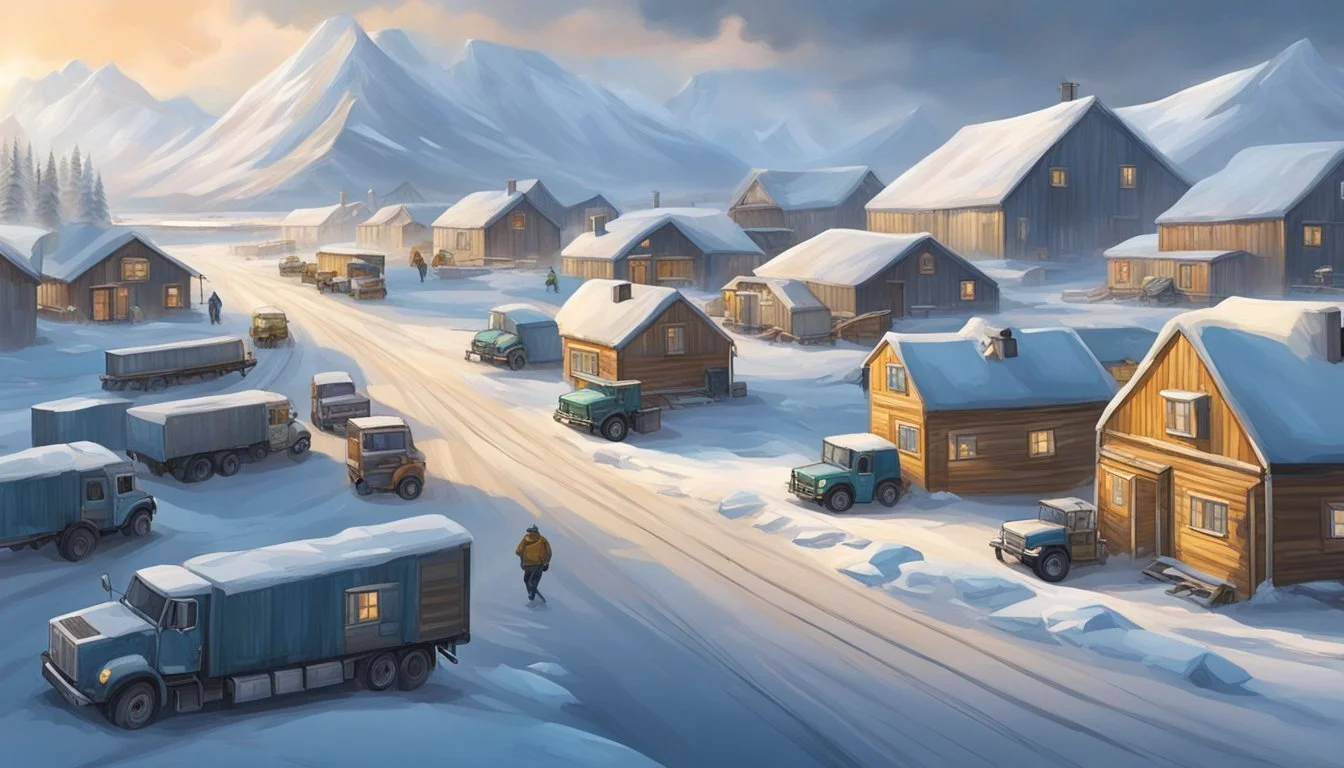
Ice road trucking in the Arctic transforms local landscapes, introduces new environmental pressures, and prompts increased focus on sustainability practices. The movement of heavy vehicles and expanded infrastructure can have lasting impacts on ecosystems and human well-being.
Effect on Ecosystems and Biodiversity
Seasonal ice roads allow access to remote Arctic areas, but vehicle traffic disrupts delicate habitats.
Key impacts include:
Habitat Fragmentation: Roads and increased vehicle movement interrupt migration routes for caribou and other wildlife.
Vegetation Damage: Repeated tire tracks can crush tundra plants and compact the soil, slowing regrowth in an environment where recovery is naturally slow.
Disturbance of Waterways: Construction and use of ice roads can alter drainage patterns, potentially affecting fish and wetland ecosystems.
Reduction in biodiversity is a serious concern, as many Arctic species are particularly sensitive to disturbance and habitat change.
Pollution and Human Health Concerns
The presence of trucks and support vehicles introduces pollutants to Arctic environments. Diesel emissions, oil leaks, and accidental spills are common issues.
Major concerns involve:
Air and Soil Pollution: Diesel exhaust contains particulates and nitrogen oxides, which contribute to poor air quality and acidic soils.
Water Contamination: Melting ice roads can carry oil, heavy metals, and other contaminants into local streams and lakes.
Human Health Risks: Local residents, including Indigenous communities, may experience respiratory problems or exposure to harmful substances through contaminated water or soil.
Efforts to protect human health focus on minimizing exposure to these pollutants and monitoring environmental quality during peak transportation periods.
Sustainable Development Initiatives
To limit environmental harm, several sustainable practices have been implemented.
Examples include:
Stricter Regulations: Governing bodies require fuel spill prevention plans and limit vehicle weights to reduce road and habitat damage.
Alternative Fuels: Some operators trial the use of low-sulfur diesel and biofuels to decrease emissions.
Community Engagement: Indigenous and local communities participate in planning and environmental monitoring, ensuring traditional knowledge informs transportation strategies.
Adopting best practices and advancing cleaner technologies supports both environmental protection and long-term viability of Arctic transportation routes.
Changing Ice Conditions and Climate Challenges
The stability of Arctic ice roads is under direct threat from shifting ice conditions, unpredictable seasonal cycles, and ongoing climate trends. These changes have immediate consequences for transportation, community access, and traditional livelihoods in Arctic regions.
Sea Ice and Permafrost Dynamics
Sea ice in the Arctic forms crucial pathways for vehicles and connects isolated communities during winter. Thinning ice and earlier spring thaws now limit the reliability and safety of these routes. A decline in sea ice duration has reduced the window for transportation and supply runs.
Permafrost acts as the foundation beneath many ice roads. With temperatures rising, permafrost is thawing, resulting in uneven surfaces and unstable ground. This not only shortens the usable period for roads but also increases the risk of accidents.
A breakdown of ice conditions:
Ice Feature Key Change Impact Sea Ice Thinner, less stable Routes close earlier Permafrost Thawing, degradation Road surface instability
These changes disrupt the movement of goods and people while challenging vital infrastructure projects.
Global Warming and Rising Temperatures
Arctic regions are warming at about twice the global average. This rapid increase in temperatures accelerates the loss of both sea ice and permafrost. Ice roads that once remained usable for months now may only last several weeks each year.
Higher temperatures mean that ice thickness is insufficient to support heavy trucks for much of the season. Communities dependent on regular supply deliveries face greater costs and logistical problems as alternative routes must be found.
Temperature Trends:
More frequent warm spells in winter
Shorter periods of safe ice conditions
Increased unpredictability in weather patterns
These trends make long-term planning for ice trucking routes more challenging and costly.
Adapting to Climate Change
Arctic communities and industry must develop new approaches to transport and infrastructure as climate change diminishes traditional ice road reliability. Some are investing in all-season gravel roads, while others use air transport for critical supplies.
The unpredictability of ice conditions pushes businesses and local governments to seek flexible solutions. Portable monitoring technologies now help track ice thickness and safety in real time, improving decision-making.
Significant adaptation strategies include:
Alternate logistics routes for freight
Enhanced ice monitoring systems
Investment in permanent infrastructure
These responses aim to maintain safe and efficient access despite ongoing environmental transformation.
Interactions with Local Wildlife
Wildlife encounters along Arctic ice roads are frequent due to the trucks’ passage through remote tundra and migration routes. Both polar bears and caribou are directly affected by the trucking season, leading to changes in animal behavior and migration pathways.
Polar Bears and Caribou Encounters
Ice road truckers often see polar bears near the routes, especially during periods when sea ice is unstable or limited. Bears can be attracted to the roads by the scent of food or waste left by human activity. This increases the risk of dangerous encounters for both truckers and wildlife.
Caribou are also commonly seen near ice roads as they migrate or search for food. Trucks moving through these areas may disturb herds, causing stress and temporarily displacing animals from their usual grazing grounds.
Local authorities and drivers use specific protocols to deter wildlife, including horns, spotlights, and on occasion, temporary traffic stops when large herds or bears are spotted.
Impacts on Animal Migration Patterns
The presence of ice roads can disrupt traditional migration routes, particularly for caribou. Continuous vehicle traffic, lights, and noise may lead caribou to avoid these areas, forcing detours that increase energy expenditure and delay seasonal movements.
Polar bears, already challenged by changing ice conditions, may be diverted from their normal travel paths by road activity. This can result in bears coming closer to human settlements, raising safety concerns and potentially leading to relocation or intervention efforts.
Researchers use GPS tracking and observation logs to study these impacts, helping to inform future guidelines for minimizing disturbances along ice road corridors. Consistent monitoring remains essential to understanding and managing these complex interactions.
Social and Cultural Transformations
Arctic communities have experienced notable shifts as a result of increased visibility and interaction stemming from ice road trucking activities and related media portrayals. Local traditions, community relationships, and cultural identities are all impacted in tangible ways.
Shifting Community Dynamics
The arrival of ice road trucking operations often changes the daily rhythms of remote Arctic communities. Seasonal work opportunities attract both local and outside workers, increasing temporary population levels. This can raise household incomes and offer new skills, particularly for indigenous residents.
However, sudden population increases may lead to strain on local infrastructure and resources. Housing, transportation, and public services can experience pressure, altering the traditional pace of village life. New technologies and practices introduced by the trucking industry may also begin to replace longstanding methods of transportation and resource sharing within communities.
Key social changes include:
Greater economic diversity
Modification of gender roles
Increased youth migration to jobs
The blend of opportunity and disruption requires adaptation from both residents and newcomers.
Cross-Cultural Connections
Ice road trucking activities foster new relationships between indigenous communities and outsiders, including truckers, contractors, and media workers. These exchanges create opportunities for mutual learning and sharing of traditions.
Language and cultural barriers sometimes present challenges. Yet, collaborative projects, such as local partnerships in road construction and ice safety, help bridge these divides. Indigenous knowledge of the land is often integrated into project planning, leading to enhanced respect for traditional ways.
Areas of cultural exchange include:
Joint community events
Indigenous knowledge integration
Shared training sessions on safety and environment
Such interactions can strengthen social cohesion while also bringing attention to the need for cultural sensitivity and long-term partnership.
Media Influence on Perceptions
Television series like Ice Road Truckers have shaped how Arctic life and its people are viewed by audiences worldwide. These portrayals can increase public interest in Arctic issues, bringing in tourism and outside investment.
However, some communities feel that media coverage can oversimplify or misrepresent their daily realities. Stereotypes and dramatic editing may overshadow authentic stories, affecting how indigenous residents are perceived by both outsiders and neighboring communities.
Media portrayals can result in:
Raised awareness of Arctic challenges
Increased tourist visits
Potential reinforcement of stereotypes
Residents balance the benefits of increased visibility with concerns about accurate representation and cultural integrity.
Influence Beyond the Arctic Region
Ice road trucking has shaped perceptions and created cultural connections that extend far outside the Arctic. Its impact reaches media, international dialogue, and even policy discussions across diverse regions.
International Awareness and Perception
Television programs like "Ice Road Truckers" have introduced the daily challenges of Arctic logistics to viewers around the world, making the Arctic’s harsh realities more relatable.
This visibility has affected how people in Europe, East Asia, and North America view not only the region’s climate but also its workforce and infrastructure. Media exposure has led to increased interest in northern issues, which supports tourism and economic exchange.
Boosted public curiosity often translates into deeper engagement with Arctic communities’ stories and struggles. International dialogue has included more focus on how climate change and industrial activity, such as in the Beaufort Sea, influence regional cultures.
Comparisons with Other Cold Regions
The prominence of ice road trucking has encouraged comparisons with similar practices in countries like Norway, Sweden, and Finland.
These nations share challenges such as seasonal isolation, transportation obstacles, and the need for specialized vehicles and practices in icy conditions. Unlike the more isolated Arctic routes, Scandinavian nations have integrated modern technologies and policies to streamline winter logistics.
Comparison also brings attention to how infrastructure choices affect indigenous and local populations. In places like Greenland, there are lessons both borrowed and adapted from the experiences of North American Arctic communities.
Implications for Global Policy
Greater awareness from shows and expanded reporting has brought Arctic challenges to the policy agendas of nations far beyond the region, including Southeast Asia and Bangladesh, which are concerned with climate adaptation.
Discussions on transportation infrastructure, environmental impact, and indigenous rights are now more informed by Arctic models. Policy makers analyze how experiences in the Arctic might inform solutions in other cold or remote locations.
Table:
Region Policy Focus Connection to Arctic Trucking North America Indigenous rights, safety, ice road maintenance Direct operational influence Europe (Nordic) Winter transport policy, infrastructure Comparative adaptation East Asia Remote logistics, climate resilience Policy interest in Arctic models Bangladesh/Southeast Asia Climate adaptation Lessons from Arctic responses
Future Outlook for Arctic Communities
Arctic communities face ongoing changes linked to increased transportation infrastructure, shifting climate conditions, and evolving cultural influences. Ice road trucking links remote settlements, yet also brings both economic opportunities and pressures on traditional lifestyles.
Adapting to Economic and Environmental Changes
Economic activity grows as ice road networks expand, improving access to goods and services and allowing local industries to reach larger markets. However, thawing permafrost and unpredictable seasonal ice make transportation routes less reliable, disrupting supply chains and community routines.
Many Arctic villages now invest in infrastructure that addresses these risks, such as all-season roads, climate-adaptive housing, and emergency planning. Local leadership, regional partnerships, and flexible policies are key as communities adapt operations to fluctuating ice conditions and ecological instability.
Table: Key Economic and Environmental Challenges
Challenge Impact Response Thawing permafrost Unstable roads, infrastructure damage Road reinforcement, redesign Shorter ice road season Shorter supply windows, higher costs All-season routes, air freight Increased shipping Habitat disturbance, pollution Tighter regulations
Balancing Tradition and Modernity
Modern transportation brings new goods and ideas, influencing local cultures and daily life. Assimilation pressures grow as Arctic communities interact more with outsiders, risking loss of language, customs, and traditional livelihoods.
Many Indigenous groups work to preserve heritage through education, language revitalization, and community events while adopting new technologies. This balance often involves discussions led by elders and youth, as they weigh the value of long-held practices against changing realities.
Social services and local governance also play a role, mediating the adoption of new economic activities so they align with community values. This approach helps maintain cultural identity even as external influences increase.
