
How Strategic Planning Drives Success and Safety on Ice Road Truckers
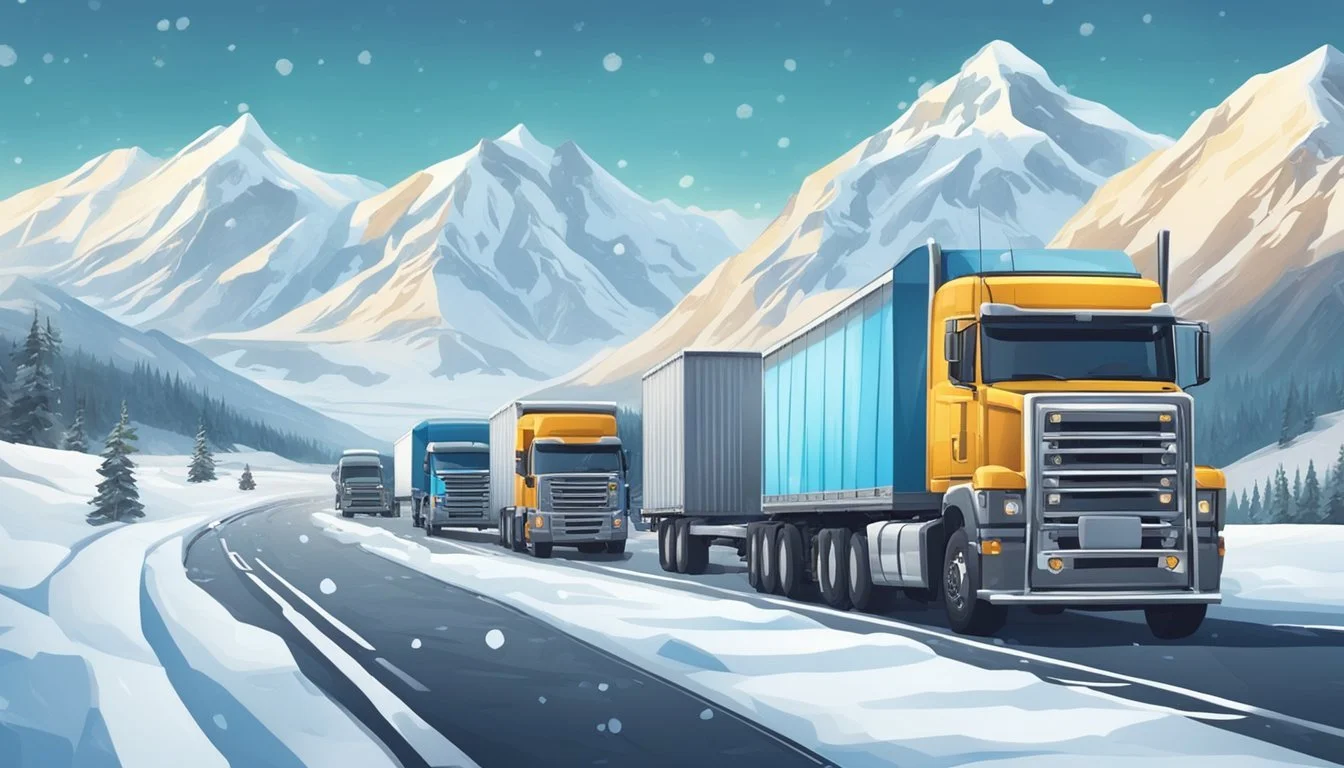
Strategy is the foundation that allows ice road truckers to consistently overcome some of the most extreme conditions in the trucking industry. Navigating frozen roads requires more than just experience and grit; it demands careful planning, split-second decision-making, and disciplined control over every aspect of the journey. From understanding the thickness of the ice to knowing how to brake safely on slippery surfaces, every move is guided by a strategic approach.
Effective strategies for ice road truckers include mastering vehicle handling in unpredictable weather, anticipating mechanical issues, and preparing for rapid changes in road conditions. The right decisions often mean the difference between a successful delivery and dangerous incidents far from immediate help. For both veterans and newcomers, examining the tactical elements of the job reveals why strategy truly separates successful drivers from those who face setbacks.
Fundamentals of Strategy in Ice Road Trucking

Strategic planning in ice road trucking is essential for minimizing risk and ensuring both safety and cost-effectiveness. Managing treacherous conditions, skilled personnel, and financial considerations is crucial to overcoming unique industry challenges.
Defining Effective Strategies
Effective strategies in ice road trucking start with anticipating environmental hazards such as unpredictable weather, thin ice, and shifting terrain. Route planning is critical, factoring in ice thickness reports, emergency stopping points, and alternate paths in case conditions deteriorate.
Prioritizing load weights and vehicle checks reduces breakdown risks. Using up-to-date communication systems ensures that drivers can respond quickly to emergencies.
A checklist of key strategy components includes:
Continuous route assessment
Weather and ice monitoring
Equipment maintenance
Real-time communication between drivers and dispatch
By integrating these elements, trucking companies can adapt quickly to sudden changes and maintain operational continuity.
Significance of Professional Drivers
Professional drivers are vital to safe and efficient ice road trucking. Their ability to assess on-ice hazards, adjust driving behaviors, and make judgment calls under pressure directly impacts safety. Drivers with specialized ice road training are more adept at identifying weak points and knowing when to stop or reroute.
Recruitment focuses on drivers with:
Previous ice road experience
Certification in winter driving skills
Strong situational awareness
A proven safety record
Ongoing training helps maintain readiness. Regular briefings on route updates and emergency procedures ensure everyone stays prepared for unexpected challenges.
Cost and TCO Considerations
Cost management in ice road trucking extends beyond fuel and wages. Total Cost of Ownership (TCO) includes equipment depreciation, insurance, safety investments, and potential downtime from breakdowns or delays.
Companies analyze:
Cost Driver Impact Vehicle wear and tear Accelerated due to harsh conditions Insurance premiums Increased risk raises insurance costs Emergency expenditures Unplanned repairs or rescue operations Route closures Lost revenue and additional expenses
Investing in preventive maintenance and modern safety technology can lower costs long term. Strategic route planning also helps avoid expensive delays and minimizes resource waste.
Risk Assessment and Mitigation Techniques
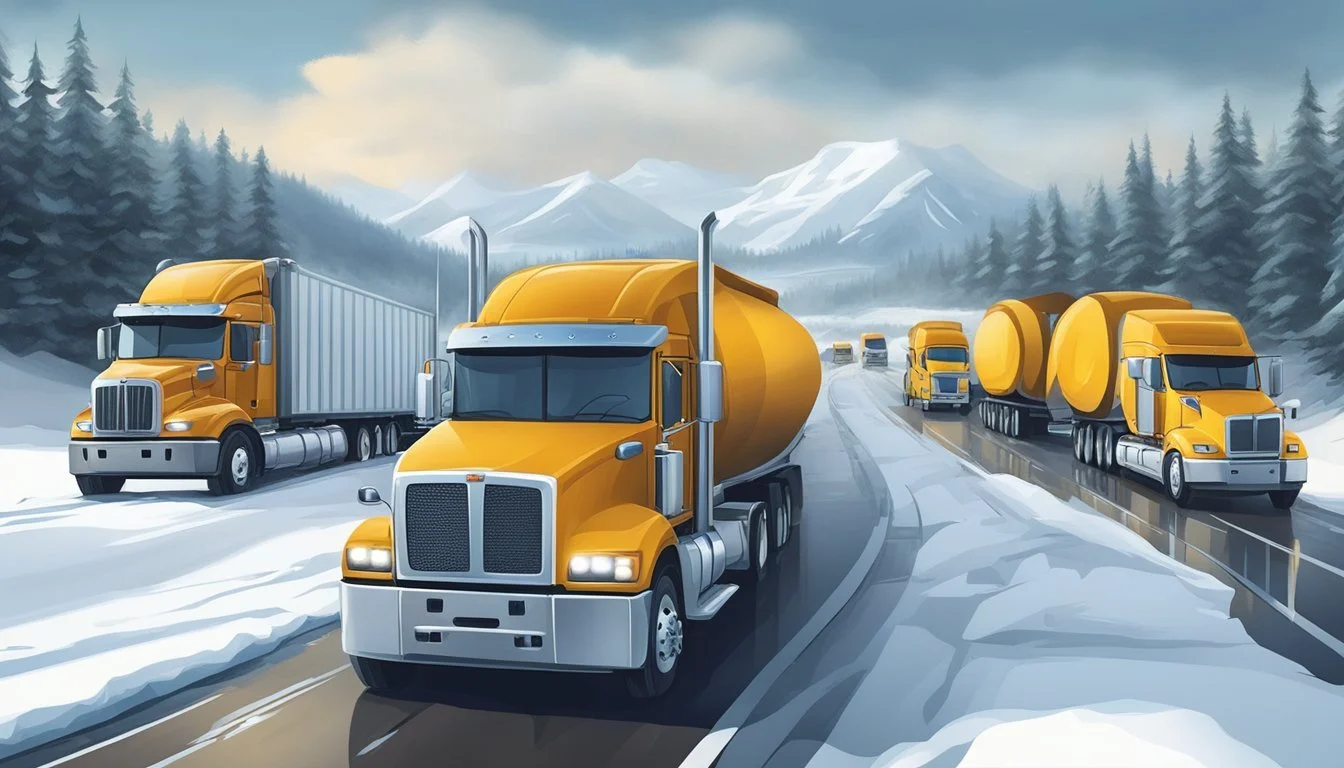
Effective risk assessment and mitigation are essential for operating safely in the harsh environments faced by ice road truckers. Strategies focus on understanding environmental threats, applying practical management methods, and ensuring every driver is prepared for emergencies.
Identifying Challenging Road Conditions
Ice road truckers routinely face hazards such as thin ice, blizzards, limited visibility, and fluctuating temperatures. Comprehensive risk assessment involves evaluating weather forecasts, ice thickness reports, and current road conditions before every journey.
Routine inspection protocols help drivers identify weak points on roads, like ice fissures or melting patches. Weight limits are strictly enforced to reduce pressure on the ice and prevent structural failure. Real-time communication with dispatch centers allows truckers to update routes and respond promptly to newly identified dangers.
Risk Management Strategies
To address these risks, companies and drivers use a combination of technology and procedure. Digital fleet management systems and telematics track each truck’s position and monitor speed, allowing for immediate intervention if problems arise.
Drivers receive ongoing training in risk mitigation, emphasizing defensive driving methods, speed control on ice, and safe loading practices. A standard operating procedure often includes checklists for vehicle preparedness, mandatory use of traction devices, and regular equipment inspections.
Table: Key Risk Management Tools
Tool/Practice Purpose Telematics Systems Monitor route and vehicle data Checklists Ensure safety protocols Training Improve hazard awareness Weight Control Prevent ice overloading
Emergency Preparedness for Drivers
Emergency preparedness is a core aspect of safety. Drivers are equipped with survival kits that include thermal blankets, food, water, and first aid supplies.
Regular drills and communication tests ensure that truckers can call for help if stranded or in an accident. Emergency satellite phones and tracking devices help rescue teams locate vehicles quickly. Training emphasizes self-sufficiency in extreme cold, including how to conserve battery power, ration supplies, and remain safe until assistance arrives.
Employers also establish emergency response protocols that outline steps to take for common scenarios, such as vehicle breakdown, ice collapse, or whiteout conditions. The ability to respond quickly and efficiently minimizes injury and property loss.
Ensuring Quality and Safety on Icy Roads
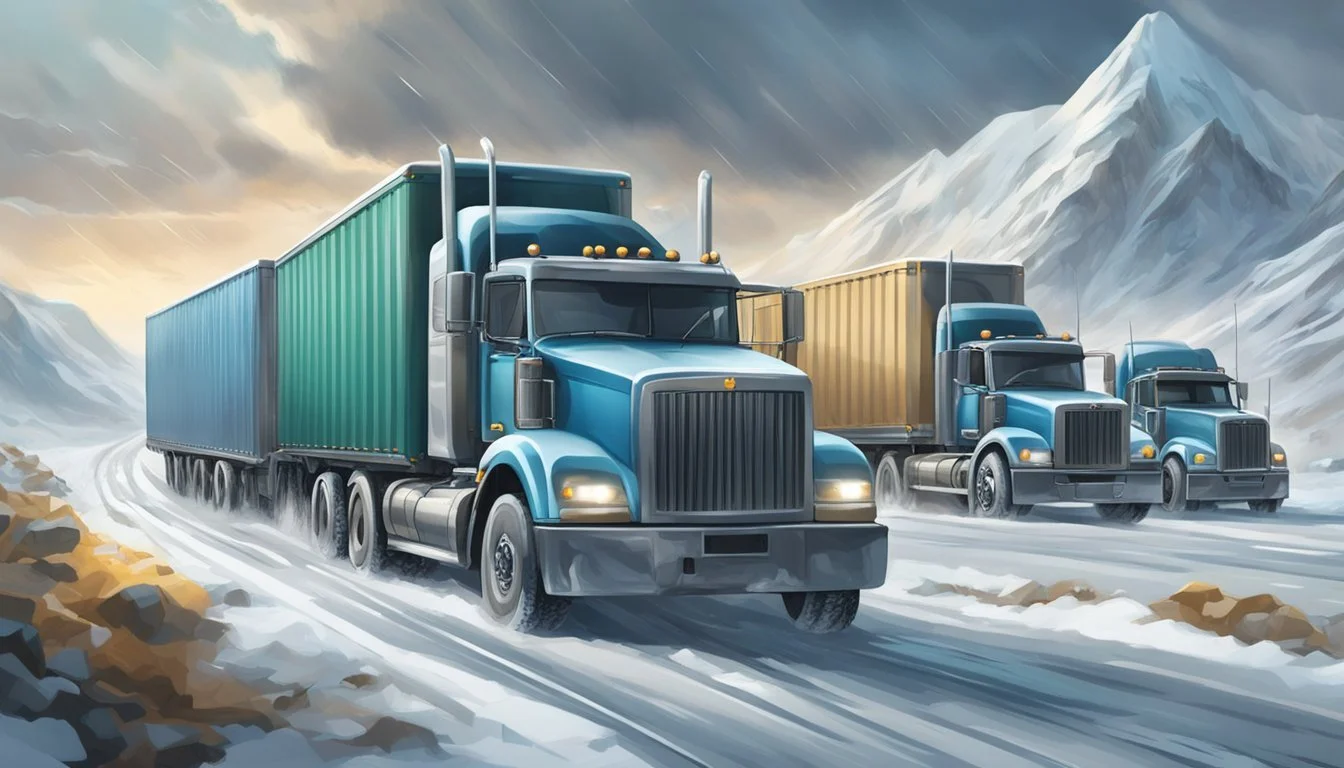
Drivers on ice roads must focus on both vehicle condition and precise maneuvering. In these environments, even small mistakes or oversights can impact quality and safety outcomes.
Maintaining Tire Pressure and Engine Braking
Tire pressure directly influences traction on icy and snow-packed surfaces. Operators should check tire pressure before departure and monitor it regularly, as cold weather can cause pressure to drop quickly. Underinflated tires reduce stability and may increase stopping distances.
Proper use of engine braking also plays a significant role in maintaining safety. Instead of relying solely on service brakes, drivers should use lower gears and the engine brake to reduce speed gradually. This approach helps prevent wheel lockup, minimizing the risk of skidding.
Routine tire inspections should include looking for uneven wear or damage that may compromise grip. Maintaining optimal tire condition and effective use of braking techniques is essential to delivering consistent and safe transport in challenging conditions.
Navigating Slippery Surfaces and Narrow Lanes
Icy roads and narrow lanes increase the risk of accidents, requiring heightened attention and defensive driving strategies. Slow, controlled steering and throttle inputs are critical for maintaining control.
Operators need to leave increased following distances and be prepared for sudden changes in traction. Visibility is often limited, so using headlights and clearing mirrors or camera systems improves awareness of surroundings.
On narrow lanes, trucks may need to yield to oncoming traffic or move as far to the side as safely possible. Precision and patience are key characteristics for navigating these environments. Training and experience further enhance a driver’s ability to anticipate challenges and respond safely under pressure.
Adapting to Weather and Construction Challenges

Ice road truckers regularly encounter a combination of extreme weather and active construction. Making informed decisions in these situations is essential for safety, efficiency, and keeping deliveries on schedule.
Responding to Changing Weather Conditions
Ice roads often face abrupt weather shifts, from blizzards to sudden thaws. Drivers rely on updated weather forecasts and mobile communications to stay aware of threats such as snow, ice, or freezing rain.
Reducing speed during storms and increasing following distances are standard safety measures. Hydroplaning on wet ice and reduced visibility highlight the importance of constant vigilance.
Many truckers equip their vehicles with specialized winter tires and add chains when ice conditions worsen. Adapting braking techniques to account for slick surfaces prevents loss of control. Quick, strategic evaluation of whether to pause or proceed is critical for driver safety on unpredictable terrain.
Working Through Construction Zones and Concrete Hazards
Construction zones on ice roads present a unique set of hazards, especially when mixed with winter weather. Truckers must observe all posted warnings and speed regulations, often navigating around large concrete barriers or over temporary road surfaces.
Concrete surfaces can become even more slippery when wet or icy, amplifying stopping distances. Visual indicators, such as traffic cones or flagged personnel, help guide drivers through tight lanes and around active work sites.
Communication with road crews is vital. Using CB radios to confirm route conditions and scheduling passage through the busiest areas minimizes risk. Advanced planning helps truckers avoid unexpected slow-downs or rerouted paths.
Maintaining Steady Speed Under Stress
Ice road trucking demands a controlled approach to acceleration and braking, especially under stressful conditions. Maintaining a steady speed reduces the risk of losing traction on frozen surfaces or newly poured concrete.
Abrupt stops or sharp speed changes increase the chance of fishtailing or jackknifing, especially with heavy loads. Many experienced truckers use cruise control selectively, disengaging it during poor weather or when approaching construction.
A practical strategy involves keeping a consistent pace aligned with weather and road recommendations. Remaining calm and resisting the urge to rush helps prevent mistakes during high-pressure situations.
Communication and Teamwork in High-Stress Environments
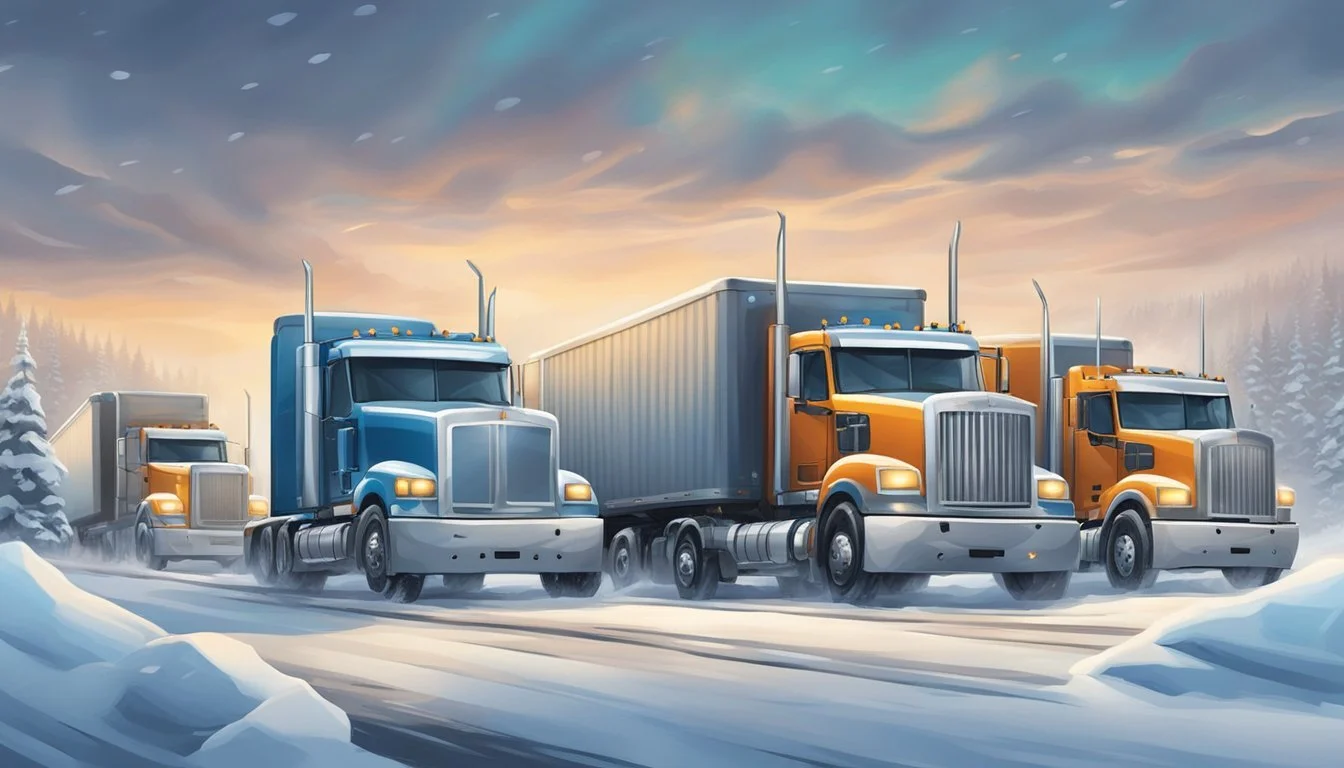
Ice road trucking requires coordinated teamwork and precise communication to address unpredictable weather, mechanical issues, and urgent decision-making. By relying on proven interpersonal skills and structured approaches, teams can respond to emergencies and minimize risks.
Effective Communication Strategies
Truckers use clear, direct language on CB radios to update each other on road conditions, breakdowns, and hazards. Standardized protocols, including key phrases and codes, help avoid misunderstandings when time is critical.
Short, frequent check-ins ensure everyone stays informed and able to adjust to changing circumstances. Using repeat-backs—where team members repeat instructions—helps verify that messages are received accurately.
Visual cues, like hand signals during loading and unloading, further reduce confusion amid noise or low visibility. Documenting and sharing updates also helps teams track patterns and plan future responses to similar challenges.
Active Listening for Problem Solving
Active listening in high-stress settings means team members focus fully on each speaker, with minimal interruptions. This supports quick identification of issues such as equipment malfunctions or dangerous ice patches.
Operators often ask clarifying questions and summarize what they’ve heard. This avoids errors due to assumptions and speeds up solutions during time-sensitive situations.
Recognizing non-verbal signals, like changes in tone or urgency in a teammate's voice, can help identify problems before they escalate. Regularly practicing these habits builds trust and encourages honest feedback when conditions are tough.
Navigating Challenging Conversations and Common Ground
Conflict can emerge from route disagreements, load assignments, or safety concerns. Addressing these issues directly but calmly is essential for maintaining focus.
Truckers aim to find common ground by seeking shared objectives—such as completing deliveries safely and on schedule. They often use a fact-based approach, outlining the specific challenge and possible solutions without assigning blame.
When perspectives differ, a structured dialogue—where each person presents their view uninterrupted—often leads to compromise. Written protocols for handling disputes offer consistency and prevent issues from recurring, making teamwork more resilient during stressful hauls.
Addressing Regulatory and Security Requirements
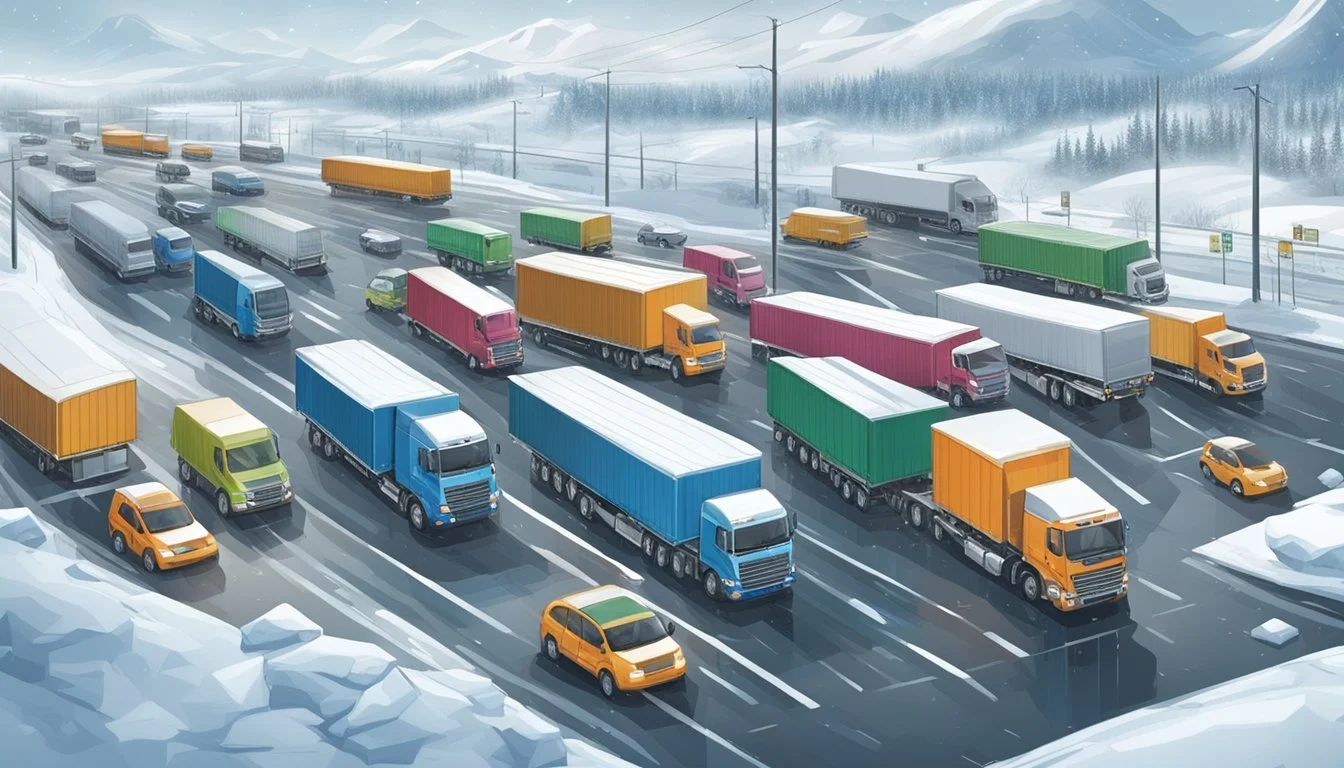
Ice road trucking operates within a framework shaped by evolving government regulations and heightened security protocols. Meeting these requirements is critical for maintaining operational continuity and ensuring driver eligibility for sensitive routes.
Responding to Regulatory Changes and Compliance
Ice road trucking companies must adapt to frequent regulatory updates set by transportation and homeland security authorities. For instance, the Department of Homeland Security (DHS) periodically revises standards to address safety and cross-border concerns.
Companies track these changes through bulletins and mandatory training programs. Key compliance areas include driver licensing, hours-of-service limits, vehicle inspections, and hazardous material handling. Non-compliance risks include steep fines, denied entry to restricted routes, and delayed shipments.
Table: Common Compliance Requirements
Category Requirement Example Driver Documentation Commercial Driver’s License (CDL) Vehicle Standards Regular safety inspections Operational Protocols Hours-of-service limits
Speedy adaptation ensures trucks and drivers remain eligible for contracts involving critical Arctic and cross-border deliveries.
Implementation of Transportation Worker Identification Credential (TWIC)
The Transportation Worker Identification Credential (TWIC) is a security measure overseen by the DHS. It is required for workers, including ice road truckers, who need unescorted access to secure areas of ports, intermodal terminals, and some remote supply depots.
Obtaining TWIC involves a background check managed by the Transportation Security Administration (TSA), part of DHS. Applicants are vetted for criminal history and immigration status. The credential is issued after fingerprinting and verification by the relevant agencies.
TWIC Benefits for Ice Road Truckers:
Access to high-security locations
Streamlined entry at restricted facilities
Validation of compliance for security contracts
TWIC is vital for drivers transporting sensitive cargo or crossing borders. Failure to maintain a valid TWIC can prevent drivers from qualifying for critical assignments on ice roads.
Pilot Programs and Security Technology Advances
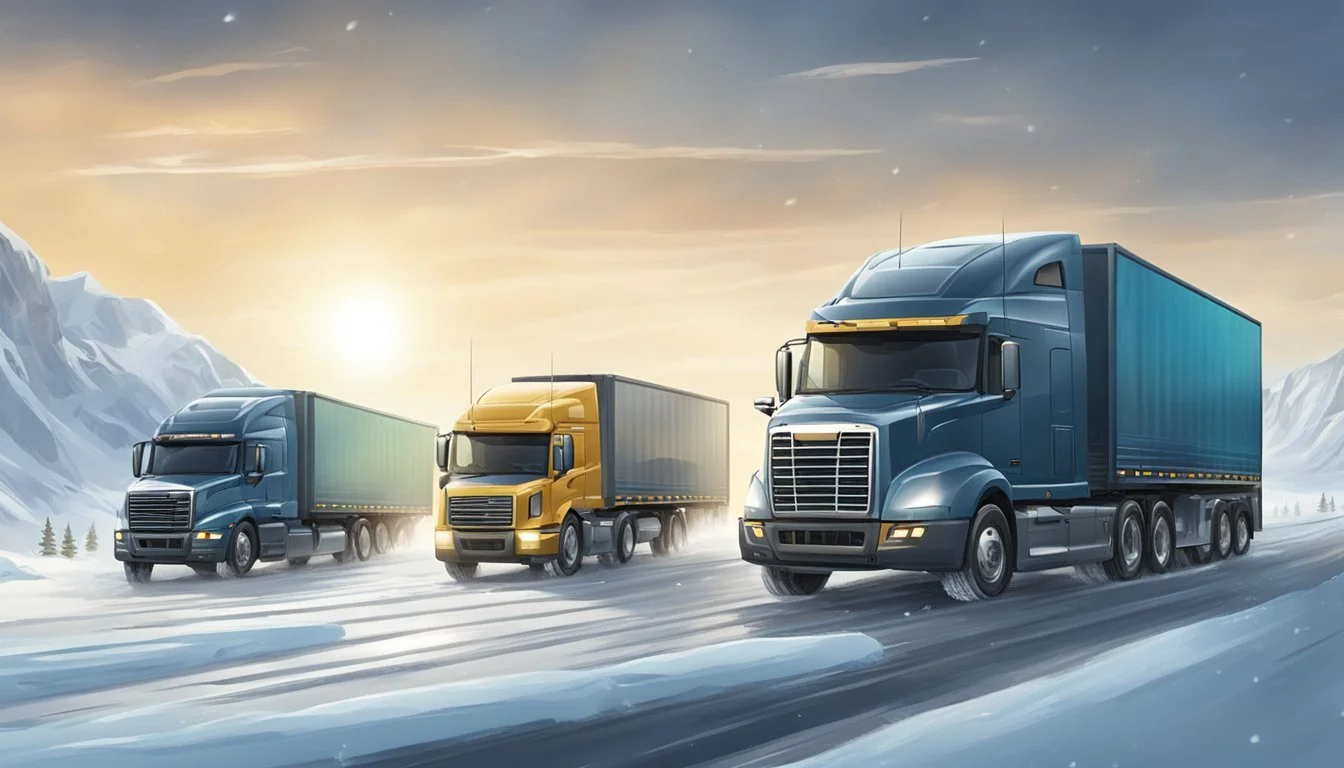
Recent advances in pilot programs and security technology are reshaping how safety and access control are managed on ice roads. Enhanced identification and collaboration between federal agencies are driving improved security and efficiency.
Biometric Card Readers and Pilot Test Insights
Biometric card readers have become a potential solution for secure access control in remote and high-risk transportation settings like ice roads. These devices can verify identity using fingerprints or facial recognition, reducing the risk of access by unauthorized individuals. Several pilot tests have evaluated how effective biometric systems are in harsh, cold environments.
Key findings from these tests show that rugged, weather-resistant readers are necessary, as traditional hardware may fail in sub-zero temperatures. Pilots often focus on speed and ease of use since drivers cannot be delayed for long periods at checkpoints. Table 1 lists core considerations:
Requirement Notes Weather Resistance Must function below freezing Glove Compatibility Should work with gloves on Fast Processing Verification must take seconds
Continued investment in science and technology helps agencies refine biometric authentication specifically for ice road conditions.
Role of the U.S. Coast Guard and TSA
The U.S. Coast Guard and the Transportation Security Administration (TSA) play crucial roles in regulating and advising on ice road safety and security. The Coast Guard, with its expertise in arctic operations, establishes guidelines for safe passage, monitors ice thickness, and often issues alerts for hazardous conditions.
The TSA, responsible for transportation security nationwide, develops protocols and certifies technologies such as card readers for access points and secure facilities. In pilot programs, TSA collaborates with local stakeholders to assess which security technologies are feasible for ice roads. Both agencies coordinate to ensure that pilot programs align with national standards and address real-world conditions faced by ice road operators. This joint approach improves not just security but also operational continuity in extreme environments.
Addressing Resource and Management Challenges
Teams operating on ice roads must address unique personnel shortages, carefully maintain critical assets, and use data-driven strategies to ensure both safety and profitability. Every step, from driver recruitment to resource allocation, requires precise planning and ongoing assessment.
Managing Driver Shortages and Asset Management
Driver shortages remain a persistent issue in the ice road trucking sector. Companies often struggle to find individuals with both the skill and resilience required for hazardous winter conditions.
To counter this, they implement competitive pay structures, offer specialized training, and promote a strong safety culture. Veteran drivers may be paired with new recruits for on-the-job mentoring, reducing turnover and improving retention rates.
Asset management is equally important. Regular maintenance schedules for trucks and support vehicles are enforced. Spare parts and fuel supplies are strategically staged along routes. Real-time tracking systems provide information for dispatchers, allowing rapid response to any mechanical or operational incident on the road.
Key Asset Management Strategies:
Scheduled inspections and preventive maintenance
Inventory control for critical parts
GPS and telematics for fleet tracking
Maximizing Profit Margins and Evaluation Plans
Profit margins in ice road trucking can be narrow due to high fuel costs, wear on equipment, and unpredictable weather. Effective cost control measures include route optimization to minimize fuel consumption and idle time.
Evaluation plans play a major role in containing costs and improving operational efficiency. Companies use key performance indicators (KPIs) such as delivery time, fuel usage, and on-time route completion. Frequent performance reviews enable managers to quickly identify inefficiencies and implement corrective actions.
A simple table of common KPIs:
KPI Goal Fuel Efficiency Reduce consumption per mile On-Time Deliveries Achieve >95% reliability Equipment Downtime Keep under 5% of total operation
Strategic cost analysis helps sustain profitability throughout the ice road season.
Data Sharing and Recommendations for Success
Data sharing among drivers, dispatchers, and support staff is critical for real-time decision-making. Communication systems—such as mobile dispatch apps and satellite phones—enable teams to provide weather updates, incident alerts, and location tracking.
Management teams analyze operational data to refine safety protocols and optimize shipment schedules. Sharing insights about common hazards or emerging issues helps teams adapt quickly to changing conditions.
Recommendations for success include:
Establishing centralized databases for route and maintenance records
Scheduling routine debriefs after each delivery
Encouraging open feedback channels between all team members
Transparent data workflows support proactive management and increase the likelihood of successful, efficient ice road operations.
Conclusion

Planning and adaptation are essential for ice road truckers. Each journey demands careful route selection, strict attention to weather updates, and constant monitoring of ice conditions.
Strategic thinking allows drivers like Lisa Kelly to anticipate hazards, manage stress, and make informed decisions quickly. Vehicle maintenance routines and safety protocols further minimize risks on unstable terrain.
Key strategies include:
Maintaining open communication with dispatch and other drivers
Adhering to scheduled maintenance checks
Balancing cargo to reduce strain on the ice surface
Effective strategy transforms obstacles—such as severe weather, route confusion, or equipment failure—into manageable challenges.
Successful navigation requires both physical skill and mental preparedness. Truckers rely on a combination of experience, teamwork, and strategic problem-solving to complete their routes safely.
Ice road trucking illustrates how deliberate planning and on-the-fly adjustments are vital for operating in one of the harshest environments.
