
Innovations Transforming Ice Road Truckers: Enhancing Safety and Efficiency on Frozen Highways
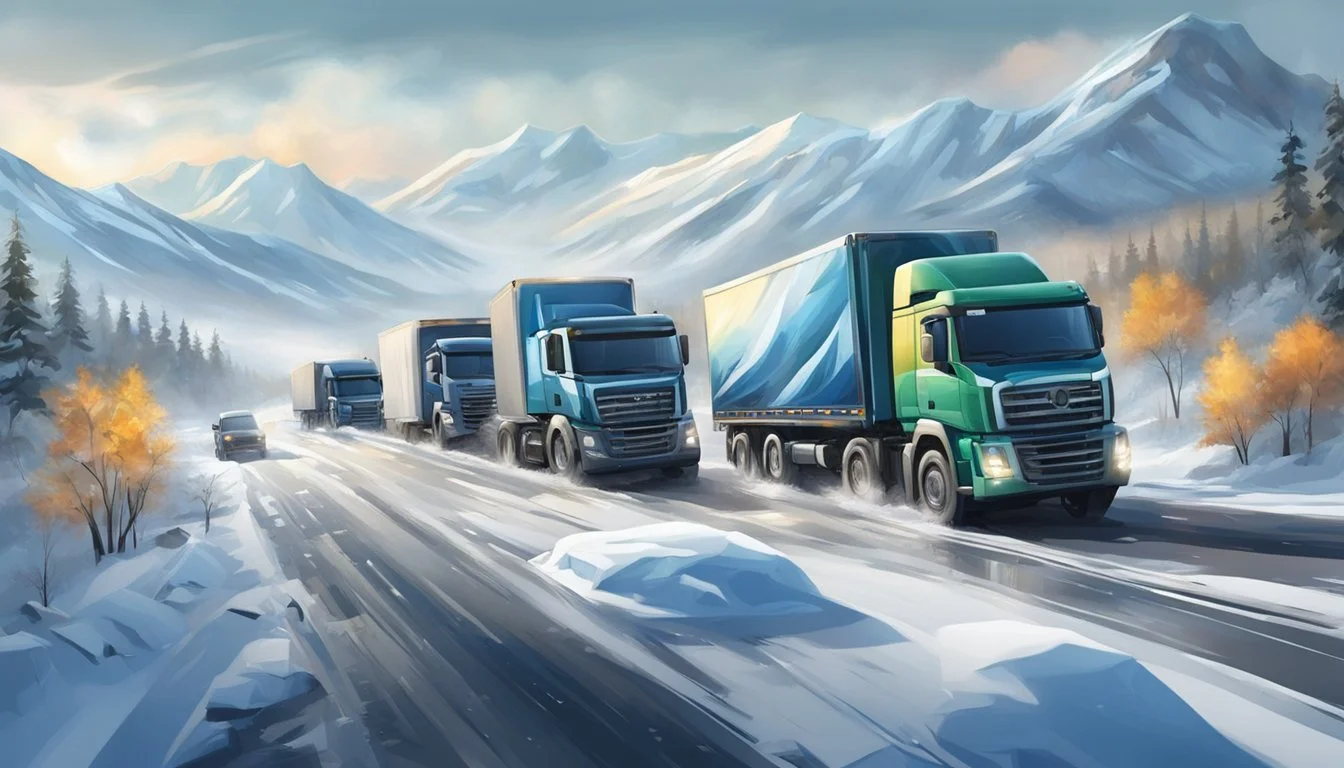
Ice road trucking presents unique and demanding obstacles, from unpredictable weather to challenging navigation on frozen terrain. Innovation plays a critical role in helping drivers tackle these risks and improve both safety and efficiency on the ice roads. Advances in technology, such as GPS systems and vehicle monitoring tools, support drivers as they deliver vital goods to remote regions.
Developments like real-time navigation tools help drivers avoid dangerous routes and minimize wrong turns, which are common given the complex layouts of ice roads. Enhanced safety equipment and truck modifications further enable operators to adapt to harsh conditions, underscoring how ongoing innovation addresses the core challenges of this high-risk profession.
The Evolution of Innovation on Ice Road Truckers
Over the years, ice road trucking has adapted to environmental, technological, and market-driven shifts. Specific innovations and strategies have been critical to improving safety, reliability, and efficiency on the ice roads.
Historical Context and Series Overview
When Ice Road Truckers debuted, it highlighted the extreme risks drivers faced navigating trucks across frozen lakes and uneven terrain. The early seasons showcased basic equipment and manual problem-solving, often relying on traditional technologies and personal experience.
As the industry evolved, the challenges of rapidly changing weather and ice conditions demanded more robust responses. Drivers dealt with thin ice, blizzards, and limited daylight, forcing a reliance on communication tools and stricter protocols.
This historical context set the stage for a focus on continual improvement, prompting trucking companies to prioritize both survival and performance. The show’s popularity also brought more public and industry attention to the technical and operational demands of the job.
Technological Milestones
Key innovations reshaped how ice road trucking operates. GPS navigation systems replaced outdated maps, allowing drivers to monitor their position and adjust routes in real time. Satellite communication enabled constant updates between drivers and dispatch, increasing safety margins and response times.
Trucks themselves saw upgrades, including enhanced tire technology designed for ice traction and automated monitoring systems that track engine performance in subzero temperatures. Load sensors and real-time diagnostics alerted drivers to issues before breakdowns occurred, dramatically reducing accidents.
Technology providers played a major role, introducing weather prediction tools tailored for remote operations. This integration of advanced tech transformed daily work, making trips across frozen roads more predictable and efficient.
Market Response to Challenges
The trucking market on the ice roads has been shaped by shifting customer demands, competitive pressures, and environmental uncertainties. Companies responded by investing in fleet upgrades and forming partnerships with technology providers to gain advantages in reliability and cost control.
Market dynamics influenced how quickly innovations were adopted. Larger carriers could afford rapid implementation of new tech, while smaller operators adapted selectively based on budget and necessity. This split led to variability in operational standards across providers.
Reports like Reinventing the Truck highlighted trends toward renewable fuels, electric drivetrains, and modular designs. As demand for safer and greener logistics grew, the ice road trucking sector became a field for testing next-generation transportation solutions under extreme conditions.
Key Technologies Improving Ice Road Trucking

Modern ice road trucking relies on advanced systems for safety, efficiency, and performance. Reliable monitoring, automation, and internationally accepted operational standards are central to addressing the harsh and unpredictable Arctic environment.
Telematics and Data Analysis
Telematics systems use GPS, sensors, and wireless data transfer to track truck locations, monitor driver behavior, and assess vehicle health. These tools help dispatchers route trucks along the safest and most efficient paths while measuring speed, braking, and idle time.
Data collected enables real-time decision-making. Rapid feedback alerts drivers to changing ice conditions, sudden temperature drops, and potential hazards ahead. Analysis also identifies trends, such as recurring trouble spots or driver fatigue patterns, which inform preemptive safety measures.
Fleets frequently integrate automated reports that detail mileage, maintenance needs, and time spent on ice roads. This minimizes downtime and maximizes cargo delivery reliability.
Key benefits:
Enhanced safety through monitoring
Better route planning
Proactive maintenance
Improved regulatory compliance
Robotics and Automation
Robotic and automated solutions are making inroads into ice road operations. Some transport companies have begun introducing autonomous or semi-autonomous vehicles, reducing risks human drivers face in extreme conditions.
Drones and robotic sensors survey ice thickness and integrity, providing crucial updates for route planning. These robots collect data from remote or hazardous areas that would be unsafe for manual inspection.
Automation in loading and unloading cargo streamlines operations, limiting worker exposure to cold and accidents. Robotics also enhance precision when working with heavy equipment on unstable ice surfaces.
Main uses:
Ice thickness monitoring
Autonomous vehicle trials
Automated cargo handling
ISO Standards in Operations
International Organization for Standardization (ISO) standards guide ice road trucking in safety, environmental protection, and efficiency. Companies follow ISO 39001 for road traffic safety and ISO 14001 for environmental management, ensuring structured operations even in remote regions.
ISO-compliant processes require documented contingency plans for breakdowns, spill response, and environmental incidents. These frameworks enforce regular training for drivers and maintenance teams, helping reduce error and increase accountability.
ISO standards also facilitate international contracts, as many clients demand certified operations when transporting sensitive or hazardous materials over ice roads.
Important standards:
ISO 39001 (Road Traffic Safety)
ISO 14001 (Environmental Management)
ISO 9001 (Quality Management)
Innovations in Powertrains and Propulsion
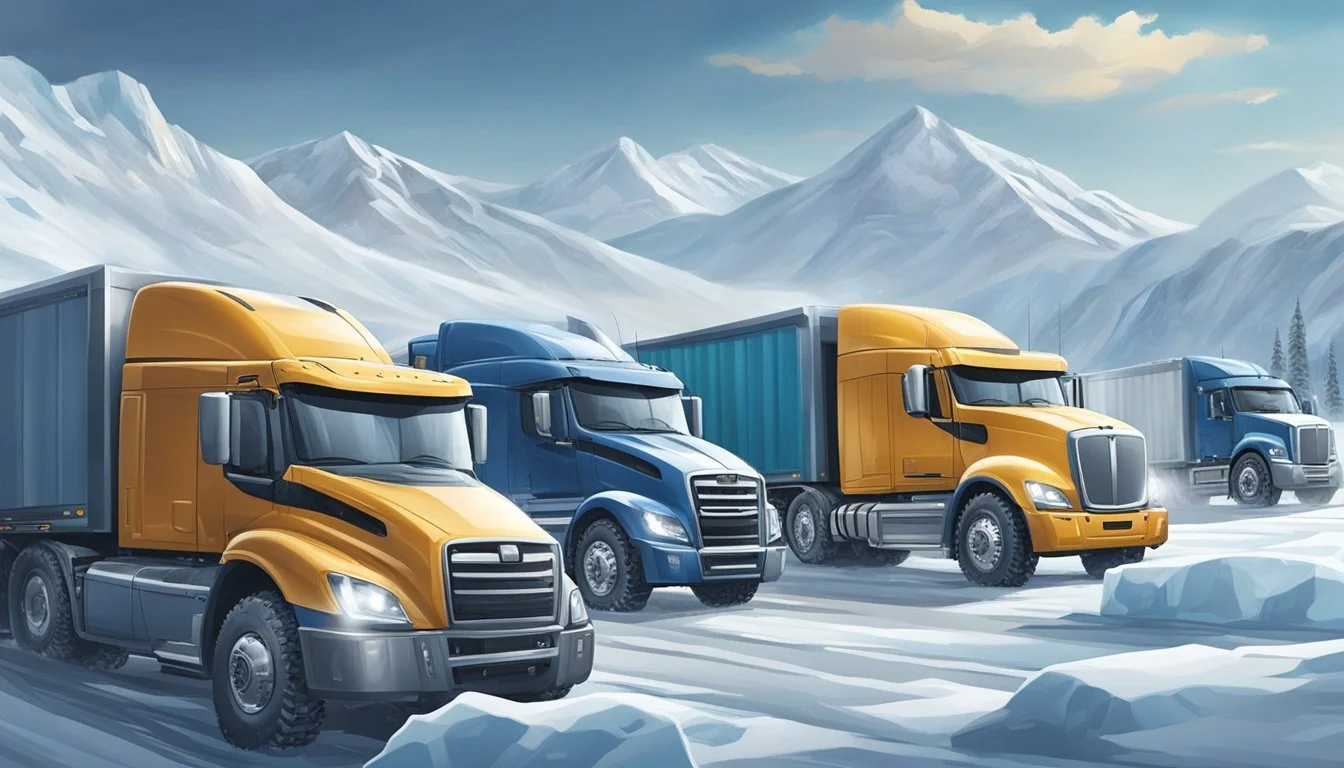
Advancements in truck powertrains and propulsion are changing how fleets operate in extreme environments. New vehicle technologies are now being tested and adopted for hauling heavy loads over ice roads where reliability and adaptability are critical.
Hybrid and Electrified Vehicle Deployment
Hybrid electric vehicles (HEVs) combine an internal combustion engine with an electric motor to improve fuel efficiency and lower emissions. In the context of ice road trucking, this can reduce fuel delivery trips—a logistical challenge in remote areas.
Powertrain shifts toward hybrids offer several practical benefits:
Instant torque from electric motors aids traction on slippery ice.
Regenerative braking helps conserve energy during downhill travel, extending range when fuel is scarce.
Lower engine idling reduces the risk of breakdowns in harsh cold.
However, battery costs and weight remain a concern, as extra mass affects load capacity and overall efficiency. Dependability in freezing temperatures is still being evaluated through pilot deployments.
Battery-Electric Trucks on Ice Roads
Battery-electric vehicles (BEVs) produce zero tailpipe emissions and require no diesel refueling stops, making them appealing for sustainability targets and operational cost reductions. For ice road routes, BEVs offer smooth torque delivery and fewer moving parts, minimizing cold-start failures that are common with diesel engines.
Key factors affecting BEV use include:
Battery range drops significantly in subzero conditions, making accurate range prediction vital.
Charging infrastructure in remote, icy regions is scarce, increasing planning complexity.
Heavy loads typical on ice roads further reduce effective range as battery energy density remains a limiting factor.
Ongoing advancements in lithium-ion batteries may address some of these issues, but widespread deployment will depend on improvements in battery reliability and charging logistics.
Hydrogen and Fuel-Cell Electric Vehicles
Hydrogen fuel-cell electric vehicles (FCEVs) generate electricity through a chemical reaction between hydrogen and oxygen, producing water as the only emission. For long-haul routes on ice roads—where refueling sites are rare—FCEVs present an alternative to both diesel and battery-electric options.
FCEVs offer:
Fast refueling (comparable to diesel) that can reduce downtime for truckers.
Greater energy density than current BEVs, better supporting heavy-duty applications with long ranges.
Reliable cold-weather operation, as hydrogen fuel cells maintain efficiency in low temperatures.
Current barriers include the scarcity of hydrogen refueling locations and the production and transportation of green hydrogen to remote areas. As infrastructure expands, FCEVs could become a viable propulsion trend for ice road freight.
Climate Change and the Push for Decarbonization
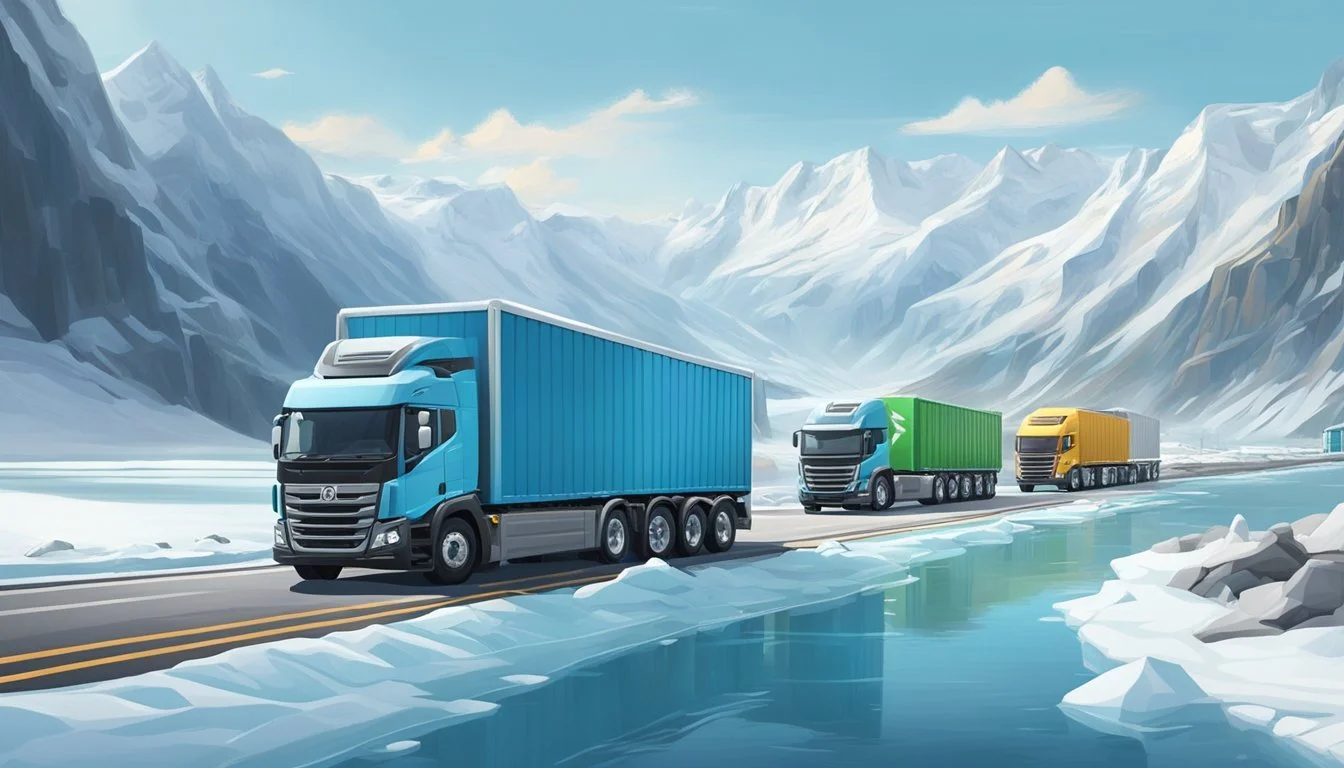
Ice road trucking faces increasing disruption from warmer winters and shorter operating windows. Companies must adapt to regional climate goals and navigate the shift away from diesel through innovative technologies and new practices.
Impact on Ice Road Trucking Routes
Climate change is causing unpredictable freezing patterns and thinner ice, making traditional trucking routes less reliable. The operating season for ice roads, once predictable, is shortening as average winter temperatures rise in northern regions.
Some ice road operators are forced to delay route openings or shut them down early, leading to logistical challenges and higher costs. Inconsistent ice thickness increases risks for trucks carrying heavy loads, as safety measures must be intensified to prevent accidents.
Key issues faced:
Reduced reliability of seasonal ice roads
Increased maintenance and safety costs
Greater dependency on real-time ice monitoring technology
As a result, planners are exploring alternative routes and timing strategies to account for these environmental changes.
Decarbonization Initiatives
Decarbonization in the trucking sector is accelerating, with growing pressure to reduce reliance on diesel. Companies are exploring energy transition strategies, including the use of diesel alternatives like renewable diesel, biodiesel, and early piloting of hydrogen or battery-electric vehicles in cold environments.
Key decarbonization efforts include:
Testing zero-emission vehicles suitable for extreme cold
Adopting energy-efficient logistics planning to minimize emissions
Aligning operational decisions with regional and national climate goals
Investment in new infrastructure, such as charging stations or alternative fueling sites near key ice road entry points, is gradually taking shape. These steps help operators meet stricter emissions standards and position them for long-term sustainability.
Fleet Management and Operational Efficiency
Adapting to harsh ice road conditions demands precise coordination, technology adoption, and strategic planning. Key practices include introducing new vehicle technologies and careful cost tracking to address profit constraints.
Fleet Electrification Strategies
Electrification is becoming an important innovation for fleets operating in challenging environments like the ice roads. Battery-electric and hybrid vehicles offer potential advantages in fuel cost savings, lower maintenance, and reduced emissions, which can provide a competitive edge for fleet operators.
However, the limited charging infrastructure and extreme cold temperatures found on ice roads impact battery performance and create obstacles to large-scale adoption. Fleet managers must analyze vehicle range, charging intervals, and battery insulation solutions to ensure operational reliability. Investing in pilot programs and working with technology providers for tailored solutions is essential for progress.
A focused approach includes:
Evaluating vehicle suitability for cold weather conditions
Developing flexible charging strategies
Monitoring and testing battery health
Training drivers on optimal energy use
Prioritizing these aspects helps fleets incrementally introduce electrified trucks without compromising essential routes.
Optimizing Profit Margins and TCO
On ice road routes, both profit margins and total cost of ownership (TCO) are under pressure due to fuel, maintenance, and unpredictable breakdowns. Effective fleet management systems—such as GPS vehicle tracking, real-time diagnostics, and automated maintenance alerts—help minimize delays and unnecessary expenses.
By tracking fuel consumption, downtime, and repair costs, fleets identify inefficiencies and prevent costly failures. Data-driven decision-making empowers managers to schedule preventative maintenance, right-size their fleets, and negotiate better rates for parts and services.
A streamlined operational model may include:
Key Cost Driver Efficiency Method Fuel Usage Route Optimization Unexpected Repairs Predictive Maintenance Idle Time Real-time Monitoring
Fleets that leverage these strategies can better manage margins and improve long-term sustainability.
Logistics Ecosystem and Supply Chain Adaptation
Adapting logistics for ice road trucking requires innovations in both physical infrastructure and supply chain operations. These changes are essential for moving essential goods, managing fluctuating oil demand, and ensuring vehicles are available and roadworthy throughout unpredictable seasons.
Adapting to Infrastructure Buildout
Ice roads in remote regions present unique challenges due to fluctuating temperatures and limited access. Infrastructure buildout often involves rapid construction and decommissioning as seasons shift, requiring close coordination among supply chain stakeholders.
Planners use satellite imagery, real-time data, and remote sensing technology to assess ice thickness. This helps companies schedule deliveries safely and avoid costly delays.
New materials and snow compaction techniques have improved road longevity and reduced maintenance interruptions, benefiting logistics operations.
Communication networks, such as satellite phones and GPS tracking, allow dispatchers to monitor trucks in real time. This proactive monitoring limits supply chain disruptions caused by weather shifts or road closures.
Managing Truck Demand in Extreme Conditions
Truck demand on ice roads varies with the needs of industries such as mining, oil extraction, and community resupply. Coordination between companies and logistics providers is critical for ensuring supply meets fluctuating oil demand and the movement of large equipment.
Fleet management systems provide real-time updates on truck locations and availability. Dispatchers can reallocate assets quickly if routes close or priorities change, reducing empty backhauls and downtime.
Strict regulatory standards mandate pretrip inspections and load limitations. These standards help prevent breakdowns and ensure trucks are equipped for subzero temperatures, contributing to supply chain resilience.
Regular maintenance schedules keep trucks operational through freeze and thaw cycles, supporting a reliable logistics ecosystem throughout the ice road season.
Government Policies and Industry Collaboration
Strong collaboration between the government and industry stakeholders is shaping the future of ice road trucking. Regulatory initiatives and investments from major manufacturers are driving cleaner, safer, and more resilient transportation in these remote and hazardous environments.
OEM Investments and Clean Technology
Original Equipment Manufacturers (OEMs) are prioritizing clean technology to address environmental and operational challenges on ice roads. They are developing advanced vehicles with fuel-efficient engines, hybrid powertrains, and systems designed for extreme cold.
Key innovations include:
Battery-electric trucks adapted for subarctic climates
Advanced telematics for monitoring vehicle health in remote locations
Emission-reducing retrofit kits compatible with existing fleets
OEMs partner with technology firms to integrate lightweight materials that reduce wear on ice surfaces and improve cargo capacity. These investments help operators lower fuel consumption and emissions, supporting compliance with new emission regulations and reducing costs in the long run.
Legislative Support for Decarbonization
Governments are enacting policies to reduce the carbon footprint of transportation in northern regions. Regulations encourage adoption of low-emission vehicles through tax credits, grants, and infrastructure investments—such as remote charging stations for electric trucks.
Policy frameworks also mandate improved safety standards and emissions reporting. Federal and state transport departments collaborate with industry on pilot projects testing hydrogen fuel cells and renewable diesel.
Incentives for local companies ensure that transition costs are manageable and support the development of regional supply chains. These initiatives reflect a commitment to both environmental protection and the sustainability of ice road operations.
Future Outlook: Reinventing Ice Road Trucking
As demand for freight continues in remote northern regions, ice road trucking faces ongoing logistical risks as well as shifting economic pressures. These challenges have led the industry to lean heavily on innovation, both from truck manufacturers and technology providers, to ensure safety and efficiency.
Predictions from Industry Experts
Industry experts expect the pace of technological change in ice road trucking to accelerate. There is growing focus on connected vehicle systems, using telematics to monitor driver performance and route conditions in real-time.
Telematics Integration:
Real-time alerts can help avoid dangerous weather and thin ice spots.
Fleet operators are starting to use predictive analytics to schedule maintenance proactively, reducing breakdowns mid-journey.
Sustainability Trends:
Electric and hybrid powertrains are being tested, though significant infrastructure obstacles remain in northern climates.
Some experts predict increased investment in alternative fuels tailored to cold environments, such as renewable diesel.
Greater collaboration with technology providers is leading to wider adoption of smart diagnostics, route tracking, and data sharing across fleets. This trend is expected to reshape safety standards and recruitment practices.
Scaling Technology for Harsh Environments
Technology meant for traditional trucking often underperforms in subarctic climates. Reinventing the truck for ice roads requires robust solutions with extreme temperature tolerances and reliable connectivity.
Key Requirements:
Insulated battery systems for electric or hybrid vehicles.
Hardened sensors and wiring to withstand -40°C temperatures and constant vibrations.
Vendors now design components specifically for thermal resilience, including heated camera lenses and shock-proof telematics units. In-cab displays with simplified controls help drivers stay focused, even while navigating icy and isolated terrain.
Adoption Challenges:
Connectivity: Satellite communication is favored over cellular for uninterrupted data flow.
Maintenance: Modular designs are gaining traction, allowing for on-the-fly repairs and faster parts replacement in remote locations.
Industry partnerships between fleet operators and technology providers are leading the way in prototyping and scaling these specialized upgrades, setting new baselines for what trucks in northern regions can handle.
