
Mastering Leadership on Ice Road Truckers: Key Strategies for Safe and Successful Ice Road Navigation
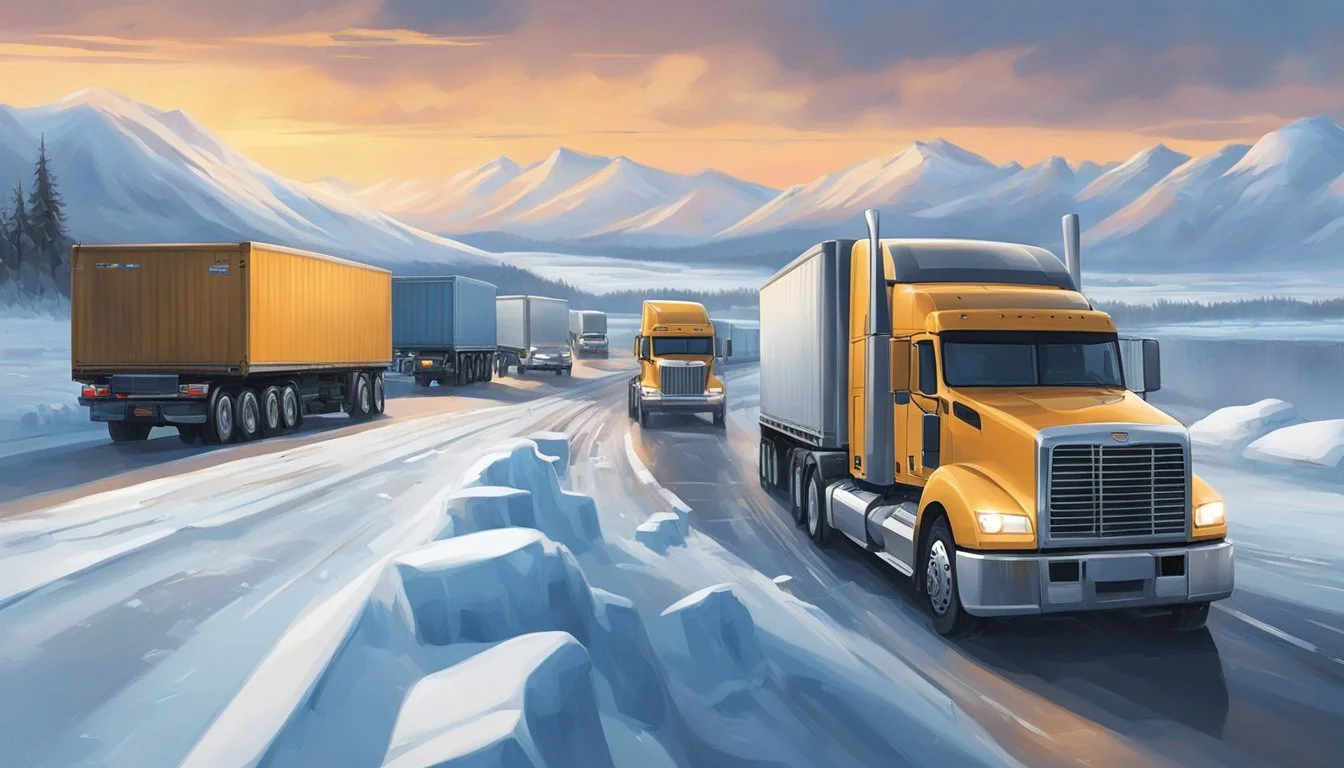
Strong leadership is crucial for ice road truckers, as it directly impacts their ability to navigate some of the world’s most dangerous and unpredictable roads safely and efficiently. On the show Ice Road Truckers, experienced drivers and team leaders regularly make split-second decisions, manage severe weather risks, and coordinate convoys to ensure that crews and cargo reach their destinations without incident.
The pressures of the ice roads demand more than just technical skill behind the wheel. Effective leaders foster trust within their teams, maintain clear communication, and demonstrate a calm, decisive approach during emergencies. Their guidance not only minimizes mistakes but also boosts morale, helping new and veteran drivers handle the physical and mental challenges of ice road trucking.
Viewers see firsthand how leadership can be the difference between a successful delivery and disaster on the ice. Whether facing blizzards, vehicle breakdowns, or endless isolation, it’s the leaders who chart the path forward and set the standard for safety and professionalism.
Understanding the Challenges of Ice Road Truckers
Ice road truckers face a unique set of obstacles as they transport goods across frozen landscapes. Success on these routes depends on understanding the unpredictable environment, dangers posed by the road itself, and the hazards created by both natural and human factors.
Weather Conditions and Challenging Terrain
The Arctic climate introduces severe risks. Drivers often encounter blizzards, whiteout conditions, and sudden drops in temperature, sometimes reaching below -40°F (-40°C). Wind chills make vehicle maintenance and repairs especially dangerous because frostbite and hypothermia can occur in minutes.
Frequent storms can reduce visibility to nearly zero, making it difficult to see the road’s edge or oncoming trucks. Thin ice, pressure ridges, and ice cracks are common, and many routes cross lakes and rivers that may be unstable even in deep winter. The rough terrain can cause mechanical failures, which are harder to address in these isolated conditions.
Navigating Slippery Surfaces and Narrow Lanes
Ice roads are naturally slick, demanding careful handling to prevent jackknifing or sliding off the path. Salt and gravel are rarely used because of environmental concerns and effectiveness at such low temperatures. Drivers rely on experience and precise steering to maintain traction.
Most ice roads are single-lane routes with little shoulder. Passing another vehicle can be risky, as the lanes may only be wide enough for one truck. In some locations, trucks must radio ahead before entering narrow stretches to avoid head-on encounters. Speed must be carefully controlled; moving too fast can fracture the ice, while moving too slowly can also affect safety.
Managing Steep Inclines and Construction Zones
Some ice roads cross hilly terrain, requiring drivers to ascend or descend steep grades covered with ice. Climbing inclines in heavy trucks with minimal traction tests even the most experienced operators. Downhill runs increase the risk of losing control or sliding.
Construction zones add further complexity. Crews regularly reinforce weakened sections with new ice or mark hazards with flags and cones. Trucks may have to stop or detour in tight areas while work is underway, which can disrupt schedules. Communication between drivers and construction teams is essential to avoid accidents and ensure the road stays open.
Dealing with Challenging Road Conditions
Conditions on ice roads can change rapidly due to temperature fluctuations, vehicle traffic, and shifting weather patterns. Potholes and ruts can suddenly appear, causing uneven driving surfaces. Cracks in the ice may force emergency reroutes or the closure of certain sections.
Fatigue and stress become factors as drivers must stay alert through long shifts and difficult situations. Sometimes, snowdrifts and hidden pressure ridges block the path, requiring fast decision-making and adaptability. Strong leadership is key to ensuring that drivers know how to respond to each new hazard, coordinate effectively, and minimize risk to themselves and their cargo.
The Importance of Leadership on the Ice Roads
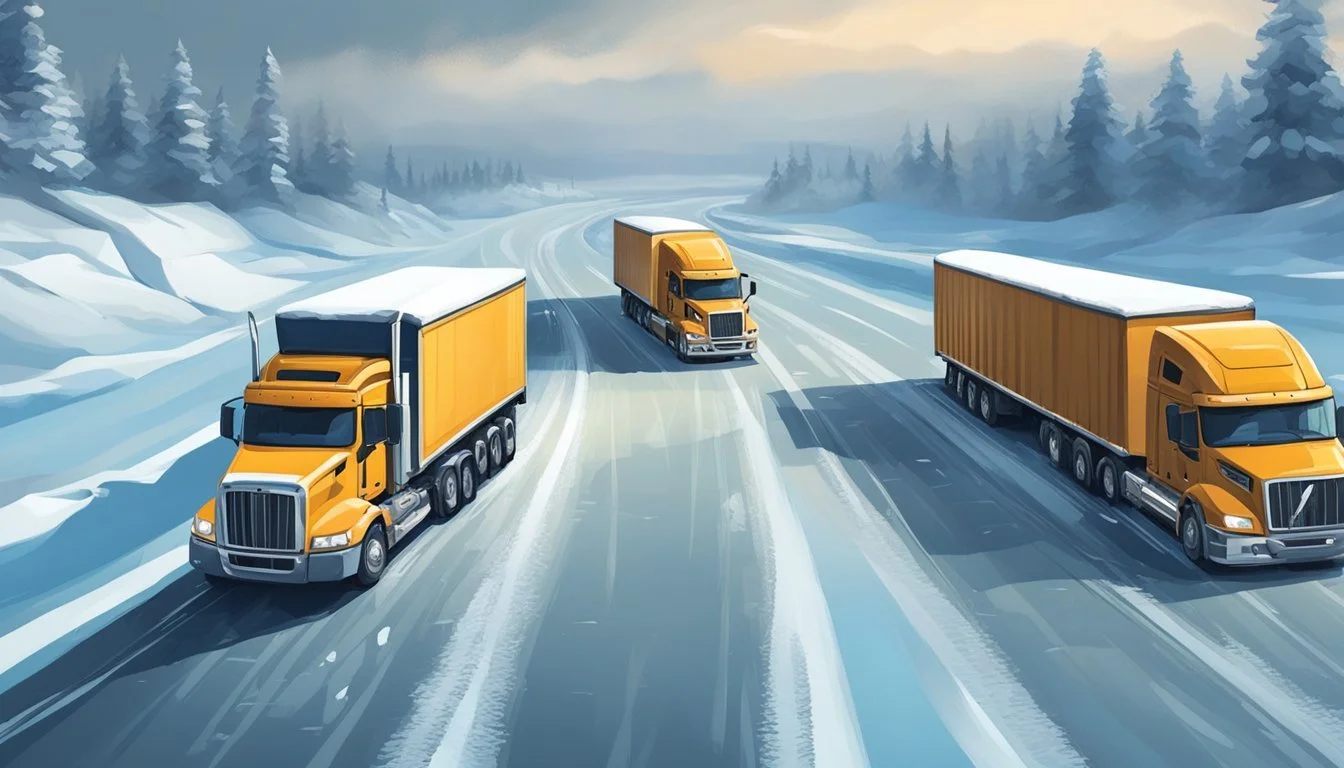
Strong leadership impacts every aspect of driving on ice roads, from minimizing risks to creating a collaborative environment. On the ice roads depicted in Ice Road Truckers, experienced leaders set clear expectations and provide guidance that supports both safety and teamwork.
Establishing Road Safety Protocols
Leaders on the ice roads are responsible for developing and reinforcing specific safety procedures to address unique hazards, such as thin ice, sudden storms, and limited visibility.
Drivers follow strict speed limits and convoy rules, all of which are communicated and enforced by team leaders or fleet managers. These protocols are not static; they are regularly updated based on new information or changing road conditions.
Safety meetings before each trip ensure every driver understands the current risks and emergency procedures. This proactive leadership minimizes the likelihood of accidents and reinforces adherence to best practices in road safety.
Building Respect and Trust Among Drivers
Leadership plays a central role in building a culture of mutual respect and trust. On dangerous routes, drivers must rely on each other for support and assistance.
Leaders often set the tone by modeling calm decision-making, professionalism, and consistency. Effective leaders also acknowledge the skills and contributions of each team member, which builds cohesion and morale.
Respect leads drivers to report problems honestly and seek help when needed, making the fleet stronger. Trust enables smooth teamwork, especially when quick decisions are required in high-pressure situations.
Effective Communication and Active Listening
Good leaders on the ice roads value clear, timely communication and always practice active listening. This ensures that information about hazards, weather updates, and route changes is shared promptly.
Drivers depend on precise radio communication to warn each other about road conditions or relay requests for help. Leaders encourage feedback and listen attentively to driver concerns or suggestions, allowing for adjustments to plans or protocols when necessary.
By fostering open communication channels, leaders can respond quickly to evolving situations and prevent misunderstandings that could increase risk. This approach strengthens both safety and trust on the road.
Key Leadership Qualities for Ice Road Truckers
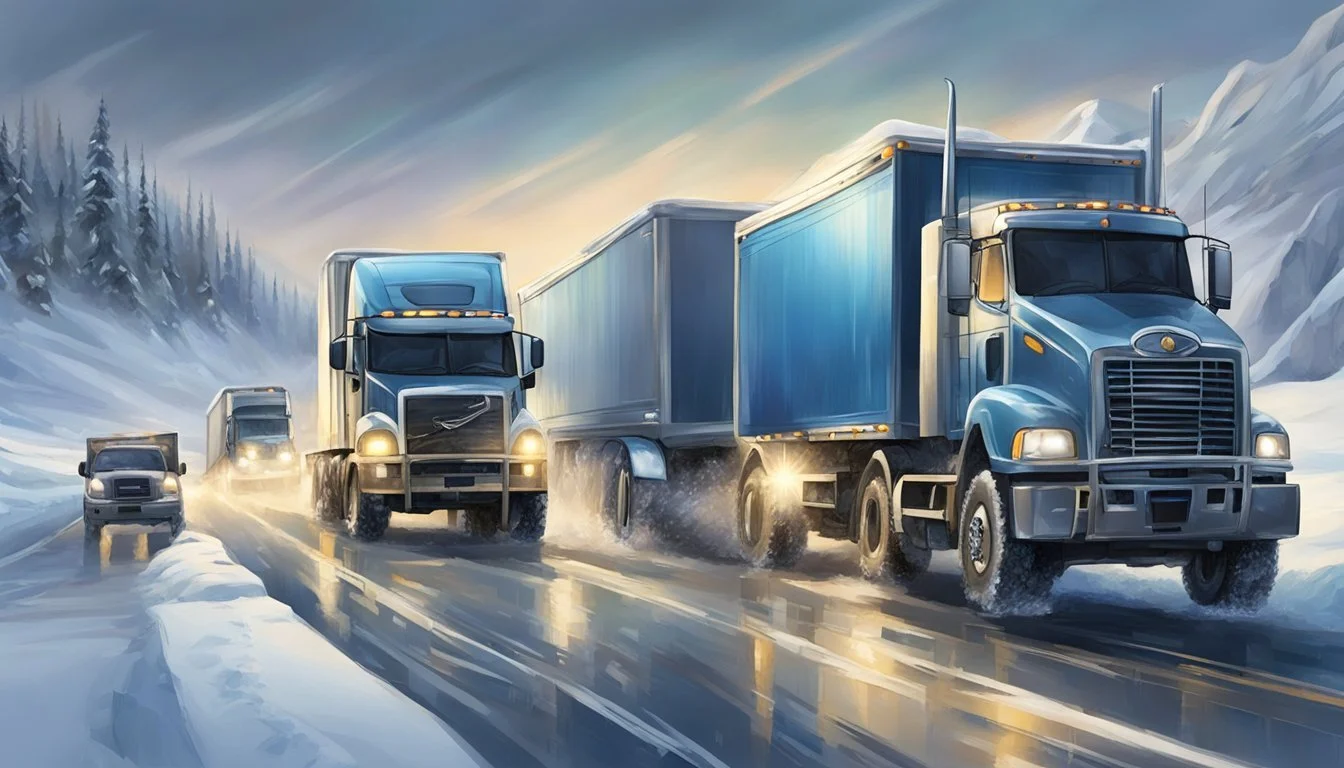
Driving on ice roads challenges even experienced truckers, with each decision carrying safety and operational consequences. Successful leaders rely on sharp judgment, meticulous driving strategies, and a technical understanding of vehicle dynamics in extreme cold.
Making Informed Decisions Under Pressure
Ice road truckers often face split-second choices, such as whether to stop for worsening weather or push ahead to meet delivery deadlines. Effective leaders evaluate factors like ice thickness, weather forecasts, communication from dispatch, and the capabilities of their vehicles.
They balance delivery expectations with safety, often relying on checklists and radio updates for real-time information. Staying calm and systematic enables clear thinking, which reduces risks in the harsh, isolated environments they traverse.
Leaders also use debriefings and prior experiences to strengthen future judgment. A disciplined approach to decisions fosters safety for both themselves and those following behind.
Promoting Safe Distance and Steady Speed
Maintaining safe distance and steady speed is critical to prevent collisions and minimize stress on thinning or shifting ice. Ice road leaders emphasize strict adherence to recommended spacing between trucks, especially on frozen lakes or river crossings.
A safe following distance allows enough reaction time for unexpected ice cracks or vehicle stoppages. Adhering to posted speed limits—not exceeding 15-25 mph in certain areas—reduces the risk of skidding or breaking through the ice.
By modeling patience and steady pace, truckers set a standard that protects both people and cargo. These practices are reinforced through training, peer monitoring, and consistent leadership.
Utilizing Engine Braking and Tire Pressure Management
Proper use of engine braking is crucial for controlling speed without relying heavily on the service brakes, which might lock up or lose effectiveness on slippery surfaces. Leaders instruct others to downshift gently and avoid sudden braking actions.
Truckers must also monitor and adjust tire pressure to maximize traction on frozen roads. Colder temperatures decrease tire pressure naturally, so regular checks ensure the tires grip the ice and remain stable under load.
This technical attention—to both engine braking and tire pressure—helps reduce wear, maintain control, and increase the life of truck components. Leaders prioritize these checks before, during, and after each journey, making them integral elements of safe ice road navigation.
Navigational Strategies and Problem Solving
Leadership on the ice roads requires clear procedures, quick thinking, and experience to keep trucks and drivers safe in a high-risk environment. Effective leaders prepare for unexpected events and use proven methods to solve navigation challenges and manage emergencies.
Adapting to Sudden Maneuvers
Drivers often face sudden changes in road conditions, such as shifting ice or snow drifts that can develop quickly. Leaders must guide their teams to assess these risks and adjust driving techniques immediately. This involves maintaining lower speeds, allowing extra space between vehicles, and using radio communication to relay hazards.
Adaptability is also critical when routes unexpectedly become impassable. Leaders encourage flexibility, sometimes directing convoys to turn back or take alternate paths, even if it delays deliveries. The ability to rapidly evaluate the safety of continuing versus retreating is a hallmark of good leadership.
Checklist for Handling Sudden Maneuvers:
Monitor ice conditions constantly
Adjust speed and spacing as needed
Maintain clear communication
Be ready to change the route or turn back
Overcoming Emergency Situations
Leadership is most visible during emergencies, such as truck breakdowns or medical incidents. When a truck is stranded, team leaders coordinate rescue efforts, ensuring the safety of both the driver and the vehicle. This may involve sending support vehicles or instructing other drivers to wait at a safe location.
Medical emergencies demand quick and organized action. Leaders prioritize getting professional help while stabilizing the injured, as seen when drivers return after treatments from injuries. They also manage the impact on schedules and team morale, making contingency plans to deal with delays.
Key response steps include:
Assess the condition and prioritize safety
Dispatch support or medical help promptly
Keep communication lines open
Adjust delivery timelines and inform clients if needed
Leadership’s Impact on Economic Development and Habitats
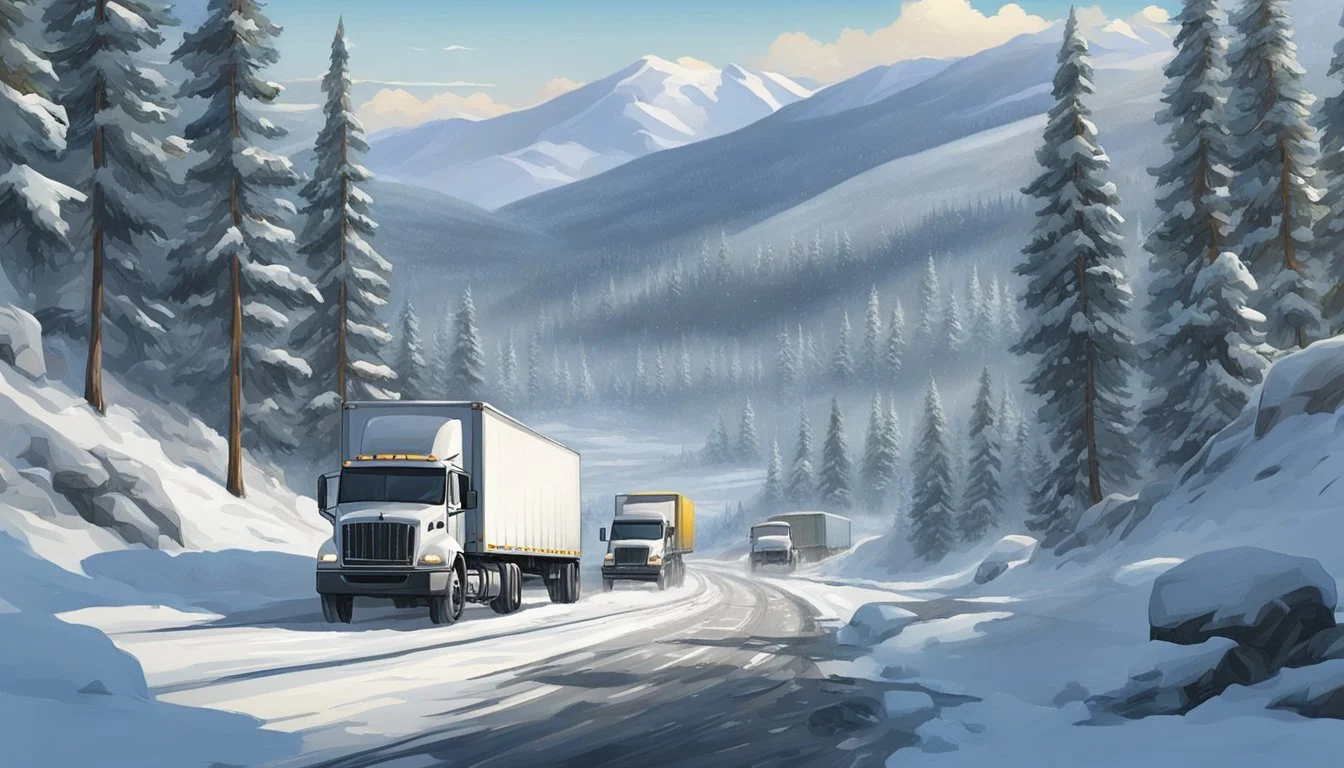
Strong leadership shapes how ice road operations both boost local economies and respond to environmental needs. Decisions by leaders affect how resources are distributed, how habitats are protected, and whether economic benefits can be sustained over time.
Supporting Local Economic Development
Local economies in Arctic and sub-Arctic regions rely heavily on the safe and efficient operation of ice roads. Skilled leadership ensures that freight reaches remote communities consistently, reducing the risk of supply shortages.
Leaders coordinate logistics, manage economic risks, and foster collaboration between trucking companies, suppliers, and local governments. Through these efforts, they create employment opportunities and support local businesses. Reliable transportation routes mean that critical goods—including food, fuel, and medical supplies—are delivered even during harsh winters.
A proactive approach from leadership also enables adaptation to challenges such as shorter operational seasons and unpredictable weather. This not only helps communities remain resilient but can stabilize economic growth in regions otherwise isolated by geography.
Key leadership actions in economic development:
Action Impact Coordinating supply chains Reduces shortages, supports business Partnering with local entities Builds stronger, diverse economies Adapting to climate change Maintains transport reliability
Mitigating Impacts on Habitats and Biological Diversity
Leaders in ice road transport must also consider the effects of their decisions on local ecosystems. Careful planning is needed to avoid disrupting sensitive habitats, such as tundra and wetlands, which are home to a range of plant and animal species.
Seasonal roads can fragment habitats and impose stress on wildlife, especially as ice roads expand or alter migration paths. Leadership that prioritizes environmental assessment and monitoring can lower these risks by choosing optimal routes and enforcing strict operational windows.
Engagement with environmental experts and local Indigenous communities helps identify biodiversity hotspots and key species, informing decisions about when and where to operate. Techniques such as route adjustments and temporary shutdowns during critical periods minimize negative impacts on biological diversity, balancing economic needs with habitat protection.
Health, Safety, and Risk Mitigation for Drivers
Navigating ice roads brings a unique set of health and safety risks due to extreme weather, physical demands, and potential exposure to hazardous substances. Leadership plays a direct role in ensuring drivers have the tools, knowledge, and resources to manage these risks effectively.
Addressing Drug Use and Poisoning Risks
Ice road truckers face long hours and isolation, which may heighten risks related to drug use and accidental poisoning. Illicit substance use can impair judgment, delay reaction time, and increase the likelihood of on-road incidents.
Common sources of poisoning include:
Source Example Impact Misused medication Painkillers, stimulants Organ stress, reduced focus Environmental toxins Anti-freeze, fuel fumes Headaches, nausea, liver stress
Leaders must create strict policies against drug and alcohol use, while promoting education about the dangers of misusing over-the-counter or prescription drugs. Quick reporting mechanisms and regular checks are crucial for early identification and intervention.
Promoting Physical Health in Extreme Conditions
Drivers on ice roads work under persistent cold, poor visibility, and long shifts. These conditions strain the body, especially the liver and cardiovascular system.
Routine health screenings, including liver function tests, are vital for early detection of health concerns. Nutrition is also critical; leaders should encourage drivers to eat balanced meals and remain hydrated to support the immune system.
Key physical risk factors:
Frostbite and hypothermia from sub-zero temperatures
Fatigue due to interrupted sleep cycles
Musculoskeletal strain from vibrations and loading cargo
Leaders can implement rotating shifts and provide suitable rest spaces to reduce exhaustion and the temptation to misuse stimulants.
The Role of Pharmacists and Antidotes
Pharmacists offer expertise in medication management and poisoning prevention. They can advise drivers and supervisors about safe drug use and potential interactions that might affect driving performance or liver health.
Ice road teams should establish partnerships with pharmacists for regular medication reviews. Quick access to antidotes, such as activated charcoal or specific antidotes for opioid poisoning, is essential.
Emergency procedures should include:
Training drivers on identifying overdose or poisoning symptoms
Keeping basic antidotes and clear instructions in all vehicles
Ensuring lines of communication with healthcare professionals at all times
Strong collaboration with pharmacists enhances safety and addresses medication risks before they escalate.
Environmental Considerations in Ice Road Trucking
Environmental changes shape the challenges and responsibilities faced by ice road truckers. Decisions made during operations can have direct impacts on ecosystems and road safety.
Climate Change Effects on Ice Roads
Rising global temperatures are significantly reducing the length and stability of the ice road season. Safe ice thickness—typically at least 40 cm (about 16 inches) for heavy trucks—is becoming harder to achieve and maintain. Thinner and less consistent ice puts both equipment and lives at greater risk.
Changes in climate can lead to increased frequency of cracks, dangerous thin patches, and the early melting of traditional routes. Monitoring ice thickness and adapting schedules is essential. Some regions are seeing safe ice road days decline by as much as 90–99%, making planning more unpredictable.
Truckers must respond quickly to weather fluctuations, using real-time data and local knowledge to adjust their routes. In some areas, artificial interventions, like flooding, are used to reinforce ice strength, though these are not always sufficient. These adaptations require both technical skill and leadership to ensure safety and continuity.
Protecting Coral Reefs and Sensitive Areas
While most ice road trucking routes are far from coral reefs, some northern operations intersect near sensitive aquatic habitats or flow into coastal environments where reefs begin. Potential impacts include runoff pollution, fuel spills, and disturbance of delicate estuarine ecosystems.
Leaders in trucking operations establish strict guidelines for vehicle maintenance and spill prevention. Environmental monitoring involves regular checks for contamination in adjacent waters. Regulatory bodies may set buffer zones around habitats and monitor compliance.
Drivers receive training on protecting wildlife and avoiding encroachment on marked sensitive zones. When operating near transition zones, such as deltas or shallow bays, coordination ensures minimal disruption to natural water flow and aquatic life. Effective leadership in these measures ensures environmental risks are managed at every stage.
The Portrayal of Leadership in Ice Road Truckers: Fact Versus Fiction
Ice Road Truckers often depicts its drivers as leaders, steering convoys across dangerous ice roads. The show places emphasis on quick decision-making, composure under pressure, and responsibility for both cargo and team safety.
In reality, leadership on the ice roads also requires a deep knowledge of driving physics, local weather, and ice conditions. Many drivers who appear confident on camera rely on years of training and strict protocols that often go unmentioned in the show.
Table: Key Leadership Traits – Show vs. Reality
Trait Shown on TV Reality Quick decision-making Highlighted Essential, especially in crisis Risk-taking Often emphasized Minimized for safety Team management Sometimes shown Daily requirement Communication Dramaticized Clear, constant, subdued
Unlike the dramatic tension seen on television, real ice road leaders like Lisa Kelly and Alex Debogorski rely on collaboration and communication. Their approach is more practical than the lone-wolf stereotypes sometimes presented for entertainment.
The show's editing may magnify disputes and high-stakes moments, shaping a fiction of continuous conflict. In reality, drivers prioritize cooperation and trust, knowing that mutual support is critical for survival in harsh conditions.
Leadership is delivered not just through daring acts, but also through routine checks, route planning, and a steady hand. The roots of leadership here are grounded in discipline and respect for the dangers of the job, rather than dramatic heroics.
