
Resilience and Survival Strategies of Ice Road Truckers in Extreme Arctic Conditions
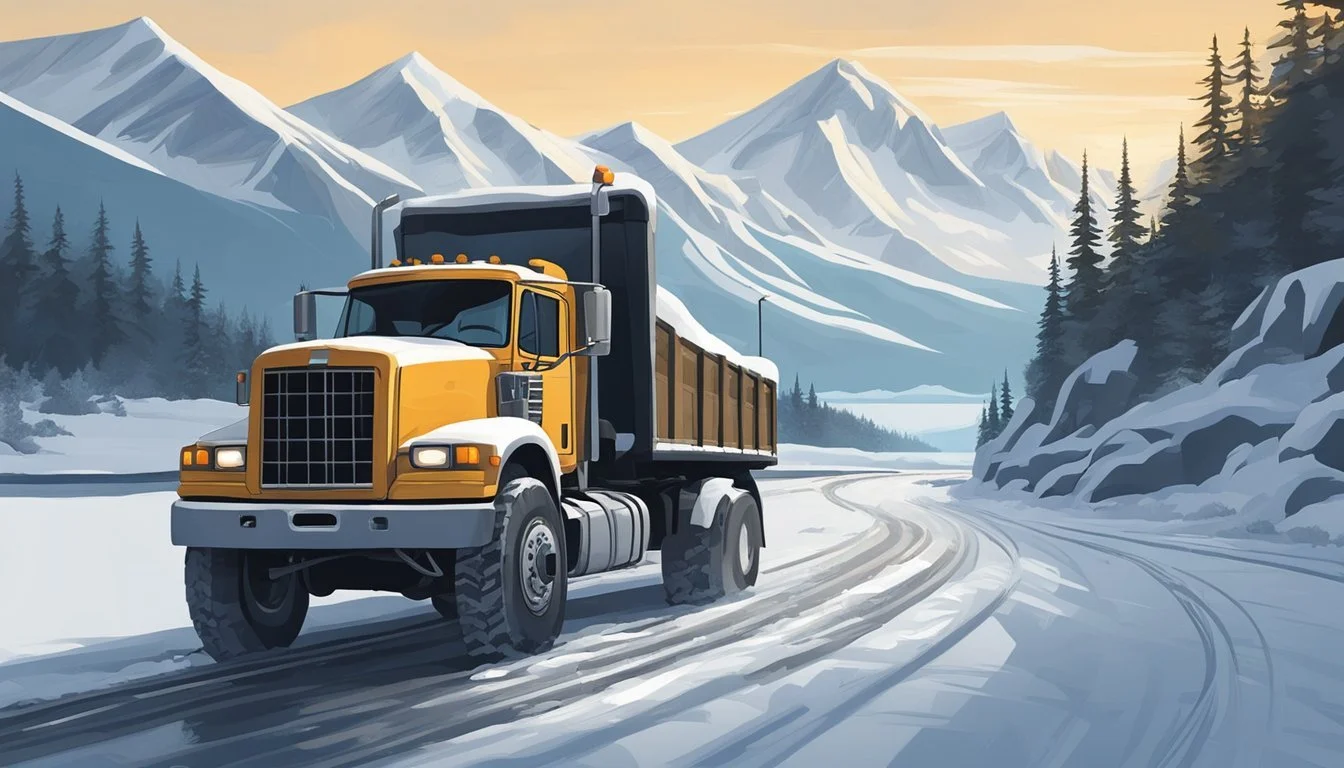
Ice road truckers operate in some of the harshest and most dangerous environments, facing extreme cold, unpredictable ice, and constant risks on frozen roads. Resilience is the essential trait that enables these drivers to confront challenges head-on and persist through difficult conditions. Whether they are transporting critical supplies across fragile ice or responding to equipment breakdowns far from help, ice road truckers rely on determination and mental strength to keep moving forward.
The stories of these drivers often highlight how resilience shapes their ability to adapt under pressure and recover from setbacks. Fear and adversity are common, but overcoming them is a daily part of the job. This blend of perseverance and skill sets ice road truckers apart and demonstrates the importance of mental fortitude in extreme situations.
Understanding Adversity on Ice Road Truckers
Ice road truckers regularly confront physical dangers, logistical hurdles, and financial pressures. Life on the ice roads brings a unique set of challenges shaped by the demanding conditions and requirements of the trucking industry.
Common Challenges Faced by Ice Road Truckers
Ice road truckers handle jobs that require extreme levels of focus and endurance. They often travel hundreds of miles over remote, frozen lakes and rivers where a simple mistake can be life-threatening. Mechanical failures, unpredictable ice thickness, and minimal services amplify these risks.
Drivers must contend with isolation, long hours, and severe cold. Communication with dispatch and emergency services can be unreliable. Normal conveniences, such as rest stops or repair shops, are scarce or absent.
Deadlines are tight because the window for hauling freight is short. Delays due to breakdowns or poor weather can threaten both income and supply chains. These constant pressures make adaptability a critical skill.
Environmental and Occupational Hazards
The environment poses the most immediate dangers. Temperatures can plunge below -40°F (-40°C), affecting both human health and vehicle performance. Frostbite, hypothermia, and mechanical shutdowns are persistent threats.
Truckers also face the danger of ice breakup, especially late in the trucking season. Moving over unstable ice demands up-to-date knowledge and quick decision-making.
Occupational hazards include fatigue from long shifts and driving in near-total darkness during mid-winter. Exposure to diesel fumes and continuous vibrations from rough roads add to physical strain. Ice road trucking demands strict adherence to safety protocols because errors can have fatal results.
The Cost of Ice Road Trucking
Ice road trucking has tangible and intangible costs. Financially, the expense of specialized vehicles, fuel, maintenance, and insurance is considerable. Equipment is exposed to extreme wear, so repairs and replacements are frequent.
There is also a significant human cost. Truckers spend weeks away from families and often struggle with isolation and mental fatigue. Physical health may suffer due to poor nutrition and disrupted sleep schedules.
Freight rates are higher on ice roads, reflecting the risks and expertise required. Despite these premiums, efficient operation is challenging because of unpredictable delays, breakdowns, and hazardous conditions. These factors combine to make resilience a necessary trait for surviving in this side of the trucking industry.
The Essence of Resilience in Ice Road Trucking
Resilience on ice roads means having the grit to manage danger, isolation, and mechanical failures. These qualities help truckers maintain safety and stay focused through unpredictable hazards and long hours.
Core Qualities of Resilient Truckers
Resilient truckers consistently demonstrate practical problem-solving, strong focus, and mental toughness. They must make quick decisions during unexpected breakdowns and dangerous ice crossings.
A critical quality is situational awareness, which allows them to interpret subtle changes in road conditions and respond before issues escalate. Truckers also rely on adaptability. Weather can change rapidly, and drivers are required to adjust plans efficiently while staying calm.
Self-reliance is essential. Out on remote ice roads, assistance may be hours away. The ability to act independently, paired with solid judgment, keeps both the trucker and cargo safe.
Determination and Perseverance in Extreme Conditions
Extreme cold, isolation, and fatigue challenge determination. Persistent efforts are necessary to face blizzards, -40°C temperatures, and vehicle malfunctions.
Seasoned drivers show determination by strictly following safety protocols and performing detailed checks, even when tired or under pressure. Perseverance means pushing through whiteouts and enduring long, lonely stretches without shortcuts.
They willingly take on repeated journeys, often knowing the risks and discomforts ahead. This acceptance of adversity, combined with unwavering focus, forms the backbone of their success.
Adapting to Unpredictable Environments
Ice road conditions shift suddenly due to weather, ice thickness, and visibility changes. Adaptability is vital for survival and delivery.
Truckers routinely use real-time monitoring technology to track ice conditions. A willingness to alter routes or stop entirely when risks rise shows both flexibility and discipline.
Communication with dispatchers and other drivers ensures accurate updates. Quick adaptation to new routes or hazards often means the difference between a safe trip and an emergency, highlighting how adaptability underpins resilience for every ice road trucker.
Profiles in Resilience: Lisa Kelly and Other Notable Truckers
Lisa Kelly stands out as a pioneer among truckers, recognized for her persistence and steady presence on “Ice Road Truckers.” Her journey features significant personal milestones and has helped pave the way for women in a demanding industry.
Biography and Early Life of Lisa Kelly
Lisa Kelly was born on December 8, 1980, in Grand Rapids, Michigan. She moved with her family to a farm in Sterling, Alaska, during her childhood. Daily chores and rural living fostered her adaptability and self-sufficiency.
Before her trucking career, Kelly worked various jobs, including as a school bus driver and motocross rider. These experiences built her skills behind the wheel and prepared her for operating heavy vehicles in challenging conditions. Kelly’s practical mindset and disciplined upbringing contributed directly to her approach on the ice roads.
Achievements and Major Milestones
Kelly joined “Ice Road Truckers” in its third season, quickly becoming one of the show’s most recognized drivers. She is notable for being one of the first and few women featured regularly on the series. Over several seasons, she drove across treacherous arctic routes, hauling critical loads under severe weather conditions.
Some of her most significant milestones include successfully handling oversized and hazardous loads and completing each season’s grueling assignments. Kelly has also participated in the series’ spinoff “IRT: Deadliest Roads,” navigating high-risk roads internationally. Her performance demonstrated a high level of technical skill and resilience under pressure.
Lisa Kelly as a Role Model and Inspiration for Women
Lisa Kelly’s visibility on national television has helped challenge gender stereotypes in the trucking industry. Her consistent professionalism and steady demeanor have made her a point of reference for women aspiring to similar careers.
She has spoken openly about the difficulties women face in this field, from skepticism among peers to the physical demands of trucking. Many regard Kelly as a trailblazer who has encouraged more women to consider careers behind the wheel.
By embracing the workload and expectations equal to her male counterparts, Kelly provides a practical example that inspires women beyond the industry. She remains one of the most recognized figures advocating for gender inclusivity in trucking.
Women in Trucking: Overcoming Barriers Through Resilience

Women in trucking, particularly on demanding routes like those featured in Ice Road Truckers, continually demonstrate resilience in the face of industry-specific obstacles. Their experiences highlight both the persistence needed to thrive and the importance of diversity for safer, more innovative transportation.
Breaking Stereotypes in a Male-Dominated Industry
The trucking industry has long been perceived as a male-dominated field. Women like Lisa Kelly, known for her work on Ice Road Truckers, challenge these stereotypes by demonstrating skill and composure in extreme conditions. Their presence on screen and on the road encourages other women by providing visible role models.
Challenges such as skepticism from peers and the need to prove physical and mental robustness are common. Female drivers respond with strong work ethics and a commitment to excellence, relying on their ability to adapt and endure. Consistent performance under pressure gradually shifts perceptions within the industry.
Mentorship and professional organizations, such as Women In Trucking, provide resources and advocacy. By sharing their stories, experienced truckers foster supportive networks and share practical strategies for overcoming bias, creating a more inclusive environment for new entrants.
Diversity and Inclusion in Ice Road Truckers
Diversity and inclusion efforts are shaping modern trucking by opening opportunities for women and people from various backgrounds. Representation on Ice Road Truckers highlights this shift, making the industry more accessible and visible.
When diverse perspectives are present, problem-solving and risk management improve. Women contribute unique insights and approaches, especially during high-stakes routes where adaptability is crucial. Collaborative team environments benefit from these varied experiences.
Initiatives to expand diversity go beyond hiring, focusing on respect and safety. Industry associations advocate for policies that address discrimination and create fair opportunities for advancement. This shift positively impacts team dynamics and operational effectiveness on the ice roads and beyond.
Personal Interests and Passions Beyond Trucking
Many women featured on Ice Road Truckers have personal interests outside the trucking world that reinforce their resilience. For instance, Lisa Kelly is known for her involvement in motorcycle riding and equestrian activities, which build confidence and mental stamina.
Balancing life on the road with personal passions helps drivers manage stress and maintain motivation. These interests provide a sense of identity beyond a demanding career, making it easier to cope with setbacks and fatigue.
Participating in hobbies or community activities also strengthens social ties. Support networks formed outside of trucking are essential for mental well-being, giving women the encouragement and encouragement they need to remain resilient in a challenging field.
The Impact of Reality TV on Perceptions of Resilience
Reality TV, like Ice Road Truckers, plays a significant role in framing how both viewers and the public view resilience. The show combines elements of authentic documentation with crafted narratives that highlight the mental and physical demands of ice road trucking.
Art of Storytelling in Ice Road Truckers
Ice Road Truckers uses specific storytelling techniques to emphasize resilience. Through close-up interviews and real-time footage, producers present drivers facing hazards such as ice cracking and blizzards. Editing focuses on tense moments and quick decision-making, often spotlighting emotional reactions during crisis situations.
By zeroing in on personal challenges—like driver isolation and extreme weather—the show crafts characters that viewers can empathize with. This narrative approach highlights key skills: perseverance, adaptability, and grit. Reality TV’s blend of real events and editing decisions can influence which aspects of resilience stand out, occasionally amplifying drama for viewer engagement.
Lisa Kelly and other cast members are portrayed not just as truckers, but as resilient figures pushing personal boundaries. The audience sees resilience as both a necessity for survival and a celebrated trait in the field.
How Reality TV Shapes the Trucking Industry's Image
Ice Road Truckers has contributed to the public image of truck drivers and the broader trucking industry. By showcasing the dangers and demands of ice road work, the show elevates the perceived skill and toughness required in the profession.
However, the nature of reality TV means experiences can sometimes be dramatized. The focus on high-stakes incidents, such as close calls with treacherous roads or equipment failures, can overshadow routine professional practices. This selective portrayal may lead viewers to associate the industry solely with extreme risk and constant adversity, despite the routine safety measures actually in place.
Key perceived qualities of the industry shaped by reality TV:
Quality How it's Portrayed on TV Resilience Essential for survival Skill Critical under pressure Danger Ever-present, often exaggerated
Through storytelling and production choices, Ice Road Truckers has both educated and shaped public understanding of what resilience means within the trucking industry.
Long-Term Influence of Resilience in Transportation and Logistics
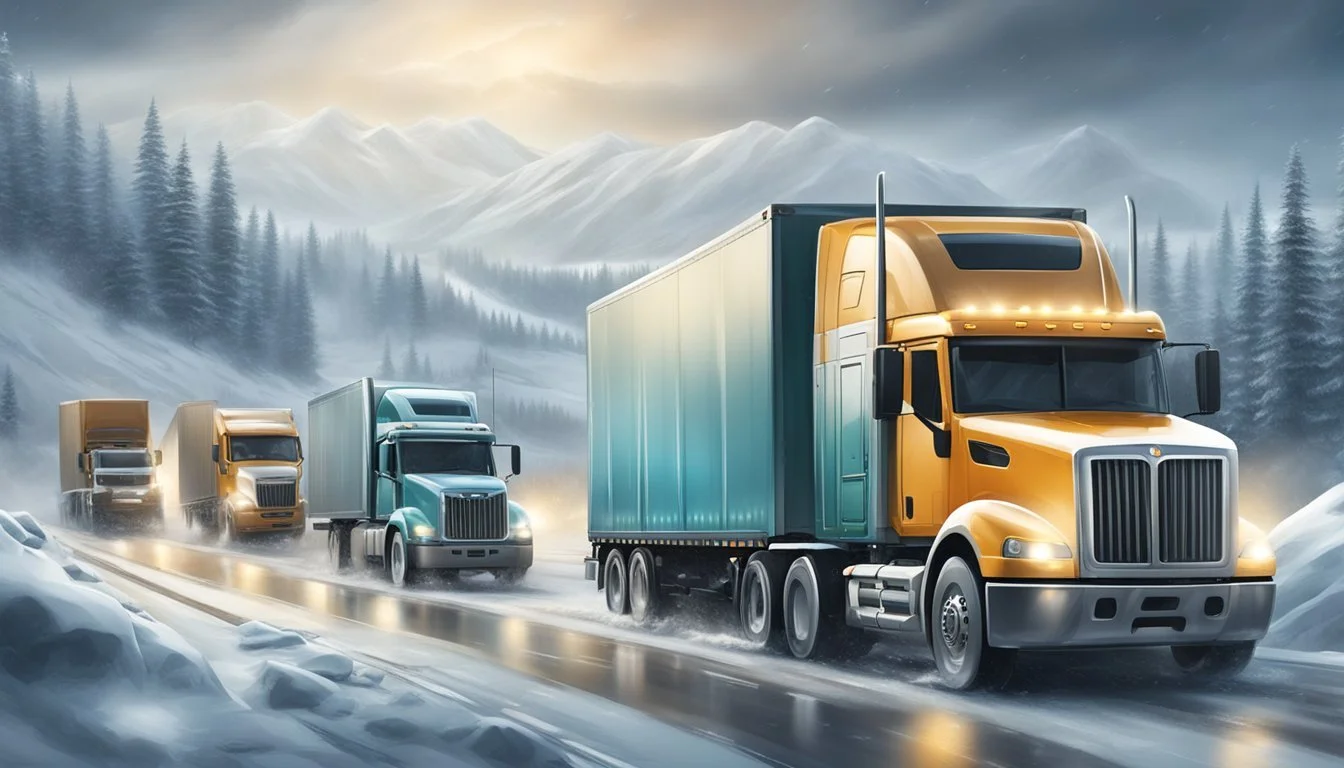
Resilience plays a critical role in shaping transport systems that must operate in extreme environments. Ongoing adaptation not only affects individual careers, but also sets new standards throughout transportation and logistics networks.
Resilience as a Driver of Industry Quality
A resilient workforce enables logistics operations to continue under severe weather, mechanical failures, or route disruptions. This consistent performance directly impacts service quality, reducing delays and losses even in harsh conditions like those faced on ice roads.
Companies that invest in building resilience among drivers and managers often see fewer accidents, higher driver retention, and improved delivery reliability. Continuous training, mental preparedness, and robust emergency protocols contribute to this effect. As a result, resilience becomes part of operational culture, helping transportation firms maintain reputation and customer trust, which are essential industry benchmarks.
The table below shows key areas where resilience enhances quality:
Area Impact of Resilience Safety Lower accident rates Delivery performance Fewer disruptions/delays Employee retention Greater job satisfaction
Inspiring the Next Generation of Truck Drivers
The stories of truck drivers persevering through adversity encourage new talent to enter the field. For many, seeing colleagues succeed despite challenges highlights the value of resilience in both personal growth and job stability.
Mentoring, sharing real experiences, and highlighting effective coping strategies become essential tools for recruitment and training. Veteran drivers who model this mindset can foster a sense of purpose and preparedness in newcomers, reducing turnover.
Industry media and educational programs increasingly spotlight resilience as a key professional skill. This focus not only helps attract new drivers but also supports a culture of continuous improvement throughout transportation and logistics.
