
The Economics and Challenges of Ice Road Trucking: Behind the Scenes of the Hit Series Ice Road Truckers
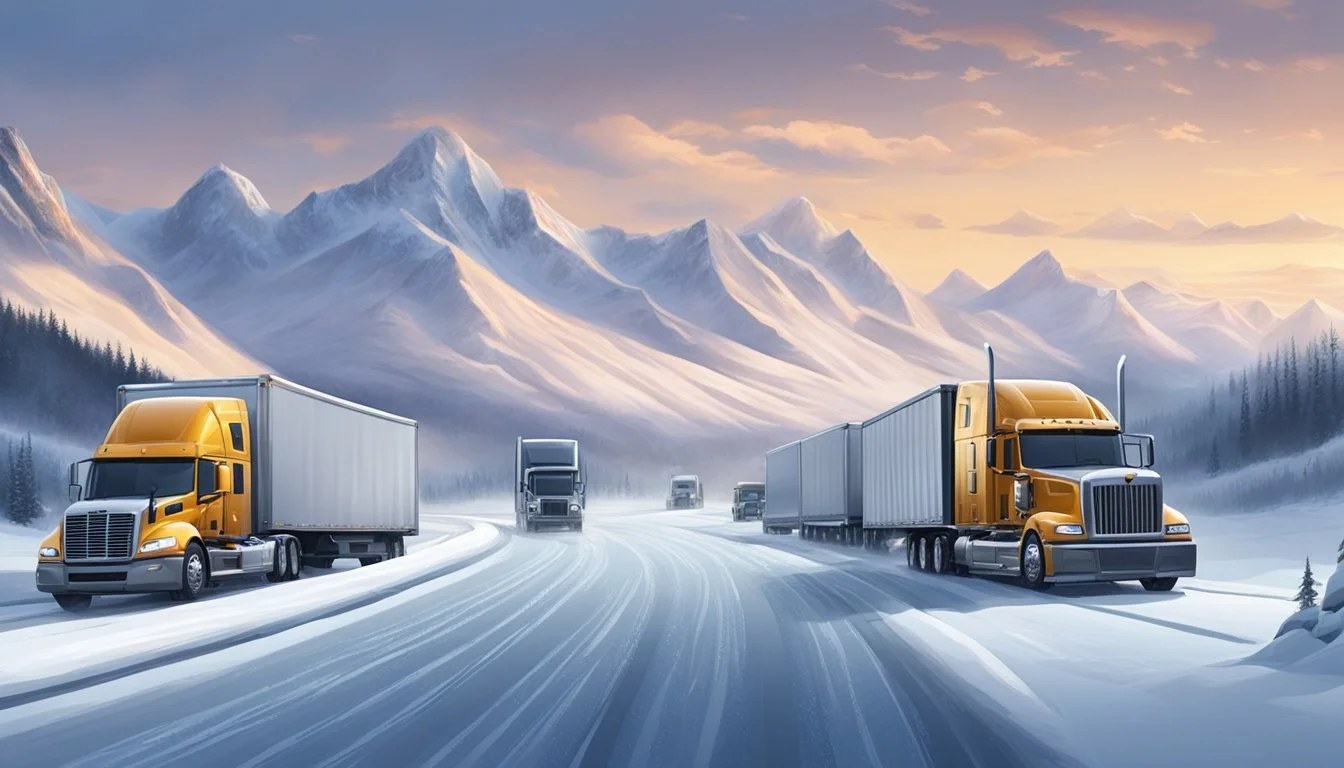
Ice road trucking is a high-stakes job that directly connects the extreme conditions of the Arctic with vital economic activity, playing a critical role in moving supplies and equipment to remote northern regions. Each winter, drivers tackle frozen highways that exist for only a few months, delivering goods to communities and industries that rely on these isolated routes to survive and function.
The economics behind ice road trucking involve significant risks and high rewards. Truckers face dangerous weather, limited time frames, and costly equipment maintenance, all of which influence the wages they earn and the fees charged for freight. These economic realities shape both the job market and the logistical planning for companies operating in harsh northern climates.
As drilling and development expand in regions like Alaska, the demand for skilled drivers increases, and so does competition for lucrative contracts. The stories featured in "Ice Road Truckers" provide insight into how these economic forces impact daily life, decision-making, and long-term trends in northern transportation.
Overview of Ice Road Trucking
Ice road trucking is a specialized sector that plays a vital role in supplying remote regions, especially across northern Canada and Alaska. It requires precise planning, unique skills, and addresses hazards uncommon in traditional trucking.
What Is Ice Road Trucking?
Ice road trucking involves driving heavy transport trucks across temporary routes made primarily of frozen lakes, rivers, and tundra. These routes, known as ice roads, exist only during the coldest winter months when ice thickness can support the significant weight of loaded vehicles.
Ice road truckers deliver fuel, food, construction materials, and essential equipment to isolated communities and mining sites. Without these deliveries, many locations would lack the supplies needed to operate for much of the year.
Trucking companies must carefully monitor temperatures and ice conditions to ensure safety. Strict weight limits, convoy rules, and speed controls are enforced, as these roads can be unstable.
Truckers operating on ice roads are often among the most experienced in the trucking industry. Their specialized skills are critical since making a mistake can result in accidents or loss of the cargo.
Unique Challenges of Ice Road Routes
The primary challenge of ice road trucking lies in the instability of the roadbeds. Ice, as a surface, can flex and crack under pressure, especially when temperatures fluctuate or when overloaded vehicles drive too fast.
Frequent whiteouts, long periods of darkness, and subzero temperatures are common, adding to the risks. The cold can cause mechanical issues, such as engine failures and frozen brakes.
Drivers must be prepared for sudden emergencies. If conditions deteriorate, rescue can be delayed due to the remoteness. Equipment checklists include insulated clothing, tire chains, emergency supplies, and satellite communication devices because radio signals are weak or nonexistent in many areas.
Truckers work long shifts but season length is short. Timely deliveries depend on precise coordination, making logistics complex and demanding.
History and Evolution of the Industry
Ice road trucking dates back to the mid-20th century, when northern resource extraction industries needed new ways to get supplies and equipment to inaccessible areas. Early routes were established by trial and error, with little formal engineering.
The increase in mining and oil exploration drove the growth of ice road trucking in Canada and Alaska. By the 1970s, companies began improving road designs and introducing better safety protocols.
Reality television shows like "Ice Road Truckers" have brought the industry public attention. These programs highlighted not only the dangers but also the professionalism and skills of the drivers.
Today, technological advances in weather monitoring, vehicle safety systems, and satellite navigation allow for more efficient operations, but the core risks and demands of the industry remain largely unchanged. Ice road trucking continues to be a critical part of supply chains for northern communities and industries.
Economic Importance of Ice Road Trucking
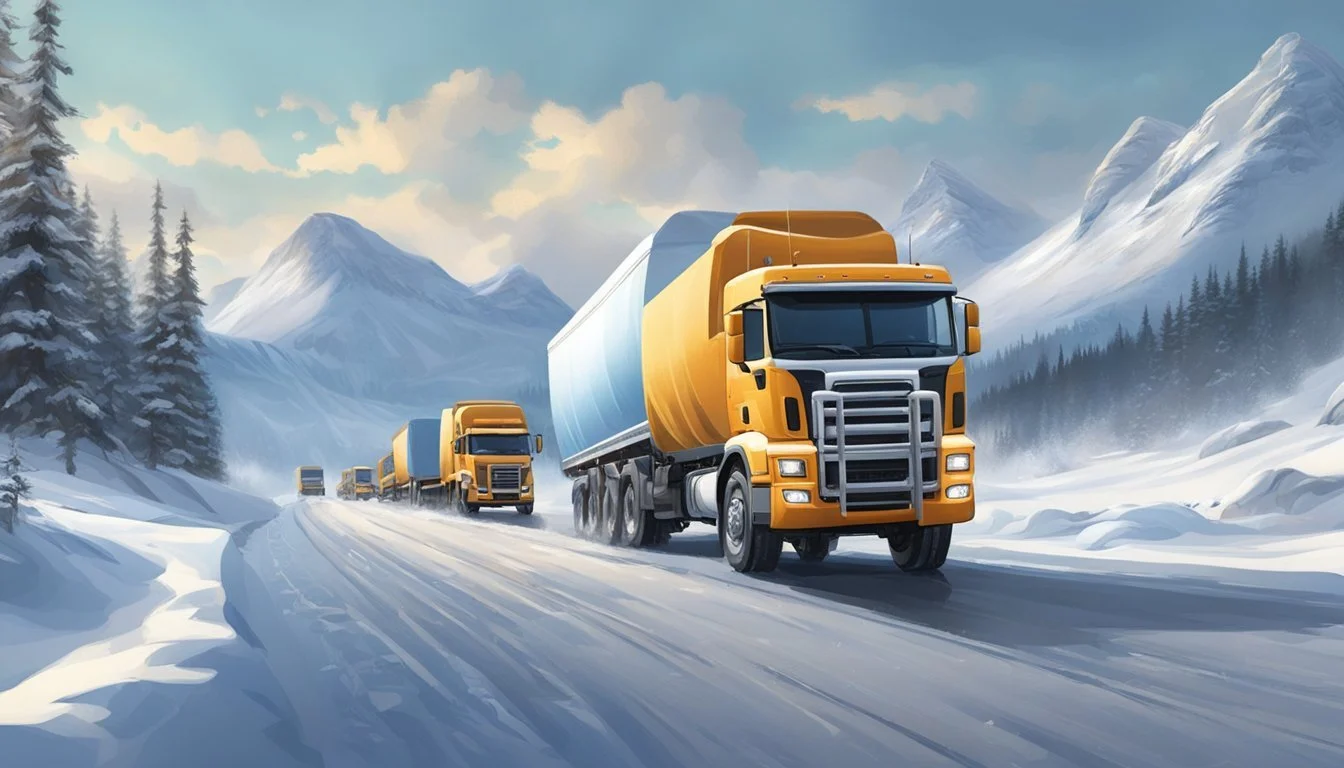
Ice road trucking is a central part of transportation in remote northern regions. It provides critical support for supply chains and has a direct effect on the economic activity of communities along these routes.
Role in Northern Supply Chains
Ice road trucking enables the movement of goods to isolated locations that lack permanent roads. Heavy equipment, building materials, fuel, and food are transported using ice roads during the short winter window when frozen surfaces can support the weight of large trucks.
Mining operations and energy development sites depend on regular ice road deliveries. Without these routes, costs for air transport would increase sharply, leading to higher prices and possible shortages for local industries and residents.
Key services provided by ice road trucking:
Delivery of industrial equipment and supplies
Resupply of northern stores and fuel stations
Removal of mined resources and waste materials
Its role is particularly vital in areas north of the 60th parallel. Here, the longer work shifts and intense demand shape the economics of northern supply and distribution networks.
Contribution to Local Economies
Ice road trucking produces significant seasonal job opportunities for both drivers and supportive industries like maintenance, logistics, and roadside services. Many drivers travel from other regions to participate in this lucrative but short-lived work cycle.
Northern communities benefit from increased spending on lodging, food, automotive parts, and fuel. Local governments may also receive tax revenue from business activity generated by the ice road season.
Businesses rely on timely deliveries to maintain inventory and continue operations. The presence of reliable winter roads allows for development of services, supports audience research for adapting businesses to local demands, and provides critical data for content measurement and logistical efficiency.
This seasonal industry helps keep remote towns viable, ensuring access to goods and supporting ongoing economic development.
Cost Factors Influencing Ice Road Trucking
Ice road trucking involves significant and unique costs because of the challenging environment and short operating season. Key expenditures include maintaining specialized vehicles, managing extreme seasonal risks, and ensuring fair driver compensation.
Vehicle Maintenance and Fuel Costs
Maintaining trucks for ice road routes requires constant inspections and repairs due to the harsh Arctic environment. Extreme cold accelerates wear on essential systems, such as engines, brakes, and tires, adding to maintenance frequency and expense. Parts can be difficult to source quickly because of remote locations, leading to higher logistics costs.
Fuel is another major expenditure. Trucks navigating ice roads use more diesel because of the increased need for engine idling (to prevent freezing) and the drag from snow and ice. Drivers must monitor engine performance and plan fueling stops carefully, as refueling locations are sparse.
A sample breakdown of typical monthly costs:
Cost Type Estimated Range (USD) Repairs/Maintenance $3,000–$5,000 Fuel $5,000–$8,000 Emergency Supplies $500–$1,200
Personal data, such as the route history of each vehicle and telematics from on-board systems, is tracked to optimize maintenance schedules and predict potential breakdowns.
Seasonal Risks and Insurance
Ice road trucking only operates for a short period, usually during the coldest months, which places significant pressure on both timing and safety. Drivers face dangers such as rapidly changing temperatures, sudden storms, and thinning ice, all of which can force route changes or halts in operation.
Insurance premiums are high due to the increased risk of accidents, vehicle loss, and cargo damage. Insurers use both historical data and real-time geolocation data from satellite or GPS tracking to set policy rates and identify high-risk segments.
Drivers and companies often purchase additional coverage for medical emergencies and environmental hazards, increasing the annual insurance burden. Annual premiums can surpass $10,000 per truck.
Labor and Compensation
Ice road truckers typically earn higher wages than drivers in milder conditions, reflecting the danger and demands of the job. Pay structures vary and may include per-trip or per-load bonuses, with top drivers earning $40,000 to $80,000 in a single season.
Extended hours, time away from home, and exposure to hazardous conditions factor into compensation packages. Employers also account for seasonal employment by offering retention bonuses or travel reimbursements.
Labor management involves careful handling of personal data, including background checks, driving records, and medical information, to ensure that only experienced operators are hired. Strict privacy controls must be in place to protect sensitive personal and geolocation data collected from employee devices and vehicles.
Revenue Streams and Business Models
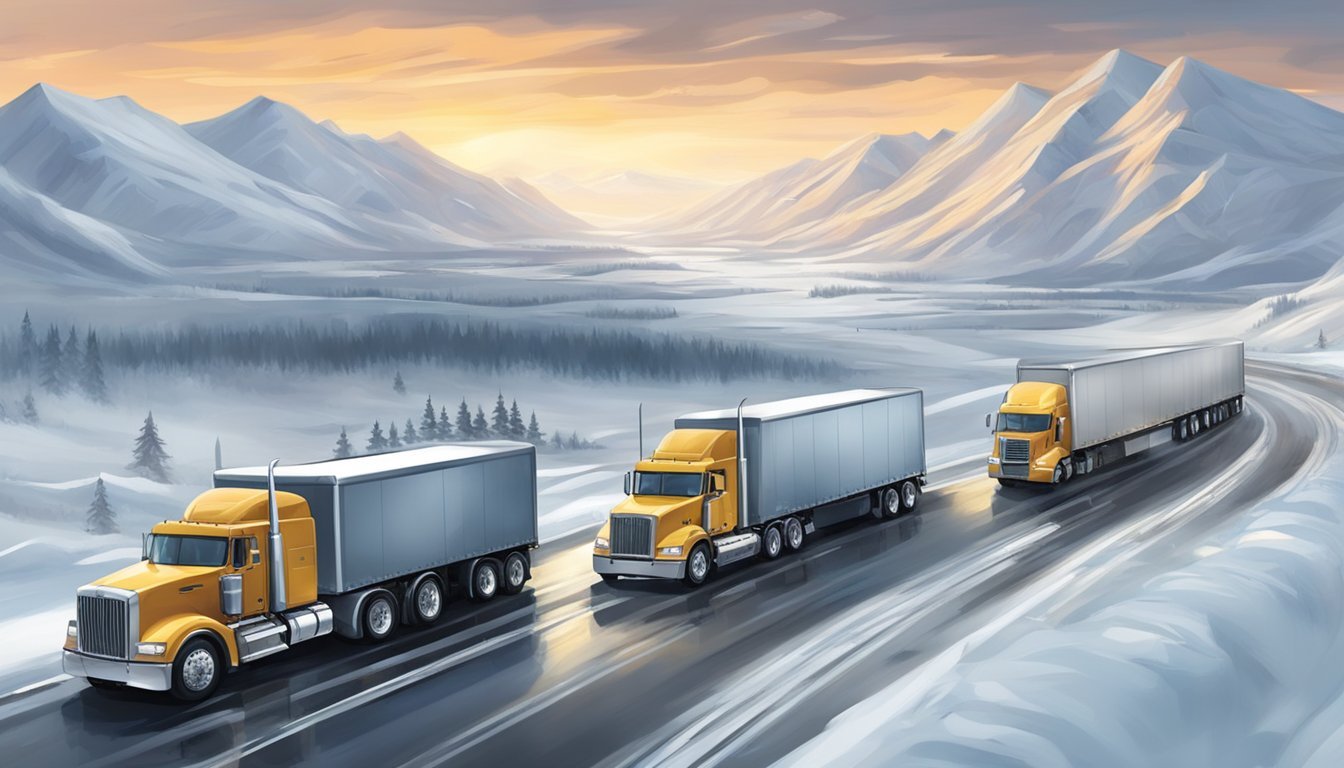
Ice road trucking generates income through a mix of freight rates, specialized contracts, and relationships with logistics companies. The structure of these revenue streams reflects the seasonal and high-risk nature of operations in remote, cold regions.
Freight Rates and Contracts
Ice road truckers earn much of their income by hauling goods over seasonal frozen routes, often being paid per load or by weight. Rates are significantly higher than standard trucking to compensate for hazardous conditions and the time-sensitive nature of deliveries.
Some drivers report earning nearly double compared to conventional routes, especially when transporting fuel, heavy equipment, or building materials to remote Arctic communities. Contracts may be short-term for a single season or long-term for repeated runs, and often include incentives for early or successful deliveries.
Trucking companies frequently negotiate with shippers and logistics providers. Typical contract structures might look like this:
Delivery Type Rate Basis Risk & Weather Clauses Bulk Fuel By Weight Yes Food & Groceries Per Load Often Construction Goods Per Load/Trip Yes
Drivers often face taxes and fees that can reduce gross pay by up to 50-60%. Expenses such as insurance and vehicle maintenance also cut into net earnings.
Partnerships with Logistics Companies
Many ice road truckers work in collaboration with larger logistics firms. These partnerships give drivers access to a steady flow of shipments and administrative support for permits, route planning, and insurance management.
Firms such as those contracted by mining operations or indigenous communities often act as intermediaries, matching freight needs with available drivers. In some agreements, truckers are classified as independent contractors, while in others they may be hired on seasonal contracts.
These business relationships can sometimes involve revenue sharing or bonus structures based on delivery performance. For example, truckers may receive higher rates during extreme weather, or for delivering high-priority cargo on time.
Major logistics platforms, occasionally including those connected via digital marketplaces like Yahoo or other online freight boards, help streamline route assignments. This reduces the time drivers spend searching for profitable trips and keeps trucks moving during the limited winter road season.
Regulations and Safety Measures
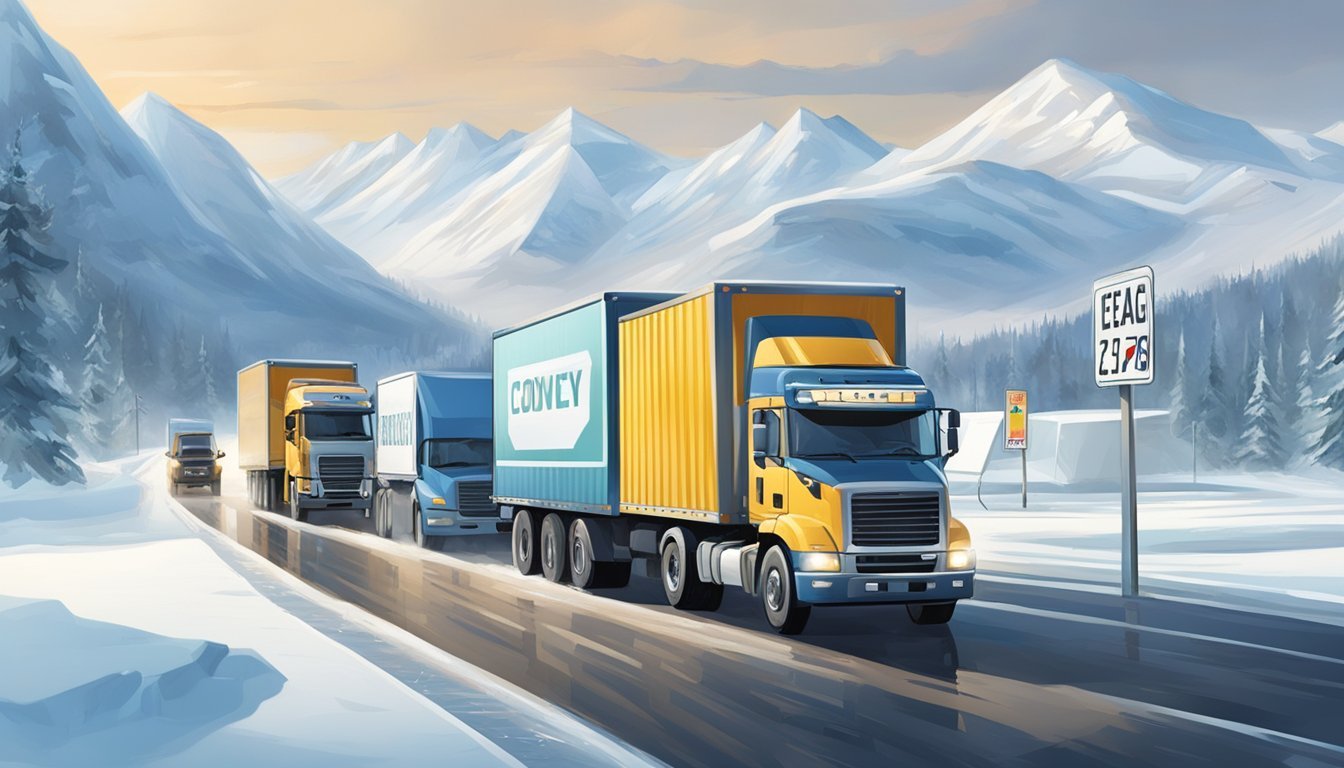
Effective regulation and robust safety protocols are essential for the ice road trucking industry. These systems not only address accident risks but also maintain the viability of seasonal routes critical for many northern communities.
Governing Bodies and Compliance
Ice road trucking is subject to both federal and local regulations, depending on the location and jurisdiction. In Canada, Transport Canada oversees road safety, while provinces and territories set specific laws for vehicle weight limits, driver hours, and hazardous materials. In Alaska and other U.S. regions, the Federal Motor Carrier Safety Administration (FMCSA) enforces similar standards.
Truckers must comply with regulations regarding vehicle inspections, maintenance, and cargo documentation. Regular compliance audits are common. Authorities may perform random spot checks along ice roads to verify licensing and safety certifications. Non-compliance can lead to fines or suspension of operating privileges.
Environmental protection rules are also in place. Ice road permits often include bounds on the period of usage, limits on load size, and protocols for preventing fuel or chemical spills onto frozen waterways.
Highway Safety Practices
Safety practices on ice roads focus on minimizing incidents due to the challenging environment. Drivers receive specialized training on winter driving, emergency protocols, and the recognition of unsafe ice thickness. Weather conditions are monitored closely, with real-time advisories delivered by dispatchers when risks are flagged.
Speed and weight restrictions are strictly enforced. For example, trucks usually travel in convoys with careful spacing to distribute load and reduce stress on the ice surface. Tire management is emphasized, including the use of tire chains or low-pressure tires to enhance grip and limit damage.
Communication systems, including CB radios and GPS, are mandatory for coordination and emergency response. Emergency equipment—such as satellite phones, survival kits, and flotation devices—are standard issue for most long-haul drivers. This layered approach reduces hazards and supports safe delivery across remote, icy terrain.
Technology and Data in Ice Road Trucking
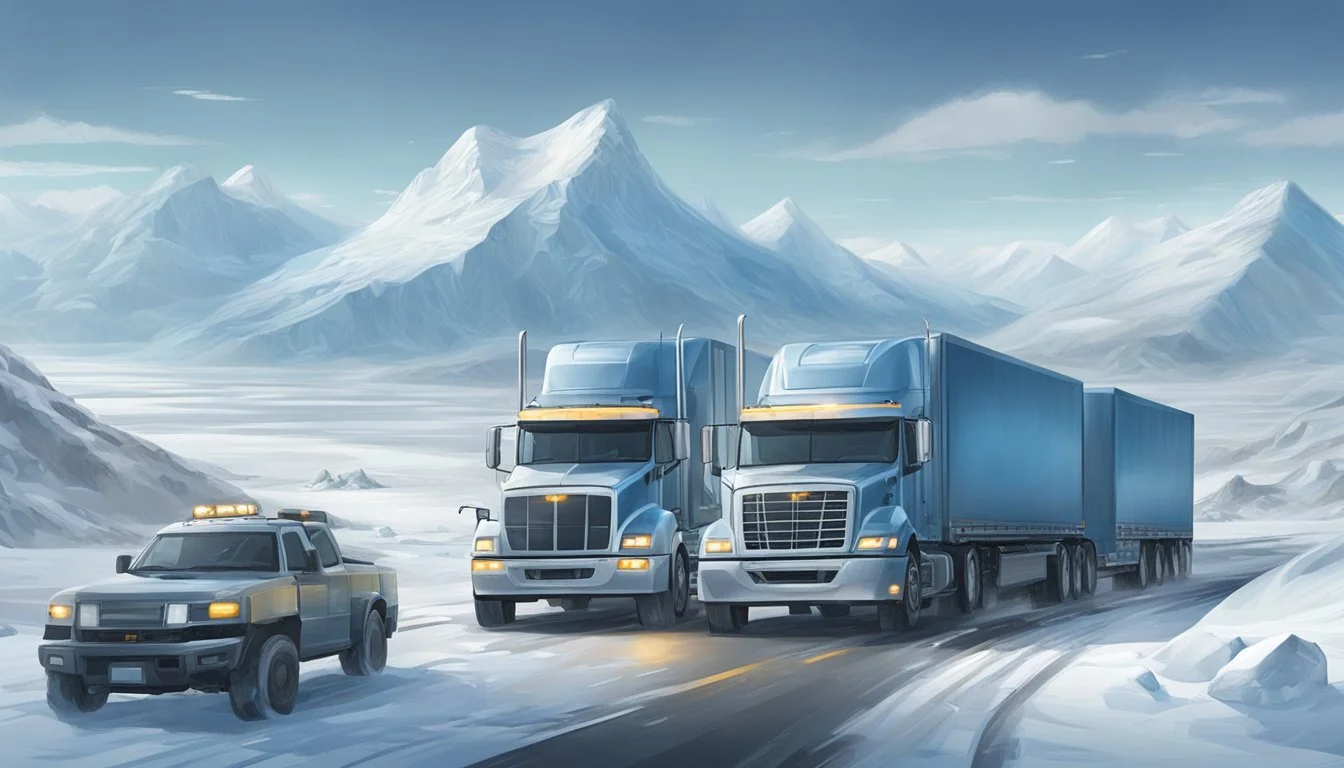
Modern ice road trucking relies on a blend of technology and data management. Accurate geolocation and strong privacy measures help ensure both efficiency and safety during extreme winter operations.
Use of Geolocation and Tracking
Ice road trucks operate in remote and hazardous environments, making precise geolocation essential. GPS systems track vehicle location, speed, and route in real-time, providing dispatchers and fleet operators with constant updates.
Tracking helps drivers avoid hazardous ice weak spots or open water by using up-to-date route data. Many companies install additional monitoring that records event data such as sudden stops or rapid decelerations.
Typical tracking data includes:
Truck location coordinates
Speed and direction
Stop and idle times
This data improves operational logistics and compliance with hours-of-service policies. It can highlight unsafe driving patterns and optimize delivery schedules.
Data Privacy and Security
The use of geolocation and tracking generates sensitive information, including location history and sometimes IP addresses used during system logins. Companies must implement robust data privacy practices to protect driver and fleet information.
To prevent spam and unauthorized access, strict authentication and monitoring systems are used. Many adhere to a cookie policy, ensuring that only necessary and consented data is collected during system interactions.
Search data related to route planning or weather is often anonymized. Security protocols, such as encrypted transmission and restricted data access, reduce the risk of information leaks or misuse. Protecting data confidentiality is a critical part of responsible technology use in this sector.
Privacy, Consent, and User Data
Effective management of privacy, consent, and user data is essential in the operation of technology and telematics systems used in ice road trucking. Drivers and fleet operators handle sensitive information that must be protected and processed according to legal standards.
Collecting and Handling Personal Data
Ice road trucking relies on GPS tracking, onboard diagnostics, and electronic logging devices to monitor driver performance and vehicle status. These systems often collect personal data such as location, driving behaviors, and identification details.
Collected data is stored in secure databases managed by fleet operators or third-party service providers. Access controls, such as authentication and encryption, are used to prevent unauthorized access.
Data retention policies are established to determine how long personal data is stored and when it must be deleted. Routine audits and security reviews ensure compliance with privacy laws relevant to each region where trucking operations occur.
User Consent and Privacy Policies
Obtaining user consent is a legal requirement before recording or processing an individual’s personal information. Truck drivers are typically informed about data collection practices through privacy policies available at onboarding.
Consent is often given through signed agreements, digital acknowledgment, or opt-in checkboxes in fleet management platforms. Policies outline what information is collected, why it is collected, and how it will be used and shared.
Clear documentation and transparency help build trust between employers and drivers. If a driver withdraws consent, companies must respond promptly and adjust data processing activities to reflect the request.
Managing Privacy Settings
Many fleet platforms and devices allow users to review and adjust their privacy settings. This may include options for disabling location sharing during off-duty hours or restricting access to certain data types.
Administrators can set role-based permissions, ensuring that only authorized personnel view sensitive information. Regular reviews of account access logs and privacy configurations further protect personal data.
Authentication measures such as passwords, two-factor authentication, and time-limited sessions add an extra layer of security. Effective management of privacy settings helps balance operational efficiency with the individual rights of drivers.
Advertising and Monetization Opportunities
Ice road trucking and related content offer unique avenues for advertising, fueled by engaged niche audiences and robust data insights. Channels like reality TV and online platforms benefit from new advertising technologies and improved measurement tools.
Personalised Advertising in Trucking
Personalised advertising allows companies to tailor messages based on truckers' interests and routines. For example, GPS and telematics data from fleet management systems can inform advertisers about truckers’ routes and delivery schedules. This data makes it easier to share well-timed, relevant ads, such as promotions for roadside diners, fuel stations, or trucking equipment dealers.
Key factors for effective personalised advertising:
Location targeting: Ads for local services appear when truckers approach specific regions.
Time targeting: Promotions shown during stops or rest periods increase engagement.
Interest analysis: Using browsing habits or watched content helps serve ads that match specific trucking-related interests.
These targeted strategies result in more meaningful ad experiences and greater value for advertisers.
Content Measurement and Audience Targeting
Content measurement involves analyzing viewer behavior to determine which aspects of ice road trucking attract attention. TV networks and streaming platforms use analytics tools to track episode performance, viewer demographics, and engagement rates. Data from sources like Parrot Analytics shows audience demand for Ice Road Truckers is significantly above average, emphasizing strong market interest.
Methods used for audience research and targeting include:
Viewership analytics: Monitoring who watches, when, and for how long.
Demographic breakdowns: Identifying specific segments—such as age, location, or profession—most interested in ice road trucking.
Engagement tracking: Measuring social media mentions, shares, and online discussions.
With accurate measurement, networks and brands fine-tune their content and advertising, ensuring they reach the most receptive audiences.
Future Trends and Developments in Ice Road Trucking
Growing environmental concerns and rapid advancements in transportation technology are altering the landscape of ice road trucking. New regulatory standards and shifts in infrastructure planning are emerging as key influences on the industry's ongoing viability and service development.
Sustainability and Environmental Considerations
The reliability of ice roads is directly tied to the effects of climate change, as warming temperatures shorten the operational season and weaken ice stability. Regulatory bodies are enforcing stricter guidelines to mitigate environmental damage, prompting companies to rethink their operational models.
Reduced seasons mean higher costs for maintaining and building new roads, and unpredictable thaw cycles require contingency planning. Companies are also investigating alternative transport routes and eco-friendly equipment to minimize their impact.
Efforts include decreased fuel consumption, emissions tracking, and investments in new insulation materials for loads that help protect the underlying ice. These approaches may raise short-term expenses but are necessary for long-term sustainability and regulatory compliance.
Innovations Impacting the Industry
Technological advancements are changing both the equipment used and the logistics behind ice road trucking. The introduction of telematics systems enables real-time route monitoring and helps optimize vehicle performance, reducing accidents and downtime.
Electric and hybrid trucks are in development, aiming to reduce both emissions and fuel dependency during the limited ice road season. Companies are experimenting with lightweight, more insulated trailers to prevent road damage and extend usable periods.
Service development is also visible in the use of advanced weather prediction tools and data analytics to plan routes more efficiently. These innovations support cost savings, improve safety, and help companies adapt to variable ice thickness and structural changes in the environment.
Conclusion
The economics of ice road trucking reveal a balance between risk and reward. While drivers face hazardous conditions and unpredictable weather, the financial compensation often reflects these dangers. Higher pay rates, sometimes up to double that of standard long-haul trucking, attract experienced drivers to these routes.
Key economic factors include:
Season Length: Truckers earn most of their annual income in just a few winter months.
Cargo Demand: Essential supplies for remote communities create stable demand.
Cost Factors: Vehicle maintenance, insurance, and fuel expenses are significantly higher.
Factor Economic Impact High Risk Elevated compensation Short Season Income is condensed Equipment Wear Higher maintenance Insurance Rates Increased premiums
Despite the tough environment, the logistical needs of northern industries and communities keep ice road trucking viable. Economic and logistical benefits clearly play a decisive role in maintaining this unique transport sector.
Reality TV shows like "Ice Road Truckers" have brought greater awareness to these challenges. However, the core economics remain grounded in the high demands, short seasons, and the critical importance of each delivery.
