
The Emotional Impact of Ice Road Truckers: How the Series Connects with Viewers Through Survival and Resilience
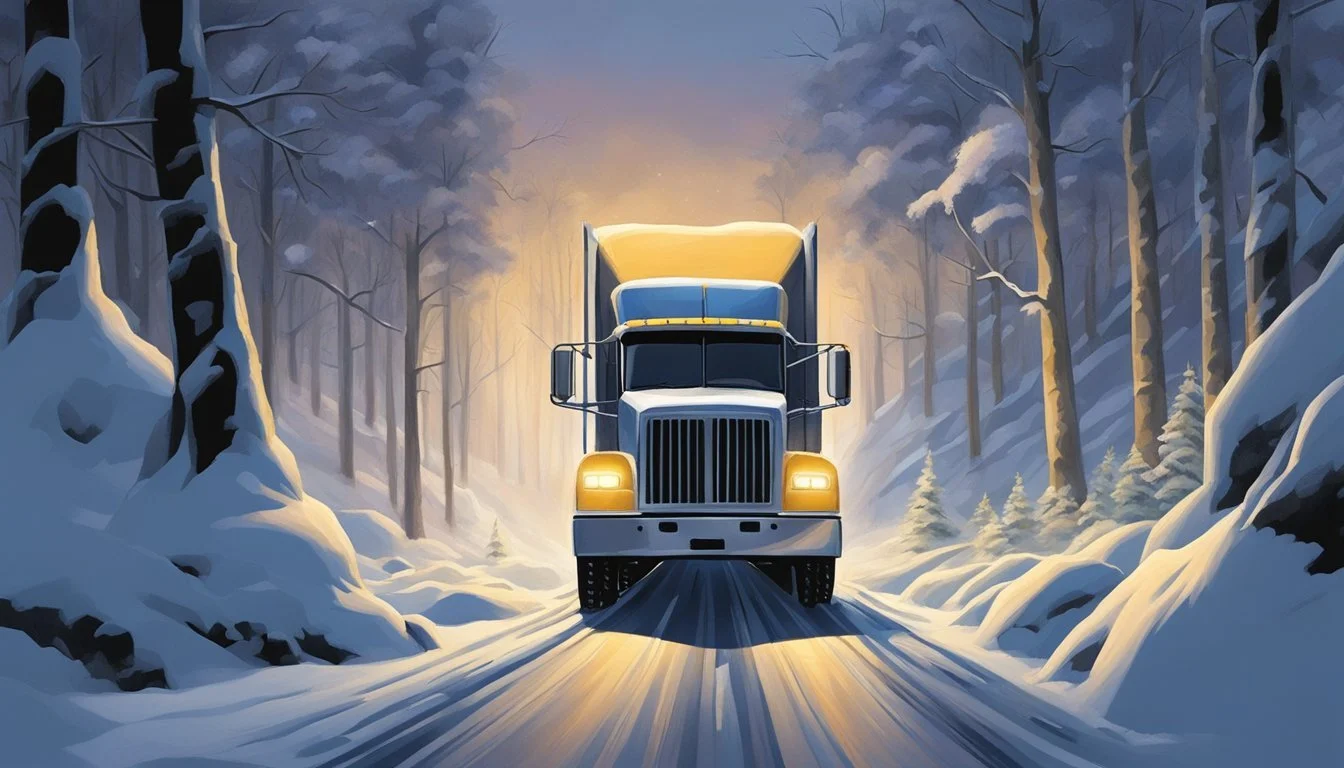
The emotional impact of "Ice Road Truckers" on viewers is rooted in its raw depiction of survival, risk, and determination. The series draws audiences into the harsh realities faced by truck drivers navigating dangerous frozen terrain, highlighting not just the physical danger but also the stress and resilience required for the job.
Viewers are often left with a sense of respect for the drivers, witnessing both the camaraderie and occasional conflicts that come with the job. Moments of tension, personal sacrifice, and the constant threat of disaster make the emotional stakes clear and relatable.
Beyond the action, the show offers a glimpse into the personal lives of the drivers, showing how their work affects families and personal well-being. This connection to real-world challenges keeps audiences engaged and may encourage reflection on themes of courage, hardship, and perseverance.
Understanding the Emotional Resonance of Ice Road Truckers
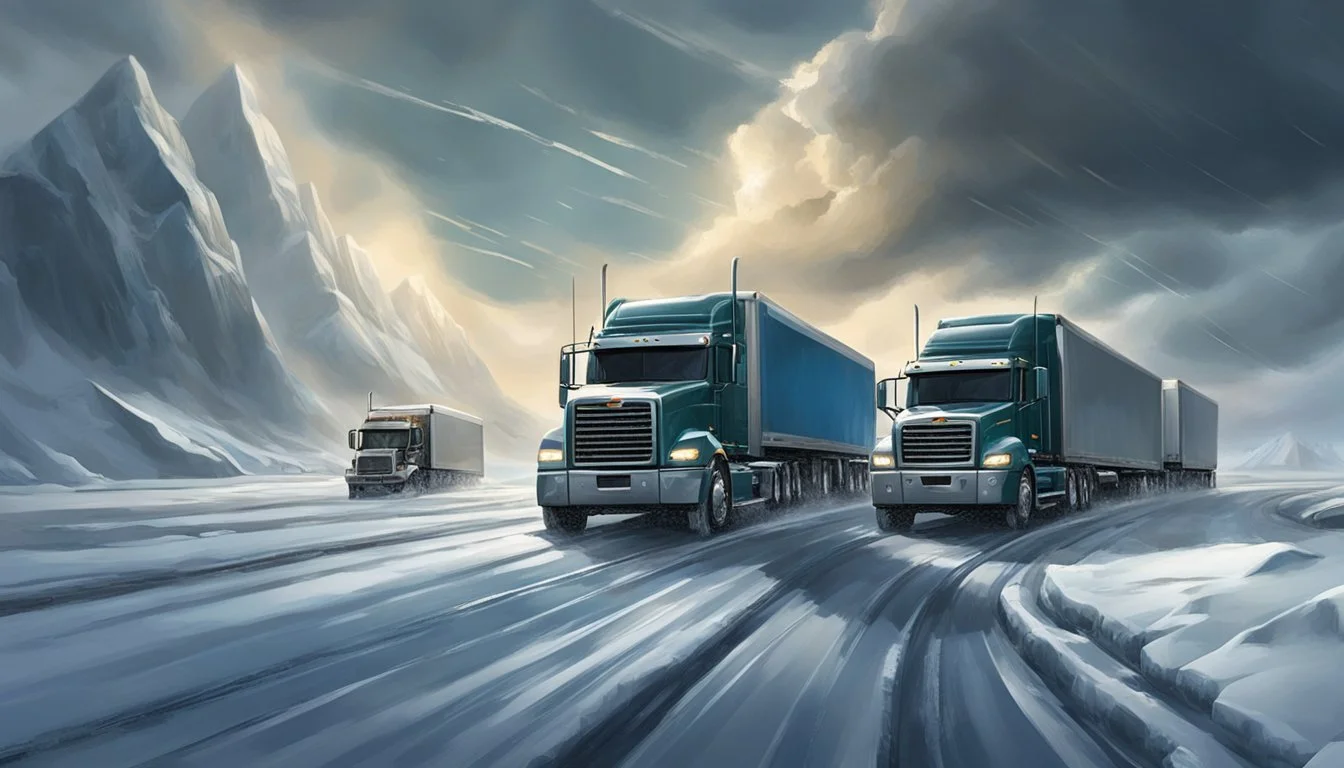
Ice Road Truckers draws viewers in through compelling storytelling, high-stakes work, and the personal moments shared on screen. Its portrayal of real challenges and emotions on the ice appeals to a wide audience and shapes strong emotional connections.
Empathy and Emotional Investment
Viewers often feel a deep sense of empathy for the truckers facing dangerous ice roads. The show puts a spotlight on the risks and hardships endured, giving audiences a window into lives marked by uncertainty and determination.
Personal stories, such as Lisa Kelly’s journey through the frigid Alaskan landscape, foster emotional investment. Audiences witness the vulnerability, camaraderie, and perseverance of the drivers, making their struggles and victories feel immediate and real.
The show’s editing and focus on genuine reactions—moments of fear, relief, and personal reflection—amplify empathy. These choices drive viewers to not only watch, but also emotionally invest in the outcome of each journey.
Emotional Themes in Reality TV
Reality TV thrives on authentic moments and emotional storytelling. Ice Road Truckers integrates universal emotional themes such as risk, determination, and overcoming adversity, which resonate strongly with viewers.
The genre relies on narrative techniques that highlight transformation and challenge. Scenes of adversity, emotional highs and lows, and candid personal interviews help humanize the drivers beyond their profession.
Emotional resonance in Ice Road Truckers is strengthened by the high-stress environment and visible consequences of each decision. This approach aligns with common reality TV practices but is intensified through the extreme conditions of the ice roads.
Family Dynamics and Personal Struggles
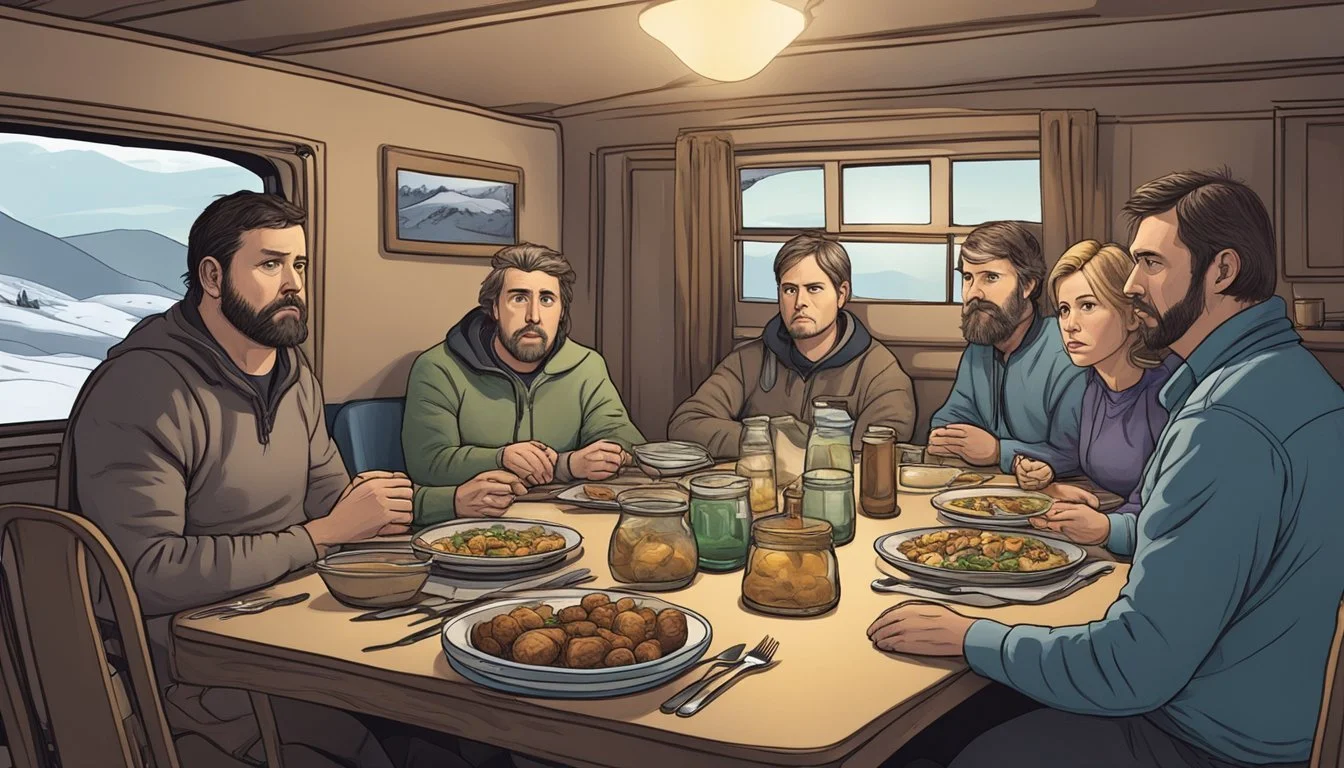
Long stretches away from home test the strength and adaptability of ice road truckers and their families. These challenges are highlighted both through on-screen portrayals and through candid sharing of the truckers’ lived experiences.
Portrayal of Family Relationships
Ice Road Truckers frequently illustrates the tension between work demands and family bonds. For truckers like Lisa Kelly and Alex Debogorski, their commitments require extended absences, which puts stress on marriages and parental roles. Family members often must act as emotional anchors, offering encouragement by phone or video chat during high-risk jobs.
The show documents both ordinary and holiday moments missed while truckers are on the road. Spouses like Deanna, Alex’s wife, are depicted managing household responsibilities and supporting children largely alone. The series uses these scenes to emphasize the truckers' reliance on understanding partners, presenting family relationships as both a source of grounding and emotional struggle.
Viewers see family celebrations, milestones, and even setbacks unfold in the truckers' absence through video logs and brief reunions. These moments reinforce the reality that community and family support are necessary elements of life in ice road trucking.
Emotional Toll on Truckers’ Loved Ones
Family anxiety is a persistent theme highlighted on the show. Loved ones often wait for updates on the truckers’ safety as they tackle dangerous conditions and mechanical breakdowns far from home. The uncertainty of travel on treacherous ice roads can cause significant distress, which is subtly conveyed through interviews and home footage.
Spouses and children are shown balancing worry with resilience. Deanna sometimes voices concern for Alex, especially during extreme weather or when road conditions deteriorate. The emotional strain is also seen in truckers’ attempts to reassure their families, often using brief check-ins during layovers.
Truckers’ community ties also play a role in alleviating constant stress. Neighbors and friends occasionally provide support or company for those waiting at home, emphasizing how the broader community helps families cope with the demands of ice road life.
Community and Brotherhood Among Truckers
A strong network of relationships forms the backbone of the ice road trucking experience. It is shaped by the shared challenges and responsibilities faced by truckers navigating dangerous conditions in remote environments.
Support Systems on the Ice Roads
Truckers on ice roads rely heavily on each other for safety and efficiency. Their work environment features extreme cold, isolation, and unstable terrain, making collaboration not just helpful but necessary.
Communication is constant, often through CB radios and scheduled check-ins. When trucks get stuck or mechanical problems occur, assistance from fellow drivers is common. This day-to-day teamwork fosters mutual trust.
Seasoned drivers often step into the role of mentor or middleman. For example, figures like Drew may help newcomers navigate the unspoken rules of the job and connect with vendor contacts. Informal but vital support structures emerge through shared meals, advice, and troubleshooting.
Impact on Viewers’ Perception of Community
For viewers, witnessing these authentic relationships shapes the perception of community among truckers. The show demonstrates that, while competition exists, cooperation is valued and respected above all.
Audience members see firsthand how brotherhood and solidarity help truckers overcome the perils of the job. These depictions challenge certain stereotypes—like the notion of solitary or reckless drivers—and replace them with images of responsible teamwork.
The repeated display of practical support, whether rescuing a stranded colleague or celebrating each other's successes, leaves a lasting emotional impression. Many find themselves appreciating the unique bonds that form in high-risk occupations, and the meaningful sense of belonging built on shared experience.
High-Stakes Storytelling and Personal Risk

High-stakes storytelling on Ice Road Truckers illustrates the constant threats of working in the arctic region. Drivers face both physical dangers and emotional strain as they navigate these hazardous environments.
Life-Threatening Challenges
Ice road truckers regularly contend with fast-changing conditions in the arctic region, including severe cold, whiteout blizzards, and roads made only of frozen water. The height of their trucks and loads adds complexity when wind or ice causes instability.
Drivers must trust their vehicle's security systems, but no technology entirely erases risk. A sudden crack in the ice can lead to rapid vehicle loss or serious injury. Typical dangers include:
Thin ice sections
Mechanical breakdowns far from help
Extreme fatigue due to irregular schedules
Every journey is a calculated risk. Emergency response times are slow, so drivers rely heavily on training and quick thinking to survive.
Psychological Impact of Danger
The emotional demands on drivers are significant. Continuous exposure to hazardous environments leads to anxiety and cumulative stress. The uncertainty of each trip, combined with isolation in the arctic, magnifies these effects.
Truckers experience mental fatigue, especially when responsible for high-value or time-sensitive deliveries. Many feel pressure to maintain strict schedules despite worsening conditions, intensifying psychological strain.
Some develop coping strategies, such as rigorous safety routines or radio communication with other drivers for a sense of security. Viewers see the toll this takes, empathizing with their struggles and recognizing their resilience in the face of ongoing danger.
Character-Driven Narratives and Viewer Connection
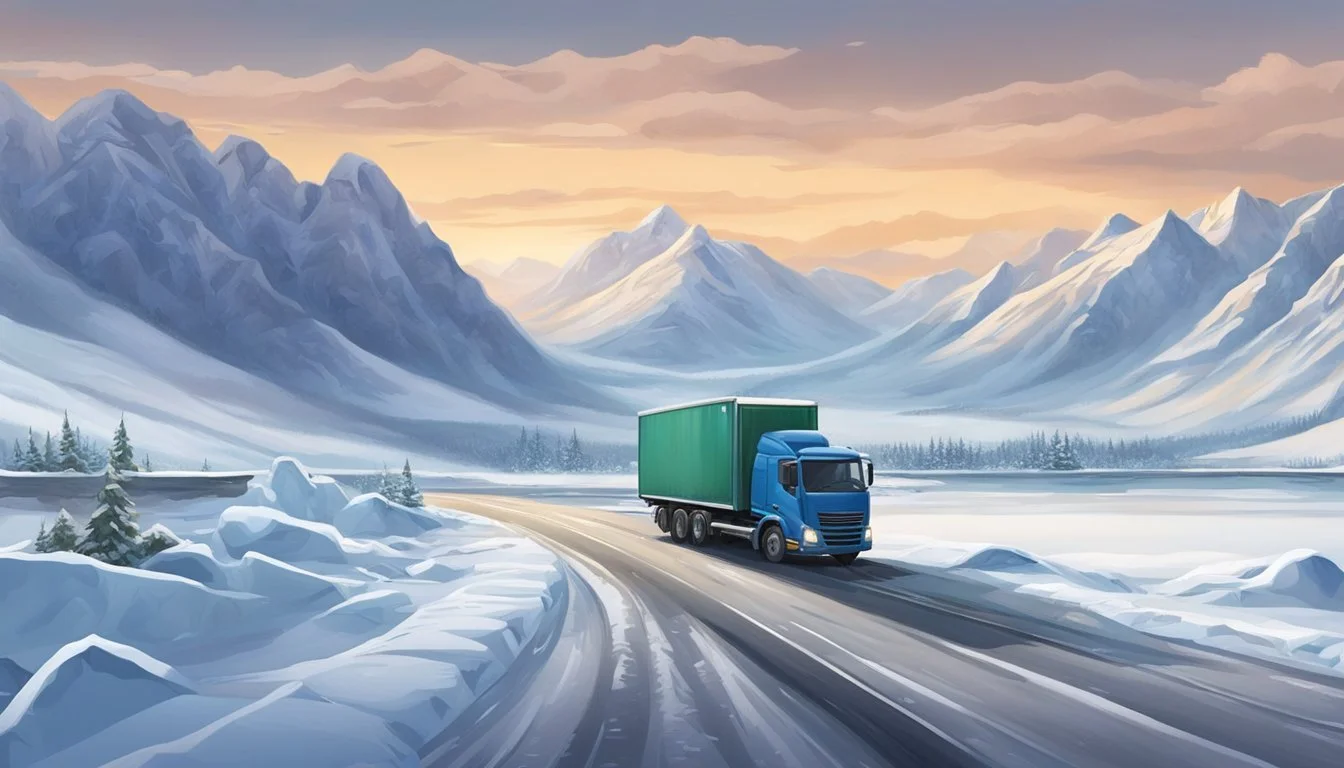
Personal stories and distinctive personalities give Ice Road Truckers its emotional depth. The show uses real-life challenges and relationships to foster genuine viewer engagement and empathy.
Notable Personalities: Rick and Others
Rick, a recurring driver known for his resilience and candor, became a point of connection for viewers. His struggles on the ice and honest discussions about the job's dangers highlighted the realities of trucking in hostile environments.
Other truckers, such as Lisa Kelly, brought visibility to underrepresented groups and expanded the show’s appeal. Their on-screen dynamics, ranging from teamwork to rivalry, drove the narrative forward. Key moments—like vehicle breakdowns or critical decisions under pressure—kept stakes personal and relatable.
The way these drivers handled stress and adversity helped humanize the profession. Viewers were able to see not only the skill required but the emotional toll the work could take.
Representation of Trucking Culture
Ice Road Truckers put trucking culture, especially in places like Detroit and the far North, at the forefront. The show illustrated daily routines, technical skills, and industry values with clarity and respect.
Challenges such as harsh weather, equipment failures, and delivery deadlines were shown in detail. This representation emphasized the importance of safety practices and teamwork among drivers.
Cultural aspects, including camaraderie in truck stops and practical jokes between drivers, provided insight into the social bonds formed on the road. Truckers' stories shed light on a often-overlooked community and offered viewers a better understanding of what it means to work in this demanding industry.
Influence of Broadcasting Networks and Reality TV Trends
Broadcasting networks play a significant role in shaping reality TV programming and how audiences perceive the content. Viewing patterns, expectations, and even emotional reactions are often influenced by the network's brand, production choices, and broader trends in reality television.
Role of History Channel and Other Networks
The History Channel’s Ice Road Truckers is presented with a documentary-style format, focusing on real-world danger, skill, and logistics. Its approach emphasizes authenticity and emphasizes the technical and human challenges drivers face in hazardous conditions.
Other networks like TLC and Bravo tend to offer reality content centered on personal lives, social drama, and transformation—examples include Flipping Out and Tori and Dean: Home Sweet Hollywood. Audiences who seek adrenaline and high-stakes events are likely drawn more to the History Channel’s programming, while those interested in interpersonal drama may migrate to TLC or Bravo’s reality lineup.
Network branding affects not just genre and format but shapes the emotional connection viewers develop. Shows like A Shot at Love 2 or Hell’s Kitchen on other networks encourage competitive or romantic investment, while the tension on Ice Road Truckers often arises from life-or-death scenarios and teamwork against the elements.
Comparison to Other Reality TV Shows
Unlike America’s Got Talent and cooking competitions such as Hell’s Kitchen, which rely on talent discovery or contest-driven drama, Ice Road Truckers highlights occupational hazards, teamwork, and perseverance. The emotional impact comes from suspense, empathy for the truckers, and respect for their skills rather than spectacle or conflict.
Bravo and TLC programs such as Flipping Out or Tori and Dean: Home Sweet Hollywood focus more closely on personal relationships and domestic life, influencing viewers to become invested in cast dynamics or lifestyle aspirations. In contrast, Ice Road Truckers draws out themes of survival, grit, and the harsh realities of extreme work.
This difference in focus and emotional draw is partly a result of broader trends in reality TV. While many shows encourage viewers to examine or judge the personalities and choices of participants, Ice Road Truckers presents a unique environment where the emotional response is tied to adventure and circumstance, shaped by the broadcasting network’s priorities.
Behind the Scenes: Safety, Security, and Trucking Industry Insights
Strict standards govern entry into ice road trucking. Trucking companies carry out extensive measures to ensure every driver meets specific criteria and can handle the challenges ahead.
Background Checks and Preparation
Background checks are essential in the ice road trucking industry. Companies screen drivers for criminal history, driving records, and previous work experience. This screening helps ensure that only responsible and trustworthy individuals operate heavy vehicles on hazardous roads.
Preparation goes beyond paperwork. Drivers undergo rigorous training in vehicle handling, navigation, and emergency protocols. Many companies require certification in first aid and defensive driving to better manage the dangers of ice and weather.
Knowledge of meteorology is valuable, allowing drivers to respond quickly to changing ice conditions. Training often includes simulated ice emergencies. This attention to detail helps minimize the risk of accidents and increases team safety.
The Role of Trucking Companies
Trucking companies play a central role in enforcing industry regulations and maintaining safety standards. They invest in technology to monitor vehicle locations, cargo, and driver performance. Satellite tracking and communication systems enable quick responses in emergencies.
Security protocols are in place to prevent theft and protect valuable cargo. Companies often employ secure parking and limit access to operations areas. Each load is tracked and documented from origin to destination.
Support networks are established for drivers on the road. Dispatch centers, regular check-ins, and on-call emergency teams provide assistance. Through these efforts, companies contribute to both driver safety and overall public security.
Cultural and Social Impact on Viewers
Ice Road Truckers has played a significant role in influencing how audiences view truck drivers and the broader trucking community. The series highlights the unique challenges and emotional pressures faced by truckers in extreme environments.
Shaping Public Perception of Truckers
The show presents truckers as resilient professionals who undertake dangerous and essential work. Viewers witness real-life situations that illustrate the skills, determination, and responsibility required in ice road trucking.
By documenting the lives of individuals like Lisa Kelly, the show introduces a more human and relatable aspect to the profession. It highlights the teamwork and camaraderie within the trucking community, offering viewers a glimpse into close-knit relationships and cooperation.
Key aspects portrayed include:
The emotional weight of operating in isolation
The pride taken in delivering critical supplies
The constant balancing of risk and duty
These depictions contribute to a greater respect for truckers among viewers, challenging stereotypes and promoting appreciation for their role in society.
Long-Term Effects on Audience Attitudes
Repeated exposure to the emotional journeys of truckers can alter viewer attitudes over time. Audience members may develop a deeper empathy for the daily hardships faced by drivers and their families.
The series uses direct storytelling to foster emotional connections. Viewers often express stronger support for the trucking industry and become more conscious of the challenges related to road safety, weather, and long-distance hauling.
This impact extends into cultural conversations, as some viewers engage in discussions about the importance of truckers to isolated communities. The portrayal of real struggles and triumphs makes the emotional experiences of truckers more accessible and memorable to a broad audience.
