
The Engineering and Science Behind Ice Road Truckers: How Ice Roads Safely Support Heavy Loads
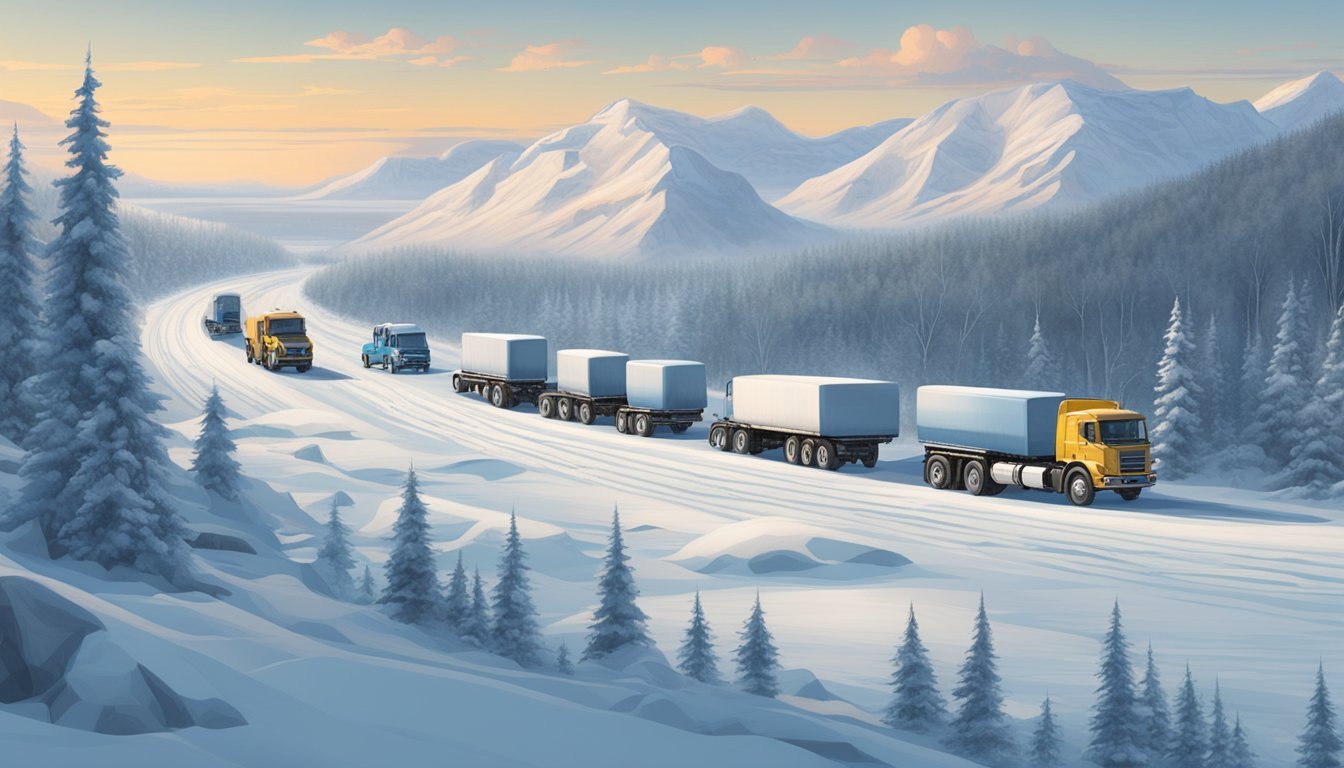
Ice roads are remarkable feats of engineering, relying on the science of ice strength, temperature, and careful construction to safely support the weight of heavy vehicles. Every winter, ice road truckers face unique challenges as they traverse these frozen routes, relying on precise calculations and constant monitoring to avoid disaster. The process involves managing ice thickness, vehicle speed, and load limits, as driving too fast or carrying too much weight can create dangerous waves and cause the ice to break.
Behind the scenes, ice road maintenance teams use specialized tools to measure ice strength and adapt to changes in weather and temperature. The decline in days of safe ice due to warming temperatures is reshaping logistics in northern regions, making scientific understanding even more crucial. The day-to-day work of ice road truckers highlights both the ingenuity and risks involved in transporting vital supplies across some of the most hostile environments on Earth.
What Are Ice Roads?
Ice roads are seasonal routes constructed over frozen bodies of water or compacted snow to enable the movement of vehicles and goods where permanent roads do not exist. Built to support heavy loads, these roads are vital for connecting isolated regions, particularly during harsh winter months.
Definition and Purpose
An ice road is a temporary transportation corridor formed by natural or engineered freezing of lakes, rivers, or tundra. These routes are developed by carefully preparing the ice surface, sometimes including the layering of water to increase ice thickness for greater strength.
Their primary purpose is to facilitate the transportation of supplies, equipment, and people to locations that are otherwise unreachable during winter. Heavy trucks, such as those seen in "Ice Road Truckers," utilize these paths to deliver fuel, food, and construction materials.
Strict speed and weight limits are enforced to prevent stressing the ice, which could lead to cracks or dangerous deflection. Safety is managed through constant monitoring of ice thickness and regular maintenance.
Major Ice Road Locations
Ice roads are most commonly found in northern regions with sustained freezing temperatures, such as Alaska and parts of northern Canada. The Tibbitt to Contwoyto Winter Road in Canada is one of the longest and most well-known examples, supporting mining operations.
In Alaska, ice roads connect scores of remote villages and resource sites across river systems and tundra, with some districts relying entirely on these seasonal connections.
A few other regions, including northern Russia and Scandinavia, also utilize ice roads. Each route is unique, shaped by local geography, climate, and the needs of regional industries.
Importance for Remote Communities
For many remote communities, particularly in Alaska and northern Canada, ice roads are essential for survival and economic activity. These routes provide an annual window to bring in critical supplies that are otherwise too expensive or impossible to deliver by air.
Necessary items—such as heating fuel, building materials, and groceries—are transported in bulk during the operating season, reducing costs overall.
Access to ice roads allows for emergency services, improved healthcare delivery, and supports small businesses reliant on the shipment of goods. Without these roads, daily life would be far more isolated and challenging for residents in these regions.
Physics of Ice Road Formation
Ice roads depend on strict physical principles. Their stability, strength, and safety are directly shaped by temperature, ice thickness, underlying water, and mechanical properties of ice layers.
Temperature and Ice Thickness
Temperature is the primary driver of ice formation on roads built over frozen lakes or rivers. When air temperatures fall below 0°C (32°F), water begins to freeze at the surface, forming the first thin layer of ice.
Successive cold days add to the ice thickness as water beneath continues to freeze. The rate of growth is not linear; thinner ice thickens quickly, while growth slows as the layer builds up because thicker ice insulates water below.
Safe ice roads for truck use typically require a minimum thickness of 70 cm (28 inches), though this can vary. Ice monitoring uses both manual drilling and radar to measure thickness along routes.
Structural Mechanics of Ice
Ice acts as a structural beam when vehicles cross over it, distributing weight across a span of the frozen surface. The bearing capacity depends on both the quality and thickness of the ice.
Homogeneous, clear blue ice provides the greatest strength. Cracks, air bubbles, or white, opaque ice can reduce load-bearing capacity significantly. Weight limits are strictly enforced to prevent overloading and potential failure.
Moving vehicles induce flexing or "ice-deflection." If loads are excessive or movement is too rapid, waves form beneath the ice, increasing stress and risk of cracks or breaks. Regular inspections and slow vehicle speeds minimize these hazards.
Role of Water Currents
Water moving beneath the ice can have a significant impact on both ice formation and stability. Fast-moving currents prevent the ice above from freezing as thickly, leaving thinner areas susceptible to cracking.
Inlets, outlets, and constricted channels are particularly vulnerable to thinner ice. Wind can also drive water currents, increasing unevenness in ice formation.
Truckers and engineers map out these danger zones before constructing ice roads, using temperature and thickness readings to identify safe routes. In some cases, signs or barriers are placed to warn drivers of dangerously thin ice resulting from strong currents.
Ice Road Truckers: Real-Life Experience
Ice road truckers operate in hazardous and isolated conditions, delivering essential goods across frozen landscapes. Their work demands precise skill, a deep understanding of ice physics, and constant attention to safety.
Role and Risks for Truckers
Ice road truckers transport supplies like fuel, equipment, and food to remote locations, such as mines or communities without year-round road access. The weight of each truck and its cargo directly affects ice strength, so drivers are responsible for careful weight management and speed regulation at all times.
Risks include ice fractures, sudden whiteouts, and vehicle malfunctions in areas where help can take hours to arrive. Truckers must be trained to assess ice conditions—checking for cracks, thickness, and temperature changes before and during every trip.
Common hazards:
Hazard Consequence Thin ice Vehicle breakthrough Blizzards Loss of visibility Mechanical failures Stranding in cold
In some cases, truckers carry survival gear and emergency communication devices, knowing that immediate rescue is rare.
Daily Operations
A typical day for an ice road trucker starts with a thorough vehicle inspection, ensuring that tires, brakes, lights, and engine systems are in optimal condition. Pre-trip safety checks on the ice are mandatory to monitor for fresh cracks or weak spots along the route.
Drivers follow strict speed limits—often as low as 15 km/h on certain stretches—to avoid creating waves under the ice, which can lead to cracks. Convoys may be used for efficiency and safety, with trucks spaced out to distribute weight and minimize stress on the ice surface.
Truckers adhere to radio protocols for check-ins at designated markers. Routine stops are made to assess ice condition, and drivers must adjust to changing weather or unplanned hazards.
Challenges in Extreme Conditions
Ice road truckers face freezing temperatures, often dropping below -40°C, which can affect not only equipment function but also personal safety. Frostbite and hypothermia are real risks if drivers are stranded or forced to perform roadside repairs.
Blizzards and high winds can cause whiteout conditions, leaving drivers unable to see road markers or other vehicles. Frequent temperature fluctuations may weaken ice strength mid-season, forcing closure of key transport routes and requiring truckers to reroute or wait for safer conditions.
Mechanical issues are harder to resolve in cold weather. Engine fluids can freeze, and minor repairs take much longer due to numb fingers and limited dexterity in gloves. In such conditions, truckers rely heavily on experience, preparation, and teamwork to complete their journeys.
Technologies and Vehicles Used
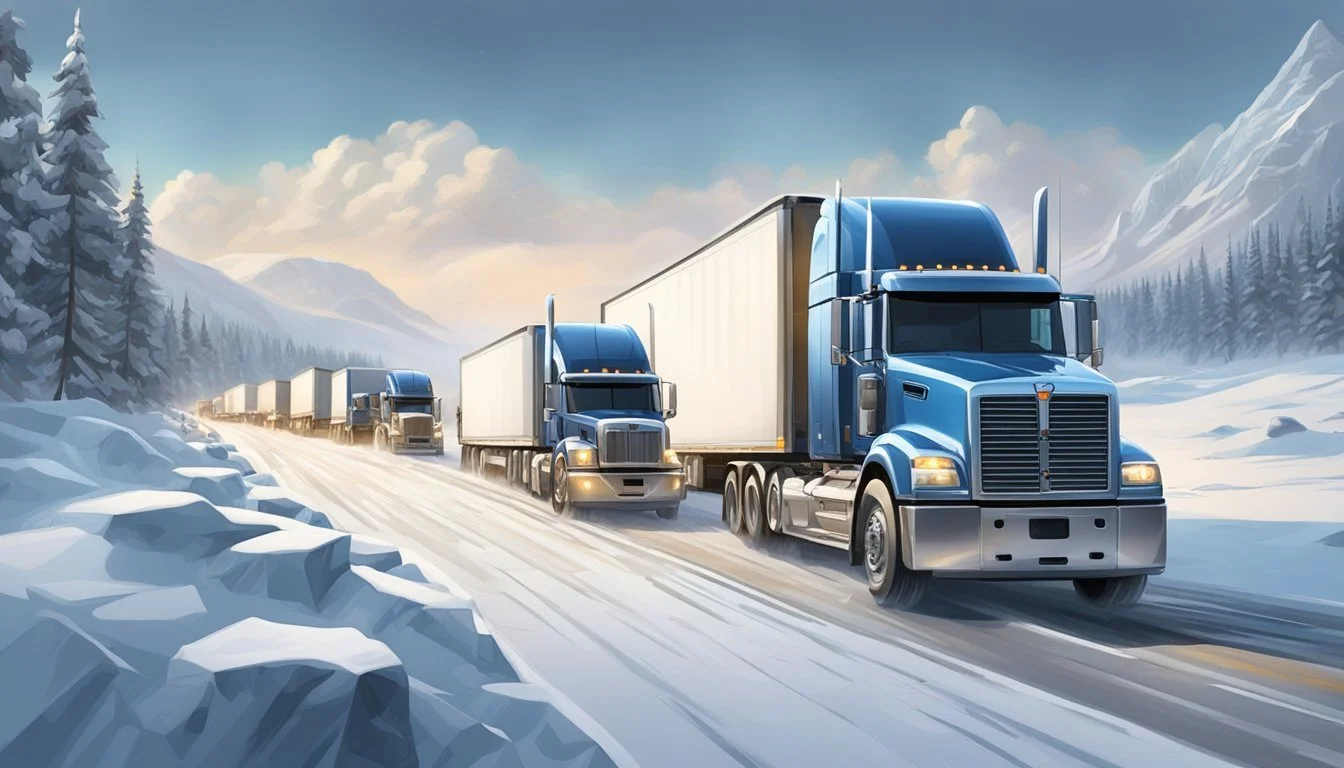
Truckers rely on specialized technology and vehicles to transport loads safely over ice roads. The selection and preparation of these vehicles, combined with advanced monitoring tools, play a significant role in navigating hazardous, icy terrain.
Heavy-Duty Trucks
Ice road truckers primarily operate class 8 heavy-duty trucks that are strong enough to carry large and heavy cargo across frozen lakes and rivers. These trucks are designed to handle loads that can exceed 40,000 pounds, even under extremely low temperatures.
Key brands often include Kenworth, Peterbilt, and Freightliner, which offer models known for durability and reliability on ice. Truckers often prefer vehicles with tandem rear axles for better weight distribution and traction.
Braking and steering systems are especially crucial. Many trucks use advanced anti-lock braking systems to help maintain control on slick surfaces. Some models are equipped with wide-base tires, which help distribute weight and reduce pressure on the ice.
Customization for Cold Environments
Vehicles operating on ice roads require a range of customizations to ensure both function and safety. Engine heaters and battery warmers are standard to prevent vehicle components from freezing and failing in subzero temperatures.
Fuel tanks may have insulation or heating elements to keep diesel from gelling. Tires are often fitted with special treads or even chains for increased grip when traversing smooth, icy surfaces.
The undercarriage can be modified with guards to protect against ice shards or debris. Some trucks include additional cab insulation and auxiliary heaters for driver comfort, which is vital since truckers can spend many hours at a time on the road.
Monitoring Equipment
Modern ice road operations depend heavily on monitoring equipment to keep both drivers and loads safe. GPS tracking is standard, allowing dispatchers to monitor truck locations in real-time and ensure that routes remain safe.
Sensors are sometimes used to detect the thickness and integrity of the ice beneath the vehicle. This data is critical; even small variations in ice strength can make a drastic difference in safety.
Truckers may also use on-board diagnostics to monitor vehicle health, including oil viscosity and tire pressure, which can be affected by extreme cold. In addition, some roads are equipped with permanent ice thickness sensors that communicate conditions back to operators.
Safety Measures and Security Protocols
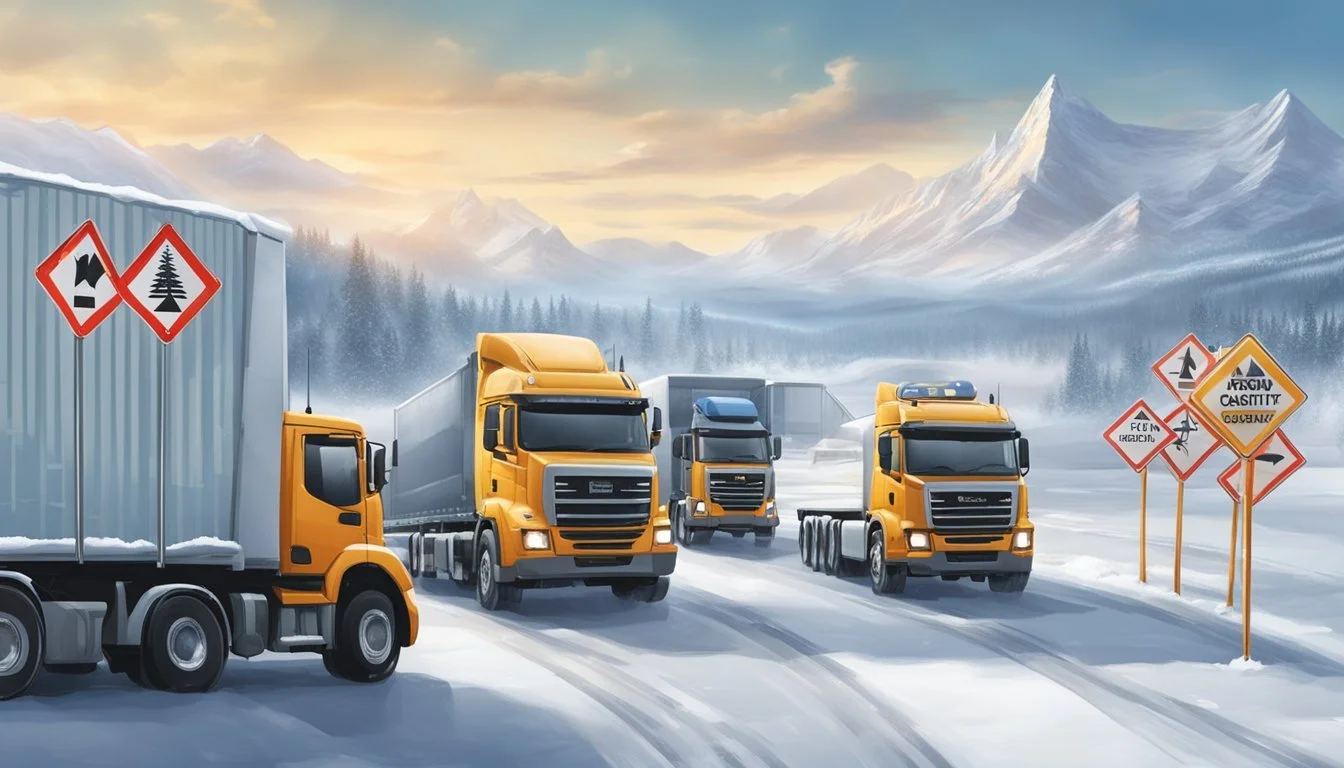
Ice road operation requires strict safety standards and carefully implemented security protocols. Truck drivers and operators depend on science-based procedures to minimize risk while ensuring the efficient transport of goods across hazardous, isolated environments.
Preventive Safety Practices
Drivers begin every trip with a thorough pre-inspection of their vehicle, checking tires, brakes, and heating systems. On the ice, speed limits are strictly enforced to reduce vibrations and minimize the risk of ice cracking. Load weights are carefully calculated based on ice thickness, which is measured using drilling and ground-penetrating radar.
Personal protective equipment is required at all times, including insulated clothing and flotation devices. Many teams use buddy systems and GPS tracking to monitor movement on the ice. Reflective markers and signage indicate safe and unsafe routes, and regular maintenance crews check for pressure ridges and areas of thinning ice.
Operators also follow daily weather briefings, monitoring temperature fluctuations that affect ice integrity. Loads are spaced at designated intervals to prevent excess stress on any one section of road. All vehicles must carry a survival kit with blankets, food, and emergency supplies.
Emergency Response Procedures
When accidents occur, rapid response is essential. Teams rely on satellite communication devices to call for help, as traditional cell service is unreliable on remote routes. Emergency protocols include clear evacuation plans and designated muster points along the ice road.
Rescue vehicles are prepositioned at strategic locations, equipped with cold-weather rescue gear and flotation devices. First-aid training is mandatory for all crew members. Ice road safety manuals outline step-by-step response strategies for vehicle breakdowns, personal injury, and falls through the ice.
Response time can be the difference between life and death. Drivers are trained to remain inside their vehicles during breakdowns unless the situation becomes life-threatening. Crews conduct regular emergency drills, ensuring readiness should a crisis develop.
Security Issues on Remote Routes
Ice roads pass through isolated regions, making them vulnerable to various security threats. Cargo theft, vandalism, and unauthorized access are concerns, especially when valuable goods are transported. Security checkpoints may be established at entry and exit points to authorize drivers and log movement.
Some operators use tracking systems and geofencing to monitor route deviations. Access to the road at night is typically restricted, reducing the risk of both accidents and unauthorized entry.
Environmental hazards, including wildlife encounters, require added vigilance. In certain cases, law enforcement or security personnel may patrol stretches of the route, ensuring the safety and integrity of the cargo and infrastructure. Security protocols are reviewed regularly based on new risks and seasonal changes.
Environmental and Economic Impact
Ice roads play a crucial role in both the environment and the economy, especially in Alaska and other northern regions. Their impacts are significant, influencing local ecosystems and the livelihoods of remote communities.
Impact on Local Ecosystems
Ice roads can alter winter landscapes. The construction process involves snow compaction, watering, and icing to create stable surfaces for vehicles. These actions flatten snow cover, which can affect the insulating layer between cold air and the ground, potentially causing deeper soil freezing.
Changes in soil temperature may disrupt the growth cycles of tundra plants and impact small mammals that rely on snow insulation for survival. Runoff from de-icing materials or fuel spills, while generally less frequent than on permanent roads, can still affect water quality in nearby lakes and rivers.
The temporary nature of ice roads usually limits long-term environmental damage. However, shorter winter seasons due to climate change are reducing the time these roads are usable, which can concentrate their environmental impacts into a narrower window each year.
Economic Significance for Communities
Ice roads are essential for transporting goods, fuel, and building materials to remote Alaskan communities and industries. When highways or permanent roads are not available, these seasonal routes act as critical supply lines.
A decline in the duration of safe ice, as indicated by climate research, puts added financial pressure on communities who rely on these roads. Increased costs for air transport or barge service can make basic essentials more expensive.
For some regions, ice roads enable economic activities like mining or oil exploration, bringing employment and local government revenue. Their operation directly influences economic stability and the ability to maintain affordable living standards in isolated areas.
Key Economic Benefits of Ice Roads:
Benefit Description Freight Access Movement of bulk supplies at lower cost than air transport Winter Jobs Seasonal employment in road building and trucking Industry Support Access for resource extraction industries
Cultural and Media Influence
Ice roads serve remote communities and industries, but their portrayal in media has brought unique visibility to these engineering feats. The television industry, particularly the History Channel, has shaped how the public understands and values the work behind these seasonal routes.
Representation on Ice Road Truckers
Ice Road Truckers portrays the daily challenges faced by drivers on frozen highways in northern regions. The series highlights the technical expertise required to navigate hazardous conditions, such as thin ice, severe storms, and constant temperature changes. Viewers see real problem-solving under pressure, offering a realistic look at the logistics and physical demands involved in operating heavy vehicles across unpredictable terrain.
The show often focuses on individual driver experiences, capturing their personal stories and motivations. By combining behind-the-scenes footage with expert commentary, it emphasizes not only the dangers but the teamwork and preparation involved. Key segments explore the science of ice strength and the decision-making process that determines when routes are safe.
Influence of the History Channel
The History Channel plays a major role in popularizing ice road trucking. Through regular broadcasts of Ice Road Truckers, the network has introduced a wide audience to transportation in extreme environments. The program’s success has expanded public interest in the technical and cultural aspects of winter road construction.
By allocating prime time slots and producing multiple seasons, the channel elevates ice road trucking from a niche occupation to a subject of international interest. Documentaries and specials related to the series have provided viewers with additional context, such as engineering challenges and environmental considerations. The platform's storytelling approach emphasizes educational content while maintaining viewer engagement.
Public Perception of Ice Road Trucking
Media exposure shapes how the public perceives ice road truckers and the industry. The visibility from Ice Road Truckers has raised awareness about the essential role these drivers play in supplying isolated communities. This representation highlights not just risk and adventure, but also professionalism, problem-solving, and adaptation to harsh conditions.
Common misconceptions, such as overemphasizing danger or dramatizing incidents, sometimes arise from television portrayals. Despite this, many viewers develop newfound respect and appreciation for the discipline and planning required in ice road logistics. Increased media attention has contributed to a more nuanced understanding of both the technical and cultural dimensions of the industry.
