
The Lasting Impact of Ice Road Truckers: Where the Cast Is Today and How the Show Changed Trucking

Over a decade after its debut, Ice Road Truckers remains one of the most memorable reality shows about the world’s toughest truckers. Many core cast members, including Alex Debogorski and Hugh Rowland, are still connected to the industry, with some continuing to drive and others sharing their stories with fans. The show’s depiction of ice road trucking introduced millions to the unique challenges and dangers faced by drivers in some of the world’s harshest environments.
Ice Road Truckers wasn’t just about treacherous journeys—it gave viewers an inside look at the close-knit community of drivers who brave extreme cold for their livelihoods. Fans often wonder where these adventurers ended up, especially as the roads and challenges have changed over time. The legacy of the series lives on as fans revisit their favorite truckers and new viewers discover the adventures for the first time.
The Impact and Appeal of Ice Road Truckers
Ice Road Truckers brought viewers into a world of harsh weather, remote locations, and high-stakes delivery challenges faced by truck drivers in northern climates. The show influenced the trucking industry, public awareness, and the perception of driving as a career built on both risk and skill.
How The Show Changed Popular Perceptions
Ice Road Truckers introduced trucking as a profession requiring expertise, endurance, and courage. Previously, most people saw truck driving as routine, but the series highlighted the intense dangers and frontline decision-making involved in hauling loads over frozen lakes and rough terrain.
The adventurous lifestyle shown in the series shifted attitudes, making truck drivers appear as skilled professionals facing down natural hazards, rather than simply transport workers. Several cast members, such as Alex Debogorski and Lisa Kelly, became familiar names, bringing more public interest and respect to the career.
The weekly demonstration of real-life problem-solving and survival skills captured new audiences who had little knowledge of what ice road trucking involved. This led to a broader appreciation of the industry’s importance in keeping remote communities supplied.
Depicting the Realities of Ice Road Trucking
Unlike scripted dramas, Ice Road Truckers depicted genuine daily challenges. The series documented drivers contending with whiteout blizzards, subzero equipment failures, and the threat of falling through the ice.
Work conditions were shown as grueling. Drivers worked long hours with little margin for error, highlighting the risks of fatigue and mechanical breakdowns. The physical and mental demands of the adventure were visible in every trip across the ice.
Documentary footage gave viewers an inside look at how weather and isolation affect the well-being and performance of truckers. The show avoided glamorizing the job, instead emphasizing its routine dangers and the strong camaraderie among drivers.
Influence on the Trucking Industry
Following the show’s popularity, interest in the trucking industry increased. More people began to recognize the value and challenges of a truck driver’s career, especially those who keep supply chains moving in extreme conditions.
Recruitment for ice road trucking companies saw a temporary boost, spurred by a sense of adventure inspired by the show. Companies also reported more attention to safety and public outreach, as the series exposed the realities and risks of the job.
The industry gained media exposure and new respect within broader society. Ice Road Truckers helped depict the truck driver not only as a worker, but as an essential link for remote communities and industries dependent on seasonal deliveries.
Life and Legacy of Notable Cast Members
Several cast members of Ice Road Truckers shaped the show’s unique narrative. Their personal histories highlight themes of sacrifice, perseverance, and camaraderie amid dangerous conditions.
Darrell Ward’s Journey and Tragic Loss
Darrell Ward became a fan favorite known for his fearless attitude and dedication to trucking. His approach on and off the ice roads embodied the risks and rewards of the job.
Ward’s legacy is marked by both his memorable runs and his willingness to help other drivers, often stepping in when emergencies arose. He was praised for his leadership and sense of camaraderie in a profession filled with adversity.
In August 2016, Darrell Ward’s life ended tragically in a plane crash while traveling to a truck show in Montana. His death affected the trucking community deeply, emphasizing the real dangers faced by those who make long-haul runs in some of the world’s harshest terrain.
Name Notable Event Legacy Darrell Ward 2016 Plane Crash Leadership, Sacrifice
Alex Debogorski’s Ongoing Adventures
Alex Debogorski is widely recognized for his wit and warmth on the series. He appeared in every season, setting himself apart as one of the show’s true veterans.
After Ice Road Truckers, Debogorski continued to participate in trucking and made appearances at various trucking events in North America. He shared insights through public speaking and writing, contributing to the broader understanding of ice road hazards.
Debogorski’s biography is filled with stories that highlight his resilience, adaptability, and the friendships he fostered during the series. Fans appreciate his transparent sharing of both the hardships and joys of life as an ice road trucker.
Key Qualities:
Resilience
Storytelling
Camaraderie
Mark Melotz: From Alaska to Present Day
Mark Melotz was featured for his extensive experience driving in Alaska’s tough conditions. Known for a practical approach and reliability, Melotz made a strong impression during his time on the show.
After the series, Melotz returned to a lower-profile trucking career, choosing to avoid the spotlight. He continued to work in transportation, using his skillset in various roles outside television.
His story represents the many unsung drivers who face daily challenges without recognition. Melotz’s journey shows the lasting impact of the series on his professional life and spotlights the everyday sacrifices made by truckers on the road.
Darrell Ward: Final Days and Aviation Tragedy

Darrell Ward, a well-known figure from “Ice Road Truckers,” lost his life in a tragic aviation accident while in Western Montana. His death had a significant impact on the show's community and raised questions about the risks involved in both trucking and flying in challenging environments.
Circumstances of the Plane Crash
On August 28, 2016, Darrell Ward was killed in a plane crash near Missoula, Montana. He was a passenger in a Cessna 182, which went down while approaching a small airstrip. The plane was piloted by Mark Melotz, who also died in the crash.
Ward and Melotz were reportedly on their way to Missoula County to help recover plane wrecks and participate in a community event. The crash occurred during daylight in clear weather. Witnesses stated the aircraft appeared to lose control during its approach and crashed near the airstrip.
The cause of the crash was not immediately clear, but the sudden nature of the loss shocked fans and colleagues. Ward’s experience as a trucker and his involvement in supporting aviation and local events in Western Montana highlighted his passion for adventure and helping others.
Details from the National Transportation Safety Board
The National Transportation Safety Board (NTSB) and the Federal Aviation Administration launched an immediate investigation into the crash. Initial reports included eyewitness accounts indicating the Cessna 182 made a steep descent before crashing. Recovery crews responded quickly to the scene.
Investigators examined the wreckage to determine if mechanical failure, pilot error, or other factors contributed to the accident. The NTSB analyzed communication records, maintenance logs, and weather data at the time of the crash. The review focused on the plane's sudden drop in altitude and potential loss of control during the final approach.
No evidence of foul play or extreme weather conditions was found. The NTSB’s findings emphasized the importance of strict safety guidelines for small aircraft operations, especially in mountainous regions near Missoula. The results served as a reminder of the risks associated with both flying and remote recovery missions.
Legacy Remembered in Western Montana
Darrell Ward’s death was deeply felt in Western Montana and the wider trucking and aviation communities. Fans gathered for memorials in Missoula County, remembering his bold spirit and willingness to help others. His final project, aimed at recovering historic plane wrecks with local aviation partners, underscored his commitment to the region.
Ward was recognized not only for his television role but also for his work supporting emergency responders and community organizations. His hands-on approach and genuine connection with people left a lasting impression in Western Montana. Memorial events highlighted his legacy and raised awareness about aviation safety.
Local trucking firms and aviation advocates also paid tribute by organizing convoys and flyovers. Ward’s influence extended beyond entertainment, touching the daily lives of those in the communities he served. His tragic loss continues to inspire efforts to improve safety practices in both trucking and private aviation.
Exploring Iconic Locations From the Show
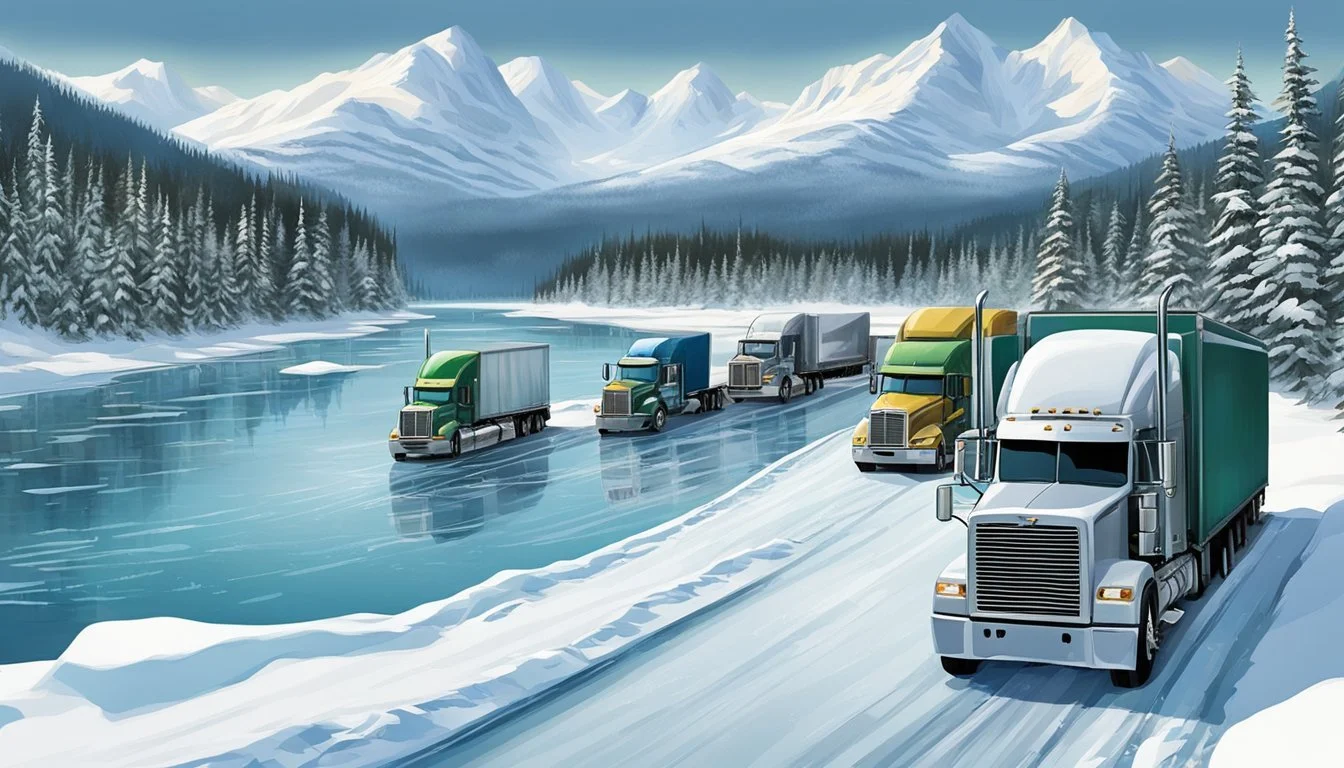
Filming Ice Road Truckers meant braving remote highways, unique landscapes, and harsh conditions. The routes traversed by the drivers showcased some of North America’s most challenging and visually striking roadways, from deep within Alaska to Western Montana.
Alaska’s Frozen Highways and Lakes
The show regularly featured Alaska’s infamous Dalton Highway. The Dalton—spanning 414 miles from Fairbanks to Deadhorse—cuts through arctic tundra and mountain passes, paralleling the Trans-Alaska Pipeline. This route’s isolation, extreme weather, and icy inclines made it one of the most treacherous stretches for any driver.
Frozen lakes like the Arctic’s lake crossings, such as those near Prudhoe Bay, played a critical role each season. Truckers drove directly over thick ice, often hauling heavy equipment vital for oil fields. Timing was crucial, as weight limits and ice safety varied daily with fluctuating subzero temperatures.
Filming in these areas captured both scenic beauty and genuine peril, with stark white vistas combined with real dangers like icy patches, sudden storms, and minimal daylight in winter months.
Interstate 90 and Montana Routes
A segment of Ice Road Truckers highlighted Western Montana and its connection to critical freight networks. Interstate 90, the longest Interstate Highway in the United States, runs east-west through Montana, linking cities like Missoula and Butte to the broader North American road system.
Montana’s weather, especially in winter, made these routes particularly hazardous. Black ice, blowing snow, and mountainous terrain tested both equipment and driver skill. The section near the Continental Divide was notorious for steep grades and sudden weather shifts.
These highways connected the isolated northern routes to distribution hubs farther south, underscoring the importance of Montana as a vital link in the supply chain for remote regions.
Deer Lodge and the Broader Landscape
Deer Lodge, located in Western Montana, appeared in the series as a waypoint for drivers heading into or returning from more remote assignments. This small town served as a staging ground, offering truck servicing, rest, and resupply before tackling the next segment north or toward the Canadian border.
The surrounding landscape is characterized by a mix of high plains and rugged mountains. Open highways transition quickly to forested passes and foothills, demanding a constant shift in driving approaches.
Deer Lodge’s steady presence gave viewers insight into the quieter moments between high-risk journeys. It also served as a reminder of the broader regional support network that underpinned the drivers’ travels along North America’s most dangerous roads.
Behind the Scenes: Risks, Sacrifices, and Camaraderie
Ice road trucking challenges drivers with extreme hazards, demanding real personal commitment and forging unique relationships. The cast of "Ice Road Truckers" showcased these realities as they navigated frozen highways, harsh climates, and the isolation of northern routes.
The Dangers of Ice Road Trucking
Drivers face daily threats from collapsing ice, whiteout blizzards, and rapidly changing weather. The trucks often haul loads exceeding 40,000 pounds over ice sheets mere feet thick. A small crack or a sudden thaw can spell disaster.
Common hazards include:
Ice cracking under heavy loads.
Limited visibility from snowstorms.
Mechanical failures in subzero temperatures.
The danger intensifies at night or in low-light arctic conditions. Even seasoned drivers like Lisa Kelly and Alex Debogorski have had to stop mid-route due to impassable conditions or vehicle breakdowns. Emergency response is limited, adding to the risk.
Personal Sacrifices and Dedication
Long stretches away from family are standard for ice road truckers. Many spend months living out of cramped truck cabs or isolated base camps. Missed holidays and special occasions become routine.
Preparing for a season requires physical and mental readiness. Drivers must be able to troubleshoot in extreme cold, sometimes repairing their vehicles with only basic tools on hand.
Commitment to the job often means accepting the possibility of injury or worse. Truckers develop routines for checking equipment, sleeping in shifts, and conserving energy. The demanding lifestyle highlights their strong work ethic and resilience.
Forming Bonds on the Road
Camaraderie becomes essential as drivers rely on each other for safety and support. Shared experiences, such as navigating treacherous passes or assisting in a breakdown, create close-knit friendships.
Veterans often mentor newcomers, passing on knowledge about routes, radio protocol, and emergency measures. Trust develops from tackling challenges together.
Examples of camaraderie:
Convoy driving for added safety.
Sharing supplies during unexpected delays.
Communicating hazards over CB radios.
The sense of community helps alleviate the loneliness and stress of the ice roads. Many describe their fellow drivers as an extended family, united by the adventure and risks of their profession.
The Pilot Episode and Evolution of the Series
"Ice Road Truckers" began by highlighting the hazardous world of truck drivers navigating frozen highways. As the series progressed, it adapted in style, cast, and setting to maintain viewer interest and explore new challenges in the trucking industry.
Origins of Ice Road Truckers
The origins of "Ice Road Truckers" can be traced to a one-hour documentary that aired on the History Channel in 2000. This pilot introduced audiences to the dangers faced by drivers crossing frozen lakes and rivers in remote northern territories.
After strong audience interest, the network ordered a full series. The first season premiered in 2007 and was set primarily on the ice roads of Canada's Northwest Territories. The concept emphasized real-world stakes, featuring truckers like Hugh Rowland and Alex Debogorski.
Filming during the harsh winter months meant production crews faced similar risks as the truckers. The authenticity of the pilot episode and early seasons helped set the series apart, showcasing both the skill and the peril involved in this unique job.
Changes in Format and Focus Over Time
As "Ice Road Truckers" continued, the show expanded beyond its Canadian roots. Later seasons featured Alaska’s Dalton Highway, new faces like Lisa Kelly, and increasingly difficult routes.
Production incorporated updated camera technology, including dashboard and exterior-mounted cameras. This provided viewers with more immersive perspectives of the dangerous roads and driver interactions.
The storytelling evolved from focusing solely on trucking to exploring community dynamics, personal challenges, and mechanical failures. Changes in cast and location diversified the narrative while staying true to the core theme of survival and transport under extreme conditions.
Each format shift reflected feedback from viewers, adjusting pacing and depth to keep the series both informative and entertaining. The evolution allowed "Ice Road Truckers" to remain fresh over eleven seasons.
What the Future Holds for Ice Road Trucking
Interest in ice road trucking remains steady, even after the end of the television series. Former cast members continue to build on their careers, while the industry adapts to changing demands and technologies.
Current Status of Former Cast Members
Many of the former Ice Road Truckers cast members have stayed active in the trucking industry or moved into related roles. Lisa Kelly continues to drive trucks in Alaska, often sharing her experiences online and at trucking events.
Alex Debogorski, one of the show’s most recognizable truck drivers, has taken part in public speaking engagements and occasionally returns to trucking in the northern territories. Some other cast members have transitioned to regular long-haul trucking, started their own businesses, or retired from the industry.
Income diversification has become common, with some using their show fame to endorse products or work as brand ambassadors. A few, like Lisa Kelly, maintain ongoing fan interaction through social media, letting enthusiasts follow their work and daily life.
Enduring Influence on Viewers and Industry
Ice Road Truckers introduced a broad audience to the unique challenges and risks of driving trucks in Alaska and northern Canada. It helped highlight the skills and resilience needed for the job, changing perceptions of truck drivers in popular media.
Recruitment into the trucking field saw a mild increase as new viewers were inspired by the show’s depiction of life on the ice roads. The series also brought attention to the logistical role of ice road routes for remote communities and mining operations.
Some safety practices and technology upgrades in ice road trucking gained wider attention due to the show’s popularity. The careful balance of risk, skill, and planning displayed by drivers remains a benchmark referenced in trucking forums and training materials. The influence of Ice Road Truckers persists in both the careers of former cast members and the broader industry culture.
