
The Psychology Behind Ice Road Truckers: What Drives Risk-Taking and Success on Dangerous Routes
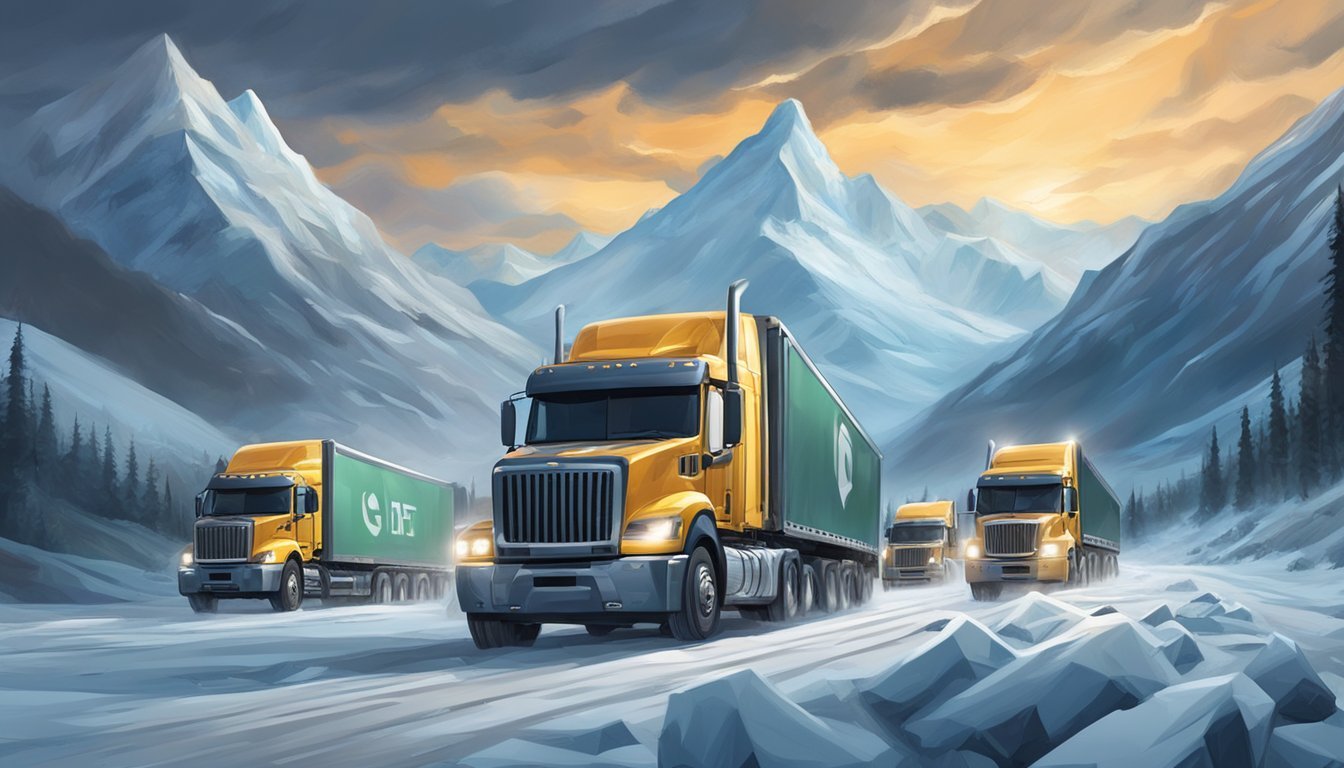
The stars of Ice Road Truckers are driven by a unique mix of risk tolerance, personal challenge, and a strong sense of accomplishment that comes from succeeding where others might hesitate. These drivers regularly choose risk over safety, motivated by both the financial rewards and the satisfaction of delivering critical loads in some of the harshest conditions on earth.
Their willingness to face danger is not accidental; it's rooted in a mindset that thrives on testing limits and overcoming obstacles. For many, the motivation goes beyond money—it's about the personal achievement, the adrenaline rush, and the pride in doing a job few are willing or able to do.
Every trip across icy terrain requires calculated decisions and quick thinking, drawing on their innate drive and mental toughness. This psychological makeup helps explain why the Ice Road Truckers community continues to attract individuals who are prepared to take on extreme challenges.
Understanding the Psychology of Risk
Truck drivers on Ice Road Truckers face unique and dangerous conditions. Their work involves not only physical challenges but also complex psychological factors that influence their actions and choices.
Defining Risk in the Context of Ice Road Trucking
Risk for ice road truck drivers is not just about the threat of an accident or equipment failure. It includes driving on frozen lakes, dealing with unpredictable weather, and handling isolation for long hours.
Key risk factors:
Thin and shifting ice surfaces
Limited visibility due to snow or darkness
Extreme cold and mechanical failures
Truckers balance personal safety with the high demands of delivery deadlines. This calculation involves assessing whether a route is passable, if the ice can support their load, and how to cope if conditions worsen suddenly. In this context, risk is both ever-present and multifaceted.
Personality Traits of High-Risk Takers
Psychological research suggests that certain personality traits are common among individuals who work hazardous jobs. Truck drivers on dangerous routes often score higher on measures of risk tolerance, self-confidence, and stress management.
Many drivers display traits of openness to experience and a desire for challenge. Ice road truckers frequently mention a compulsion to "conquer the unknown" and thrive under pressure, as hinted in profiles of drivers like Lisa Kelly.
Resilience and emotional stability also play a role. Those who perform well under stress are less likely to panic or make impulsive choices. This set of traits creates a profile of professionals who are comfortable with, and sometimes energized by, controlled risk.
Decision-Making Under Pressure
Decision-making on the ice is shaped by real-time psych processes. Drivers must evaluate risk, predict consequences, and manage fear while maintaining abstract thinking and technical skills.
A simplified look at their decision process:
Step Example Assess Risk Check ice thickness, weather updates Weigh Options Consider alternate routes or safe zones Commit & Adapt Make rapid choices, adjust if needed
Pressures include time limits, company expectations, and peer dynamics. Effective drivers use both training and intuition, reacting quickly but deliberately when facing challenges such as whiteouts or equipment malfunctions. Consistently, the ability to remain calm and think clearly distinguishes experienced ice road truckers from less seasoned counterparts.
Factors Influencing Risk Perception
Truckers on ice roads face unique challenges shaped by their environment and the demands of their profession. Their views on risk stem from both external hazards and financial pressures linked to the broader economy.
Environmental Hazards and Ice Road Conditions
Ice road truckers regularly evaluate changing weather, unpredictable ice thickness, and remote road conditions. Temperature fluctuations, especially those linked to climate change, directly affect ice stability. Unseasonably warm winters can result in thinner ice, requiring more careful navigation and increasing the likelihood of emergencies.
Visibility issues due to storms or blowing snow are frequent, often masking cracks or weak sections. The remoteness of these routes means that help is far away, amplifying the stakes of every decision. Truckers rely on both real-time data and personal experience to judge whether the ice is safe for travel. Trust in their vehicles and communication systems also shapes risk perceptions.
Impact of Economic Pressures
Economic forces such as inflation, global supply chain disruptions, and fluctuations in demand for goods influence how truckers assess risk. When fuel prices rise or delivery contracts become more competitive, there is greater pressure to complete routes swiftly—sometimes at the expense of caution.
Many drivers feel the impact of economic growth or downturns directly in their pay and job security. A booming economy may mean more frequent or urgent shipments across the ice, while a slowdown can raise the stakes for each trip. These pressures compel drivers to weigh safety against the need to meet deadlines, knowing that delays can affect not only their income but also supply chains reliant on timely deliveries.
Mental Fortitude Among Ice Road Truckers
Ice road truckers consistently face high-pressure environments where decision-making, resilience, and emotional stability are critical. Their ability to manage stress and learn from past experiences distinguishes successful drivers from those who struggle.
Coping With Isolation and Stress
Truckers endure long stretches of solitude on dangerous ice roads. They often spend hours—sometimes days—without meaningful human interaction, especially during harsh winter storms.
Isolation can cause mental strain, but many drivers develop strict routines to anchor their days. These routines might include daily vehicle checks, scheduled calls with family, and small rituals to break up monotony.
Stress management strategies are crucial. Drivers may use techniques like controlled breathing, listening to music, or keeping journals. The COVID-19 pandemic intensified feelings of isolation, as some support systems became less accessible. Psychological support, either from peers or professionals, grew in value during this period.
Challenges are compounded by the immediate risks on the road—thin ice, whiteouts, and subzero temperatures. Recognition of these dangers and risk mitigation behaviors become part of a trucker’s psychological toolkit.
Role of Past Experiences in Shaping Responses
Experience directly influences how ice road truckers react to dangerous situations. Veteran drivers like Alex Debogorski have developed keen instincts and practical skills from years of navigating harsh environments.
Past incidents—such as near-misses or equipment failures—ensure drivers learn to remain calm under pressure. Many report that early mentoring and “learning the hard way” shape a measured approach to risk.
Psychological research suggests that repeated exposure to high-risk jobs can build confidence. Over time, setbacks and successes create a mental database for decision-making. For many, their identity is tied to their ability to manage adversity, reinforcing their commitment to the job.
External Influences on Risk Behavior
Risk decisions on “Ice Road Truckers” are shaped by factors outside of personal psychology. Social pressures, media narratives, and industry dynamics play a key role in how drivers assess and respond to danger.
Media Representations and Their Effects
Television and popular media, such as the series “Ice Road Truckers,” often depict risky driving behaviors as exciting or heroic. This portrayal can influence truckers to internalize expectations of toughness and resilience, potentially making them more likely to take calculated risks.
The medium of television dramatizes high-stress situations, highlighting the personal stories of drivers. As viewers respond positively to these narratives, drivers may feel pressure to live up to these larger-than-life images.
Law enforcement agencies like the FBI and investigative series such as NCIS portray risk in transport work as high-stakes and dramatic. These representations can reinforce the industry’s reputation for danger, shaping both public perception and the attitudes of those actually working on the ice roads.
Industry Culture and Peer Dynamics
Industry culture values efficiency, speed, and personal resilience, creating strong peer dynamics among drivers. Newer drivers often look to experienced peers for cues on how to behave, absorbing attitudes toward risk from those around them.
Informal norms can reward risk-taking, such as attempting difficult stretches without complaint or pushing through hazardous conditions. Drivers may earn respect by taking on challenging assignments, and there is often an unspoken expectation to push limits.
Peer recognition and a sense of camaraderie can outweigh formal safety instructions. Over time, these cultural forces shape patterns of risk behavior, directly impacting safety on the job. Individual decisions are often a response not only to personal values but also to the collective standards of the ice road trucking community.
Adaptation Strategies for Extreme Conditions
Ice road truckers rely on specialized preparation and constant innovation to manage unpredictable hazards. Facing both environmental and psychological challenges, they use structured methodologies and cutting-edge technology to maintain safety and performance.
Training and Safety Protocols
Truckers on Arctic ice roads undergo rigorous training before beginning their routes.
Standard preparation includes simulation exercises, emergency drills, and cold-weather driving courses. Drivers learn how to assess ice thickness, read weather patterns, and recognize signs of fatigue or hypothermia. Companies foster a culture of routine safety inspections, emphasizing pre-trip checks and real-time communication between drivers and dispatchers.
Protocols mandate that drivers carry survival kits, insulated clothing, and emergency beacons. Teams also drill for scenarios such as vehicle breakdowns or sudden ice cracking. Fatigue management is addressed with mandatory rest schedules and monitoring.
Peer mentorship is common, pairing experienced drivers with newcomers. Regular reviews of incident reports help refine these protocols and ensure continuous improvement.
Use of Technology and Innovation
Modern ice road truckers depend heavily on technological tools to enhance their safety and efficiency.
Vehicles are often equipped with GPS tracking, satellite phones, and real-time vehicle diagnostics. Ice thickness sensors, dashcams, and onboard weather monitoring systems enable drivers to make data-driven decisions about route choices and speed adjustments.
Generative AI now plays a role in predicting dangerous conditions by processing vast datasets on weather, vehicle performance, and historical incidents. This assists dispatchers in route planning and emergency response.
Digital communication networks ensure that all vehicles can maintain contact with command centers and other truckers. Innovations like heated windshields and adaptive tire technology further reduce risks during extended hauls through severe conditions.
Economic and Societal Impacts
Ice road trucking produces direct ripple effects across northern supply chains, freight pricing models, and the economic foundations of remote communities. Shifts in this high-risk industry influence both how goods flow and how local residents experience daily life.
Effects on Supply Chains and Markets
Ice road truckers form a crucial link in northern logistics, moving essential items such as fuel, food, and construction materials. Delays due to weather or vehicle failure can halt construction projects or cause shortages in basic goods.
Major industries—including mining and energy—depend on these deliveries to keep operations running without interruption. The seasonal nature of the ice roads creates a unique supply pattern: goods typically move in bulk during a narrow window each year.
These disruptions often result in inventory shortages and price spikes in remote stores. Retailers in places far from large markets, such as communities north of Tucson, must adapt quickly when shipments are interrupted or delayed.
Dynamic Pricing in Ice Road Logistics
Dynamic pricing strategies are common in ice road shipping. Rates for hauling can change dramatically depending on road conditions, weather forecasts, and shipment urgency.
When conditions worsen, premiums are charged for timely deliveries, especially for critical supplies. Pricing models are further complicated by increased fuel costs, vehicle maintenance, and increased risk to truckers’ safety.
The unpredictability leads many companies to book shipments early or diversify logistics providers. For items like building materials for houses, fluctuating rates directly impact affordability and construction timelines in isolated regions.
Wider Implications for Regional Communities
The economic influence extends well beyond freight costs. Jobs created by ice road trucking support families and circulate money in local economies, from small repair shops to hotels catering to drivers.
Communities rely on timely deliveries for healthcare supplies and other essentials. Any interruption in the supply chain can affect community well-being, infrastructure projects, and even local emergency responses.
Isolated regions lacking alternative industry or transit routes can face steep economic downturns if ice road operations are disrupted. Residents often deal with sharp price changes on everyday goods and face uncertainty tied to seasonal accessibility.
Career Paths and Academic Insights
Academic institutions, trucking companies, and advocacy groups are increasingly involved in supporting the growth and safety of ice road trucking careers. Faculty-led research, targeted scholarships, and campus outreach are key elements shaping the educational landscape for current and future drivers.
Involvement of Faculty Members in Research
Faculty from disciplines such as psychology, engineering, and transportation studies have contributed to research on risk perception, safety strategies, and decision-making among ice road truckers. Their work frequently involves collecting real-world data on stress, fatigue, and training methods.
Examples include partnerships between university research teams and trucking companies to study the impact of environmental hazards on driver behavior. These collaborations help identify risk factors and inform improved protocols.
Academic studies also explore the mental resilience required for high-risk jobs. Professors may publish findings that document both individual and systemic influences on truckers' risk tolerance.
Educational Opportunities and Scholarships for Truck Drivers
A number of community colleges and technical institutes offer certificate and degree programs in commercial driving. These programs often incorporate coursework on advanced safety, vehicle maintenance, and emergency response.
Scholarships are available for aspiring commercial drivers. Organizations like the Women In Trucking Foundation and state transportation departments sometimes sponsor financial aid aimed at underrepresented populations.
Some institutions provide work-study partnerships where students split time between classroom instruction and supervised road experience. This model helps students gain critical, real-world skills.
Awareness Initiatives on College Campuses
College campuses have become more active in promoting awareness of careers in trucking and the psychological aspects of high-risk industries. Career fairs, guest lectures, and student organizations dedicate programming to transportation topics.
Awareness campaigns may distribute information about workplace stress management and occupational safety. Collaboration between counseling centers and trucking programs brings attention to mental health in transport professions.
Peer-led workshops, often supported by faculty advisors, invite experienced drivers and industry experts to share insights on risk and resilience. This creates an environment where students can discuss and address both the rewards and dangers of ice road trucking.
Challenges for the Future
The risks faced by ice road truckers are shifting as environmental conditions and industry landscapes evolve. Factors such as unstable ice, changing temperatures, and economic pressures will shape how drivers approach their jobs.
Adapting to Climate Change
Ice road truckers must handle unpredictable ice thickness and changes in weather caused by climate change. Warmer temperatures shorten the season when ice roads are safe, directly affecting how long freight can be moved to remote communities.
Ice roads sometimes become unreliable well before schedules predict, which forces drivers to make faster decisions and increases the stakes of each trip. As a result, safety protocols are constantly updated, and equipment is modified for changing conditions.
A table showing potential impacts:
Challenge Impact Response Thinner Ice Weaker roads, higher risk More frequent checks Shorter Seasons Less time to transport goods Tighter scheduling Unpredictable Weather Raises accident risk Investment in tech
Drivers need ongoing training in weather monitoring and ice assessment. Their knack for risk assessment will become even more important as these environmental factors intensify.
Emerging Risks and Opportunities
While climate change poses obvious dangers, new technology and shifting economic priorities are reshaping possible risks and rewards for ice road truckers. Automated vehicles, telematics, and advanced weather prediction tools are gaining traction in the industry.
There may also be economic impacts from organizations like the Federal Reserve adjusting interest rates, which can raise or lower the cost of fuel and equipment financing. Fluctuating markets might drive companies to look for efficiencies, sometimes increasing workload pressures.
As rules and regulations evolve—possibly becoming stricter to address safety and climate impacts—truckers will need to adapt quickly. Those able to leverage new technology and training will have an advantage in a changing environment. Some may find new routes or delivery opportunities as industry needs shift.
