
Inside Hollywood's Elite Cowboy Camp for Future Western Legends
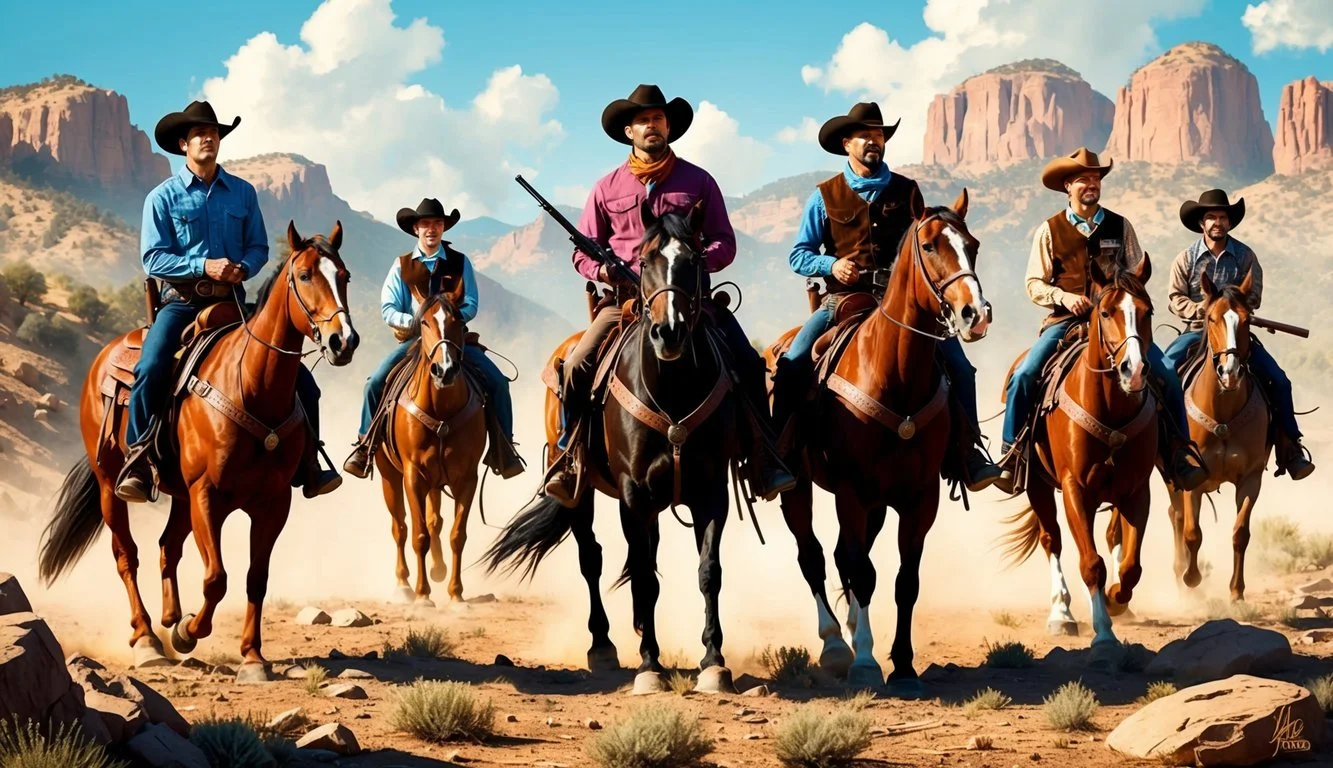
Deep in the heart of rugged terrain, Cowboy Camp stands as the premier training ground for aspiring Western action stars. This exclusive program transforms ordinary actors into authentic cowboys capable of performing their own stunts, handling firearms safely, and riding horses with confidence. Cowboy Camp combines rigorous physical training with detailed historical education to create performers who can genuinely embody the spirit of the American West on screen.
The camp's methodology has evolved since its inception in the early 1990s, when filmmakers recognized that authentic Western performances required specialized skills beyond standard acting techniques. Today's instructors include veteran stunt performers, champion rodeo riders, and historical consultants who work collaboratively to develop comprehensive training regimens tailored to each production's specific needs.
Hollywood's renewed interest in Western films has only increased demand for Cowboy Camp's services, with several recent blockbusters featuring graduates who impressed audiences with their technical proficiency and authentic portrayal of frontier life. The camp's influence extends beyond entertainment, preserving traditional Western skills while adapting them for modern cinematic storytelling.
The Rise of the Western Genre
Western films and literature carved an indelible mark on American entertainment history through their iconic imagery and storytelling traditions. Their evolution from simple tales to complex narratives reflects broader cultural shifts in how Americans viewed their frontier legacy.
Historical Context of Westerns
The Western genre emerged in the late 19th century as America's frontier era was ending. Dime novels featuring heroic cowboys and dangerous outlaws provided escapism for increasingly urbanized readers. Buffalo Bill's Wild West Show (1883-1913) brought Western mythology to life, captivating audiences across America and Europe.
Early silent Westerns like "The Great Train Robbery" (1903) established cinematic conventions that would define the genre. Through the 1920s and 1930s, Western films became a staple of American cinema.
The 1940s-50s marked the golden age of Westerns. Directors like John Ford created masterpieces such as "Stagecoach" (1939) and "The Searchers" (1956) that elevated the genre beyond simple entertainment to artistic expression.
Influence on Popular Culture
Westerns shaped American identity by reinforcing frontier values of self-reliance, justice, and individualism. The cowboy became an enduring symbol of American character—rugged, independent, and morally steadfast.
Television brought Westerns into homes weekly with shows like "Gunsmoke" (1955-1975) and "Bonanza" (1959-1973). These programs often ranked among the most-watched series of their eras.
Western fashion continues to influence mainstream clothing trends. Cowboy boots, denim jeans, and wide-brimmed hats remain fashion staples decades after the genre's peak popularity.
Musical traditions also reflected Western influence, from singing cowboys like Gene Autry to modern country music themes of open spaces and frontier independence.
Western Films vs. Western Literature
Zane Grey pioneered Western literature with novels like "Riders of the Purple Sage" (1912), establishing literary conventions before film adaptations existed. Literary Westerns often featured more complex character development and moral ambiguity than their early film counterparts.
Films emphasized visual spectacle—sweeping landscapes, dramatic shootouts, and horseback chases. Literature explored psychological and social themes in greater depth, particularly in works by authors like Louis L'Amour and later Cormac McCarthy.
Both mediums evolved from simple morality tales to more complex narratives. Early Westerns featured clear heroes and villains, while later works like "The Wild Bunch" (1969) and McCarthy's "Blood Meridian" challenged traditional notions of frontier heroism.
Western literature survives today in various forms, from historical fiction to contemporary tales set in modern Western landscapes. Films continue to revisit the genre, often with revisionist perspectives on American Western mythology.
Essential Cowboy Skills and Training
Aspiring Western action stars must master several fundamental skills to authentically portray cowboys on screen. The rigorous training regimen focuses on three core competencies that define genuine cowboy capabilities and create believable on-screen performances.
Expertise in Horsemanship
Horsemanship forms the foundation of cowboy training for actors. Students begin with basic mounting and dismounting techniques before progressing to proper posture and weight distribution in the saddle. The relationship between rider and horse is paramount.
Training involves daily riding sessions, starting with walking patterns and graduating to trots and gallops. Actors learn to control horses with subtle leg pressure and minimal rein movement, hallmarks of experienced riders.
Advanced students practice riding with one hand while performing secondary tasks—a critical skill for action sequences. They also master emergency maneuvers like quick dismounts and remounts during gallops.
Western riding styles differ significantly from English equestrian techniques. Trainees learn the proper positioning of legs, the distinctive grip on longer reins, and the balanced seat required for long hours in the saddle.
Roping Techniques
Roping represents one of the most visually distinctive cowboy skills actors must develop. Training begins with stationary targets before advancing to moving objects. Proper rope handling prevents tangles and ensures smooth throws.
The fundamental lasso techniques taught include:
Basic Loop Building - Creating and maintaining the proper-sized loop
Overhead Cast - The classic circular motion above the head
Heel Catches - Targeting the back legs of livestock
Head Catches - Aiming for horns or neck of cattle
Instructors emphasize wrist control and timing rather than strength. Actors practice daily with progressive challenges that simulate real ranch scenarios.
Rope maintenance is also covered, as cowboys traditionally cared for their equipment. Students learn to coil ropes properly after use and preserve them from elements that could compromise performance.
Firearm Proficiency
Safety forms the cornerstone of firearms training for Western action stars. Actors learn proper handling, loading, and unloading procedures before any shooting occurs. All training uses specialized props appropriate for film production.
Instruction covers period-accurate weapons like:
Single-action revolvers (Colt Peacemaker replicas)
Lever-action rifles (Winchester Model 1873 styles)
Period-appropriate shotguns
Quick-draw techniques require extensive practice, focusing on smooth movement rather than raw speed. Actors develop muscle memory through repetitive drills with unloaded firearms before advancing to blanks.
Authenticity extends to maintenance routines, as cowboys religiously cared for their weapons. Students learn proper cleaning methods and how to check mechanisms for proper function.
Instructors emphasize historical accuracy in handling, demonstrating how limitations of period firearms influenced actual usage patterns during the frontier era.
Cowboy Camp Structure and Activities
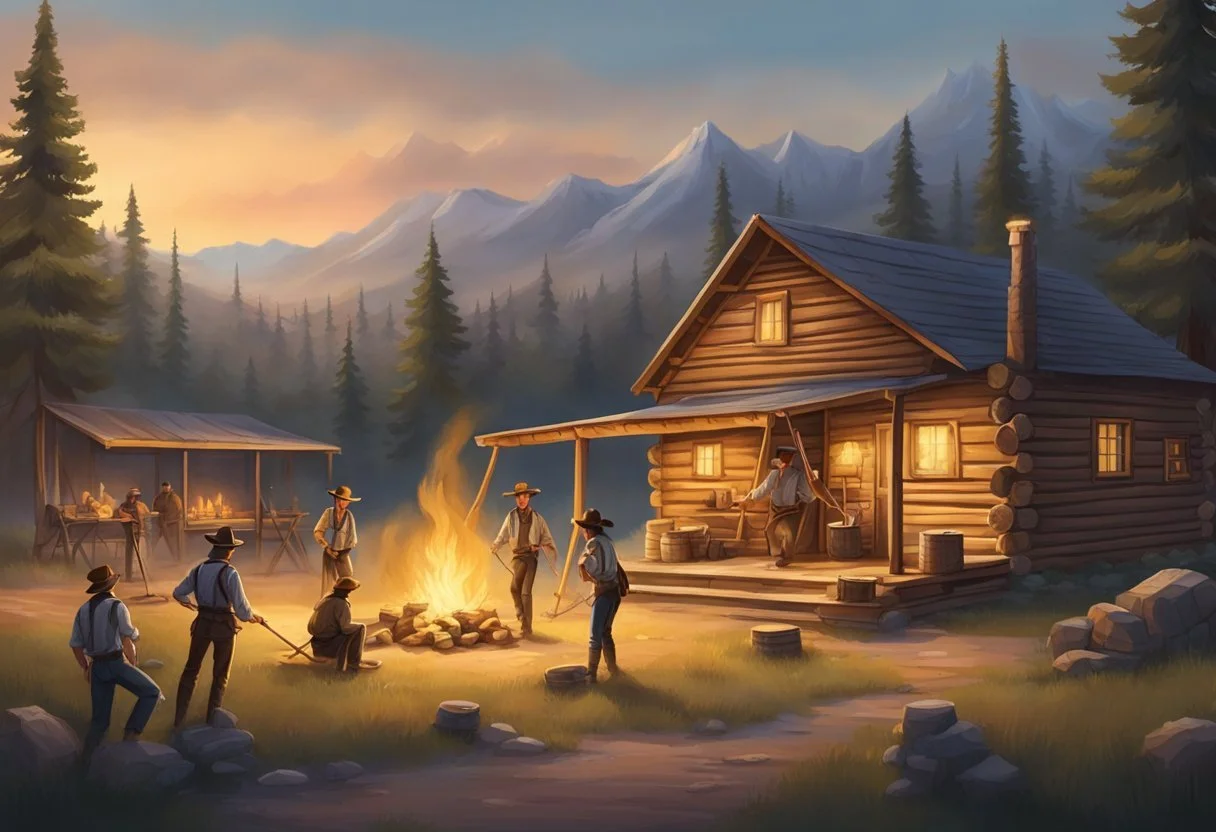
Cowboy Camp combines rigorous training with authentic Western experiences to prepare actors for roles requiring frontier skills. Participants develop horsemanship, weapon handling, and survival techniques through a carefully structured program that balances physical training with historical context.
Daily Itinerary and Drills
Participants at Cowboy Camp rise with the sun, typically beginning their day at 5:30 AM with a hearty frontier-style breakfast. Morning sessions focus on horsemanship fundamentals, including mounting, riding postures, and controlling horses at various speeds.
Afternoons are dedicated to weapon handling and stunt work. Actors practice with prop six-shooters, learning proper drawing techniques and period-accurate stances under expert supervision. Safety protocols are emphasized throughout all weapons training.
Evening drills include rope work and cattle herding basics. Instructors evaluate participants' progress daily, providing personalized feedback to address weaknesses.
Between intensive training blocks, actors study historical materials about the Old West to enhance their understanding of character motivations and period-specific behaviors. This balance of physical and contextual education creates a comprehensive foundation for authentic Western performances.
Hands-On Experience in Ranching
Authentic ranching activities form a crucial component of the Cowboy Camp curriculum. Participants learn to saddle and groom horses properly, understanding the equipment and terminology essential for convincing performances.
Cattle work introduces actors to the challenges of herding, cutting, and penning livestock. These skills build both confidence and credibility when portraying ranch hands or trail bosses on screen.
Basic farrier and veterinary care lessons provide insights into the relationship between cowboys and their animals. Actors participate in actual ranch maintenance tasks including:
Fence repair and construction
Feed preparation and distribution
Basic animal health monitoring
Barn and stable maintenance
These practical experiences help actors develop the weathered hands and natural movements of experienced ranchers. The physical demands of these activities also condition participants for the rigors of filming action sequences in remote locations.
Survival Skills for the Frontier
The frontier survival curriculum teaches actors to function believably in wilderness settings. Fire-building techniques using traditional methods like flint and steel demonstrate how historical figures managed without modern conveniences.
Shelter construction skills include building lean-tos, identifying safe camping locations, and utilizing natural materials. These lessons often take place during overnight excursions away from the main camp.
Water procurement and purification methods reflect historical practices, giving actors insight into daily survival concerns of frontier characters. Navigation training incorporates both celestial techniques and landmark recognition.
Basic tracking and hunting principles round out the survival curriculum. While actors don't typically perform actual hunting, they learn to recognize animal signs and move through wilderness environments authentically.
Weather prediction using natural indicators helps participants understand how frontier people planned their activities and responded to changing conditions. All these skills contribute to more nuanced and convincing performances when portraying characters who lived close to nature.
Cultural and Historical Representation
Cowboy Camp's curriculum acknowledges the complex history of the American West, balancing entertainment value with historical accuracy. Instructors strive to contextualize Western tropes and stereotypes while providing actors with a nuanced understanding of diverse perspectives.
The Representation of Native Americans
Hollywood's portrayal of Native Americans has evolved significantly since the early days of Western films. Cowboy Camp collaborates with Indigenous consultants to ensure respectful and accurate representation in training scenarios.
Traditional Western films often relegated Native characters to simplistic roles as either "Noble Savages" or violent antagonists. Historical figures like Geronimo and Cochise were frequently misrepresented, stripped of cultural context and complexity.
Modern training emphasizes the diversity among Indigenous nations and their unique histories. Actors learn about the problematic nature of films like "Broken Arrow" (1950) which, while progressive for its time, still contained stereotypical elements.
The program includes workshops on:
Language sensitivity and terminology
Cultural specificity rather than pan-Indian characterizations
Contemporary Native perspectives on historical events
Authentic costume and set design considerations
Manifest Destiny and the Westward Expansion
The concept of Manifest Destiny shaped American national identity and fueled westward expansion in the 19th century. Actors at Cowboy Camp learn about this ideology's impact on frontier narratives.
Instructors contextualize the romanticized vision of conquest that underpinned early Westerns. The program examines how films traditionally glorified settlers while minimizing the displacement of Indigenous peoples and Mexican populations.
Training includes historical background on critical events like the Gold Rush, Homestead Act, and transcontinental railroad construction. These discussions provide actors with deeper insight into the economic and political forces that drove westward migration.
Cowboy Camp emphasizes that authentic portrayals require understanding both heroic and troubling aspects of this era. By acknowledging this complex history, actors can bring greater depth to their performances.
Revisionist Westerns: A New Perspective
Since the 1960s, revisionist Westerns have challenged traditional frontier narratives, offering more nuanced perspectives on the American West. Cowboy Camp incorporates these evolving viewpoints into its training methodology.
Films like "Little Big Man" (1970) and "Unforgiven" (1992) reimagined Western tropes by highlighting moral ambiguity and questioning the genre's conventional heroes and villains. The camp's curriculum draws heavily from these revisionist approaches.
Actors learn to portray characters with psychological complexity rather than as simplistic archetypes. This training involves:
Exploring moral gray areas in historical conflicts
Understanding the environmental impact of westward expansion
Recognizing diverse experiences of women, immigrants, and minorities
Acknowledging the violence and trauma often sanitized in earlier Westerns
Through these critical perspectives, Cowboy Camp prepares actors to contribute to a more authentic cinematic representation of the American frontier experience.
Iconic Figures and Mythology
The cowboy archetype stands as one of America's most enduring cultural symbols, shaped by both historical figures and Hollywood's creative interpretation. These iconic characters emerged from the realities of frontier life before being transformed into larger-than-life heroes through film, literature, and popular culture.
Legendary Cowboys and Outlaws
The American West produced genuine heroes and villains whose exploits became the foundation for cowboy mythology. Figures like Jesse James and Billy the Kid achieved notoriety through their outlaw status, while lawmen such as Wyatt Earp and Wild Bill Hickok gained fame enforcing frontier justice.
These individuals straddled the line between historical fact and legend. Buffalo Bill Cody transformed from frontier scout to showman, creating his Wild West Show that toured internationally and shaped global perceptions of cowboys.
Women also made their mark on the frontier, though their stories received less attention. Annie Oakley demonstrated extraordinary shooting skills, while Calamity Jane defied gender norms through her frontier lifestyle and adventures.
These authentic figures provided the raw material that Hollywood would later refine into the archetypal cowboy hero.
The Hollywood Effect: John Wayne and Others
John Wayne emerged as perhaps the most influential cowboy figure in film history. His portrayal of strong, taciturn heroes in films like "The Searchers" and "True Grit" defined the cinematic cowboy for generations.
Other actors made significant contributions to the cowboy archetype. Gary Cooper in "High Noon" represented moral courage, while Clint Eastwood's characters in Sergio Leone's films introduced a grittier, more morally ambiguous version.
Modern cowboy camp training acknowledges this legacy. Instructors often reference classic western performances to teach proper stance, movement, and demeanor.
Films established key visual elements now considered essential to the cowboy image: the wide-brimmed hat, jangling spurs, and distinctive bowlegged walk. These cinematic contributions became so embedded in public consciousness that they now define what audiences expect from western action stars.
Cowboy as an American National Symbol
The cowboy transcended entertainment to become a powerful national symbol embodying core American values. Independence, self-reliance, and a connection to the land feature prominently in this mythology.
Politicians from Theodore Roosevelt to Ronald Reagan deliberately associated themselves with cowboy imagery to project strength and traditional values. This symbolism resonates with many Americans who see the cowboy as representing an idealized national character.
The frontier experience, as interpreted through cowboy stories, reinforces the American narrative of taming wilderness and building civilization. This mythology often glosses over complex historical realities, particularly regarding Native Americans and other marginalized groups.
Modern cowboy camps recognize this symbolic weight. Training focuses not just on technical skills but on helping actors understand the cultural significance of the roles they portray. This deeper understanding helps new western stars authentically represent a figure that continues to captivate audiences worldwide.
Locations for Westerns
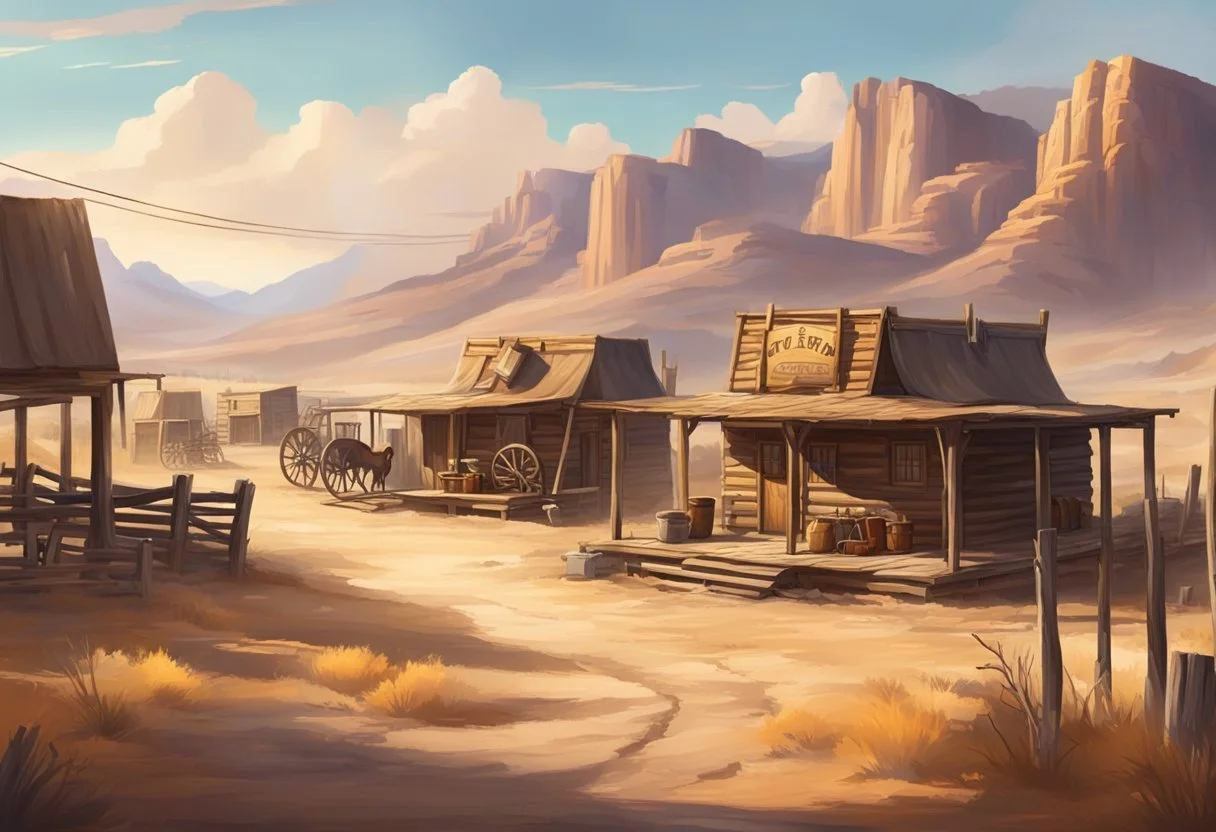
The American West offers filmmakers breathtaking natural backdrops that have defined the Western genre for generations. These iconic landscapes provide the perfect training grounds for aspiring Western actors to immerse themselves in authentic environments.
Arizona: From Tombstone to Monument Valley
Arizona remains one of the most sought-after filming locations for Western productions. The historic town of Tombstone preserves its Old West heritage with wooden boardwalks and saloons, creating an authentic 1880s atmosphere for actors to experience firsthand.
Monument Valley's dramatic red sandstone buttes have starred in countless classics, including John Ford's collaborations with John Wayne. These towering formations create the quintessential Western silhouette that immediately transports viewers to the frontier.
Old Tucson Studios offers purpose-built Western town sets where actors can practice their craft in realistic environments. Since 1939, this location has hosted over 400 productions, making it a training ground rich with cinematic history.
The Sonoran Desert provides the harsh, unforgiving landscape that challenges cowboy characters in traditional narratives. Actors training here develop an authentic understanding of the environmental conditions their characters would have faced.
New Mexico: The Land of Enchantment
New Mexico's diverse terrain makes it ideal for Western productions seeking variety within proximity. The state offers everything from rust-colored mesas to pine forests within short distances.
Santa Fe and Albuquerque serve as production hubs where Western camps can access both urban facilities and nearby natural wonders. The region's distinctive adobe architecture also provides a different aesthetic from typical wooden frontier towns.
Ghost Ranch near Abiquiu gained fame through Georgia O'Keeffe's paintings but has also featured in numerous Westerns. Its colorful cliffs and expansive views create perfect backdrops for horseback training sequences.
The Gila National Forest offers dense wilderness areas where actors can practice tracking and survival skills essential to authentic Western roles. Its remote nature provides the peaceful solitude needed to connect with the cowboy mindset.
Montana: Big Sky Country
Montana's nickname "Big Sky Country" perfectly captures its appeal for Western filmmakers and actors. The vast, open landscapes create the sense of unlimited frontier that defines the genre.
Glacier National Park offers rugged mountain terrain where actors can experience challenging rides and wilderness conditions. Its pristine nature provides authentic backdrops for scenes depicting the untamed West before settlement.
The working ranches surrounding Bozeman and Livingston offer immersive training opportunities. Here, actors learn practical skills from real cowboys while experiencing the day-to-day realities of ranch life.
Montana's ever-changing weather conditions prepare actors for shooting in unpredictable environments. From summer heat to winter snows, this variety helps performers develop the resilience characteristic of Western heroes.
Modern Western Adaptations
The Western genre has experienced a remarkable revival in recent years, with new interpretations bringing fresh perspectives to classic themes of frontier justice and rugged individualism. These adaptations span various media forms, reaching audiences through innovative storytelling approaches while honoring the genre's rich traditions.
Contemporary Film and Television
Yellowstone, created by Taylor Sheridan, stands as perhaps the most influential modern Western, attracting millions of viewers with its portrayal of the Dutton family's struggle to maintain their ranch. Kevin Costner's portrayal of patriarch John Dutton has redefined the modern cowboy archetype for a new generation of viewers.
Sheridan's distinctive style extends to other productions like "Wind River" and "Hell or High Water," which examine Western themes through a contemporary lens. These productions employ cinematography techniques that capture vast landscapes while exploring complex moral questions.
Modern Westerns often address previously overlooked perspectives, including those of women, Indigenous peoples, and other marginalized groups. Films like "The Power of the Dog" and "News of the World" demonstrate how the genre continues to evolve while maintaining its connection to traditional Western elements.
Westerns in Literature Today
Contemporary Western literature has expanded beyond traditional Louis L'Amour-style adventures to incorporate diverse voices and complex themes. Modern Western novels frequently blend genre conventions with literary fiction approaches, creating works that appeal to broader audiences.
The availability of eBooks has dramatically increased access to Western literature, with many authors finding success through digital publishing platforms. Authors like Craig Johnson, whose Longmire series inspired a successful television adaptation, demonstrate the continued relevance of Western themes.
Popular Western Literary Trends:
Neo-Western novels set in modern times
Historical fiction with meticulous period research
Cross-genre works combining Western elements with thriller, mystery, or supernatural components
Literary critics in Media Studies departments increasingly recognize these works as worthy of serious academic consideration, analyzing how they reflect contemporary social concerns through traditional Western frameworks.
Western Video Games
Video games have become a powerful medium for Western storytelling, allowing players to actively participate in frontier narratives. Red Dead Redemption 2 stands as the genre's crowning achievement, offering an immersive open-world experience that combines historical accuracy with compelling character development.
The game's detailed environments and morality systems allow players to experience the ethical complexities of frontier life. Its success has inspired numerous other Western-themed games across various platforms.
Independent game developers have also embraced Western themes, creating innovative titles that experiment with the genre's conventions. Games like "Hard West" and "Desperados III" combine tactical gameplay with rich storytelling.
These interactive experiences often serve as gateways to the genre for younger audiences, introducing them to Western conventions and potentially sparking interest in Western films, television, and literature. The popularity of these games demonstrates the enduring appeal of Western themes when presented through contemporary entertainment formats.
Preserving the Legacy
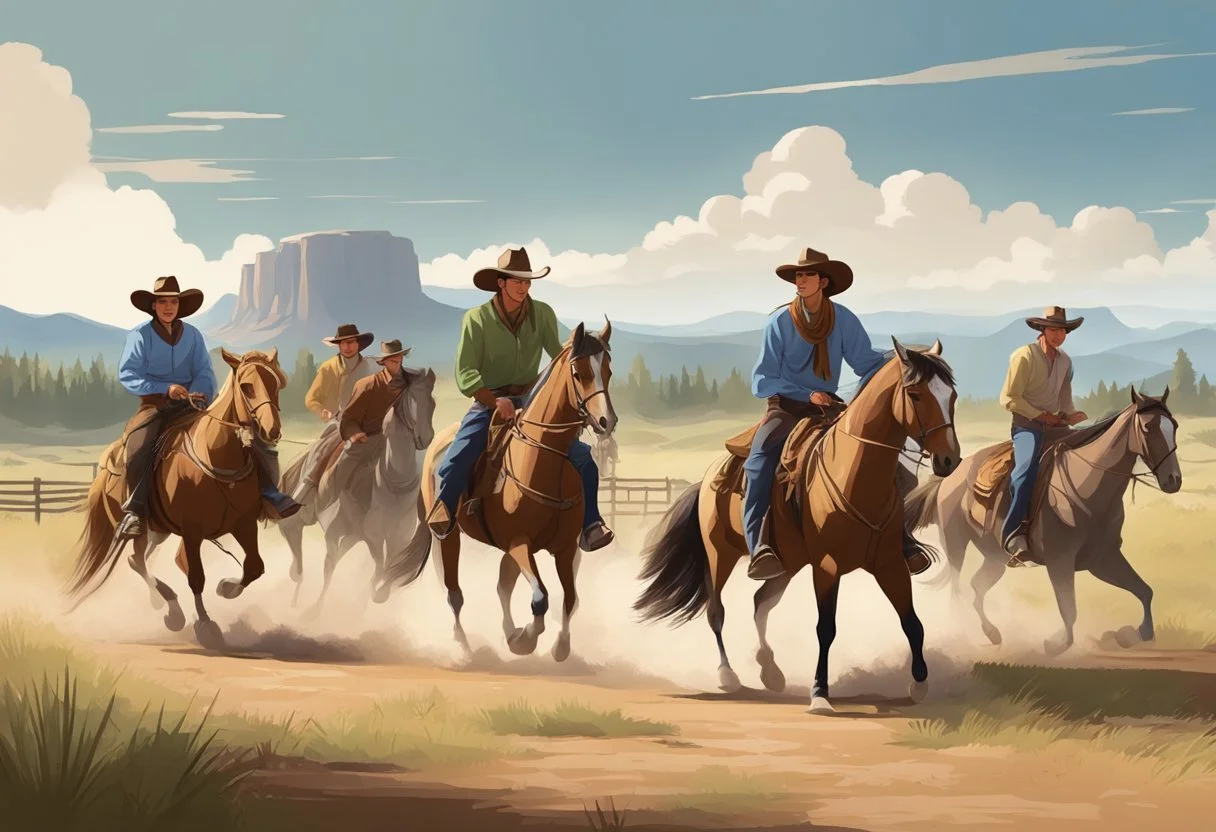
The Western genre's cultural impact extends far beyond Hollywood studios and into the public consciousness. Its distinctive traditions continue through careful preservation efforts, legal frameworks, and passionate community engagement.
Western Classics in Public Domain
Many foundational Western films and literature have entered the public domain, creating valuable resources for Cowboy Camp training programs. Classic works by Zane Grey, including "Riders of the Purple Sage," now freely available, provide authentic source material for aspiring Western performers. These copyright-expired works offer acting students unrestricted access to study iconic character archetypes and dialogue patterns.
Public domain materials enable training facilities to recreate scenes from early Western cinema without licensing concerns. Directors frequently incorporate these classic sequences into training exercises, helping students connect with the genre's roots. The accessibility of these materials ensures the preservation of Western storytelling techniques across generations of performers.
Films like "The Great Train Robbery" (1903) serve as technical study pieces for understanding the evolution of Western cinematography. Students analyze these pioneering works to appreciate how the visual language of Westerns developed over time.
The Role of Copyright Laws
Copyright protection significantly impacts how modern Cowboy Camps operate within the Western genre ecosystem. Instructors must carefully navigate complex intellectual property laws when teaching from copyrighted materials. Many camps establish relationships with rights holders, securing educational licenses for protected Western content.
These legal frameworks create both challenges and opportunities for preservation. While copyright laws restrict some uses, they also protect the financial viability of Western productions. The revenue generated from properly licensed content often flows back into preservation initiatives.
Studios holding valuable Western intellectual property typically demand substantial fees, creating potential barriers for smaller training programs. This economic reality has prompted many camps to develop original training content inspired by, but not directly copying, copyrighted classics.
Western Societies and Fan Communities
Dedicated Western societies and fan communities play a crucial role in supporting Cowboy Camp initiatives nationwide. Organizations like The Western Heritage Preservation Society provide historical consultants who ensure authentic training experiences. These communities maintain collections of period-appropriate props, costumes and equipment for educational use.
Fan conventions frequently feature workshops led by Cowboy Camp graduates, creating networking opportunities for aspiring Western performers. Online forums connect Western enthusiasts with training programs, helping to cultivate new generations of participants. The passion of these communities drives continued interest in Western performance skills.
Local historical societies often collaborate with training programs by offering access to regional Western history resources. This community support helps Cowboy Camps develop curriculum that reflects diverse Western experiences rather than just Hollywood stereotypes.
The Psychological Landscape
Cowboy Camp delves deep into the mental terrain that actors must navigate to authentically portray western heroes. The psychological elements of solitude, moral complexity, and frontier justice form the foundation upon which convincing western performances are built.
Solitude and Companionship on the Prairie
Actors training to embody western characters must understand the profound psychological impact of prairie solitude. The vast, open landscapes create a unique mental state that combines independence with isolation, a duality western stars must convey through subtle expressions and body language.
"The prairie becomes a character itself, shaping the cowboy's mind," explains veteran trainer Jack Willoughby. "We have actors spend nights alone under the stars to experience this firsthand."
Trainees learn to portray the distinctive camaraderie formed between pioneers who shared these isolated conditions. This bond, forged through mutual dependence and shared hardship, differs significantly from relationships formed in more populated settings.
Camp programs include exercises where actors maintain silence for extended periods, interrupted only by purposeful communication typical of prairie life. This practice helps them internalize the economy of expression characteristic of western heroes.
The Complexity of Western Heroes
Western protagonists exist in a moral gray area that modern actors must comprehend to deliver authentic performances. Unlike contemporary heroes, the western figure often operates according to a personal code that may conflict with established law.
Training includes extensive character development workshops focusing on internal conflicts. Actors study the psychological tension between individualism and community responsibility that defines many western narratives.
"The most compelling western heroes carry inner wounds," notes psychologist Dr. Maria Hernandez, who consults for the program. "We teach actors to layer their performances with hints of past trauma without overplaying it."
The camp emphasizes the contrast between eastern society's structured morality and the frontier's situational ethics. This dichotomy creates the distinctive psychological profile that separates convincing western performances from mere caricatures.
Destiny and Morality on the New Frontier
The concept of manifest destiny significantly influenced the psychological landscape of western figures. Actors at Cowboy Camp learn to embody the conviction of pioneers who believed in their right and obligation to tame the wilderness.
"We discuss the moral implications of frontier expansion," says historical consultant Thomas Reed. "Understanding this mindset is crucial for authentic portrayals."
Training sessions explore the psychological burden of frontier justice, where characters often serve as judge, jury, and executioner. Actors practice conveying the weight of these decisions through subtle physical cues rather than explicit dialogue.
The camp's curriculum includes analyzing how different characters approach moral dilemmas based on their backgrounds and values. This creates a foundation for nuanced performances that avoid simplistic good-versus-evil narratives.
Special attention is given to portraying the psychological transition many western characters undergo when reconciling personal freedom with emerging societal structures. This evolution forms the emotional core of many classic western narratives.
