
Inside John Dutton's Mind: Yellowstone's Most Twisted TV Titan
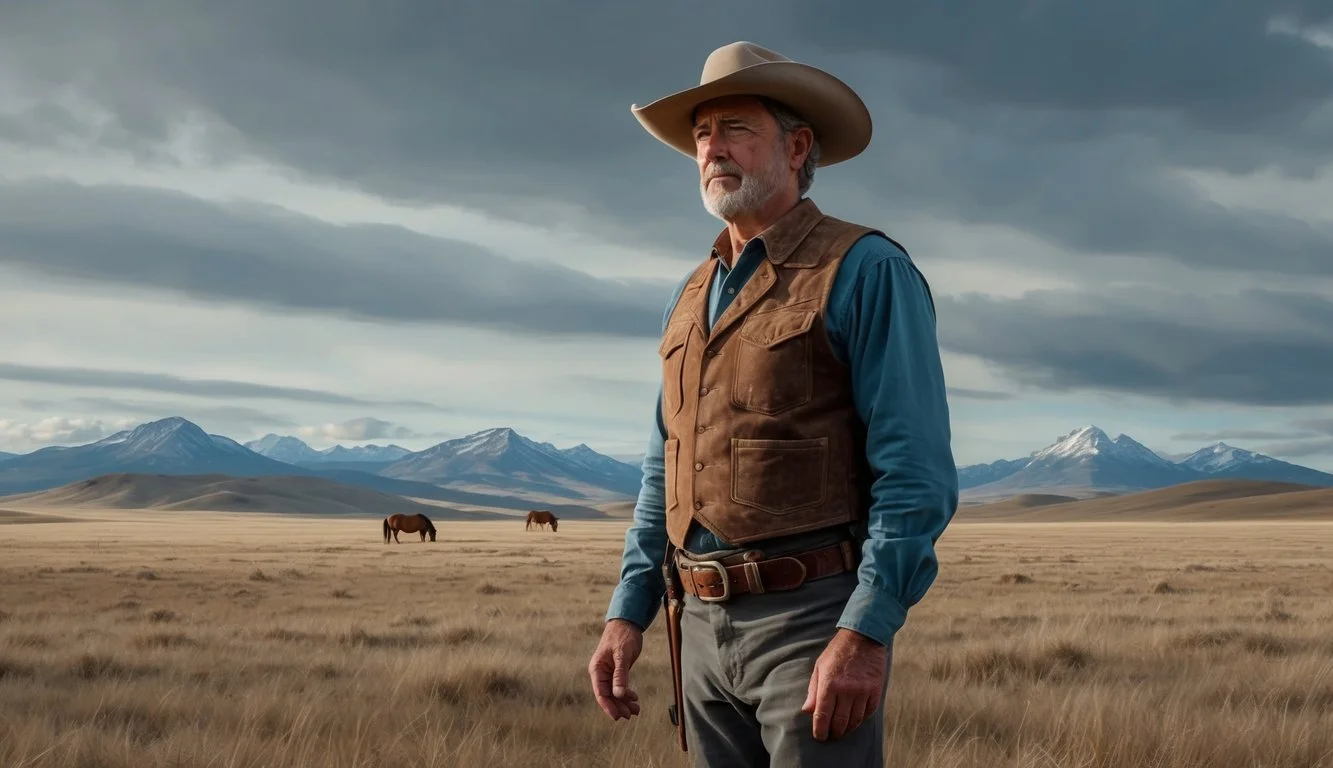
John Dutton, the patriarch of Paramount's hit series "Yellowstone," represents one of television's most psychologically nuanced characters in recent memory. His complex moral code, fierce loyalty to family legacy, and ruthless business tactics create a character study worthy of deep analysis. Through his contradictions and internal struggles, viewers witness a man fighting to preserve a way of life while battling his own demons.
The psychological makeup of John Dutton reveals how childhood trauma, grief, and power dynamics shape human behavior in profound ways. His character embodies the tension between tradition and progress, showcasing how deeply held values can both strengthen and destroy relationships. The portrayal by Kevin Costner brings subtle emotional depth to a man whose exterior toughness masks vulnerability.
Television rarely presents such multifaceted patriarchal figures, making John Dutton a compelling subject for psychological examination. His decisions, though often morally questionable, stem from a coherent internal logic that resonates with viewers. This combination of relatability and complexity has transformed him into one of modern television's most fascinating character studies.
The Creation of John Dutton: Origins and Influence
John Dutton's character emerged from a rich tradition of complex patriarchs in American storytelling. His development reflects both classic western archetypes and modern narrative expectations of morally ambiguous protagonists.
Roots in Film and Television History
John Dutton stands as an evolution of the classic western patriarch, drawing inspiration from characters like John Wayne's Ethan Edwards in "The Searchers" and Clint Eastwood's William Munny in "Unforgiven." These connections are not coincidental but deliberate artistic choices by creator Taylor Sheridan.
The character represents a modern take on the rancher archetype established in television series like "Bonanza" and "Dallas." Unlike his predecessors, Dutton operates in a contemporary setting while embodying traditional values.
His complexity emerges from the tension between rugged individualism and changing societal norms. This duality allows the character to resonate with audiences who appreciate both nostalgic western tropes and modern psychological depth.
Intellectual Property and the Birth of a Patriarch
Taylor Sheridan conceived John Dutton as the centerpiece of his vision for a modern western drama. The character was developed during Sheridan's transition from actor to writer-director, incorporating elements from his Texas upbringing and observations of changing rural America.
Paramount Network backed Sheridan's vision, recognizing the potential for a character who embodied traditional values in conflict with contemporary challenges. This support allowed for the full development of Dutton's complex moral framework.
The character's intellectual property rights remain with Sheridan and the network, enabling consistent characterization across seasons. This continuity has been crucial to maintaining Dutton's authenticity and audience connection.
The success of John Dutton demonstrates how powerful intellectual properties can emerge from character-driven narratives rather than high-concept premises.
Character Analysis: The Psychology Behind John Dutton
John Dutton's complex psychological makeup stems from deep-seated values of autonomy, control, and family preservation. His behavior reveals a man shaped by generational trauma and the harsh realities of maintaining power in Montana's changing landscape.
Autonomy and Power Dynamics
John Dutton's psychology is fundamentally rooted in his need for autonomy and control. His identity is inseparable from the Yellowstone ranch, creating a psychological framework where threats to the land become existential threats to his selfhood.
This connection manifests in his rigid decision-making process and unwillingness to compromise, even when pragmatism might dictate otherwise. He views power as a zero-sum game—either he maintains complete control or faces total loss.
His interactions with government officials, developers, and tribal leaders reveal a man who understands power dynamics intuitively. John employs various psychological tactics to maintain dominance, from strategic intimidation to calculated displays of generosity.
Family Dynamics and Patriarchal Control
The Dutton family operates under John's unquestioned patriarchal authority. He exercises psychological control through emotional manipulation, conditional love, and strategic withholding of approval from his children.
Beth, Kayce, and Jamie exist in a constant state of seeking validation from their father. John's parenting style features clear psychological abuse patterns, particularly evident in his relationship with Jamie, where he employs tactics of isolation and humiliation.
His love for his children is genuine but conditional upon their loyalty to the ranch and his vision. This creates a toxic family system where individual identity formation is stifled by John's overwhelming presence and expectations.
Key Family Relationship Patterns:
With Beth: Encouragement of ruthlessness and unwavering loyalty
With Kayce: Push-pull dynamic of rejection and reconciliation
With Jamie: Sustained psychological undermining and identity control
John Dutton's Approach to Conflict and Crisis
John approaches conflict with a strategic mindset rooted in psychological warfare. He anticipates his opponents' moves by understanding their motivations and vulnerabilities, then exploits these weaknesses methodically.
During crises, his leadership style becomes more pronounced—directive, unflinching, and sometimes ruthless. He demonstrates remarkable emotional regulation in high-pressure situations, compartmentalizing feelings to focus on tactical responses.
His conflict resolution typically involves dominance rather than compromise. When facing external threats, he rallies family members and allies through a combination of loyalty appeals and intimidation.
The psychological cost of this perpetual state of conflict manifests in his increasing isolation and occasional moments of vulnerability. These rare glimpses reveal a man aware of his mortality and questioning his legacy.
Ethical Dilemmas and Moral Complexity
John Dutton consistently faces moral crossroads that define his character and leadership approach. His choices reveal the complex interplay between personal ethics and the practical demands of protecting his legacy.
The Morality of Leadership and Governance
John Dutton's leadership style embodies a traditional form of governance that often operates outside conventional legal frameworks. His decision-making frequently prioritizes the preservation of his land and family legacy above all else, creating significant ethical tensions.
He justifies morally questionable actions by framing them as necessary sacrifices for a greater purpose—maintaining the ranch that supports his family and employees.
This utilitarian approach manifests when he leverages political connections to block development projects threatening his ranch. His relationships with local officials highlight the blurred boundaries between protection and corruption.
John's mental health noticeably deteriorates when forced to compromise his personal code. This struggle becomes evident in his physical demeanor and increased isolation during periods of ethical conflict.
Exploring the Themes of Corruption and Ethics
The Yellowstone narrative deliberately positions John in ethically ambiguous scenarios that challenge viewers' perceptions of right and wrong. His character exists in a moral gray area where traditional notions of justice don't always apply.
John operates within a corrupt system while simultaneously fighting against it. He manipulates political processes when beneficial yet stands firmly against corporate entities using similar tactics.
His ethical inconsistencies become most apparent in his selective enforcement of his personal code—showing mercy to some while delivering harsh justice to others based on subjective criteria.
These contradictions create compelling storytelling by forcing viewers to question their own ethical boundaries. Would they make similar choices under such pressures?
The causal relationship between corruption and survival in John's world suggests that ethical purity may be incompatible with the preservation of the traditional ranching lifestyle he defends.
Media Representation and Public Perception
John Dutton's character has sparked significant discourse among critics and viewers, reflecting broader societal attitudes toward traditional masculine leadership. His portrayal has influenced cultural conversations about power, family, and the changing American landscape.
The Cultural Impact of John Dutton
John Dutton has emerged as a cultural touchstone in contemporary television, resonating particularly with audiences nostalgic for traditional American values. His character has become a symbolic figure in debates about land ownership and rural identity across various mass media platforms.
Viewers from diverse backgrounds interpret Dutton differently—some see him as the last defender of a vanishing way of life, while others critique his representation of entrenched male dominance. Cultural practices depicted in the show, from cattle ranching to tribal relations, have sparked renewed interest in Western heritage.
The character has inspired merchandise, social media communities, and even tourism to Montana, demonstrating his impact beyond the screen. His complicated moral stance creates divisive yet passionate public discourse about American ideals and their evolution.
Television's Role in Shaping Views of Patriarchy
Television studies scholars have noted how Yellowstone presents a nuanced examination of patriarchy through John Dutton's character. The show neither wholly condemns nor celebrates his authoritarian approach to family dynamics, instead portraying the complex consequences of his leadership style.
Public service media and cultural critics have analyzed how the character reinforces or challenges traditional masculine archetypes. His fierce protection of his children while simultaneously controlling their lives creates a tension viewers must reconcile.
The show's popularity has influenced broader representations of fathers in television, with more complex patriarchs appearing across networks. Gender dynamics portrayed through Dutton's interactions demonstrate both toxic and nurturing aspects of traditional masculinity.
His character offers a mirror for viewers to examine their own beliefs about appropriate family leadership in modern America.
Psychological Trauma and Coping Mechanisms
John Dutton's character is shaped by significant psychological trauma that manifests in his behaviors and relationships. His coping mechanisms reveal deep wounds that influence his leadership style and family dynamics.
The Consequences of Abuse and Assault
John Dutton's exposure to various forms of psychological and emotional abuse throughout his life has profoundly affected his worldview. His father's harsh parenting style instilled a rigid sense of duty that often prevents him from forming healthy emotional connections.
Physical confrontations and assaults have reinforced John's belief that violence is sometimes necessary for survival. This perspective is evident in how he trains his children to be tough and unyielding.
When faced with threats, John typically responds with calculated aggression rather than seeking help or processing his emotions. This pattern stems from early experiences that taught him vulnerability equals weakness.
His relationship with his ranch demonstrates a complex coping mechanism. The land provides both purpose and distraction from processing deeper traumas, serving as both sanctuary and prison.
Mental health professionals might identify John's controlling behavior as a response to childhood powerlessness. His need to dominate situations reflects his attempt to prevent further trauma.
Despite these maladaptive patterns, John occasionally displays moments of empathy, particularly toward his children's suffering. These glimpses suggest potential for growth and healing if he were to acknowledge his wounds.
John Dutton in the Age of Digital and Network Media
John Dutton's character offers a compelling lens through which to examine tensions between traditional values and modern technology. His resistance to digital innovation mirrors broader societal anxieties about technological encroachment on traditional ways of life.
Surveillance, Privacy, and Autonomy in Fiction
John Dutton's antagonistic relationship with technology reflects deeper themes of surveillance and privacy in contemporary media. Throughout Yellowstone, his character consistently rejects technological intrusions, from drones over his property to digital record-keeping systems.
This resistance isn't merely characterization but serves as commentary on modern surveillance culture. Dutton's ranch exists as one of fiction's last autonomous spaces, deliberately positioned against the digital landscape that threatens rural identity.
The show's creators use this tension effectively, presenting Dutton's privacy concerns not as paranoia but as legitimate resistance against corporate and governmental overreach. His character embodies the growing public anxiety about digital monitoring and the erosion of personal boundaries.
His struggle resonates with viewers who harbor concerns about their own diminishing privacy in an increasingly connected world.
The Role of Digital Media in Television Narratives
Yellowstone itself represents an interesting paradox within network media. While John Dutton rejects digital intrusion, the character has become a digital phenomenon through streaming platforms and social media discussion.
This contradiction highlights how contemporary television navigates storytelling in the digital age. Dutton's character – the analog cowboy – thrives in digital spaces through:
Streaming accessibility expanding the show's reach beyond traditional cable
Social media conversation amplifying character analysis
Online fan communities celebrating his traditional values
The show's creators leverage digital platforms to tell a story about resistance to those very technologies. This narrative approach allows viewers to simultaneously critique and participate in digital culture.
The character serves as a reference point for discussing how fictional narratives increasingly blend traditional storytelling with modern distribution channels, creating new forms of audience engagement.
Legacy and Impact: The Cultural Significance of John Dutton
John Dutton has emerged as one of television's most influential patriarchal figures, reshaping audience expectations and cultural narratives. His character has left an indelible mark on both the entertainment industry and broader discussions about American identity, land ownership, and family dynamics.
Analyzing Dutton's Influence on Film and Culture
The Dutton character has redefined the modern television antihero, moving beyond the urban settings of predecessors like Tony Soprano and Walter White to embody rural American values and conflicts. His stoic demeanor and complex moral code resonate with viewers searching for authentic portrayals of traditional masculinity in contemporary settings.
Key Cultural Impacts:
Renewed interest in Western narratives and rural American stories
Sparked discussions about land conservation, indigenous rights, and family legacy
Influenced fashion trends with the popularization of Western wear and ranch aesthetics
John Dutton's character has also prompted critical examination of power structures in rural America. His struggles with modernization and corporate interests mirror real tensions in many communities, making him a symbolic figure in conversations about changing cultural practices and values.
Future of Television Archetypes in the Wake of Dutton
Television creators now regularly reference the "Dutton model" when developing complex patriarchal characters with moral ambiguity. This influence extends beyond Westerns into various genres where family dynasties and power struggles form central narratives.
Writers and producers increasingly craft characters with Dutton-esque characteristics:
Unwavering dedication to heritage and legacy
Complex relationships with modernity and tradition
Morally questionable methods justified by family protection
The success of John Dutton has also expanded opportunities for older actors in leading television roles. His character demonstrated that audiences connect with mature protagonists facing existential questions about their legacy and mortality.
Industry analysts predict Dutton's influence will continue shaping television narratives for at least a decade, particularly in how family dynamics and generational conflict are portrayed in prestige dramas. His character has become a cultural touchstone in discussions about American identity and values.
