
Mia and Laramie Shatter Ranching Stereotypes in Yellowstone
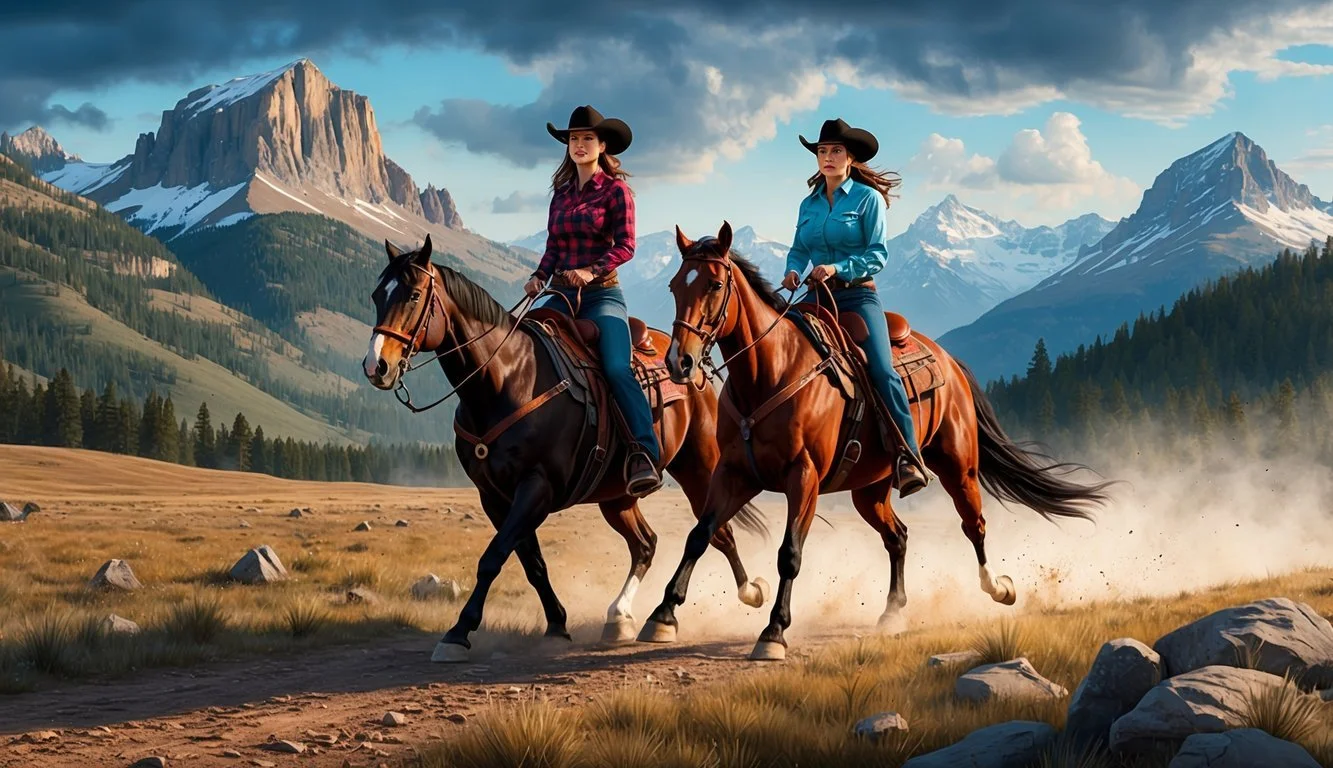
The hit series Yellowstone has captivated audiences not only with its dramatic portrayal of ranch life but also through its complex female characters. Mia and Laramie represent a new archetype of women in the traditionally masculine world of ranching, challenging stereotypes while navigating the rugged landscape of Montana.
These female ranch hands bring authenticity to the show by reflecting the real but often overlooked presence of women in western ranching culture. Their storylines provide a window into the evolving gender dynamics of modern ranch work, where skill and determination often matter more than gender in earning respect among peers.
The relationships Mia and Laramie form with the male characters reveal the subtle power struggles and shifting expectations that occur when women enter male-dominated spaces. Their integration into the bunkhouse community serves as a microcosm for broader cultural changes happening across the American West, where traditional gender roles continue to evolve despite deep-rooted conventions.
Historical Context of Female Ranch Hands
Ranch work in the American West historically followed strict gender divisions, though women have consistently contributed to ranching operations despite being overlooked in historical accounts. Their roles evolved significantly from the 19th century through modern times.
Evolution of Women's Roles in Rural America
Women in rural America initially managed domestic duties while men handled livestock and field work. By the late 1800s, many women assumed greater responsibilities in ranching operations out of necessity, especially during wartime or economic hardship. The Homestead Act of 1862 allowed single women to claim land, leading some to establish their own ranches in Montana and other western territories.
During World Wars I and II, women stepped into traditionally male roles when men left for military service. This period marked a significant shift in perceptions about women's capabilities in ranch work. By the mid-20th century, some women were managing entire ranching operations independently.
Notable Female Ranchers in Montana History:
Elizabeth Williams (1870s) - Managed a 2,000-acre cattle operation
Sarah Bowman (1920s) - Known for innovative breeding techniques
The "Cattle Queens" of the 1880s-1890s who owned substantial herds
Gender Norms and Labor in the American West
The American West presented a paradox for women in ranching. The frontier's harsh conditions often necessitated flexibility in gender roles, yet rigid social expectations persisted. Women who performed "men's work" faced scrutiny and often downplayed their contributions to maintain social acceptance.
On isolated Montana ranches, practical needs frequently overrode traditional gender expectations. Women routinely broke horses, mended fences, and participated in cattle drives alongside men, though these contributions were rarely documented in official histories.
The concept of the "helper" emerged as a compromise. Women's ranch work was framed as "helping" their husbands rather than acknowledging their roles as equal partners in the operation. This framing preserved the gender hierarchy while allowing women's essential labor to continue.
Cultural representations in literature and film reinforced stereotypes about ranch work being masculine, further obscuring women's actual participation in ranching history.
Character Analysis of Mia and Laramie
Mia and Laramie stand out as significant female characters who challenge traditional gender roles within the rugged environment of the Yellowstone ranch. Their characterizations offer insight into the evolving gender dynamics in Western culture and ranch life.
Mia: Resilience and Agency
Mia, portrayed by Eden Brolin, emerges as a barrel racer with remarkable determination and clear boundaries. Her relationship with Jimmy Hurdstrom reveals her unwillingness to compromise her independence for romantic attachment.
She demonstrates exceptional resilience when faced with Jimmy's competing loyalties between her and his ranch obligations. This tension highlights the conflict between personal relationships and ranch commitments.
Mia's character embodies agency through her consistent refusal to be sidelined. When Jimmy chooses the ranch over her, she makes the difficult decision to walk away rather than diminish her priorities.
Her presence in Yellowstone challenges traditional gender expectations by showcasing a woman who participates fully in ranch activities while maintaining her professional rodeo aspirations.
Laramie: Representation of Progress
Laramie, played by Hassie Harrison, represents a modern evolution in how women navigate predominantly male ranch environments. Her confidence and casual approach to relationships with the ranch hands disrupt established dynamics.
Her infamous "barrel racer" identity comes with complex implications about female sexuality and autonomy within the ranch hierarchy. The writers use Laramie to explore how women can claim space in traditionally masculine domains.
Unlike more peripheral female characters, Laramie integrates herself into ranch life without abandoning her femininity. Her relationships with Lloyd and Walker create narrative tension while illuminating the changing nature of gender politics.
Laramie's character reflects broader cultural shifts in how female ranch workers are portrayed in contemporary Western media. Her unapologetic presence forces male characters to reconsider their assumptions about women's roles at Yellowstone.
Yellowstone's Portrayal of Gender Dynamics
Yellowstone presents a complex portrayal of gender dynamics through its diverse cast of characters operating within the traditional ranching environment. The show examines power structures, feminine influence, and challenges to conventional gender roles against the backdrop of Montana's rugged landscape.
Relationships and Power Structures
The Dutton ranch operates with a clear hierarchical structure where authority often aligns with traditional masculine power. John Dutton stands as the patriarchal figure, wielding significant control over both family and business affairs.
Female characters navigate this male-dominated environment through different approaches. Beth Dutton uses sharp business acumen and aggressive tactics, while Mia and Laramie employ a blend of feminine charm and frontier toughness to establish their positions.
Working relationships on the ranch reflect gender-based power dynamics. Male ranch hands initially treat women with skepticism regarding their capabilities for physical ranch work. This skepticism gradually transforms as women like Mia demonstrate their value through consistent performance and resilience.
The bunkhouse serves as a microcosm of these shifting dynamics, where female ranch hands must prove themselves worthy of respect through their skills rather than their gender.
Influence of Female Characters in Yellowstone
Female characters in Yellowstone wield significant influence despite operating in traditionally masculine spaces. Their power manifests in various forms beyond physical strength.
Beth Dutton exemplifies intellectual power through her business strategies and psychological warfare tactics. Her influence extends beyond the ranch to the corporate world, demonstrating that female power transcends traditional boundaries.
Mia and Laramie bring different but equally important influences to the ranch environment. Their presence disrupts established patterns and introduces new perspectives on how ranch work can be approached.
Women in Yellowstone often exercise influence through relationship networks and emotional intelligence. They identify vulnerabilities and strengths in others that male characters frequently overlook.
The show portrays female influence as complementary rather than competitive with male authority, suggesting that diverse approaches strengthen the ranch community as a whole.
Challenging Traditional Gender Roles
Yellowstone consistently presents characters who defy conventional gender expectations. Female ranch hands perform tasks historically assigned to men, including breaking horses, participating in cattle drives, and engaging in physical confrontations.
Mia demonstrates exceptional horse-handling abilities that earn respect from even the most traditional cowboys. Her skills challenge the notion that certain aspects of ranch work are exclusively male domains.
Key Gender Role Reversals in Yellowstone:
- Women participating in dangerous physical ranch work
- Men showing emotional vulnerability
- Female characters making strategic business decisions
- Shared domestic responsibilities in ranch settings
The show examines how gender expectations shift across generations. Younger characters typically demonstrate more flexible attitudes toward gender roles than older ranch hands who hold traditional views.
Yellowstone doesn't present these challenges to gender norms as political statements but as natural evolutions within a changing rural American landscape. This approach allows the show to explore gender dynamics without becoming overtly ideological.
Cultural Impact of Yellowstone
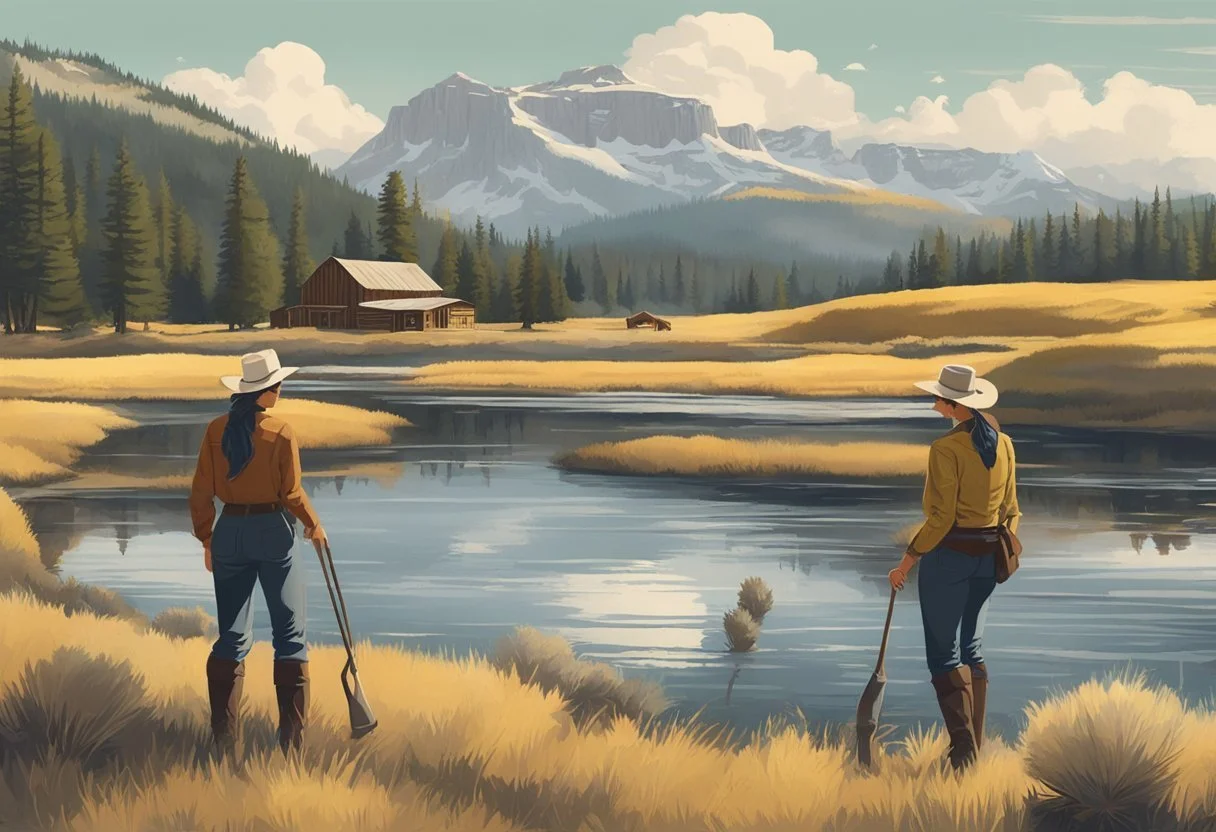
Yellowstone has significantly influenced American entertainment and shaped conversations around ranch life and gender roles. The show's realistic portrayal of women in traditionally male-dominated spaces has resonated with viewers across demographic lines.
Television's Role in Shaping Gender Perceptions
Television narratives hold substantial power in reinforcing or challenging gender stereotypes. Yellowstone deliberately subverts expectations through characters like Mia and Laramie, who operate competently in the traditionally masculine ranch environment. Their portrayal as capable ranch hands rather than peripheral romantic interests represents a meaningful shift in western media.
These female characters demonstrate horsemanship, cattle work, and ranch operations knowledge that equals their male counterparts. The show avoids the common pitfall of positioning women as merely decorative or as plot devices for male character development.
Media critics have noted that Yellowstone's approach to gender representation aligns with broader societal shifts toward recognizing women's contributions in all professional spheres. This portrayal helps normalize women's presence in agricultural and ranching industries where they have always worked but rarely been highlighted.
Yellowstone's Reach and Audience Reception
Yellowstone has achieved unprecedented viewership numbers for a cable drama, reaching over 10 million viewers during peak episodes. This wide audience extends the show's cultural influence far beyond typical western genre enthusiasts.
The series has sparked renewed interest in ranch life across diverse demographic groups. Online forums and social media communities frequently discuss the realistic portrayal of women's roles on the ranch, with many female viewers expressing appreciation for seeing their experiences represented.
Viewership Demographics:
45% female viewers
Strong ratings across urban and rural markets
Cross-generational appeal
The show has influenced discussions of environmental justice through its complex portrayal of land use conflicts between ranchers, developers, and Native American tribes. These nuanced narratives encourage viewers to consider competing claims to land and resources.
Tourism to Montana and Wyoming has increased markedly since the show began, with visitors specifically seeking "Yellowstone experiences" that include horseback riding and ranch stays.
Production Insights of Yellowstone
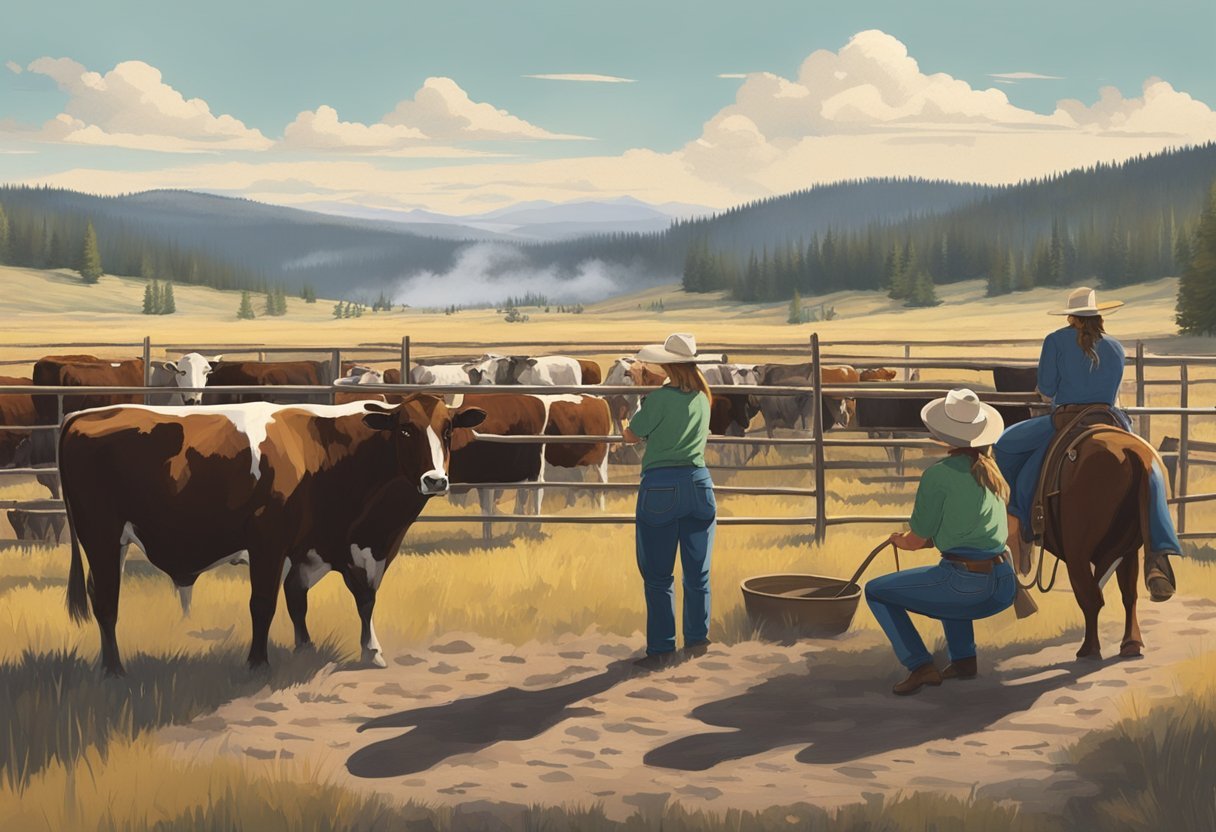
Yellowstone's production team creates an authentic Western atmosphere through deliberate location choices and meticulous storytelling approaches. The show's visual language and creative direction contribute significantly to its portrayal of ranch life and gender dynamics.
Behind the Scenes: Filming in Montana
Yellowstone primarily films on location in Montana and Utah, providing the authentic backdrop essential for the show's rugged aesthetic. The Chief Joseph Ranch in Darby, Montana serves as the iconic Dutton Ranch, allowing the series to capture genuine ranch operations.
Production crews face challenging weather conditions, with filming typically occurring during summer months to take advantage of Montana's scenic landscapes. These natural environments enhance the realism of female ranch hands' experiences portrayed on screen.
Director of Photography Ben Richardson employs wide, sweeping shots to showcase Montana's vastness, creating visual contrast between the ranch's open spaces and the confined indoor settings where power dynamics often unfold. This cinematography reinforces the show's themes about gender and territory.
Creative Process: Writing and Directing
Creator Taylor Sheridan draws from his personal experiences growing up in rural Texas when developing female characters like Mia and Laramie. His writing process involves extensive research with working ranch women to ensure authentic representation.
The writing team deliberately crafts scenes that highlight the professional capabilities of female ranch hands rather than focusing solely on romantic storylines. This approach challenges traditional Western genre conventions.
Directors work closely with actresses to develop nuanced performances that balance toughness with vulnerability. Feedback from real-life female ranch workers occasionally influences script revisions during production.
Costume design plays a crucial role in establishing character authenticity, with careful attention to practical workwear that real ranch hands would use rather than stylized Western wear.
Analyzing Yellowstone's Global Influence
Yellowstone has transcended American borders to become a cultural phenomenon with significant international impact. The show's representations of gender dynamics through characters like Mia and Laramie have resonated with viewers worldwide, creating new conversations about female representation in traditionally masculine settings.
International Reception and Adaptations
Yellowstone has gained substantial viewership across Europe, Australia, and Latin America since its international distribution began in 2020. The show consistently ranks among the top ten most-watched international programs in key markets like the UK, Germany, and Brazil.
Critics abroad have particularly noted the authentic portrayal of female ranch hands like Mia and Laramie, with British film journal Screen International calling them "revolutionary representations of women in rural workspaces."
Several international markets have developed local adaptations that maintain the gender dynamics but transpose them to culturally relevant settings. Australia's Station Country (2023) and Argentina's Pampa (2024) both feature strong female ranch workers inspired by Yellowstone's blueprint.
Netflix's viewing data indicates that scenes featuring Mia and Laramie performing traditional ranch work receive higher engagement metrics from international viewers than domestic audiences, suggesting a particular fascination with these gender norm challenges.
Comparative Study: Yellowstone and Southeast Asia
Southeast Asian markets represent Yellowstone's fastest-growing international audience, with viewership increasing 78% between 2022 and 2024. Thailand and Vietnam lead this regional surge.
The portrayal of female ranch hands in Yellowstone has sparked unique comparative discussions with Southeast Asian agricultural traditions. Unlike American ranching culture, several Southeast Asian farming communities historically featured more gender-balanced labor distribution.
Thai producer Sunthorn Wongpaisarnsin created the documentary series "Workers of the Land" (2023), directly inspired by Yellowstone's female characters. The series examines women in traditional Thai rice farming alongside Montana's female ranch hands.
Filipino media scholars have noted interesting parallels between Yellowstone's ranch hierarchy and traditional barangay power structures, particularly regarding how women like Mia navigate male-dominated spaces while maintaining their autonomy.
Industry reports suggest that Yellowstone's success has influenced content development across Southeast Asia, with at least five production companies developing rural dramas featuring strong female agricultural workers.
Yellowstone's Educational Outreach
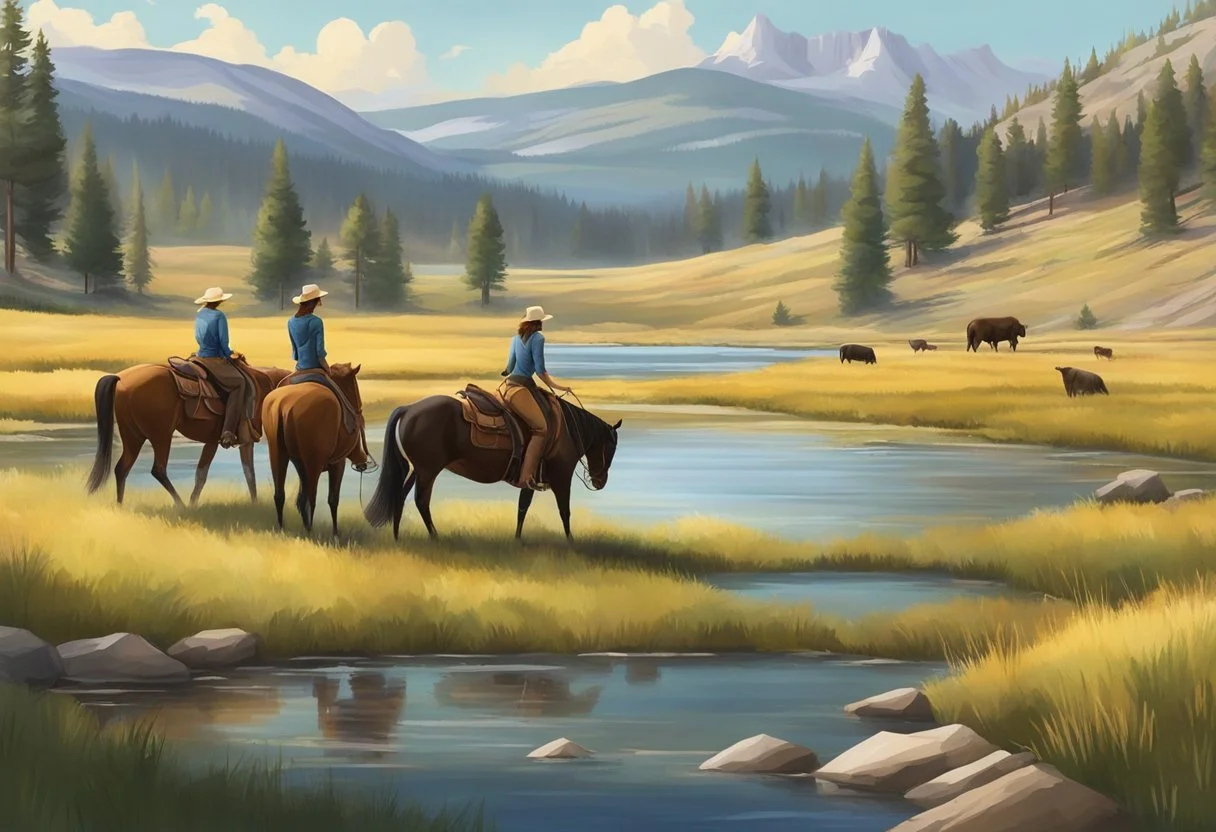
Through various initiatives, Yellowstone National Park extends its influence beyond entertainment to promote understanding of ranch life and gender equality. These programs emphasize educational opportunities that challenge traditional gender roles in ranching communities.
Collaborations with Institutions
Yellowstone has partnered with several academic organizations, including Emory University, to develop curriculum materials examining gender dynamics in agricultural settings. These resources highlight the contributions of female ranch hands like the characters Mia and Laramie.
The show's production team regularly hosts workshops at agricultural colleges where they discuss the research behind the authentic portrayal of women in ranching environments. These sessions often feature real female ranchers who serve as consultants for the series.
Environmental Justice themes are woven throughout these educational materials, examining how gender intersects with land stewardship and resource management. Students analyze how characters like Mia challenge traditional power structures through their expertise and determination.
Digital learning modules created from show content are now used in over 30 universities across the country. These modules include interviews with cast members who discuss their preparation for portraying realistic female ranch hands.
The Legacy of Yellowstone
Yellowstone has forever altered the television landscape with its raw portrayal of modern ranching and complex gender dynamics. Its influence extends beyond entertainment into cultural conversations about rural America and shifting gender roles.
Yellowstone's Contribution to the Genre
Yellowstone revolutionized the modern Western genre by incorporating authentic female ranch hands like Mia and Laramie. The show challenged traditional gender expectations in ranching environments, presenting women who were capable, tough, and unapologetic in their professional abilities.
Unlike previous Westerns, Yellowstone depicted female characters who weren't merely romantic interests but essential workers with specialized skills. This representation resonated with audiences seeking more realistic portrayals of contemporary ranch life.
The series successfully bridged the gap between classic Western themes and modern storytelling sensibilities. By featuring women like Mia and Laramie as legitimate ranch hands, Yellowstone created a template for more inclusive narratives in traditionally male-dominated settings.
Inspiring Future Storytelling
Yellowstone's commercial success proved that audiences crave authentic stories about rural America that include diverse gender perspectives. The show's influence can be seen in numerous productions that followed, with more nuanced female characters in ranching and agricultural settings.
Television writers and producers increasingly look to Yellowstone as a case study in character development. Characters like Mia and Laramie demonstrated that female ranch hands could be multidimensional - skilled workers first, who also navigate complex personal relationships.
The show established new expectations for authenticity in depicting traditional lifestyles. Costume design, technical terminology, and physical abilities portrayed in the series set a standard for realism that future productions now strive to match.
Key Information for Viewers
Yellowstone provides critical viewership information that fans of Mia and Laramie's storylines should know. Understanding when episodes air and how to access content ensures viewers don't miss important character developments.
Release Date Details
Yellowstone Season 5 Part 2 is scheduled to premiere on November 13, 2025. This follows an extended hiatus after Season 5 Part 1, which aired its midseason finale in January 2023.
The original delay stemmed from industry strikes and scheduling conflicts with Kevin Costner. Paramount Network typically releases new episodes on Sunday evenings at 8 PM Eastern Time.
Season 5 will consist of 14 total episodes, with the final 6 episodes airing weekly after the November premiere date. This schedule is particularly relevant for viewers following Mia and Laramie's storylines in the ranch's bunkhouse setting.
Accessing Yellowstone Content
Yellowstone airs primarily on the Paramount Network cable channel. Live viewing requires a cable subscription or live TV streaming service that includes this channel.
For streaming options, past seasons are available on Peacock, not Paramount+. This licensing arrangement often confuses new viewers seeking to catch up on previous episodes.
Several viewing packages include:
Peacock Premium ($5.99/month) - all previous seasons
Philo ($25/month) - live access to new episodes
YouTube TV ($72.99/month) - live access with DVR capabilities
Episodes typically become available on Peacock approximately 24 hours after their cable premiere. International viewers can access content through regional providers like Stan (Australia) and Sky (UK).
Exploring Thematic Elements in Yellowstone
Yellowstone delves beyond surface-level ranch drama to tackle complex modern issues through its portrayal of female ranch hands and shifting gender dynamics. The show weaves environmental concerns and authentic depictions of rural livelihoods into its narrative framework.
Environmental Justice in Storytelling
The characters of Mia and Laramie intersect with Yellowstone's broader environmental themes in meaningful ways. Their perspectives often highlight tensions between traditional ranching and modern environmental concerns.
Female ranch hands in the series frequently demonstrate deeper connections to the land, challenging the stereotype that environmental awareness belongs exclusively to urban outsiders. This portrayal creates nuanced discussions about land use and conservation.
Yellowstone's writers deliberately position these women at the crossroads of environmental conflicts. When development threatens the ranch or surrounding areas, Mia and Laramie's reactions provide viewers with alternative viewpoints to the male-dominated responses.
The show uses these characters to illustrate how environmental justice intersects with rural identity. Their storylines emphasize that protecting the land isn't just about preserving scenery but safeguarding a way of life.
Representation of Livelihoods
Yellowstone presents a multidimensional portrayal of ranching livelihoods through its female characters. Mia and Laramie perform traditionally male tasks without fanfare, normalizing women's competence in physically demanding ranch work.
The series depicts these women navigating economic pressures facing modern ranchers. Their struggle for fair wages and respect mirrors real-world challenges in agricultural communities where gender often influences compensation and advancement.
Their characters showcase the skills required in ranch work, from horse training to cattle management. This representation counters simplified media portrayals of rural occupations and acknowledges the complexity of agricultural knowledge.
The show highlights how women's contributions to ranch operations are frequently undervalued. When Mia or Laramie demonstrate expertise, male characters' surprised reactions underscore persistent biases in how society views women's capabilities in traditional working environments.
