
The Cowboy Hat as Identity in Yellowstone: Symbolism and Character Influence
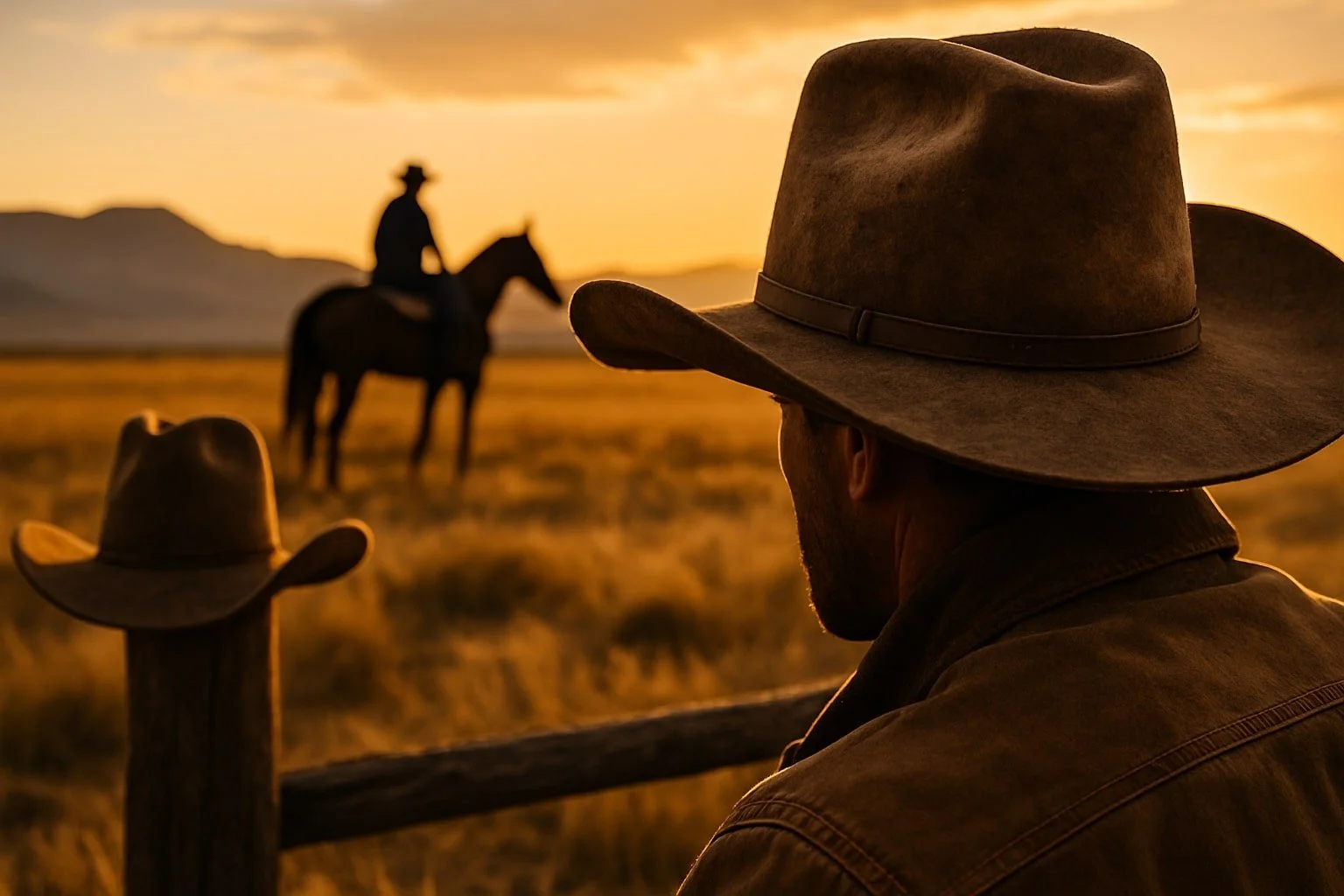
In Yellowstone, the cowboy hat serves as more than just practical ranch attire—it stands as a powerful symbol of identity, tradition, and social hierarchy. Each character’s choice of hat reflects their values, personality, and status within the Dutton Ranch, turning a simple piece of clothing into an emblem of who they are and what they represent.
The styles, colors, and conditions of these hats are not random, but deliberate choices that help viewers instantly read a character's role and mindset. A classic cattleman crown or a rugged, well-worn brim can signal authority, dependability, or decades of loyalty to ranch life.
For fans and newcomers alike, understanding the meaning behind each cowboy hat offers deeper insight into the world of Yellowstone and the characters who navigate its complex landscape. The hat, in this series, is never just a hat—it’s a mark of belonging and identity.
The Symbolism of the Cowboy Hat in Yellowstone
Cowboy hats in Yellowstone are not just props; they work as visual cues of authority, tradition, and personal truth. Each character’s hat conveys something direct about their relationship to ranch life, to one another, and to their own role in the Dutton legacy.
Cowboy Hats as Emblems of Identity
On the Dutton Ranch, the style and condition of a cowboy hat quickly signal rank, loyalty, and personality. John Dutton consistently wears a classic cattleman crown, reinforcing his image as the family’s patriarch and a traditionalist rooted firmly in ranching values.
The color and shape of a hat distinguish individual characters from one another. Rip Wheeler’s dark, worn hat emphasizes his tough, no-nonsense demeanor and outsider status. In contrast, Kayce Dutton’s lighter hats suggest his transitional journey, torn between family duty and his search for purpose.
The specific way hats are worn or handled—tipped in greeting, never left on the dinner table—also signals respect and adherence to cowboy codes. This visual shorthand helps viewers immediately decode alliances, rivalries, and changing relationships among the Yellowstone ranch hands and family.
Tradition and Change in Hat Symbolism
Cowboy hats in Yellowstone reflect both deep-rooted tradition and the pressures of change. The Duttons wear classic Western brands such as Stetson, connecting them to the historical American West and signifying pride in their heritage.
As challenges to the ranch increase, new generations and outsiders bring different attitudes and sometimes different hats, representing evolving ideas about family, land, and power. Changes in hat style or condition often mirror a character’s shifting loyalties or personal struggles.
The durability of the hat, with its functional design and practicality, supports its role as a symbol of continuity. Yet even traditional symbols like the cowboy hat must adapt—cleaning it for a funeral, donning it for a showdown, or taking it off in moments of grief or respect—showing that tradition adjusts under pressure.
Vulnerability and Authenticity
Removing or handling a cowboy hat is one of the few ways Yellowstone’s characters openly show vulnerability. Taking off the hat during private moments, funerals, or tough conversations hints at an unguarded, honest self.
Some scenes highlight the emotional significance of the hat: a battered brim tells a story of hardship; a hat held close during a crisis signals fear or sympathy. These moments communicate what the characters rarely say out loud.
Authenticity is tied to how naturally someone inhabits their hat. A newcomer’s awkwardness with the brim shows insecurity, while an old ranch hand’s casual ease with his hat underscores lived experience and truth. For many, the hat becomes an extension of identity, a tool for revealing—and concealing—true feelings.
Character Identity and Cowboy Hats
Cowboy hats in Yellowstone are not just costume pieces; they serve as powerful visual cues, revealing layers of personality, authority, and allegiance. Each character’s choice of hat reflects their individual journey and place within the Dutton Ranch’s hierarchy.
John Dutton’s Signature Style
John Dutton, portrayed by Kevin Costner, wears a cowboy hat that has become a signature of his character. His hat, custom-made by Greeley Hatworks, features a classic cattleman crease and a wide brim. This style reflects both tradition and his leadership over the Dutton Ranch.
The color and shape of John’s hat convey his authority. A light, neutral tone is often chosen, setting him apart from ranch hands and underlining his status. He never appears without it, signaling consistent dedication to his role as patriarch.
Attention to detail is key—his hat is always spotless and well maintained, symbolizing his commitment to both the ranch and legacy. For viewers, John’s hat is inseparable from his character and his strong, unwavering identity.
Rip Wheeler’s Unwavering Loyalty
Rip Wheeler’s cowboy hat is darker and more rugged in appearance, highlighting his role as the ranch’s enforcer. The hat’s pronounced wear and deep crease communicate a sense of endurance and readiness for confrontation.
Unlike John’s more refined look, Rip’s hat appears well-used, echoing his rough background and tireless work ethic. The deep brown or black shade signals a willingness to take on morally complex tasks for the ranch.
Rip’s consistent choice of a tough, reliable hat illustrates his loyal, no-nonsense demeanor. This subtle visual element deepens the understanding of Rip’s connection to the Dutton family and his unwavering devotion to the Dutton Ranch.
Visual Storytelling Through Costume Design
Costume design in Yellowstone is more than just attire—it shapes the viewer’s understanding of character dynamics and social structure. The cowboy hat, in particular, plays a central role in defining personal identity and ranch hierarchy.
Costume Design Choices in Yellowstone
The show's costume designer works with a clear goal: each character’s wardrobe reflects their history, occupation, and role on the Dutton ranch. For example, John Dutton’s classic Western look—with its well-worn cowboy hat and practical work shirts—signals his experience and authority.
Different hat shapes, colors, and wear patterns help express subtle social cues. Below is a brief table showing how costume elements reinforce key identities:
Character Hat Style Costume Features John Dutton Cattleman Crown Neutral tones, traditional fit Rip Wheeler Wide-brim, black Dark layers, rugged textiles Beth Dutton Western-influenced Bold, modern patterns
These decisions are deliberate, making the hat one of the most valuable storytelling tools in the series.
The Cattleman Crown and Western Style
The Cattleman crown is the most recognized cowboy hat style in Yellowstone. Its classic silhouette and deep creases are associated with authority and leadership in Western ranch culture. John Dutton is almost always seen in this style, cementing his place at the top of the ranch hierarchy.
Western style in the show extends beyond the hats. Functional choices—like weathered boots and work jackets—underscore the harsh realities of ranch life. Authenticity is emphasized by featuring brands and techniques realistic to the Montana setting.
A cowboy’s hat, especially the Cattleman crown, is not just a practical item. It is a deliberate badge of identity, setting apart leaders from hands and reinforcing the values central to the Dutton family.
The Dutton Family and Their Distinct Cowboy Hats
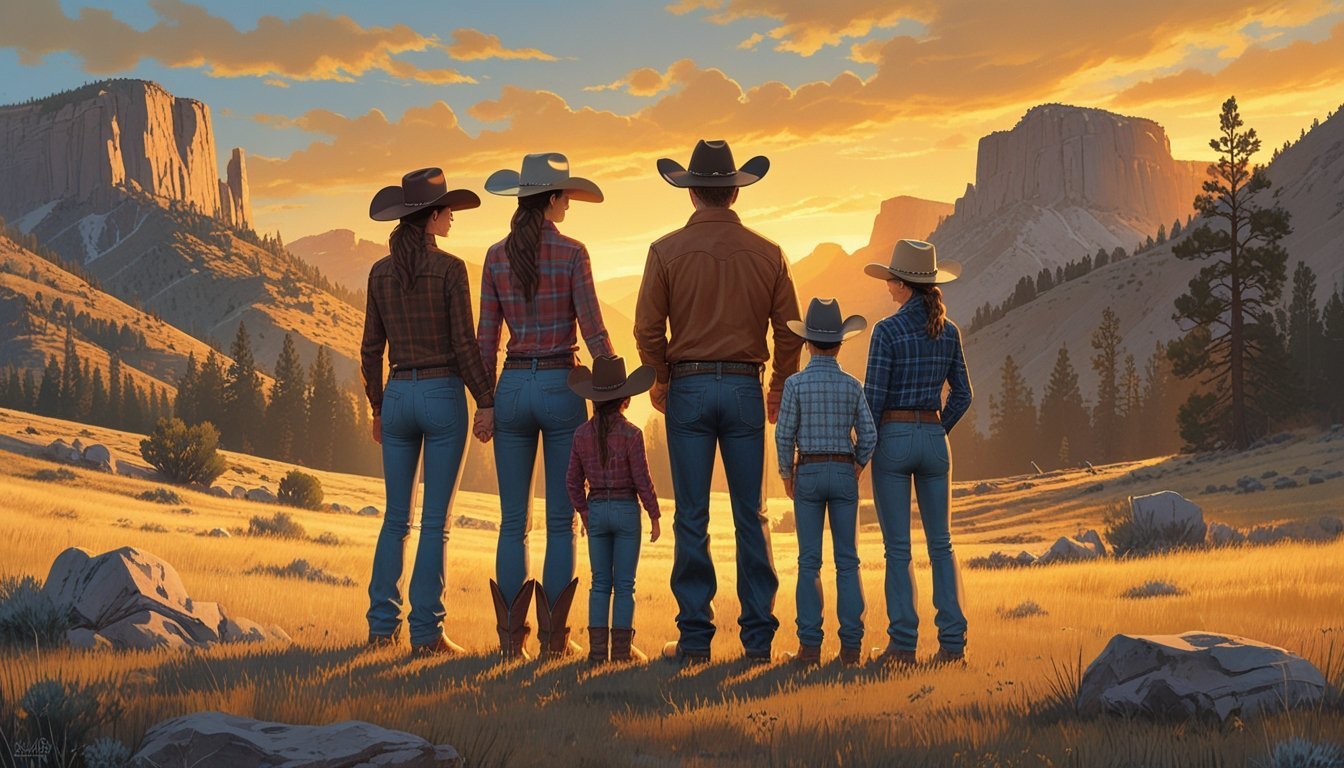
The cowboy hats worn by members of the Dutton family in Yellowstone are not just wardrobe choices—they are deliberate markers of character and status on the Dutton Ranch. Each style, color, and shape offers insights into the wearer’s evolving story and personality.
Kayce Dutton’s Evolving Identity
Kayce Dutton’s cowboy hats represent his changing roles within the family and the ranch. Early in the series, Kayce’s hats are frequently lighter in color and more casual, symbolizing his outsider status and complicated relationship with life on the Dutton Ranch. As he becomes more involved with ranch management, his preference shifts toward darker, more traditional hats, reflecting his acceptance of family duties.
Key Kayce Hat Features:
Shape: Low-profile crowns and moderate brims
Color: Transitions from tan to black or deep brown
Materials: Felt for formal scenes, straw for ranch work
This evolution in headwear mirrors his journey from reluctant participant to one of the ranch’s central figures. Viewers identify Kayce’s development partly through his choice of cowboy hat, noting subtle changes that signal shifts in loyalty, responsibility, and identity.
Beth Dutton’s Statement Looks
Beth Dutton’s cowboy hats are bold and unconventional, much like her approach to life on the Dutton Ranch. Her headwear often stands out for its unique shapes, eye-catching bands, and nontraditional fabrics. Beth uses her hats not only as fashion statements but also as symbols of her defiance and assertive nature.
Noteworthy Beth Hat Elements:
Styles: Wide-brimmed, sometimes slightly oversized
Accents: Decorative hatbands, feathers, or personal touches
Colors: Ranges from classic black to striking, lighter hues
Instead of blending in, Beth’s hats draw attention and reinforce her fearless reputation. The choices she makes with her headwear set her apart from both her family and her peers, underscoring her independent spirit and influential presence within the series.
Practicality, Comfort, and Sophistication of Headwear
In Yellowstone, the choice of cowboy hats serves practical ranch needs while also reflecting individual taste and social signals. Attention to the material, fit, and style underlines the importance of functionality as much as personal expression.
Sophistication and Status in Hat Choices
Cowboy hats in Yellowstone signal more than protection from the sun—they denote a character’s social rank, level of experience, and personal style. John Dutton’s classic cattleman crown, for example, is recognizable for its traditional look and high-quality materials, setting him apart as the ranch patriarch.
Custom hats made by renowned hatmakers, such as Greeley Hatworks for the main cast, showcase commitment to authenticity and status. The shape, brim width, and crown height are carefully selected to project authority or approachability, depending on the character.
Character Hat Features Implied Status John Dutton Cattleman crown, neutral felt Tradition, authority Rip Wheeler Underslung brim, darker color Rugged, steady Beth Dutton Bold brim, feminine silhouette Defiant, unique
Such details not only serve style but reinforce hierarchy and reputation within Yellowstone’s fictional social landscape.
Comfort in Day-to-Day Ranch Life
Practicality and comfort remain essential for working on the ranch. A well-chosen hat shields ranchers from sun, rain, and wind, featuring wide brims for sun protection and high crowns for ventilation. Materials like felt and straw vary by season to keep wearers cool or warm as needed.
Fit is crucial for long hours outdoors. Many hats are custom-shaped to the wearer’s head, preventing discomfort during riding or labor. The wool cap, seen on John Dutton in harsher conditions, shows a preference for comfort and warmth when required.
Cowboy hats also allow for quick adjustment—tilting for glare, tightening during wind, or swapping out for softer headwear during downtime. These practical considerations demonstrate that, on Yellowstone’s ranch, the right hat means both protection and ease for daily life.
Contrasting Headwear: Cowboy Hat, Straw Hat, and Baseball Cap
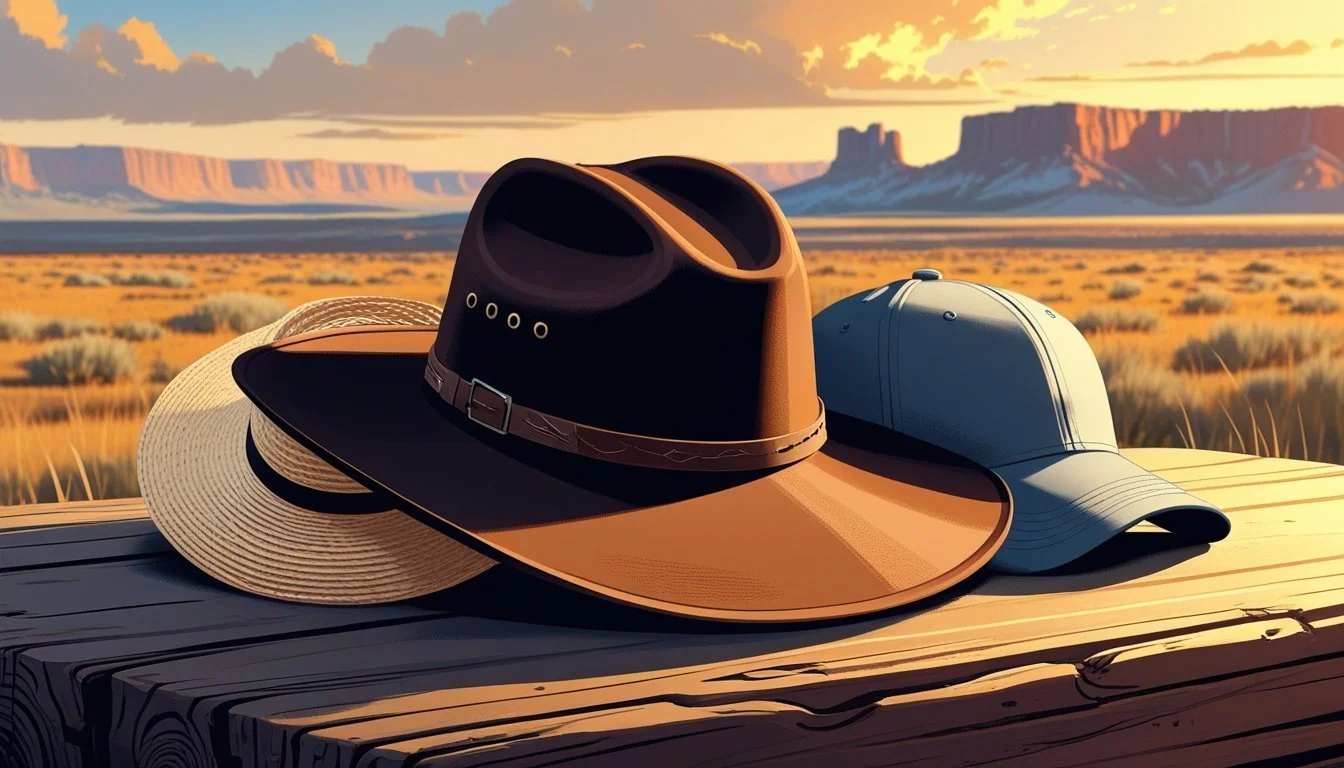
Distinct types of headwear such as cowboy hats, straw hats, and baseball caps each reflect different aspects of culture, function, and identity within the setting of Yellowstone. Comparing these styles highlights how choices in headwear can influence perception and practicality in ranch and rural life.
Straw Hats vs Cowboy Hats
Straw hats and cowboy hats serve specific purposes on the ranch. Straw hats, often made from lightweight straw material, are favored in hot weather for their breathability. Ranchers turn to straw hats during the summer months to keep cool while working long hours outdoors.
The cowboy hat, usually crafted from felt or leather, offers greater durability and sun protection. It is a symbol often associated with tradition, status, and identity in Yellowstone. Classic cowboy hat brands like Stetson or Resistol are popular choices, with shapes and creases signaling personal style or even a ranch family’s heritage.
In the context of Yellowstone, the cowboy hat goes beyond practicality. It becomes integral to the wearer’s self-image and role within the ranch community. The contrast between straw and cowboy hats is not only about comfort but also about maintaining and displaying ranching identity.
Feature Cowboy Hat Straw Hat Material Felt, leather Straw Best for All seasons Hot weather Symbolism Tradition, status Functionality
Baseball Caps and Modern Influence
Baseball caps reflect a more modern influence on ranch fashion. Lightweight, casual, and versatile, baseball caps have become common among both ranch workers and visitors at Yellowstone. They appeal for their comfort and the ability to display logos or team affiliations.
Unlike cowboy or straw hats, baseball caps do not hold deep symbolic meaning in ranch culture. They are more often seen during informal settings or among younger generations. The mesh panels of trucker hats, a variation of the baseball cap, provide added ventilation during warm days.
The rise of baseball caps marks the blending of urban and rural lifestyles in Yellowstone. While traditional cowboy hats remain a staple for formal ranch work or events, baseball caps serve as a nod to practicality and shifting cultural trends, especially for tasks not requiring full sun protection or during off-duty hours.
