
The Most Chilling Scene in Yellowstone
Has No Gunfire and Redefines Suspense

The most chilling scene in Yellowstone proves that real tension doesn’t always come from gunfire or violence. This neo-western drama series is known for its brutal confrontations and high-stakes action, but some of its most unforgettable moments rely on psychological intensity and character-driven suspense. In a show filled with shootouts and brawls, it's the quiet, unsettling scenes that can leave the deepest impression.
One particular sequence stands out for its subtlety and emotional weight. Rather than relying on physical threats, the scene draws viewers in with sharp dialogue and brewing conflict as the characters face devastating truths and personal betrayal. These moments tap into the raw emotion that has made Yellowstone one of the most compelling neo-western series of recent years.
By focusing on the psychological impact of confrontation rather than traditional western violence, Yellowstone shows how suspense and fear can be more powerful in silence than in the roar of gunshots. Fans of the genre know that the chill of an unspoken threat can linger far longer than the echo of a rifle.
Context of Yellowstone’s Most Chilling Scene
The tension and emotional weight in Yellowstone are not just created by violence, but by the environment, relationships, and the show’s relentless realism. Exploring the setting, the Dutton family dynamic, and the uniquely modern Western tone reveals why some moments unsettle viewers more deeply than any gunfight.
Setting the Stage: Dutton Ranch and Montana
The heart of Yellowstone is the Dutton Ranch, sprawling across Montana’s majestic but harsh landscape.
The ranch is more than a backdrop—it is a character itself. Its wide, open plains, dense forests, and rugged mountains reflect both beauty and brutality. The vast isolation of Montana amplifies each personal conflict, making every moment feel heightened and inescapable.
Nature’s unforgiving climate and remote geography play a role in almost every storyline. Montana can be serene, but the threat lurking within its wilderness shapes daily life for those on the ranch. The setting reinforces the idea that danger and discomfort are constant, often coming from the land itself as much as from human threats.
The Dutton Family: Key Players
At the core of Yellowstone is the Dutton family, led by John Dutton (played by Kevin Costner). He is determined to defend the ranch at any cost and is the embodiment of old-school grit and stubbornness.
The family is complicated. Beth Dutton is known for her sharp intellect and ruthless loyalty to her father. Rip Wheeler, though not a blood relative, is the ranch’s enforcer and deeply loyal to the Duttons, especially Beth. Each family member is shaped by trauma, loss, and hard lessons learned on the ranch.
These characters have complex relationships shaped by secrets, betrayals, and deep bonds. Their history is steeped in violence and sacrifice, which helps explain how a scene without gunfire can still be deeply chilling—the threats they face are often psychological or emotional, not just physical.
The Neo-Western Tone and Atmosphere
Series creator Taylor Sheridan infuses Yellowstone with a modern Western sensibility, mixing classic themes with contemporary issues.
The show’s tone is tense, measured, and rarely sensationalist. Dialogue is sparse. Silences, glances, and unspoken threats do most of the work. The color palette—dusty earth tones and stark mountain light—adds to the mood.
The atmosphere is shaped by an ever-present sense of lawlessness. Moral certainty is rare. The ranch is governed by its own code, not always by official laws. As a result, moments of psychological manipulation, betrayal, or understated violence carry weight. Often, what is not said or done—the pauses, the looks, the quiet choices—prove more unnerving than gunfire itself.
Anatomy of a Chilling Scene Without Gunfire
The most chilling scene in Yellowstone achieves maximum tension without a single shot being fired. This moment draws from psychological suspense, powerful character dynamics, and visual storytelling rather than graphic violence.
Narrative Overview and Buildup
In this scene, the tension is established long before any threat of violence becomes explicit. The sequence unfolds in a confined space, creating a sense of claustrophobia.
Dialogue is crisp and deliberate, with every word weighted with hidden meaning or threat. Characters maintain rigid posture and cautious eye contact, underscoring their internal struggle.
The buildup relies on the show's established history of shocking moments, making viewers acutely aware that danger is always lurking. That history primes the audience to be on edge, even when no weapon is visible.
Suspense and Emotional Impact
Suspense comes from the subversion of expectations. Viewers expect violence but instead are confronted with the possibility of emotional trauma.
The absence of gunfire intensifies the fear, placing the focus on the psychological toll faced by those involved. Subtle shifts in body language, like a twitch of the jaw or averted eyes, communicate anxiety more effectively than graphic content could.
The emotional stakes are raised as characters reveal vulnerabilities. Conversations hint at past trauma and future consequences, emphasizing the toll of relentless stress on each person in the room.
Visual and Thematic Elements
Visually, the scene is stark and tightly composed. Dim lighting and close-up shots highlight tension lines on faces, reinforcing the emotional impact.
Thematic motifs of loyalty, betrayal, and survival are woven through the environment. Props, such as a closed door or untouched drinks, serve as quiet reminders of what is at stake.
There is a clear focus on character development over spectacle. The lack of physical violence highlights the threat of psychological harm, making this moment unforgettable for its realism and restraint.
Key elements:
Minimal movement
Tense facial expressions
Dense, motivated dialogue
This results in a scene defined by its atmosphere, drawing viewers into the emotional world of the characters without resorting to graphic violence.
Major Characters in the Scene
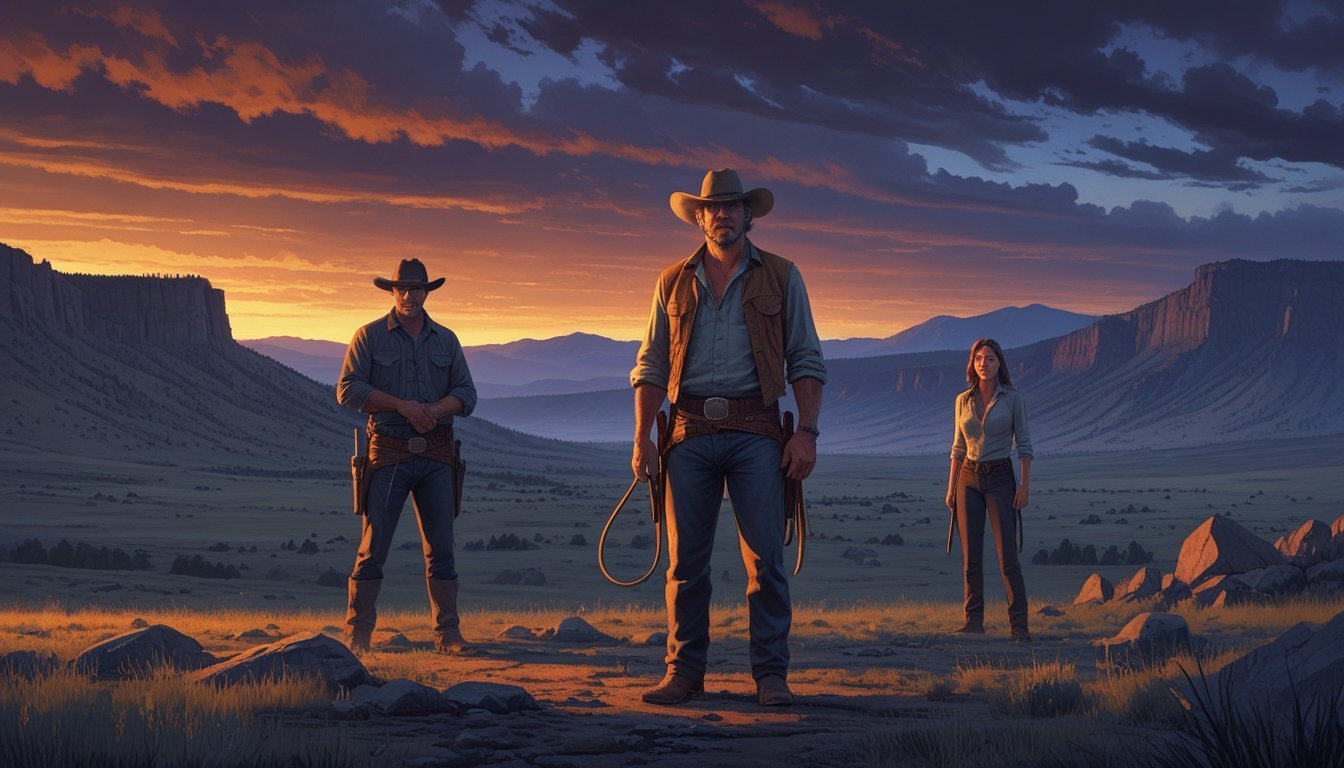
This pivotal scene in Yellowstone stands out for its emotional intensity rather than violence. The characters of Beth Dutton and Rip Wheeler each reveal traits and motivations that shape the outcome, exposing hidden depths and flaws.
Beth Dutton’s Vulnerability
Beth Dutton, often seen as the most formidable member of the Dutton family, displays a rare vulnerability in this moment. Underneath her hardened exterior, there are lasting effects from past trauma, including the violent attack in her office and family losses.
In the scene, Beth’s emotional walls briefly come down. Her fears, guilt, and need for safety are evident through her body language and limited dialogue. She allows herself to rely on someone else, an action that starkly contrasts her usual independence.
Her struggle is shown not through outbursts or melodrama, but through subtle gestures—a trembling hand, a quiet request for assurance. This vulnerability is key to understanding why the scene resonates; viewers see a side of Beth that rarely comes to light.
Rip Wheeler’s Role
Rip Wheeler acts as Beth’s unwavering support, handling the situation with steady composure. His presence is calm and protective, signaling his deep loyalty and understanding. He doesn’t push Beth to confront her pain with words; instead, he offers quiet comfort.
Rip’s handling of the moment is deliberate. He focuses on small but meaningful actions like offering space, a gentle touch, or steadying silence. These understated gestures allow Beth to feel secure without feeling exposed.
His role emphasizes the trust between them and his awareness of her emotional limits. By responding to Beth’s vulnerability with steadiness rather than force, Rip demonstrates why his loyalty is such a stabilizing force in her life.
Catalysts and Consequences
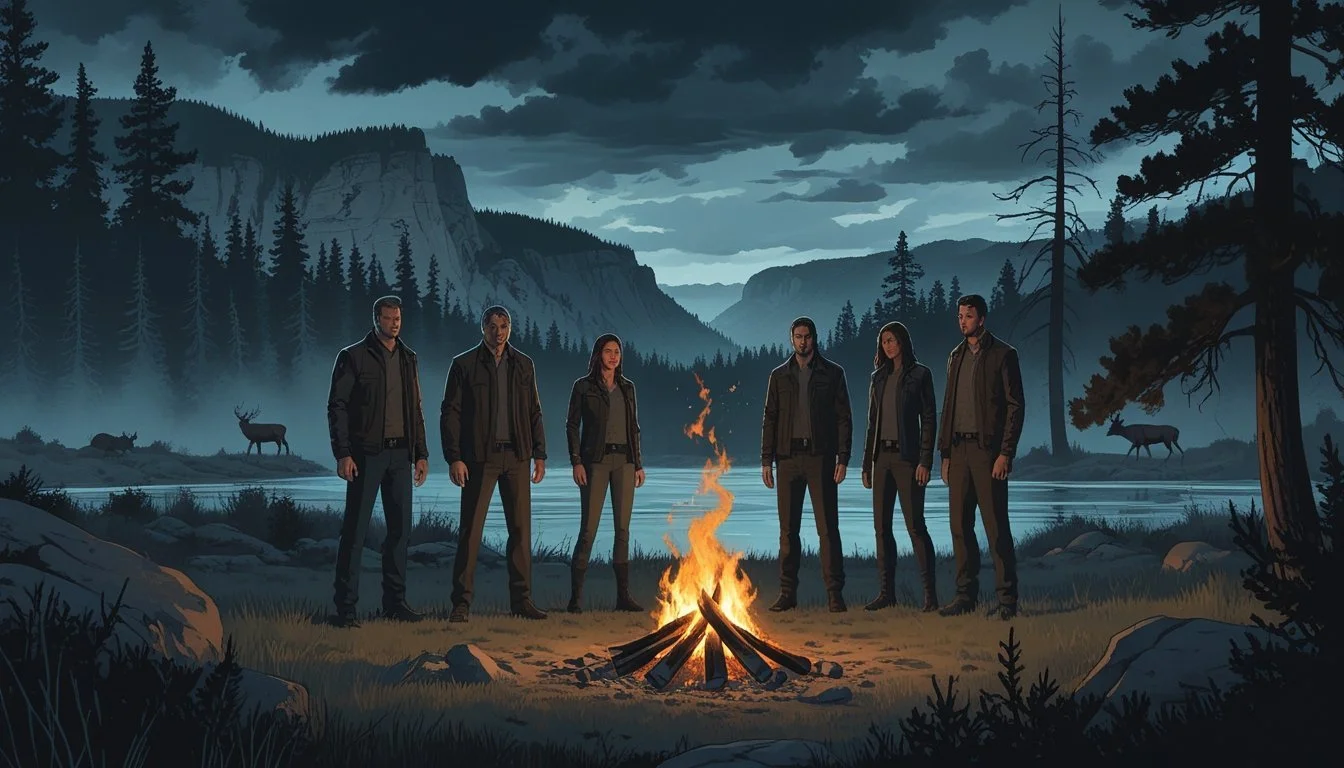
Beth Dutton’s harrowing experience at her office marked a turning point in the power struggle between the Duttons and their enemies. The violent confrontation with the Beck Brothers’ henchmen left lasting marks, changing dynamics and relationships within the Yellowstone universe.
The Attack at Beth’s Office
The attack unfolds as hired men, sent by Malcolm Beck, violently break into Beth’s office. The scene is notable for its intensity without relying on gunfire as the primary threat. Instead, physical intimidation and psychological cruelty dominate.
Beth is brutally beaten and forced to witness her assistant’s murder, highlighting the depths of the Beck Brothers’ ruthlessness. The use of blunt force and implied violence, rather than shooting, increases the tension and shock.
This calculated assault isn’t simply about inflicting pain. It’s a direct message to John Dutton and a warning to anyone who stands in the brothers’ way. The emotional and physical stakes become clear as Rip Wheeler’s timely intervention ends the ordeal, rescuing Beth and demonstrating the ongoing risks of the war for Yellowstone.
Aftermath and Trauma
Beth’s trauma after the attack lingers well beyond physical injuries. The emotional scars affect her interactions with family and fuel her resolve against the Beck Brothers. She displays symptoms of post-traumatic stress, often retreating or reacting with extreme aggression.
The Duttons rally around Beth, shifting family priorities to protection and revenge. The rescue mission led by Rip and the consequences for the Beck Brothers escalate the existing feud.
Conversations between Beth and her father, John Dutton, become more guarded and intense. The trauma also deepens her bond with Rip, showing a rare vulnerability. The attack doesn’t break Beth but hardens her resolve, making her more determined in the face of future threats.
Psychological Depth and Character Growth
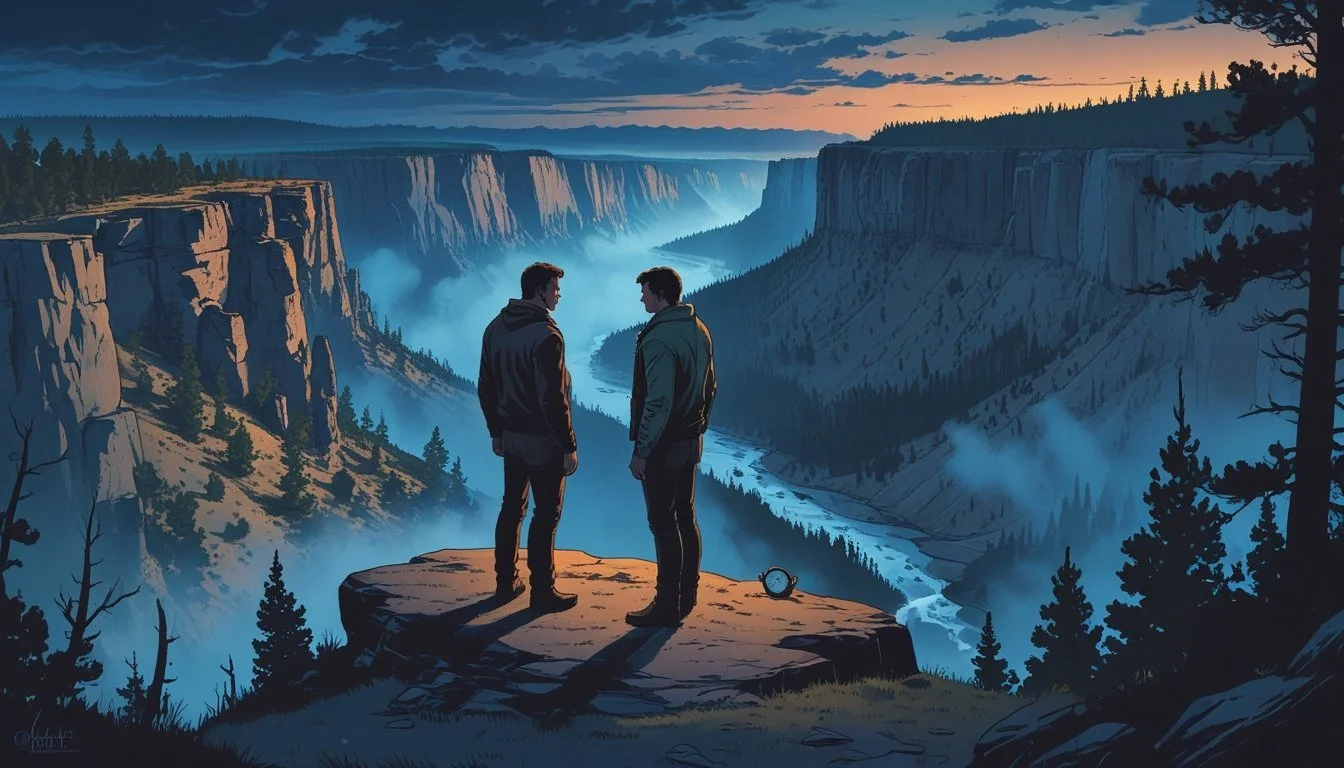
Yellowstone centers on the unpredictable dynamics within the Dutton family. Emotional wounds and complex motives drive its most chilling moments, sometimes in silence.
Exploring Betrayal and Revenge
Betrayal in Yellowstone often happens without warning and rarely involves violence. The psychological toll is most apparent when family members turn against each other, pushing boundaries of trust and loyalty. Jamie Dutton’s choices frequently cross moral lines, leading to acts of revenge that leave lasting consequences.
The series highlights how revenge is rarely satisfying or clean. Instead, it deepens existing trauma and isolation among characters. For example, acts of retaliation between Beth and Jamie are cold and personal rather than chaotic or loud.
Character growth emerges in the aftermath of betrayal. The scars from these betrayals become central to each character’s motivation—impacting their relationships and shaping their future actions. Emotional confrontations sometimes unsettle viewers more than shootouts ever could.
Beth's Relationship With Jamie
Beth Dutton’s hatred for her brother Jamie is rooted in deep personal pain. Years earlier, Jamie made a life-altering decision about Beth’s future without her consent, fueling an intense and unrelenting grudge.
This animosity manifests not as physical violence but as psychological warfare. Beth leverages her intelligence and manipulation to keep Jamie off-balance, orchestrating situations that expose his guilt and vulnerabilities.
Jamie's internal struggle is palpable. The strained dynamic forces both to confront their motivations: Beth’s need for justice and Jamie’s search for belonging or redemption. Their evolving conflict adds layers to both characters and drives much of Yellowstone’s emotional tension.
Wider Ramifications for the Dutton Family
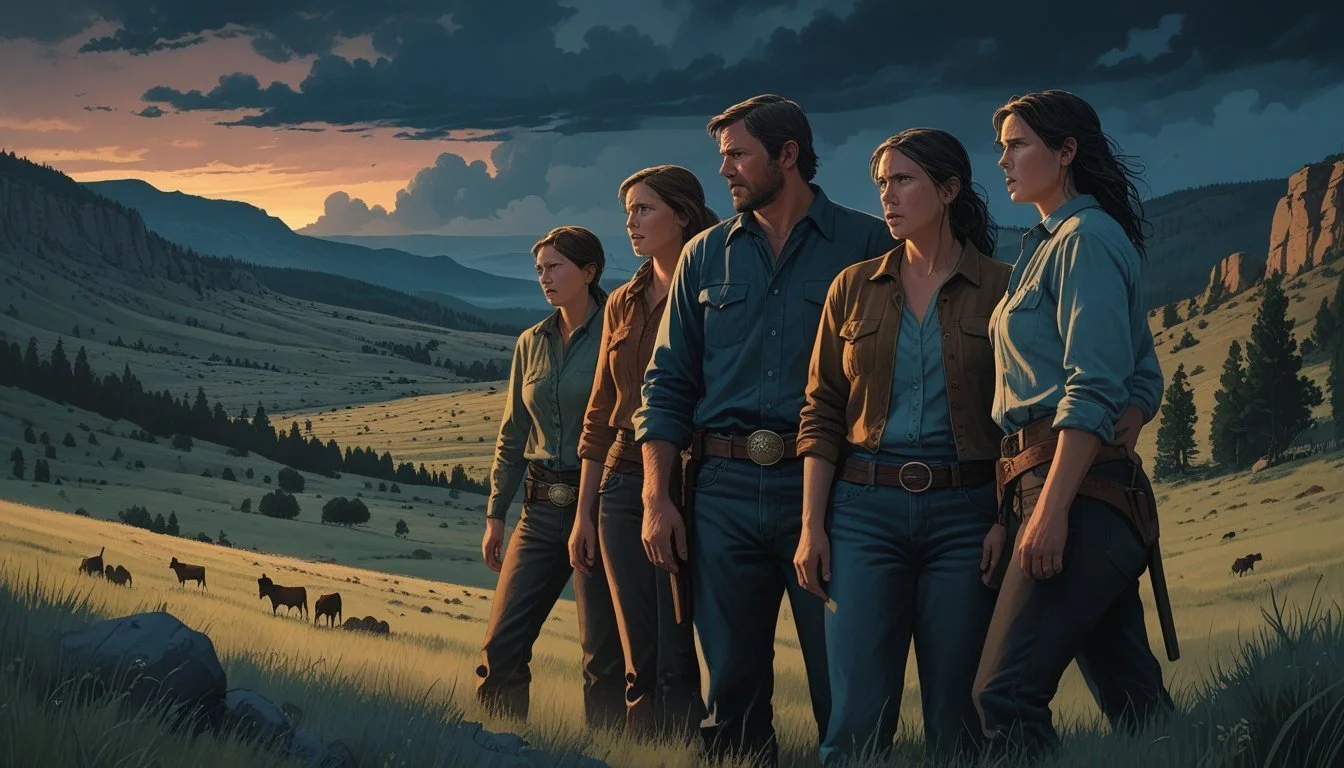
This pivotal scene’s emotional weight reverberates in how the Duttons interact with one another, underscoring vulnerabilities and shifting the household atmosphere. Hidden loyalties and fragile alliances come to the forefront as the aftermath unfolds.
Impact on Family Dynamics
The event exposes fractures beneath the surface of the Dutton household. Kayce Dutton, faced with trauma and pressure, withdraws further from the rest of his family. Monica Dutton responds by tightening the boundaries around her immediate family, highlighting the emotional distance developing between her and the broader Dutton clan.
The ordeal also places new strains on communication. Unspoken tensions rise, leaving the family in a state of quiet alertness. Each member—whether directly involved or a bystander—feels the aftershocks, altering how they trust or confide in each other.
Key changes include:
Isolation of Kayce and Monica from the larger family unit
Growing emotional gulf between siblings
Heightened sensitivity to personal loss and vulnerability
Power Struggles and Loyalties
As the Duttons navigate the consequences, existing power structures are tested. Loyalties that once seemed secure are now uncertain. Lloyd, a long-time ranch hand, finds himself recalibrating where his trust lies, balancing duty with personal conviction.
Kayce is pulled in two directions—his responsibility to the ranch versus his commitment to Monica. This tension fuels further ambiguity about his future role in the family hierarchy. Decisions made in response to this chilling experience reveal who the family can rely on when there are no easy answers.
Table: Shifts in Loyalty
Character Before Scene After Scene Kayce Loyal to both family/ranch Favors Monica, conflicted Monica Supportive but uneasy Prioritizes her family Lloyd Trusted ally Cautious, more observant
Moral and Ethical Boundaries
Yellowstone regularly tests the moral lines of its characters, pitting personal codes against broader ethical standards. The show’s most chilling moments often come from decisions that do not involve overt violence, but rather from psychological and emotional turning points.
Portrayal of Violence and Its Limits
Violence in Yellowstone is often hinted at rather than shown explicitly. This restraint can make the aftermath of violent decisions more unsettling. The series does not solely rely on gunfire; instead, it explores the ways characters threaten, manipulate, or isolate others.
There is a notable absence of focused storylines on violence against Indigenous and Native American women, a critique raised by some viewers and critics. Ethical boundaries are sometimes blurred as characters justify extreme actions for the sake of family, land, or legacy.
Examples of crossing these lines include:
Psychological intimidation
Social ostracization
Implied threats against vulnerable groups
The show’s moral ambiguity challenges the audience to consider the impact of violence that extends beyond physical harm, especially as it affects those who are historically marginalized.
Addressing Controversial Moments
Certain scenes in Yellowstone spark controversy without depicting traditional violence. The show has featured moments where the threat or insinuation is chilling enough to draw strong reactions. For instance, a widely discussed scene involves Kayce Dutton threatening a child to gain compliance. This moment forced viewers to question the character’s moral compass without a single shot fired.
These scenes prompt discussion about where the ethical boundaries should sit, especially in the absence of direct physical harm. Issues such as the exclusion or limited portrayal of violence against Native American women also raise important questions about whose stories are centered.
Key considerations in these moments include:
How threats and intimidation serve as tools of power
The impact of controversial choices on audience perceptions
The ways in which some ethical lines are crossed while others are ignored
By focusing on subtle forms of violence and the absence of certain narratives, Yellowstone invites ongoing debate about morality in the modern West.
Unexpected Twists and Their Significance
Plot turns in Yellowstone often raise the stakes without relying solely on violence. Key moments can reshape characters and storylines through psychological tension and emotional fallout.
Twists Without Gunfire
Some of the most striking twists in Yellowstone occur without a single shot fired. For example, Sarah Nguyen’s fate brings suspense through an uneasy alliance and betrayal, creating as much tension as any gunfight. Her storyline demonstrates how manipulation and secrets can be just as perilous as physical threats.
The vision quest at Broken Rock Reservation stands out for its psychological intensity. As Kayce Dutton undergoes this traditional rite, deep-seated fears and family traumas come to the surface. The absence of direct violence draws viewers into the internal struggles the characters face—a contrast to the overt brutality seen elsewhere.
During hospital scenes after multiple deaths, viewers witness the characters’ vulnerability in stark detail. Sheriff Donny Haskell’s demise, though violent, ripples through subsequent interactions and hospital sequences, amplifying a sense of insecurity and dread. Garrett Randall’s manipulations also demonstrate how danger isn’t always armed, but can unfold through whispered threats or unveiled truths.
Lasting Emotional Resonance
These twists carry an enduring emotional impact that lingers long after the immediate action. When characters like Teal Beck fall due to betrayal or hidden agendas, the aftermath affects the remaining cast both mentally and emotionally. The consequences of such moments often shift alliances, fuel mistrust, and create new rivalries.
A single conversation or decision—such as Monica’s pain during Kayce’s vision quest—can reshape relationships on a profound level. Grief and guilt often surface in quiet hospital corridors, reminding viewers that the show’s darkest moments aren’t limited to scenes of chaos.
Emotional fallout seeps into every corner of the series, deepening character arcs. These non-violent twists give depth to the series, allowing the audience to explore the inner lives of the characters beyond the ranch’s conflicts and shootouts.
Key Points Table:
Twist Type Example Characters Emotional Outcome Unexpected Betrayal Sarah Nguyen, Garrett Randall Suspense, Mistrust Vision Quest Kayce Dutton, Monica Grief, Reflection Aftermath of Death Sheriff Haskell, Teal Beck Insecurity, Fear
