
Yellowstone Ends Fans Struggle to Move On from Montana Drama
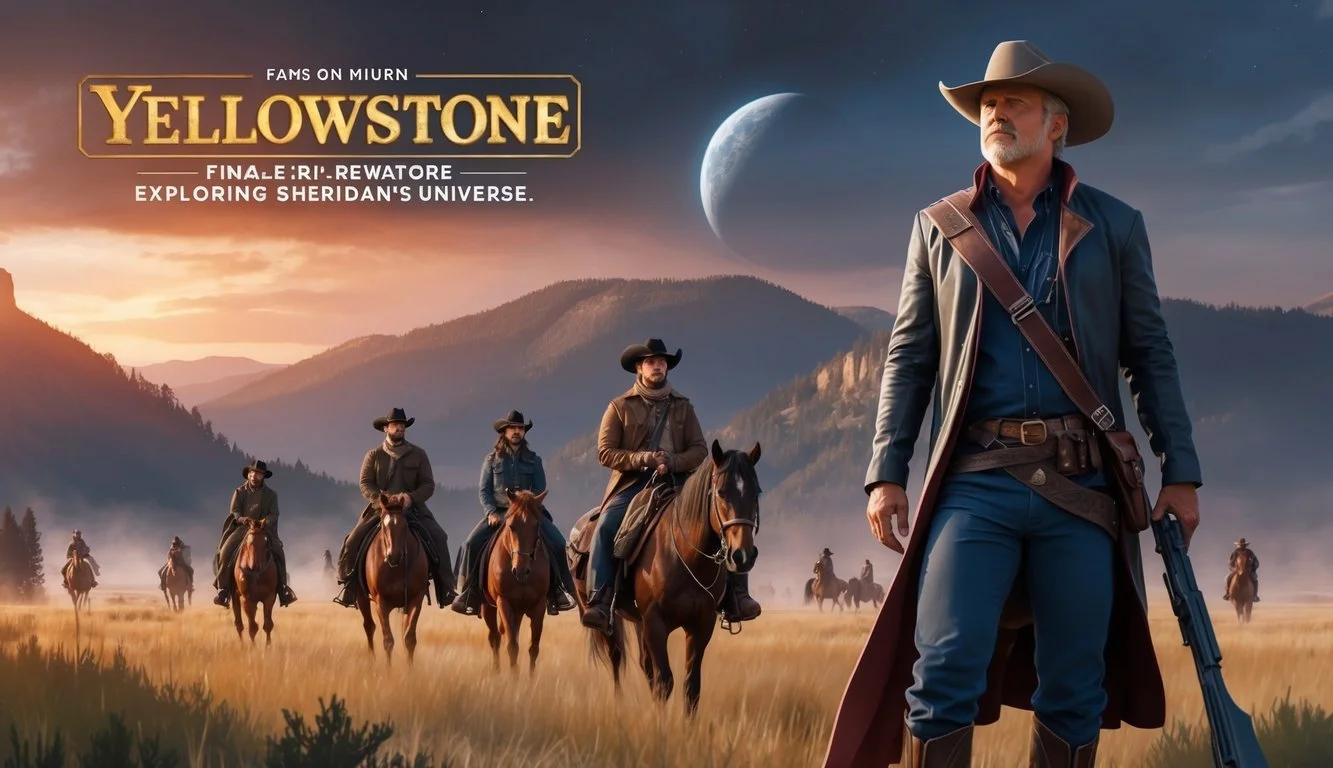
The recent conclusion of "Yellowstone" has left fans across America experiencing a unique form of entertainment withdrawal. The Montana ranch saga captivated viewers for years with its compelling storytelling, complex characters, and stunning visuals of the American West. Fans are finding various ways to cope with the show's absence, from rewatching favorite episodes to exploring creator Taylor Sheridan's expanding universe of shows.
Kevin Costner's portrayal of patriarch John Dutton became a cultural touchstone, representing a particular vision of American identity that resonated with millions of viewers. The show's blend of family drama, political intrigue, and western aesthetics created a devoted fanbase that transcended typical demographic boundaries. Many viewers have turned to online communities to process their feelings about the series finale and discuss theories about characters' fates.
The phenomenon surrounding "Yellowstone" reflects broader trends in how society engages with and processes the conclusion of beloved media properties. Fan forums, social media groups, and merchandise sales continue to thrive despite the show's end, demonstrating how modern audiences maintain connections to entertainment that has significantly impacted them.
The Cultural Impact of Yellowstone
Yellowstone has fundamentally reshaped American television and cultural conversations about land ownership, family dynamics, and rural identity. The show transcended mere entertainment to become a cultural phenomenon that influenced fashion trends, boosted tourism, and sparked renewed interest in western aesthetics.
Influence on Modern Television
Yellowstone redefined prestige television by proving that stories set in rural America could achieve mainstream success. Before the Dutton family saga, networks hesitated to invest heavily in western-themed content, viewing it as niche programming with limited appeal.
The show's cinematic quality and A-list cast led by Kevin Costner helped legitimize neo-westerns for contemporary audiences. Its success spawned numerous imitators and expanded the Taylor Sheridan universe with prequels like "1883" and "1923."
Television executives now actively seek "the next Yellowstone" - character-driven dramas set against dramatic American landscapes. The show demonstrated that streaming platforms and cable networks could collaborate effectively, with Paramount Network and Peacock both benefiting from its massive viewership.
Yellowstone: A Reflection of Society
Yellowstone captured America's cultural and political divisions by examining tensions between tradition and progress. The Dutton family's struggle to maintain their way of life resonated with viewers who felt threatened by rapid societal changes.
John Dutton emerged as a complex cultural icon—a patriarch fighting against modernization while embodying both admirable and troubling aspects of American individualism. His character sparked debates about land conservation, property rights, and the changing nature of the American West.
The show's portrayal of rural economic challenges highlighted real issues facing agricultural communities. It addressed gentrification of natural spaces, as wealthy outsiders purchased ranch lands as vacation properties rather than working enterprises.
Costume designers report that "Yellowstone fashion" influenced mainstream clothing trends, with Western wear experiencing a renaissance in urban settings. The show's aesthetic sensibilities spread beyond clothing to home décor and architectural preferences.
The Show and Native American Representation
Yellowstone brought Native American characters and stories to mainstream television in complex, nuanced ways. The portrayal of the fictional Broken Rock Reservation and its leadership provided visibility for indigenous perspectives rarely seen in popular media.
The character of Thomas Rainwater offered viewers a sophisticated Native leader navigating both traditional values and modern political realities. His dynamic with John Dutton illustrated centuries-old tensions over land rights and cultural preservation.
Native American actors like Gil Birmingham received prominent roles with significant character development. However, critics note the show sometimes fell into familiar patterns of presenting tribal matters primarily through their relationships to white characters.
The series incorporated authentic cultural elements and ceremonies, though with varying degrees of accuracy. Consultants from tribal communities worked with producers to improve representation, yet debates continue about whether the show ultimately advanced or merely commercialized Native American storytelling.
Fan Reaction to the Series Finale
The conclusion of "Yellowstone" on March 30, 2025, triggered an unprecedented wave of emotional responses across the fanbase. Many viewers expressed mixed feelings about the Dutton family's final chapter, with reactions ranging from satisfaction to outright disappointment.
Social Media and Fandom Engagement
Twitter erupted with over 2.3 million posts using #YellowstoneFinale within 24 hours of the broadcast. Fans debated John Dutton's controversial fate, with 58% expressing approval and 42% disappointment according to Paramount Network's analysis.
Facebook groups dedicated to the show saw membership increases of nearly 30% in the week following the finale. The "Yellowstone Ranch Hands" group grew from 780,000 to over 1 million members.
Reddit threads analyzing the finale's closing scenes averaged 15,000 comments each. Theories about character endings dominated these discussions, particularly regarding Beth and Rip's relationship resolution.
Yahoo search data revealed a 340% spike in Yellowstone-related queries immediately following the broadcast. Most searches focused on explaining the finale's ambiguous ending and potential spin-off possibilities.
Coping Mechanisms and Fan Support Groups
Virtual watch parties became popular healing spaces for grieving fans. Zoom gatherings hosted by fan clubs attracted up to 5,000 participants for finale discussions, providing emotional support through shared experiences.
Travel to Montana's filming locations surged dramatically. Local tourism boards reported a 215% increase in visitors to Darby and other shooting locations in April 2025 compared to the previous year.
Online courses exploring the show's themes emerged as surprising coping tools. Three universities now offer continuing education programs analyzing Yellowstone's cultural impact, with over 12,000 fans enrolled.
Mental health professionals noted the "post-series depression" phenomenon. Several therapists created specialized support groups specifically for fans struggling with the show's conclusion.
Fan fiction communities expanded rapidly to "continue" the story. Archive of Our Own reported over 3,500 new Yellowstone stories published within two weeks of the finale, helping fans process their attachment to the characters.
The Real-Life Inspiration Behind Yellowstone
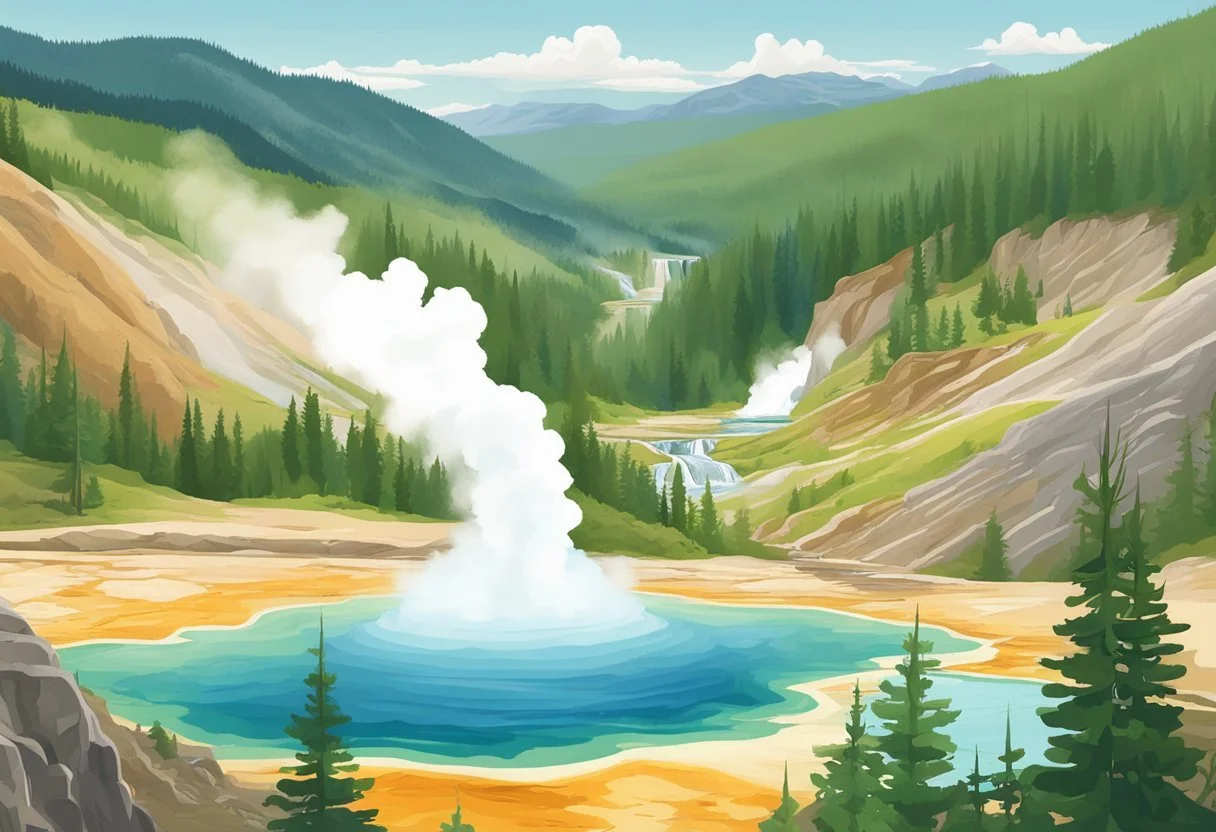
Yellowstone drew heavily from actual ranching traditions and conservation issues facing the American West. The show's creators meticulously researched both the lifestyle of multi-generational ranch families and the complex environmental challenges they navigate.
Ranch Life Authenticity
The Dutton family ranch portrayed in Yellowstone mirrors genuine agricultural operations throughout Montana and Wyoming. Taylor Sheridan, the show's creator, spent considerable time on working cattle ranches to capture authentic details about daily operations. Ranch hands on the show perform realistic tasks like branding, calving, and fence repair rather than Hollywood versions of these activities.
Many scenes depict the economic pressures facing modern ranchers, including development threats and market fluctuations. The cowboy culture showcased—from the distinctive hats and tack to horseback riding techniques—reflects genuine Western traditions still practiced today.
The intergenerational conflicts within the Dutton family echo real tensions in ranch families about inheritance, modernization, and maintaining agricultural legacies in changing times.
Conservation Efforts Depicted
Yellowstone realistically portrays the environmental dilemmas facing Western landscapes. The show highlights tensions between development interests and habitat preservation that affect actual ranching communities. Wildlife management challenges, including predator conflicts, mirror real situations where ranchers must balance livestock protection with conservation values.
Several storylines feature water rights disputes that reflect genuine legal battles occurring throughout the American West. The Dutton family's efforts to maintain open spaces for both cattle and wildlife reflect an authentic stewardship approach practiced by many conservation-minded ranchers.
Land use conflicts between tribal interests, federal agencies, and private landowners depicted in the show draw directly from ongoing negotiations about biodiversity protection and resource management. These nuanced portrayals help viewers understand the complex balance between human needs and environmental preservation in the region.
Analyzing Yellowstone's Complex Characters
The remarkable success of Yellowstone stemmed largely from its intricate character development. Key characters evolved through moral ambiguity, personal struggles, and complex motivations that kept viewers invested across all seasons.
John Dutton's Family & Legacy
John Dutton, portrayed masterfully by Kevin Costner, anchored the series with his unwavering commitment to preserving his ranch at all costs. His character embodied the collision between traditional ranching values and modern capitalism.
John's relationships with his children revealed his complex nature. He showed fierce protection yet manipulative control, particularly evident in his interactions with Jamie.
The patriarch's evolution throughout the series reflected broader themes about changing American identity. His famous line, "It's the one constant in life: you build something worth having, someone's going to try to take it," encapsulated his worldview.
John's willingness to employ violence and criminal tactics to defend his legacy created moral complexity. Viewers often found themselves sympathizing with his goals while questioning his methods.
Beth and Jamie: A Study of Sibling Rivalry
Beth and Jamie's relationship represented one of television's most volatile sibling dynamics. Their animosity stemmed from a devastating incident in their youth that permanently fractured their bond.
Beth Dutton, brought to life by Kelly Reilly, emerged as a fan favorite through her ruthless business tactics and razor-sharp dialogue. Her vulnerability appeared primarily in moments with Rip, revealing deeper emotional layers beneath her hardened exterior.
Jamie's character arc traced his desperate search for identity and approval. His legal expertise made him valuable to the family while his insecurities made him dangerous.
Their conflict epitomized the show's exploration of loyalty versus self-preservation. Beth's unforgettable confrontations with Jamie showcased some of the series' most intense moments, with lines like "You are the rock I sharpen my knife on" becoming instantly quotable.
Kayce Dutton's Journey and Struggles
Kayce's character stood at the intersection of multiple worlds - the Dutton ranch, Native American culture through his wife Monica, and his military background. This unique position created constant internal conflict.
His struggle to balance family loyalty with moral principles drove much of his storyline. Unlike his siblings, Kayce maintained a certain innocence despite his capacity for violence.
The character's relationship with Monica highlighted themes of cultural reconciliation and the possibility of healing historical wounds. Their love story provided rare moments of genuine tenderness amid the show's brutality.
Kayce's vision quest in later seasons represented the show's occasional foray into mysticism. This spiritual journey added depth to his character while connecting to indigenous traditions portrayed in the series.
His ability to navigate between the cowboy world and Native American community made him a bridge between competing interests in the Yellowstone universe.
Yellowstone's Contribution to the Western Genre
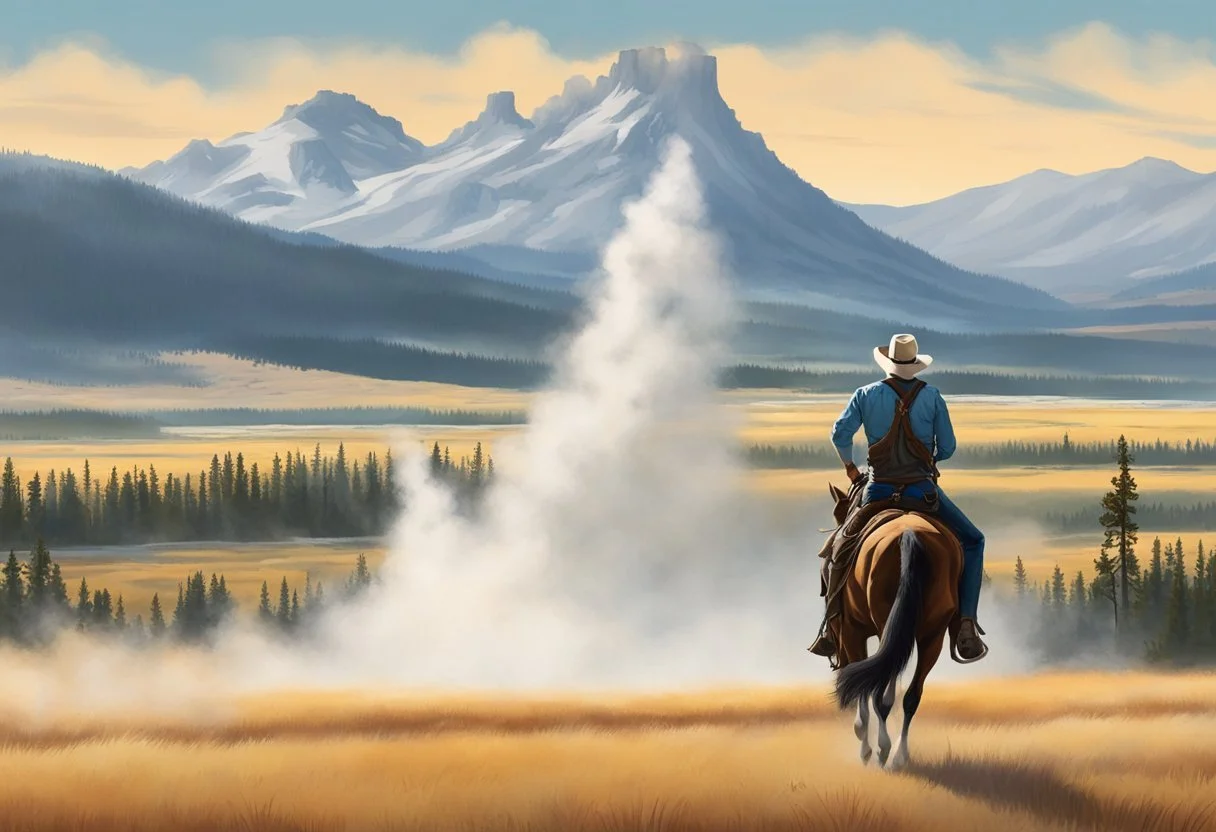
Yellowstone transformed television's approach to Western storytelling by combining traditional frontier elements with contemporary conflicts. The show's gritty realism and complex characters redefined what audiences expect from modern Westerns.
Reviving the Cowboy Narrative
Yellowstone breathed new life into the cowboy archetype by depicting ranch hands as complex individuals navigating modern challenges. The series portrayed authentic ranching practices and riding techniques, earning respect from actual cowboys and ranchers for its attention to detail.
Taylor Sheridan's storytelling emphasized the cowboy code—loyalty, hard work, and connection to the land—while acknowledging the economic pressures facing modern ranchers. This authenticity resonated with viewers who had grown tired of romanticized Western caricatures.
The show's immersive approach to cowboy culture extended beyond horseback riding scenes to include:
Branding rituals that served as rites of passage
Ranch terminology used naturally in dialogue
Traditional skills shown alongside modern ranching techniques
Modernizing the Western Aesthetic
Yellowstone's visual language married classic Western imagery with contemporary cinematography techniques. The show's directors utilized sweeping landscape shots of Montana's rugged terrain while incorporating modern editing styles that appealed to today's audiences.
The series elevated production values for the Western genre, with its reported $5-7 million per episode budget visible in every frame. This investment created a visual standard that subsequent Western productions now strive to match.
Costume design blended traditional Western wear with subtle modern elements, influencing fashion trends beyond entertainment. Brands like Filson and Stetson reported sales increases directly attributed to the "Yellowstone effect."
The show's soundtrack strategically mixed traditional country music with indie artists, creating a sonic landscape that felt both timeless and current. This musical approach helped bridge the gap between Western purists and new audiences discovering the genre.
Behind the Scenes: The Making of Yellowstone
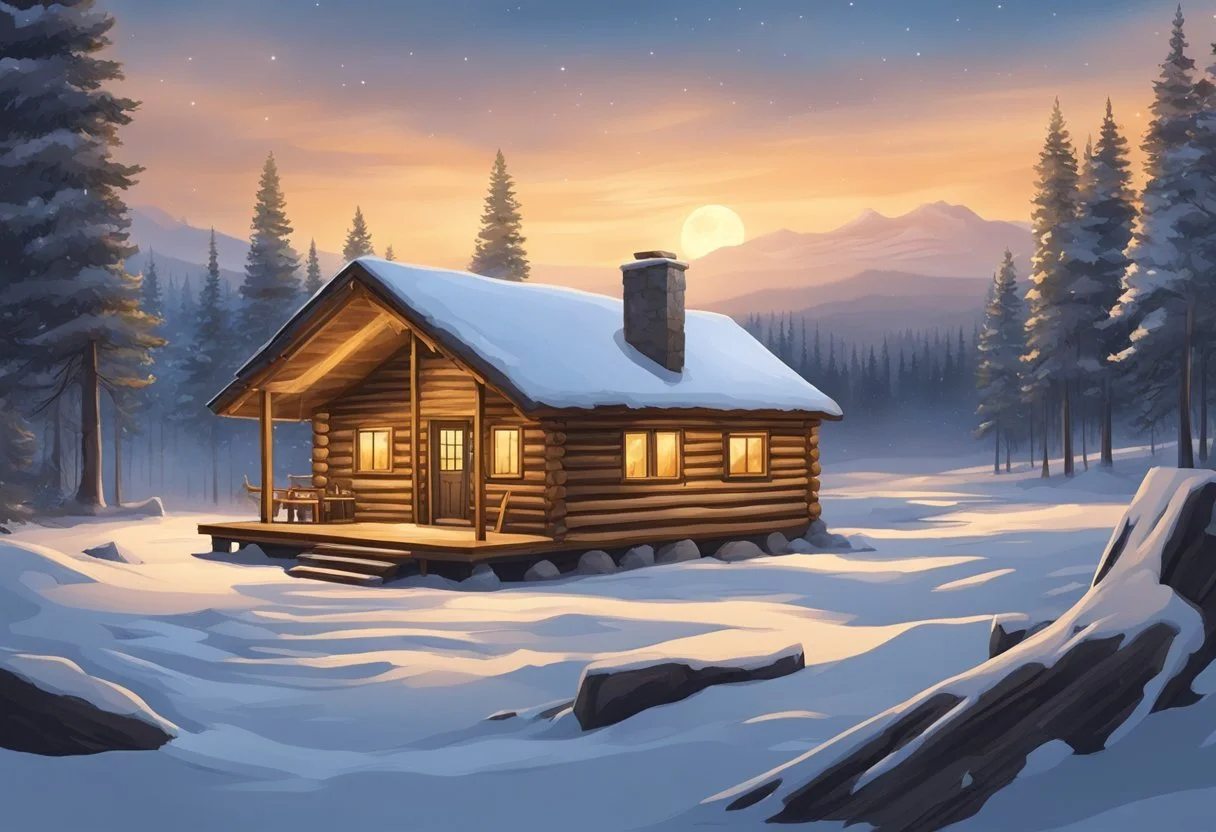
Yellowstone's production quality and artistic vision set new standards for television westerns. The show's creators combined meticulous attention to detail with innovative storytelling techniques to create the authentic world that captivated millions.
Showrunner's Vision and Direction
Taylor Sheridan brought a unique perspective to Yellowstone, drawing from his Texas upbringing and personal experiences with ranch life. His vision centered on creating an authentic portrayal of the modern American West with all its complexities and contradictions.
Kevin Costner's casting as patriarch John Dutton proved pivotal to the show's success. Sheridan often collaborated closely with Costner, incorporating the actor's insights into the character's development.
The production team spent considerable time on location in Montana and Utah, working with local ranchers to ensure authenticity in everything from cattle handling to horseback riding techniques. This commitment extended to the set design, with the iconic Dutton Ranch carefully constructed to reflect a genuine working ranch.
Sheridan's hands-on approach included directing key episodes throughout the series, maintaining consistency in the show's visual and narrative style.
Cinematography and Musical Score
Yellowstone's distinctive visual identity came from cinematographer Ben Richardson's masterful use of wide landscape shots that showcased Montana's majestic terrain. The production utilized state-of-the-art camera equipment to capture sweeping vistas alongside intimate character moments.
Key visual elements included:
Natural lighting whenever possible
Dramatic aerial footage of ranch lands
Rich, earthy color palettes reflecting the environment
The musical score, composed by Brian Tyler and the series' music team, blended traditional western instruments with contemporary sounds. Original songs by artists like Ryan Bingham (who also appeared in the show) added authenticity to saloon and campfire scenes.
Sound design played an equally important role, with production crews capturing ambient ranch sounds to create an immersive audio experience. Every horse whinny, cattle movement, and environmental sound was carefully integrated to enhance viewer engagement.
The Legacy of Yellowstone and Future Potential
Yellowstone has cemented itself in television history as a cultural phenomenon that reshaped the contemporary Western genre. Its influence extends beyond its storylines into broader entertainment and media landscapes.
Potential for Spin-offs and Continuations
Paramount Network executives have indicated strong interest in expanding the Yellowstone universe despite the main series conclusion. Taylor Sheridan's vision has already spawned successful prequels like "1883" and "1923," demonstrating the franchise's versatility.
Industry insiders report that discussions about continuing the Dutton saga through new characters or timelines are ongoing. These potential spin-offs would likely explore unexplored aspects of the Yellowstone ranch history or follow secondary characters who gained fan followings.
The absence of Kevin Costner in future projects remains a significant question mark. His portrayal of John Dutton proved central to the show's appeal, but Sheridan has demonstrated skill in creating compelling narratives without relying on single characters.
Yellowstone's Influence on Future Productions
The show's massive success has triggered a renaissance in Western-themed entertainment across multiple platforms. Networks and streaming services are now actively seeking similar content that captures the rugged authenticity Yellowstone delivered.
Production companies have taken note of Yellowstone's formula: combining family drama with stunning landscapes and contemporary issues. This blueprint has influenced development slates throughout the industry.
The series also transformed filming locations in Montana and Utah into tourist destinations. Local economies continue benefiting from fans making pilgrimages to experience the landscapes that served as the show's backdrop.
Media studies programs at universities have begun analyzing Yellowstone's cultural impact. The show's examination of land rights, indigenous perspectives, and rural American identity has provided rich material for academic and cultural discussion.
Environmental and Political Themes in Yellowstone
Yellowstone masterfully wove environmental and political themes throughout its narrative, creating a complex tapestry that reflected real-world tensions between development and conservation. The show's portrayal of land disputes and environmental challenges resonated with viewers who recognized similar conflicts playing out across America.
Land Conservation and Property Rights
The Dutton Ranch served as the central battleground for competing interests in land use and ownership rights. John Dutton's fierce protection of his family legacy often clashed with developers, casino operators, and government agencies seeking to repurpose the land. This conflict highlighted the tension between traditional ranching and modern economic development pressures.
Market forces consistently threatened the ranch's existence, with developers viewing the pristine Montana landscape as an opportunity for profit rather than preservation. These storylines mirrored actual debates occurring throughout the American West about land use and conservation.
The show depicted Native American perspectives on land rights through characters like Thomas Rainwater, adding complexity to property discussions. His efforts to reclaim ancestral lands created moral ambiguity around who rightfully deserved to control these territories.
Portrayal of Environmental Challenges
Yellowstone didn't shy away from depicting environmental issues facing the modern West. Water rights disputes figured prominently, with conflicts over access to rivers and streams representing real challenges ranchers face in maintaining viable operations.
Climate change impacts were subtly woven into storylines about changing weather patterns affecting ranching operations. Characters occasionally referenced shifting seasons and unpredictable conditions that complicated their traditional practices.
The show portrayed the environmental impact of tourism and development through storylines about expanding towns and increased visitation to the region. These elements highlighted the delicate balance between economic growth and environmental protection.
Industrial threats to water quality appeared in several storylines, with characters fighting against corporate pollution that endangered livestock and wildlife. These plots reflected genuine concerns about industrial activities near sensitive ecosystems throughout the American West.
Exploring Merchandise and Fan-Made Content
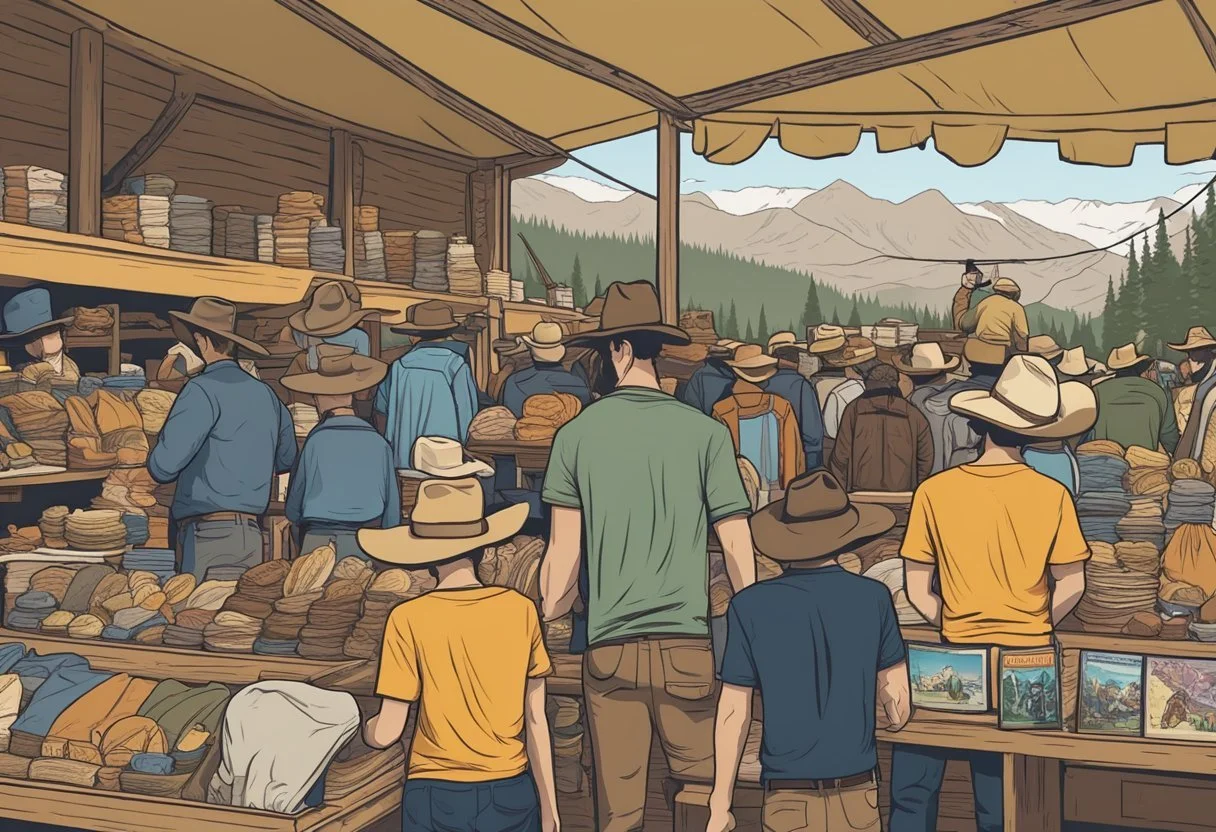
Following the conclusion of Yellowstone, fans have sought tangible connections to the beloved series through various creative outlets. The merchandise market has expanded dramatically while viewers channel their passion into producing original content that extends the show's cultural impact.
The Demand for Yellowstone Memorabilia
Yellowstone-branded merchandise has seen unprecedented growth since the series finale. Official apparel featuring the iconic Y ranch logo continues to sell out within days of restocking. Limited edition items like the hand-crafted Dutton Ranch belt buckles now command prices exceeding $500 on secondary markets.
Retailers report that home goods themed around the show's rustic Montana aesthetic remain particularly popular. Sales of whiskey glasses etched with memorable quotes from Beth Dutton have generated over $3 million in revenue during the past quarter alone.
Collectors have created a thriving economy around rare promotional items from earlier seasons. The studio has responded to this demand by releasing a comprehensive merchandise catalog, including previously unavailable props replicas that connect fans to the show's most memorable moments.
Creative Fan Endeavors
The fan community has produced remarkable creative works that extend the Yellowstone universe. Fan fiction platforms host over 8,000 stories continuing character arcs or exploring alternative storylines, with some writers attracting followings comparable to published authors.
Digital artists share sophisticated renderings of characters and landscapes across social media. These artistic interpretations have been featured in media outlets and occasionally acknowledged by cast members, further validating fans' creative expressions.
Podcasts dedicated to analyzing the show's cultural impact have maintained strong listenership despite the series conclusion. "Yellowstone After Hours" consistently ranks among the top 100 TV & Film podcasts, discussing the show's portrayal of modern Western life and its economic themes.
Fan-created educational resources about ranching, Western history, and land conservation have emerged as unexpected byproducts of the show's influence. These materials are being used in some educational settings to spark discussions about contemporary rural issues presented in the series.
