
Yellowstone Season 5 Part 2: How Kevin Costner's Exit Changed the Dutton Legacy
As the fifth season of Yellowstone approaches its conclusion, fans find themselves grappling with mixed emotions about the direction of the beloved series. After nearly two years of waiting for the second part of season 5, viewers are questioning whether the final six episodes deliver the powerful storytelling that made the show a cultural phenomenon. The sudden deaths of major characters, shifting dynamics, and noticeable absence of Kevin Costner's John Dutton have altered the fundamental essence of what once made Yellowstone compelling television.
The show that Taylor Sheridan masterfully built seems to have lost its cohesive center with the departure of its lead character. Where the Dutton Ranch once served as the gravitational force that united diverse storylines, recent episodes feel disconnected and rushed. Only Kayce's narrative thread maintains some of the emotional resonance that characterized earlier seasons, as he steps into a protective role reminiscent of his ancestors. Meanwhile, beloved characters like Beth, Rip, and Jamie appear to drift through storylines that lack the depth and purpose of their earlier arcs.
Key Takeaways
The series has struggled to maintain its narrative focus after the departure of Kevin Costner and his central character.
Multiple character deaths in quick succession have created a sense of dramatic overreach rather than meaningful storytelling.
The show's shift away from character development and ranch-centered conflicts has diminished the authentic qualities that initially captured audiences.
Overview of Yellowstone Season 5
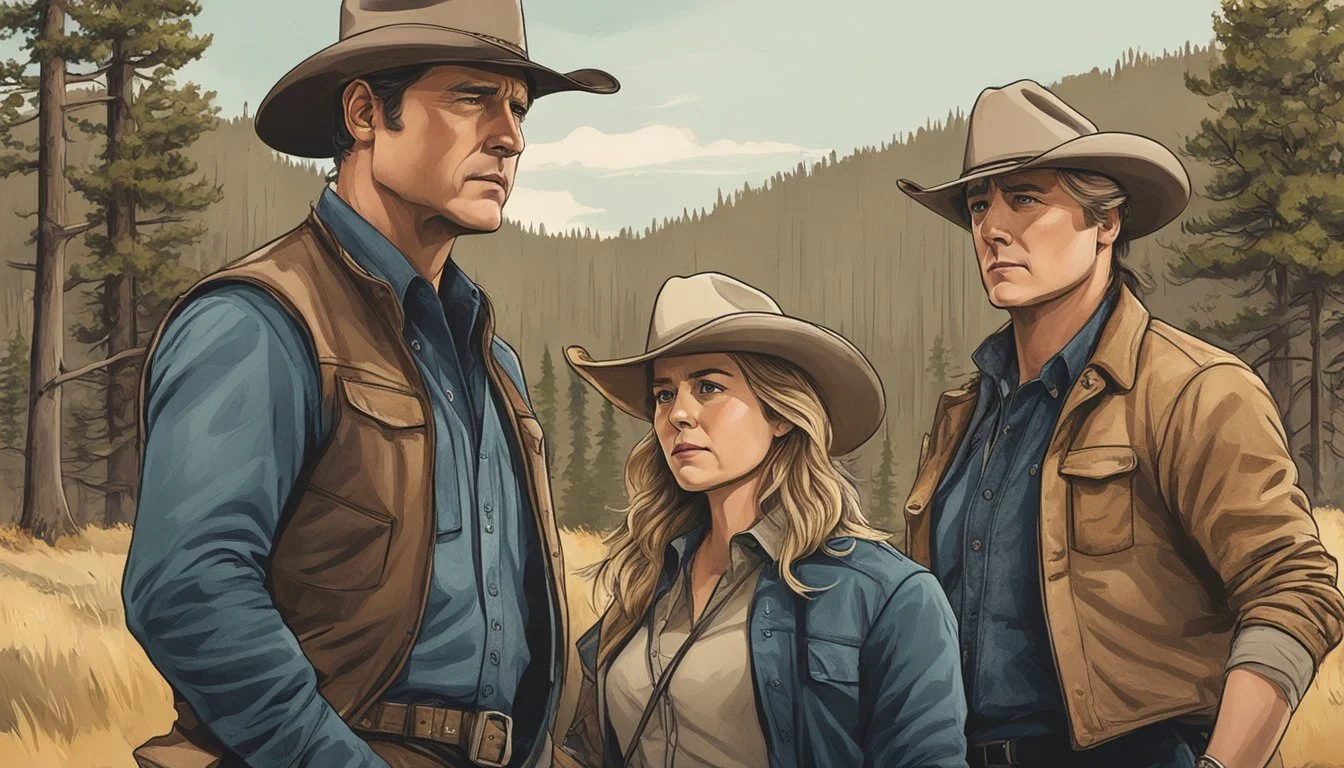
Season 5 of Yellowstone faces significant challenges as it approaches its conclusion. After a nearly two-year wait for part two, the final six episodes have struggled to maintain the show's previous momentum and direction.
The season has been marked by three major character deaths in just four episodes, creating a sense of narrative instability. These deaths include:
John Dutton: Following Kevin Costner's departure from the show
Sarah: Eliminated after becoming a liability in the investigation of John's death
Colby: A casualty highlighting the dangerous cowboy lifestyle
These sudden character eliminations, particularly Sarah's death, have left storylines feeling unresolved. Sarah's manipulation of Jamie and brewing conflict with Beth never reached a satisfying conclusion, leaving Jamie's character arc somewhat directionless.
Kevin Costner's absence has created a noticeable void in the show. As the patriarch and central figure, John Dutton provided Yellowstone with its gravitational center. Without him, the ranch lacks its core identity, and the remaining characters seem scattered in their individual storylines.
The show has also moved away from its effective use of character development through flashbacks. Previous seasons invested time in establishing backstories and motivations, but Season 5 Part 2 has largely abandoned this approach, with only brief flashbacks to the six weeks preceding John's death.
Kayce's storyline stands as one of the season's stronger elements, with his character essentially stepping into the John Dutton role. His determination to protect his family and seek revenge shows the bloodline of James Dutton running through him.
The frequent scenes at the Four Sixes Ranch have drawn criticism for feeling like product placement, with numerous montages of cattle roundups replacing meaningful character interactions and story development.
Character Deaths and Their Narrative Impact
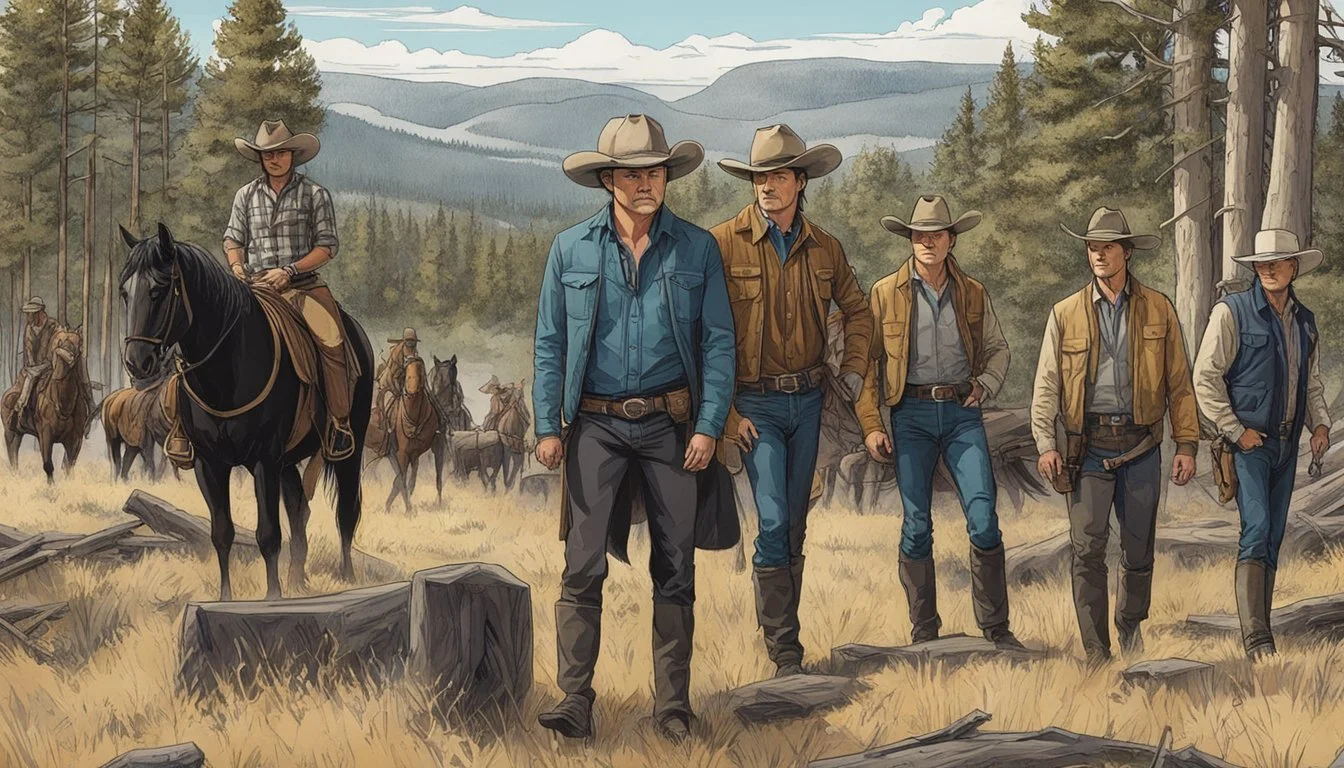
Season 5 of Yellowstone has delivered a surprising number of character deaths in rapid succession, with three major characters being killed off in just four episodes. These deaths have significantly altered the show's trajectory, often in ways that feel rushed or problematic for the overall narrative.
The death of John Dutton, necessitated by Kevin Costner's departure from the series, created a fundamental void at the center of the show. As the patriarch and moral center, John's absence has left the remaining characters somewhat adrift, diminishing the ranch's significance as the show's gravitational center.
Sarah's murder represented another significant loss. Her character had developed into a compelling antagonist and puppet master behind Jamie's actions. Her rivalry with Beth was building toward what should have been a dramatic confrontation, but her premature elimination cut short this promising storyline, leaving Jamie's character without clear direction.
The death of Colby in episode 12 stands out as particularly problematic. While it technically served to highlight the dangers of the cowboy lifestyle, it felt unnecessary and abrupt. Colby and Teeter deserved better treatment in the narrative, potentially offering viewers a positive storyline amid the show's constant drama and conflict.
These deaths appear to be substituting for substantive storytelling, giving viewers dramatic moments that mask the underlying narrative issues. Without Costner's commanding presence, the show has lost its anchor, and these deaths feel like attempts to generate emotional impact without the coherent storytelling that previously characterized the series.
The investigation into John Dutton's death and the Market Equity storyline simply don't carry the same weight without the patriarch's presence. This creates a situation where the show seems to be using death as a shortcut to drama rather than developing meaningful character arcs and conflicts.
The death-heavy approach has transformed Yellowstone from a character-driven drama into something more superficial. What once felt like a show with genuine stakes and emotional resonance now risks becoming a series where deaths feel cheap and manipulative rather than impactful or necessary for the story.
Characters like Beth and Jamie, once central to the show's complex family dynamics, now have less screen time and purpose. Beth repeatedly threatens to go after Jamie without meaningful follow-through, while Jamie himself has become marginalized despite being a primary suspect in multiple deaths.
Only Kayce's storyline maintains some of the show's original quality, as he steps into a role reminiscent of his father's, driven by family loyalty and a desire for justice. His character now carries the bloodline of James Dutton in both spirit and action, providing one of the few compelling narrative threads in the season.
The reduced use of flashbacks, which previously enriched the show's storytelling by providing character context and history, has further diminished the narrative depth that once distinguished Yellowstone from other dramas.
Questionable Direction and Lacking Substance
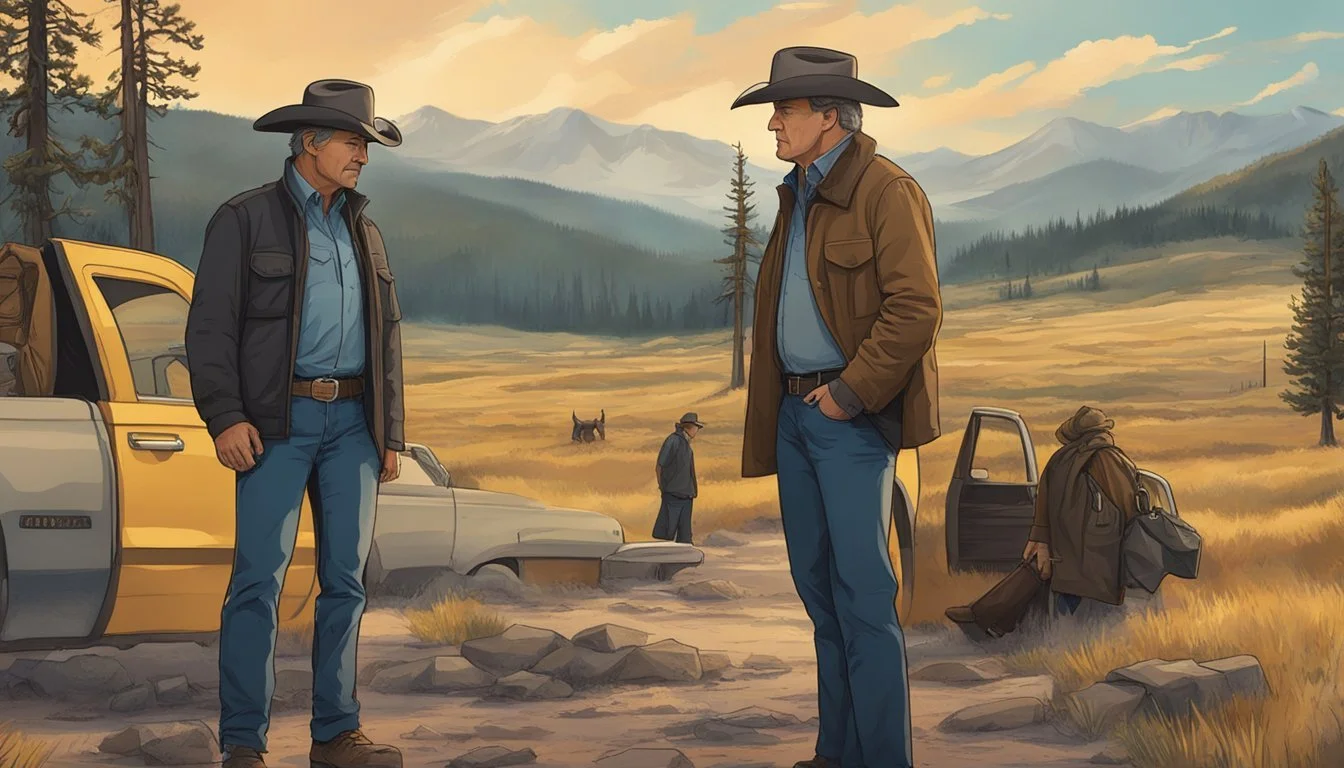
Season 5's second part has revealed significant storytelling challenges following its extended hiatus. With only six episodes to conclude the narrative, the show seems to be struggling with proper pacing and resolution of established plotlines.
The sudden wave of character deaths appears to be a symptom of narrative uncertainty. Three major deaths in just four episodes feels excessive and potentially manipulative. While each death serves a purpose—John's due to actor departure, Sarah's to eliminate a corporate liability, and Colby's to demonstrate ranching dangers—the frequency undermines their impact.
Sarah's elimination particularly highlights this problem. Her character had developed into a fascinating antagonist manipulating Jamie while engaging in a brewing conflict with Beth. This promising storyline was abruptly terminated before reaching its natural conclusion, leaving Jamie's character arc feeling incomplete and directionless.
Key Character Deaths and Their Impact:
John Dutton: Created a leadership vacuum
Sarah: Eliminated a compelling villain prematurely
Colby: Felt unnecessary and denied a satisfying arc closure
The absence of Kevin Costner has fundamentally altered the show's dynamic. As the series' central figure, John Dutton provided both gravitas and a narrative anchor that unified disparate storylines. His departure has left a void that remains unfilled, despite efforts to redistribute his storyline elements among remaining characters.
Costner's experience and screen presence brought a weight to scenes that elevated the entire production. Without this cornerstone performance, the overall quality of dramatic moments has noticeably diminished, and the ranch—once the heart of the show—no longer serves as the powerful central focus it once did.
Character development has also suffered in recent episodes. The show previously excelled at providing meaningful backstory through well-executed flashbacks that enriched our understanding of key personalities. This element has largely disappeared, with minimal flashbacks limited to the six weeks preceding John's death—and even these are poorly distinguished from present-day scenes.
Beth's character seems diminished, with her promised vendetta against Jamie repeatedly delayed. Rip remains locked in grief, his personality significantly altered by circumstance. Jamie, despite being central to multiple major plot points, receives surprisingly little screen time. Only Kayce's storyline offers compelling development as he steps into a protective family role reminiscent of his father and ancestors.
The increased focus on the Four Sixes Ranch frequently feels like obvious product placement, with numerous cattle-driving montages padding episode runtimes rather than advancing meaningful story development.
The Kevin Costner Departure and Its Impact
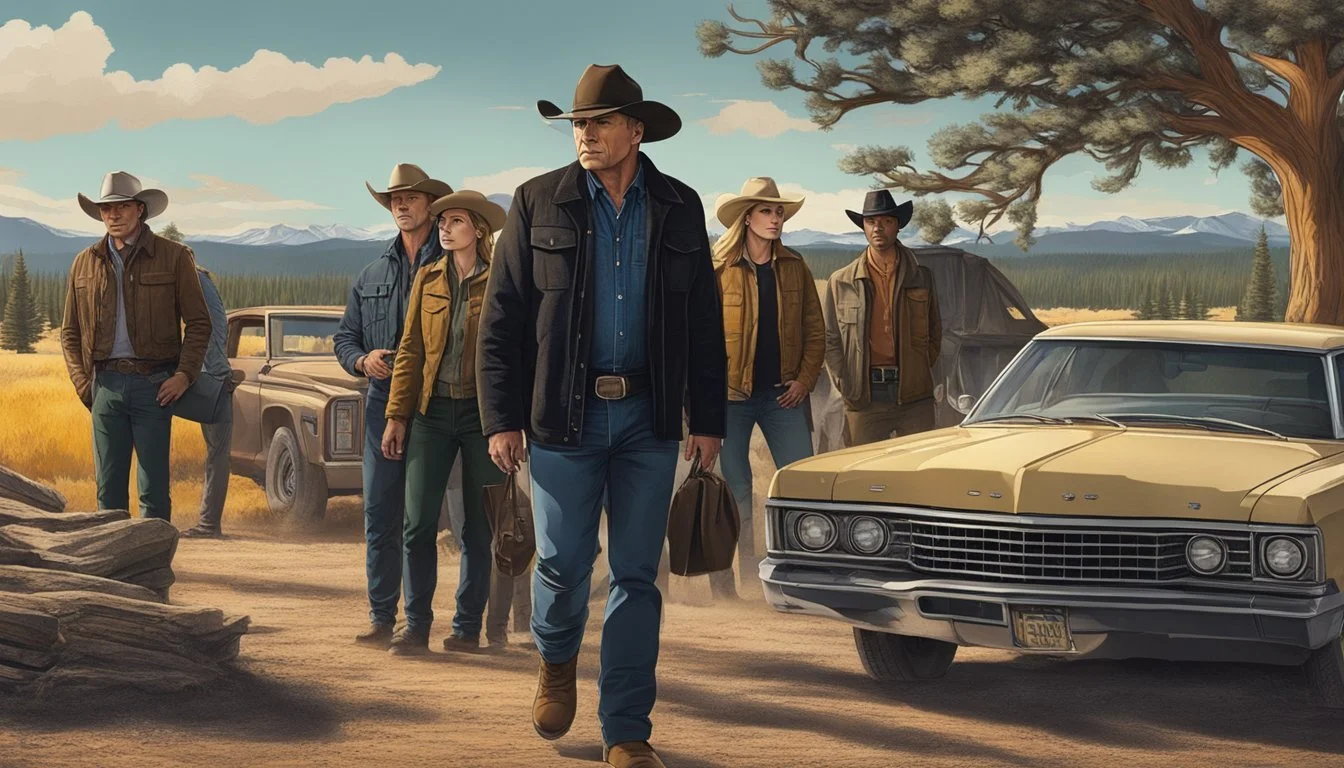
The absence of Kevin Costner from Yellowstone's final episodes has created a significant void in the show's dynamic. Costner's portrayal of John Dutton brought gravitas and leadership to the series that simply cannot be replaced. His character served as the emotional anchor and central figure around whom all other storylines revolved.
With Dutton's death, the show has lost its narrative core. The ranch no longer feels like the central focus it once was, with characters scattered in various directions without a unifying purpose. Costner's acting prowess—honed through decades as a Hollywood legend—elevated the entire cast's performances.
The reported disagreements between Costner and creator Taylor Sheridan ultimately led to a decision that fundamentally altered the show's trajectory. This forced narrative shift is evident in how storylines now feel disconnected and less impactful than in previous seasons.
The show has attempted to compensate for this loss through increased dramatic events. The deaths of multiple characters in rapid succession—Sarah, Colby, and John Dutton himself—appear to be substituting shock value for the depth that once characterized the storytelling.
Sarah's elimination particularly feels premature, as her manipulation of Jamie and brewing conflict with Beth had significant potential. Her death cut short what could have been a compelling power struggle between these strong-willed characters.
Kayce seems to be the only character whose arc remains compelling in these final episodes. He has partially stepped into the patriarch role, channeling the protective instincts of his ancestors as he seeks justice for his father's murder.
The flashbacks that once enriched the show's mythology have been reduced to confusing six-week retrospectives leading to John's death. This represents another missed opportunity, as the series could have maintained Costner's presence through expanded historical sequences with Josh Lucas portraying the younger John Dutton.
Beth and Jamie—once central to the show's most intense conflicts—now feel underutilized. Beth's threats against Jamie remain largely unfulfilled, while Jamie himself has diminished in importance despite being entangled in multiple deaths.
Rip's character has transformed into a more somber version of himself, mourning John while watching the ranch deteriorate. This shift, while understandable narratively, has altered the dynamic energy he brought to previous seasons.
The show now leans heavily on montages and cattle-driving sequences at the Four Sixes Ranch, which sometimes feel more like product placement than essential storytelling elements.
Changes in Storytelling and Loss of Core Elements
Yellowstone's fifth season has undergone significant shifts in storytelling approach, particularly in its final episodes. The narrative structure that once defined the series has been compromised by several key factors affecting the show's cohesion and impact.
The sudden increase in character deaths represents a notable departure from the show's previous storytelling methods. In just four episodes, three significant characters have been eliminated: John Dutton, Sarah, and Colby. Each death serves a plot function but collectively creates a sense of narrative desperation rather than purposeful development.
Sarah's premature exit is particularly problematic. Her complex manipulation of Jamie and brewing conflict with Beth had substantial dramatic potential that was never fully realized. Her character served as an intelligent antagonist whose sudden removal left Jamie's storyline without clear direction.
Colby's death similarly demonstrates the shift toward shock value over character development. While it illustrated the dangers of ranch life, it denied viewers the possibility of seeing characters outside the Dutton family achieve some measure of peace or resolution.
The absence of Kevin Costner as John Dutton has created a fundamental void in the series. His character provided the gravitational center around which all other storylines orbited. Without this cornerstone, the narrative has become increasingly fragmented and lacks its previous sense of purpose.
Costner's departure hasn't just removed a character but fundamentally altered the show's dynamic. His performance brought gravitas and acting experience that elevated the overall quality of scenes. The ranch itself, once the heart of the story, no longer serves as the unifying element it once was.
Character development has also suffered in these final episodes. The rich exploration of backstories through well-crafted flashbacks has been largely abandoned. When flashbacks do appear, as with the six-week period leading to John's death, they're often confusingly executed and lack the clarity of earlier seasons.
Key characters now receive diminished focus. Beth's trademark intensity appears muted, with her threats against Jamie remaining largely unfulfilled. Rip exists in a state of mourning that has fundamentally altered his character. Jamie, despite being central to multiple major plot developments, receives surprisingly limited screen time.
Only Kayce's storyline maintains some of the show's original strength, as he steps into a protective role reminiscent of his ancestors. His quest for justice regarding his father's murder provides one of the few compelling narrative threads in these final episodes.
The production itself shows signs of distraction, with increased product placement around the Four Sixes Ranch and an overreliance on montage sequences of ranch work. These elements further distance the show from the character-driven drama that once defined it.
Shifts in Character Focus and Screen Time
Yellowstone's fifth season has experienced significant changes in how characters are utilized. Most notably, John Dutton's absence has created a void that's altered the show's fundamental structure. Without this central pillar, other characters have struggled to maintain the narrative cohesion that defined earlier seasons.
Beth Dutton's screentime has notably diminished. While her vengeful intentions toward Jamie continue to be referenced, there's been minimal forward movement on this plotline. The audience hears about her plans repeatedly, but actual progression has been limited.
Rip Wheeler's character has transformed significantly. His grief over John has placed him in a more introspective, withdrawn state. This emotional shift, combined with witnessing the ranch's deterioration, has fundamentally altered his typically assertive personality.
Jamie Dutton's reduced prominence is particularly noticeable. Despite being central to major plot points—including knowledge of John's death and his connection to Sarah's murder—his screen time has decreased substantially. His isolation from the main family unit seems to have diminished his narrative importance.
Kayce has emerged as the most compelling character in the current storyline. He has effectively inherited aspects of John's protective family role, embracing the traditional Dutton values of family loyalty and retribution. This character development stands out as one of the season's stronger elements.
The show now relies heavily on:
Cutaway scenes
Cattle-driving montages
Extended sequences at the Four Sixes Ranch
These formatting choices, along with fewer character-focused moments, have created a different viewing experience compared to earlier seasons. The reduced use of flashbacks is particularly notable, as these were previously instrumental in developing character backgrounds and motivations.
The current season has largely abandoned the well-executed flashbacks featuring Josh Lucas as young John Dutton. These scenes historically provided valuable context and strengthened viewers' connections to the characters' journeys and the ranch's legacy.
Character deaths have significantly impacted screen time allocation. With figures like Sarah removed before their storylines reached satisfying conclusions, certain narrative threads have been left underdeveloped or abandoned entirely.
Viewers now spend considerably more time with peripheral elements like the Four Sixes Ranch operations rather than with core character development and interactions that built the show's reputation in earlier seasons.
Casey's Story and the Dutton Legacy
Casey Dutton has emerged as a pivotal character in the final chapters of Yellowstone's fifth season. With the absence of John Dutton, Casey has stepped into a leadership role that echoes the strength of his ancestors. His storyline has become the most compelling aspect of these closing episodes, as he channels the protective instincts that defined James Dutton generations ago.
The weight of family legacy now rests heavily on Casey's shoulders. His determination to seek justice for his father's murder demonstrates the depth of his character development throughout the series. Unlike other storylines that seem disconnected or underdeveloped in recent episodes, Casey's journey maintains clear purpose and direction.
His transformation reflects the core values that once anchored the show—loyalty to family, protection of the land, and willingness to fight against threats to the Dutton legacy. While other characters appear adrift following John's death, Casey has found renewed focus and determination.
The investigation into John's murder has given Casey's character a meaningful arc amid the season's sometimes chaotic storytelling. His commitment to vengeance embodies the Dutton spirit that viewers have connected with since the series began. This storyline provides a thread of continuity in a season that has otherwise struggled to maintain narrative cohesion.
Many characters have seen their development stall or take perplexing turns, but Casey's evolution feels earned and authentic. His assumption of responsibility mirrors the leadership transition we've seen in flashbacks throughout earlier seasons, creating one of the few satisfying character progressions in these final episodes.
The Show's Shift From Personal to Commercial Dynamics
Yellowstone Season 5 has undergone a noticeable transformation in its storytelling approach. The heart of the series once revolved around the Dutton Ranch with John Dutton's leadership providing clear direction. Without this central figure, the narrative cohesion has weakened significantly.
Character development has taken a backseat to plot-driven events. The show previously excelled at giving viewers substantial time with characters through effective flashbacks and personal moments. These elements have largely disappeared in the latest episodes, with only brief glimpses into the six weeks leading to John's death.
The death toll has risen dramatically, with three major characters lost in just four episodes:
Character Reason for Death Impact on Story John Dutton Actor departure Loss of show's anchor Sarah Corporate cleanup Premature end to promising storyline Colby Demonstrating cowboy dangers Arguably unnecessary loss
These deaths feel less organic to the story and more like attention-grabbing devices. Sarah's elimination particularly cut short an intriguing power dynamic with Beth and left Jamie's character direction unclear.
Beth's screen time has diminished despite her threats against Jamie. Rip exists in a somber state while witnessing the ranch's decline. Jamie, despite being central to multiple plot threads, receives minimal focus. Only Kayce's storyline maintains momentum as he steps into a protective family role reminiscent of his ancestors.
The Four Sixes Ranch segments highlight another concerning shift. These sequences often feel like extended product placement rather than storytelling necessities. Montages of cattle roundups replace the meaningful character interactions that once defined the show.
The series now struggles with its identity. Without the gravitational pull of John Dutton's character, the various storylines float disconnected from each other. This fundamental change has altered what made Yellowstone compelling in its earlier seasons.
