
Yellowstone Secrets Revealed: Editing Choices That Transformed TV's Hottest Series
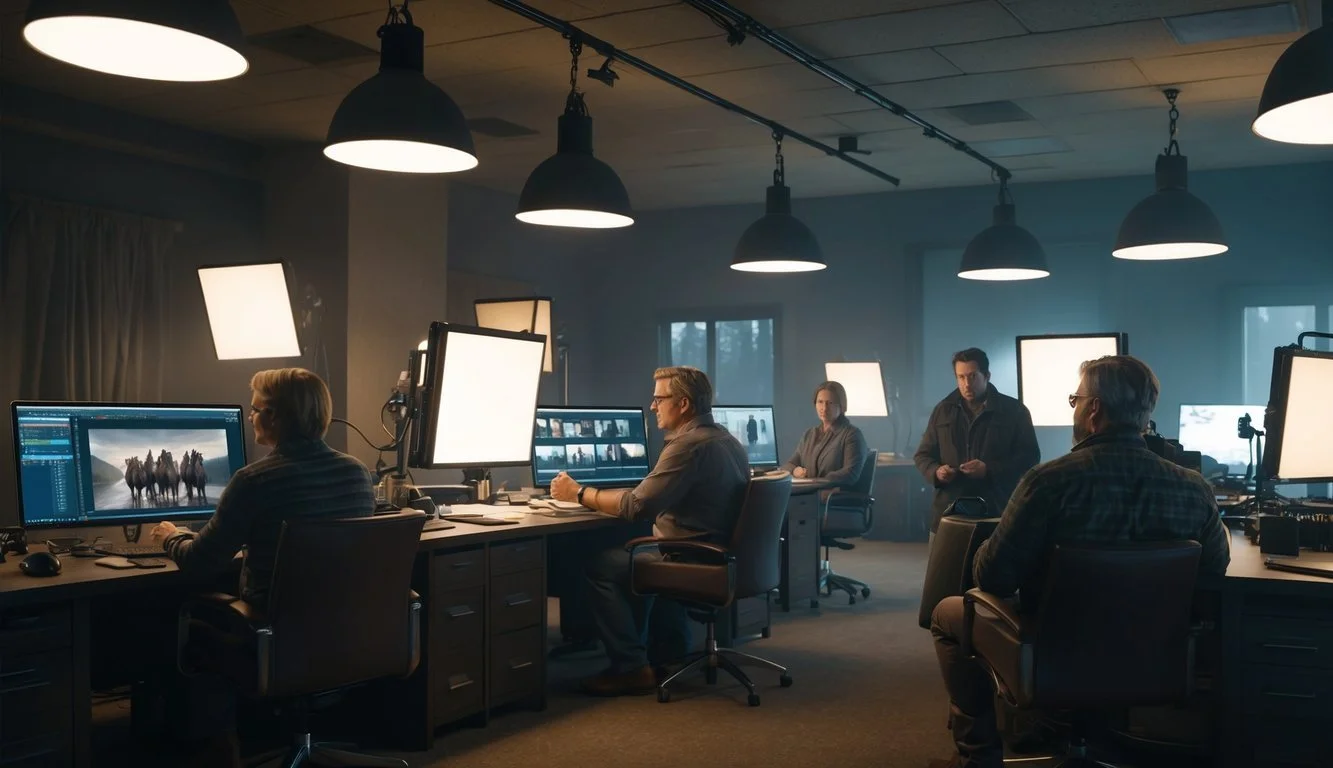
Behind every powerful scene in Yellowstone lies a team of editors making crucial decisions that forever alter the emotional impact of the series. Taylor Sheridan's vision comes to life not just on set but in the dimly lit post-production rooms where raw footage transforms into the cinematic masterpiece viewers experience. The editing process for Yellowstone involves thousands of hours of meticulous work, with editors often cycling through dozens of versions of a single scene to find the perfect emotional resonance.
The technical aspects of post-production have played an equally important role in establishing the show's distinctive visual identity. Yellowstone's implementation of Dolby Vision and HDR technology allows the striking Montana landscapes to appear with remarkable depth and color accuracy, enhancing the show's sense of place. These technological choices weren't merely aesthetic—they helped create the immersive world that pulls viewers into the complex dynamics of the Dutton ranch.
Editors on Yellowstone face unique challenges balancing the show's multiple storylines while maintaining its deliberate pacing and tension. The post-production team often works with Sheridan to adjust scene length, dialogue timing, and music cues that can dramatically shift how audiences perceive character motivations. This collaborative process between director and editors has become one of the unsung heroes behind the series' emotional impact and commercial success.
Evolution of the Dutton Saga
The Dutton family journey through time represents one of television's most ambitious storytelling achievements. Taylor Sheridan's vision expanded from a contemporary ranch drama into a multi-generational epic spanning nearly 150 years of American history.
From '1883' to '1923': Historical Roots
The post-production decisions for the Yellowstone prequels required delicate handling to maintain narrative continuity. Editors working on '1883' crafted a visual language that depicted the harsh realities of westward expansion while establishing the Dutton legacy. The series introduced James and Margaret Dutton (Tim McGraw and Faith Hill) as they journeyed to Montana, with editors carefully preserving period authenticity.
When transitioning to '1923', the edit bay faced new challenges. The connection between generations needed to feel seamless despite the 40-year time jump. Editors utilized subtle visual callbacks and consistent color grading to maintain the Dutton visual identity.
Taylor Sheridan insisted on maintaining specific historical touchpoints in the edit, ensuring the Dutton story reflected accurate American frontier experiences.
Yellowstone's Influence on the Modern Western Genre
Yellowstone revolutionized the modern Western through its distinctive editing style. The post-production team developed a rhythm alternating between sweeping landscape shots and intimate character moments, creating the show's signature pacing.
Key editing decisions around John Dutton's character (played by Kevin Costner) evolved throughout the series. Early seasons emphasized his stoic nature through longer takes, while later seasons incorporated more dynamic cuts to reflect his internal struggles.
The editing approach for family conflicts became particularly influential in the genre. Emotional confrontations were often presented with minimal cuts, allowing performances to breathe rather than forcing dramatic moments through manipulation.
Sheridan's collaboration with editors resulted in a visual language that other Western productions now emulate, balancing contemporary storytelling techniques with classical Western visual elements.
Crafting Yellowstone's Visual Story
Yellowstone's distinctive visual aesthetic emerges through meticulous post-production techniques that transform raw footage into the show's signature look. The series' unmistakable visual identity combines rich environmental tones with character-focused imagery that enhances the storytelling.
The Art of Color Grading
Color grading plays a crucial role in establishing Yellowstone's visual identity. Editors utilize advanced color correction tools to create the show's distinctive palette that emphasizes Montana's natural beauty.
The series employs a specific color strategy that enhances golden hour shots while maintaining cooler tones for dramatic scenes. This deliberate approach helps distinguish locations within the Yellowstone universe—the ranch often features warmer, earthy tones while city scenes utilize steelier blues and grays.
Editor Chad Galster noted in a 2023 interview that they often spend up to 16 hours grading a single episode. The team uses DaVinci Resolve to achieve consistency across seasons while allowing subtle evolution of the show's look.
Key Color Decisions:
Emphasizing natural light sources
Heightening contrast for dramatic moments
Maintaining consistent character skin tones
Creating visual distinction between competing factions
Leveraging HDR and Dolby Vision
Yellowstone's post-production team embraces HDR and Dolby Vision technology to elevate the viewing experience with expanded contrast and color depth. These technologies allow editors to preserve details in both shadowy interiors and bright Montana landscapes.
The implementation of Dolby Vision specifically enhances scenes featuring dramatic weather changes—a recurring visual motif throughout the series. Mountain vistas appear more dimensional, while night scenes retain exceptional clarity without sacrificing mood.
Since Season 3, the production switched to cameras capable of capturing higher dynamic range, providing editors more flexibility in post-production. This technical upgrade coincided with the show's growing popularity and increased budget.
The editing team collaborates closely with cinematographers to ensure HDR enhancements respect the original creative vision while maximizing impact for viewers with compatible displays.
Post-Production Techniques and Technologies
The meticulous craftsmanship behind Yellowstone's distinctive visual style emerges from its post-production process. The series employs both cutting-edge technology and thoughtful editing decisions to create its signature look and feel.
Editing for Emotional Impact
Yellowstone's editors masterfully control pacing to heighten dramatic tension, particularly in scenes featuring Beth Dutton's confrontations and Kayce's action sequences. They often employ match cuts between landscape shots and character close-ups to reinforce the connection between the Duttons and their land.
Sound design plays a crucial role in creating atmosphere, with editors carefully layering ambient ranch sounds beneath dialogue. This technique is especially evident in quiet moments between Rip and Beth, where subtle audio cues intensify emotional resonance.
The show utilizes strategic color grading to distinguish narrative threads. Family scenes at the ranch often feature warmer tones, while business confrontations employ cooler, more desaturated palettes. This visual language helps viewers subconsciously track emotional shifts throughout each episode.
Technology and Tools Behind the Scenes
Yellowstone's post-production team relies on industry-standard software including:
Avid Media Composer for primary editing tasks
DaVinci Resolve for color grading and correction
Pro Tools for sound mixing and design
The series embraces 4K workflow technology, allowing for greater flexibility in post-production adjustments and enabling the striking visual clarity that showcases Montana's landscapes. Digital tools permit editors to seamlessly blend footage from multiple camera setups common in complex ranch sequences.
Weather inconsistencies during shooting schedules require sophisticated compositing techniques to maintain continuity. The team employs specialized VFX tools to ensure lighting remains consistent when scenes span multiple shooting days.
Remote collaboration technologies became essential during later seasons, with secure digital pipelines allowing team members to work from different locations while maintaining the show's production standards.
The Human Element in Yellowstone
Yellowstone's emotional core lies in its complex characters and the societal issues they navigate. The post-production team made critical editing decisions that highlighted both character development and contemporary themes relevant to modern America.
Character Development and Story Arcs
The editing team used specific techniques to enhance character development across the Dutton family. John Dutton's stoic leadership emerged through carefully paced scenes and strategic use of silence in post-production. Beth's sharp-tongued business acumen benefited from quick cuts and maintaining the rhythm of Kelly Reilly's delivery.
Editors preserved Rip's complexity by balancing his loyalty with his capacity for violence. The relationship between Beth and Rip received particular attention in editing, where lingering shots and musical cues emphasized their emotional connection.
Jamie's moral descent was constructed through deliberate pacing choices and visual contrasts. Post-production decisions regarding Kayce and Tate highlighted their complex father-son dynamic and Tate's connection to his indigenous heritage.
The murder scenes that punctuate the series underwent careful consideration in the edit bay to balance impact with storytelling needs.
Tackling Relevant Social Themes
Post-production played a crucial role in how Yellowstone addressed Montana's land conflicts. Editors crafted sequences that juxtaposed the beauty of the landscape with the threats facing it, emphasizing environmental concerns without becoming preachy.
The portrayal of the local community and economic struggles received careful consideration in editing. Scenes depicting class conflicts were balanced to present multiple perspectives rather than simple villains and heroes.
Editorial decisions heightened the impact of Summer's environmental activism storyline, creating meaningful tension with the Dutton worldview. The edit bay made deliberate choices about how to frame Native American issues, working to present them with authenticity and respect.
The series' exploration of modern Western identity was strengthened through post-production choices that highlighted both tradition and change. Editors carefully balanced the more violent content with character-driven moments to prevent the themes from being overshadowed by shock value.
Collaborative Efforts in Storytelling
Yellowstone's post-production phase thrived on collaborative decision-making that significantly shaped the series' narrative power and visual identity. The edit bay became a creative hub where various perspectives merged to enhance the storytelling.
The Role of Collaboration in Post-Production
The editing process for Yellowstone embraced a collaborative approach that extended beyond the traditional editor-director relationship. Taylor Sheridan maintained a hands-on presence in the edit bay, working closely with editors to ensure his vision translated accurately to screen.
Editors frequently consulted with cinematographers to maintain the visual language established during filming. This partnership helped preserve the show's distinctive look while making necessary adjustments for narrative clarity.
Sound designers and music supervisors joined editing sessions at critical junctures, coordinating with editors to maximize emotional impact. This collaborative dynamic allowed for real-time adjustments to scene pacing based on musical cues and sound design elements.
The post-production team held regular review sessions where diverse perspectives could influence creative decisions. These sessions often revealed unexpected narrative opportunities that might have been overlooked in isolation.
Contributions from Cast and Crew
Kevin Costner's input during post-production significantly influenced how John Dutton's character evolved on screen. Editors noted that Costner occasionally reviewed key scenes, offering insights about character motivations that informed editing choices.
Kelly Reilly, who portrays Beth Dutton, collaborated with editors on her character's more complex emotional sequences. Her understanding of Beth's psychological landscape helped editors select performances that best served the character's development.
Cinematographers and production designers participated in color grading sessions, ensuring their artistic intentions survived the post-production process. This involvement maintained visual consistency while allowing technical enhancements.
The writing team remained accessible throughout editing, providing clarification on narrative intentions when needed. This ongoing dialogue between writers and editors proved especially valuable for scenes with subtle character development or plot advancement.
Significant Events and Their Aftermath
External forces dramatically shaped Yellowstone's post-production workflow and editorial decisions. These unexpected challenges forced the creative team to make pivotal adaptations that ultimately influenced the show's visual and narrative style.
The Impact of an Earthquake
In late 2022, a 5.7 magnitude earthquake near the Montana production facilities disrupted Yellowstone's editing schedule during a critical post-production phase. Several editing bays suffered structural damage, with two primary workstations rendered completely unusable.
The editorial team quickly improvised by relocating essential equipment to temporary facilities in Bozeman. This disruption coincided with final color correction for Season 5, forcing editors to adapt to different calibration systems mid-season.
Scenes featuring Yellowstone National Park backdrops required extensive rework, as the original color timing couldn't be precisely matched on the replacement systems. This created a subtle but noticeable shift in visual tone midway through the season.
Navigating Production During a Pandemic
The COVID-19 pandemic transformed Yellowstone's post-production workflow beginning in March 2020. Editors transitioned to remote work, utilizing specialized technology solutions that enabled collaborative editing from separate locations.
Cloud-based editing platforms became essential, though bandwidth limitations occasionally compromised efficiency. The production team implemented a hybrid system where critical color grading and sound mixing required controlled in-person sessions with strict protocols.
Remote editing influenced creative decisions significantly. Close-up shots became more prevalent as they required less complex editing and were easier to evaluate on home monitors.
Dialogue scenes underwent more extensive reworking during this period. Editors found that certain performance nuances appeared differently on professional monitors versus home setups, necessitating additional review cycles.
Cultural and Environmental Considerations
The visual portrayal of Yellowstone's landscapes and Montana's cultural heritage required meticulous post-production decisions to ensure authenticity and respect for both natural settings and local communities. These elements became central to the series' identity and resonated deeply with viewers.
Portraying the Majesty of Yellowstone National Park
The post-production team faced significant challenges in faithfully capturing Yellowstone National Park's vast landscapes. Editors meticulously selected footage that showcased the park's geological wonders, including its famous geysers and unique glaciation features. Color grading played a crucial role, with technicians developing a distinctive palette that emphasized the golden hues of grasslands and the deep blues of mountain ranges.
Drone footage required particular attention during editing. The team balanced spectacular aerial views with the need to respect the park's serene character. Sound designers incorporated naturalist recordings of authentic wildlife calls and environmental sounds to create an immersive experience.
Interviews with the production team revealed their commitment to accuracy. "We consulted with park rangers to ensure our portrayal honored Yellowstone's ecological significance," noted one senior editor.
Honoring the Heritage and Community of Montana
The editing team made deliberate choices to authentically represent Montana's rich cultural tapestry and ranching history. Scenes featuring the fictional Dutton Ranch underwent careful review to ensure they reflected genuine ranching practices rather than romanticized versions.
Local community involvement influenced post-production decisions. Feedback from Montana residents helped editors refine dialogue and cultural references for authenticity. Historical footage and photographs were referenced during color grading to capture the region's distinctive visual character.
Indigenous perspectives received particular attention. Editors worked to ensure respectful portrayal of Native American characters and references to tribal history. This included consulting with cultural advisors on specific scenes.
Music selection emphasized regional influences, incorporating elements of Western folk traditions that have shaped Montana's identity. These subtle choices helped ground the series in its geographic and cultural context.
Showcasing Yellowstone's Seasonal Evolution

Yellowstone's visual identity evolved dramatically through its production seasons, with post-production decisions significantly altering the show's aesthetic and emotional impact on viewers.
Season 2 Highlights and Enhancements
Season 2 marked a pivotal shift in Yellowstone's visual storytelling approach. Editors refined the pacing to better highlight the Dutton Ranch's atmospheric qualities, creating more breathing room between intense dialogue scenes.
The color grading evolved to emphasize Montana's seasonal changes, with warmer tones for scenes featuring John Dutton's character development. This intentional choice helped distinguish the patriarch's scenes from Beth's more coolly-graded confrontational moments.
Sound design saw significant enhancement in Season 2, with editors layering complex ambient tracks to establish the ranch as a character itself. Background elements like distant cattle, wind through grass, and isolated thunder added textural depth that viewers might not consciously notice but emotionally absorb.
Paramount+ later showcased these enhancements when featuring Season 2 in their promotional materials, highlighting how post-production choices elevated the dramatic tension between family members.
Breaking New Ground with Season 5
Season 5's post-production approach represented the culmination of lessons learned throughout the series. Editors implemented a more sophisticated cross-cutting technique to balance the expanding narrative threads centered around Kayce, Beth, and the broader threats to Dutton Ranch.
The editing team embraced longer, contemplative shots of Montana landscapes juxtaposed against tighter family confrontations. This created a visual rhythm that emphasized the contrast between the land's permanence and the family's volatile dynamics.
Technical Innovations in Season 5:
Implementation of advanced HDR color grading
Expanded dynamic audio range for streaming platforms
Custom transition effects for time jumps
Refined slow-motion techniques for emotional impact
Paramount+ streaming requirements influenced certain post-production decisions, particularly regarding episode pacing and scene transitions. Editors crafted sequences specifically optimized for streaming viewership patterns, with more deliberate scene breaks positioned for potential viewing interruptions.
The heightened production values in Season 5 required additional editing time, with approximately 25% more hours spent in the edit bay compared to earlier seasons.
