
East Camp Yellowstone: Show's Hidden Gem of Dutton Legacy Unveiled
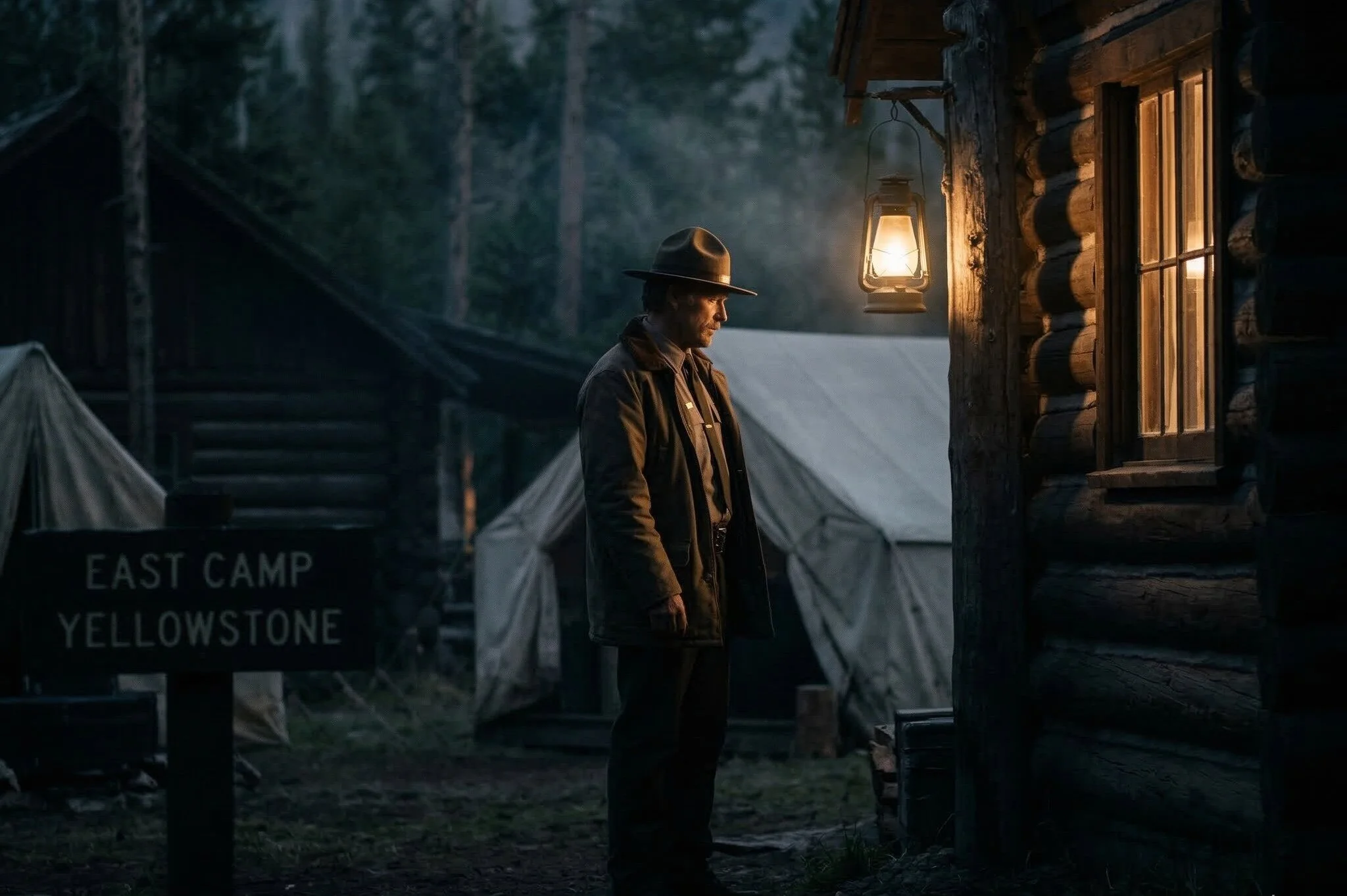
When Yellowstone concluded in December 2024, the fate of the Yellowstone ranch shocked fans. After generations of fighting to protect their land, the Duttons made an unexpected decision, they sold the ranch to Thomas Rainwater and the Broken Rock Reservation for $1.1 million.
On paper, the deal seemed unbelievable. The Dutton family was sitting on hundreds of millions of dollars in land value, far more than the show often portrayed. But the sale was never about money. It was about preserving the valley, preventing development, and fulfilling a long-standing dream of keeping the land untouched.
At the heart of that agreement stood East Camp Yellowstone, a smaller but deeply symbolic piece of the ranch that would shape the family’s future.
The Land Deal That Changed Everything
The agreement between the Duttons and the Broken Rock Reservation was built on shared vision rather than profit. Both sides wanted the valley protected from commercial expansion, corporate development, and outside control.
Kayce Dutton played a central role in negotiating the terms.
Kayce’s Stipulations
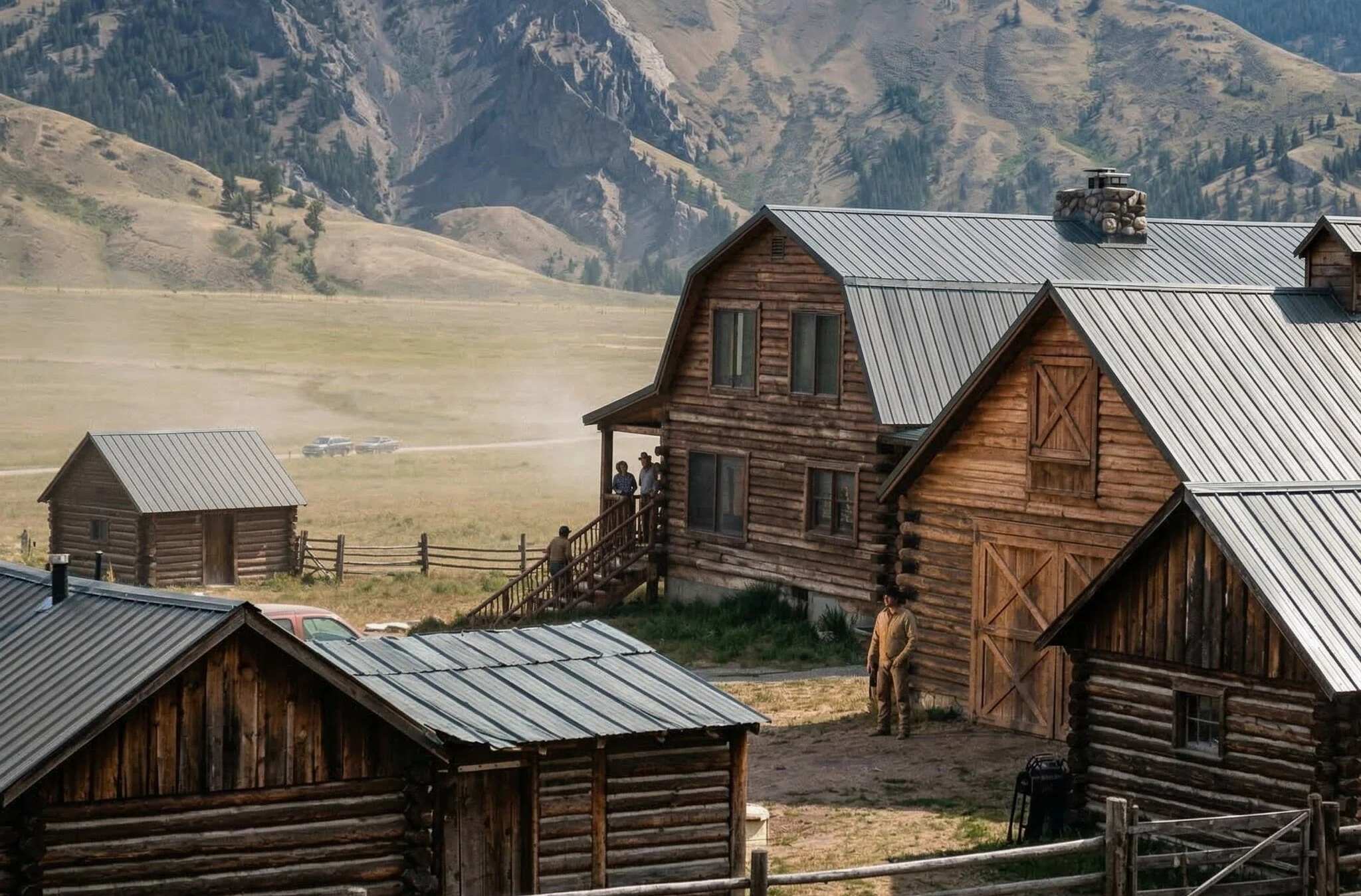
Kayce retained 5,000 acres surrounding the East Camp location as part of the deal. His offer to sell the land included strict conditions:
East Camp would remain his family’s property.
No development would ever be allowed on the Yellowstone ranch.
The land would remain preserved in its natural state.
Once the Reservation regained control, the valley was declared protected land. Vehicles were prohibited, and travel was limited to foot or horse. This dramatic shift symbolized a return to tradition and conservation.
The log cabin at East Camp, located near the Broken Rock Reservation, remains a quiet camping spot for the Dutton family. It is no longer the center of a massive empire, but it carries more emotional weight than ever.
East Camp and Kayce’s New Beginning
While the larger ranch passed into Reservation control, Kayce’s journey did not end. Instead, it evolved.
East Camp became his more permanent solution, a way to balance family, duty, and legacy without repeating the constant warfare that defined his father’s leadership.
A Father and Son Conversation
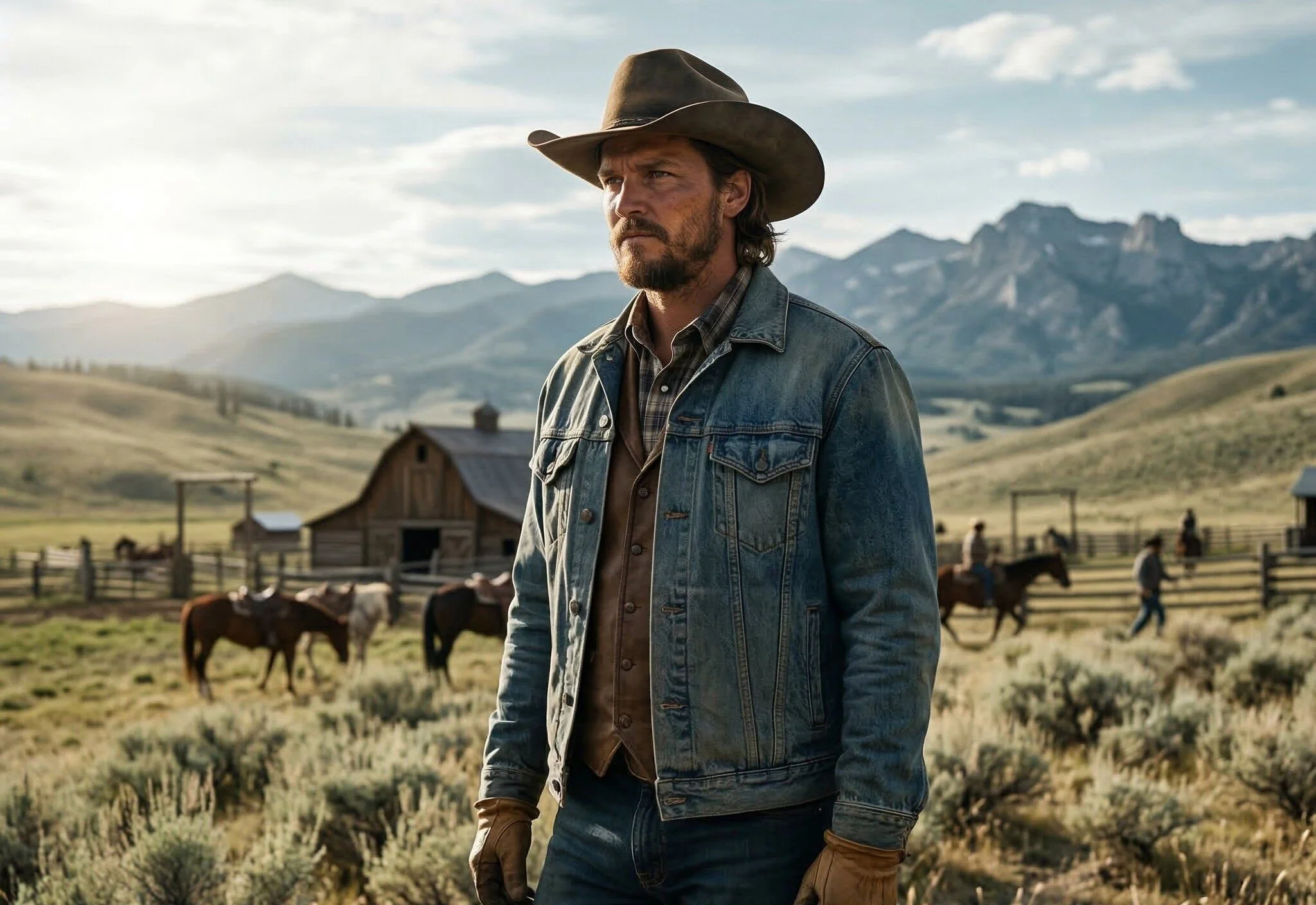
In a key moment, Kayce speaks with his son Tate about who will manage East Camp once he begins working as a U.S. Marshal. The dialogue provides a subtle update on the future of the Dutton family after the show’s conclusion.
Kayce makes it clear: East Camp belongs to Tate one day. It is not about rebuilding the old ranch. It is about protecting something smaller and more sustainable for future generations.
This conversation reinforces the theme of seven generations, the idea that today’s decisions echo far into the future. Kayce ensures that even after selling the ranch, his family remains tied to the land.
The Broken Rock Reservation and a Protected Valley
The transformation of the Yellowstone valley marks one of the most powerful developments in the series.
Once under Reservation authority, the land was protected from development entirely. Roads were restricted. Vehicles were banned. Only horse or foot travel was permitted across the valley.
This decision reshaped the landscape both legally and symbolically. It ensured that no corporations, no housing projects, and no outside investors could alter the horizon.
The move aligned with the shared dream of preservation, something both John Dutton and Thomas Rainwater ultimately wanted, even if they fought for it differently.
The East Side of Yellowstone National Park
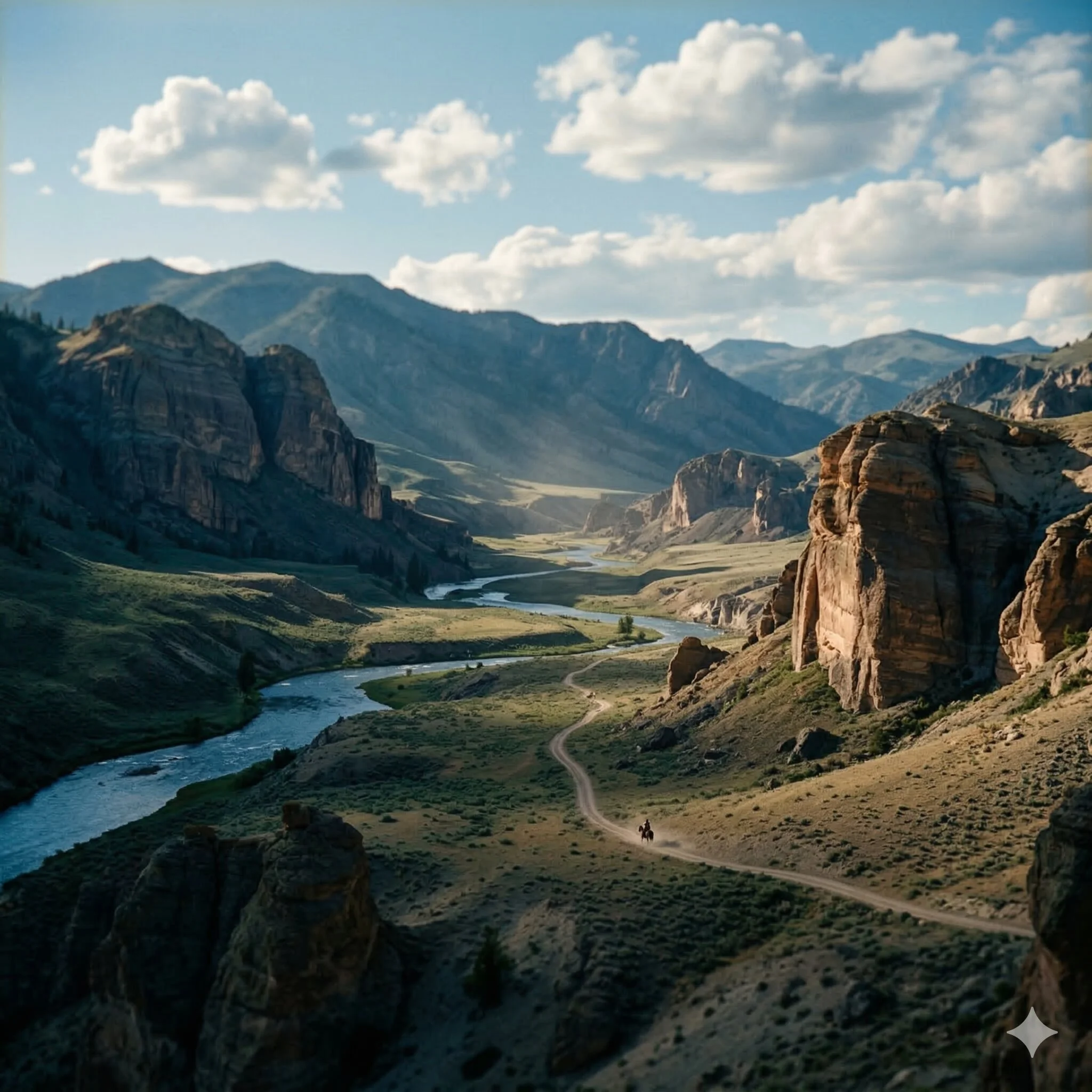
East Camp sits within one of the most scenic and quieter regions near Yellowstone National Park. The eastern side of the park offers a more nature-focused experience compared to the busier western entrances.
The region surrounding East Camp features some of the park’s most iconic natural landmarks.
Natural Highlights Near East Camp
Mud Volcano, home to active geothermal features like Dragon’s Mouth Spring.
Hayden Valley, one of the best locations to spot grizzly bears, wolves, bison, and elk - especially in spring.
Yellowstone Lake, the largest high-elevation lake in North America, known for fishing, boating, and panoramic views.
Fishing Bridge, a historic trout-watching site surrounded by hiking trails.
Fishing Bridge Marina, offering boat rentals, guided fishing trips, and scenic cruises.
Fishing Bridge RV Park, the only campground in the park with full hookups, accommodating large hard-sided RVs.
Sylvan Pass, standing at 8,524 feet with sweeping mountain views.
The scenic drive from Cody to the East Entrance along Highway 14/16/20.
The East Entrance area itself, framed by the Absaroka Mountains and prime wildlife viewing.
These features highlight what the Duttons ultimately fought to protect: open land, wildlife, and an untouched horizon.
Rip, Beth, and the Expanding Universe
While East Camp centers on Kayce’s quieter life, other characters continue their journeys beyond the original series.
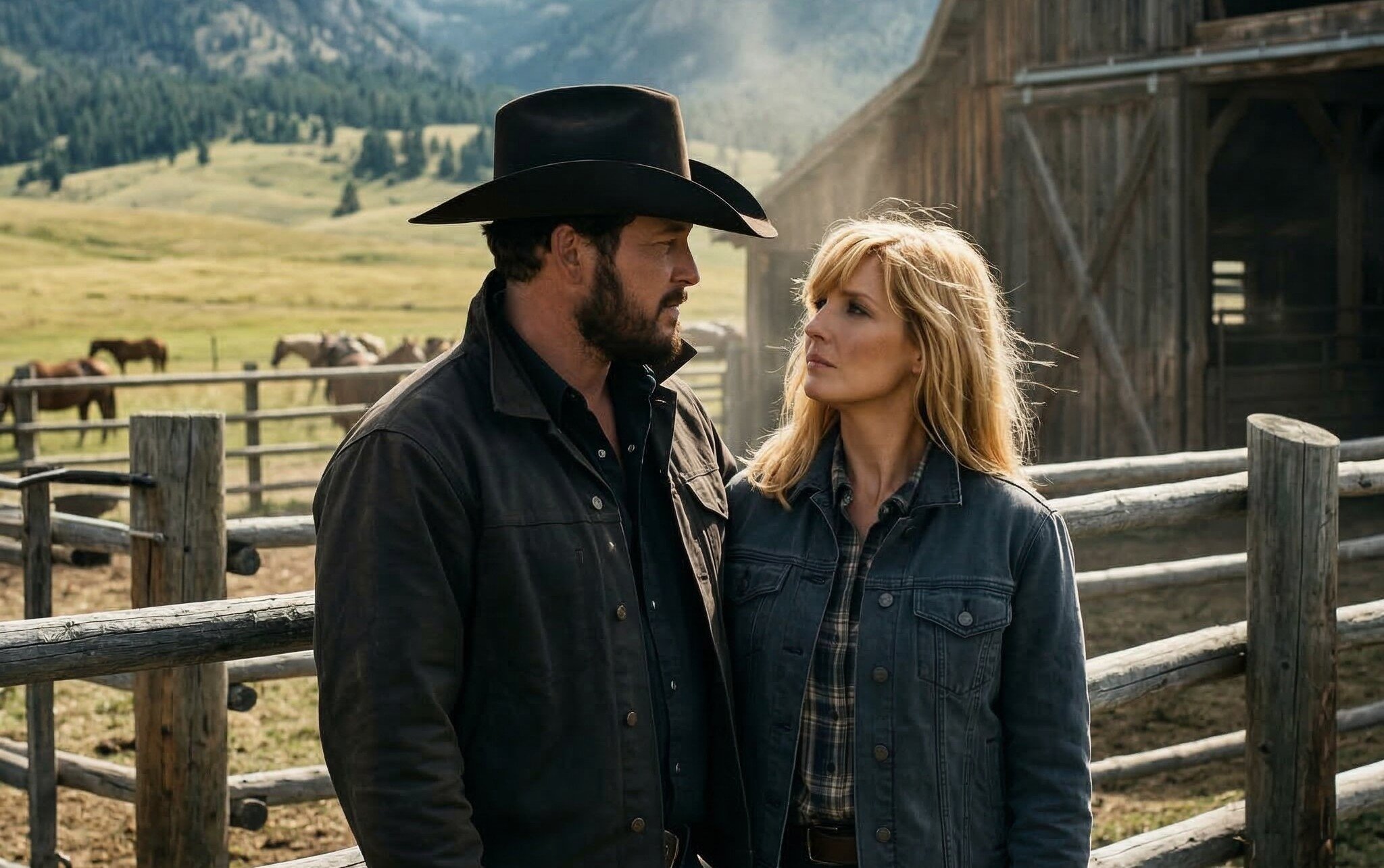
After the show concluded, Beth and Rip moved to a ranch in Dillon, Montana. Their story is far from over.
Spencer Hudnut addressed the possibility of Yellowstone characters appearing in future projects. He confirmed that characters from the Yellowstone universe will appear during the first season of the CBS spinoff Marshals.
Potential Appearance in Future Spinoffs
There has been ongoing discussion about a potential appearance of Rip Wheeler and Beth Dutton in Marshals. Hudnut explained that the series maintains an open approach to crossover appearances if the story allows it.
Additionally, Rip and Beth are set to lead the upcoming spinoff The Dutton Ranch on Paramount+. This positions them as key figures in the franchise’s next phase.
The Yellowstone universe continues to develop, potentially connecting Kayce’s marshal storyline with the broader ranch narrative.
From Empire to Preservation
For five seasons, Yellowstone revolved around power, land disputes, and survival. The Duttons fought developers, politicians, and rival ranchers to protect their empire.
In the end, they chose preservation over expansion.
Selling land worth hundreds of millions for $1.1 million was not weakness; it was strategy. It ensured the valley would never be divided or destroyed. It honored the land rather than exploiting it.
East camp yellowstone stands as the final symbol of that choice.
Kayce retained 5,000 acres not to rebuild an empire, but to create stability for his wife and son. The valley is now protected. Development is prohibited. The land belongs to the Reservation.
And East Camp remains: smaller in size, but larger in meaning.
It is not the end of the Yellowstone story. It is the beginning of something quieter, more deliberate, and built to last for generations.
