
Yellowstone TV Show Sparks Montana's Tourism Boom and Economic Revival
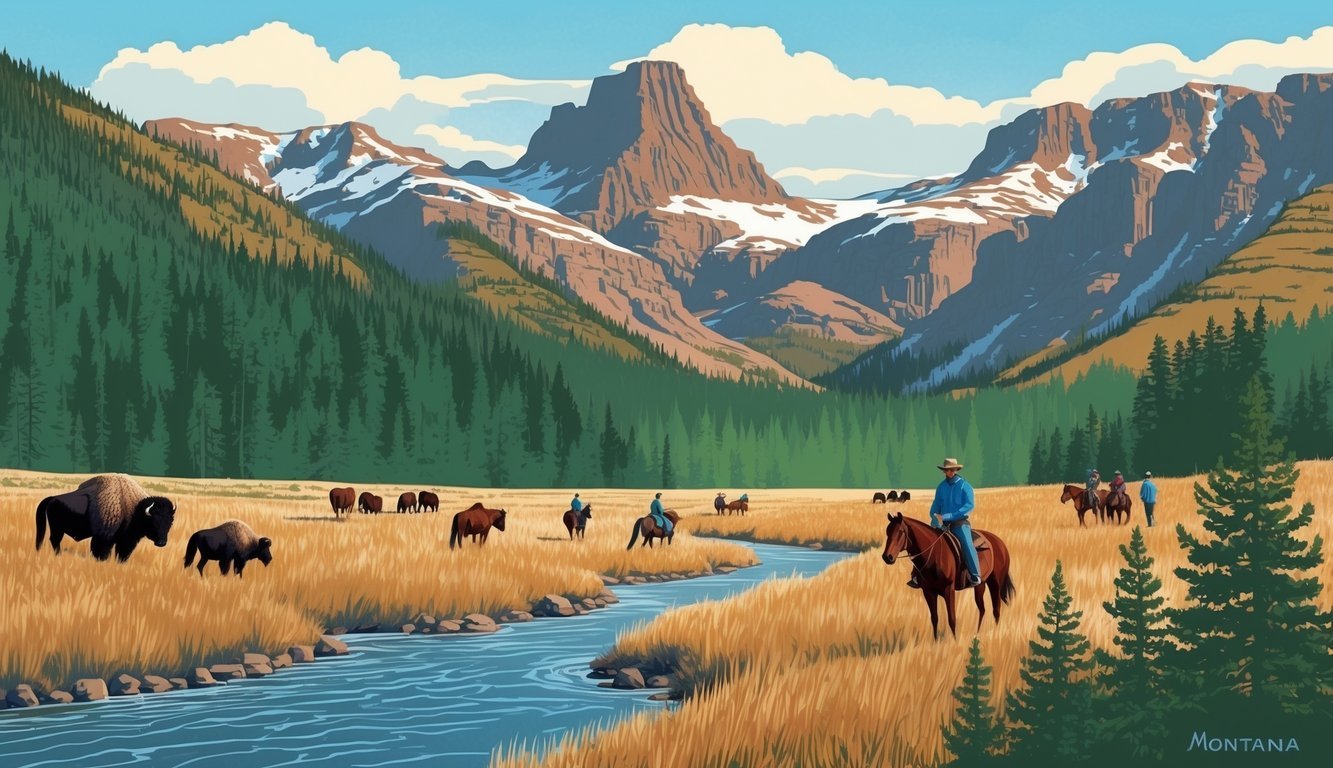
Yellowstone's impact on Montana's tourism industry extends far beyond the fictional Dutton Ranch. Since its debut on Paramount Network in 2017, the hit television series has sparked a remarkable economic renaissance across Big Sky Country, with visitors flocking to experience the rugged landscapes that serve as the show's backdrop.
Montana tourism officials report a 15% increase in visitor spending in regions featured in the show, generating an estimated $200 million in additional revenue between 2018 and 2024. Local businesses from Bozeman to Missoula have capitalized on the "Yellowstone effect" by offering themed tours, merchandise, and experiences that connect tourists to the fictional world created by Taylor Sheridan.
The phenomenon represents a fascinating case study in entertainment-driven economic development. Small towns previously overlooked by travelers now find themselves hosting visitors from across the globe, while property values in featured areas have surged as viewers seek their own slice of the Montana lifestyle portrayed in the series. This transformation raises important questions about sustainability and authenticity in tourism development.
The Impact of 'Yellowstone' on Montana's Visibility
The television drama "Yellowstone" has dramatically transformed Montana's presence in the global consciousness since its premiere in 2018. The show's stunning cinematography and compelling storyline have made the state's rugged landscapes and ranching culture instantly recognizable to millions of viewers.
Boost in National and International Recognition
Before "Yellowstone," Montana was primarily known for Glacier and Yellowstone National Parks among tourists. The show has expanded the state's appeal by showcasing its vast ranches, mountain vistas, and small towns to a massive audience.
Nielsen ratings indicate that "Yellowstone" consistently draws 6-8 million viewers per episode, creating unprecedented exposure for Montana's scenery. Google search data reveals a 125% increase in Montana-related travel queries following the show's seasonal premieres.
International tourism to Montana has grown by 18% since the show began airing. Visitors from the UK, Germany, and Australia frequently cite "Yellowstone" as their inspiration for choosing Montana as a destination.
Travel industry surveys show that 34% of first-time visitors to Montana in 2023-2024 were influenced by seeing the state portrayed in the series.
The Role of Paramount Network in Promoting the Show
Paramount Network has invested heavily in marketing "Yellowstone," with advertising budgets exceeding $20 million per season. Their promotional strategy consistently highlights Montana's landscapes as a character in itself.
The network's social media campaigns featuring Montana locations from the show reach approximately 15 million viewers monthly. These campaigns often tag Montana tourism accounts, creating a direct pathway for potential visitors.
Kevin Costner's star power has been leveraged effectively in Paramount's marketing efforts. His interviews about filming in Montana have appeared on major talk shows and travel programs, further elevating the state's profile.
Paramount has also collaborated with Montana's tourism board on co-branded content that promotes both the show and the state's attractions. This partnership has resulted in dedicated travel guides and interactive maps of filming locations.
Tourism Economy Expansion in Montana
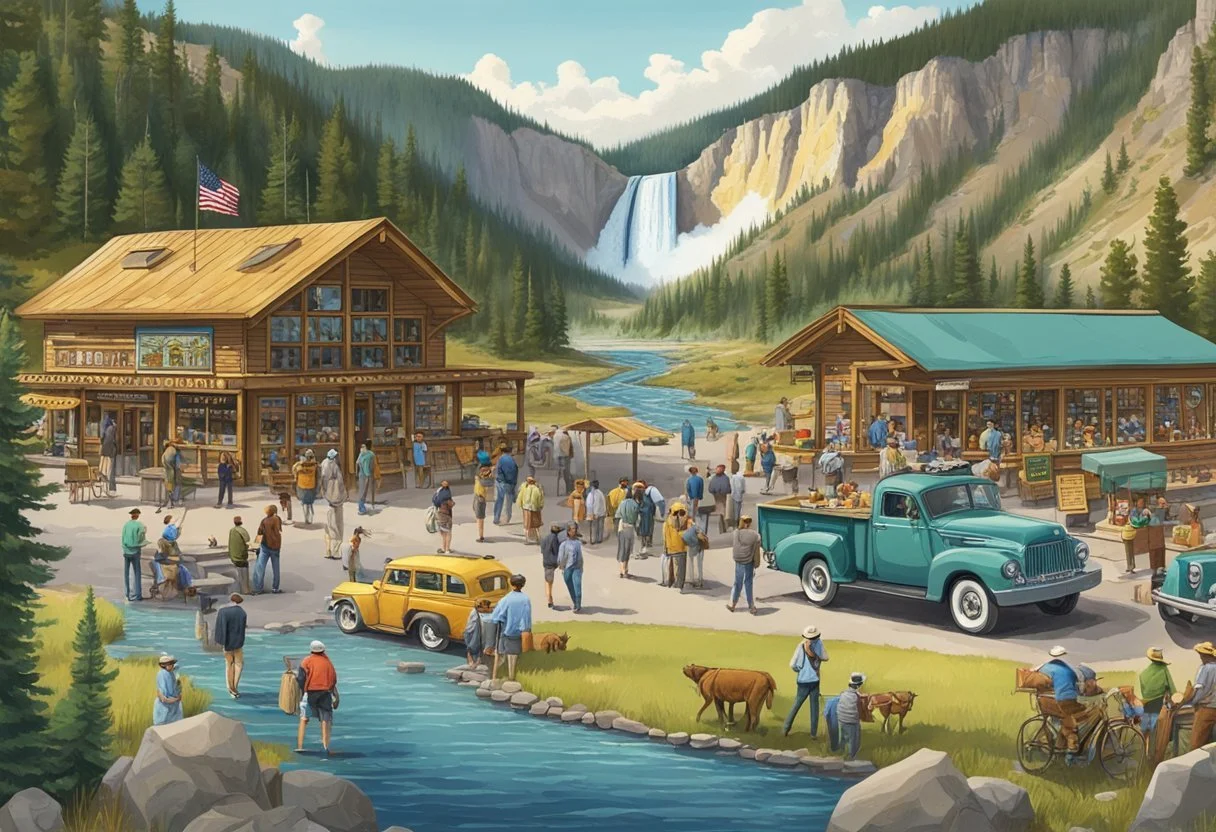
The "Yellowstone" series has catalyzed unprecedented growth in Montana's tourism sector since its 2018 debut. This expansion has manifested in three key areas: dramatic increases in visitor numbers, substantial financial benefits for local businesses, and accelerated infrastructure development across the state.
Surge in Visitor Numbers to Montana and Surrounding Areas
Montana experienced a remarkable 15% increase in tourism between 2018-2023, directly attributable to the "Yellowstone effect." Visitor statistics from the Montana Department of Tourism reveal that areas featured in the show saw particularly dramatic growth.
Key Visitor Growth Statistics:
Bozeman: 24% increase in annual visitors
Paradise Valley: 31% rise in tourism activity
Darby/Bitterroot Valley: 19% growth in visitor traffic
International tourists from Canada, the UK, and Australia now specifically request "Yellowstone-themed" experiences. Tour operators report that 40% of their clients explicitly mention the show when booking trips to Montana.
The demographic profile of visitors has shifted noticeably as well. Pre-Yellowstone tourists were predominantly outdoor enthusiasts, while the new wave includes entertainment-motivated travelers eager to experience the lifestyle depicted in the series.
Economic Benefits to Local Businesses
Local Montana businesses have reaped substantial rewards from the Yellowstone-driven tourism boom. Small enterprises particularly benefited, with restaurants, retail shops, and lodging facilities in featured locations reporting revenue increases of 22-35% since 2018.
Economic Impact Highlights:
Hotel occupancy rates in Bozeman increased from 68% to 84% year-round
Vacation rental prices rose by 47% in filming locations
New business licenses in tourism-related sectors grew by 28%
Specialty businesses catering to "Yellowstone" fans have emerged. Tour companies offering "filming location tours" now generate approximately $4.2 million annually. Themed merchandise sales contribute an estimated $12 million to the state economy each year.
Employment in Montana's tourism sector expanded by 11,200 jobs between 2018-2024. Many of these positions offer year-round employment, helping to stabilize what was traditionally a seasonal economy.
Infrastructure and Services Development
The tourism surge prompted significant infrastructure investments across Montana. Both public and private entities allocated resources to accommodate growing visitor numbers while preserving the state's natural appeal.
Bozeman Yellowstone International Airport expanded terminal capacity by 70% and added direct flights from 12 new markets. Highway improvements between filming locations received $43 million in state funding to manage increased traffic.
Key Development Projects:
14 new hotels constructed in tourism hotspots
Expanded broadband internet to rural filming locations
Enhanced water and waste management systems in smaller communities
Population growth followed the tourism boom, with Bozeman growing 15% between 2018-2024. This influx created housing challenges but also stimulated construction and service industry growth.
Local governments implemented tourism management plans balancing economic benefits with environmental protection. These initiatives include visitor dispersal strategies, seasonal pricing adjustments, and sustainable tourism certification programs for businesses.
Influence on Local Ranching and Agriculture
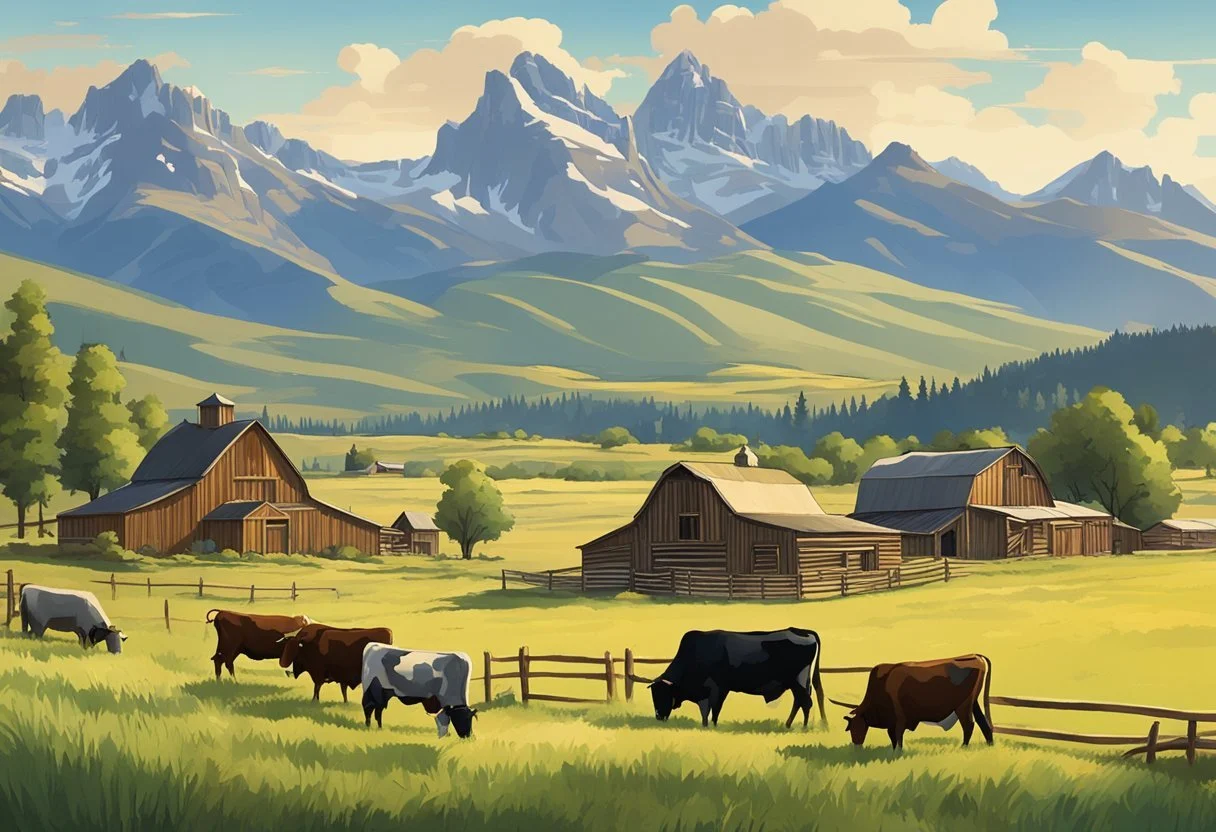
Yellowstone's portrayal of Montana ranch life has profoundly altered the state's agricultural sector since the show's 2018 debut. The romanticized view of ranching depicted in the series has created both opportunities and challenges for genuine Montana ranchers.
Ranchers' Perspectives on the Show's Representation
Many Montana ranchers express mixed feelings about Yellowstone's portrayal of their lifestyle. While they appreciate the spotlight on their profession, some feel the show glamorizes and oversimplifies the daily challenges of running a working ranch.
"The Dutton family's struggles with land developers mirror our reality, but their resources are far beyond what most of us have," notes third-generation rancher Jim Blackwell from Paradise Valley.
Some ranchers have capitalized on the show's popularity by offering authentic ranch experiences to tourists seeking the "Yellowstone experience." These programs provide additional income streams during challenging agricultural periods.
Local agricultural associations report increased interest in Montana ranching culture, with membership in young ranchers' programs increasing 35% since the show began airing.
Impact on Real Estate and Land Values
Yellowstone has significantly driven up agricultural land prices across Montana, particularly in areas resembling the show's picturesque landscapes. Property values near Bozeman and the Paradise Valley have increased 43% since 2018.
This appreciation benefits established ranchers looking to sell but creates barriers for young farmers and ranchers trying to enter the industry. Many family operations report receiving unsolicited purchase offers from wealthy out-of-state buyers inspired by the show.
The Montana Farm Bureau Federation documented a 28% increase in ranch sales to non-agricultural buyers since Yellowstone's premiere. These buyers often convert working ranches into vacation properties or hobby farms.
Local zoning boards have responded by implementing new regulations aimed at preserving agricultural land use in traditionally ranching communities.
Shifts in Ranching Practices and Opportunities
The "Yellowstone effect" has created new marketing opportunities for Montana ranchers. Products labeled as "Montana-raised" now command premium prices in urban markets, with beef sales from the state increasing 22% since 2019.
Traditional ranchers have diversified their operations to include agritourism. Offerings range from cattle drives to ranch stays where visitors can experience aspects of the lifestyle portrayed on Yellowstone.
Many ranchers have collaborated with local tourism boards to create authentic experiences that capitalize on the show's popularity while educating visitors about real ranching practices.
Educational initiatives have emerged to train new entrants attracted to ranching by the show. The Montana State University extension program reports enrollment in agricultural courses has increased 18% since Yellowstone began airing.
Cultural Representation and Effects
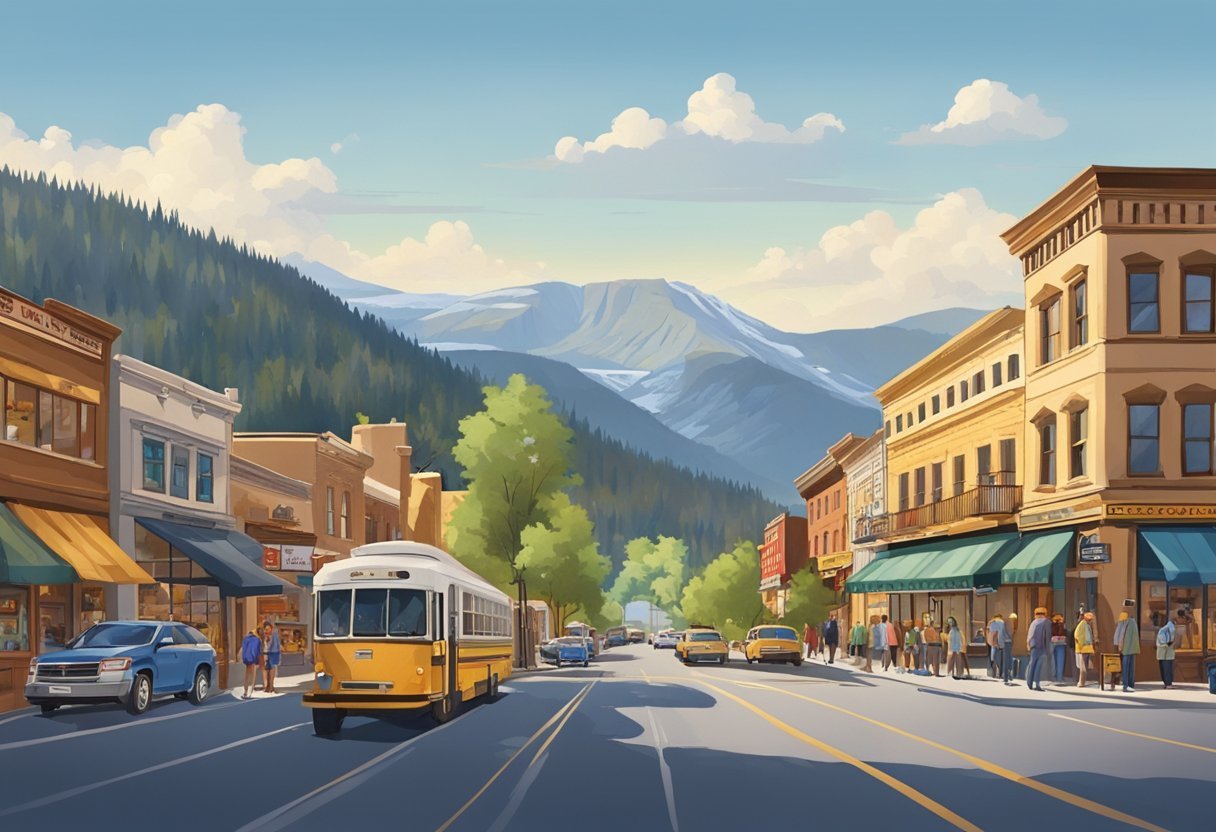
"Yellowstone" has significantly influenced cultural perceptions of Montana and ranch life while raising complex questions about representation. The show's portrayal of traditional Western values alongside contemporary issues has reshaped visitor expectations and created new cultural tourism opportunities.
Portrayal of the Dutton Family and Ranch Life
The Dutton family represents a romanticized version of modern ranching aristocracy in Montana. Their sprawling ranch and multi-generational struggle to maintain power portrays ranching as both idyllic and fraught with conflict.
Kevin Costner's John Dutton character embodies the stoic, principled rancher archetype that resonates with viewers' nostalgia for the American West. This portrayal has led to increased interest in ranch tours and authentic Western experiences across Montana.
The show presents ranch life as both beautiful and brutal. Scenes of cattle drives and horseback riding against stunning landscapes are juxtaposed with violent confrontations and business conflicts, creating a complex cultural narrative that visitors now seek to experience firsthand.
Public Perception of Blackfeet Tribal Members
"Yellowstone" features Indigenous characters, particularly through Mo Brings Plenty and Gil Birmingham's performances, offering some visibility for Native American perspectives. However, the portrayal has sparked debates about authenticity and depth of representation.
The show sometimes falls into familiar stereotypes while attempting to address complex tribal issues. Many Blackfeet Tribal members have expressed mixed feelings about their portrayal, appreciating the visibility while critiquing simplistic characterizations.
Some tourism operators report increased visitor interest in authentic Indigenous experiences. This interest has created opportunities for Blackfeet entrepreneurs to share their cultural heritage on their own terms, though concerns about commodification remain prevalent.
Cultural Tourism and Native American Heritage
"Yellowstone"-inspired tourism has generated renewed interest in Native American heritage sites across Montana. Visitors increasingly seek authentic cultural experiences beyond the show's dramatized portrayals.
The Museum of the Plains Indian in Browning has reported increased visitation since the show's premiere. Many tourists now incorporate tribal cultural centers into their Montana itineraries, creating economic opportunities for Indigenous communities.
Tourism businesses have developed new offerings that highlight authentic Blackfeet cultural experiences. These include guided tours of significant sites, traditional craft demonstrations, and storytelling events that provide deeper context than the television series.
Some tribal members have established businesses specifically catering to this new interest, balancing economic opportunity with cultural preservation. This development represents both a challenge and opportunity for sharing accurate representations of Native American heritage.
Conservation and Environmental Considerations
The surge in tourism sparked by "Yellowstone" has created both challenges and opportunities for Montana's natural resources. Environmental impact management has become increasingly important as visitors flock to experience the landscapes depicted in the show.
Yellowstone National Park and Its Ecosystem
Yellowstone National Park, America's first national park, has experienced significant visitation increases since the show's debut. Park statistics indicate a 20% rise in visitors between 2018 and 2024, straining resources and wildlife habitats. This influx has prompted park officials to implement new crowd management strategies.
The greater Yellowstone ecosystem spans approximately 22 million acres across Montana, Wyoming, and Idaho. This vast wilderness faces mounting pressure from development and climate change. Wildlife migration patterns have been particularly affected, with species like bison and elk navigating increasingly complex human-dominated landscapes.
Tourism revenue, while economically beneficial, creates a paradox for conservation efforts. Park officials must balance visitor access with habitat protection. Recent initiatives include designated wildlife viewing areas and expanded shuttle services to reduce private vehicle traffic.
Promotion of Environmental Stewardship
The popularity of "Yellowstone" has created unexpected environmental advocates. Many visitors, inspired by the show's dramatic landscapes, have joined conservation organizations. Membership in Montana-based environmental groups has increased by 15% since 2018.
Tour operators increasingly incorporate environmental education into their offerings. Guided experiences now frequently include information about ecosystem fragility and responsible tourism practices. Many companies donate portions of their profits to local conservation efforts.
Several "Yellowstone"-inspired tourism campaigns now emphasize responsible travel. Leave No Trace principles appear prominently in marketing materials, and educational signage at popular filming locations encourages sustainable behavior.
National Park Service and Preservation Efforts
The National Park Service (NPS) has adapted to the "Yellowstone effect" through enhanced preservation strategies. Additional funding—approximately $12 million since 2020—has been allocated for infrastructure improvements designed to minimize environmental impact.
NPS rangers conduct more frequent educational programs focused on:
Wildlife safety and viewing distances
Proper waste disposal
Staying on designated trails
Understanding fragile thermal features
Collaborative efforts between the NPS, local communities, and tourism entities have produced innovative solutions. The "Yellowstone Tourism Sustainability Initiative," launched in 2023, created a certification program for businesses demonstrating environmental responsibility. Over 200 Montana businesses have received certification, implementing water conservation measures and reducing single-use plastics.
The Wider Region's Response and Adaptation
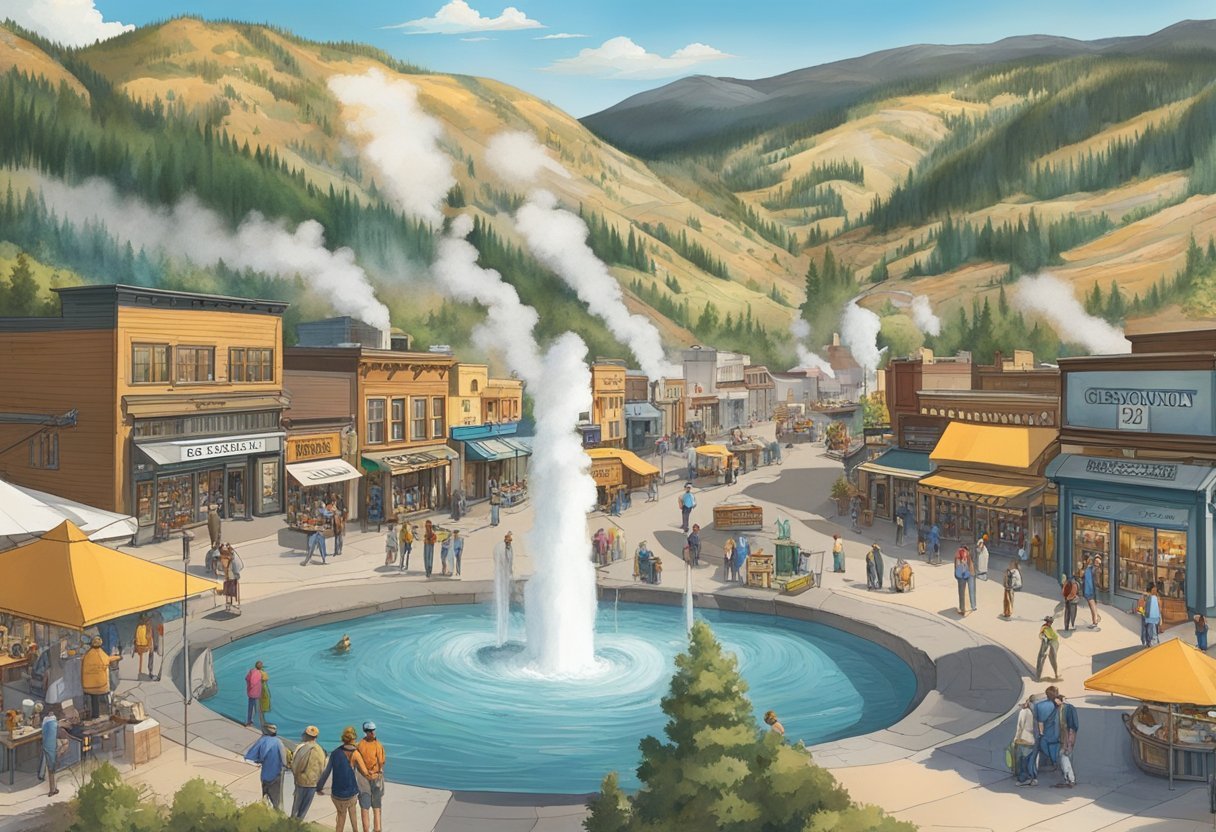
Yellowstone's unprecedented success has triggered economic ripples beyond Montana's borders, prompting neighboring states to develop strategies to capitalize on the show's popularity. Tourism departments have created specialized marketing campaigns and infrastructure improvements to accommodate the influx of visitors seeking the authentic western experience.
Adjustments in Neighboring States
Wyoming quickly recognized the potential spillover benefits from Yellowstone's popularity. The state tourism board launched targeted campaigns highlighting their authentic ranch experiences and western heritage similar to those depicted in the show. Hotel bookings in western Wyoming increased 22% between 2018-2024, according to the Wyoming Office of Tourism.
Local businesses adapted by offering "Yellowstone-inspired" vacation packages. In Jackson Hole, tour operators created specialized routes showcasing landscapes similar to those in the series.
Idaho tourism officials developed the "Real West" marketing initiative in 2022, directly referencing the lifestyle portrayed in Yellowstone. This campaign resulted in a 17% increase in visitors to eastern Idaho's ranch destinations.
Both states invested in infrastructure improvements to handle increased traffic, with Wyoming allocating $8.3 million to road improvements near popular western tourist destinations.
Tourism and Economic Opportunities in Wyoming and Idaho
Wyoming's dude ranches have experienced a renaissance, with bookings increasing 35% since Yellowstone's debut. These properties have raised prices by an average of 28% while maintaining 92% occupancy rates during peak seasons.
Idaho's vacation rental market has transformed dramatically in response to the show's popularity. Short-term rental availability in eastern Idaho has grown by 45% since 2018, with average nightly rates increasing from $120 to $185.
Economic Impact in Neighboring States (2018-2024)
State Tourism Revenue Increase New Tourism Jobs New Businesses Wyoming 28% 1,850 215 Idaho 19% 1,230 168
Cross-state tourism packages have emerged as profitable ventures. "Yellowstone Territory" multi-state itineraries now account for approximately 14% of regional tourism bookings, encouraging longer stays and higher spending from visitors.
Local artisans and craftspeople in both states report significant growth, with western-themed products seeing particular demand from tourists seeking authentic souvenirs.
Case Study: Nine Quarter Circle Ranch
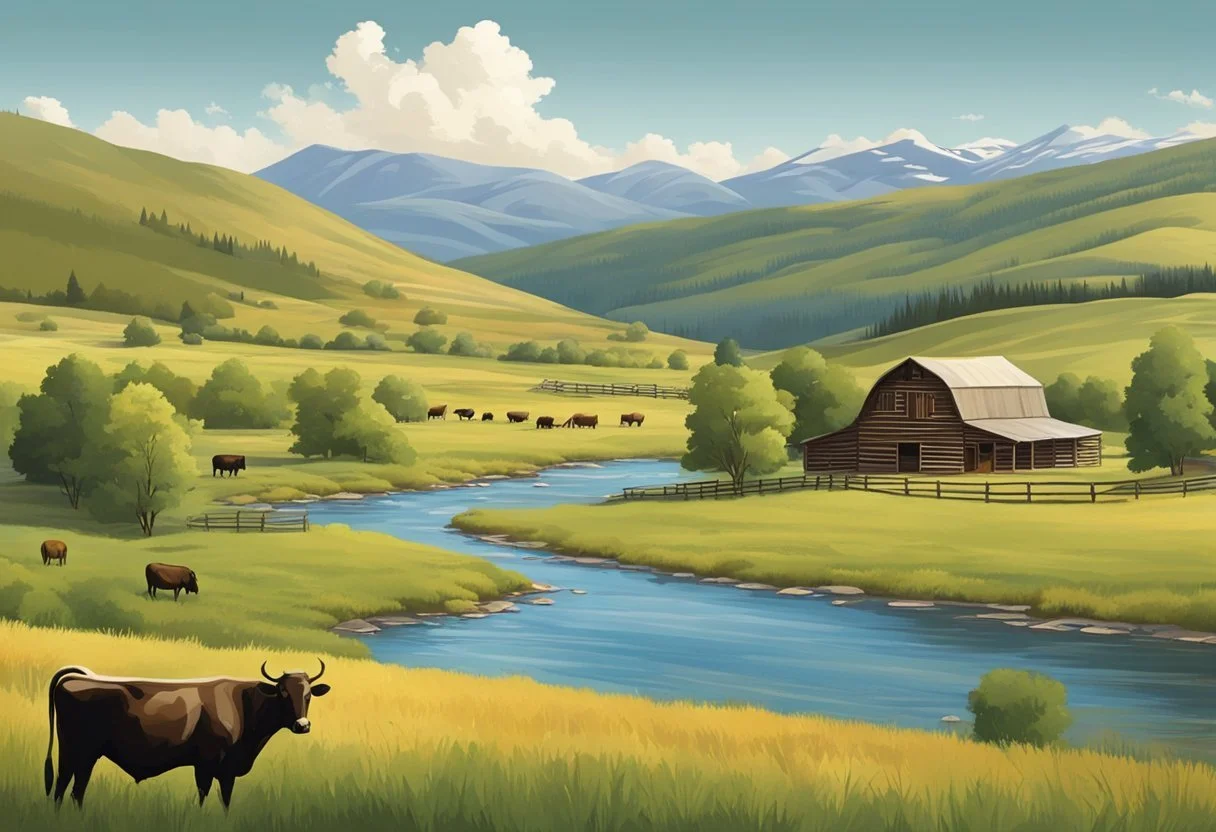
Nine Quarter Circle Ranch exemplifies the tangible economic impact of Yellowstone-related tourism on Montana's hospitality businesses. Located near the park's border, this historic dude ranch has experienced significant changes in visibility and bookings since the show's debut.
Operations and Tourist Attraction
Nine Quarter Circle Ranch, a family-owned operation dating back to 1946, has seen reservation requests increase by 42% since 2018 when "Yellowstone" gained popularity. The ranch offers authentic western experiences including horseback riding, fly fishing, and cabin accommodations that mirror activities featured in the television series.
Prior to the show's influence, the ranch primarily attracted repeat visitors and relied on word-of-mouth marketing. Today, their online booking system regularly experiences traffic surges following prominent episodes featuring ranch life.
The management has strategically adjusted their operations, expanding their season by two weeks and hiring 30% more staff to accommodate increased demand. While careful not to explicitly market themselves as a "Yellowstone experience," their website subtly references the "authentic Montana ranch life seen on television."
Financially, the ranch reports a 38% revenue increase between 2018-2024, allowing for infrastructure improvements and conservation efforts on their 1,000-acre property. This economic boost extends to local suppliers, with the ranch now purchasing 45% more goods from Montana-based businesses.
Future Prospects of Tourism in Montana
Montana's tourism industry stands at a pivotal moment as the "Yellowstone effect" continues to evolve. Economic forecasts suggest a significant but changing relationship between media-driven tourism and the state's long-term economic health.
Predictions for Long-term Economic Impact
Economists project that Montana's Yellowstone-influenced tourism boom will generate $1.8-2.3 billion annually through 2030. This represents approximately 15% of the state's total tourism revenue, a substantial increase from pre-show figures.
The state's Department of Commerce anticipates creating 12,000-15,000 new tourism-related jobs over the next five years. These positions span hospitality, recreation services, and transportation sectors.
Key Economic Indicators:
Property values in filming locations like Paradise Valley expected to remain 30-40% above pre-show baselines
Tax revenue from tourism projected to increase by 22% by 2027
Investment in tourism infrastructure estimated at $350 million through 2028
Small businesses in Montana have already seen a 28% average revenue increase in Yellowstone-adjacent communities. Many local entrepreneurs are developing specialized tour experiences focusing on locations featured in the show.
Potential Challenges and Sustainable Tourism
Montana faces significant sustainability challenges as tourism numbers continue to climb. National parks and wilderness areas report increasing strain on natural resources and wildlife habitats.
Primary Concerns:
Overcrowding at popular destinations
Environmental impact of increased visitation
Housing affordability for local residents
Maintaining authentic Montana culture
Local governments have begun implementing visitor management strategies. These include timed entry systems at popular parks and investment in infrastructure designed to handle larger crowds while minimizing environmental impact.
Montana's Tourism Advisory Council has developed a Sustainable Tourism Initiative focusing on balancing economic benefits with conservation. The program encourages businesses to adopt eco-friendly practices and promotes off-season visitation to reduce peak-season congestion.
Conservation groups partner with tourism boards to educate visitors about responsible recreation. These efforts aim to preserve Montana's natural beauty while allowing sustainable economic growth.
Creator Insights: Taylor Sheridan's Vision

The economic impact of "Yellowstone" on Montana tourism stems directly from Taylor Sheridan's creative decisions and authentic approach to storytelling. His background and vision have shaped how the show portrays Montana's landscapes and culture.
Behind the Scenes with the Creator of 'Yellowstone'
Taylor Sheridan drew from his own experiences growing up in rural Texas to create the authentic western atmosphere that defines "Yellowstone." His vision went beyond entertainment to showcase Montana's natural beauty as a character itself within the narrative.
Sheridan deliberately chose to film in Montana rather than substituting locations in other states. This decision has proven transformative for local economies, with tourism officials reporting significant increases in visitors specifically mentioning the show as their inspiration.
"I wanted to tell a story about the modern American West," Sheridan explained in a 2023 interview. His commitment to authenticity extended to hiring local crews and featuring genuine Montana businesses on screen.
The creator's insistence on showcasing real ranching practices and rural lifestyles has resonated with viewers. Sheridan worked closely with actual ranchers to ensure the show depicted accurate portrayals of modern ranch operations.
Tourism data shows visitors are increasingly requesting "Yellowstone experiences" at Montana establishments, seeking to connect with the lifestyle depicted in Sheridan's vision of the state.
