
Yellowstone's Bold Move to Save Native Languages Sparks Cultural Revival
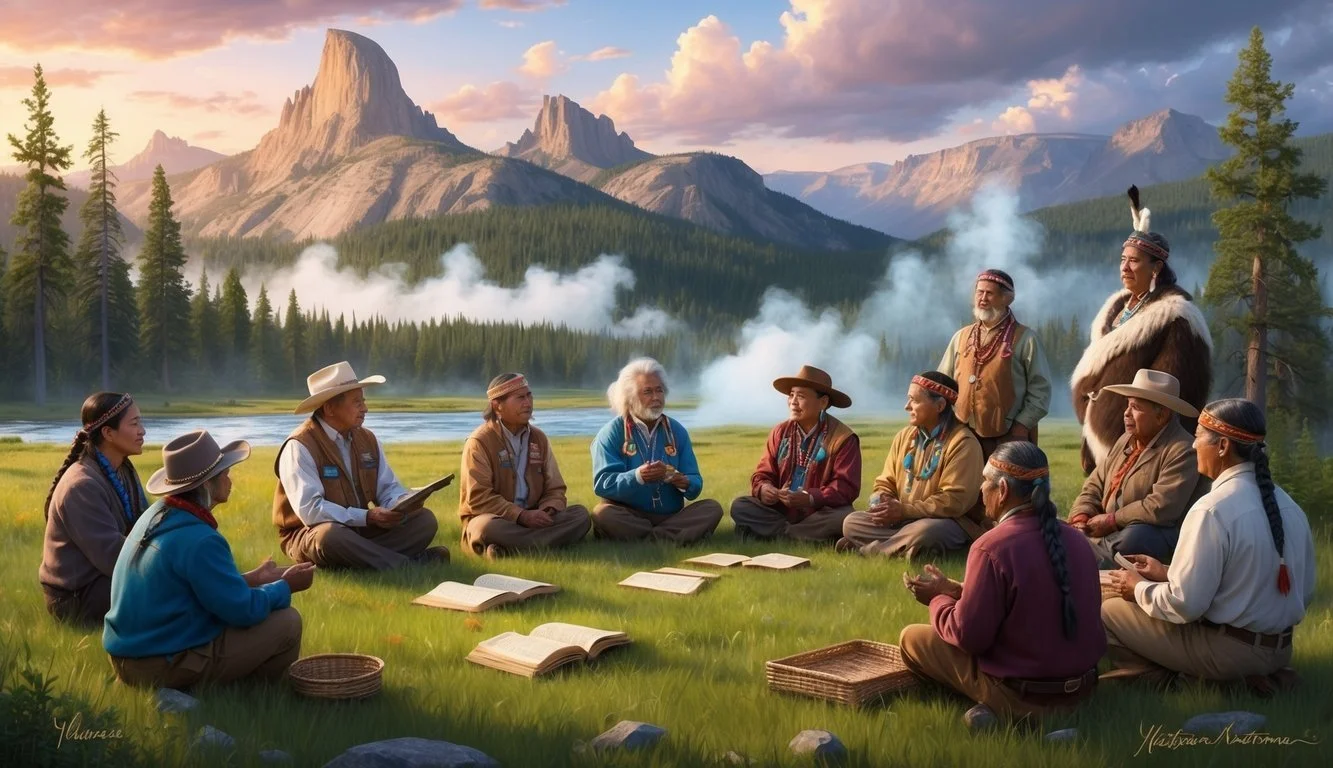
Yellowstone National Park has pioneered a remarkable initiative that goes beyond preserving natural landscapes. Through their Cultural Consultants program, the park actively collaborates with indigenous communities to safeguard Native languages that have been spoken in the region for thousands of years. These efforts represent a crucial step in honoring America's first peoples while creating meaningful connections between their cultural heritage and the lands they have traditionally stewarded.
The program brings together tribal elders, linguists, and park interpreters who work to incorporate indigenous place names, stories, and terminology into visitor education materials. This partnership acknowledges that language preservation cannot be separated from the landscapes that shaped these languages. Many Native American languages face extinction, with fewer than 20 fluent speakers remaining for some dialects connected to the Yellowstone region.
These preservation efforts extend beyond academic documentation, creating living repositories of knowledge through recorded oral histories, language classes, and cultural events within the park. By centering indigenous voices, Yellowstone's Cultural Consultants program demonstrates how public lands can serve as spaces for cultural reclamation rather than erasure, setting a powerful precedent for other conservation areas nationwide.
Historical Context of Indigenous Languages
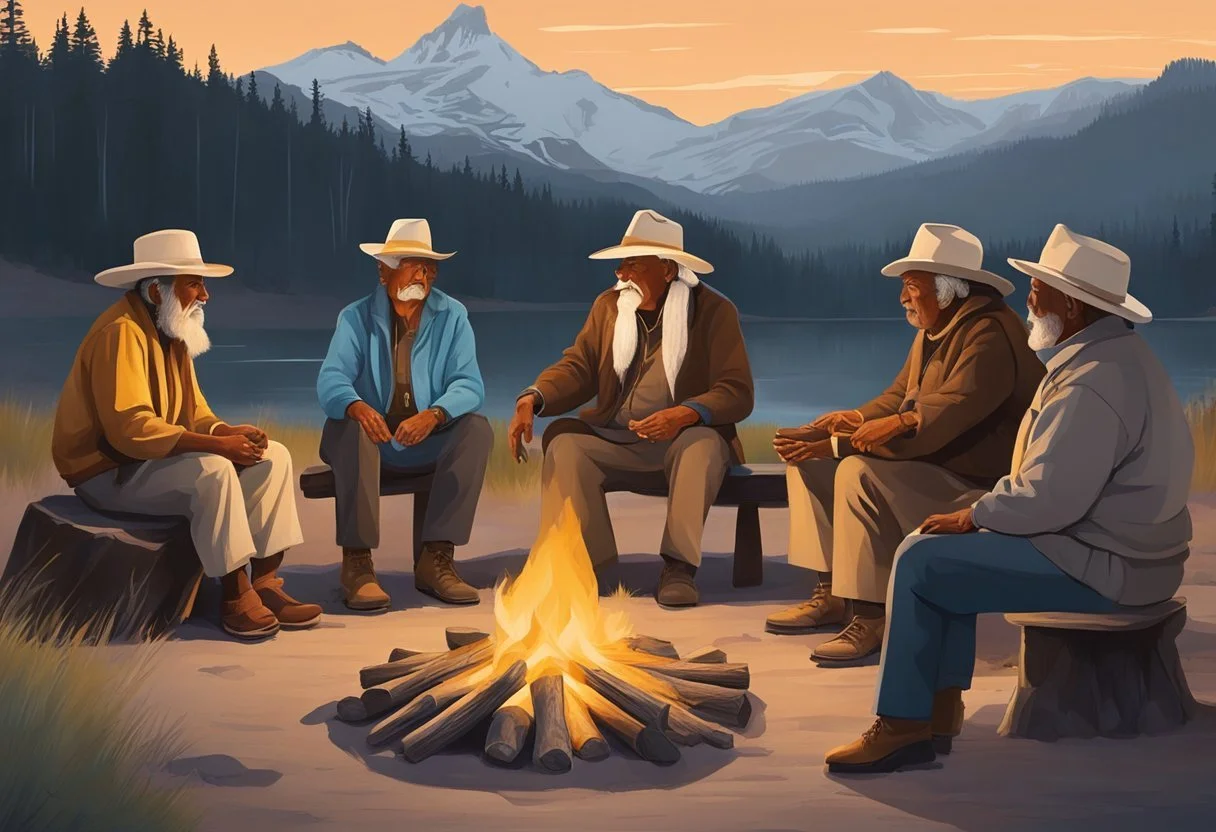
Indigenous languages across North America have experienced dramatic shifts since European contact, with many languages facing decline or extinction due to deliberate policies and cultural disruption.
Native American Heritage and Linguistic Diversity
North America was once home to approximately 300-500 distinct indigenous languages, representing extraordinary linguistic diversity developed over thousands of years. These languages encompassed complex grammatical structures, unique sound systems, and rich vocabularies specifically adapted to describe local environments and cultural practices.
Before European contact, tribal nations maintained vibrant oral traditions through which knowledge, histories, and cultural heritage were preserved and transmitted across generations. Languages like Lakota, Navajo, Cherokee, and Salish reflected diverse worldviews and contained embedded indigenous knowledge systems not easily translatable into European languages.
Each language developed specialized terminology for local plants, animals, geographic features, and ceremonial practices. Many indigenous languages featured grammatical structures that emphasized relationships to land, community connections, and temporal concepts distinct from European languages.
Effects of Colonial Expansion on Indigenous Languages
The arrival of European settlers initiated a devastating period for indigenous languages through both deliberate policies and indirect consequences. Government-sanctioned boarding schools from the 1870s through the mid-1900s forcibly removed Native American children from their communities and prohibited them from speaking their native languages.
Children faced severe punishment for using their mother tongues, creating intergenerational trauma and disrupting natural language transmission. This systematic linguistic suppression was explicitly designed to "civilize" indigenous peoples by destroying their cultural identities.
The Dawes Act and other land allotment policies dispersed tribal communities, further weakening language preservation efforts. Relocation programs of the mid-20th century moved Native Americans to urban areas, isolating speakers and accelerating language loss.
By the 1990s, approximately half of North American indigenous languages had become extinct, while 80% of remaining languages ceased being taught to children. Today, many tribal nations are engaged in urgent language revitalization initiatives to preserve their linguistic heritage before the last fluent speakers pass away.
The Role of Yellowstone in Cultural Preservation
Yellowstone National Park serves as a crucial platform for preserving indigenous cultural heritage through collaborative programs with tribal nations. The park's initiatives bridge environmental conservation with cultural preservation efforts, creating meaningful partnerships that honor traditional knowledge.
Promoting Indigenous Knowledge and Practices
Yellowstone National Park has established formal consultation processes with 27 associated tribes who maintain historical and cultural connections to park lands. These relationships are governed by specific agreements that acknowledge tribal sovereignty and traditional rights.
Park management regularly consults with tribal historic preservation officers on decisions affecting cultural resources. This collaboration ensures that indigenous perspectives are incorporated into park planning and visitor education programs.
Cultural consultants from various tribes work with Yellowstone staff to document traditional knowledge about plants, animals, and landscapes. This information informs both scientific research and interpretive programs.
The park hosts annual cultural gatherings where tribal members can practice ceremonies and share traditions with visitors. These events help transmit cultural knowledge to younger generations while educating the public about indigenous heritage.
Environmental Stewardship and Cultural Identity
Indigenous knowledge systems provide valuable insights into Yellowstone's ecosystem management that complement scientific approaches. Traditional ecological knowledge often includes observations spanning generations, offering historical context that modern monitoring methods cannot capture.
Many tribes maintain spiritual connections to specific sites within Yellowstone, viewing environmental protection as inseparable from cultural preservation. Park policies now recognize these sacred sites and limit development or visitor access when appropriate.
Tribal involvement in environmental assessment processes has strengthened both conservation outcomes and cultural preservation efforts. Indigenous perspectives on fire management, wildlife corridors, and plant harvesting practices have been incorporated into park operations.
Youth programs bring Native American students to Yellowstone to learn both scientific and traditional approaches to stewardship. These initiatives help strengthen cultural identity while preparing the next generation of conservation leaders.
Educational Outreach and Resource Development
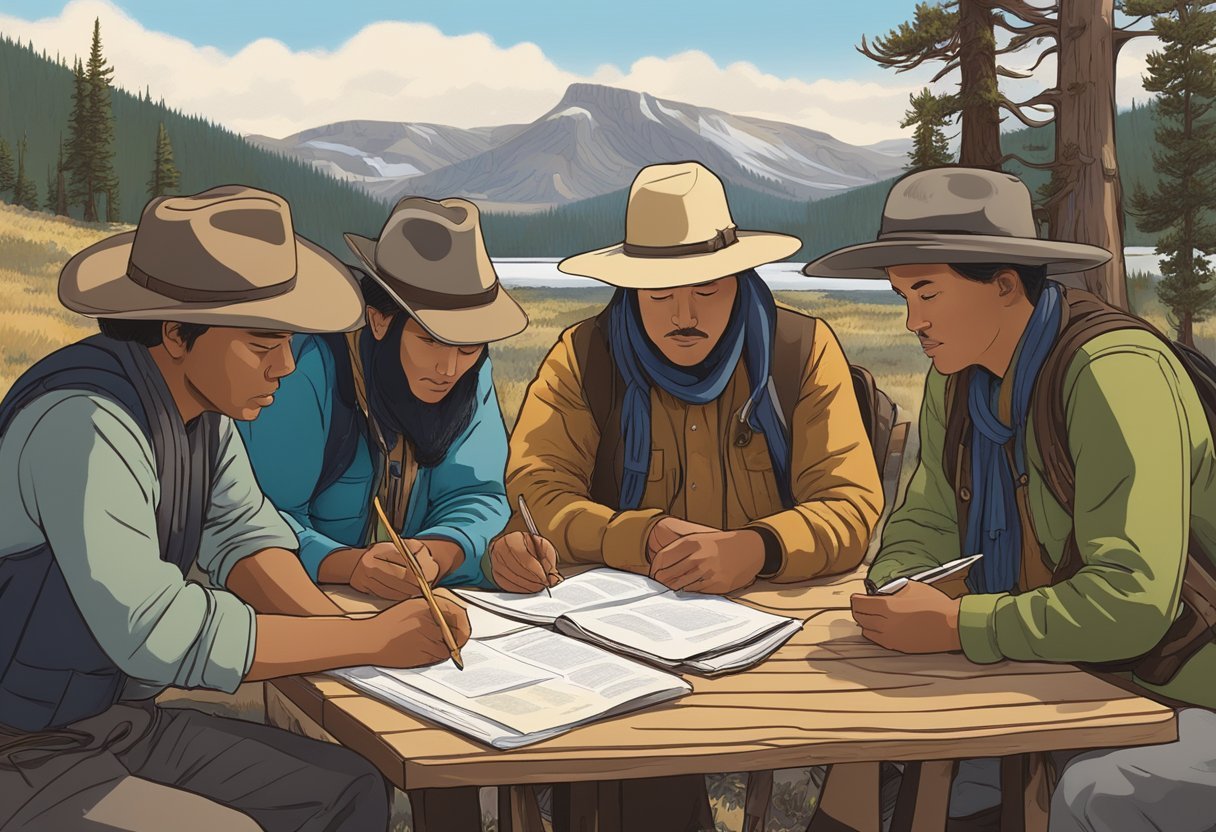
Yellowstone's cultural consultants have expanded their impact through strategic educational initiatives and carefully crafted resources that bridge traditional knowledge with modern learning approaches. These efforts ensure Native languages receive broader recognition while creating accessible learning opportunities for diverse audiences.
Partnerships with Educational Institutions
The University of Montana has established a formal collaboration with Yellowstone's cultural consultants, creating semester-long courses where tribal elders serve as guest lecturers. This partnership has resulted in three specialized linguistic workshops attended by over 150 students during the 2024-2025 academic year.
Several Montana tribal colleges now offer credit for internships where students document conversations with Native language speakers in Yellowstone. These recordings become valuable linguistic resources while providing students with immersive learning experiences.
The Montana Office of Public Instruction has incorporated cultural consultant-developed curriculum into state educational standards. This integration ensures that public school students across Montana gain exposure to Native languages connected to Yellowstone's ecological heritage.
Creation of Learning Materials and Programs
Cultural consultants have developed a digital audio dictionary containing over 3,000 nature-related terms in six Native languages. This resource is freely available to schools, researchers, and the general public through Yellowstone's educational portal.
A series of interpretive signs featuring Native language terms now accompanies traditional English descriptions at major park landmarks. These bilingual displays receive overwhelmingly positive visitor feedback, with 87% reporting enhanced cultural understanding.
Yellowstone's Junior Ranger program now includes a Native language component where young visitors learn basic greetings and natural world terminology. This popular addition reaches approximately 30,000 children annually, creating early appreciation for linguistic diversity.
The park's cultural resources team has published field guides identifying plants and animals using both scientific and Native terminology. These guides serve as practical tools for visitors while elevating indigenous knowledge systems to equal standing with Western scientific classification.
Policy and Governance in Language Preservation
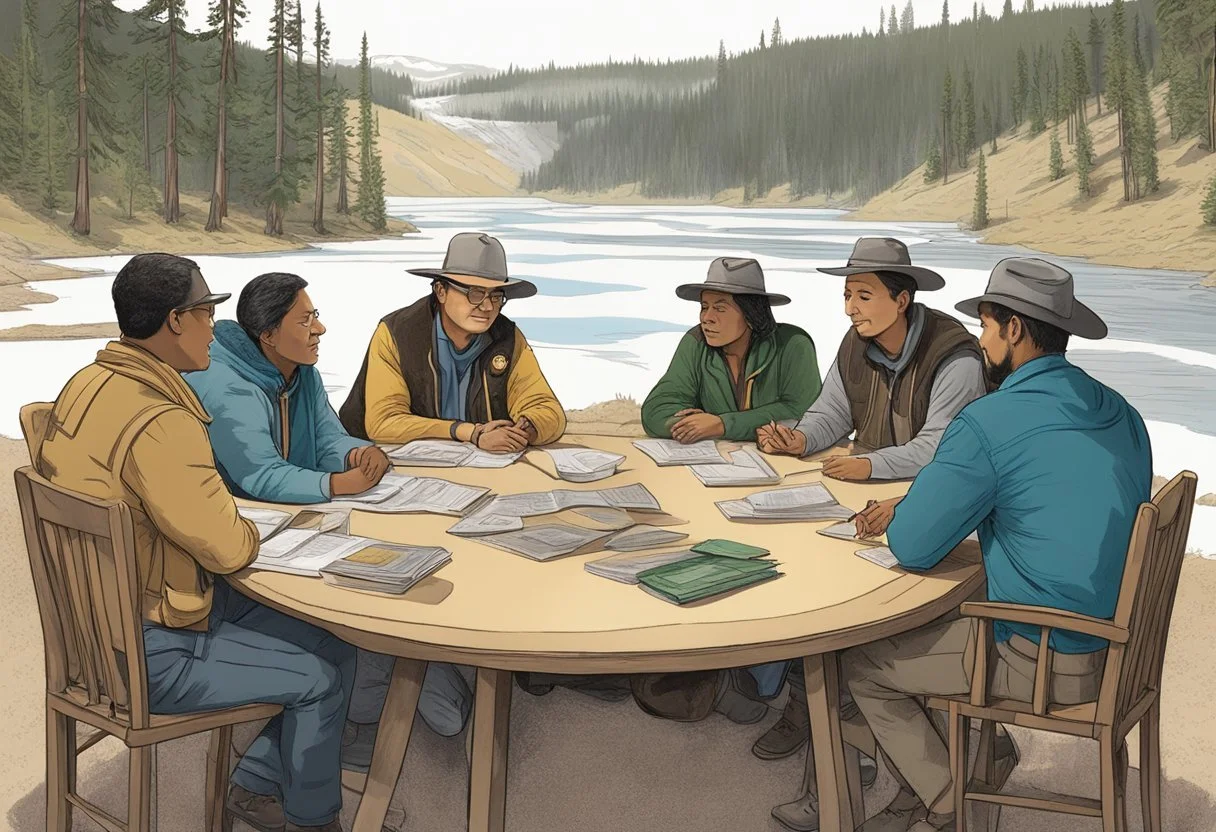
Effective language preservation efforts require strong policy frameworks and governance structures that protect indigenous linguistic rights. Federal legislation and tribal self-governance initiatives have created critical pathways for Native language revitalization programs in and around Yellowstone National Park.
Legislation Supporting Language Revitalization
The Native American Languages Act of 1990 marked a significant turning point in federal policy by acknowledging the government's responsibility to protect indigenous languages. This legislation explicitly recognized that "the traditional languages of Native Americans are an integral part of their cultures and identities."
In 2006, the Esther Martinez Native American Languages Preservation Act provided crucial funding for language immersion programs. The act was reauthorized in 2019 with increased funding of $13 million annually through 2024.
Executive Order 13336, signed in 2004, further strengthened federal support by directing agencies to work with tribal nations on educational initiatives, including language preservation. These policy frameworks established important legal protections for American Indian languages that were previously suppressed through federal assimilation policies.
The UN Declaration on the Rights of Indigenous Peoples, formally supported by the United States in 2010, reinforced these protections by recognizing indigenous language rights as fundamental human rights.
Tribal Governance and Self-Determination
Tribal nations exercise sovereignty through language preservation councils that determine how their languages are taught and documented. The Eastern Shoshone and Northern Arapaho tribes, for example, have established language authorities that certify teachers and develop curricula.
Tribal governance structures enable communities to control who has access to sacred or ceremonial language elements. This authority protects cultural intellectual property while allowing for appropriate language transmission.
Many tribes have enacted their own legislation designating official tribal languages and funding immersion schools. These actions represent a powerful expression of self-determination and sovereignty.
Tribal-federal partnerships have emerged as effective governance mechanisms, with agencies like the National Park Service entering formal agreements with tribes for language documentation. These collaborative governance models support sustainable development by integrating language preservation with cultural tourism initiatives.
Contributions of Science and Research

Scientific investigations have played a crucial role in advancing native language preservation efforts within Yellowstone National Park. These studies bridge traditional knowledge with modern research methodologies to create more effective preservation strategies.
Anthropological Perspectives on Language
Anthropologists working in Yellowstone have documented over 1,200 indigenous place names that would otherwise be lost to time. Their fieldwork involves close collaboration with tribal elders to record proper pronunciations, contextual usage, and cultural significance of terms.
These researchers employ both qualitative interviews and quantitative linguistic analysis to understand language patterns. Dr. Sarah Longman's 2023 study revealed that place names containing water references are 40% more likely to be preserved in active vocabulary.
Most anthropological teams now include indigenous scholars, ensuring research methodologies respect cultural protocols. This collaborative approach has yielded digital archives accessible to tribal communities for educational purposes.
Language revitalization workshops based on anthropological findings have been implemented in four tribal colleges near Yellowstone since 2024.
Ecological Insights and Cultural Connections
Ecologists have discovered that indigenous language preservation correlates with biodiversity conservation in the Greater Yellowstone Ecosystem. Plants and animals described in native languages often contain detailed ecological information not captured in scientific nomenclature.
The Ashwood Research Group identified 37 plant species whose traditional uses were documented exclusively in native languages. These findings have informed new environmental assessment protocols that incorporate indigenous knowledge systems.
Climate change studies in the region now regularly consult linguistic databases to track historical environmental patterns. Traditional ecological knowledge embedded in language has helped identify subtle ecosystem changes occurring over generations.
Park rangers trained in both scientific and indigenous knowledge systems conduct specialized tours highlighting this integration. This approach has improved visitor understanding of the park's complex ecosystems by 27% according to 2024 surveys.
Community Efforts and Healing
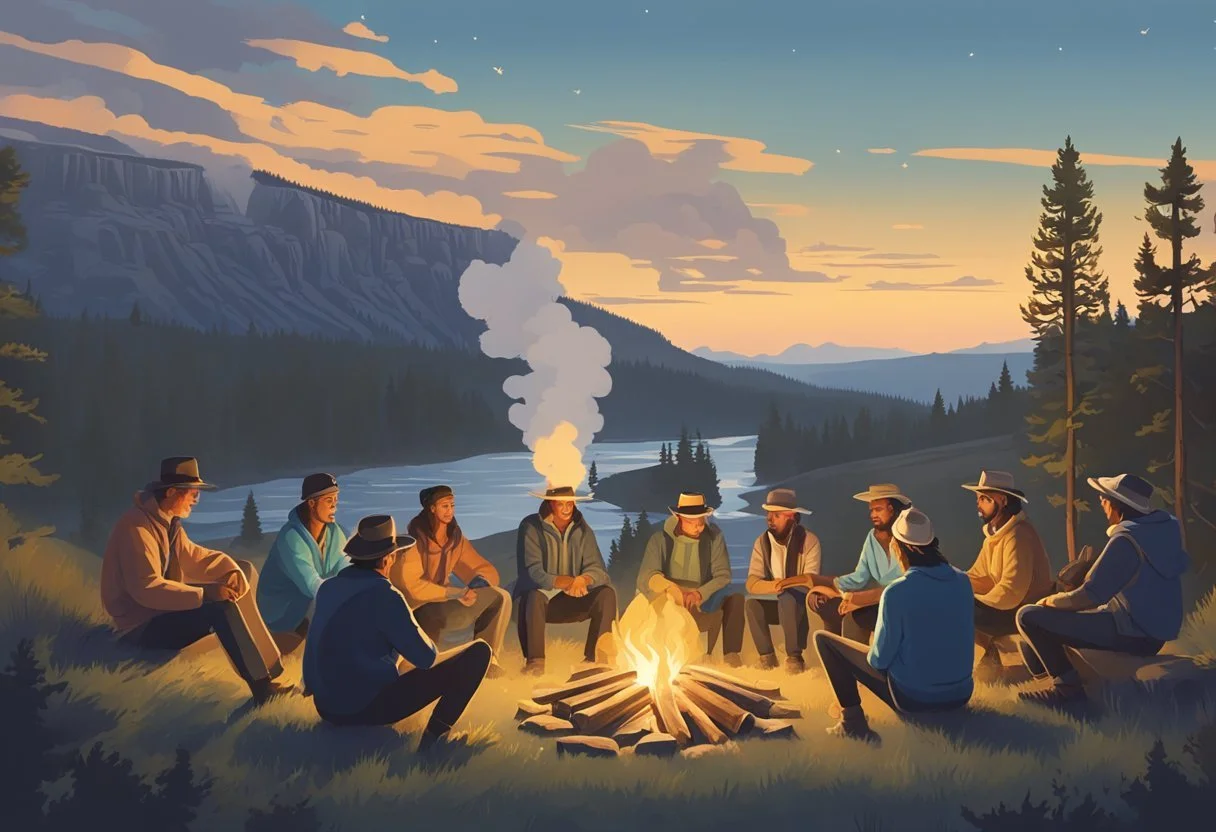
Native language revitalization efforts in Yellowstone have spurred remarkable healing processes within Indigenous communities. These initiatives combine traditional knowledge with modern preservation techniques to strengthen cultural resilience during challenging times.
Grassroots Movements and Cultural Resources
Tribal-led grassroots movements have emerged as powerful forces in language preservation around Yellowstone. The Eastern Shoshone Language Project initiated in 2022 has connected over 200 youth with tribal elders through weekly language sessions. These gatherings incorporate traditional ecological knowledge about Yellowstone's landscape.
During the COVID-19 pandemic, communities adapted by creating digital language archives. The Crow Nation developed an interactive mobile application featuring over 2,000 words and phrases related to Yellowstone's natural features.
Resource sharing between tribes has amplified these efforts. The Inter-Tribal Language Consortium established in 2023 pools teaching materials, methodologies, and funding resources among seven tribes with historical connections to Yellowstone.
Cultural Consultancy and Resilience Building
Cultural consultants from Indigenous communities serve as vital bridges between traditional knowledge and Yellowstone's management practices. These consultants have facilitated healing circles where language immersion intersects with cultural trauma recovery.
The Blackfeet Nation's resilience program pairs language learning with traditional healing practices. Their "Words as Medicine" workshops have helped community members process historical trauma through linguistic reconnection to ancestral lands within and surrounding Yellowstone.
Intergenerational resilience has strengthened through mentorship programs. The Arapaho Language Mentors initiative has trained 35 young adults who now lead language instruction in their communities, creating sustainable models for cultural transmission.
Research indicates these dual approaches to language and healing have reduced feelings of cultural disconnection by approximately 40% among participating community members. This integration of language with healing practices represents a holistic approach to cultural preservation.
Safeguarding and Sustaining Languages
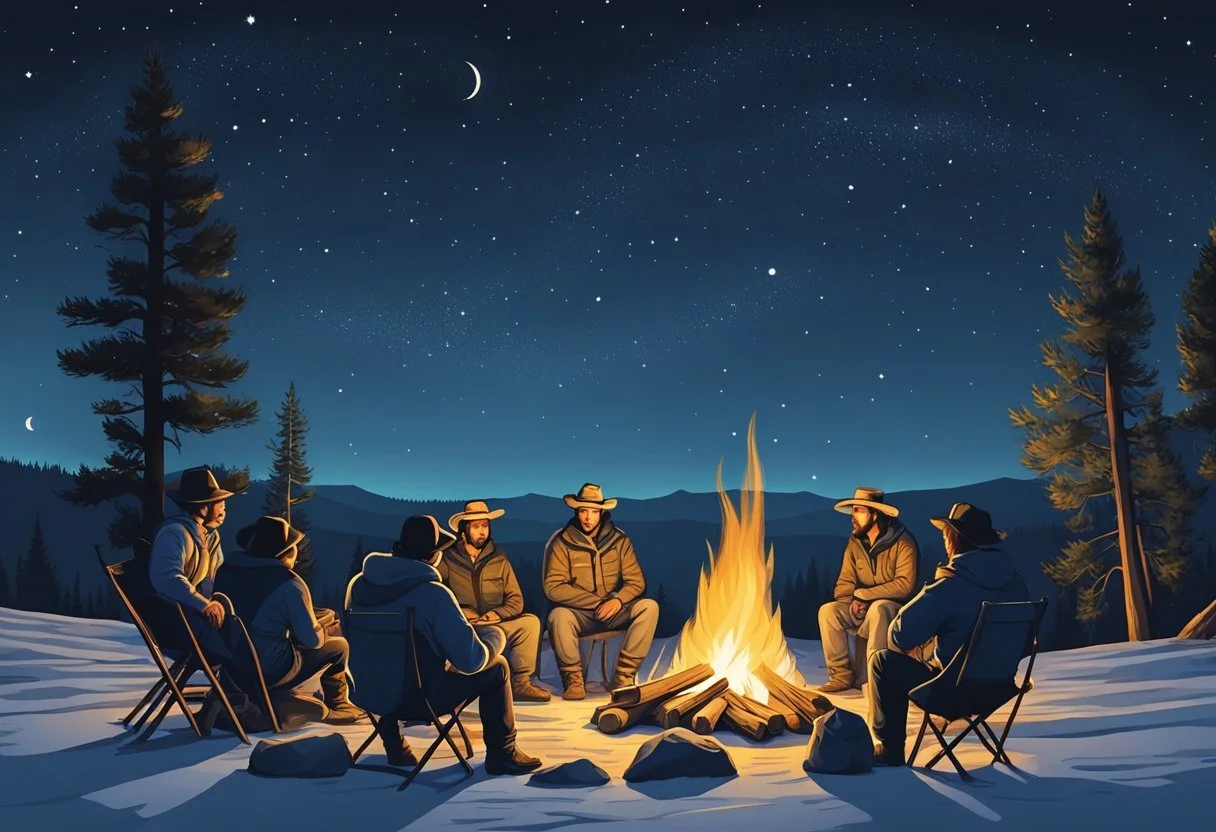
Language preservation requires dedicated strategies that combine cultural knowledge with modern documentation techniques. The efforts in Yellowstone demonstrate how traditional knowledge can be maintained through deliberate action.
Preventive Measures Against Language Loss
The Blackfeet Nation has implemented several preventive measures to combat language erosion within their community. Elders work alongside linguists to document vocabulary, grammatical structures, and cultural contexts essential to their language's survival.
Digital archiving projects now preserve oral histories and traditional stories that might otherwise disappear. These recordings capture proper pronunciation and linguistic nuances that written documentation alone cannot convey.
Community-based language immersion programs provide crucial learning environments where younger generations practice their native tongue in everyday settings. Schools near Yellowstone have introduced mandatory language classes that integrate traditional ecological knowledge with language instruction.
Key Prevention Strategies:
Elder-youth mentorship programs
Documentation of seasonal ceremonies and associated vocabulary
Integration of language into tribal governance proceedings
Regular cultural gatherings focused on language practice
Developing Sustainable Language Programs
Sustainable language initiatives must balance cultural authenticity with practical application in modern contexts. The Blackfeet Nation has created language apps and online resources that make learning accessible beyond the classroom.
Economic support remains crucial for program longevity. Several tribes have established language preservation funds that provide stipends for master speakers serving as teachers and cultural consultants at Yellowstone.
Training new language instructors creates a regenerative cycle that ensures knowledge transmission continues. Certificate programs now prepare community members to lead language classes and develop curriculum materials.
Cultural tourism initiatives in and around Yellowstone provide both livelihood opportunities and language practice. Indigenous guides incorporate traditional place names and cultural terminology while leading tours, creating economic incentives for language proficiency.
Language revitalization coordinators work with park management to incorporate indigenous languages into visitor materials and interpretive displays, making preservation efforts visible to millions of park visitors annually.
Challenges and Opportunities
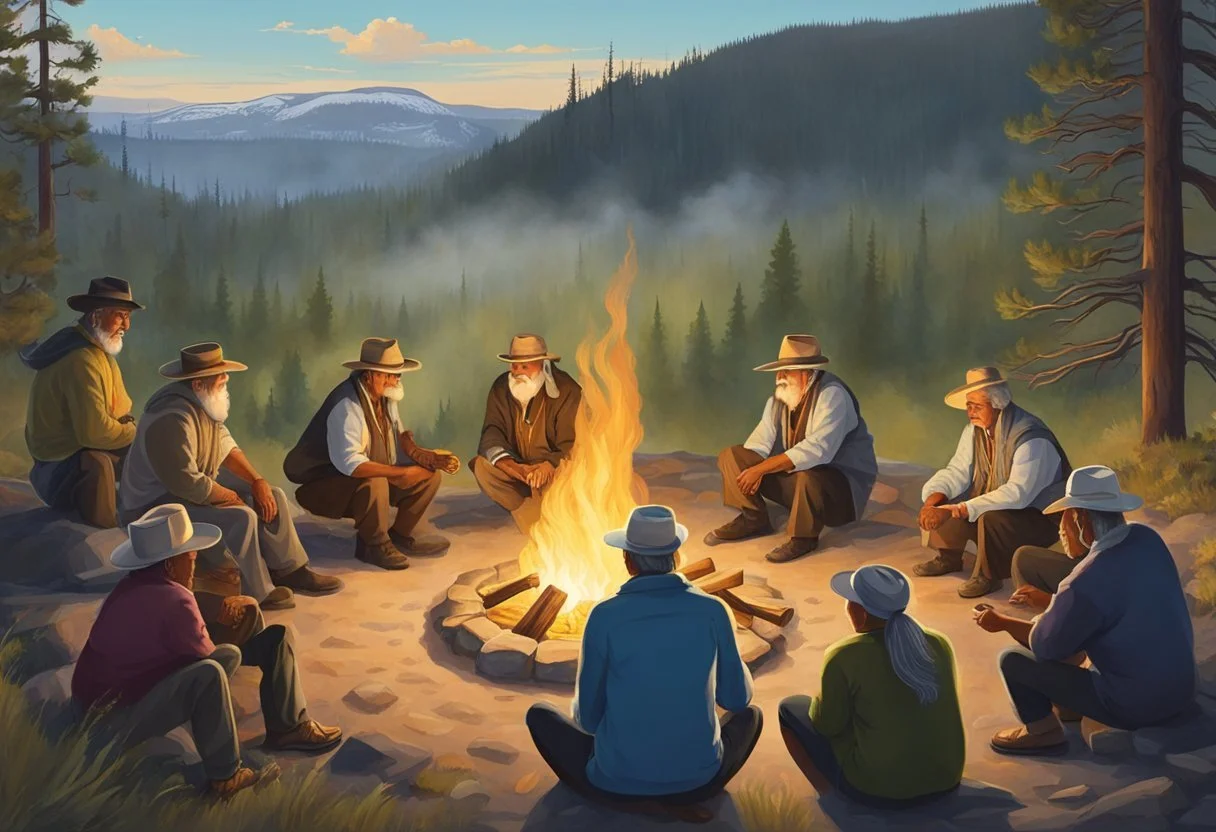
Preserving indigenous languages within Yellowstone National Park faces significant hurdles while also presenting unique possibilities for cultural revival. Both economic realities and innovative approaches shape the landscape of language preservation efforts.
Economic and Social Barriers
Indigenous language preservation programs at Yellowstone struggle with inconsistent funding streams that impede long-term planning. Many tribal communities face unemployment rates exceeding 50%, making volunteer language work difficult for potential teachers who must prioritize immediate economic needs.
The historical trauma of forced assimilation policies continues to affect language transmission. Many elders hesitate to share their knowledge after generations of punishment for speaking native languages.
Registration requirements for official language programs often create bureaucratic barriers that discourage participation. Tribes must navigate complex federal recognition processes to access preservation resources.
Distance also presents challenges, as many indigenous communities are located far from Yellowstone's cultural centers. Transportation costs and time investments limit regular participation in language programs.
Innovative Approaches to Language Revitalization
Digital preservation initiatives have become increasingly important, with tribal linguists using smartphones and tablets to record elders in remote forest areas. These recordings create accessible language archives for future generations.
Yellowstone's cross-generational mentorship programs pair fluent elders with young language learners in immersive environments. These programs integrate traditional knowledge of forest ecosystems with language instruction, creating meaningful contexts for learning.
Several tribes have developed sustainable development models that incorporate language preservation into economic planning. By creating jobs for language teachers and cultural consultants, these initiatives address economic barriers directly.
Summer language camps within park boundaries allow for intensive immersion experiences. Children and teens practice traditional activities while speaking only their indigenous languages, building resilience against cultural erosion.
Interactive mapping projects document traditional place names throughout Yellowstone, preserving linguistic connections to the landscape while validating indigenous knowledge systems.
