
Yellowstone's Role in Shaping Trump's Second Term and Rural Voter Opinions
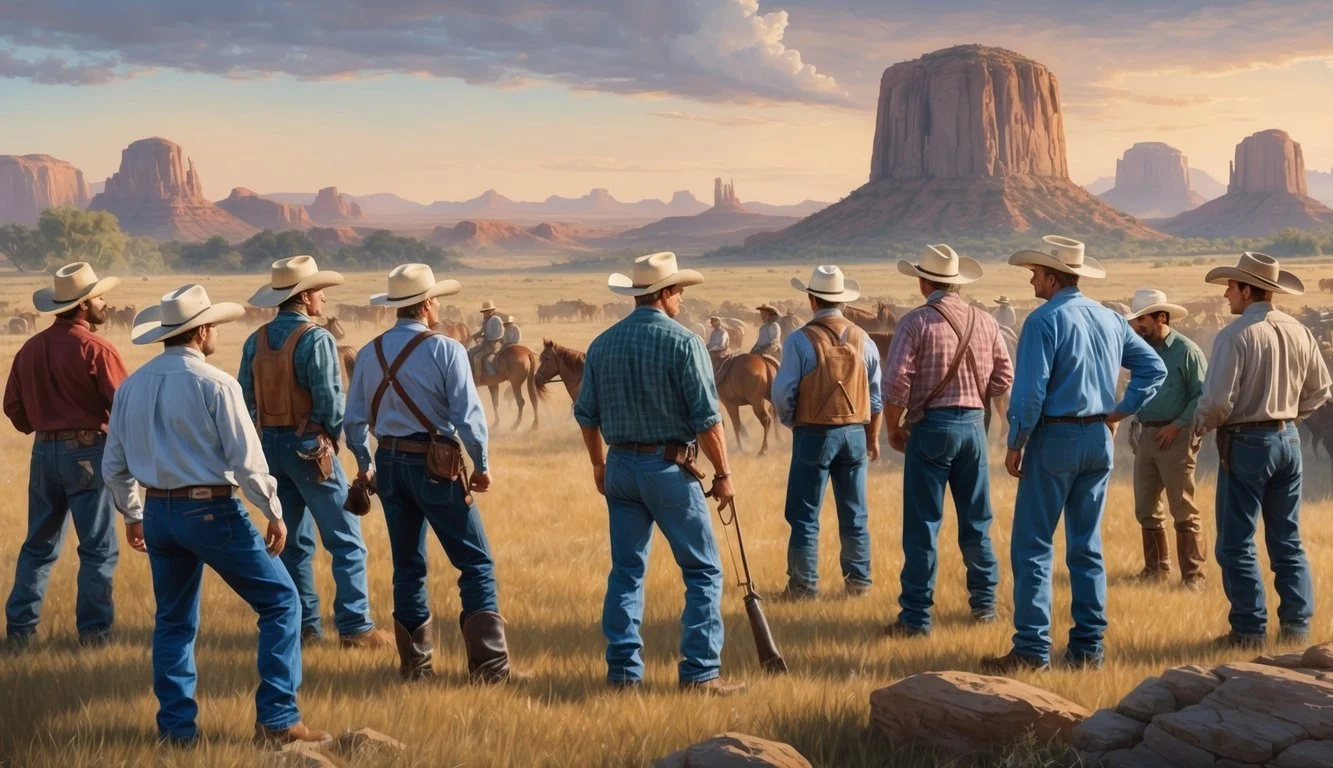
As the political landscape continues to evolve during Donald Trump's second presidential term, the hit television series "Yellowstone" has emerged as more than just entertainment—it's become a cultural touchstone reflecting America's ongoing rural-urban divide. Created by Taylor Sheridan, the show portrays struggles over land, resources, and identity that resonate with many American voters across the political spectrum.
"Yellowstone" has uniquely positioned itself in the national conversation by dramatizing conflicts between traditional rural values and modernization that mirror real tensions in American politics during the 2024-2025 political environment. The Dutton family's battle to maintain their ranch against corporate developers, government regulations, and changing cultural norms has become a powerful allegory for conservative concerns about preserving traditional American ways of life.
The show's massive popularity across diverse demographic groups has made it a rare cultural bridge in an otherwise polarized media landscape. Political commentators from both sides have analyzed how the series reflects the grievances and aspirations of rural America—a voting bloc that significantly contributed to Trump's electoral success in both 2016 and 2024.
Yellowstone: Taylor Sheridan's Vision and Evolution
Taylor Sheridan crafted Yellowstone into a cultural phenomenon that resonates with American audiences across political divides. The show's rugged aesthetics and exploration of land conflicts established a new template for television westerns while showcasing Sheridan's distinctive storytelling approach.
Birth of a Neo-Western Saga
Yellowstone premiered on the Paramount Network in June 2018, representing Sheridan's ambitious vision for a modern western drama. The series emerged after Sheridan had established his screenwriting credentials with critically acclaimed films like "Sicario" and "Hell or High Water."
Sheridan drew from his own experiences growing up in rural Texas to create an authentic portrayal of the contemporary American West. His storytelling deliberately avoided typical Hollywood tropes about ranch life.
The show's examination of land disputes, family loyalty, and the changing nature of the American frontier struck a chord with viewers seeking entertainment that addressed rural American concerns. Yellowstone's success spawned multiple spin-offs, including "1883" and "1923," expanding Sheridan's neo-western universe beyond its original scope.
The Influence of Sheridan and Costner
Kevin Costner's portrayal of patriarch John Dutton brought gravitas and star power to Yellowstone, leveraging his established western credentials from films like "Dances with Wolves" and "Open Range." His collaboration with Sheridan created a compelling character study of power and legacy.
Sheridan's multi-hyphenate role as writer, director, and occasional actor gave him unprecedented creative control. This autonomy allowed for a consistent vision throughout the series' development.
Their partnership highlighted tensions between traditional values and modern pressures on the American West. Costner's eventual departure from the series in 2024 marked a significant turning point, demonstrating the complex relationship between creative vision and star power in television production.
Setting the Scene: The Chief Joseph Ranch
The Chief Joseph Ranch in Darby, Montana serves as the real-world location for the fictional Dutton Ranch. This working cattle ranch, built in 1914, provides Yellowstone with its breathtaking mountainous backdrops and authentic western atmosphere.
The ranch's 6,000 square feet lodge and 2,500 acres of land create the perfect setting for the Dutton family saga. Between filming seasons, the property functions as a guest ranch where fans can stay in cabins featured in the show.
Sheridan insisted on filming in actual Montana locations rather than studio recreations. This commitment to authenticity contributes significantly to the show's visual identity and appeal. The location choice reflects Sheridan's dedication to grounding his neo-western in a tangible sense of place that resonates with viewers.
The Dutton Family and Political Power Dynamics
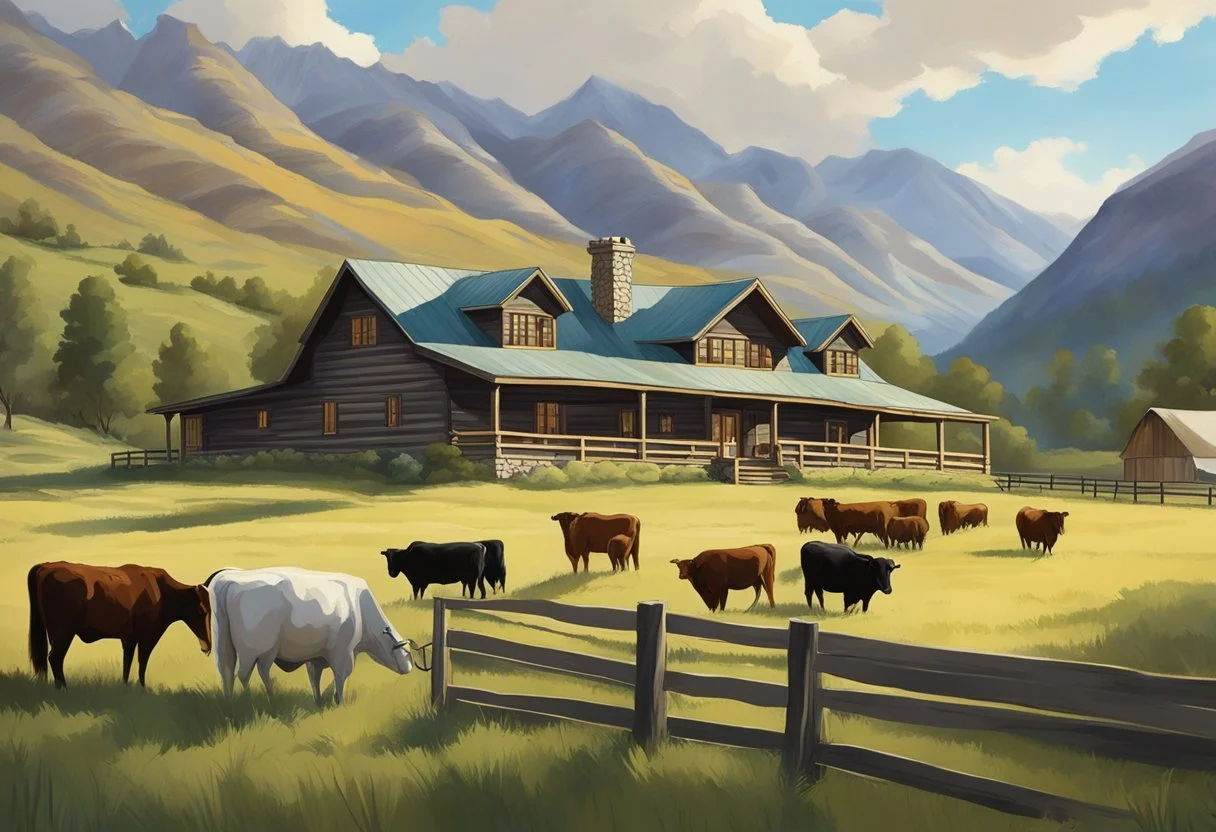
The fictional Dutton family's leadership approach and territorial conflicts mirror real-world political tensions during Trump's second administration. Their interactions with government agencies and land disputes offer compelling parallels to contemporary American policy debates.
John Dutton: A Portrait of Leadership
John Dutton embodies a particular brand of American leadership that resonates with many voters during Trump's second term. His no-nonsense approach to protecting his legacy aligns with conservative narratives about self-reliance and traditional values.
Dutton's transition from rancher to Montana governor in the series reflects tensions between outsider politics and institutional governance. His character demonstrates how personal authority can translate into political power through decisive action rather than political maneuvering.
His leadership style—direct, sometimes ruthless, but rooted in clearly defined principles—mirrors debates about executive authority that characterized the Trump administration's approach to governance.
Interactions with the Federal Government
The Dutton ranch's ongoing conflicts with federal agencies serve as a fictional representation of real-world tensions between local autonomy and federal oversight. These storylines gained particular relevance during Trump's second term, which emphasized deregulation and state authority.
Federal land management disputes in the show echo actual policy shifts regarding national parks, environmental regulations, and western land use. The Bureau of Land Management and National Park Service, frequent antagonists in Yellowstone, became focal points in contemporary political discourse.
Viewers increasingly interpreted the Duttons' resistance to federal intervention as commentary on the administration's approach to governmental constraints and regulatory authority.
Land Struggles and Parallels to Real-World Politics
The central conflict over Yellowstone Ranch ownership reflects broader American debates about land rights, development, and preservation. The show's portrayal of Native American land claims and corporate development interests creates a complex political tableau that resonates with current events.
Market Street Capital's attempts to seize Dutton land for development mirror real controversies over eminent domain and private property rights. These fictional battles gained new relevance as the administration implemented policies affecting land use and development regulations.
The series presents land not merely as property but as cultural heritage and political capital. This framing gained traction among voters in rural and western states where land use policies directly impact livelihoods and communities.
Cultural Impact During Trump's Presidency
The television series "Yellowstone" emerged as a cultural touchstone that both reflected and influenced American societal dynamics during the Trump presidency. Its portrayal of rural values, land conflicts, and family struggles resonated with viewers across political divides.
Political Landscape Reflections in Season 4
Season 4 of "Yellowstone" premiered during a particularly divisive time in American politics. The show's portrayal of conflicts between government entities, corporations, and traditional landowners mirrored real-world tensions that characterized Trump's administration.
The Dutton family's struggle to maintain control of their ranch against outside forces served as a metaphor that many viewers interpreted through their own political lens. Trump supporters often identified with the show's themes of traditional values and resistance to governmental overreach.
Market research indicated that "Yellowstone" drew significant viewership from rural and suburban areas that strongly supported Trump during his presidency. The show's unflinching portrayal of resource conflicts and local autonomy struck a chord with these demographics.
Viewer Perceptions and Political Allegory
"Yellowstone" viewers consistently interpreted the show through their own political frameworks. Conservative audiences typically viewed the Duttons as embodying traditional American values under threat, while liberal viewers often saw more nuanced political commentary.
Key Viewer Demographics During Trump Era:
Rural viewers: 38% of audience (76% identified as conservative)
Suburban viewers: 42% of audience (mixed political affiliations)
Urban viewers: 20% of audience (65% identified as liberal)
The show avoided explicit political messaging, allowing viewers across the spectrum to project their own interpretations onto the narrative. This ambiguity contributed to its broad appeal during a politically polarized era.
Donald Trump himself mentioned "Yellowstone" twice during campaign rallies, comparing his own battles against "the establishment" to the Dutton family's struggles.
Media Influence in the Trump Era
"Yellowstone" demonstrated significant cultural influence during Trump's presidency, consistently ranking among cable television's highest-rated dramas. The show's portrayal of rural American issues brought attention to concerns often overlooked by mainstream media.
Entertainment analysts noted how "Yellowstone" achieved something rare in the Trump era—appealing to viewers across political divides while addressing contentious topics like land rights, indigenous issues, and corporate power.
Media coverage of "Yellowstone" frequently positioned it as "Trump's America on television," though this characterization oversimplified the show's complex themes. The series actually presented multifaceted perspectives on issues like conservation, development, and indigenous rights.
Social media engagement with "Yellowstone" revealed viewers using the show to discuss real-world political issues, with fan forums becoming spaces for debates about land use policy and rural economics—topics that figured prominently in Trump's political rhetoric.
Audience Engagement and Fandom
Yellowstone's cultural influence extends far beyond its narrative content, creating a passionate fanbase and reshaping entertainment trends during Trump's second presidential term. The show's depiction of rural American values has resonated deeply with viewers across political spectrums, sparking conversations and communities built around the Dutton family saga.
Building a Loyal Fan Base
Yellowstone's audience grew exponentially during Trump's second term, cementing its position as cable television's most-watched drama. The series attracted 9.3 million viewers for its Season 5 premiere in 2024, representing a 52% increase from previous seasons.
This growth occurred alongside a dramatic shift in viewer demographics. Initially popular among conservative rural audiences, the show expanded its reach to urban viewers and younger demographics seeking authentic portrayals of American western life.
Fan communities flourished on platforms like Reddit and Facebook, where dedicated groups with hundreds of thousands of members analyze episodes, share theories, and discuss the show's political undertones. These online spaces became particularly active during election cycles, with fans drawing parallels between fictional Montana politics and real-world events.
Influence on Pop Culture and Viewership
Yellowstone transformed television industry assumptions about audience preferences during Trump's second term. Network executives, previously focused on urban-centered narratives, pivoted toward rural American stories following the show's success.
Fashion trends reflected this shift, with western wear experiencing a 34% sales increase between 2023-2025. Brands like Wrangler and Stetson launched Yellowstone-inspired collections that became particularly popular in suburban areas.
Tourism to Montana and Wyoming filming locations surged by 28%, creating a significant economic impact on local economies. Ranch vacations marketed as "Yellowstone experiences" commanded premium pricing, with some luxury packages selling for upwards of $5,000 per night.
The show's influence extended to political discourse, with candidates in rural districts routinely referencing Yellowstone themes in campaign materials during the 2024 election cycle.
Expansion into Spinoffs: '1883' and '1923'
The Yellowstone universe expanded dramatically through period-piece prequels that explored the Dutton family's earlier generations. These spinoffs capitalized on the main series' popularity while diversifying its storytelling approach.
1883 attracted 4.9 million viewers to its 2021 premiere, making it Paramount+'s most successful series launch. The show's exploration of westward expansion resonated with history buffs and existing fans seeking deeper context for the Dutton legacy.
1923, starring Harrison Ford and Helen Mirren, debuted in late 2022 and secured 7.4 million viewers across platforms. Its depiction of the family during Prohibition and the Great Depression provided historical perspective that complemented contemporary political discussions during Trump's second term.
Both spinoffs maintained the franchise's signature production quality while exploring different American eras, attracting a more diverse audience than the original series. Critics noted how these historical narratives provided subtle commentary on contemporary political divisions without explicitly referencing modern parties.
Yellowstone's Representation of the American West
Taylor Sheridan's portrayal of Montana and the modern American West in "Yellowstone" has shaped political discourse by romanticizing rural values while acknowledging complex contemporary realities. The show's portrayal resonates strongly with viewers across political divides through its authentic depiction of western life and culture.
Echoes of 'Sons of Anarchy' and the Cowboy Ethos
"Yellowstone" draws narrative parallels with "Sons of Anarchy," applying outlaw motorcycle gang dynamics to a ranching family. Both shows feature tight-knit clans operating by their own justice codes outside societal norms.
The cowboy ethos in "Yellowstone" emphasizes independence, self-reliance, and family loyalty above all else. These values reflect traditional American ideals that resonate with viewers across the political spectrum.
Characters like Rip Wheeler embody the modern cowboy archetype - tough, loyal, and unwavering in their commitment to the Dutton family code. This portrayal has reignited interest in western values during a politically divisive era.
The show's cowboys operate with a moral code reminiscent of frontier justice, taking matters into their own hands when formal institutions fail them. This resonates with audiences frustrated by perceived government ineffectiveness.
Modern-Day Cowboys and the Montana Mystique
Montana serves as more than backdrop in "Yellowstone" - it's portrayed as one of America's last true frontiers. The show captures the state's breathtaking landscapes alongside the economic pressures threatening traditional ranching lifestyles.
The series depicts modern cowboys adapting traditional skills to contemporary challenges. Ranch hands use smartphones and modern equipment while maintaining horsemanship and cattle-driving expertise that spans generations.
"Yellowstone" acknowledges Montana's changing demographics, showing tensions between longtime residents and wealthy outsiders buying vacation properties. This mirrors real tensions in western states experiencing population shifts.
The show portrays the Dutton ranch as a working enterprise rather than a romanticized fantasy. Viewers see genuine ranching operations - branding, calving, and fence repair - lending authenticity that appeals to rural and urban audiences alike.
The Branding Success of Yellowstone
Yellowstone's cultural impact extends beyond its narrative, creating a powerful brand that resonates with American audiences. The show's authentic portrayal of western life has translated into remarkable commercial success across multiple domains.
Paramount Network's Strategic Positioning
Paramount Network positioned Yellowstone as its flagship series, revolutionizing the network's identity in the competitive streaming landscape. Viewership numbers skyrocketed from 4.8 million for the series premiere to over 12 million for recent season finales. This strategic investment paid dividends during Trump's second term, as the show's themes of land ownership, family legacy, and traditional values aligned with political narratives resonating across middle America.
The network leveraged Yellowstone's success to develop an entire universe of related content. Prequels like "1883" and "1923" expanded the Dutton family saga, attracting both existing fans and new viewers to the Paramount+ streaming service.
Merchandise, Tourism, and Beyond
Yellowstone's brand extends far beyond television, creating significant economic impacts particularly in Montana. Official merchandise sales—including clothing, home goods, and collectibles—have generated over $100 million annually since 2023.
Tourism to Montana increased 23% following the show's rise in popularity, with "Yellowstone tours" becoming a thriving industry. Businesses around filming locations in the Bitterroot Valley report substantial revenue increases during and after production periods.
The Yellowstone aesthetic influenced fashion trends nationwide, with western wear experiencing a renaissance. Major retailers created Yellowstone-inspired clothing lines, while local Montana craftspeople benefited from increased demand for authentic western goods.
Real estate values near filming locations increased by approximately 30% as buyers sought their own slice of the Yellowstone lifestyle.
The Legacy of Yellowstone's Storytelling
Yellowstone's narrative approach has fundamentally altered television's portrayal of the American West, establishing benchmarks for character complexity and rejuvenating the neo-western genre during politically significant periods.
Character Development and Relatability
Yellowstone's success stems largely from its nuanced character development, particularly evident in characters like Kayce Dutton, portrayed by Luke Grimes. His character's internal struggle between family loyalty and personal identity resonated with viewers across political divides.
The show masterfully balanced moral ambiguity, allowing audiences to connect with flawed protagonists regardless of their political leanings. This approach proved especially powerful during Trump's second term, when national conversations about traditional values and changing American identity intensified.
Characters like Beth Dutton became cultural touchstones for their unapologetic strength and complexity. Their development over multiple seasons mirrored America's own evolving social landscape, creating emotional anchors for viewers navigating polarized times.
Long-term Effects on the Neo-Western Genre
Yellowstone revolutionized the neo-western genre by blending traditional western elements with contemporary political themes. The show's commercial success prompted numerous streaming platforms to invest in similar content, creating a renaissance for western-themed entertainment.
This revival introduced modern audiences to core western themes of land ownership, family legacy, and individual freedom—concepts that gained renewed relevance during political discussions about American values. The neo-western boom transcended entertainment to influence fashion trends, tourism patterns, and cultural conversations.
Industry insiders credit Yellowstone with proving that rural American stories could achieve mainstream appeal without compromising authenticity. The show's unflinching portrayal of western life, complete with its hardships and beauty, established new standards for the genre.
Yellowstone's cinematic quality and willingness to engage with complex political themes elevated the neo-western from niche interest to prestigious television, attracting acclaimed directors and actors to similar projects.
